Knowledge Base
Property advice that actually helps
Researched, UK-specific guides for every stage of homeownership — from buying and surveys to retrofit, planning and major works.
 Buying & Moving
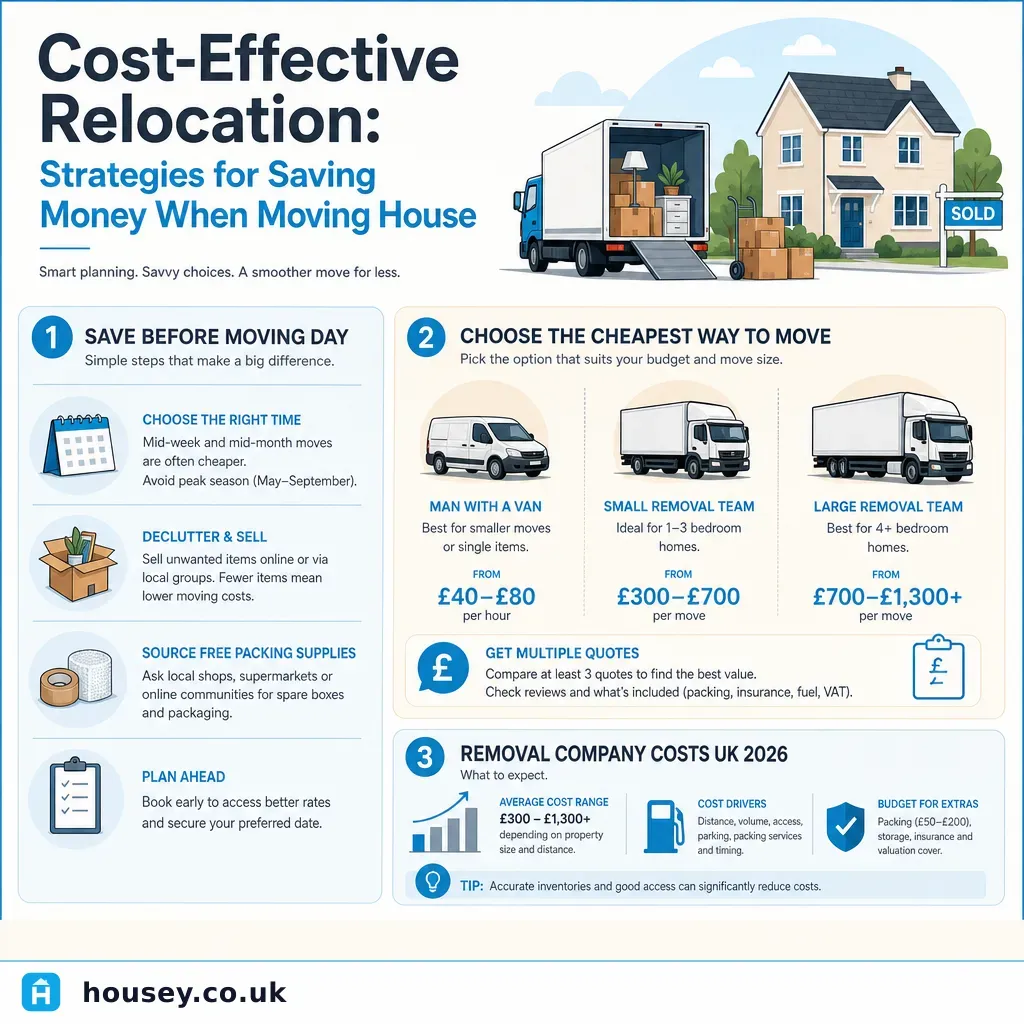
Cost-Effective Relocation: Strategies for Saving Money When Moving House
Moving house in the UK involves costs well beyond the removal van — stamp duty, conveyancing, surveys, and storage all add up. The most effective savings come from decluttering before quoting, moving mid-week rather than Friday, packing your own boxes, and comparing at least three quotes each for removals and conveyancing. Careful planning typically saves hundreds to thousands of pounds.
 Buying & Moving
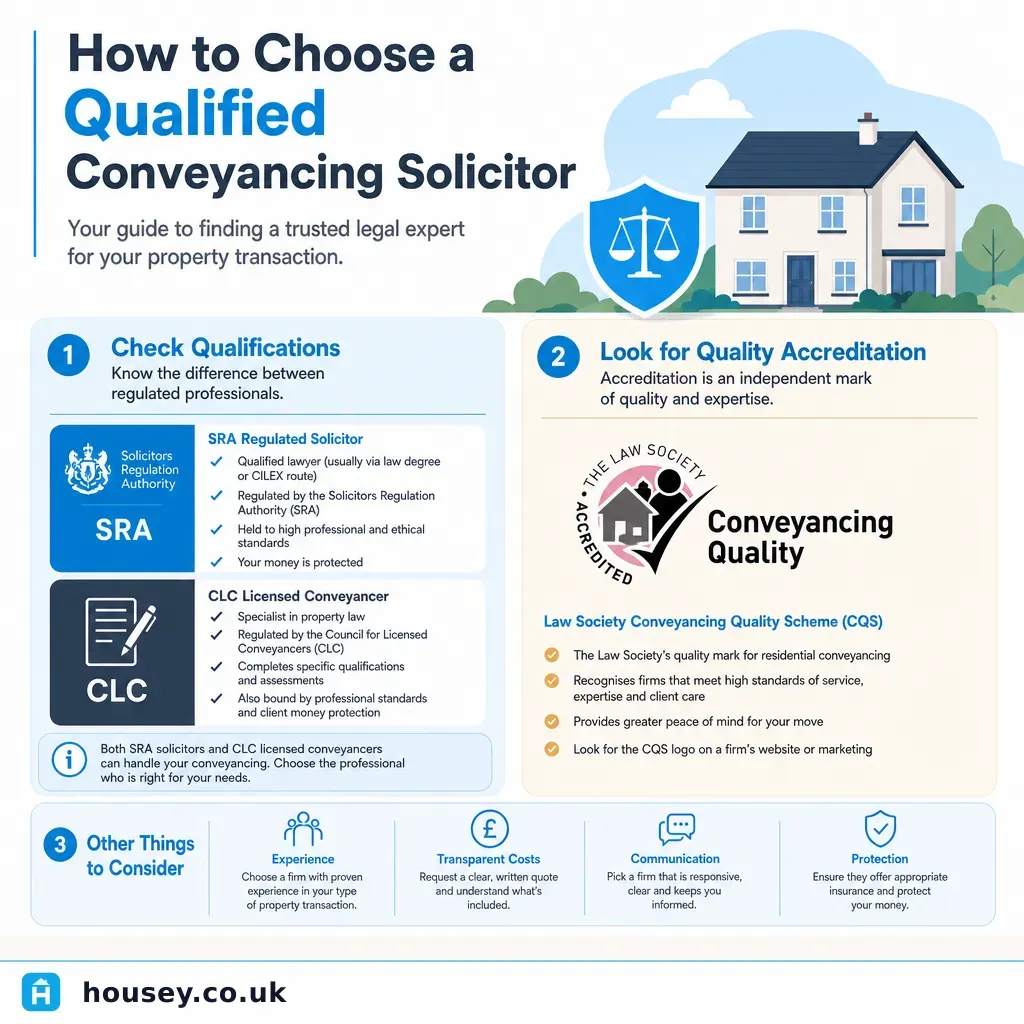
How to Choose a Qualified Conveyancing Solicitor
To choose a qualified conveyancing solicitor, verify they are regulated by the Solicitors Regulation Authority (SRA) or the Council for Licensed Conveyancers (CLC), check whether they hold Law Society CQS accreditation, and confirm they are on your mortgage lender's approved panel. Request itemised written quotes from at least three firms, comparing professional fees, disbursements, and VAT separately.
 Buying & Moving
Buy-to-Let Property Investment: Essential Guidance for Landlords
Buy-to-let investment in the UK requires careful financial planning. The SDLT surcharge on additional properties is now 5%, individual landlords receive only a 20% tax credit on mortgage interest, and every rental property must meet minimum EPC, gas safety, and electrical standards before a tenancy can start. Net yield — not gross — is the figure that matters.
 Buying & Moving
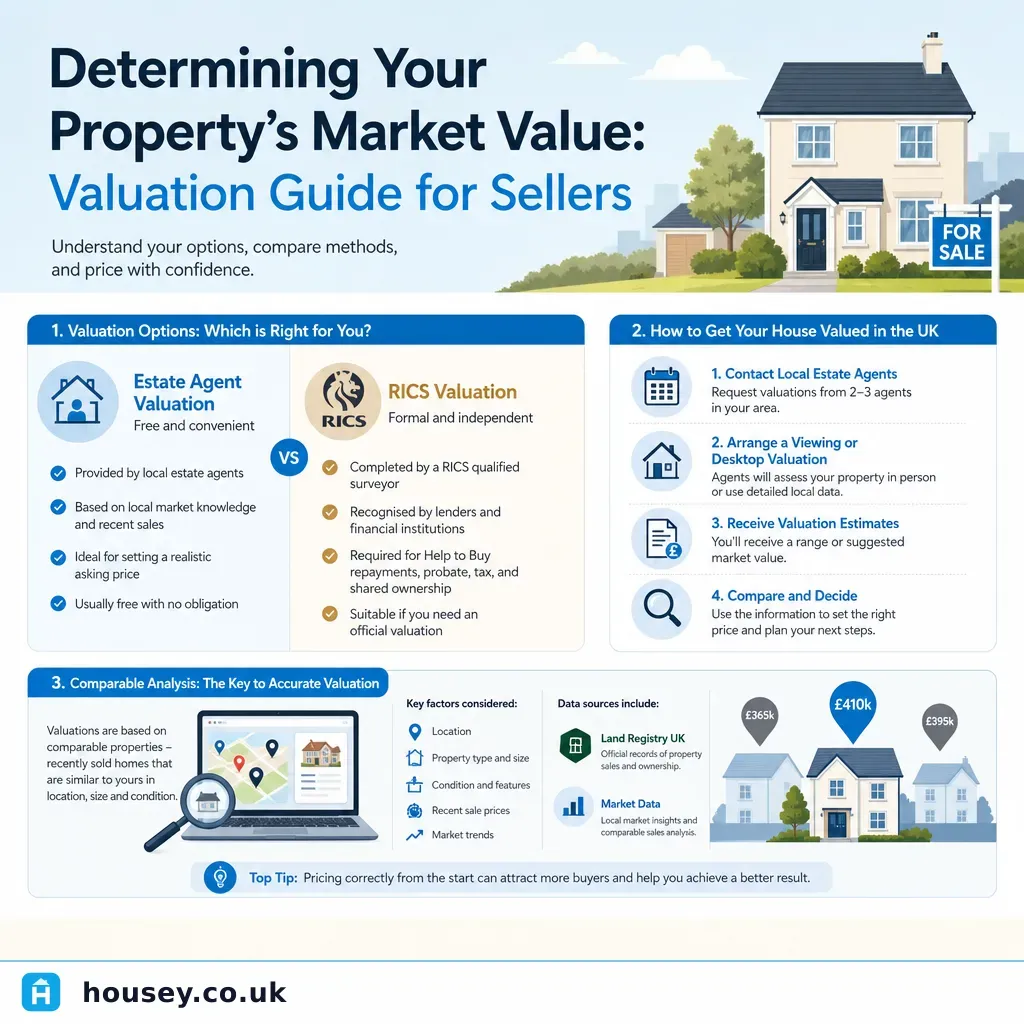
Determining Your Property's Market Value: Valuation Guide for Sellers
Market value in the UK is most reliably established by combining estate agent appraisals with your own analysis of recent sold prices on the HM Land Registry database. For legal and financial purposes — including probate, divorce, and Help to Buy redemption — a formally indemnified RICS Red Book valuation from a chartered surveyor is required.
 Buying & Moving
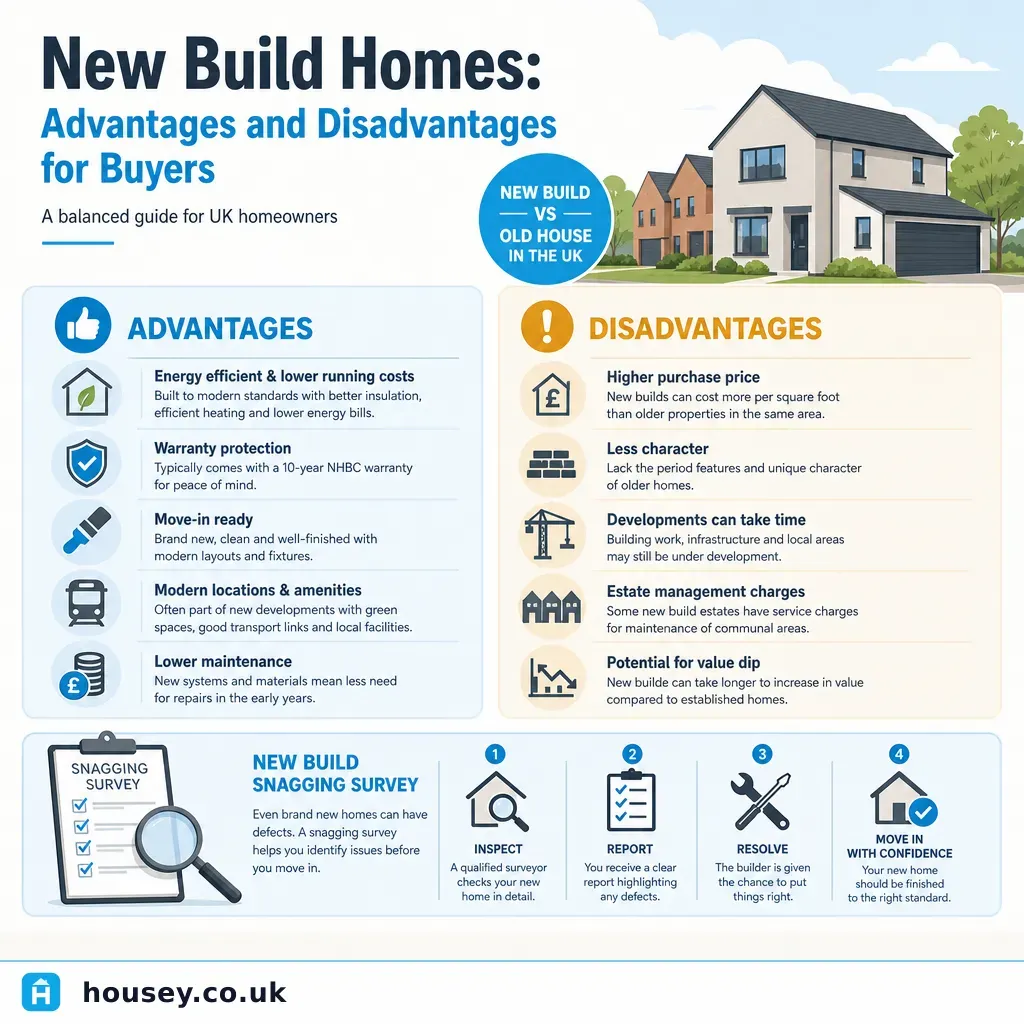
New Build Homes: Advantages and Disadvantages for Buyers
New build homes offer energy efficiency, modern layouts, and structural warranties — typically a 10-year NHBC Buildmark or equivalent. However, they usually cost more per square foot than comparable older properties, may come with leasehold complications, and often need a snagging survey to identify defects before legal completion. Understanding the trade-offs helps you decide whether a new build suits your circumstances.
 Buying & Moving
Golfing communities and properties near St Andrews
St Andrews and the surrounding villages in north-east Fife attract golf-motivated buyers from the UK and overseas. Property purchases in Scotland use a distinct legal system — missives rather than exchange — with Land and Buildings Transaction Tax applying instead of Stamp Duty. Instruct a Scottish solicitor before making any formal offer, and review the seller's mandatory Home Report carefully before proceeding.
 Buying & Moving
Pre-Purchase Property Assessment: Strategies and Buyer Advisory
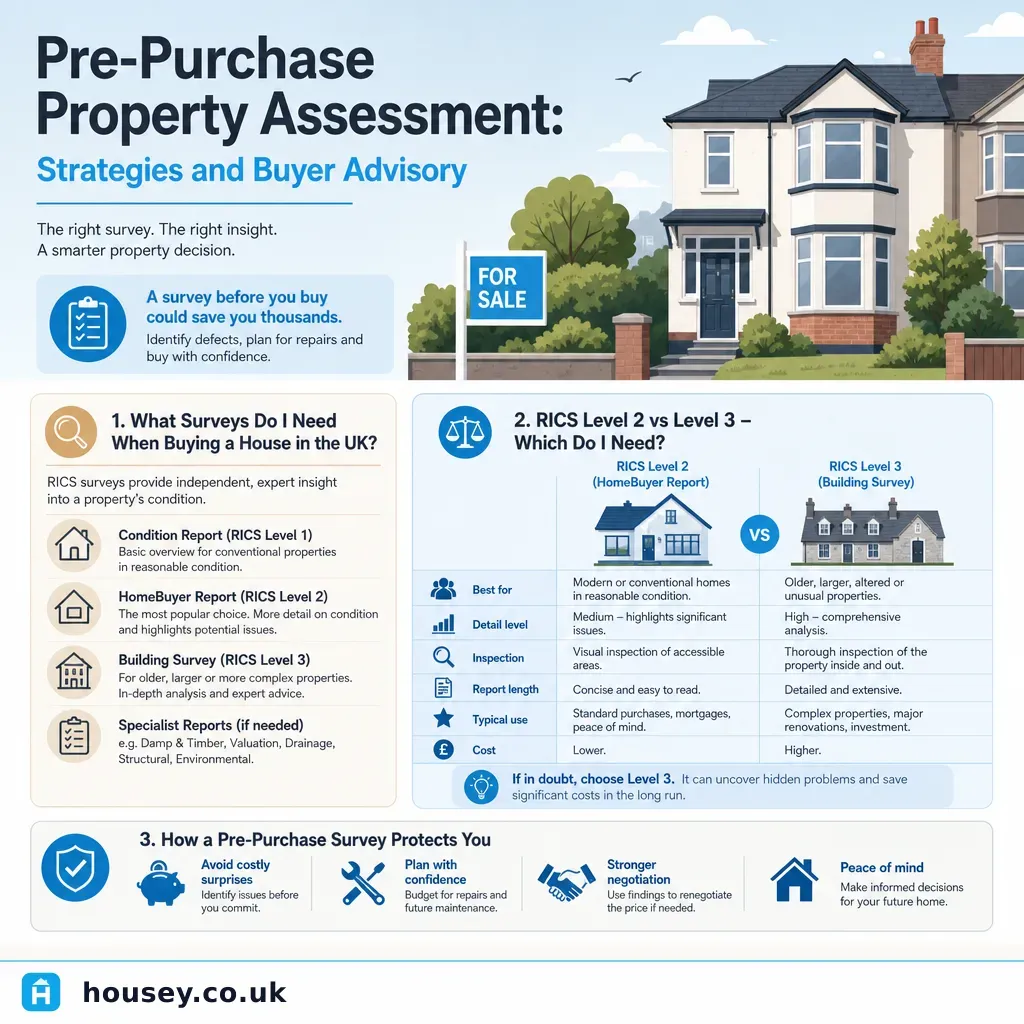
A pre-purchase property assessment in the UK typically combines an independent RICS Home Survey, conveyancing searches, and specialist inspections for damp or electrical condition where needed. Identify defects before exchange — sellers have no general duty to disclose physical problems, so the burden falls on the buyer. Survey findings can support price renegotiation and help you make a fully informed decision before committing.
 Buying & Moving
New-Build Inspections and Snagging: What to Check Before Completion
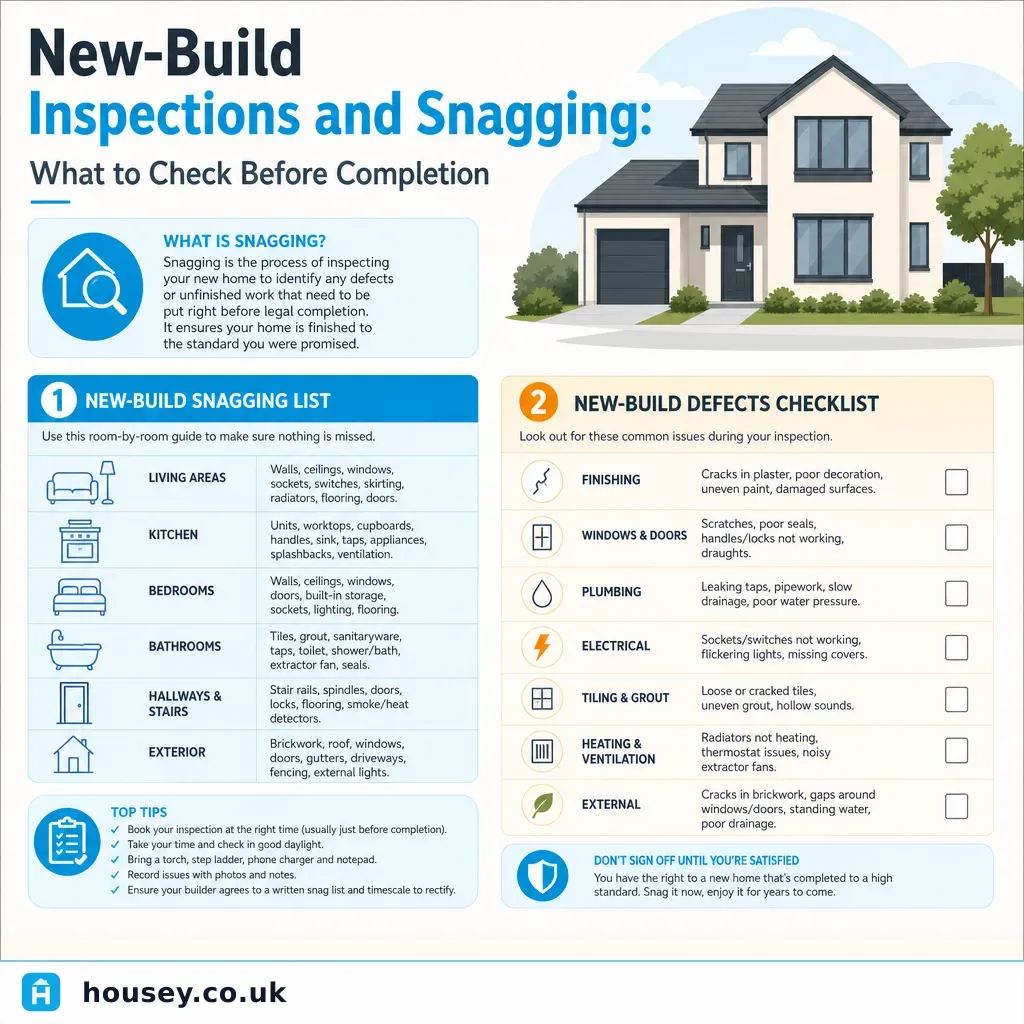
A professional snagging survey inspects a new-build home for workmanship defects, incomplete finishes, and Building Regulations compliance issues before or shortly after legal completion. Most new-build homes carry a 10-year NHBC or equivalent structural warranty, but the developer's obligation to rectify defects usually lasts two years. A specialist snagging inspector — rather than a standard RICS survey — is the appropriate tool for a new-build purchase.
 Buying & Moving
Expert Moving Services: Trusted House Removal Solutions
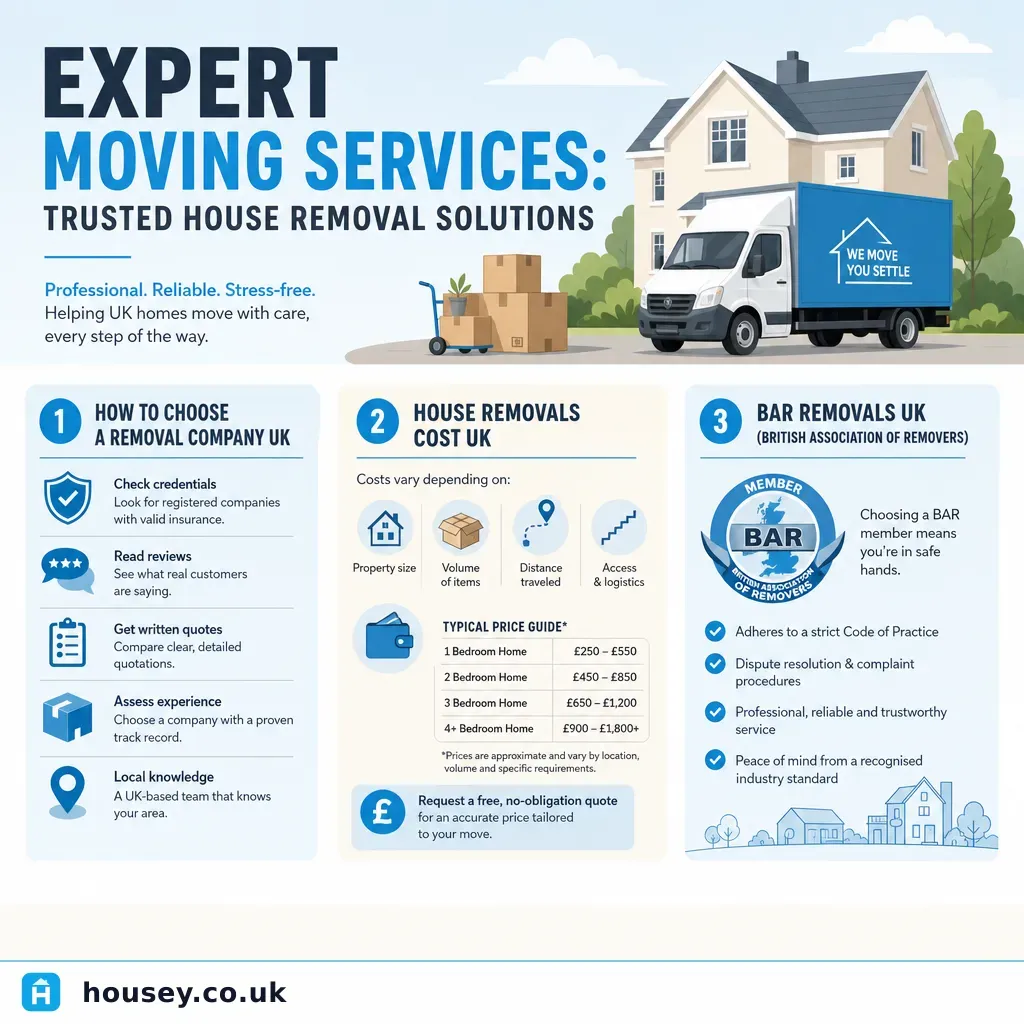
A professional house removal company handles packing, loading, transport, and unloading of your belongings. Look for BAR membership, adequate goods-in-transit insurance, and a detailed written quotation. Get at least three quotes, confirm cancellation terms before exchange of contracts, and book early — peak moving periods including June to August and end-of-month dates book up quickly.
 Buying & Moving
How Removal Services Integrate Storage Solutions
Many UK removal companies offer integrated storage as part of their moving service, letting you store belongings in a secure facility — often a sealed container or warehouse unit — when completion dates do not align. You book storage through the same firm handling your move, which simplifies logistics, reduces double-handling, and gives you a single point of contact.
 Buying & Moving
Comprehensive Moving Home Checklist: Before, During and After
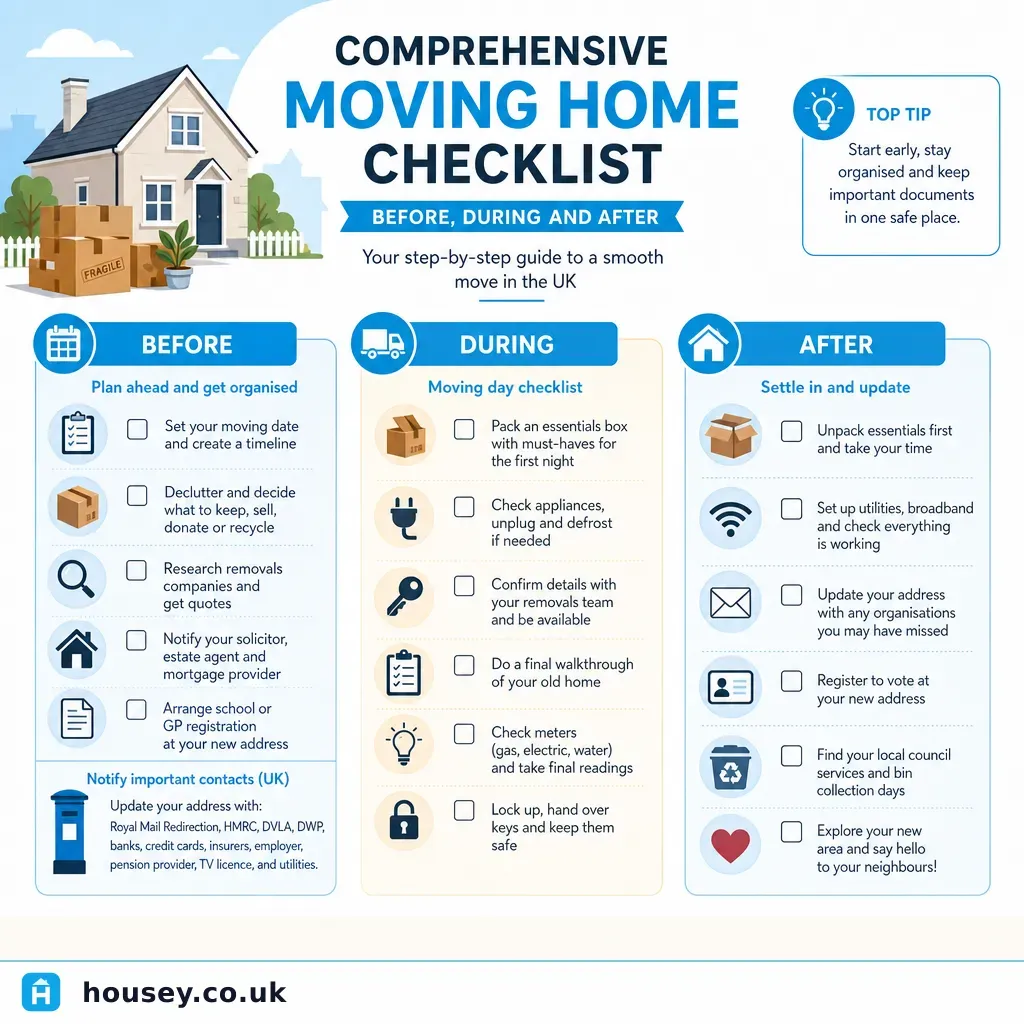
Moving house in the UK involves tasks across roughly eight weeks: instructing a conveyancer and removal firm early, systematically notifying organisations of your new address, confirming buildings insurance from exchange, taking meter readings on completion day, and registering with the new council and utilities promptly. A phased checklist helps ensure nothing critical is missed during the handover process.
 Buying & Moving
Government Property Support Schemes: Help to Buy Eligibility and Benefits
Help to Buy: Equity Loan in England closed in March 2023 and is no longer available to new buyers. In 2026, the main UK government schemes are the Lifetime ISA (25% bonus, £450,000 property cap), First Homes (minimum 30% discount on new-builds), and Shared Ownership. Scotland and Wales operate separate devolved schemes. Verify current status on GOV.UK before making financial decisions.