Knowledge Base
Property advice that actually helps
Researched, UK-specific guides for every stage of homeownership — from buying and surveys to retrofit, planning and major works.
 Energy & Retrofit
High-Performance Doors and Windows for Energy Saving
High-performance windows and doors reduce heat loss through the building envelope, cutting heating bills and improving comfort. In the UK, products are rated using the Window Energy Rating scheme, with A++ being the highest. Double-glazed units with low-emissivity glass and warm-edge spacers typically achieve a U-value of 1.2 W/m²K or better. FENSA-registered installers self-certify compliance with Building Regulations.
 Energy & Retrofit
HVAC System Upgrades: Cost Savings for Older Properties
Upgrading heating and ventilation systems in an older UK home can significantly reduce energy bills, but the best approach depends on the property's insulation, construction, and heat demand. Options range from high-efficiency condensing boilers to air source heat pumps, with government grants such as the Boiler Upgrade Scheme (up to £7,500) available for eligible properties. A retrofit assessment is the recommended first step before any major system change.
 Energy & Retrofit
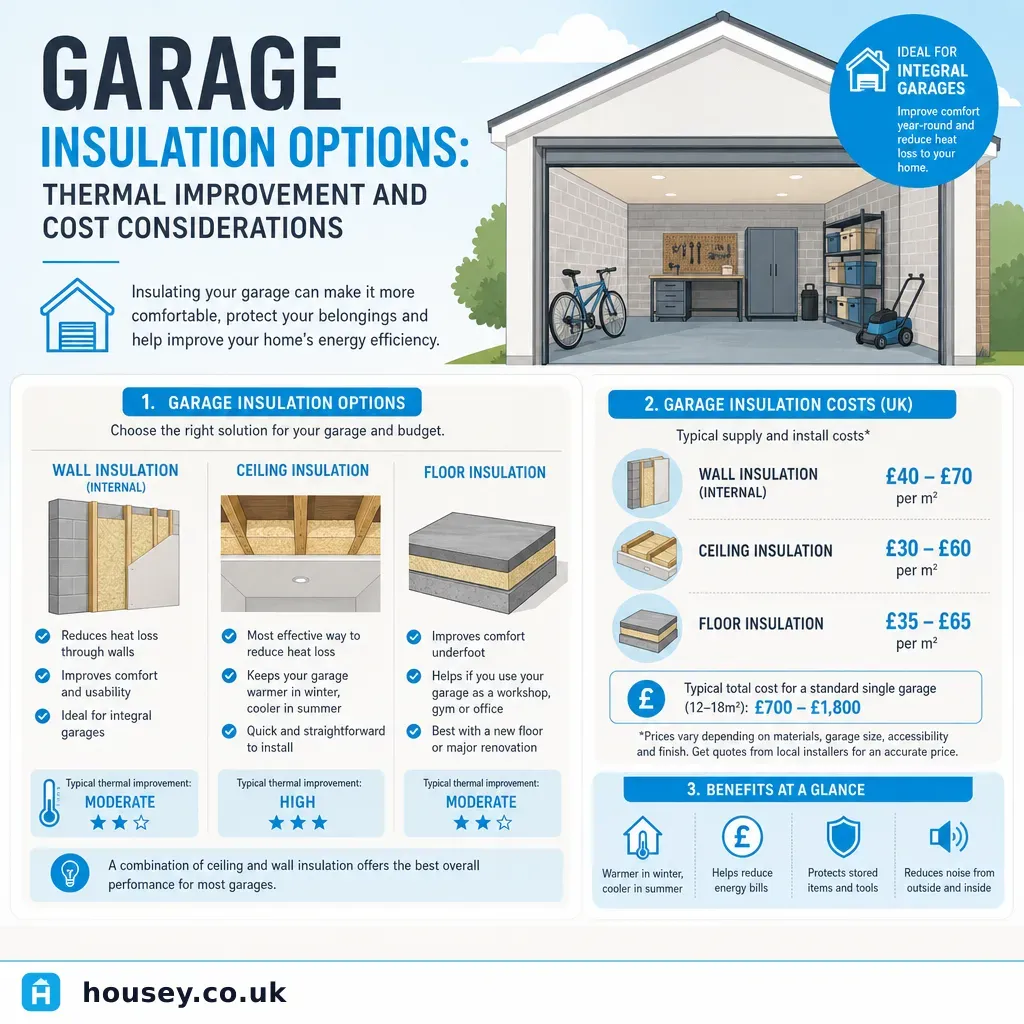
Garage Insulation Options: Thermal Improvement and Cost Considerations
Garage insulation options in the UK include mineral wool batts, rigid foam boards (PIR or EPS), and insulated garage doors. The best approach depends on whether the garage is integral or detached, heated or unheated, and whether a habitable conversion is planned. Integral garages with shared walls and ceilings benefit most from a comprehensive insulation strategy.
 Energy & Retrofit
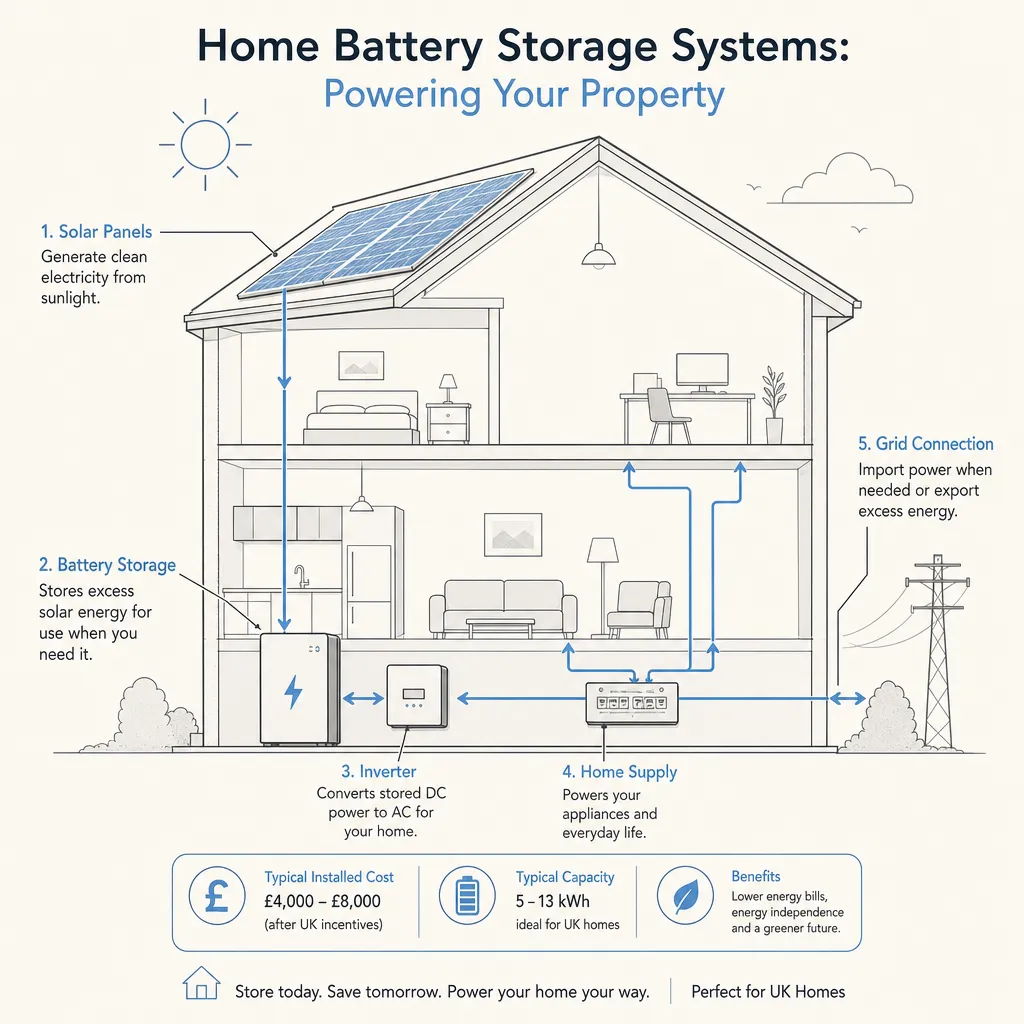
Home Battery Storage Systems: Powering Your Property
Home battery storage systems store electricity from solar panels or the grid — typically 5 to 15 kWh capacity — for use when generation is low or tariffs are high. Installed costs in the UK range from around £2,000 to £8,000. All installations must be carried out by a qualified electrician, ideally MCS-certified, to access Smart Export Guarantee payments.
 Energy & Retrofit
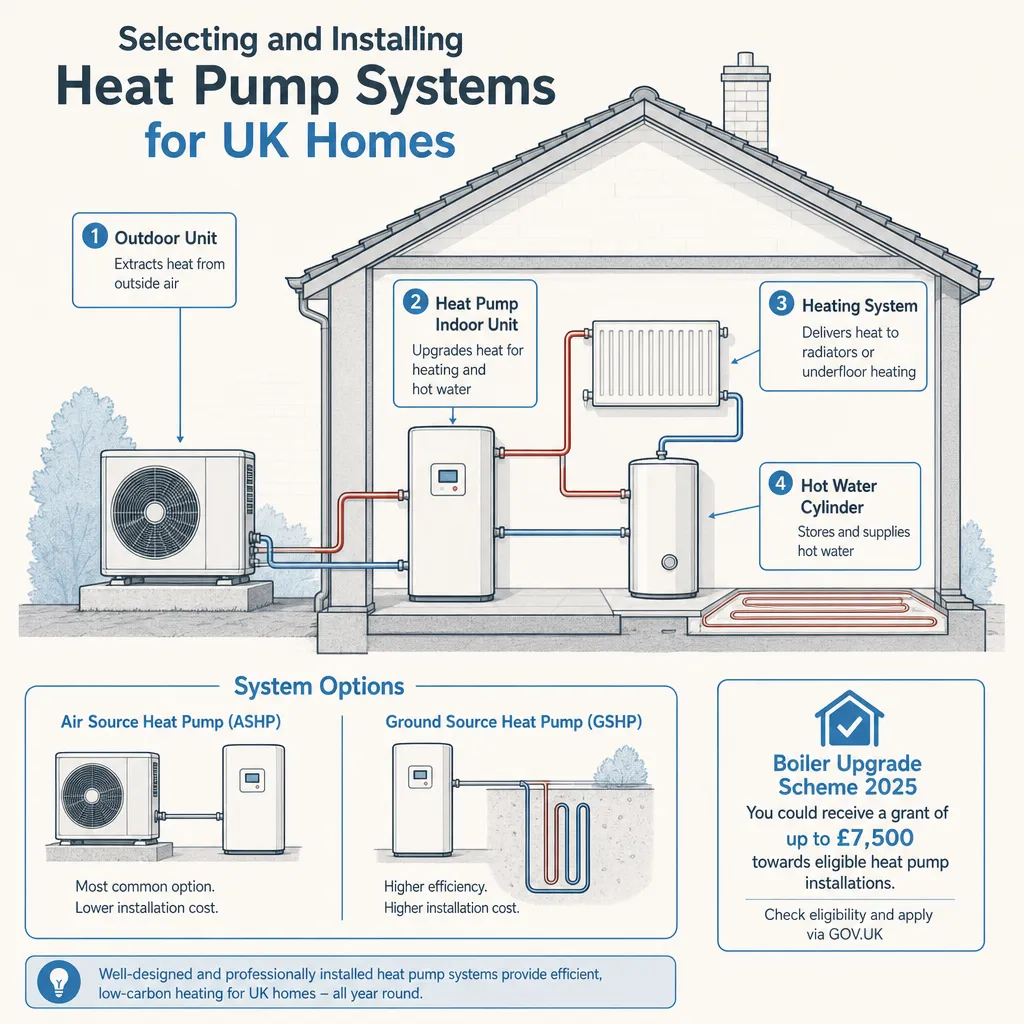
Selecting and Installing Heat Pump Systems for UK Homes
Selecting a heat pump for a UK home requires a site-specific heat loss calculation, an assessment of existing heat emitters, and a check on fabric insulation before any system is chosen. Air source heat pumps suit most UK homes with outdoor space; ground source suits those with land or borehole access. The Boiler Upgrade Scheme offers a £7,500 grant through MCS-certified installers in England and Wales.
 Energy & Retrofit
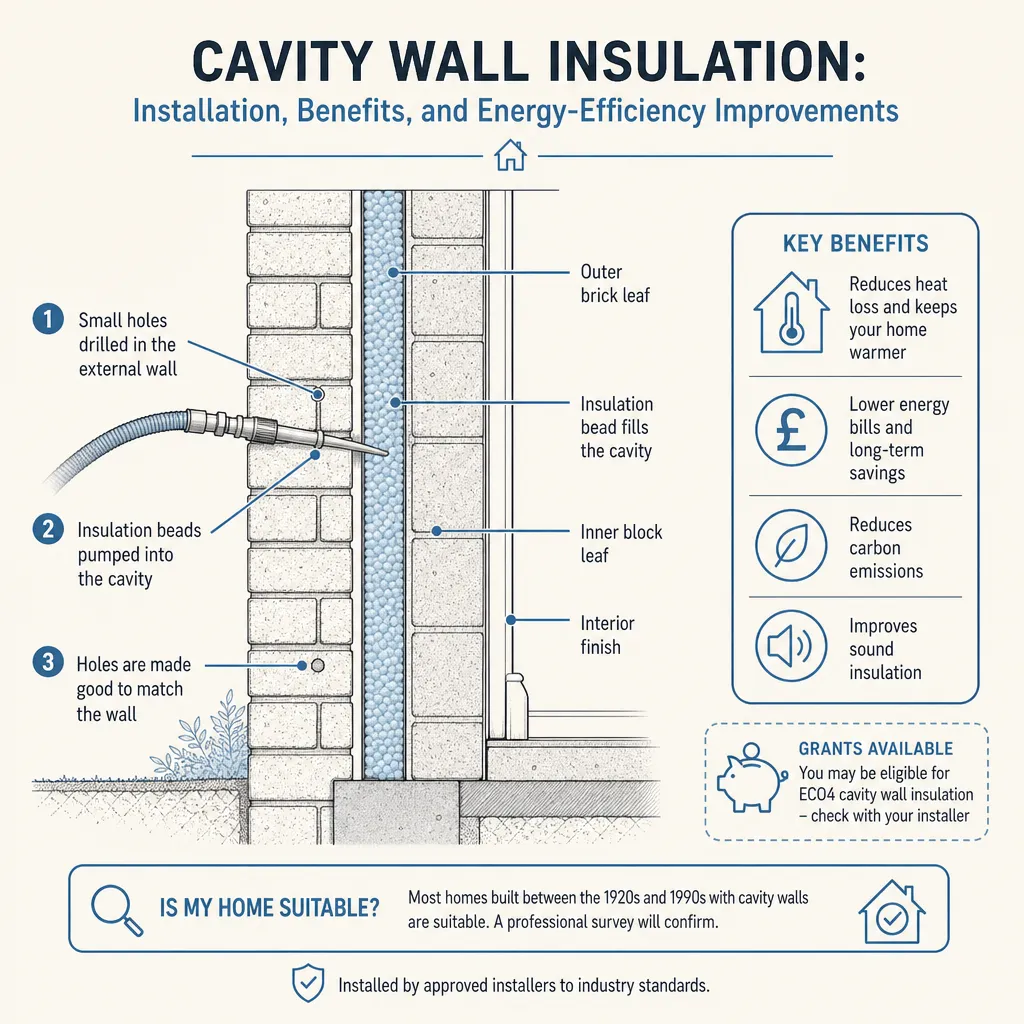
Cavity Wall Insulation: Installation, Benefits, and Energy-Efficiency Improvements
Cavity wall insulation fills the gap between the inner and outer leaves of a cavity wall with mineral wool, EPS beads, or injected foam. Most UK homes built after 1920 are candidates. Typical annual savings are £150–£310 for a semi-detached property. ECO4 and GBIS grants may cover much of the cost for eligible households. A PAS 2030-certified installer should carry out a pre-installation survey to confirm suitability.
 Energy & Retrofit
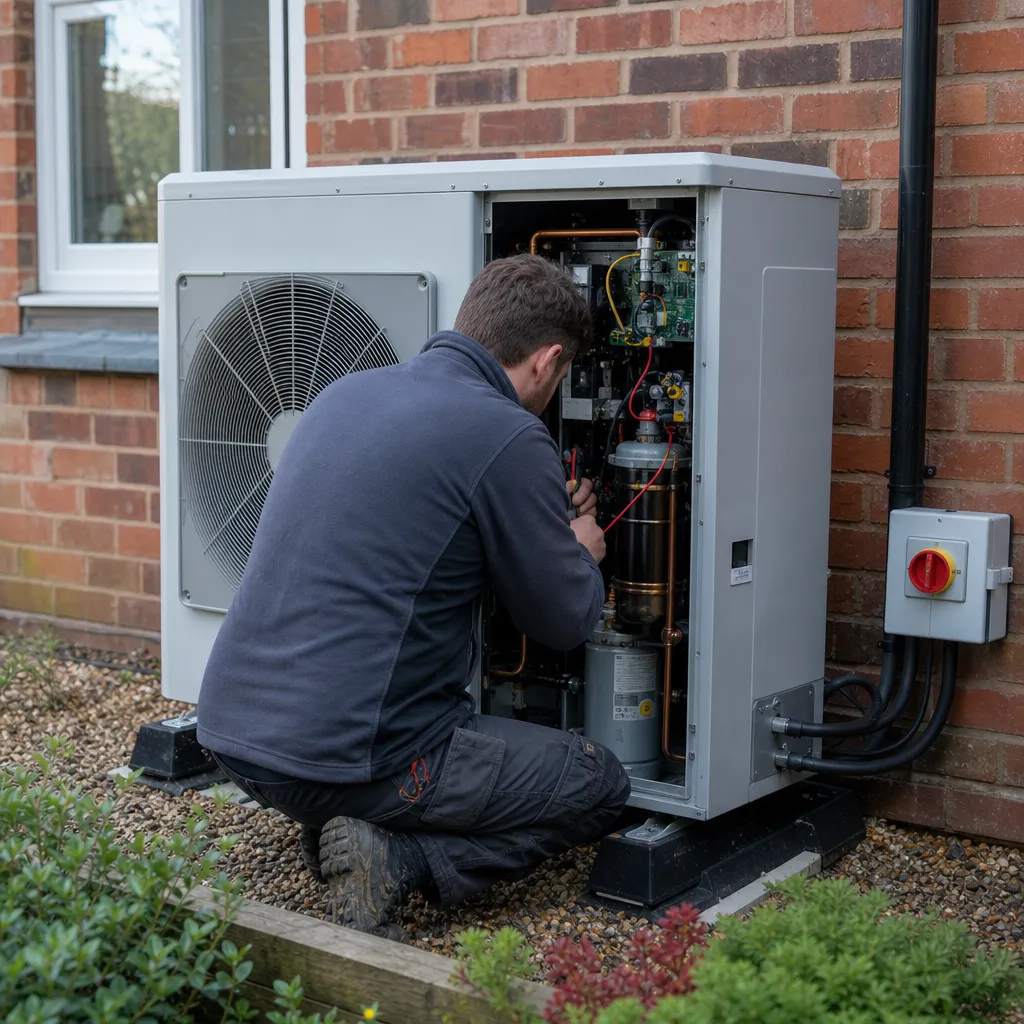
Air Source Heat Pump Repairs: When to Call an Electrician or Plumber
For refrigerant faults such as low pressure or icing, call an F-Gas certified engineer — handling refrigerants is a legal requirement. For electrical or controls faults, a Part P electrician or MCS-certified installer is appropriate. For hydraulic issues such as poor heat distribution, an experienced plumber may help. For most faults, an MCS-certified heat pump engineer covers all three areas and protects your warranty.
 Energy & Retrofit
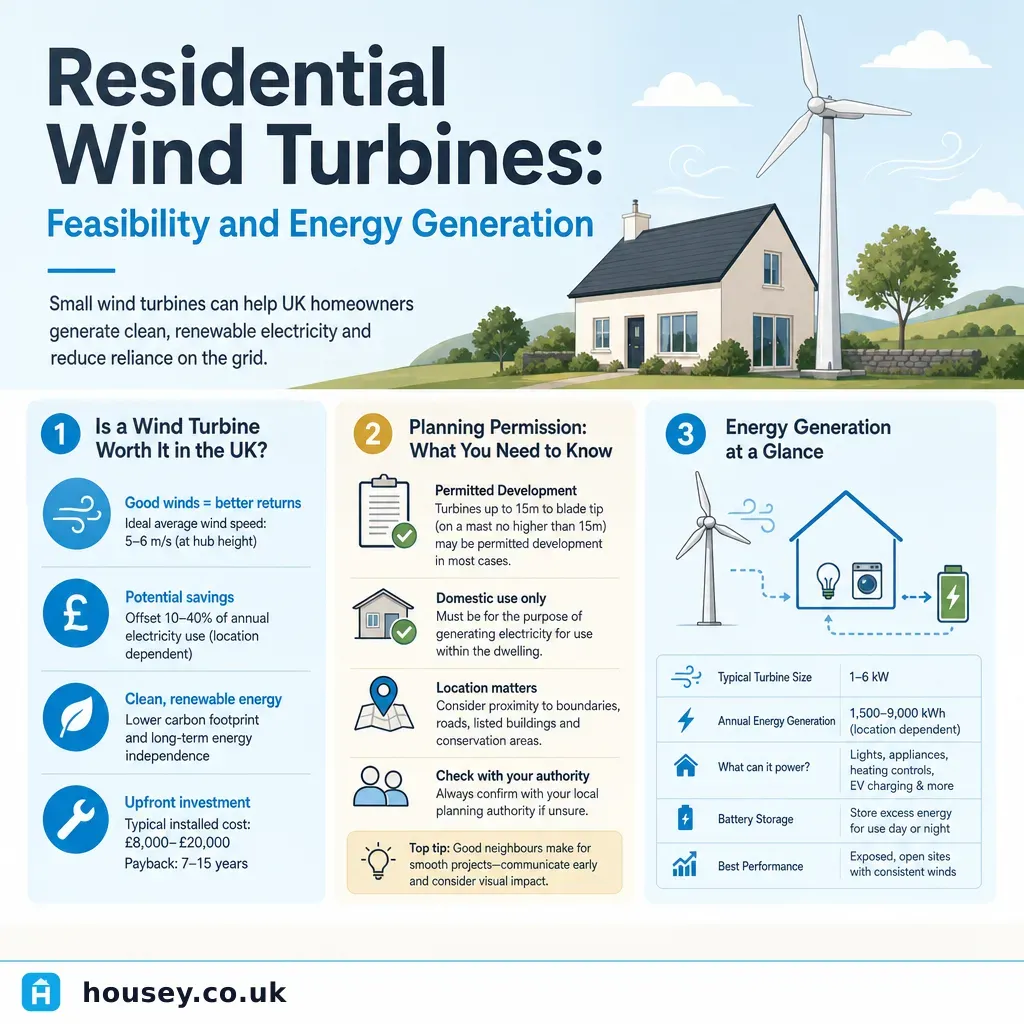
Residential Wind Turbines: Feasibility and Energy Generation
Whether a residential wind turbine is feasible depends largely on your site's average wind speed — most UK homes need at least 5–6 m/s to generate useful electricity. Rural and elevated sites generally offer better returns than urban ones. Planning permission is required in most cases, and building-mounted turbines rarely prove cost-effective for typical homes.
 Energy & Retrofit
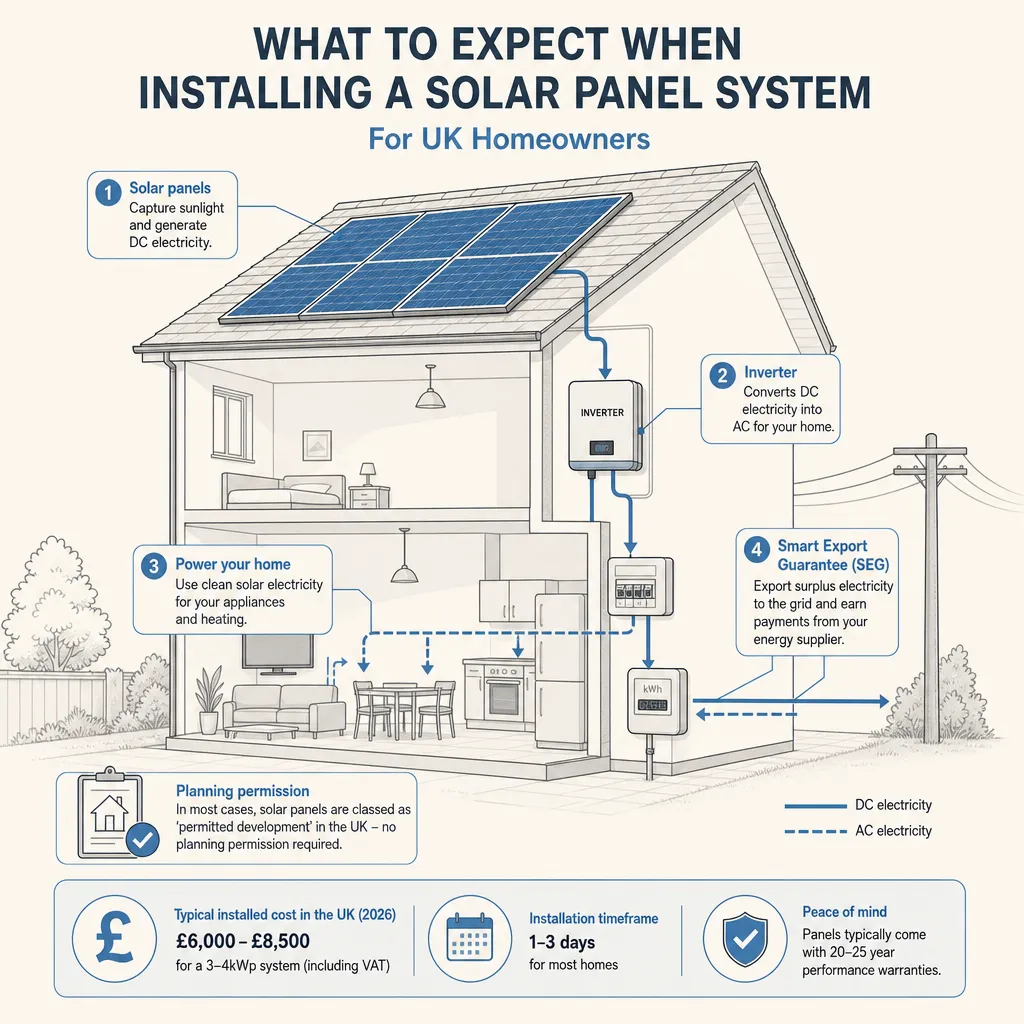
What to Expect When Installing a Solar Panel System
A standard residential solar installation in the UK involves a site survey, appointment of an MCS-certified installer, and a one-to-two day fit-out. A typical 4kWp system costs £5,500–£8,000. Most homes do not need planning permission, and you can earn from surplus electricity via the Smart Export Guarantee.
 Energy & Retrofit
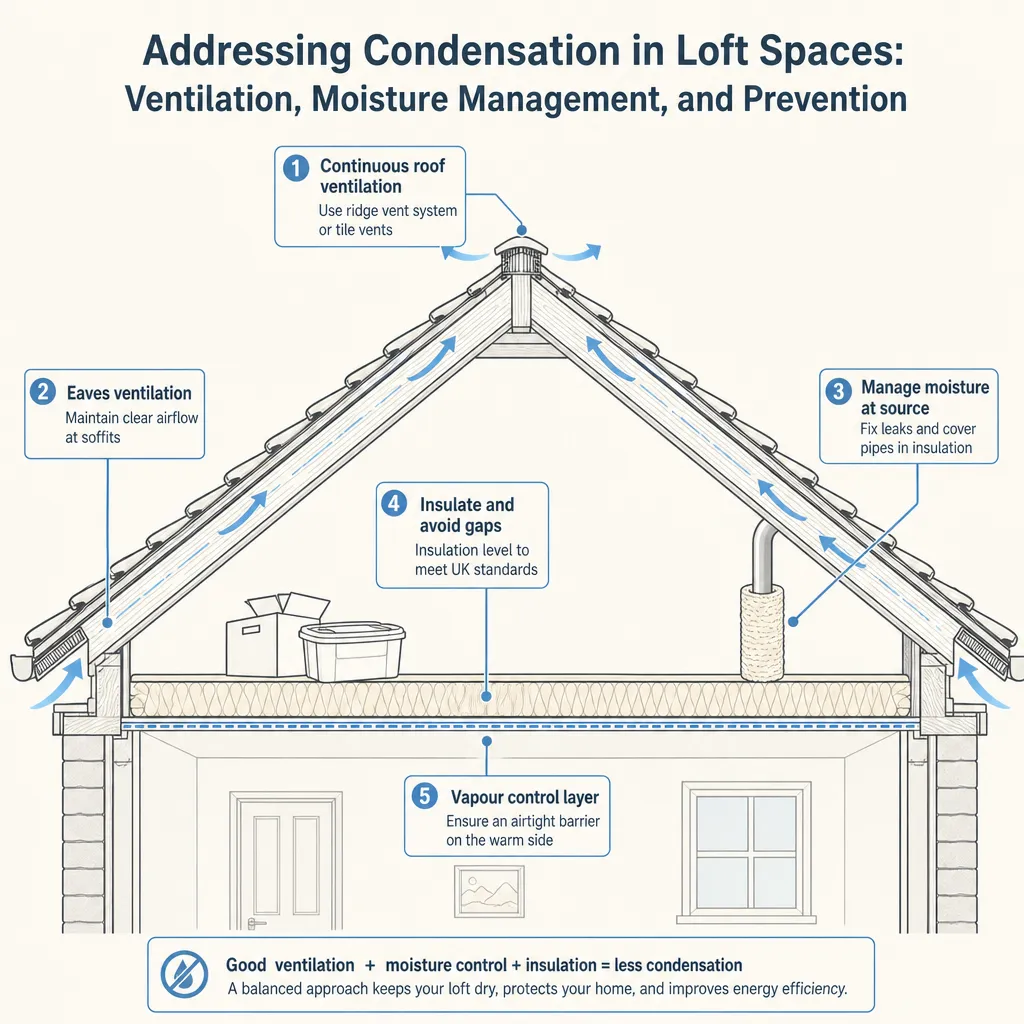
Addressing Condensation in Loft Spaces: Ventilation, Moisture Management, and Prevention
Loft condensation forms when warm, moist air from living spaces passes through ceiling gaps and deposits moisture on cold roof timbers or underfelt. The main remedies are cross-ventilation through eaves and ridge vents, air-sealing ceiling penetrations, and where appropriate a vapour control layer beneath insulation. A professional assessment is advisable before any retrofit insulation is installed.
 Energy & Retrofit
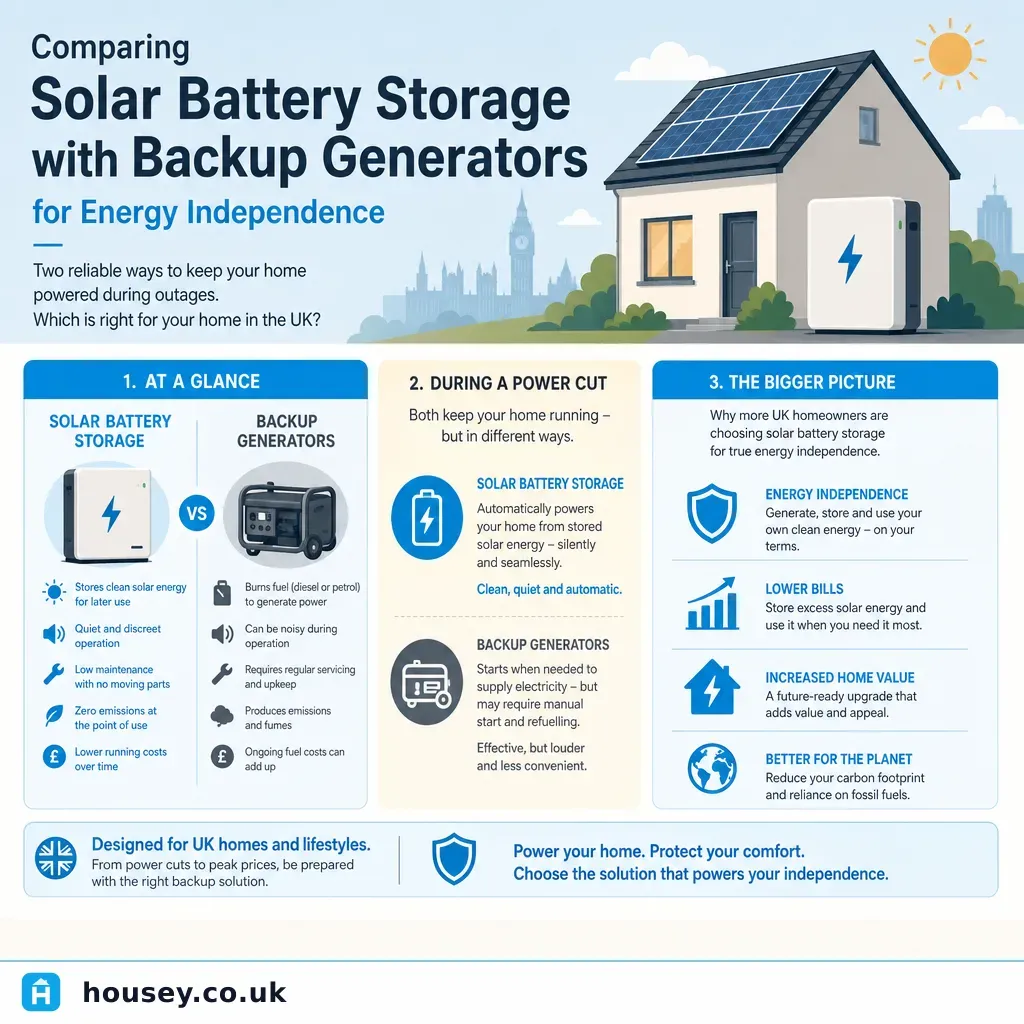
Comparing Solar Battery Storage with Backup Generators for Energy Independence
Solar battery storage and backup generators both offer energy resilience but work very differently. Batteries store surplus solar electricity silently and without fuel, making them the stronger long-term choice for PV owners. Generators suit homes needing large on-demand loads or off-grid backup without solar panels. Many households benefit from comparing both carefully before committing to either.
 Energy & Retrofit
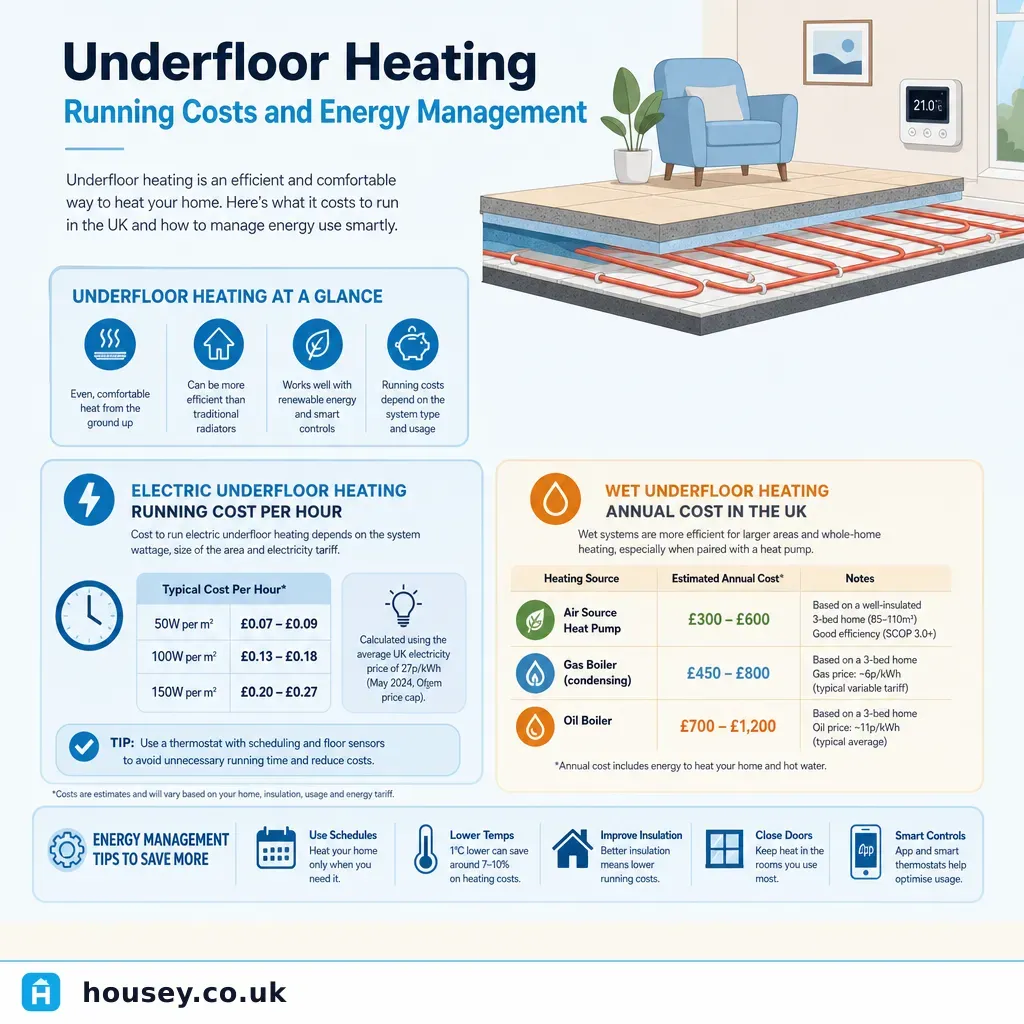
Underfloor Heating Running Costs and Energy Management
Underfloor heating running costs depend on system type, heat source, insulation, and controls. Electric UFH costs around 22–34p per kWh at 2026 Ofgem price cap rates; wet UFH paired with a heat pump can deliver useful heat at 7–10p per kWh. Smart zoning and good insulation can reduce energy consumption by up to 30%.