Knowledge Base
Property advice that actually helps
Researched, UK-specific guides for every stage of homeownership — from buying and surveys to retrofit, planning and major works.
 Energy & Retrofit
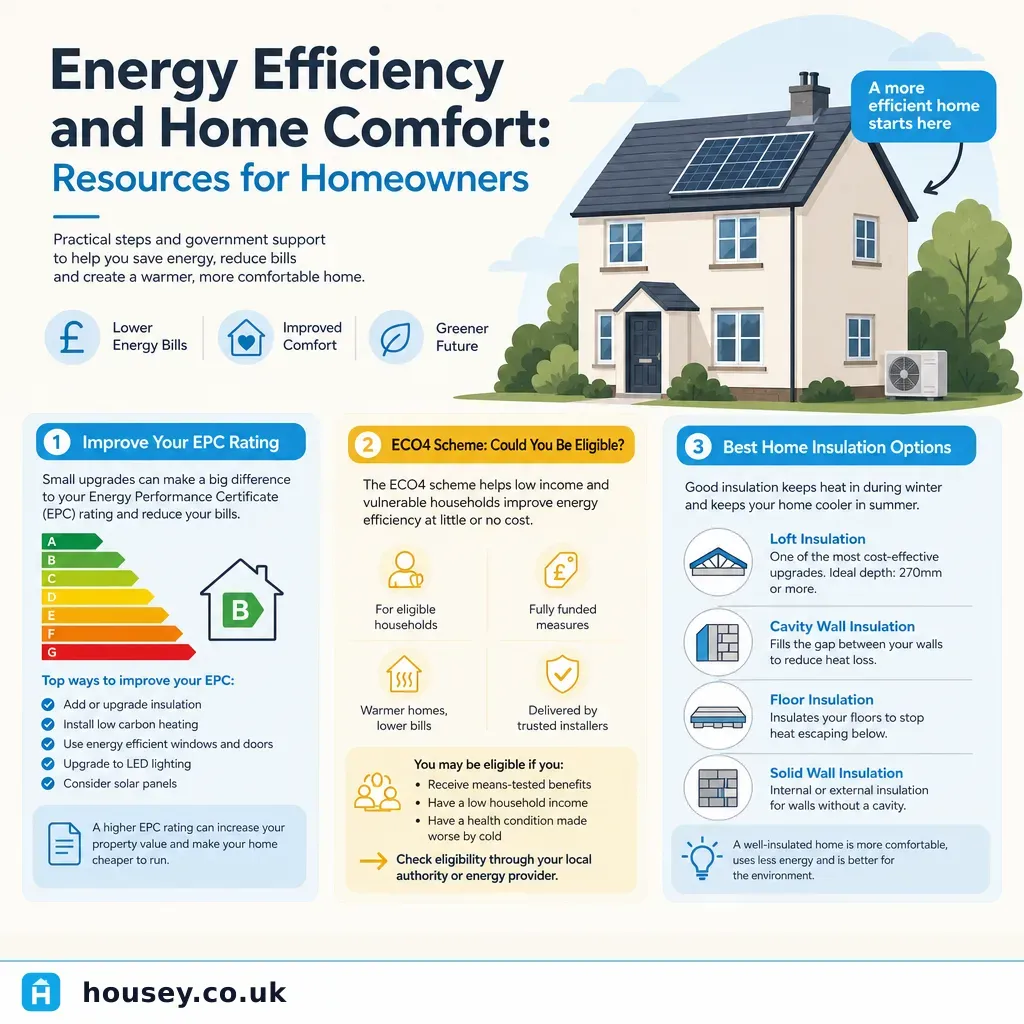
Energy Efficiency and Home Comfort: Resources for Homeowners
Start with your Energy Performance Certificate to understand where your home loses heat, then prioritise improvements by property type. Loft and cavity wall insulation typically offer the highest returns for eligible homes. Government schemes including ECO4 and the Great British Insulation Scheme fund measures for eligible households. A retrofit assessment can help sequence improvements safely and avoid moisture risk.
 Energy & Retrofit
Common Home Heating Mistakes: Efficiency and Safety
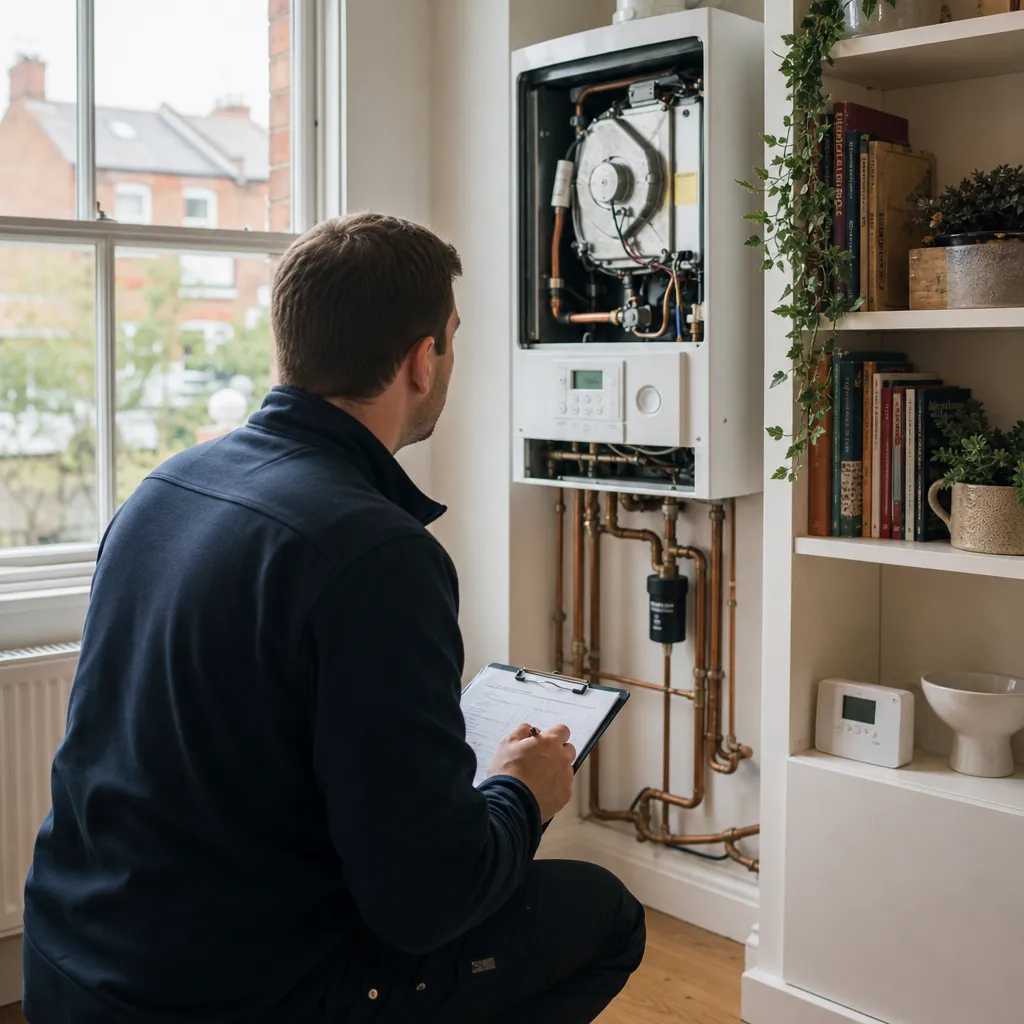
The most common heating mistakes UK homeowners make include setting the boiler flow temperature too high, assuming constant low heat is cheaper than a timed programme, and neglecting annual Gas Safe servicing. The Energy Saving Trust estimates reducing flow temperature to 60°C can cut gas use by around 6–8%. Fixing these habits reduces energy bills and keeps gas appliances safe.
 Energy & Retrofit
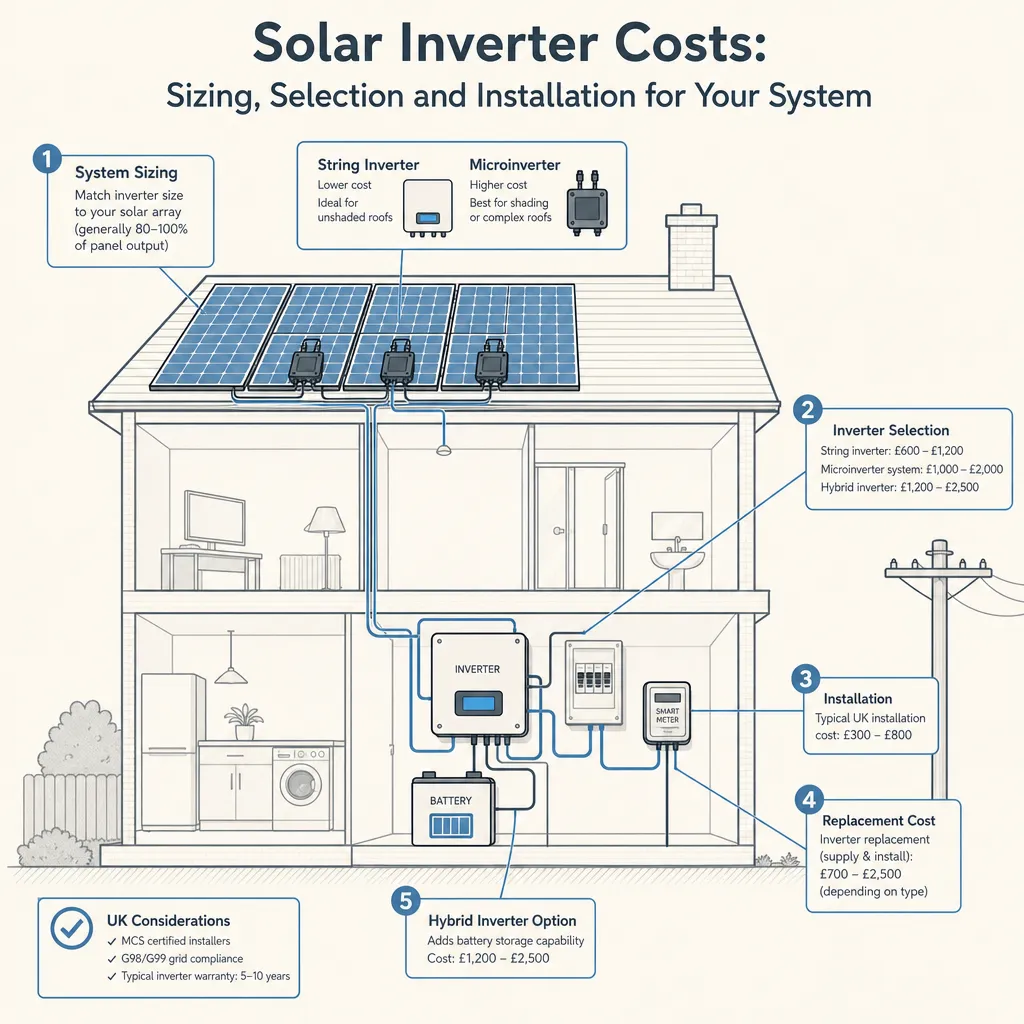
Solar Inverter Costs: Sizing, Selection and Installation for Your System
A solar inverter converts DC electricity from panels into AC power for home use. String inverters typically cost £500–£1,500 installed for a standard domestic array; microinverters cost more per panel but suit shaded or complex roofs. Hybrid inverters add battery-readiness. Choosing the right type depends on your roof layout, shading conditions, and whether you plan to add battery storage.
 Energy & Retrofit
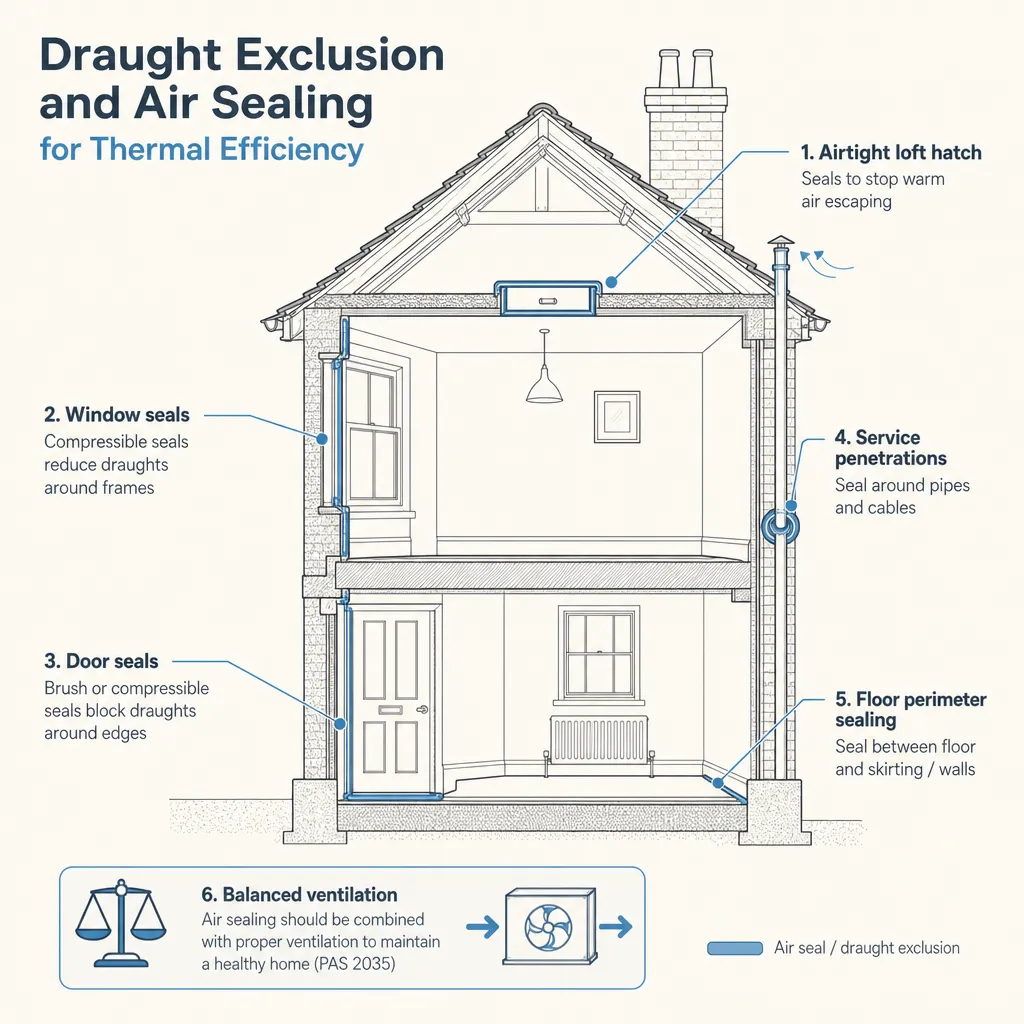
Draught Exclusion and Air Sealing for Thermal Efficiency
Draught proofing and air sealing can cut uncontrolled heat loss by 15–25% in a typical UK home, but sealing a building too tightly without reviewing ventilation risks condensation, mould, and poor air quality. In older properties, PAS 2035:2023 requires a retrofit coordinator-led assessment before significant air sealing work is carried out.
 Energy & Retrofit
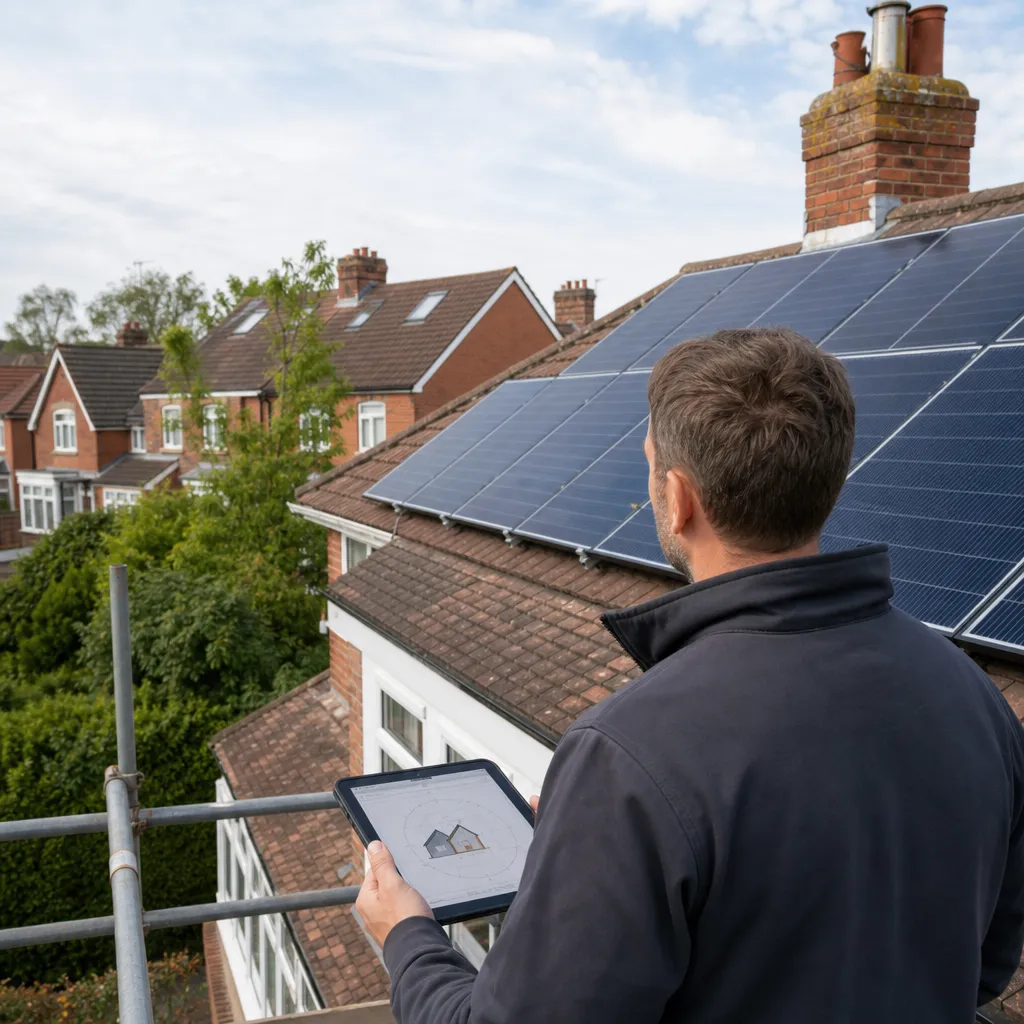
Solar Panel Orientation: Optimising Direction and Placement for UK Properties
In the UK, solar panels generate the most electricity when facing true south at a pitch of 30–40 degrees. East- or west-facing roofs typically produce around 15–20% less than a south-facing array but remain financially viable for many households. Flat roofs can accommodate south-tilted frames, and north-facing slopes are generally not recommended as a primary array location.
 Energy & Retrofit
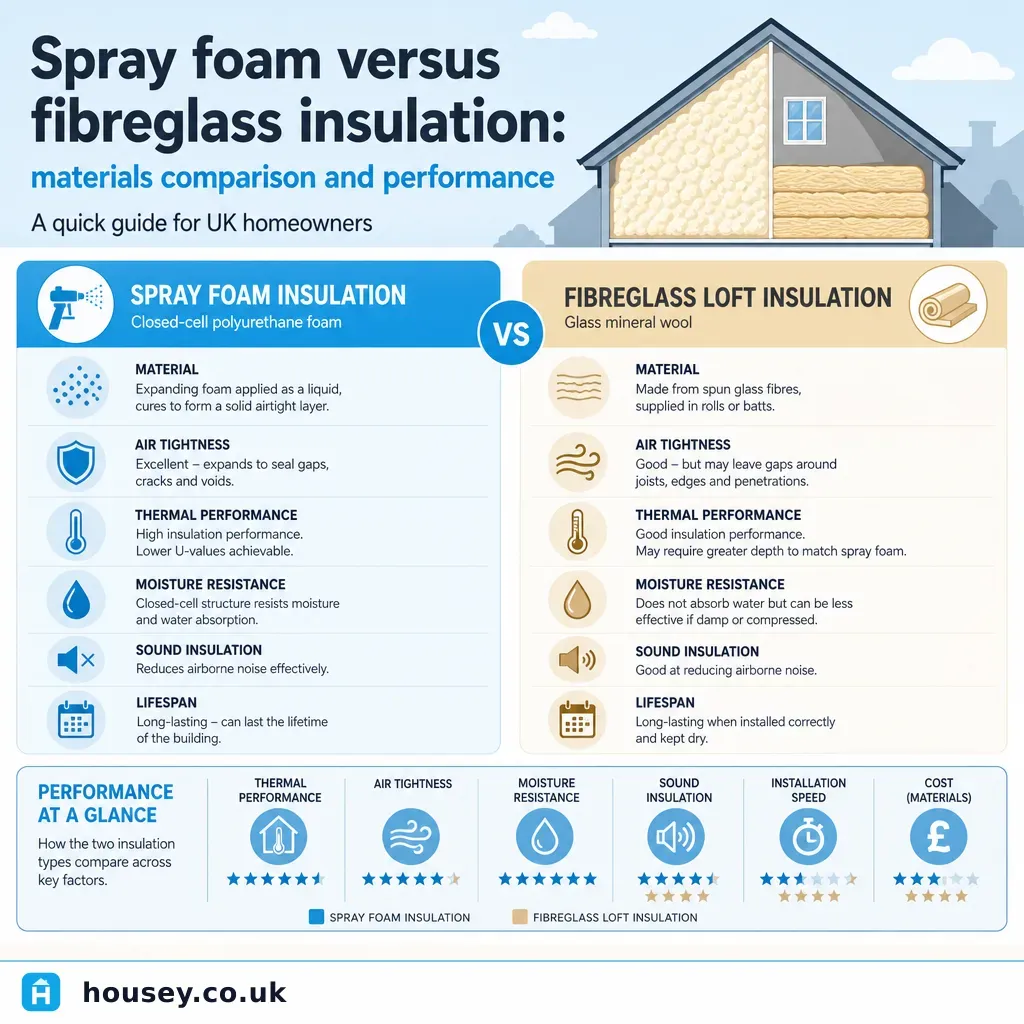
Spray foam versus fibreglass insulation: materials comparison and performance
Spray foam insulation offers higher thermal performance per centimetre than fibreglass, but in UK homes it carries significant mortgage and resale risks when applied to roof timbers. Fibreglass rolls remain the most widely used and cost-effective loft insulation option. The right choice depends on your property type, planned application, and whether you may sell or remortgage within the next decade.
 Energy & Retrofit
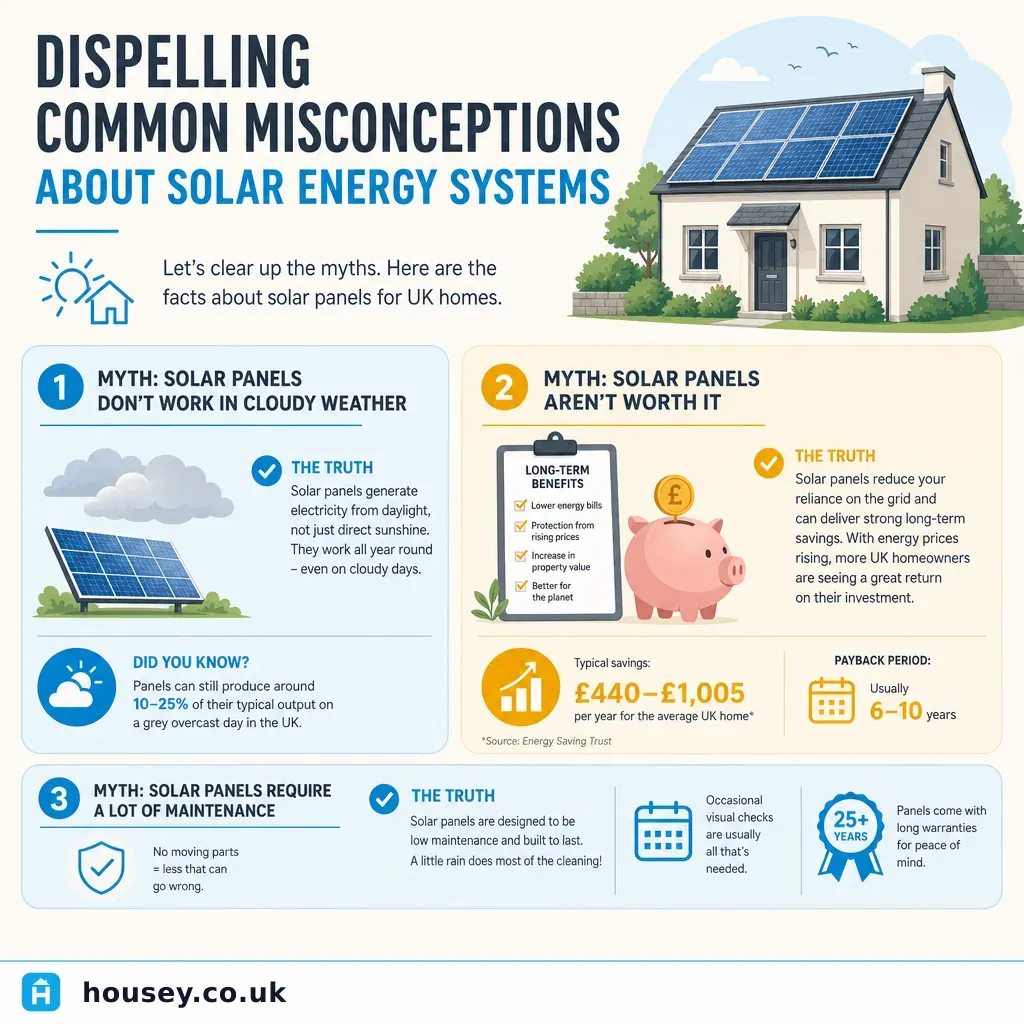
Dispelling Common Misconceptions About Solar Energy Systems
Most common solar panel myths — that panels don't work in cloudy UK weather, take decades to pay back, or cause net environmental harm — are not supported by evidence. UK solar panels generate electricity on overcast days, typically pay back in 6–10 years, and produce net-zero-carbon electricity for most of their 25–30 year lifespan.
 Energy & Retrofit
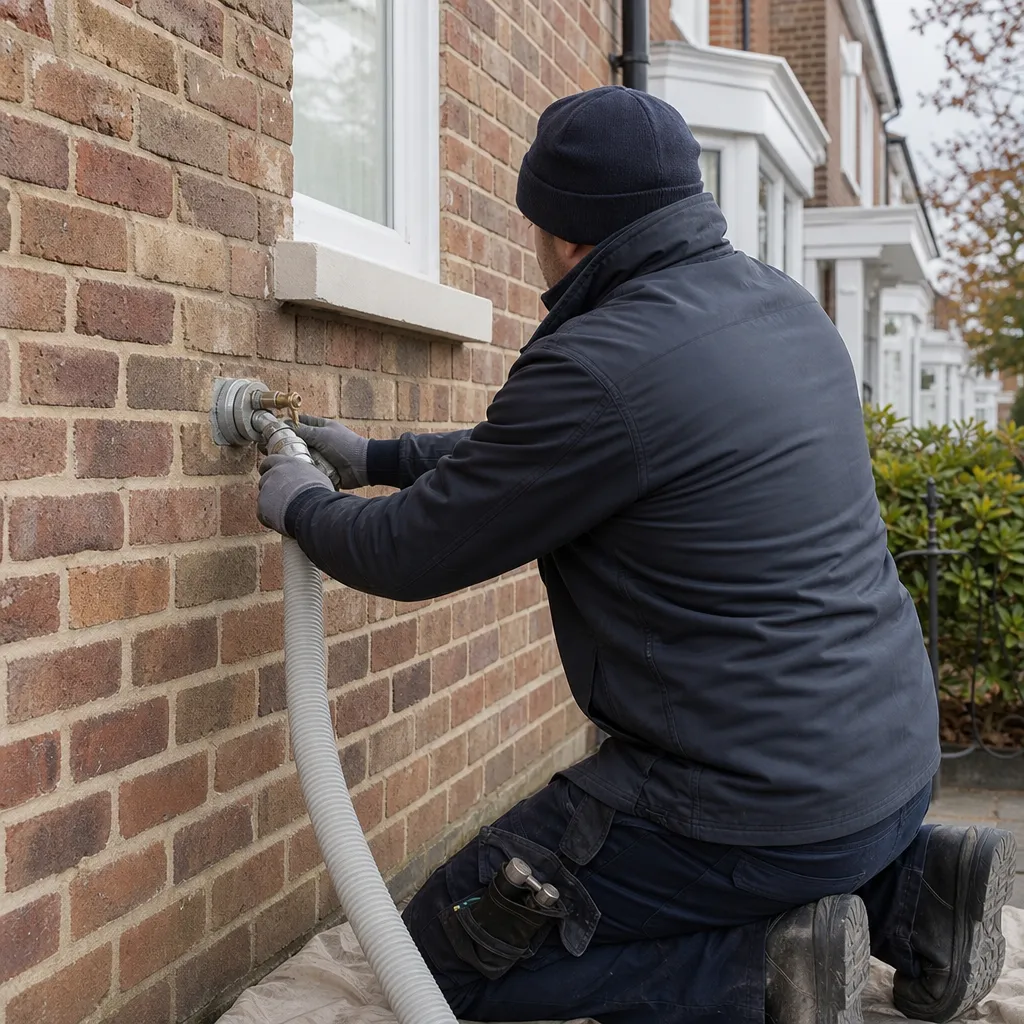
Cavity Wall Insulation: Benefits, Types and Considerations
Cavity wall insulation fills the gap between a property's inner and outer masonry leaves with material such as mineral wool, EPS beads, or injected foam, reducing heat loss through walls by up to 35% and improving EPC ratings. Suitability depends on cavity width (typically at least 50 mm), wall condition, and the property's exposure to wind-driven rain — an assessment is needed before installation.
 Energy & Retrofit
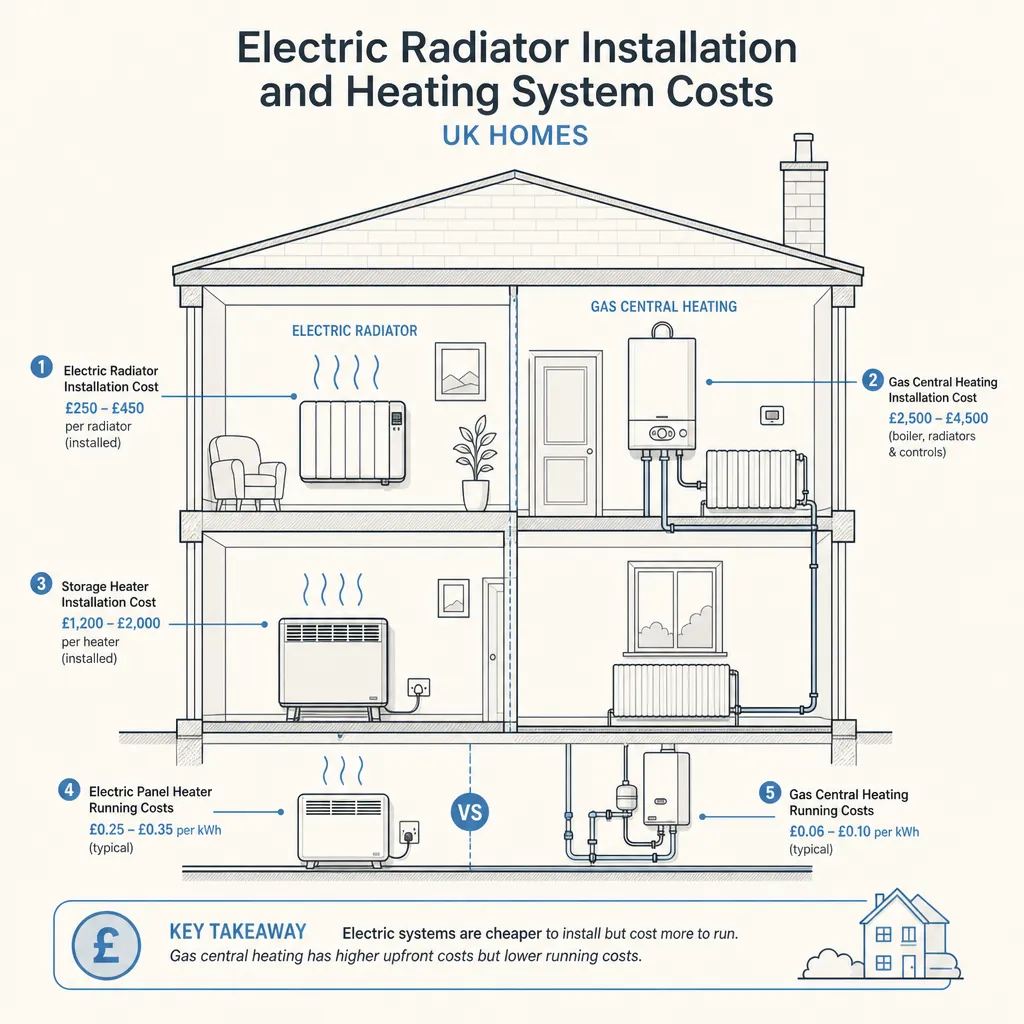
Electric Radiator Installation and Heating System Costs
Electric radiators heat rooms independently without a boiler or wet pipework, making them practical for properties without a gas connection and for new extensions. Plug-in models need no installation; hardwired units require a Part P-qualified electrician. Whole-home systems typically cost £2,000–£6,000 installed. Running costs depend on unit size, thermostat controls, and the electricity tariff used.
 Energy & Retrofit
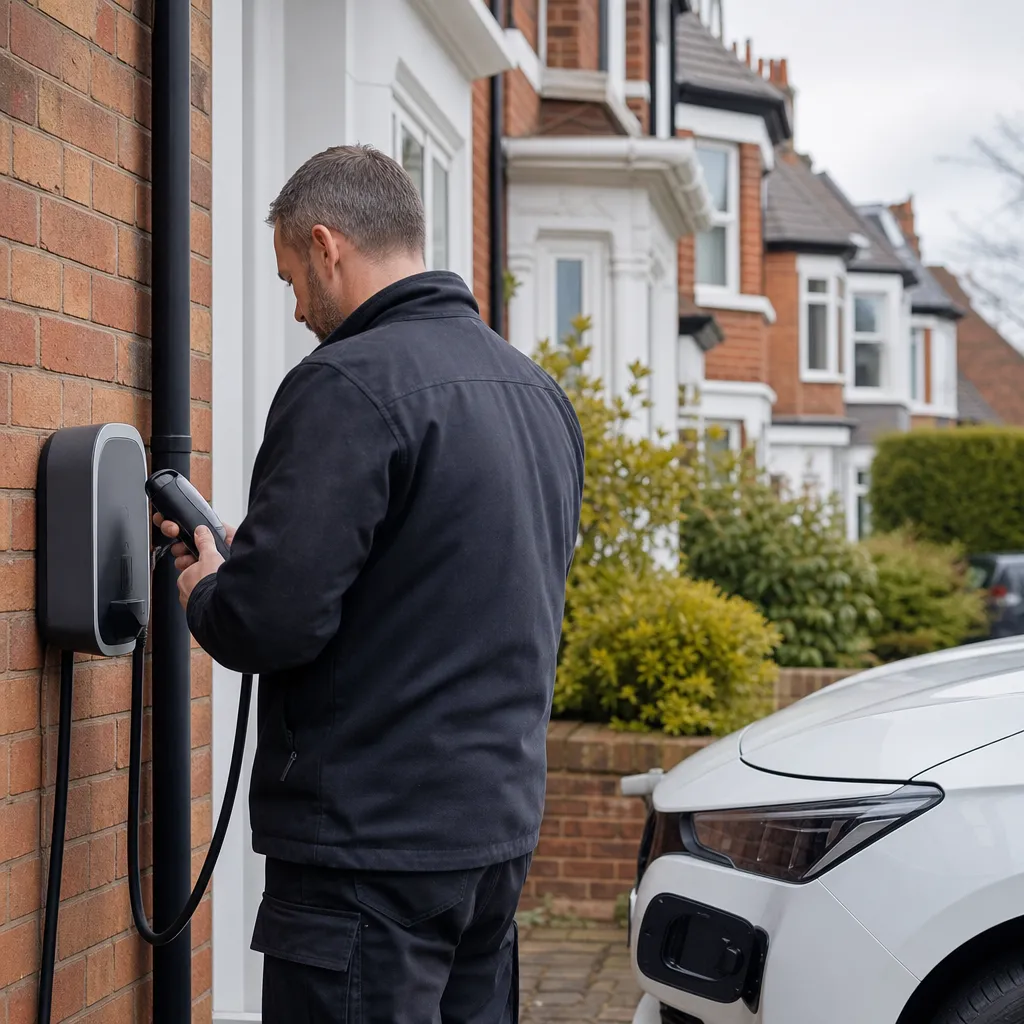
Understanding Electric Vehicle Charging Safety Risks
Home EV charging is generally safe when a dedicated, OZEV-approved chargepoint is professionally installed by a qualified electrician. The main risks arise from using standard 3-pin sockets for regular overnight charging, extension leads, unchecked consumer unit capacity, and leaving vehicles charging unattended in enclosed garages without working smoke detection in place.
 Energy & Retrofit
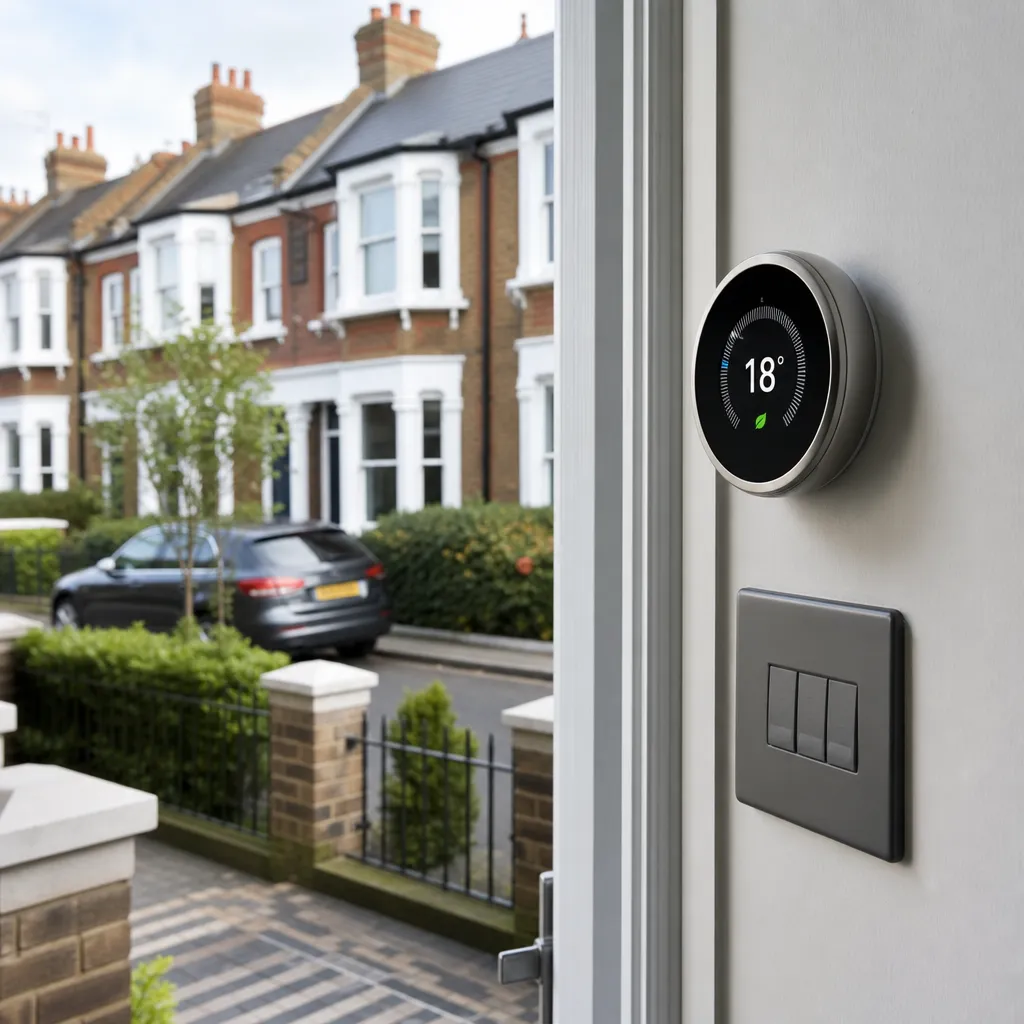
Smart Home Technology That Saves Energy: A Practical Approach To Reducing Bills
Smart home technology can reduce household energy bills by automating heating, lighting, and appliances to run only when needed. Smart thermostats, occupancy sensors, and energy monitors are among the most cost-effective options, typically cutting heating costs by 10–30%. Most devices pay back their cost within one to three years, depending on your current tariff and existing controls.
 Energy & Retrofit
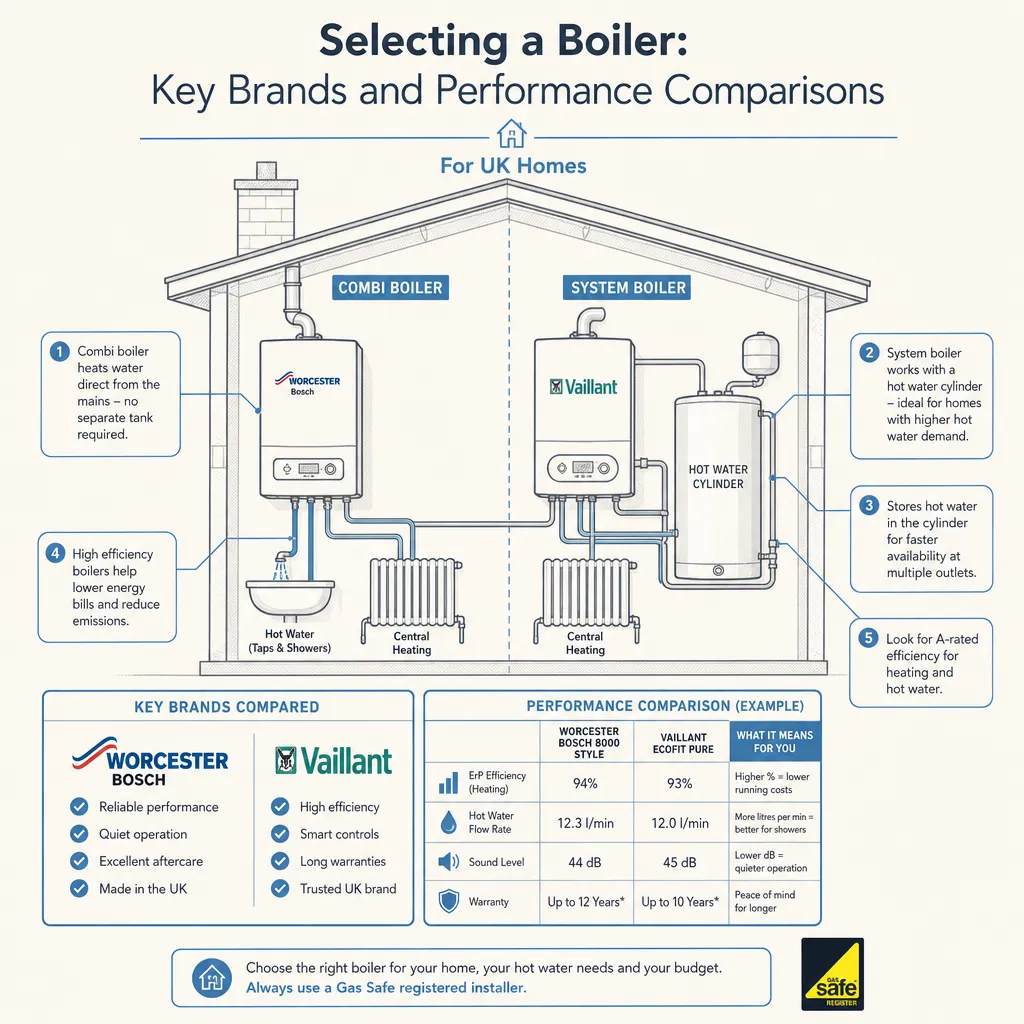
Selecting a Boiler: Key Brands and Performance Comparisons
Most UK homes are heated by a combi, system, or heat-only boiler. The right type depends on your property size, hot-water demand, and existing pipework. Among commonly fitted brands, Worcester Bosch, Vaillant, and Viessmann are frequently rated highest for reliability, though correct sizing and installation by a Gas Safe registered engineer matter at least as much as brand choice.