Knowledge Base
Property advice that actually helps
Researched, UK-specific guides for every stage of homeownership — from buying and surveys to retrofit, planning and major works.
 Energy & Retrofit
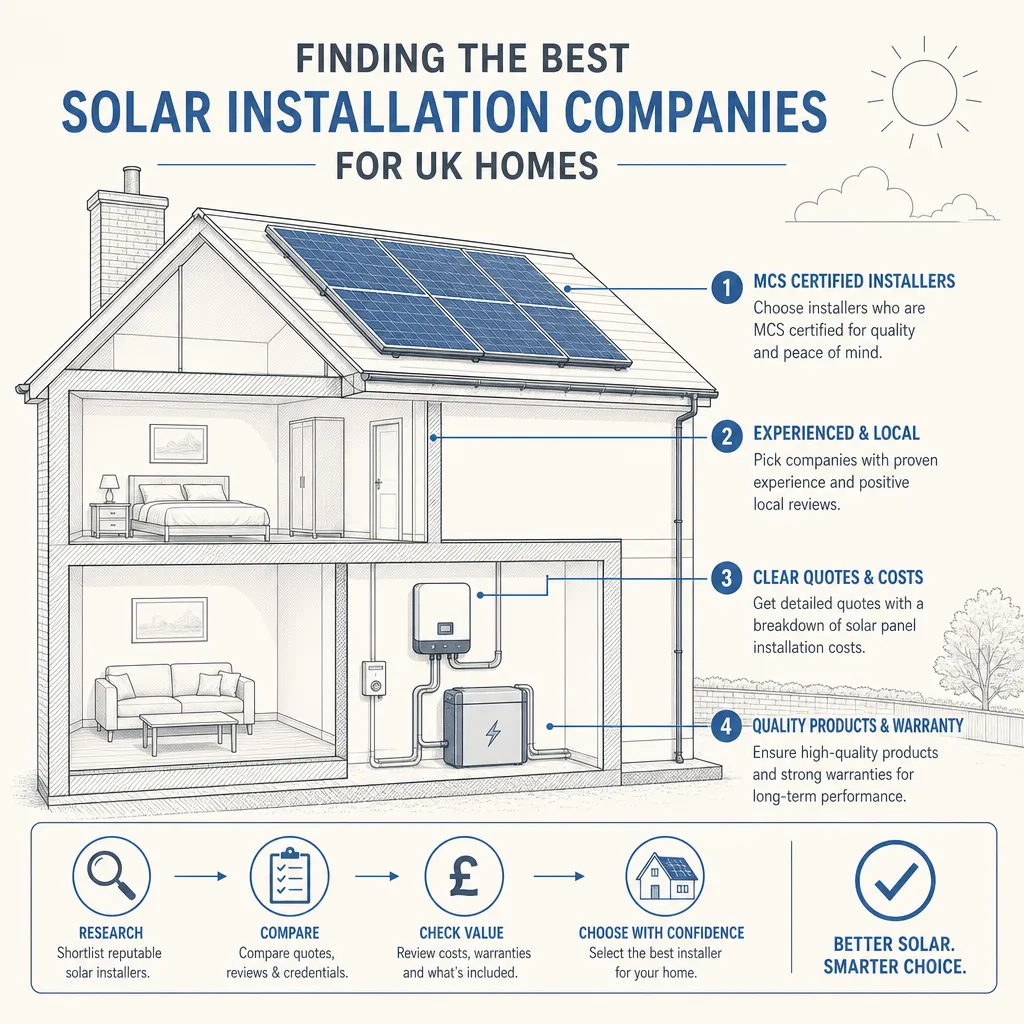
Finding the Best Solar Installation Companies for UK Homes
To find a reliable solar installation company in the UK, look for MCS (Microgeneration Certification Scheme) certification — required for Smart Export Guarantee eligibility — plus NICEIC or NAPIT electrical registration. Check RECC membership for consumer protection, request at least three detailed quotes, and verify all credentials before signing any contract.
 Energy & Retrofit
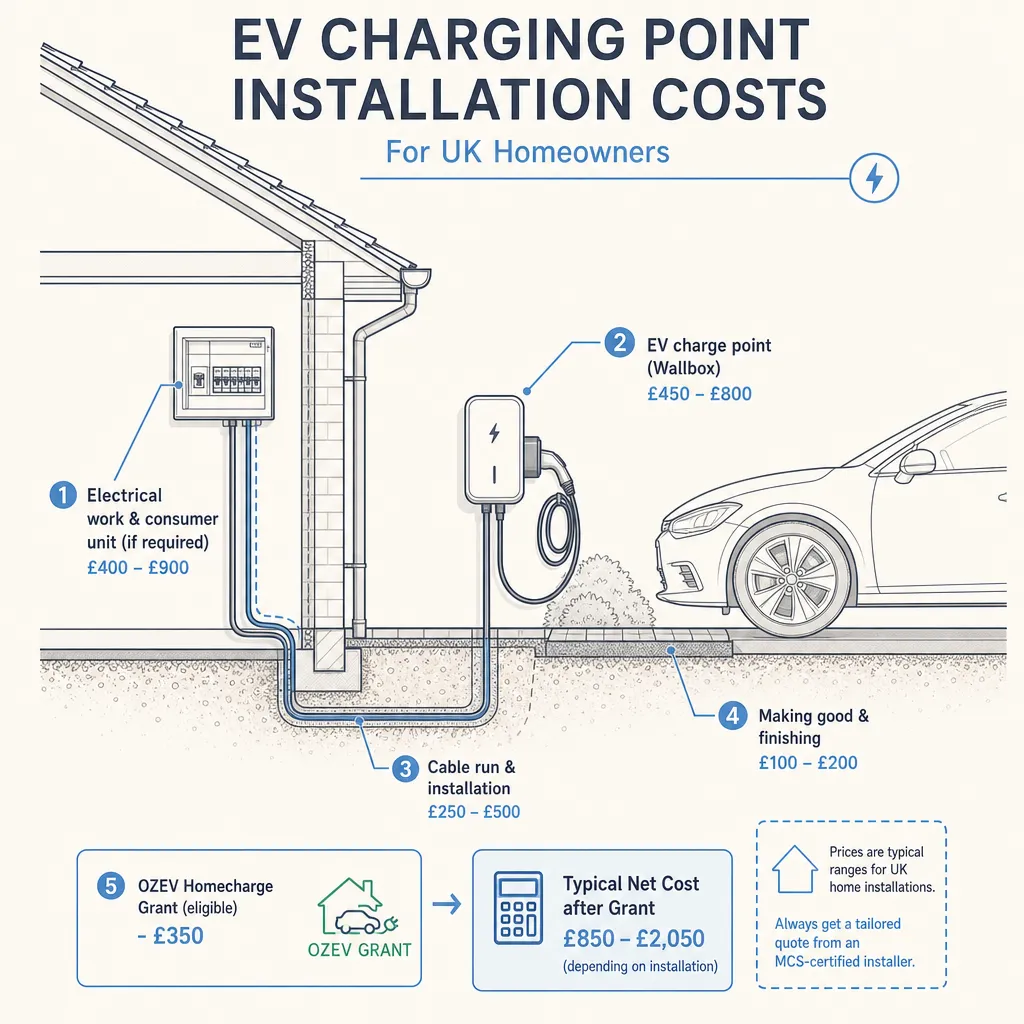
EV Charging Point Installation Costs
A home EV charging point in the UK typically costs £800 to £1,200 for a 7 kW smart wallbox including installation. The OZEV EV Chargepoint Grant of up to £350 is available to renters, flat owners, and landlords. All new chargers installed from June 2022 must be smart chargers compliant with the Smart Charge Points Regulations 2021.
 Energy & Retrofit
Sustainable and Eco-Friendly Building Materials for Renovation
Sustainable building materials for renovation include hemp lime, sheep's wool insulation, FSC-certified timber, and reclaimed brick. The right choice depends on your wall type, planning constraints, and budget. Always confirm materials meet Building Regulations Part L and, where applicable, PAS 2035 standards for retrofit work on existing UK homes.
 Energy & Retrofit
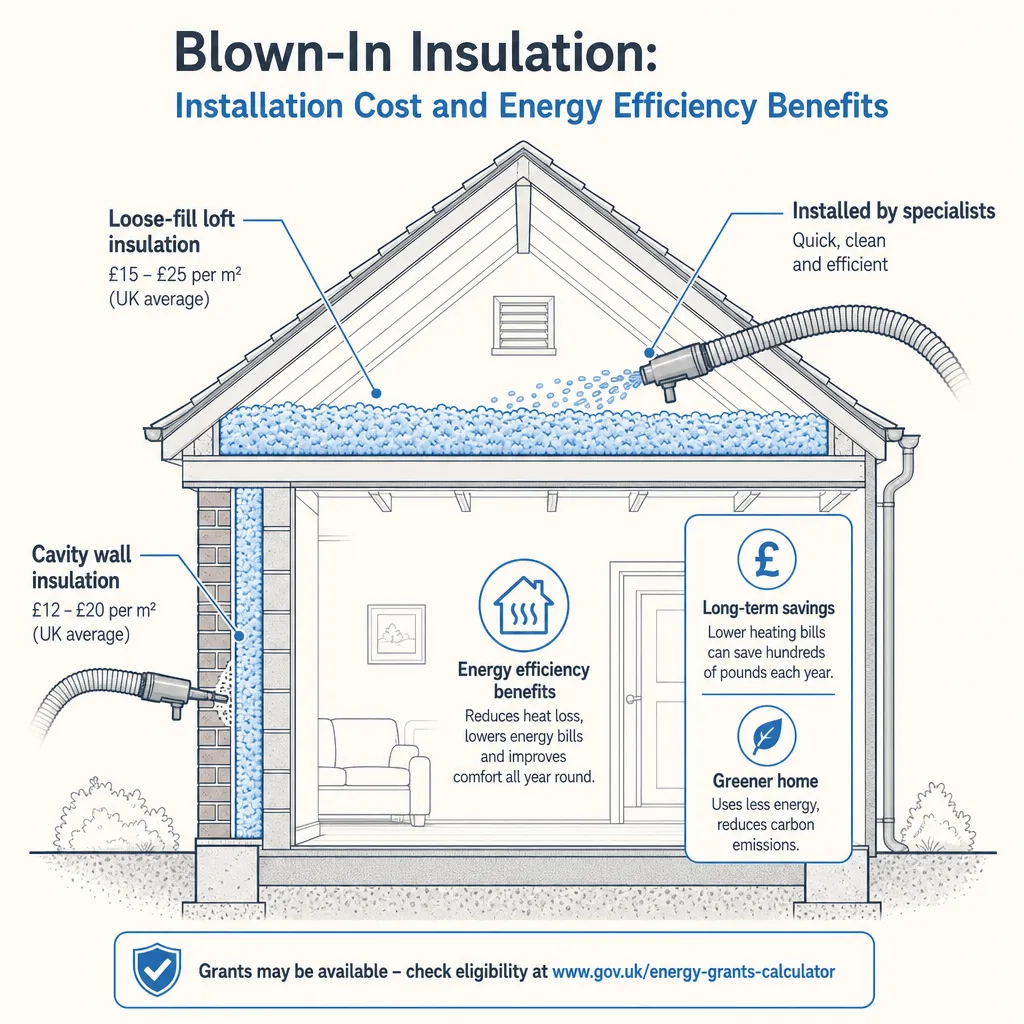
Blown-In Insulation: Installation Cost and Energy Efficiency Benefits
Blown-in insulation uses a machine to pump loose mineral wool, cellulose, or EPS beads into lofts or cavity walls — effective in irregular spaces where roll insulation is impractical. Loft blown insulation typically costs £300–£700 for a three-bedroom semi; cavity wall insulation costs £400–£1,200. Eligible households may receive fully funded installation through ECO4.
 Energy & Retrofit
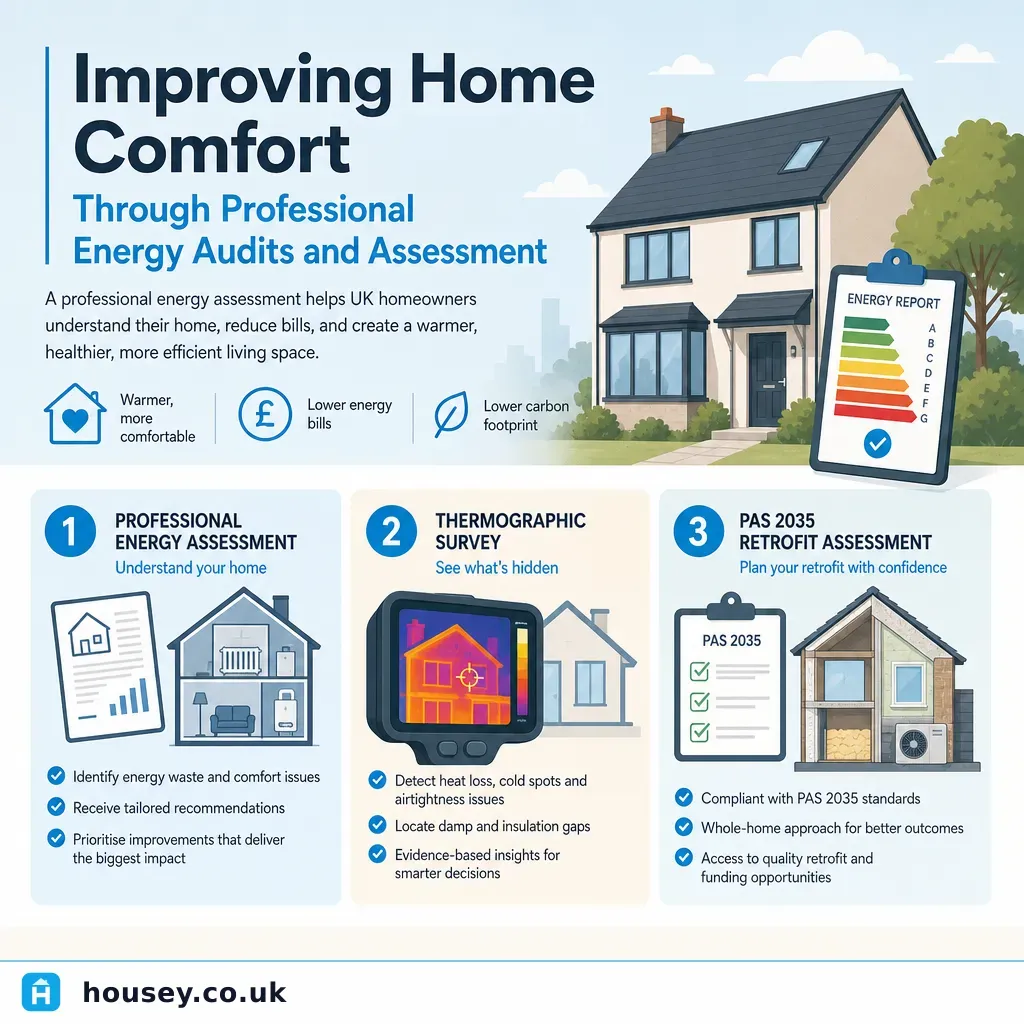
Improving Home Comfort Through Professional Energy Audits and Assessment
A professional home energy audit assesses your property's actual thermal performance — insulation, heating, ventilation, air leakage, and moisture — and produces a prioritised action plan. Unlike an EPC, which uses calculated assumptions, an audit measures real performance to help you spend on the right improvements in the right order.
 Energy & Retrofit
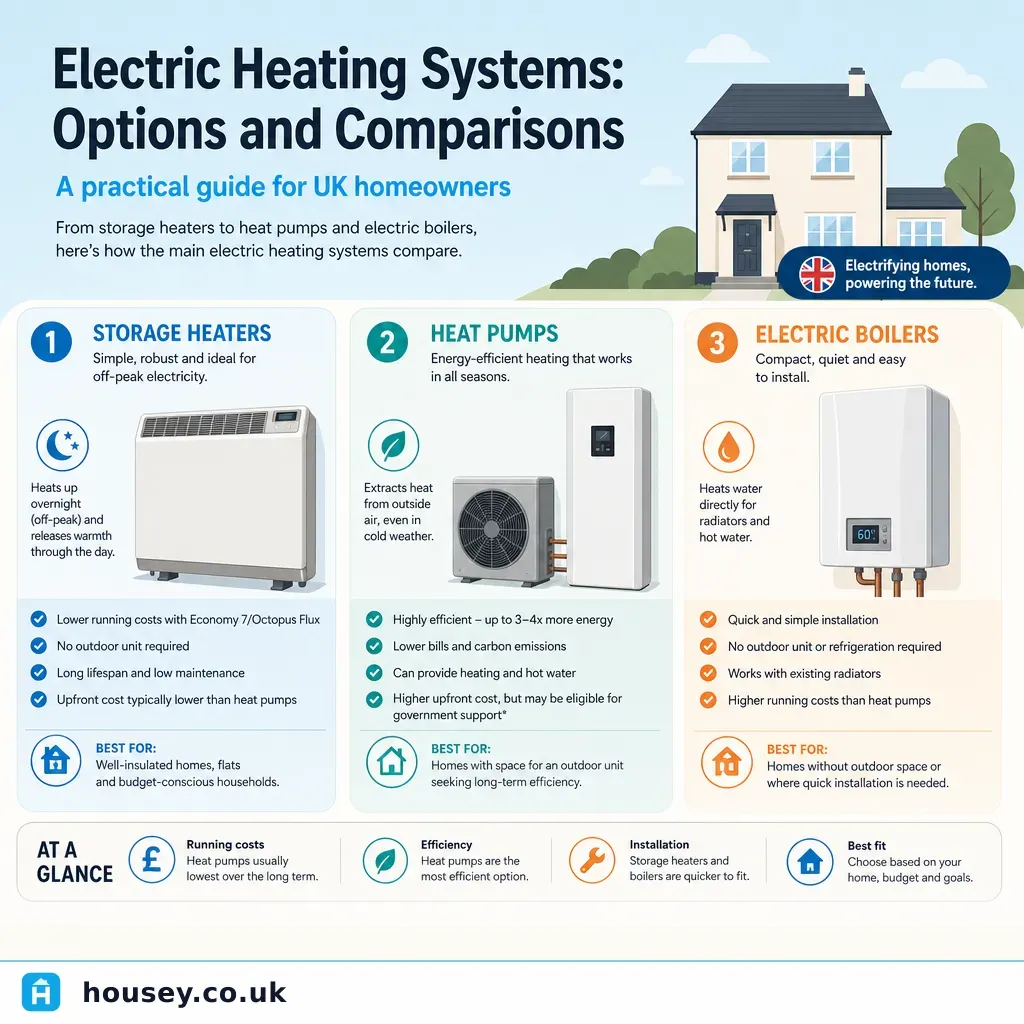
Electric Heating Systems: Options and Comparisons
Electric heating in the UK ranges from direct-acting radiators and storage heaters to heat pumps and electric boilers. Heat pumps are the most efficient option, achieving a coefficient of performance (COP) of 2.5–4, but require a professional assessment. Storage heaters suit homes on Economy 7 tariffs; infrared panels work well for supplementary or zone heating rather than whole-house use.
 Energy & Retrofit
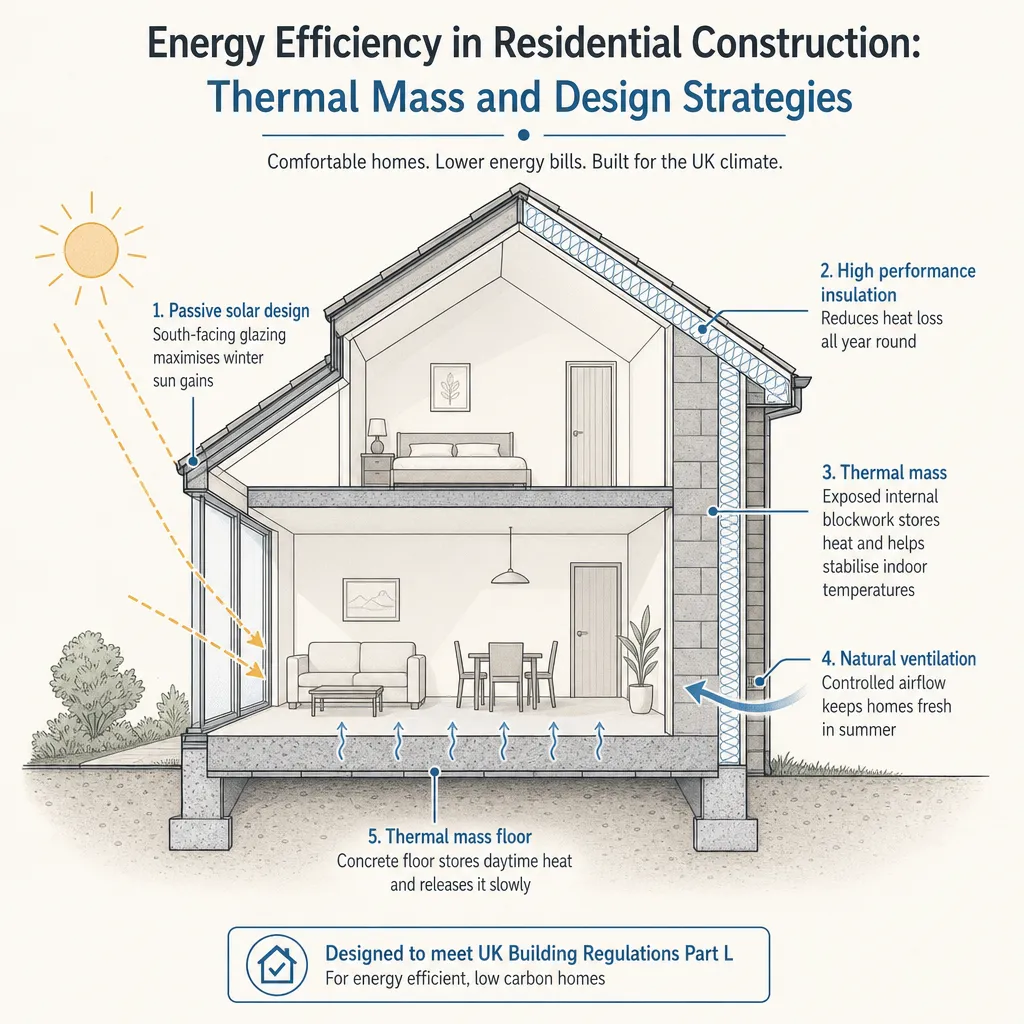
Energy Efficiency in Residential Construction: Thermal Mass and Design Strategies
Thermal mass — the capacity of dense materials such as concrete, brick, and screed to absorb and slowly release heat — reduces temperature swings and can lower heating demand when correctly combined with insulation and controlled ventilation. In UK homes, it works best when the building is well insulated, south-facing to admit winter sun, and ventilated to flush summer heat, all within a fabric-first approach to Building Regulations Part L.
 Energy & Retrofit
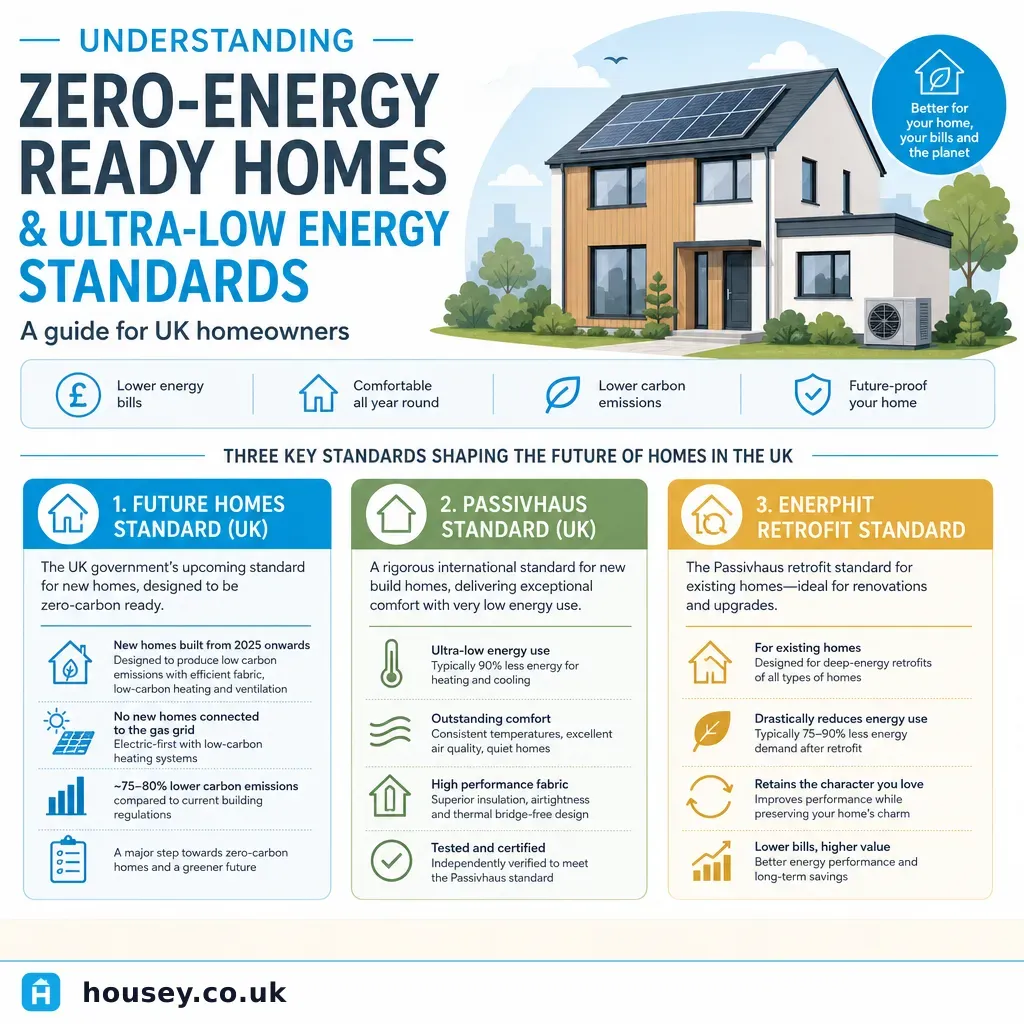
Understanding Zero-Energy Ready Homes and Ultra-Low Energy Standards
Zero-energy ready, Passivhaus, and net-zero carbon are related but distinct concepts. In the UK, the Future Homes Standard sets the regulatory trajectory for new homes, while Passivhaus offers voluntary certification with stricter, independently verified performance criteria. For deep retrofits, EnerPHit is the Passivhaus-derived standard. Building Regulations Part L is the legal minimum for all new homes in England and Wales.
 Energy & Retrofit
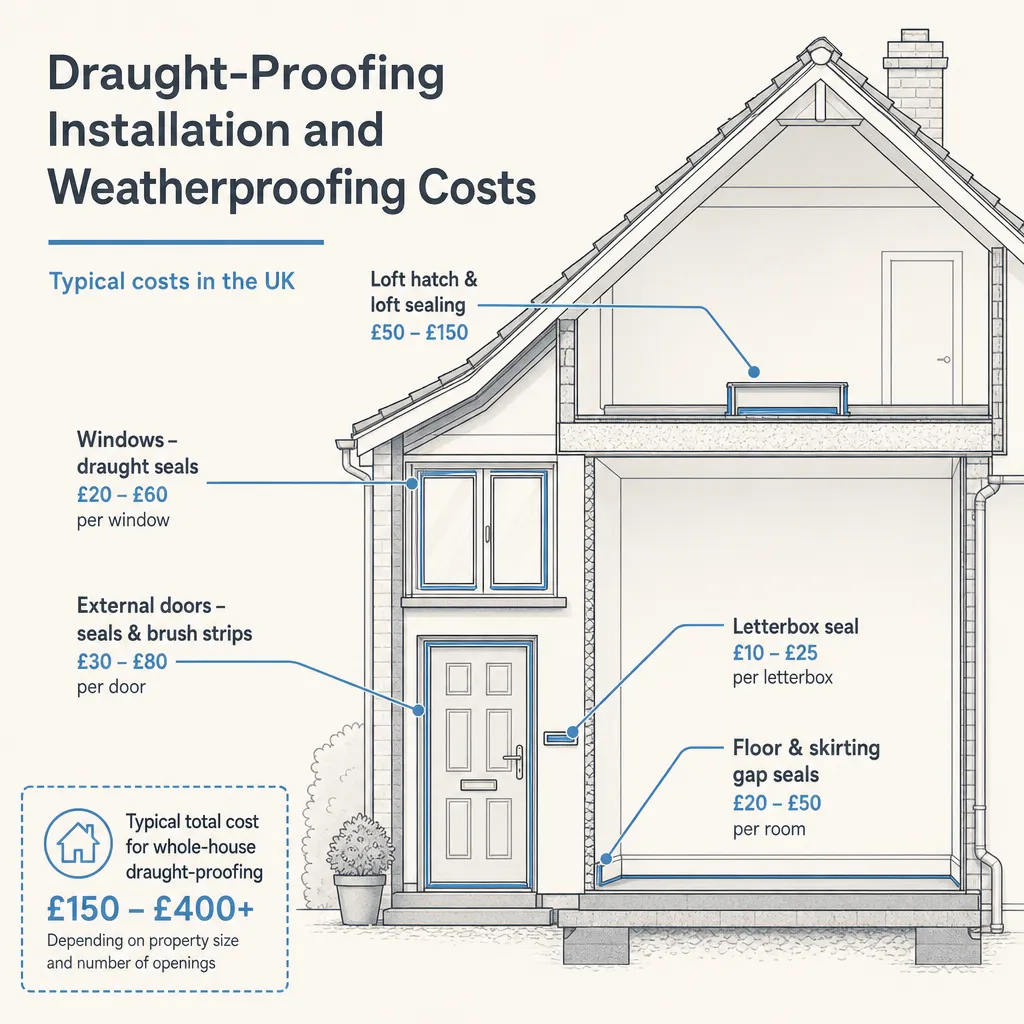
Draught-Proofing Installation and Weatherproofing Costs
Professional draught proofing for a typical UK semi-detached home usually costs £150–£450, depending on property size and the number of gaps treated. DIY materials cost £10–£50. Most homes recover the outlay within two to three years through lower heating bills, and older properties with solid walls and suspended timber floors often see the greatest benefit.
 Energy & Retrofit
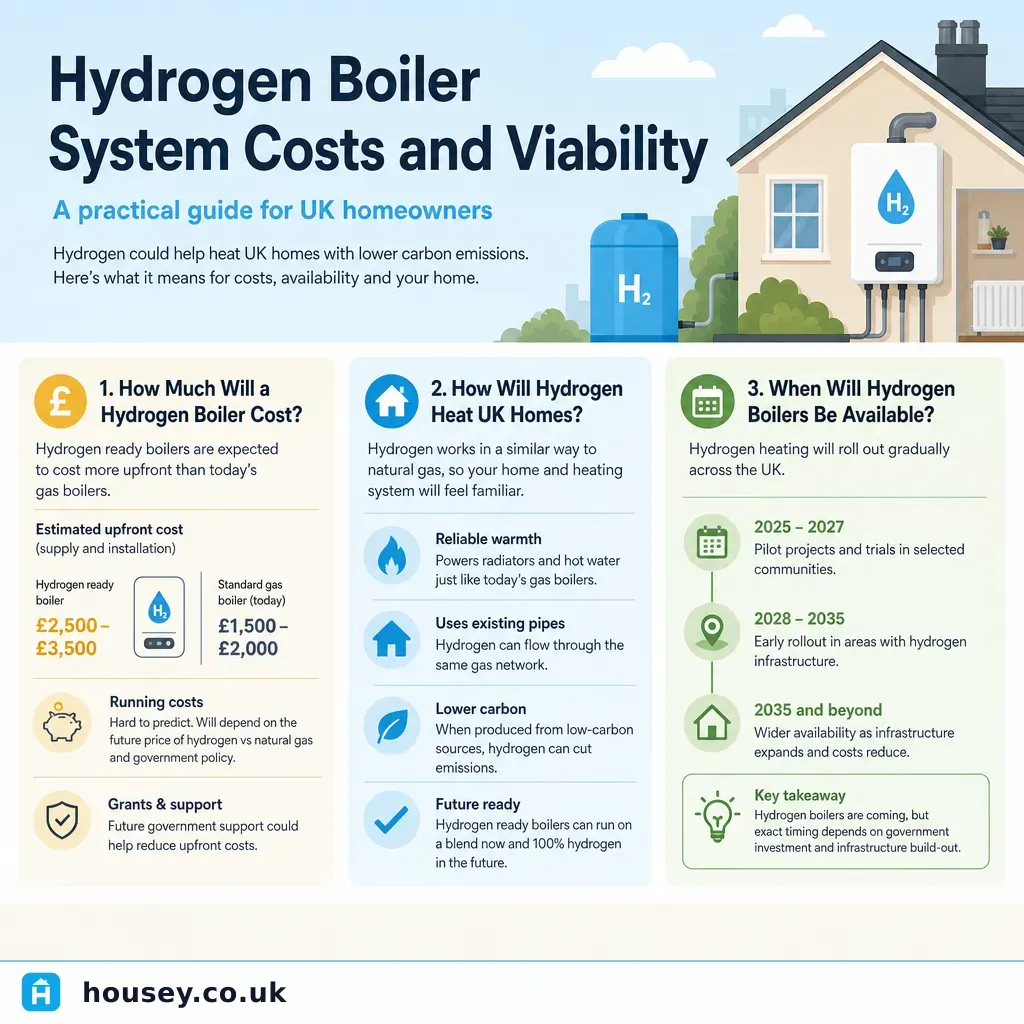
Hydrogen Boiler System Costs and Viability
Hydrogen boilers are not commercially available for UK homes as of 2026. The government has confirmed heat pumps — not hydrogen — as the primary low-carbon residential heating solution. Hydrogen-ready gas boilers exist but still run on natural gas. For most homeowners, a heat pump supported by the Boiler Upgrade Scheme is the practical low-carbon option right now.
 Energy & Retrofit
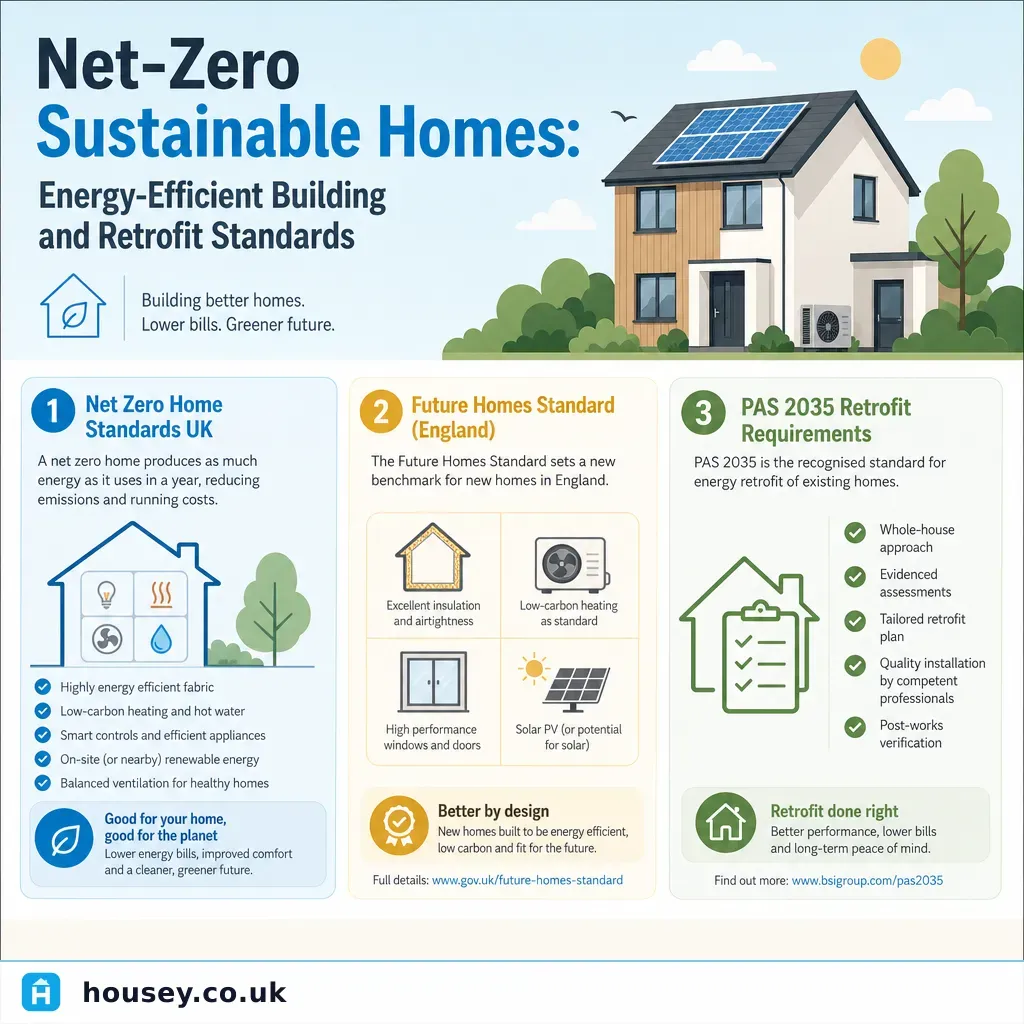
Net-Zero Sustainable Homes: Energy-Efficient Building and Retrofit Standards
Net-zero homes in the UK combine very high fabric performance, low-carbon heating — usually a heat pump — and on-site renewable generation. New builds must meet the Future Homes Standard; existing homes are improved through whole-house retrofit governed by PAS 2035. The right approach depends heavily on your property's age, construction, and current energy performance.
 Energy & Retrofit
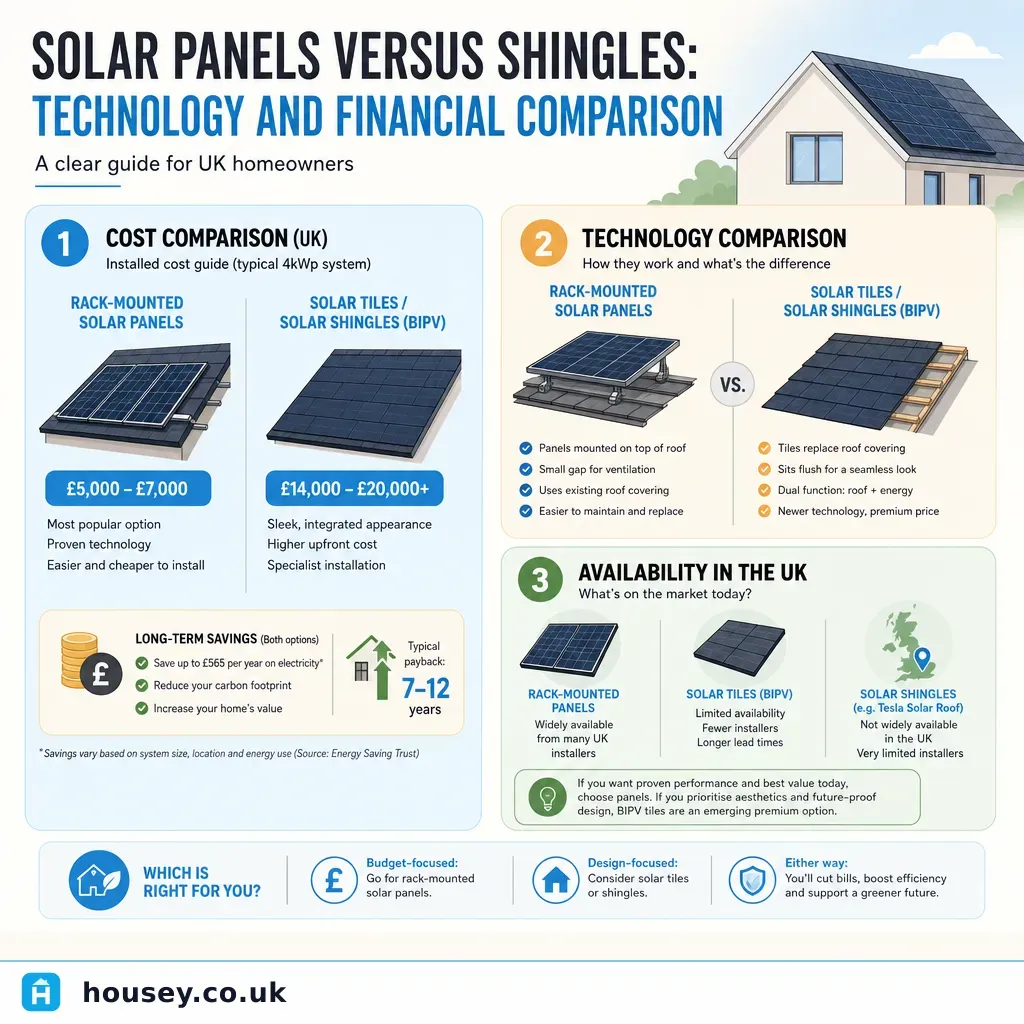
Solar Panels Versus Shingles: Technology and Financial Comparison
Rack-mounted solar panels cost less and generate more electricity per square metre than solar shingles, making them the practical choice for most UK homes where the existing roof is in good condition. Solar shingles become more financially competitive when a full roof replacement is already planned, or where design integration and aesthetics are a priority.