Knowledge Base
Property advice that actually helps
Researched, UK-specific guides for every stage of homeownership — from buying and surveys to retrofit, planning and major works.
 Energy & Retrofit
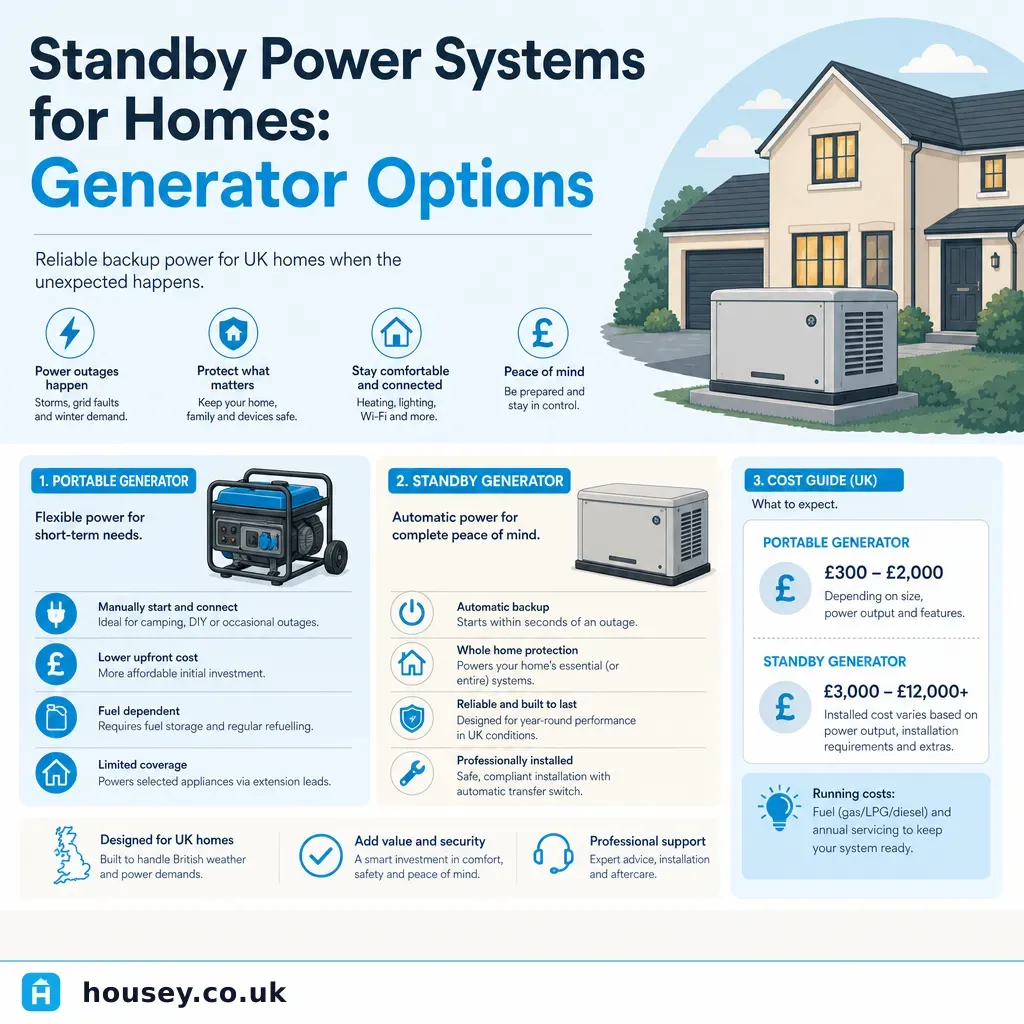
Standby Power Systems for Homes: Generator Options
UK homeowners can choose between portable petrol or diesel generators, standby gas or LPG generators wired to a transfer switch, and battery energy storage systems. The right option depends on how often outages occur, how much power you need, your fuel supply, and budget. Battery systems are quieter and lower-maintenance; generators offer longer runtime and suit rural properties where outages are prolonged.
 Energy & Retrofit
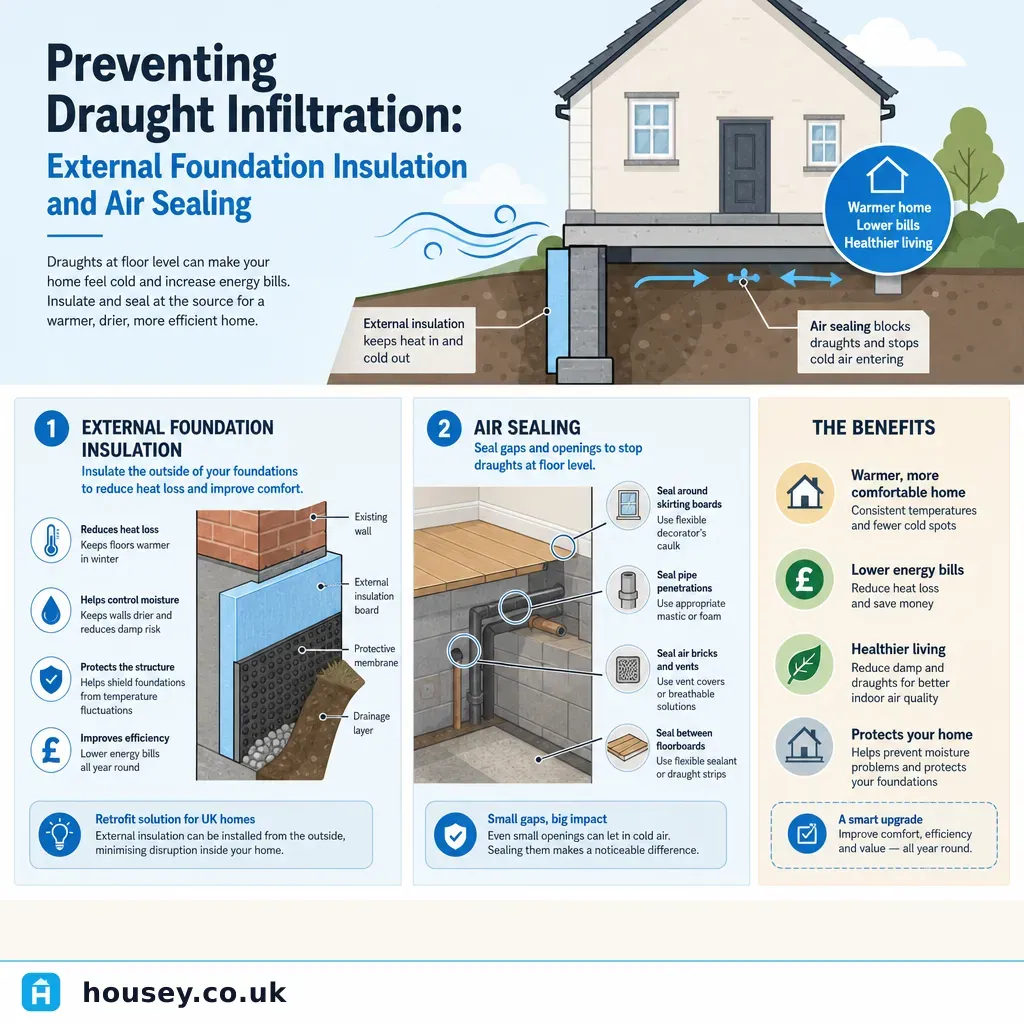
Preventing Draught Infiltration: External Foundation Insulation and Air Sealing
External foundation insulation and air sealing target heat loss and cold draughts at the building's base — particularly common in older UK homes with suspended timber floors or solid masonry. Works should follow PAS 2030/2035 where grant funding is involved, and moisture management is critical to avoid damp or timber decay beneath ground-floor level.
 Energy & Retrofit
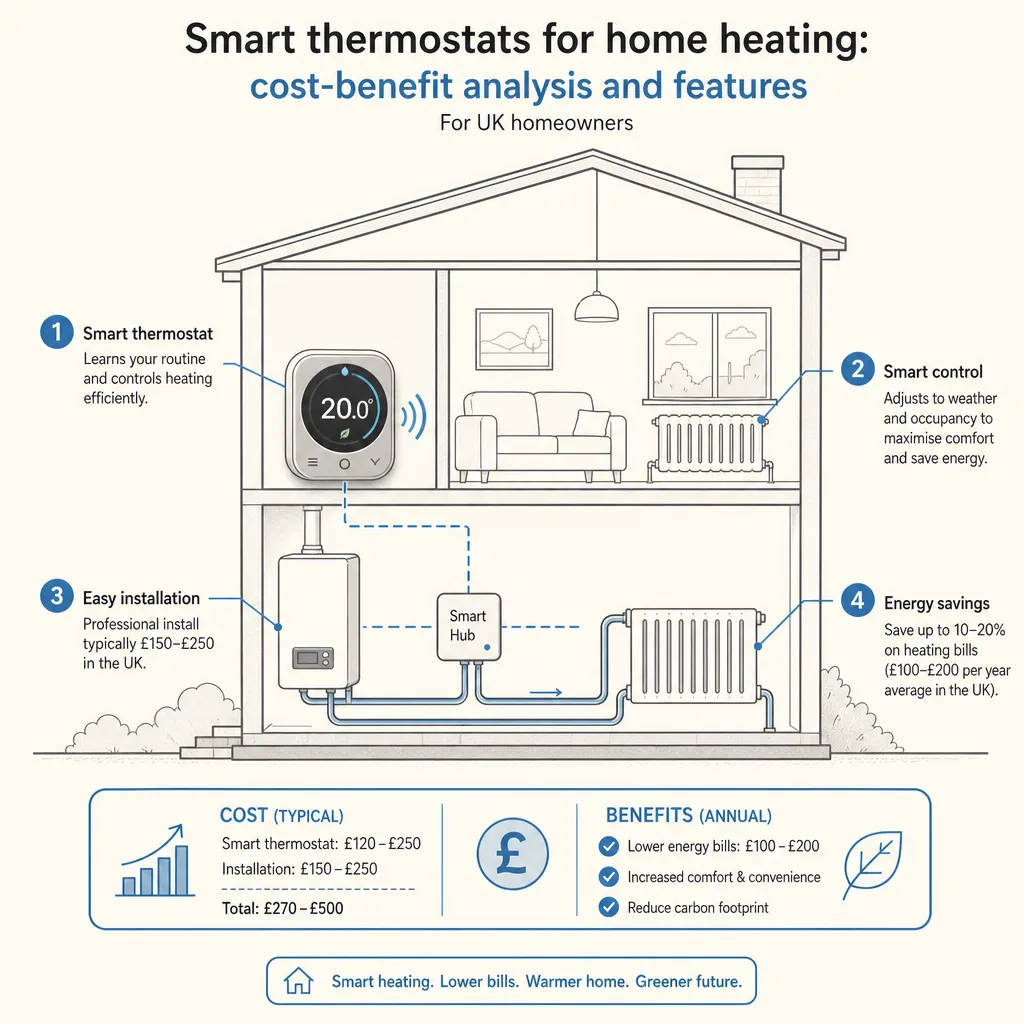
Smart thermostats for home heating: cost-benefit analysis and features
A smart thermostat typically costs £150–£350 installed and can reduce heating bills by 15–25% annually, according to the Energy Saving Trust. Savings depend on your current controls, boiler compatibility, and how consistently you use scheduling features. Most UK homeowners break even within one to three years, making smart thermostats a practical energy upgrade for most properties.
 Energy & Retrofit
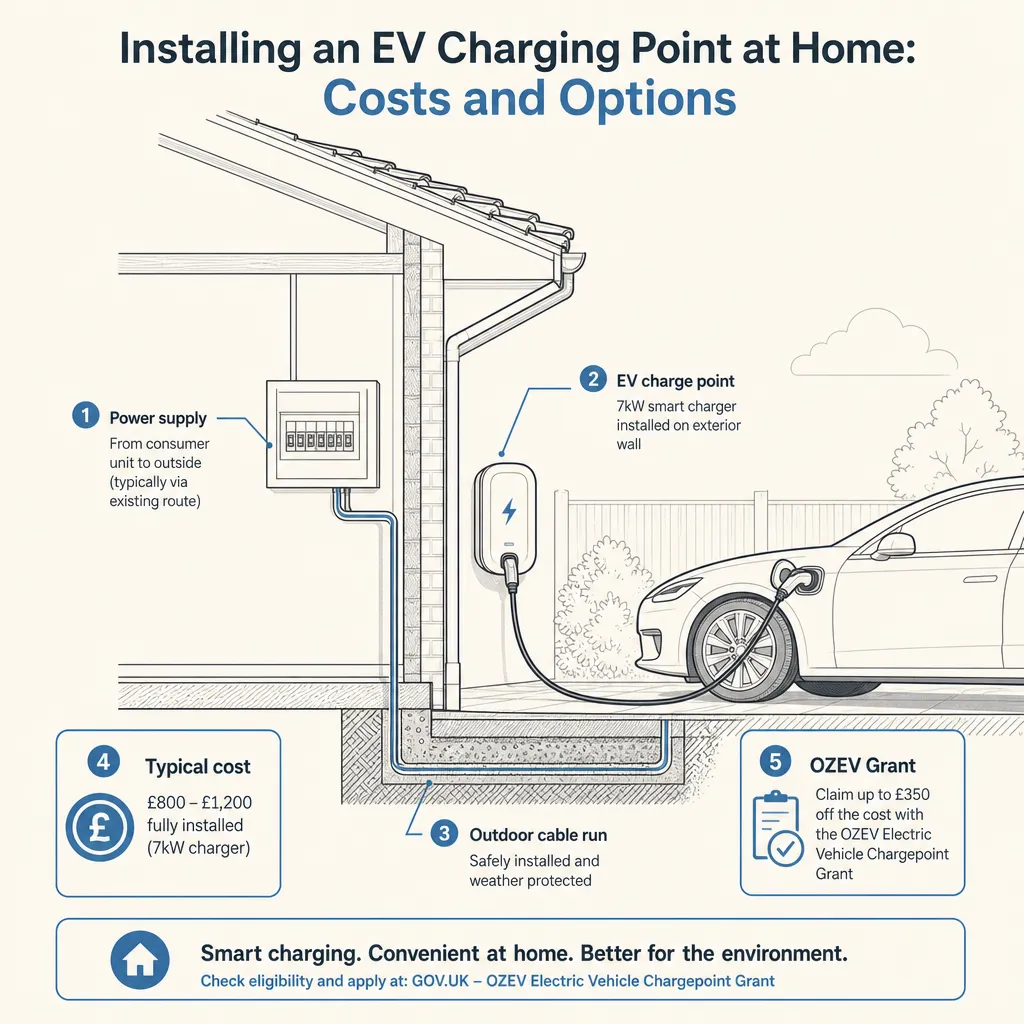
Installing an EV Charging Point at Home: Costs and Options
Installing a home EV charging point in the UK typically costs £300–£800 after the OZEV Electric Vehicle Chargepoint Grant of up to £350. A 7 kW smart wallbox is the standard choice for homes with single-phase supply and off-street parking. Installation must be carried out by an OZEV-approved installer.
 Energy & Retrofit
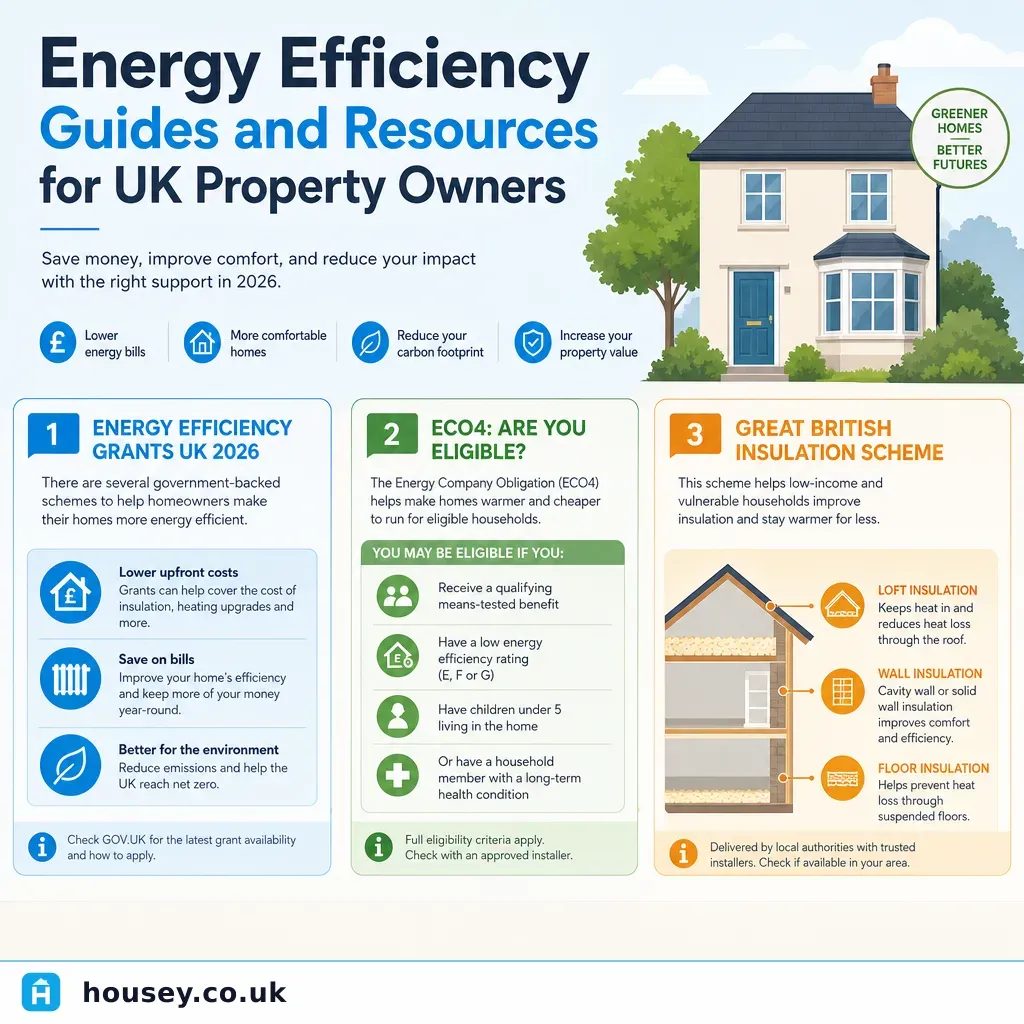
Energy Efficiency Guides and Resources for UK Property Owners
UK homeowners can improve energy efficiency through a range of measures — from loft and cavity wall insulation to heat pumps, solar panels, and improved heating controls. Free and subsidised support is available through schemes such as ECO4 and the Great British Insulation Scheme. A retrofit assessment helps identify the right sequence of improvements for your specific property type and heating system.
 Energy & Retrofit
Which Heat Pump System Is Right for Your Home: Selection Guide
Air source heat pumps suit most UK homes with adequate outdoor space and good insulation; ground source systems offer higher efficiency but need significant land for buried loops and cost more to install. A qualified MCS-certified assessor should calculate your home's heat loss before any system is specified or sized.
 Energy & Retrofit
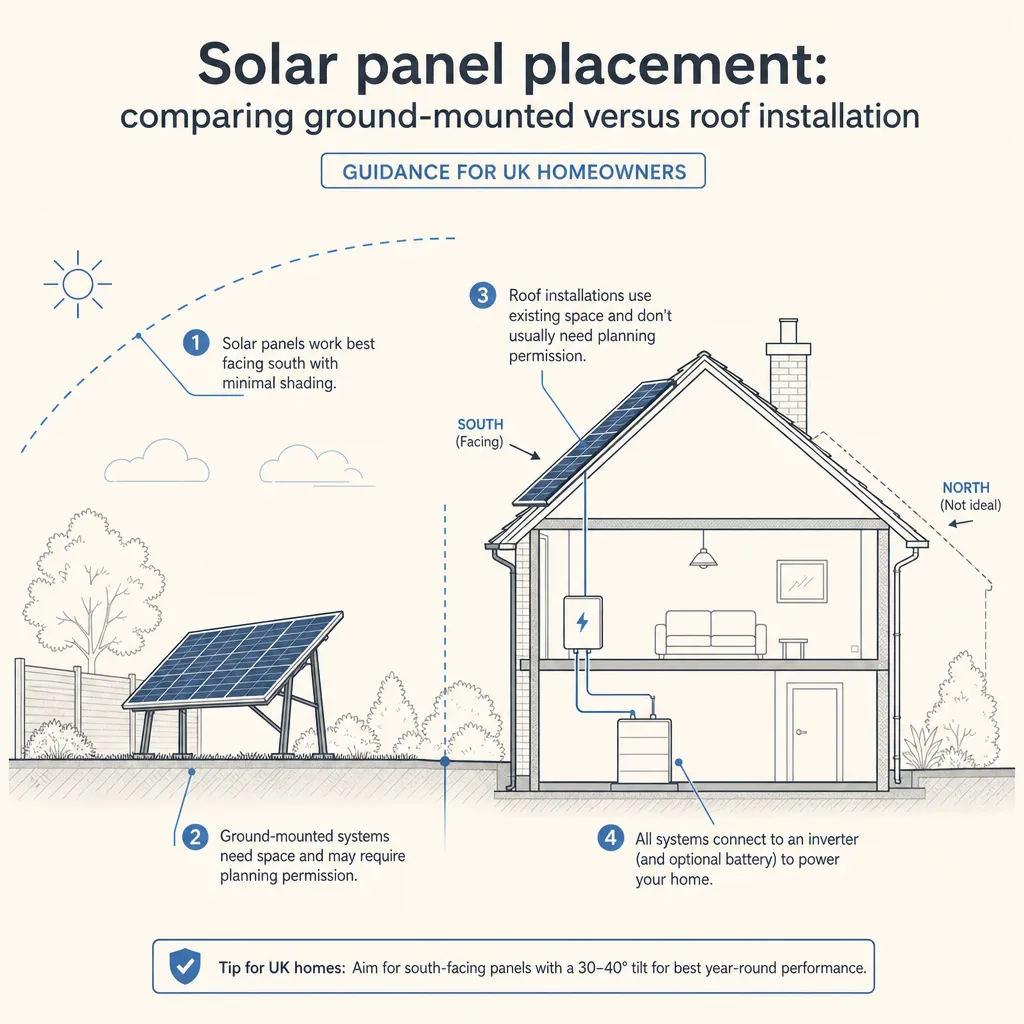
Solar panel placement: comparing ground-mounted versus roof installation
Roof-mounted solar panels suit most UK homes and cost less to install, but ground-mounted arrays offer more flexibility over angle and orientation. Ground installations often need more space, may require planning permission, and typically cost more per kWp. The right choice depends on your roof condition, available land, shading, and budget.
 Energy & Retrofit
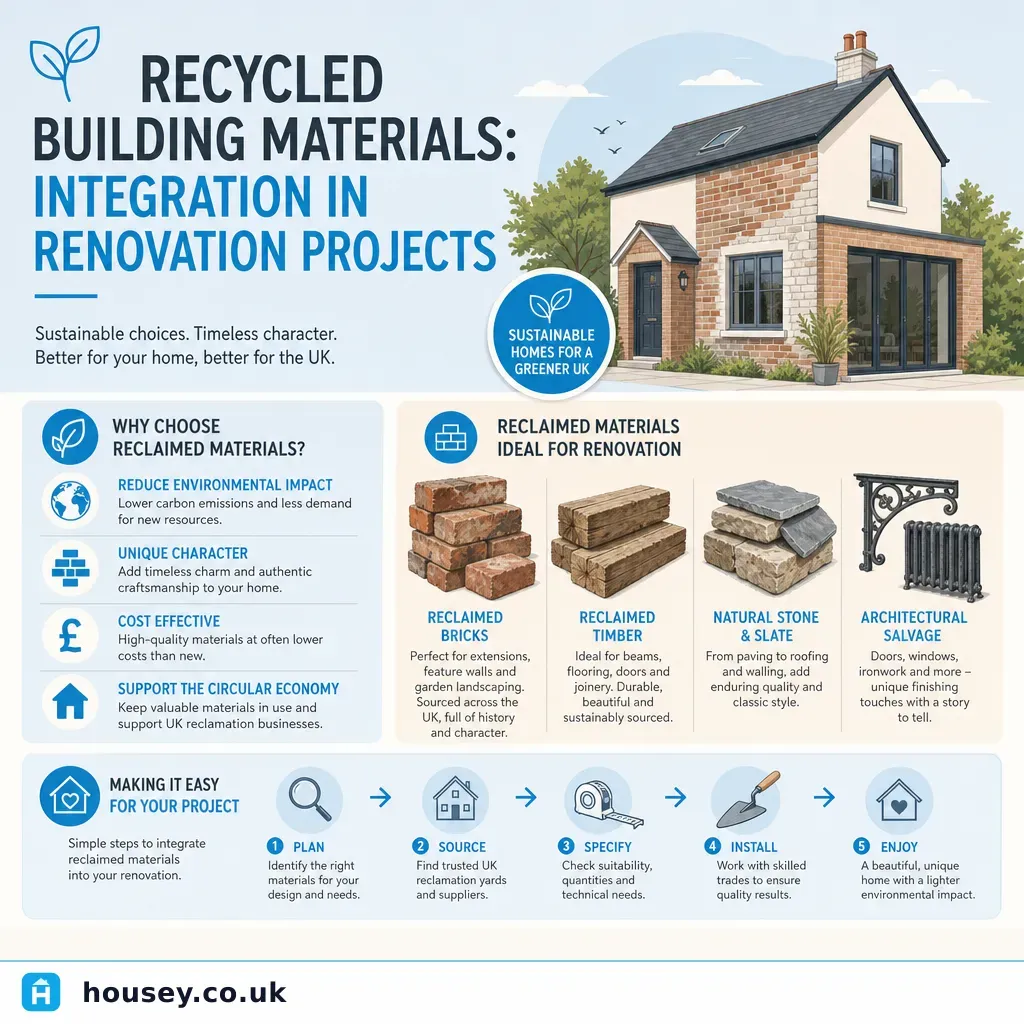
Recycled Building Materials: Integration in Renovation Projects
Recycled and reclaimed building materials — from reclaimed bricks and slates to recycled cellulose insulation — can be integrated into UK renovation projects provided they meet the same Building Regulations standards as new materials. Quality checking, asbestos awareness for pre-2000 sources, and compatibility with your retrofit strategy are the key considerations before specifying them.
 Energy & Retrofit
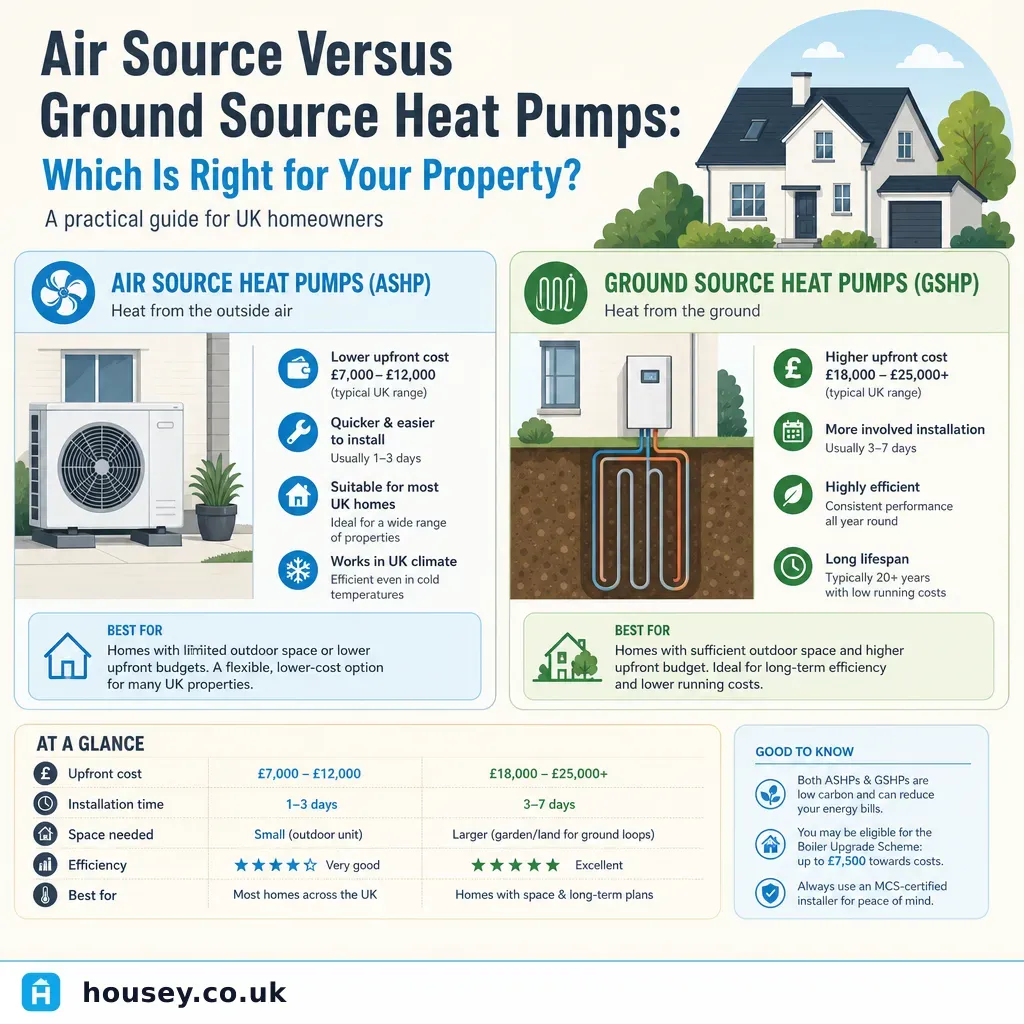
Air Source Versus Ground Source Heat Pumps: Which Is Right for Your Property?
Air source heat pumps (ASHPs) suit most UK properties with modest land requirements and faster installation, while ground source heat pumps (GSHPs) offer higher year-round efficiency but need significant land or borehole drilling and cost considerably more. Both need MCS-certified installers and qualify for the Boiler Upgrade Scheme grant. A heat loss calculation and property assessment should always come before choosing.
 Energy & Retrofit
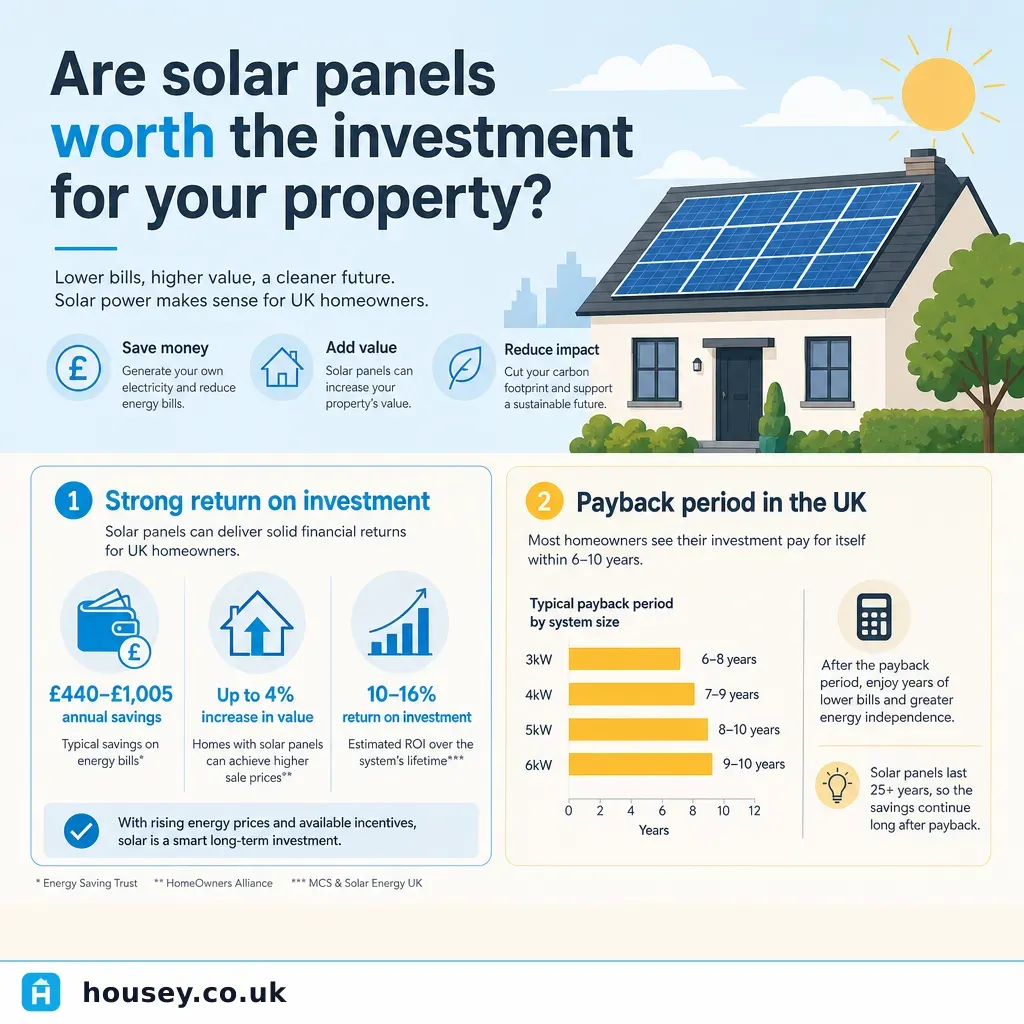
Are solar panels worth the investment for your property?
Solar panels can be a worthwhile investment for many UK homeowners, with typical payback periods of 10–15 years and ongoing income from the Smart Export Guarantee. Returns depend heavily on roof orientation, your energy use, and how much generated electricity you self-consume. South-facing roofs, high daytime consumption, and long-term ownership all improve the financial case for installation.
 Energy & Retrofit
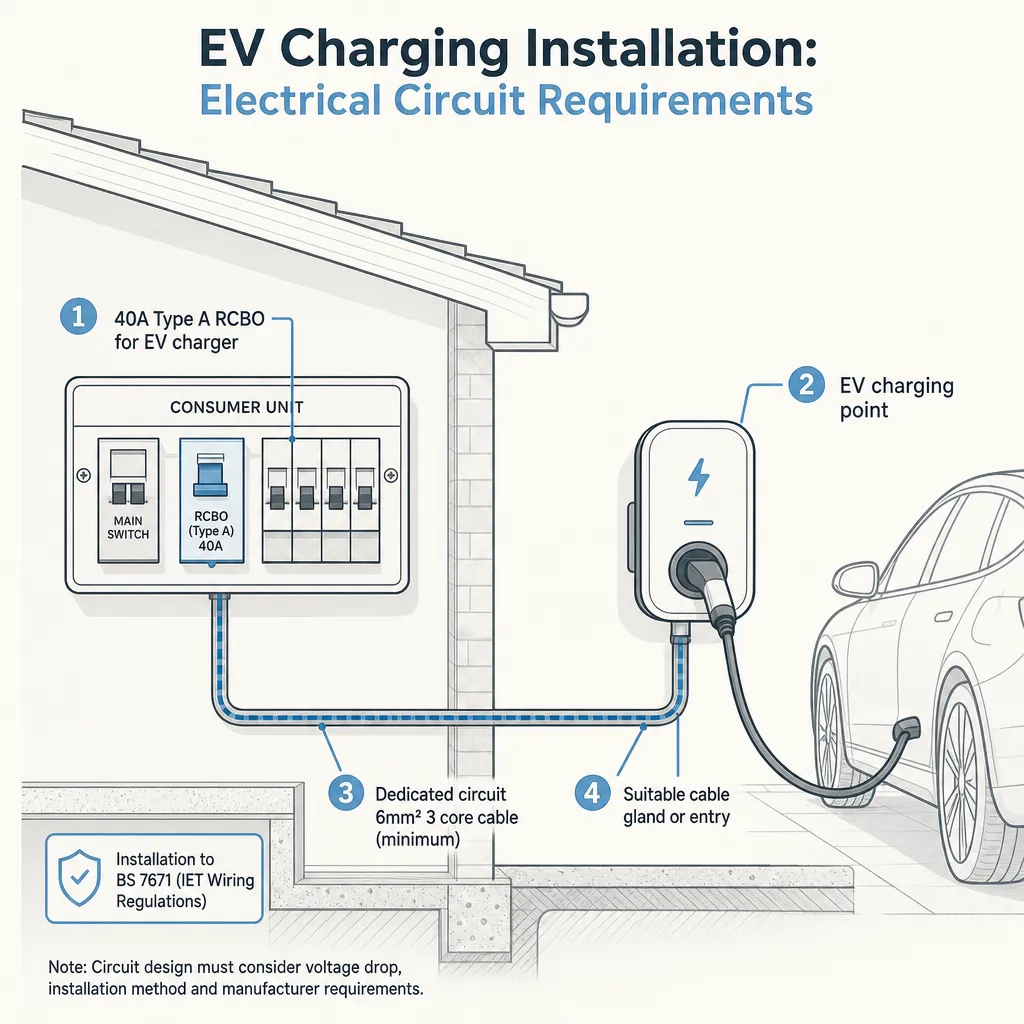
EV Charging Installation: Electrical Circuit Requirements
A home EV charger (7 kW) requires a dedicated single-phase 32 A circuit run directly from the consumer unit, installed by a registered electrician. This work is notifiable under Part P of the Building Regulations in England. Most UK homes have a PME supply, which requires specific earthing measures before a charger can be safely connected. An OZEV-approved installer will handle certification.
 Energy & Retrofit
Eco-Friendly Homes and Sustainable Property Features
Eco-friendly home improvements in the UK range from solar panels and heat pumps to insulation upgrades and mechanical ventilation. The most cost-effective approach is usually to improve insulation and air tightness before installing low-carbon heating. Government grants — including the Boiler Upgrade Scheme and ECO4 — can reduce upfront costs significantly, but professional assessments are essential to avoid moisture, ventilation, or sizing problems.