Knowledge Base
Property advice that actually helps
Researched, UK-specific guides for every stage of homeownership — from buying and surveys to retrofit, planning and major works.
 Energy & Retrofit
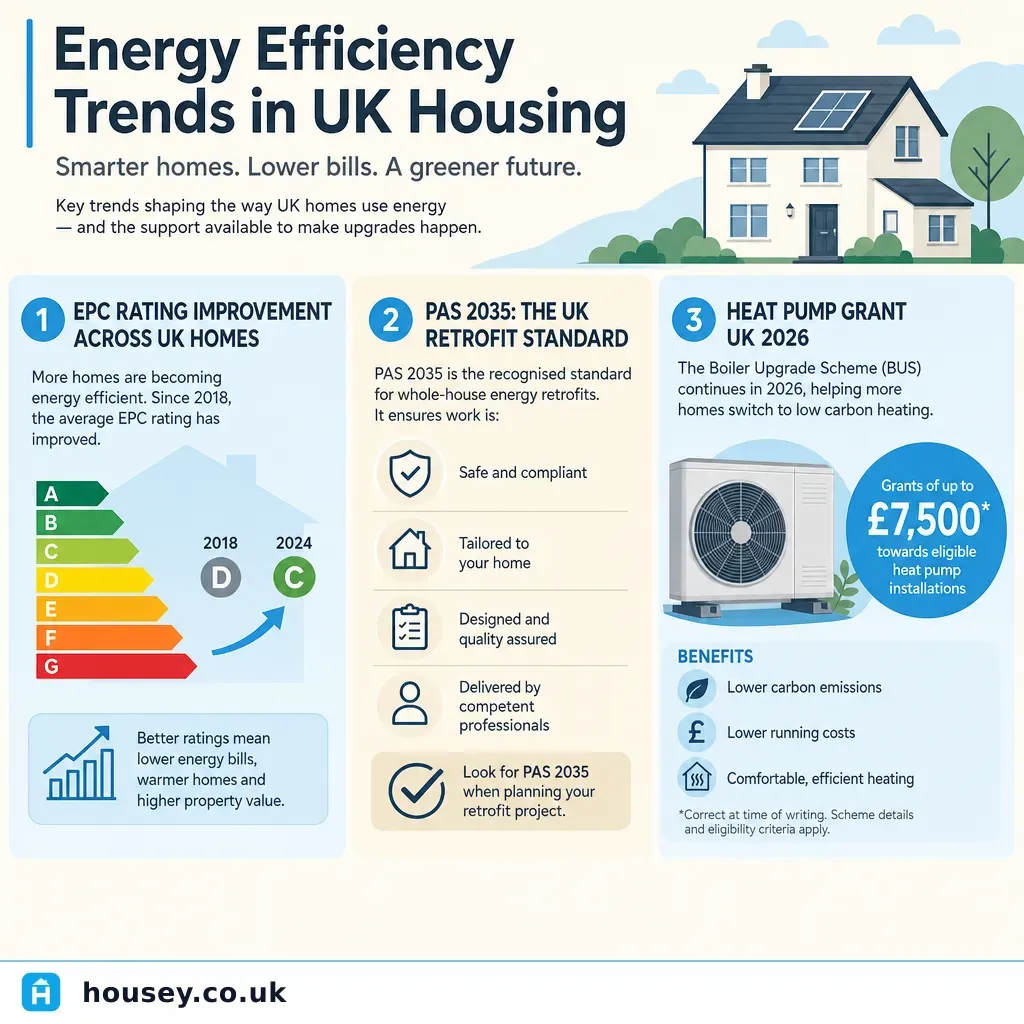
Energy Efficiency Trends in UK Housing
UK housing faces significant pressure to improve energy performance ahead of the 2050 net-zero target, with around 55% of English homes currently rated EPC D or below. Key trends include the expansion of PAS 2035 retrofit standards, the Boiler Upgrade Scheme grant for heat pumps, ECO4 funding for insulation upgrades, and the Future Homes Standard raising the bar for new builds.
 Energy & Retrofit
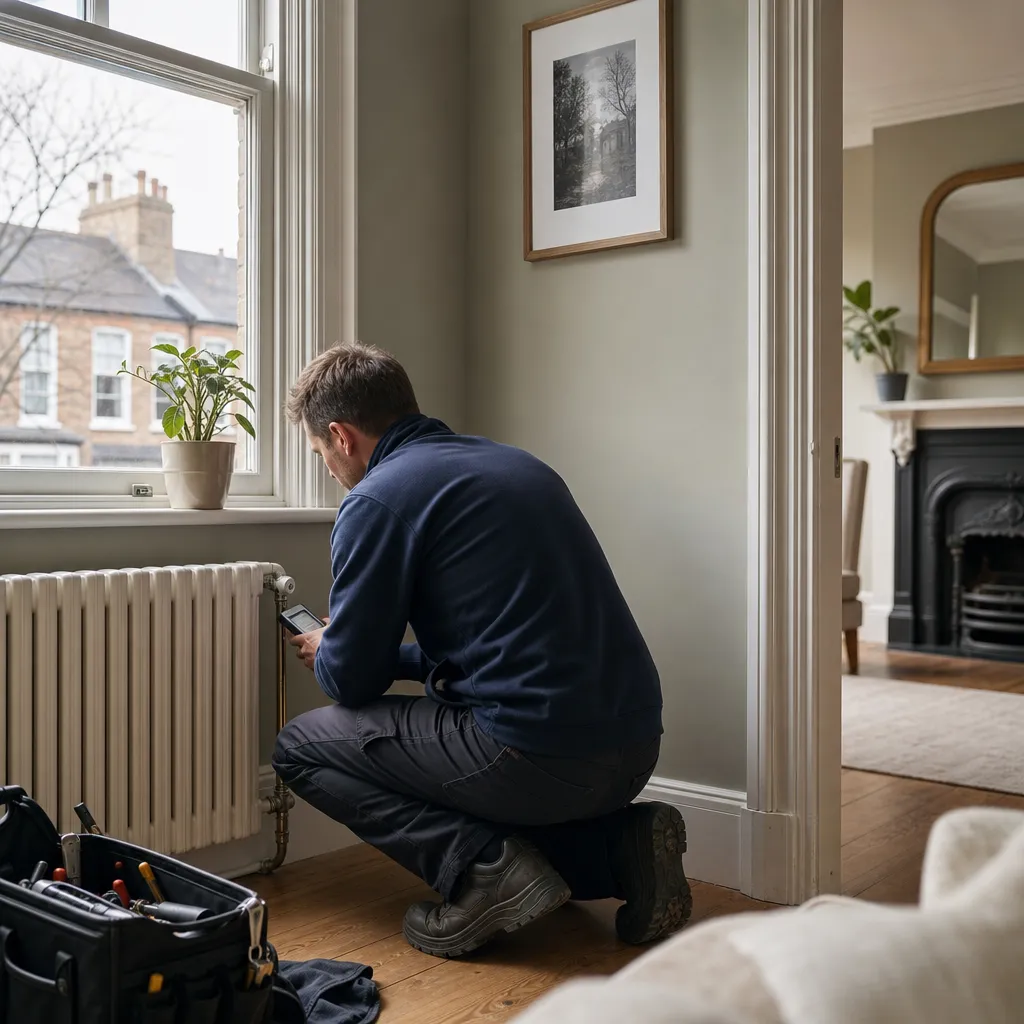
Diagnosing and Fixing Temperature Imbalances in Your Home
Temperature imbalances in UK homes usually stem from hydraulic imbalance in the central heating system, cold bridging at poorly insulated walls or junctions, air infiltration through gaps and draughts, or problems with thermostat placement. Diagnosing which cause applies determines whether you need a heating engineer, an insulation specialist, or straightforward draught-proofing.
 Energy & Retrofit
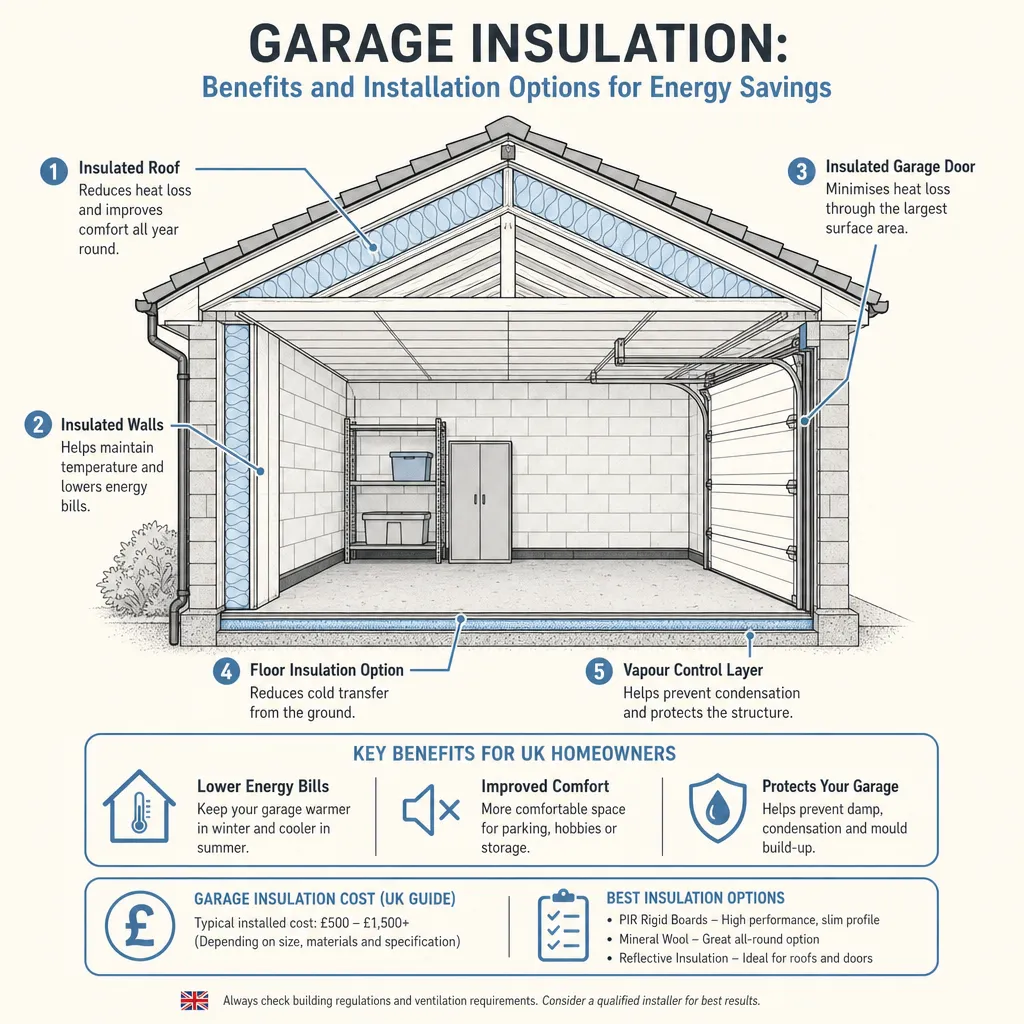
Garage Insulation: Benefits and Installation Options for Energy Savings
Insulating a garage reduces heat loss, lowers energy bills, and makes an attached garage more comfortable year-round. Common approaches include rigid foam boards for walls and roof, mineral wool between timber framing, and insulated garage doors. If you plan to convert a garage into habitable space, Building Regulations apply and professional installation is advisable.
 Energy & Retrofit
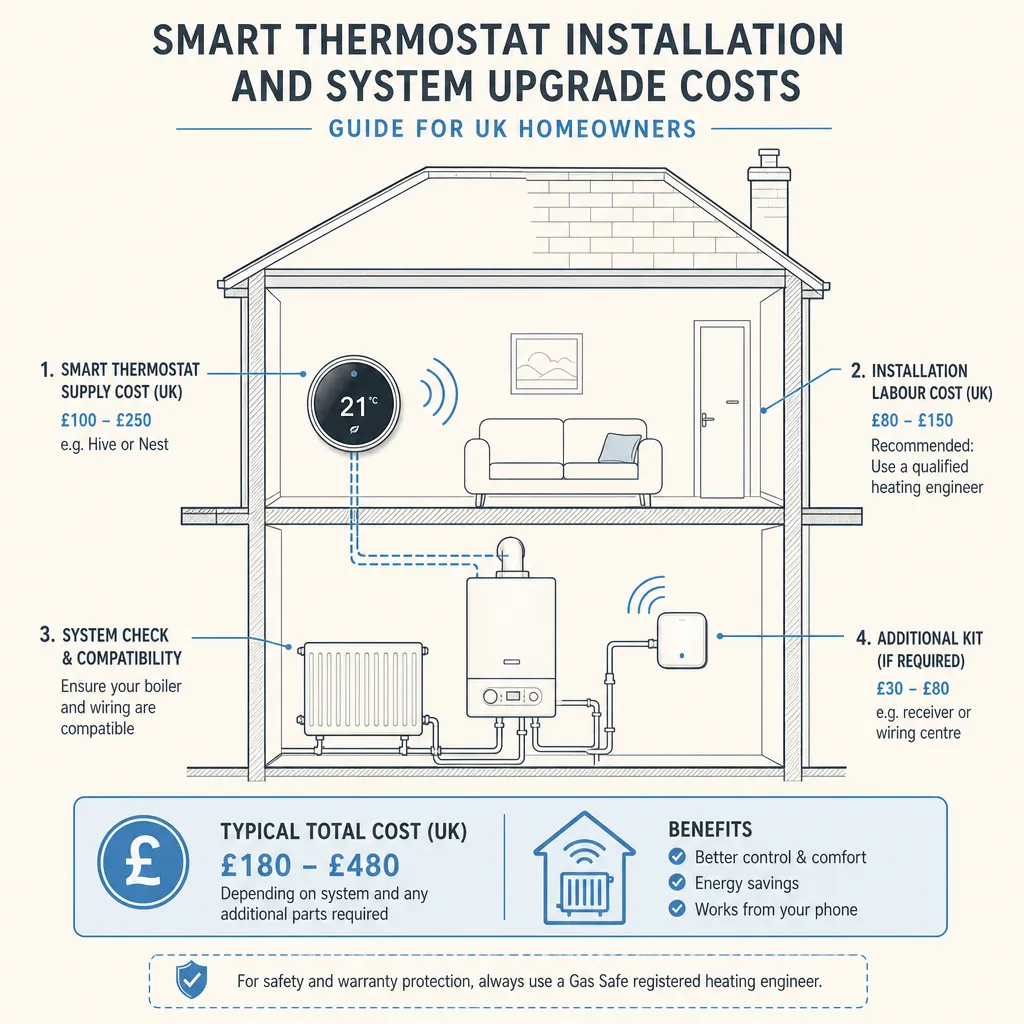
Smart Thermostat Installation and System Upgrade Costs
A smart thermostat for a typical UK home costs £160–£400 fully installed, covering the device and a heating engineer's labour. Combi boiler homes are the simplest to upgrade; older systems with a separate cylinder may need a multi-zone kit, raising costs to £350–£530. The Energy Saving Trust estimates savings of 10–30% on heating bills with active use of scheduling features.
 Energy & Retrofit
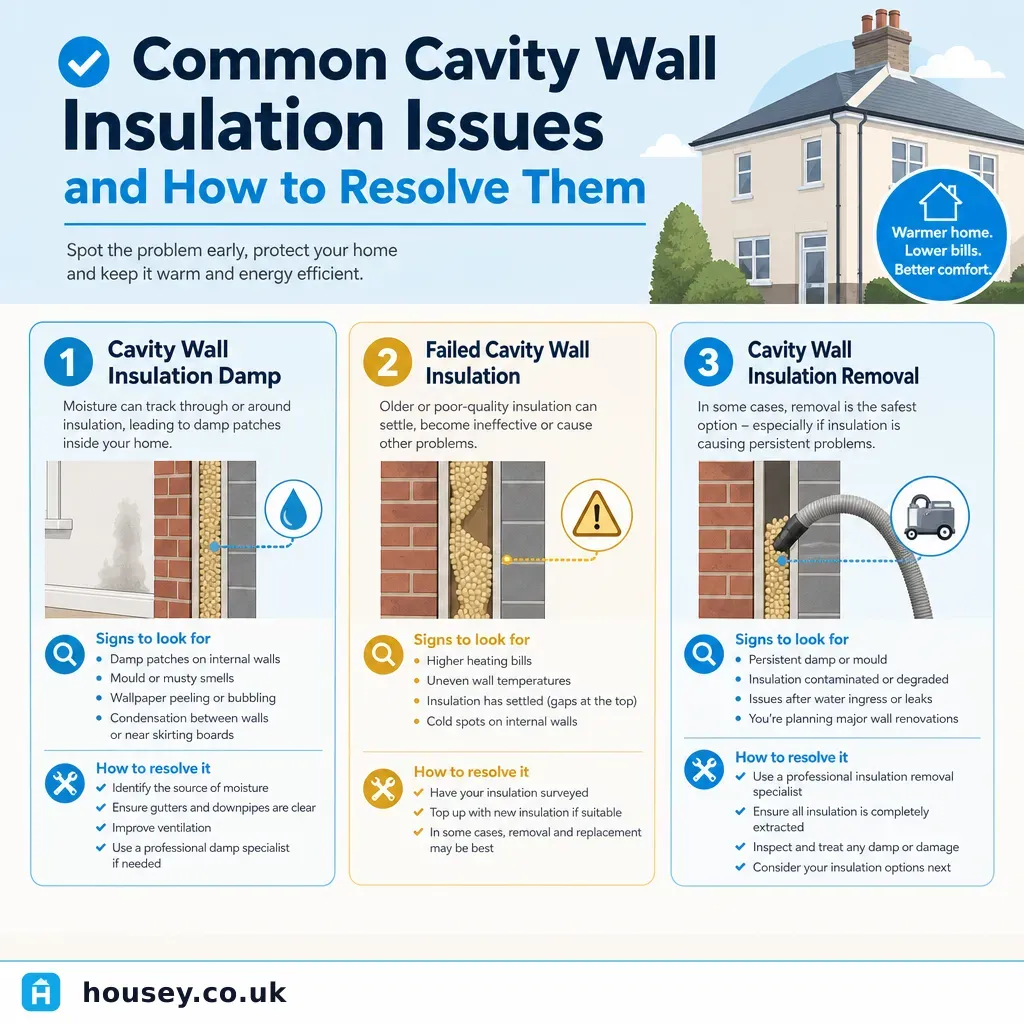
Common Cavity Wall Insulation Issues and How to Resolve Them
Cavity wall insulation problems typically include damp penetration through the outer leaf, settlement leaving voids in the cavity, and cold bridging causing condensation on internal walls. Signs include damp patches after rain, rising heating bills, and mould growth. A borescope survey by a specialist insulation assessor can confirm whether extraction and reinstatement is the appropriate remedy.
 Energy & Retrofit
Designing and Building High-Performance Sustainable Homes with Eco-Friendly Systems
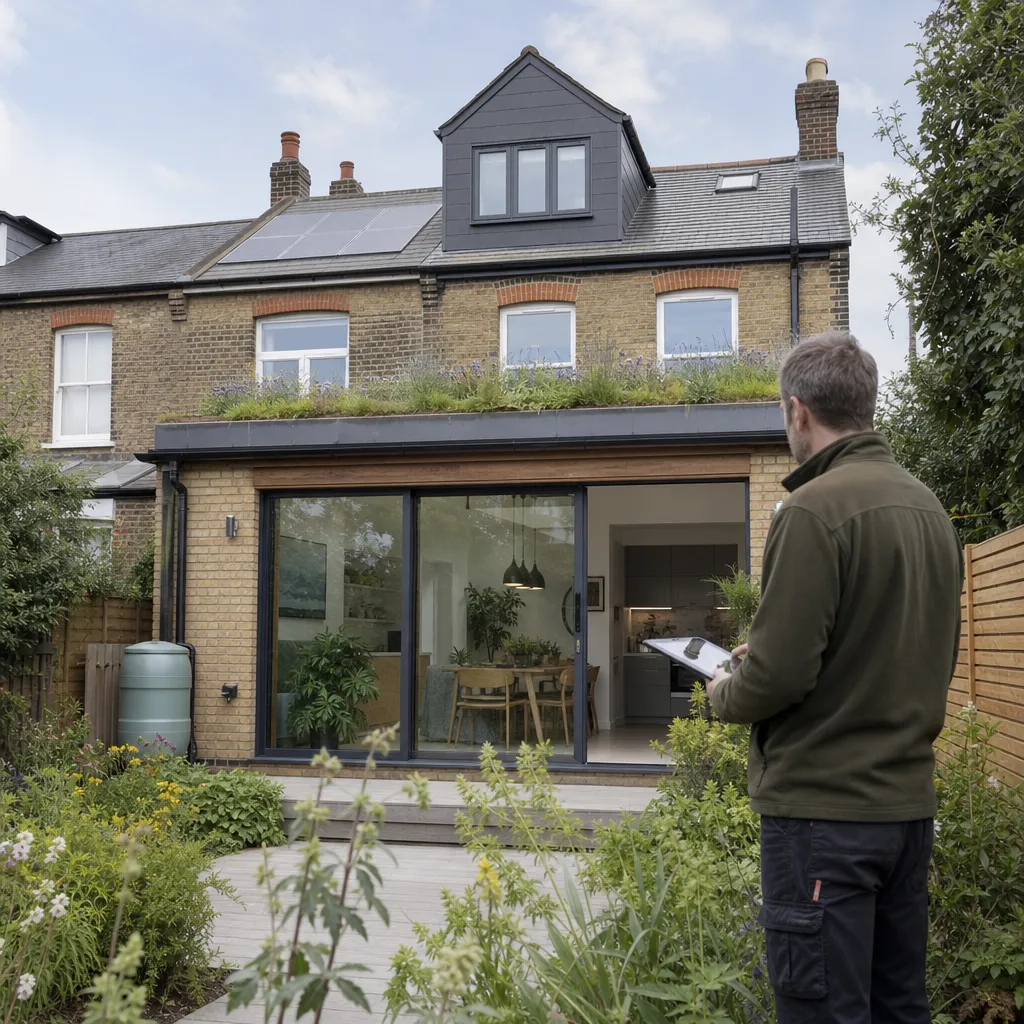
High-performance sustainable homes in the UK follow a fabric-first approach: maximise insulation and airtightness before adding low-carbon heating such as heat pumps, then layer in renewables like solar PV. New builds must meet the Future Homes Standard; retrofits should follow PAS 2035:2023. Grant support is available through the Boiler Upgrade Scheme and ECO4.
 Energy & Retrofit
Insulating Original Plaster Walls: Methods and Considerations
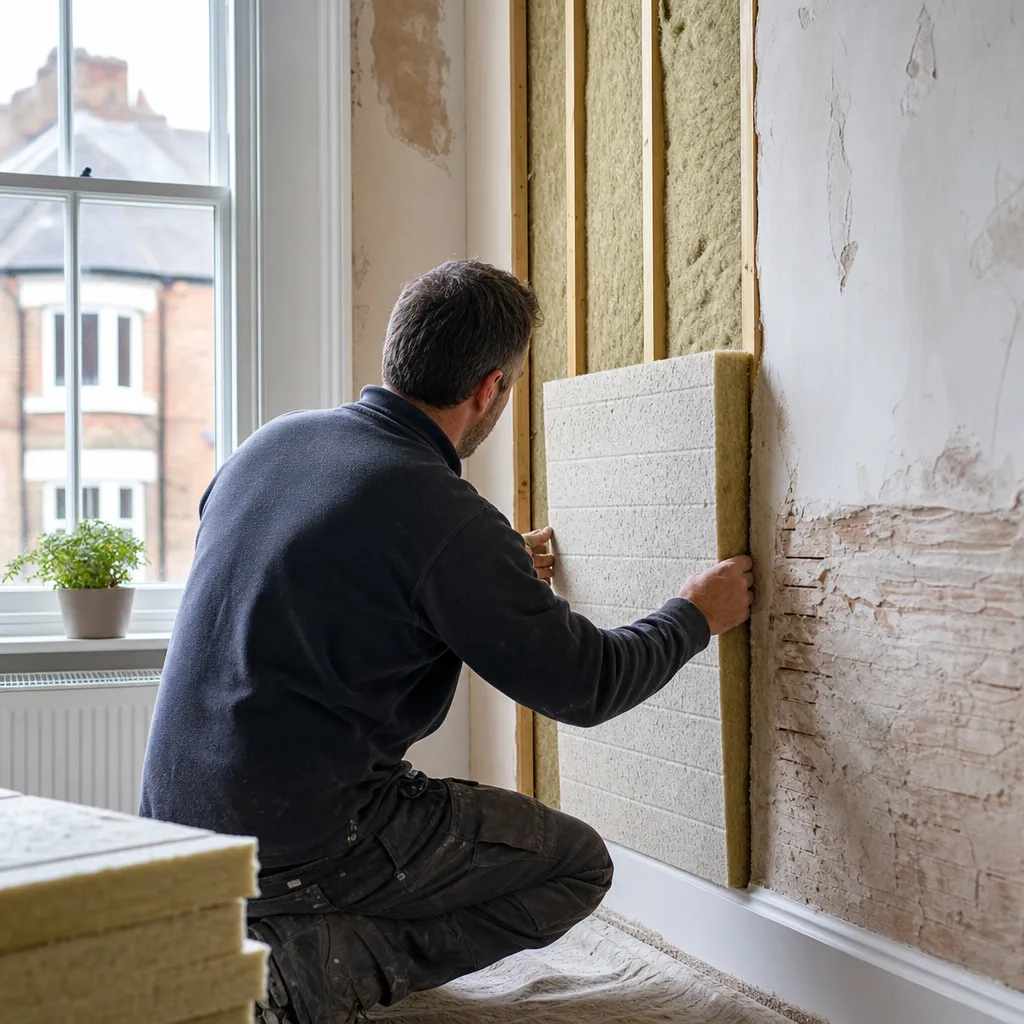
Original plaster walls — particularly lime-based finishes in pre-1919 homes — require breathable insulation systems to avoid trapping moisture. Options include internal wall insulation using breathable boards, external wall insulation, and slim-line aerogel renders. The right approach depends on wall construction, moisture behaviour, and heritage status. A PAS 2035-accredited Retrofit Assessor should assess the property before work is commissioned.
 Energy & Retrofit
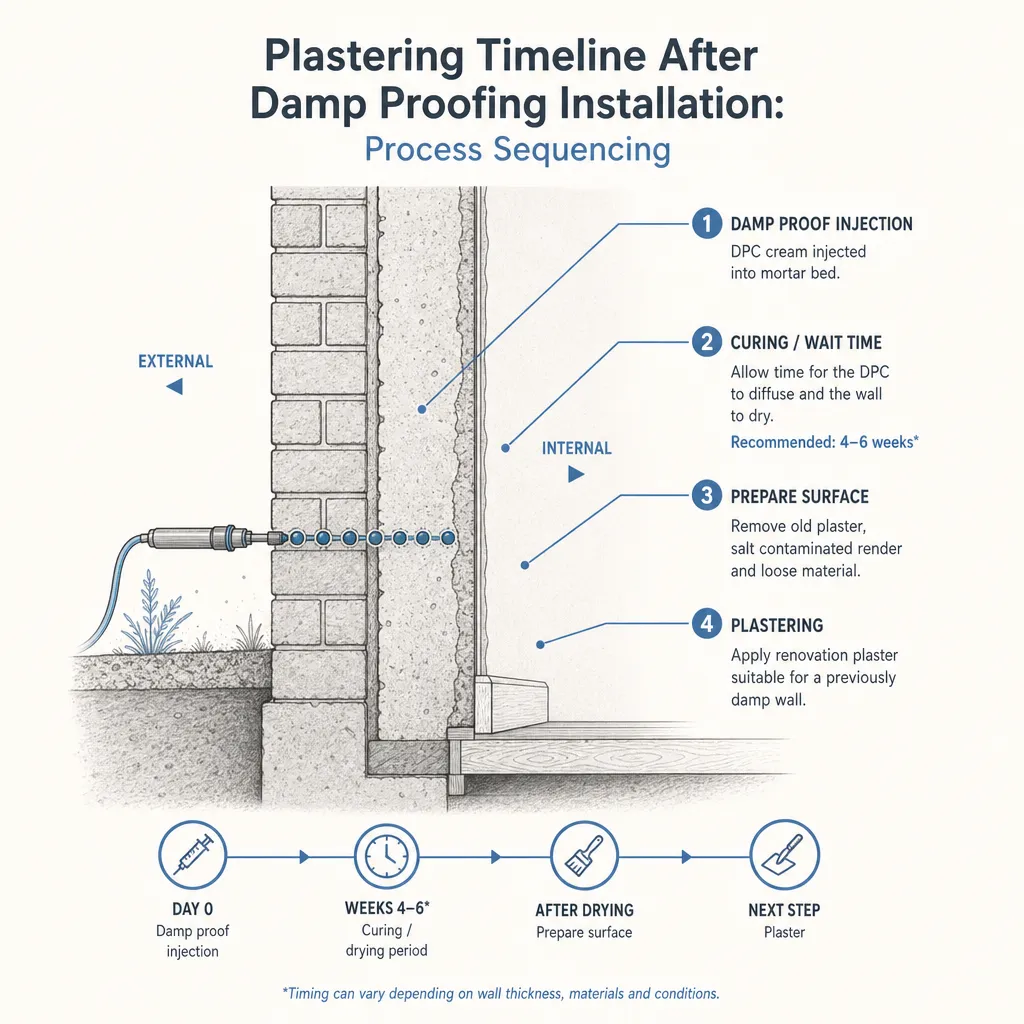
Plastering Timeline After Damp Proofing Installation: Process Sequencing
After chemical DPC injection for rising damp, wait 6–12 months before applying standard plaster. Specialist salt-retardant renovation plasters can often be applied after 4–6 weeks. Tanking systems cure within 24–72 hours before a finish coat can follow. Always follow the specific manufacturer's datasheet for the products used and confirm the waiting period in writing with your contractor.
 Energy & Retrofit
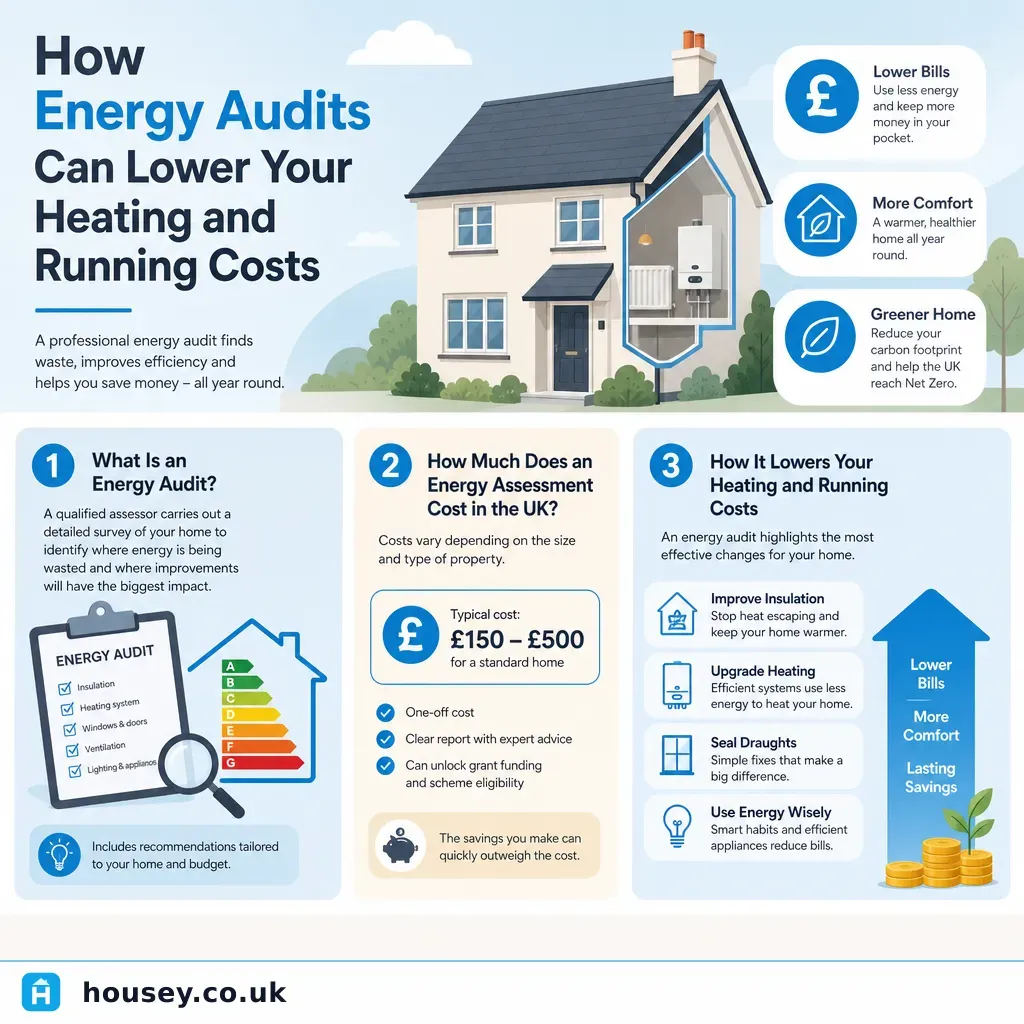
How Energy Audits Can Lower Your Heating and Running Costs
A home energy audit is a detailed inspection of your property's insulation, heating system, glazing, and ventilation to identify where energy is lost and recommend improvements. Carried out by a qualified assessor, it produces a prioritised action list. UK audits typically cost £150–£500 and can highlight upgrades that reduce heating bills by 20–40%.
 Energy & Retrofit
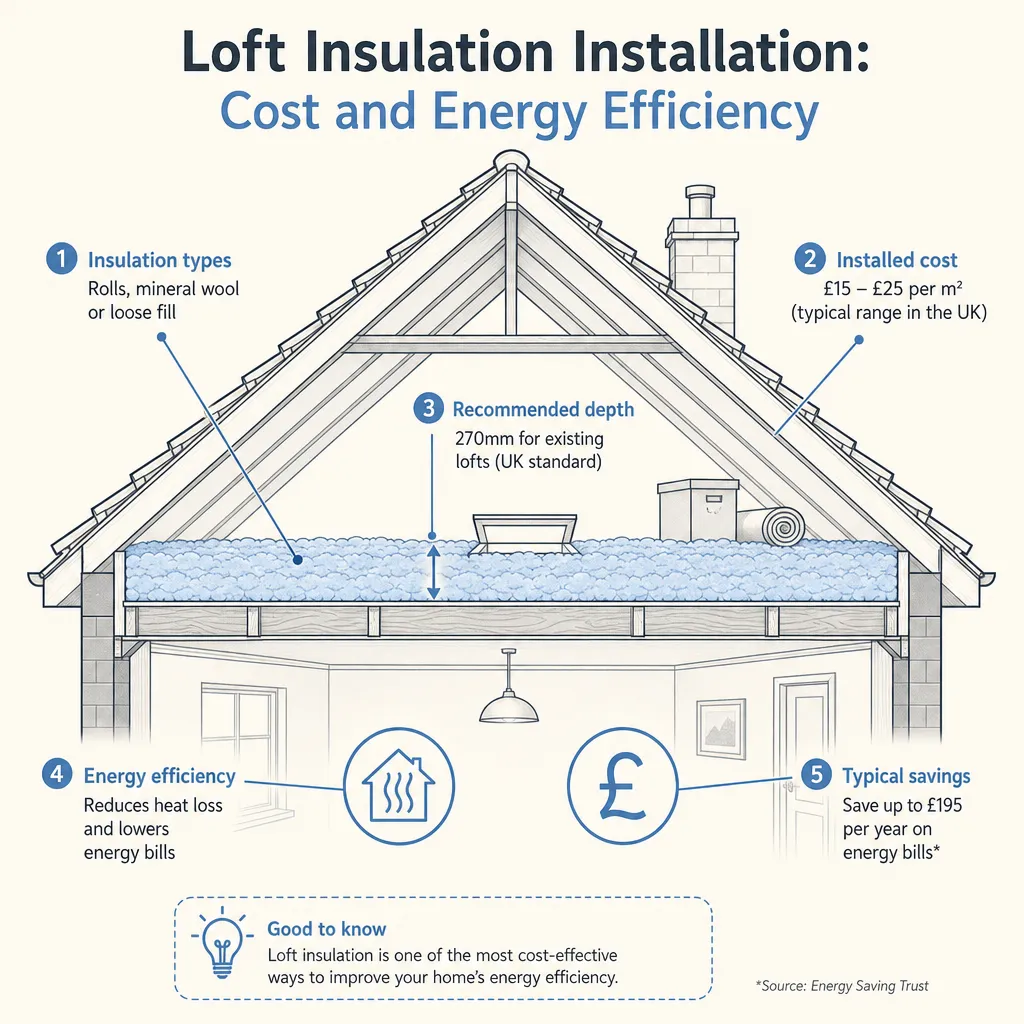
Loft Insulation Installation: Cost and Energy Efficiency
Loft insulation typically costs £300–£700 installed for a standard three-bedroom semi-detached using mineral wool. Cold loft insulation suits unoccupied lofts; warm loft insulation is needed for converted or habitable spaces. ECO4 and the Great British Insulation Scheme may fund installation at no cost for eligible households.
 Energy & Retrofit
Finding a Renewable Energy Specialist for Your Home
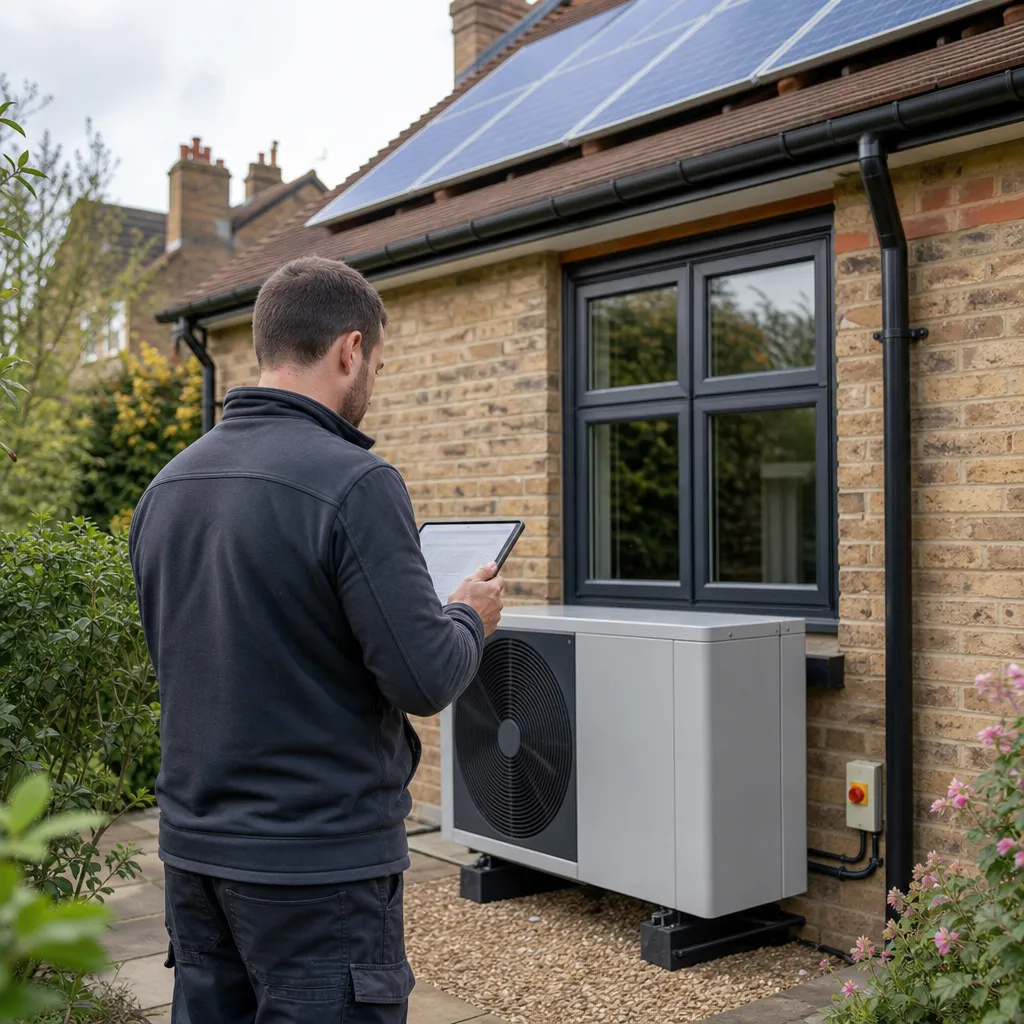
Look for MCS-certified installers registered with TrustMark for any grant-funded work. Check they carry out a full site survey and a heat loss or irradiance assessment before quoting. Ask for references from similar UK properties and confirm they can handle any building control notification or planning requirements before you sign a contract.
 Energy & Retrofit
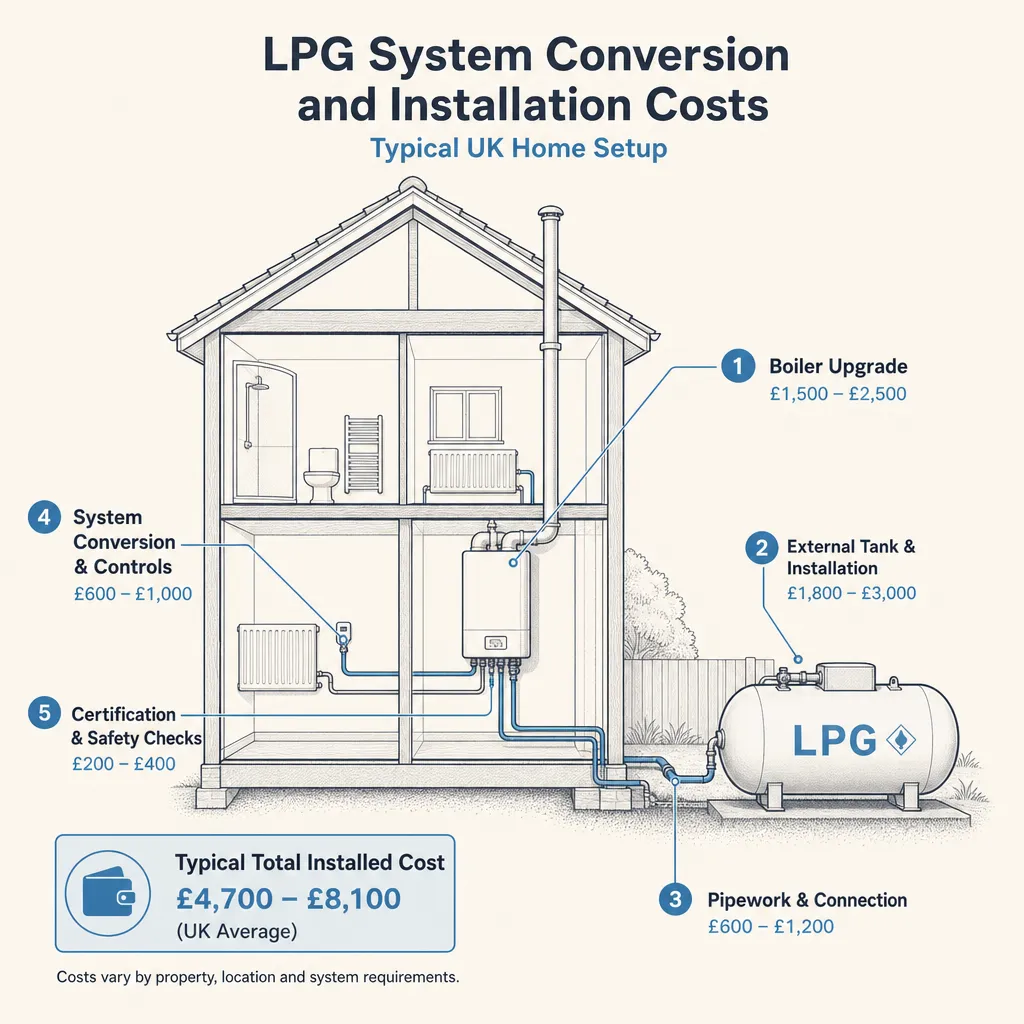
LPG System Conversion and Installation Costs
Converting a UK property to LPG typically costs £3,500–£10,000, covering a new LPG-compatible boiler, pipework, and tank installation. Running costs are higher than mains natural gas but LPG suits off-grid rural properties well. All installation work must be carried out by a Gas Safe registered engineer. Obtain at least three comparable quotes before committing.