Knowledge Base
Property advice that actually helps
Researched, UK-specific guides for every stage of homeownership — from buying and surveys to retrofit, planning and major works.
 General property advice
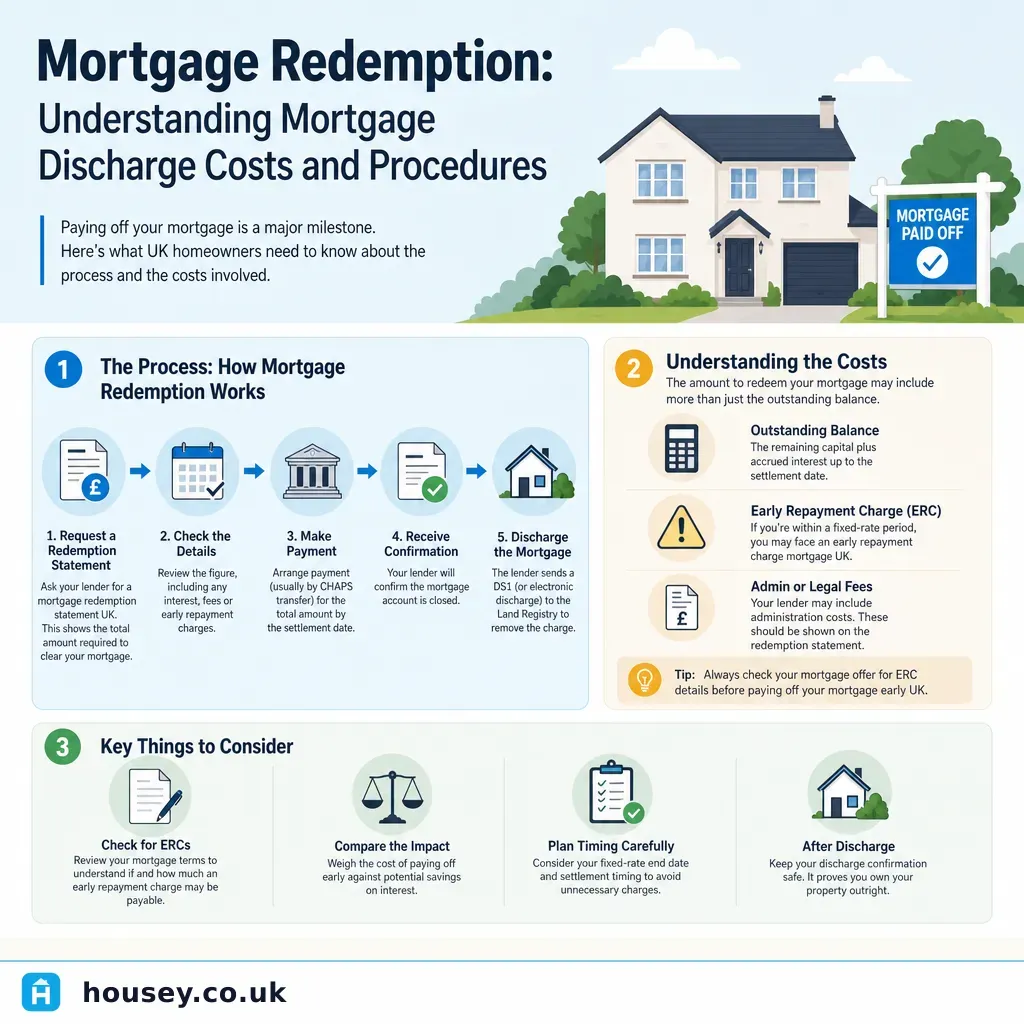
Mortgage Redemption: Understanding Mortgage Discharge Costs and Procedures
Mortgage redemption means paying off your mortgage in full, either at the end of the term or before it. The total cost includes your outstanding capital balance, interest accrued to the redemption date, any early repayment charge, and a lender administration fee. Your lender provides a dated redemption statement showing the exact figure needed, which your conveyancer uses at completion of a sale or remortgage.
 General property advice
Updating Interior Wall Cladding or Replacing Wood Panelling
Replacing interior wall panelling or cladding is usually an internal alteration that does not need planning permission. Choose a material that meets Building Regulations Part B fire-rating requirements, check for damp or asbestos behind existing panels, and use a qualified carpenter or specialist where needed.
 General property advice
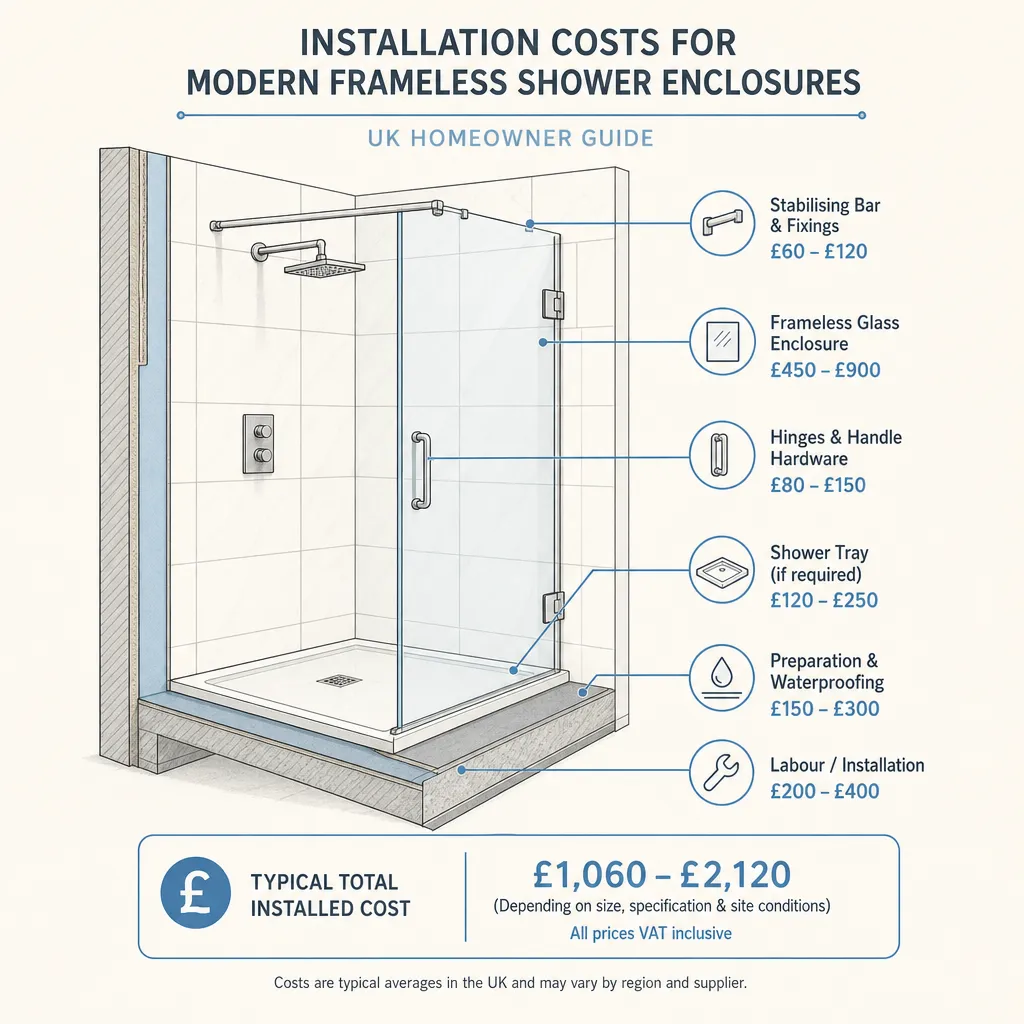
Installation costs for modern frameless shower enclosures
Frameless shower enclosures in the UK typically cost £720–£3,700 all-in for a standard installation, including supply and fitting. Walk-in panels sit at the lower end; three-sided enclosures with doors cost more. Final price depends on glass thickness, configuration, ironmongery quality, and installation complexity.
 General property advice
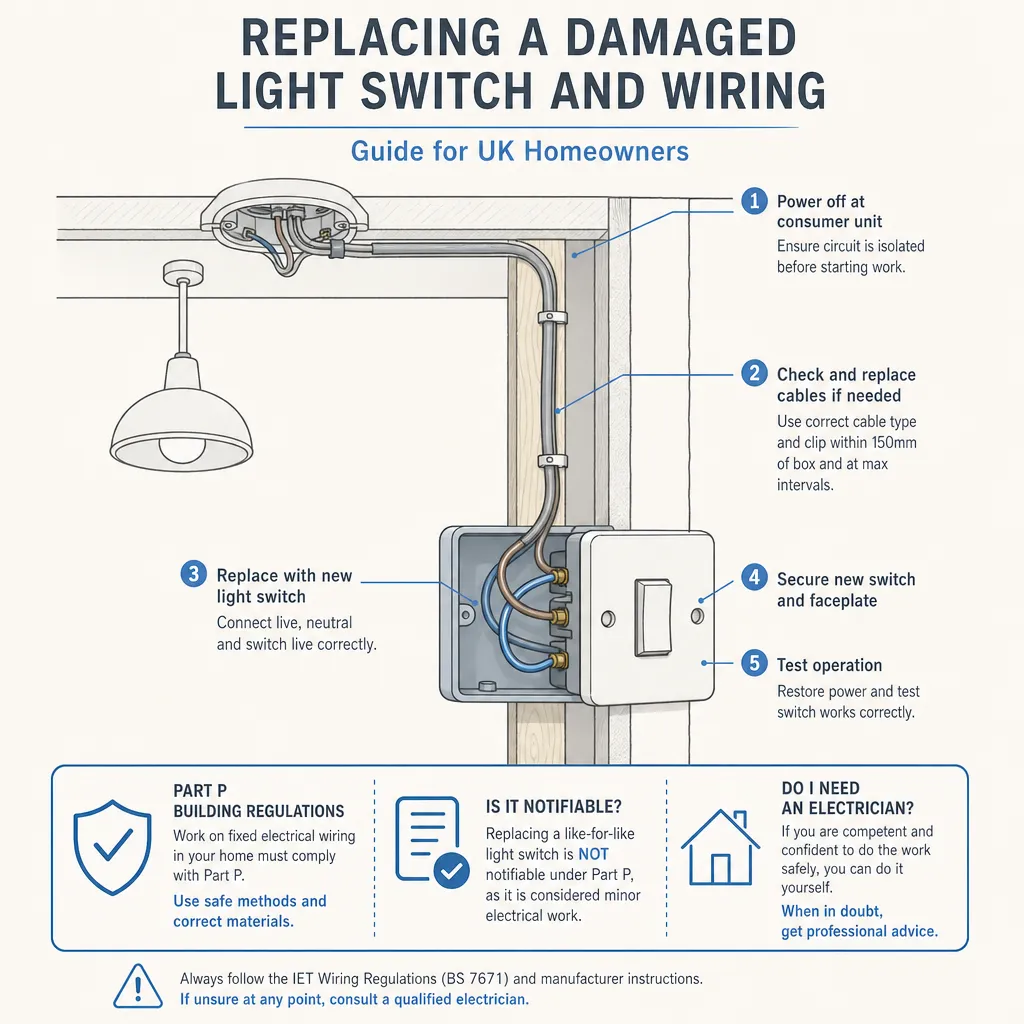
Replacing a Damaged Light Switch and Wiring
Replacing a like-for-like light switch in the same position is generally not notifiable under Part P building regulations in England. However, any new wiring, circuit changes, or electrical work in a bathroom must be carried out by a registered electrician. When in doubt, always consult a qualified electrical professional before starting.
 General property advice
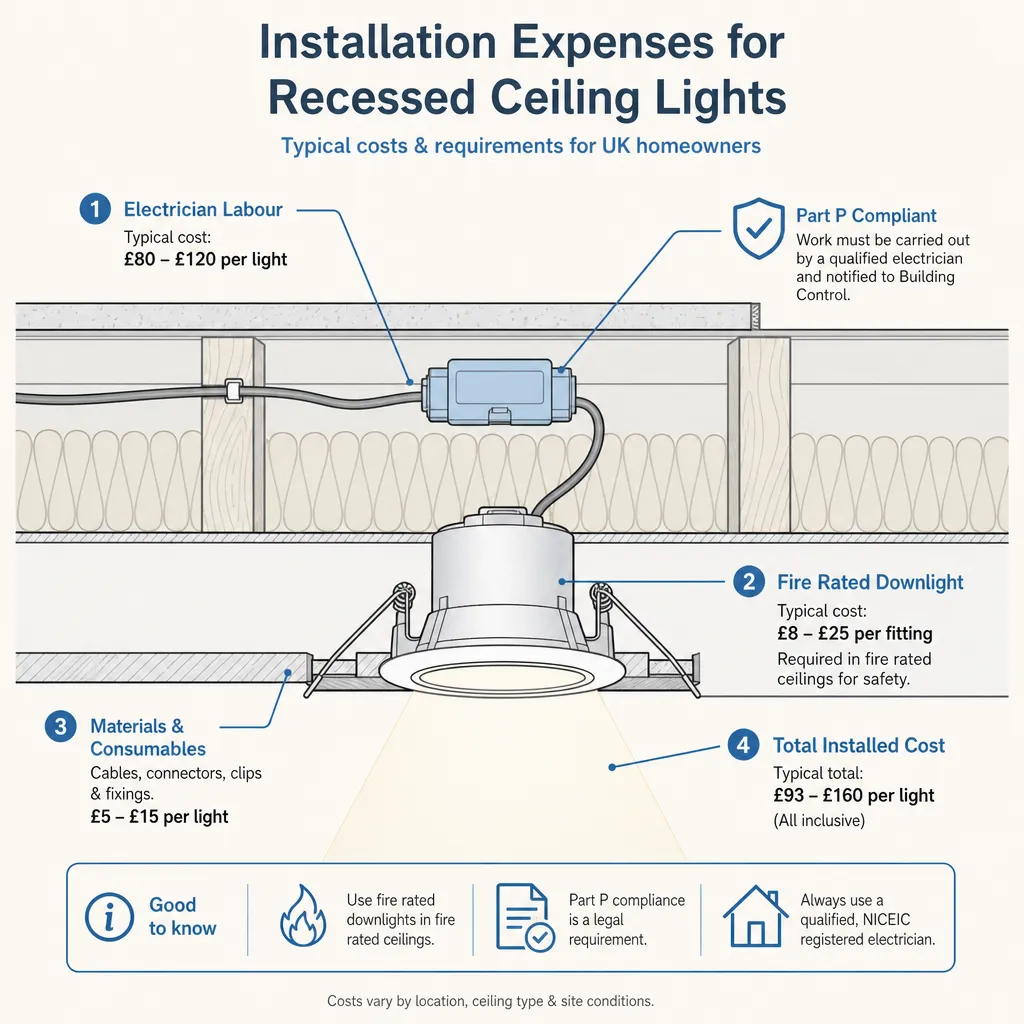
Installation Expenses for Recessed Ceiling Lights
Recessed ceiling lights typically cost £50–£150 per downlight installed by a registered UK electrician. Fire-rated fittings are required in fire-separating ceilings and cost slightly more. All new lighting circuits must comply with Part P of the Building Regulations and be certified by a scheme-registered electrician such as NICEIC or NAPIT. Costs vary by number of lights, ceiling construction, and circuit capacity.
 General property advice
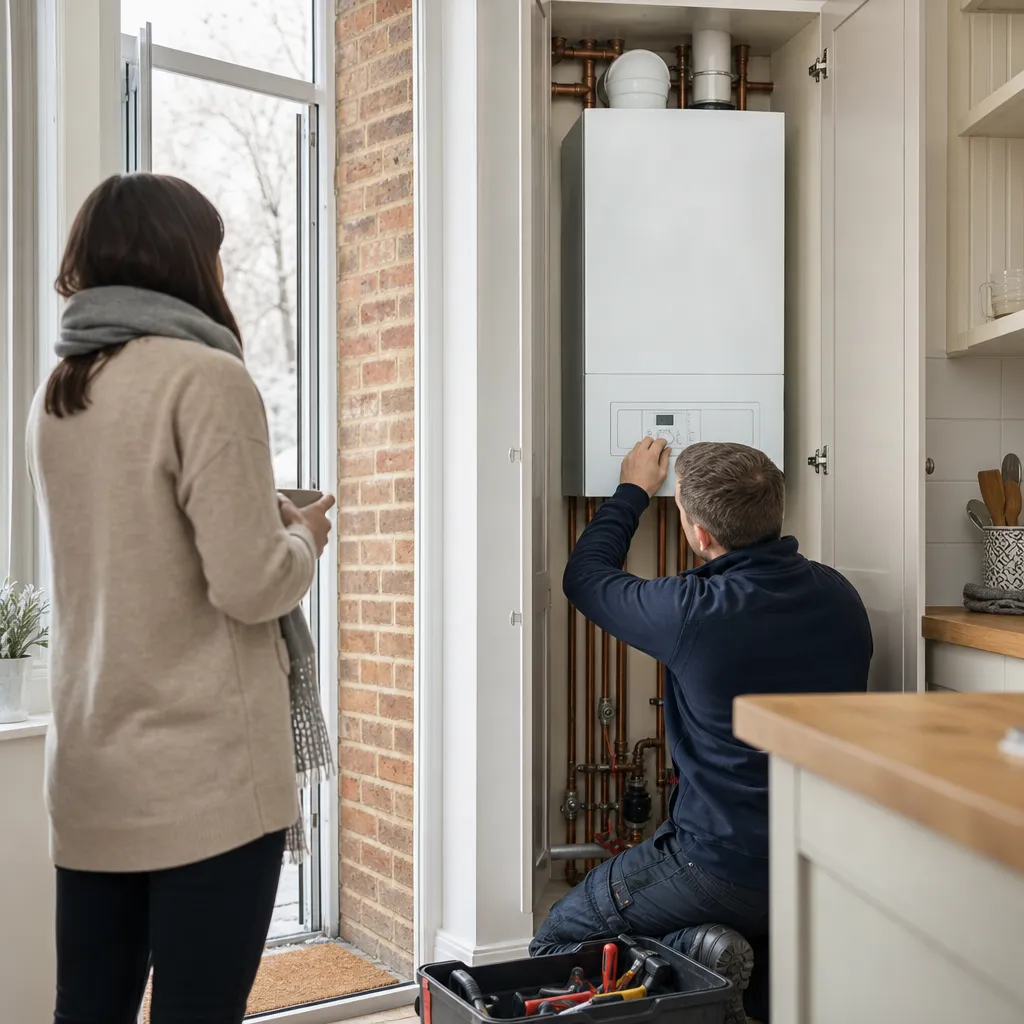
What to do if your boiler breaks down in winter
When your boiler breaks down in winter, start with safe non-gas checks: boiler pressure (should read 1–1.5 bar), the reset button, thermostat settings, and whether the condensate pipe has frozen. If none of these restores heating, call a Gas Safe registered engineer. If you smell gas or suspect carbon monoxide, leave immediately and call 0800 111 999.
 General property advice
UK Property Prices: Understanding Market Dynamics
UK house prices are driven by mortgage affordability, housing supply, employment levels, and policy decisions such as stamp duty changes. Multiple indices measure prices differently — Land Registry and ONS figures are based on completed sales, while Halifax and Nationwide reflect mortgage approvals. Prices vary significantly by region; national averages often obscure local market conditions.
 General property advice
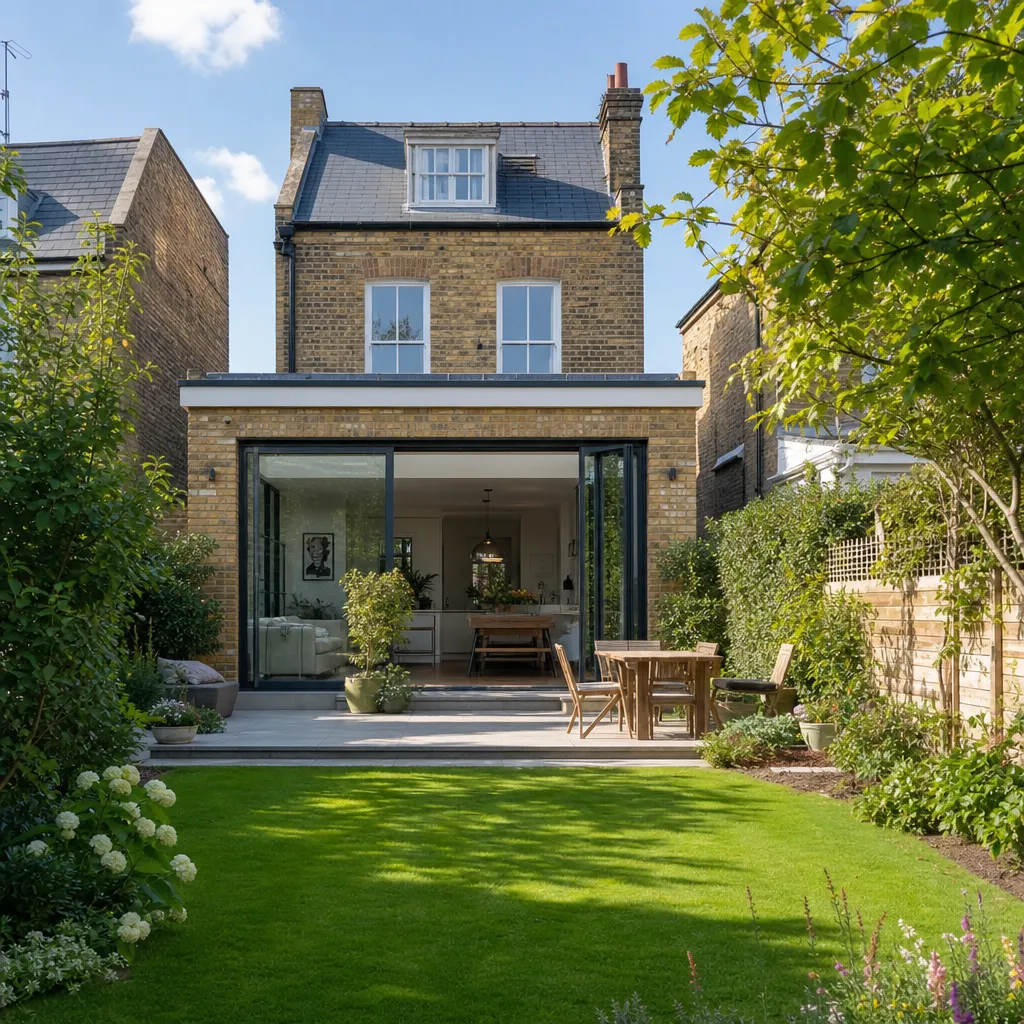
South-Facing Garden Properties: Premium Pricing and Demand Analysis
A south-facing garden typically attracts stronger buyer demand and can command a premium of around 5–15% in competitive UK markets, though the impact depends on garden size, surrounding buildings, property type, and local conditions. Properties with south-facing gardens tend to sell faster than comparable homes with north-facing plots, making orientation one of the more consistently valued outdoor features.
 General property advice
Selecting a Reliable Home CCTV System for Security
A reliable home CCTV system needs to match your property's coverage requirements, connectivity, and UK legal obligations. Wired PoE systems offer the most reliable continuous recording; wireless cameras suit smaller homes or renters. Check ICO guidance on data protection before positioning cameras that may capture public spaces or neighbouring property.
 General property advice
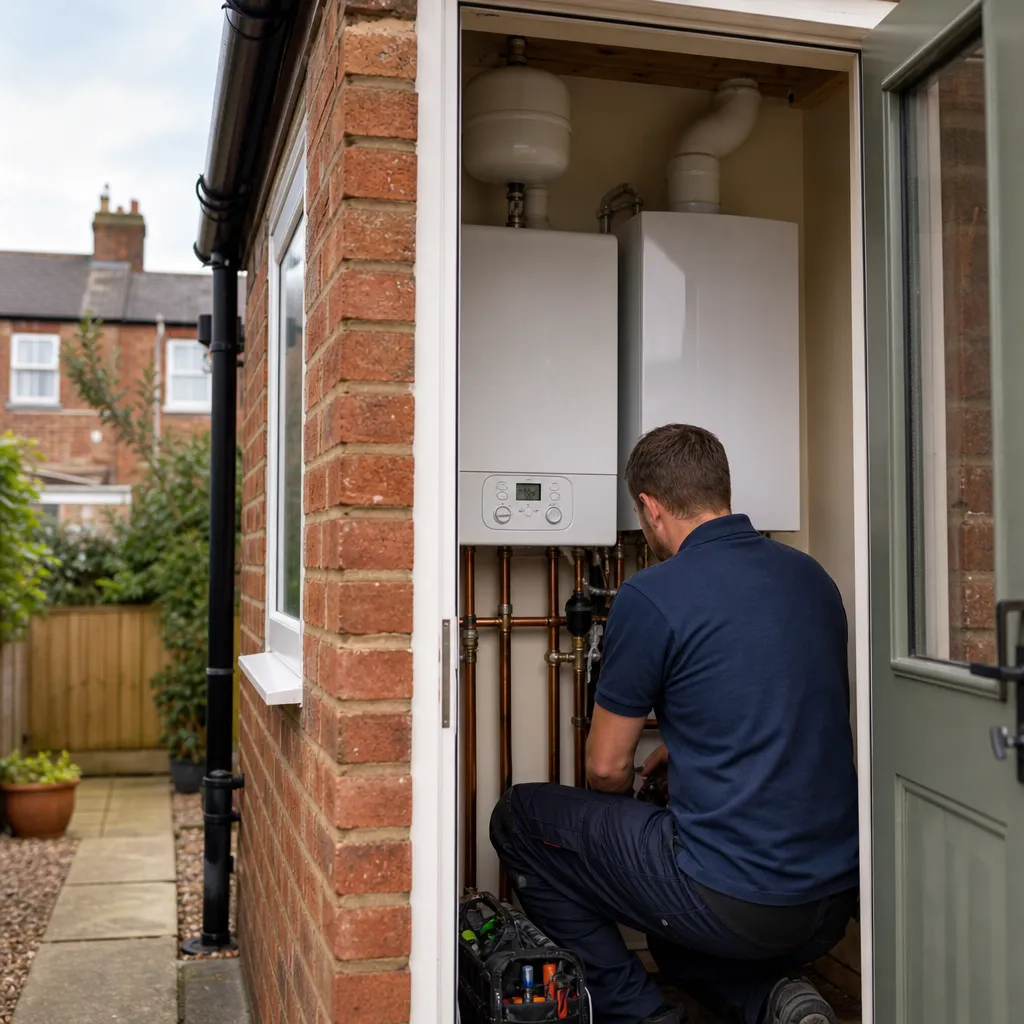
Combi versus condensing boilers: what's the difference?
'Combi' and 'condensing' describe different boiler characteristics, not alternatives. Combi refers to a boiler's function — combining central heating and hot water in one unit without a storage cylinder. Condensing refers to heat-recovery technology achieving 90% or higher seasonal efficiency. Since April 2005, all new gas boilers in Great Britain must be condensing; most modern combis are also condensing.
 General property advice
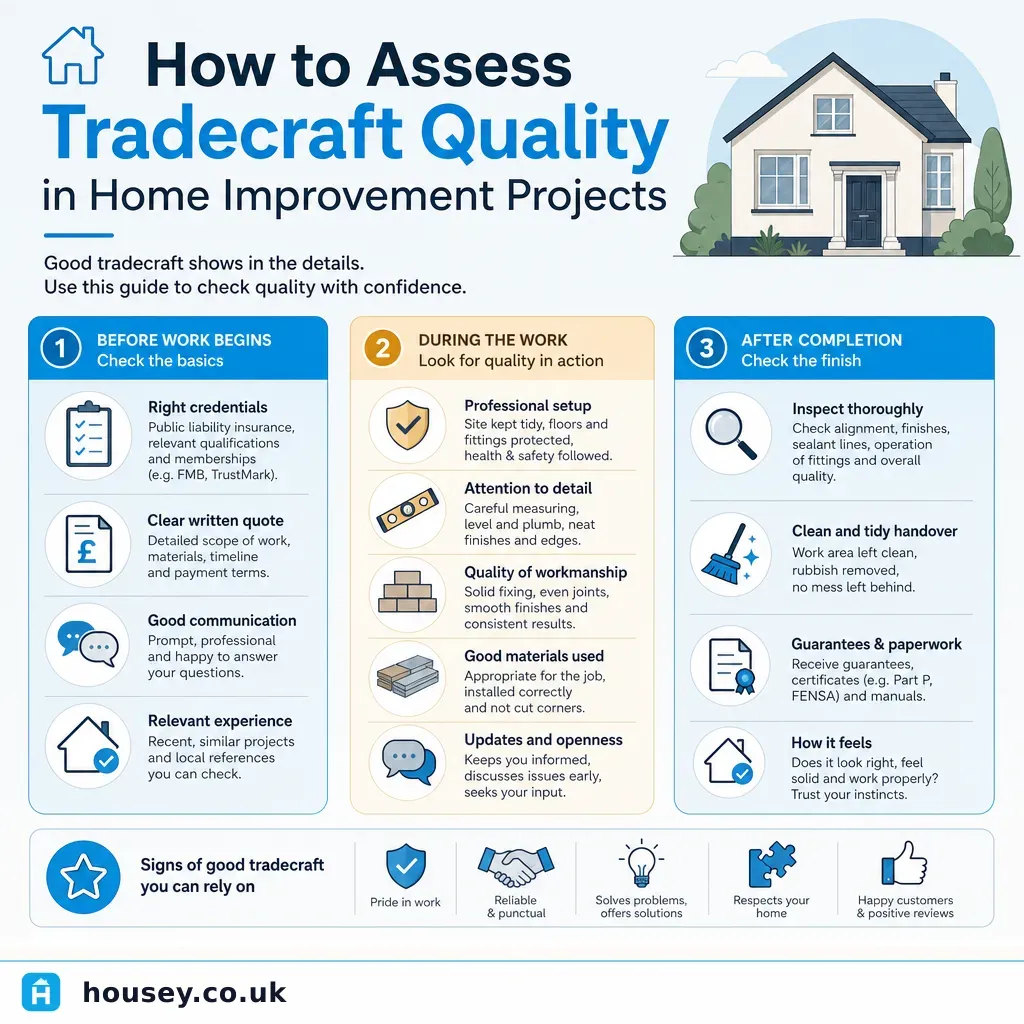
How to Assess Tradecraft Quality in Home Improvement Projects
Quality home improvement work shows consistent, level finishes, correct fixings, watertight seals, and proper certificates for regulated work. Before hiring, verify accreditations and request references. After completion, inspect work against the agreed specification, collect all completion certificates, and retain a proportion of payment until any snagging is resolved.
 General property advice
Combi boilers versus system boilers: which is right for you?
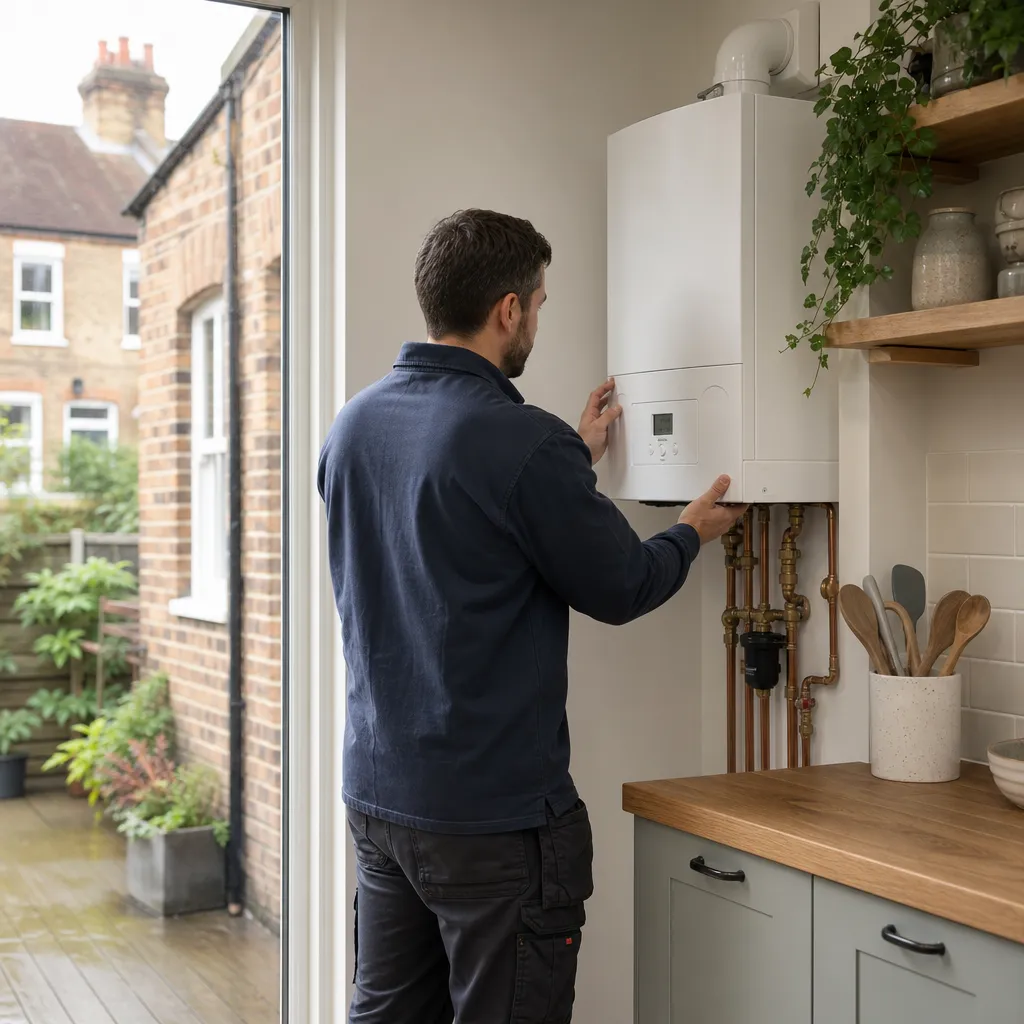
Combi boilers heat water on demand from the mains and suit smaller homes with one or two bathrooms and up to four occupants. System boilers store hot water in a cylinder and handle higher simultaneous demand better, making them a stronger choice for larger homes or families. The right decision depends on your property's size, mains pressure, and hot water habits.