Knowledge Base
Property advice that actually helps
Researched, UK-specific guides for every stage of homeownership — from buying and surveys to retrofit, planning and major works.
 Planning & Pre-Build
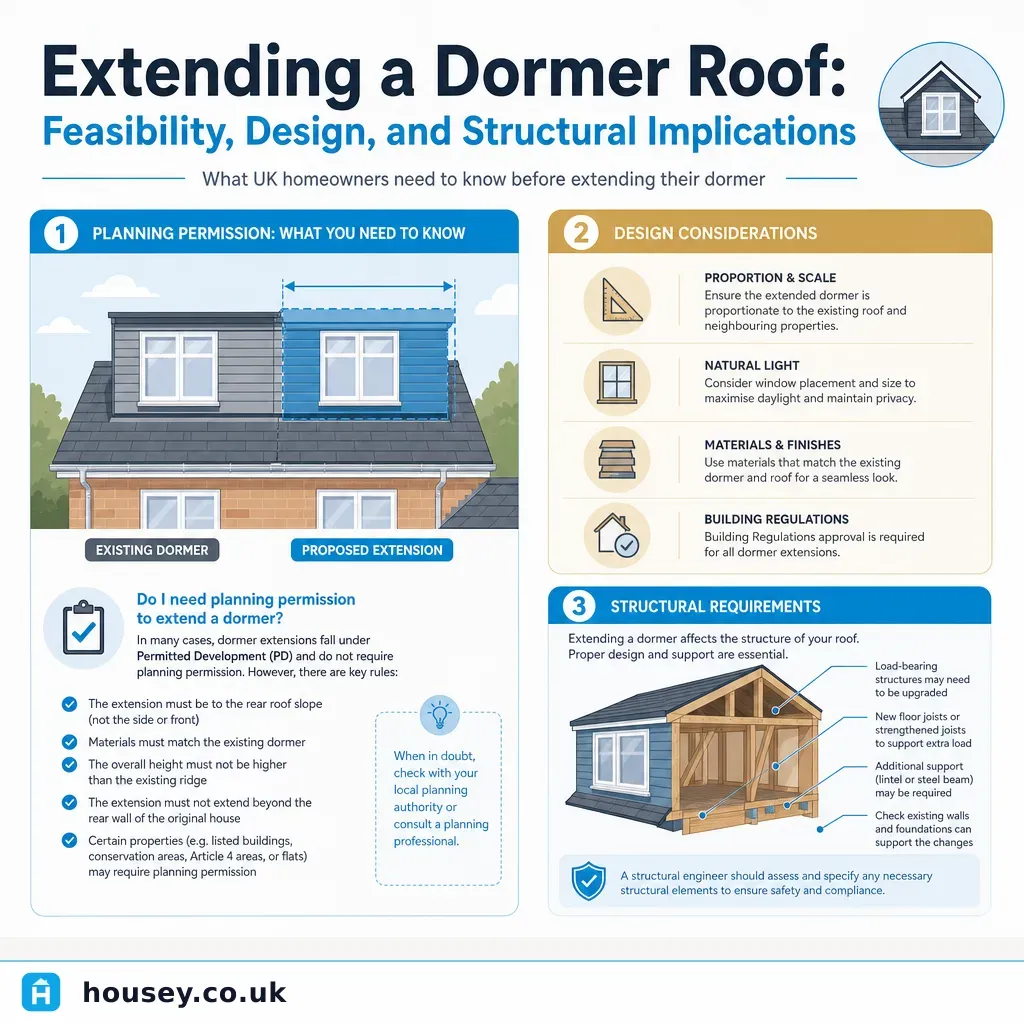
Extending a Dormer Roof: Feasibility, Design, and Structural Implications
Extending an existing dormer may qualify under permitted development rights in England, provided total roof additions stay within volume limits — 40 m³ for terraced houses, 50 m³ for semi-detached and detached — and the property is not listed or in a designated area. A structural engineer must assess the existing roof structure, and building regulations approval is always required regardless of planning status.
 Planning & Pre-Build
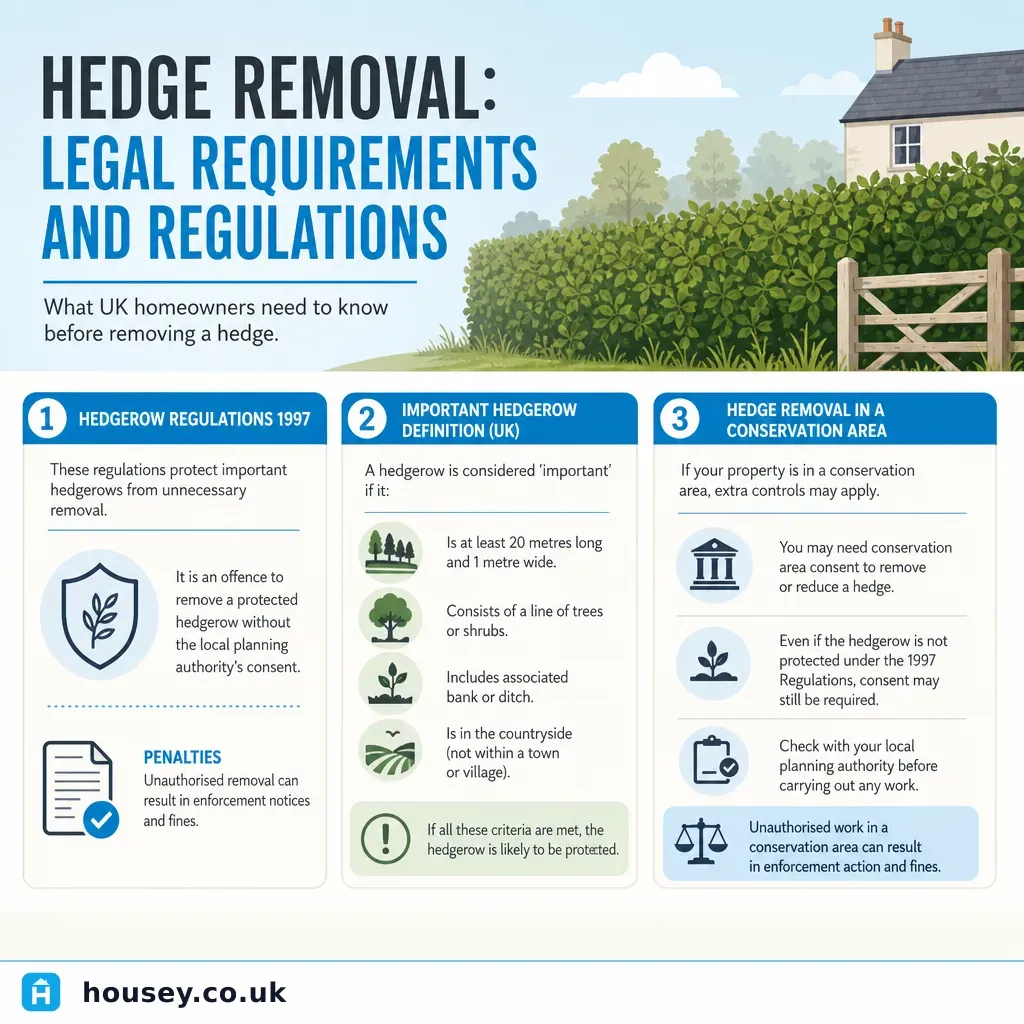
Hedge Removal: Legal Requirements and Regulations
Whether you need permission to remove a hedge in the UK depends on its location, age, and what it contains. Garden hedges on private land usually need no consent. Hedges on agricultural or forestry land over 30 years old fall under the Hedgerow Regulations 1997, requiring 42 days' notice to the local planning authority. Tree Preservation Orders and conservation area rules add further restrictions.
 Planning & Pre-Build
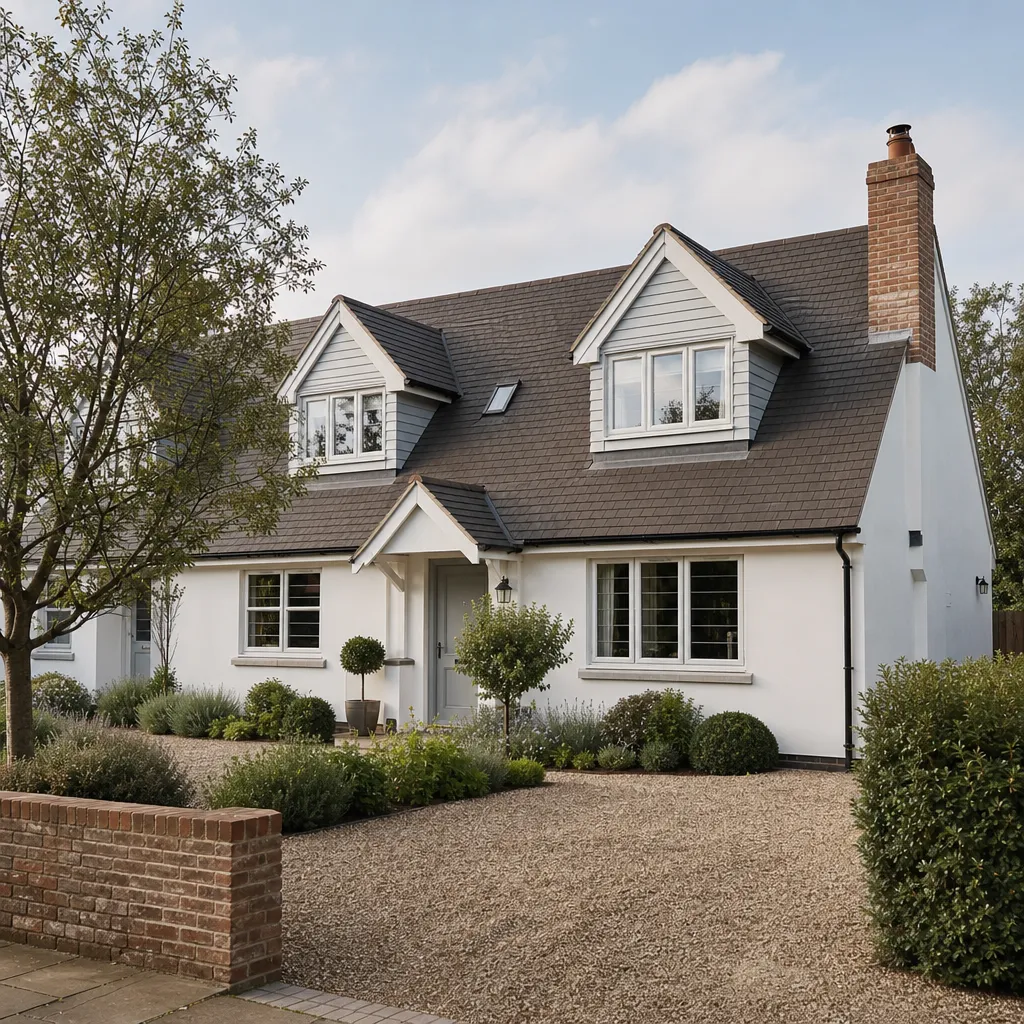
Cape Cod Style Homes: Design Elements and Characteristics
A Cape Cod home is defined by its steep symmetrical gabled roof, compact 1.5-storey form, dormer windows, and symmetrical facade centred on a front door. Originating in 17th-century New England, the style is rare as a traditional UK building type but influences some self-build designs. Any new build referencing this style requires full planning permission regardless of the aesthetic chosen.
 Planning & Pre-Build
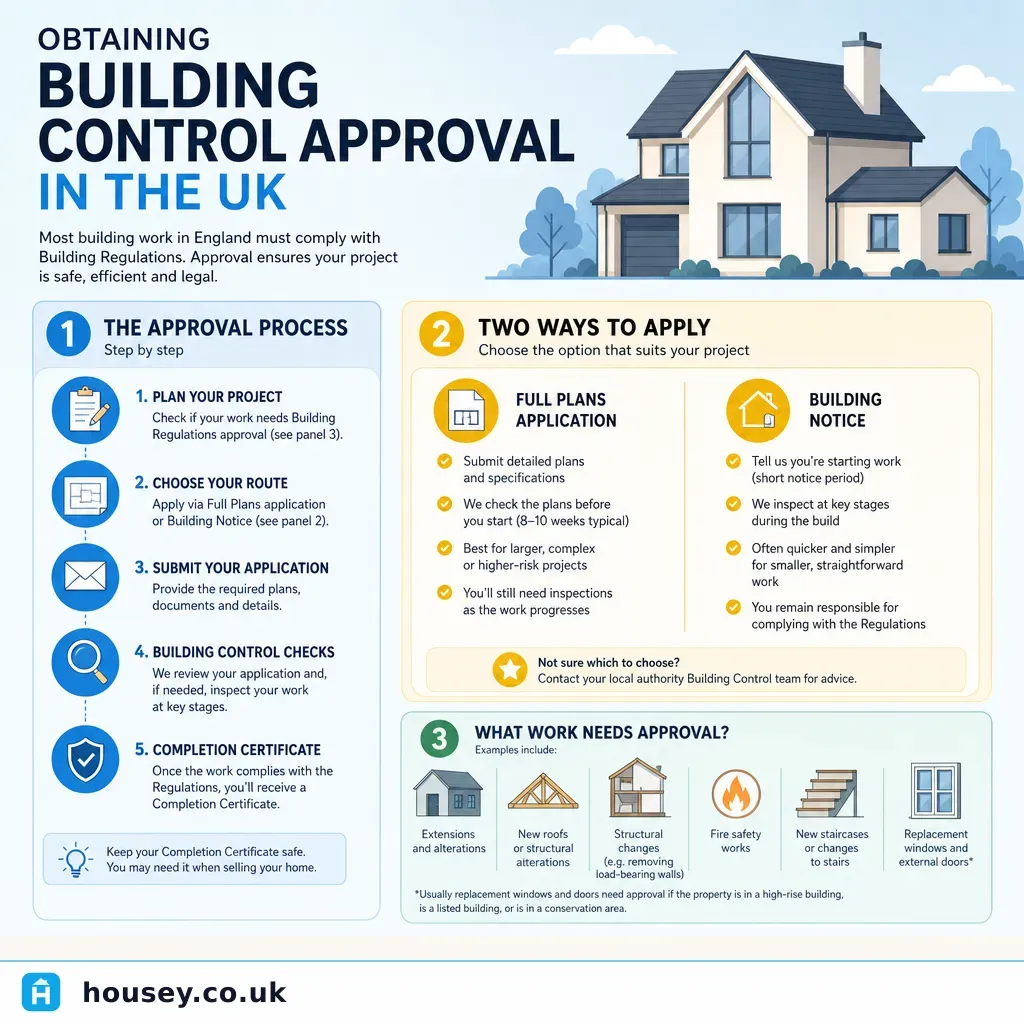
Obtaining Building Control Approval in the UK
Building control approval in the UK is required for most structural changes, extensions, loft conversions, and new builds. You apply through your local authority building control or a registered building control approver, choosing between a Full Plans application, a Building Notice, or a Regularisation Certificate. Inspections take place at key construction stages, and a completion certificate is issued once the work passes final inspection.
 Planning & Pre-Build
Accessible Home Design: Making Your Property Work for Everyone
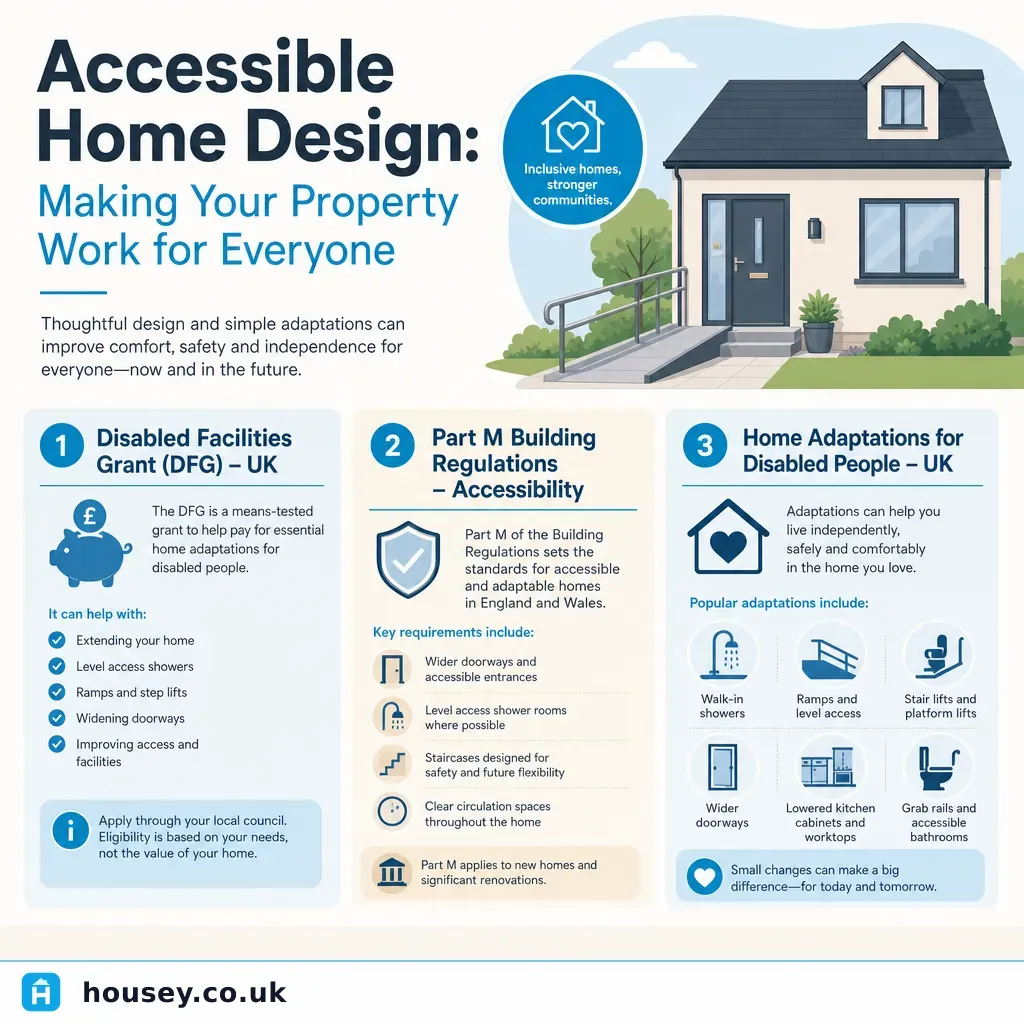
Accessible home design in the UK is guided by Building Regulations Part M and BS 8300:2018. Adaptations range from widened doorways and level-access showers to full wheelchair-standard remodelling. The Disabled Facilities Grant provides up to £30,000 in England for eligible works. An occupational therapist should assess functional needs before a contractor is appointed.
 Planning & Pre-Build
Hiring a Project Manager for Home Renovation
A project manager for home renovation coordinates contractors, manages programme and budget, and oversees quality and building control liaison on your behalf. Whether you need one depends on project complexity — for multi-trade works over £60,000 or lasting more than eight weeks, a PM often justifies their cost through avoided delays and rework. Fees typically run at 10–20% of build cost.
 Planning & Pre-Build
Property Investment and Development: Identifying Potential Before Purchase
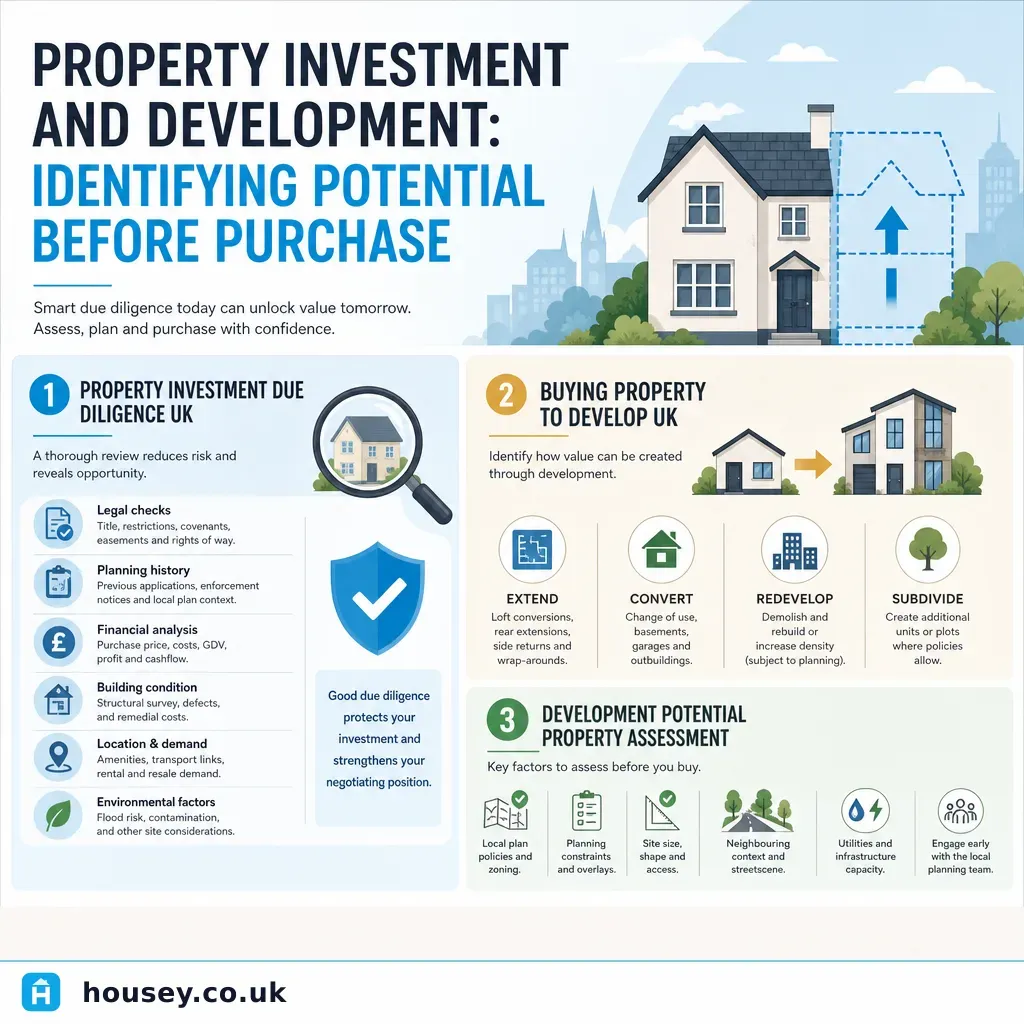
Assessing development potential before purchase means checking planning history, permitted development rights, structural condition, and comparable property values. A professional valuation, measured building survey, and build cost estimate together give a realistic picture of whether the project stacks up financially — all before you exchange contracts.
 Planning & Pre-Build
Converting a Utility Room to a Bathroom: Planning Permission and Building Regulations
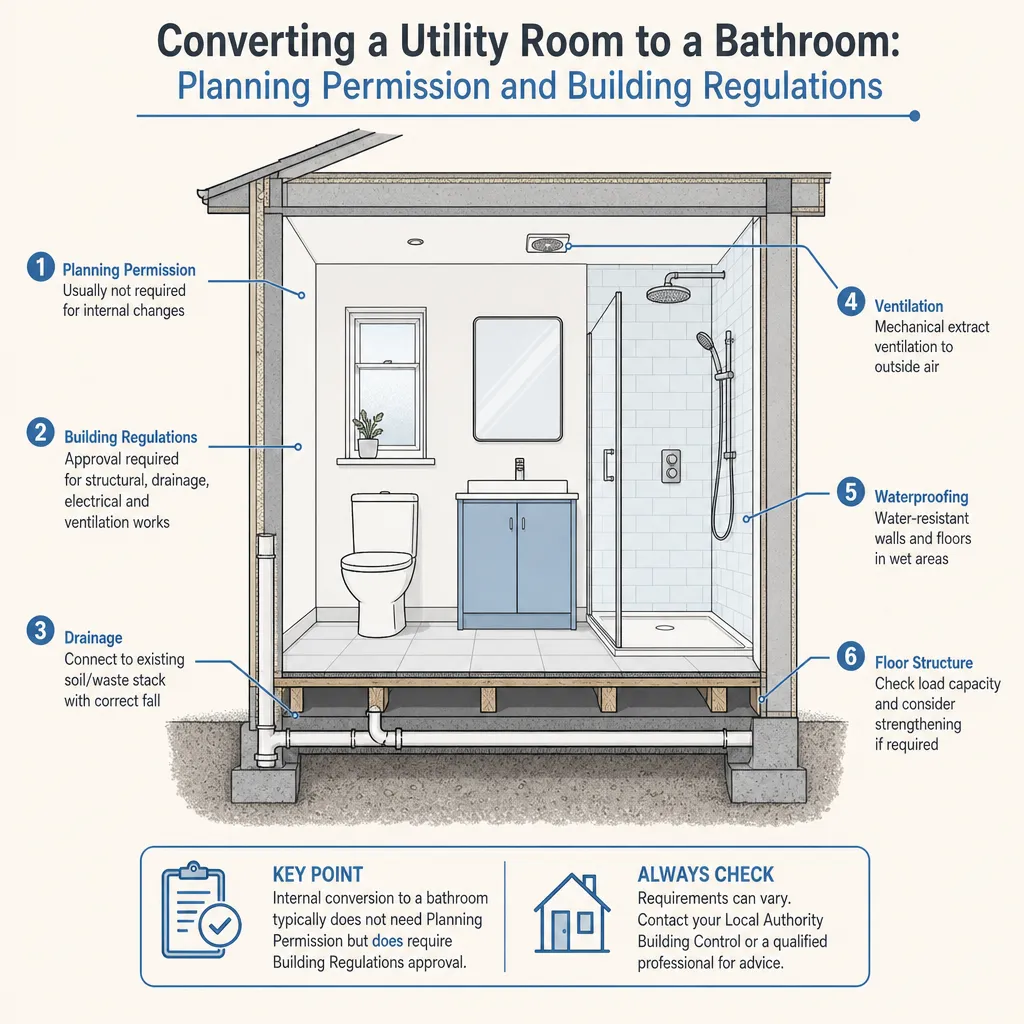
Converting a utility room to a bathroom in England usually does not require planning permission, as it is an internal alteration. However, building regulations approval is typically required for drainage connections, ventilation, and electrical work. You will need a competent person scheme certificate or a building control completion certificate depending on the trades involved.
 Planning & Pre-Build
What to budget for preparing your building site
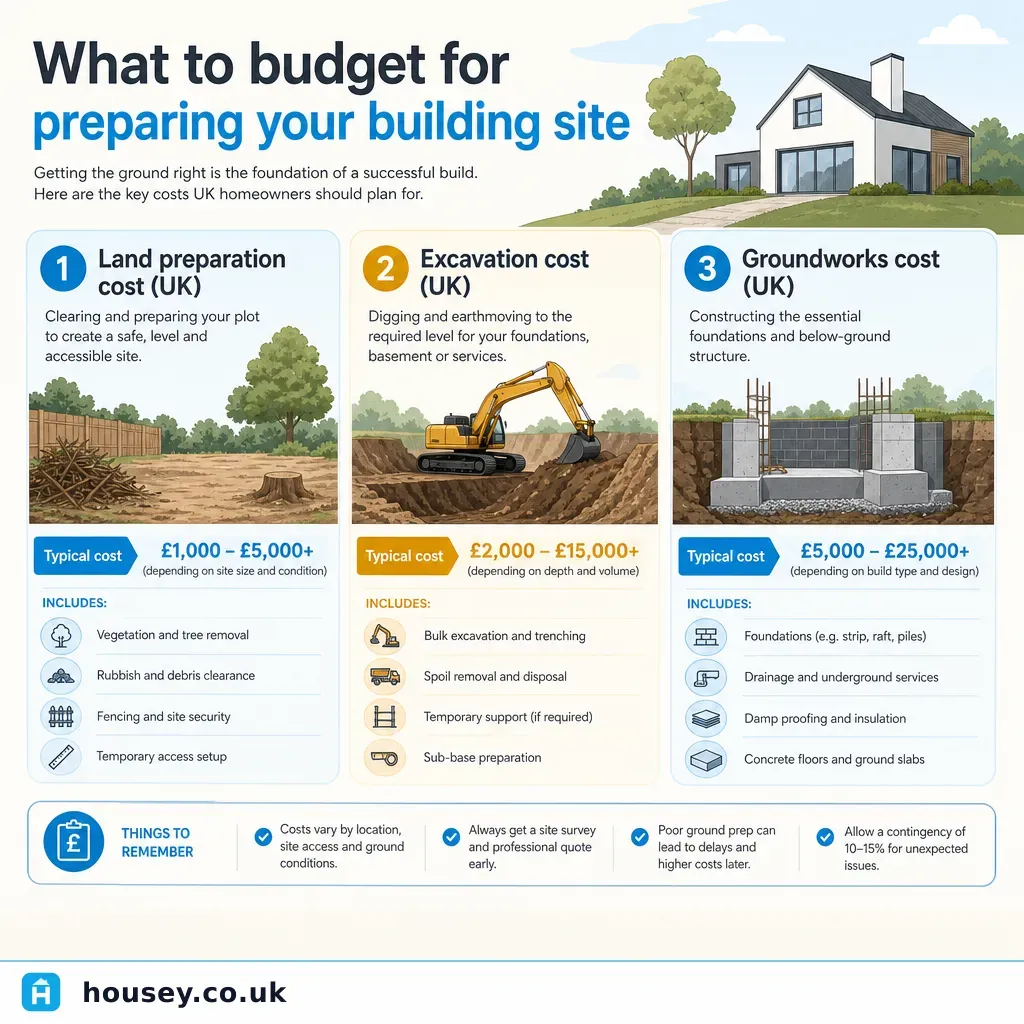
Site preparation costs in the UK vary widely — from around £5,000 for simple clearance to over £60,000 for a contaminated or sloped plot. Key variables include soil type, slope, contamination history, existing structures, and utility diversions. A geotechnical investigation before you break ground is usually the most cost-effective way to avoid expensive surprises.
 Planning & Pre-Build
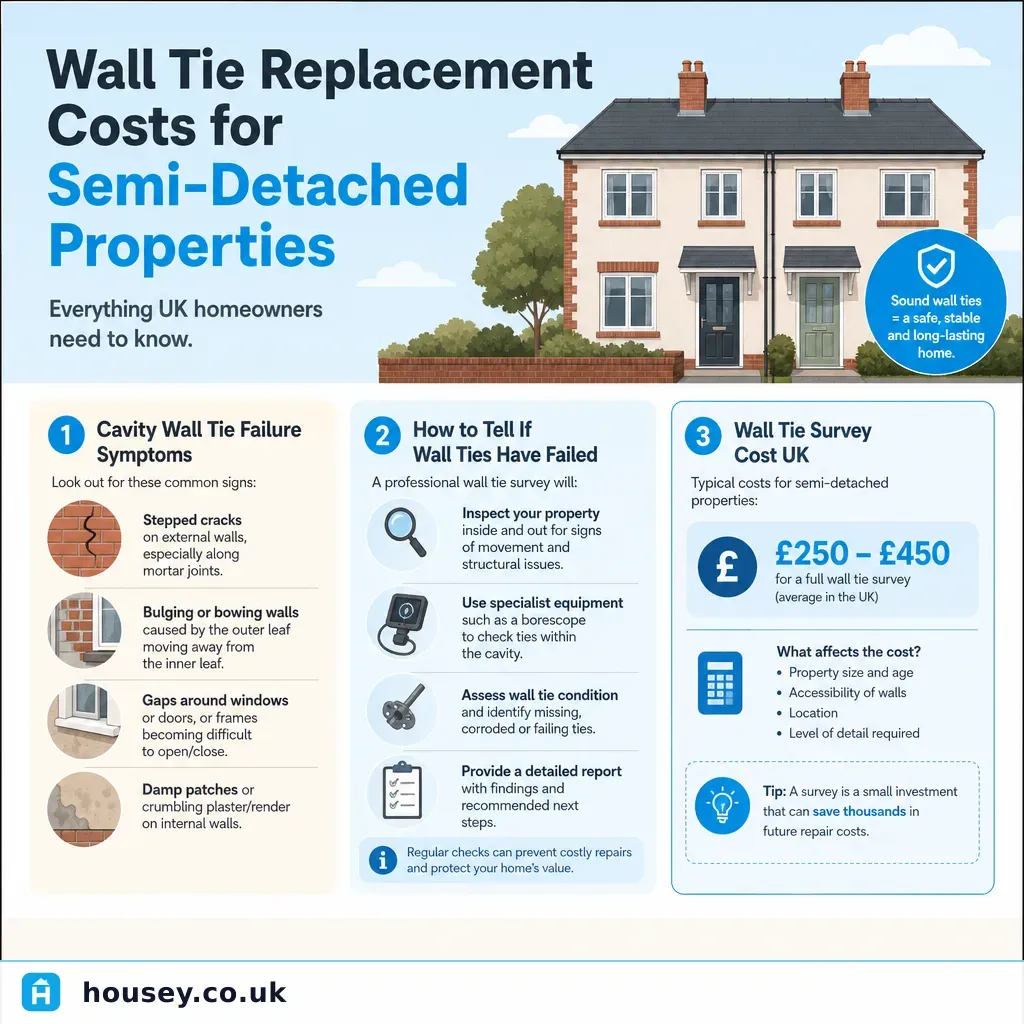
Wall Tie Replacement Costs for Semi-Detached Properties
Wall tie replacement in a UK semi-detached house typically costs £2,500–7,000 for a full two-elevation repair, plus £200–450 for a borescope survey. Costs vary by the number of failed ties, scaffold requirements, and whether the party wall is involved. A structural survey or specialist inspection should always precede any repair specification.
 Planning & Pre-Build
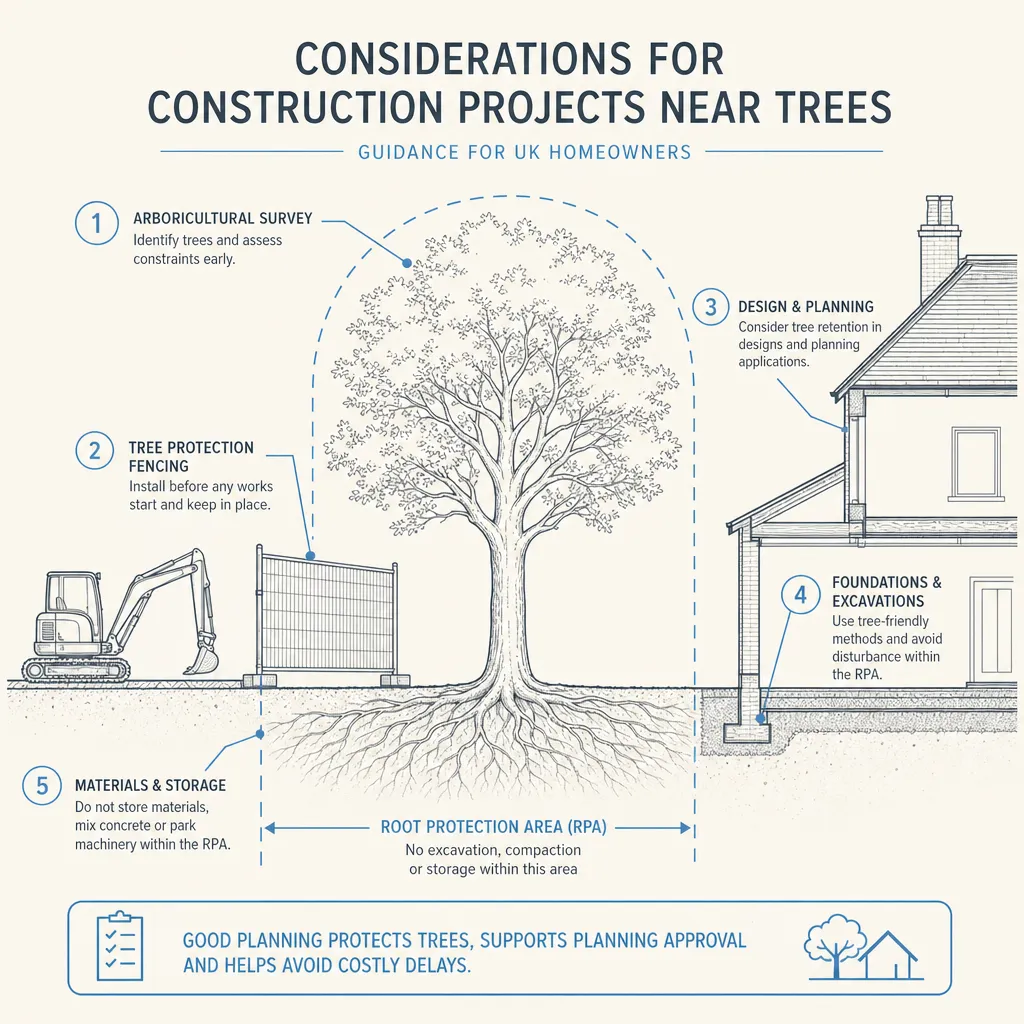
Considerations for Construction Projects Near Trees
Construction near trees in the UK is governed by BS 5837:2012, Tree Preservation Order legislation, and local planning policy. Before starting work, establish whether any trees are protected, calculate the Root Protection Area, and commission an arboricultural survey if required by your local planning authority. Damaging a protected tree during construction can result in criminal prosecution and significant fines.
 Planning & Pre-Build
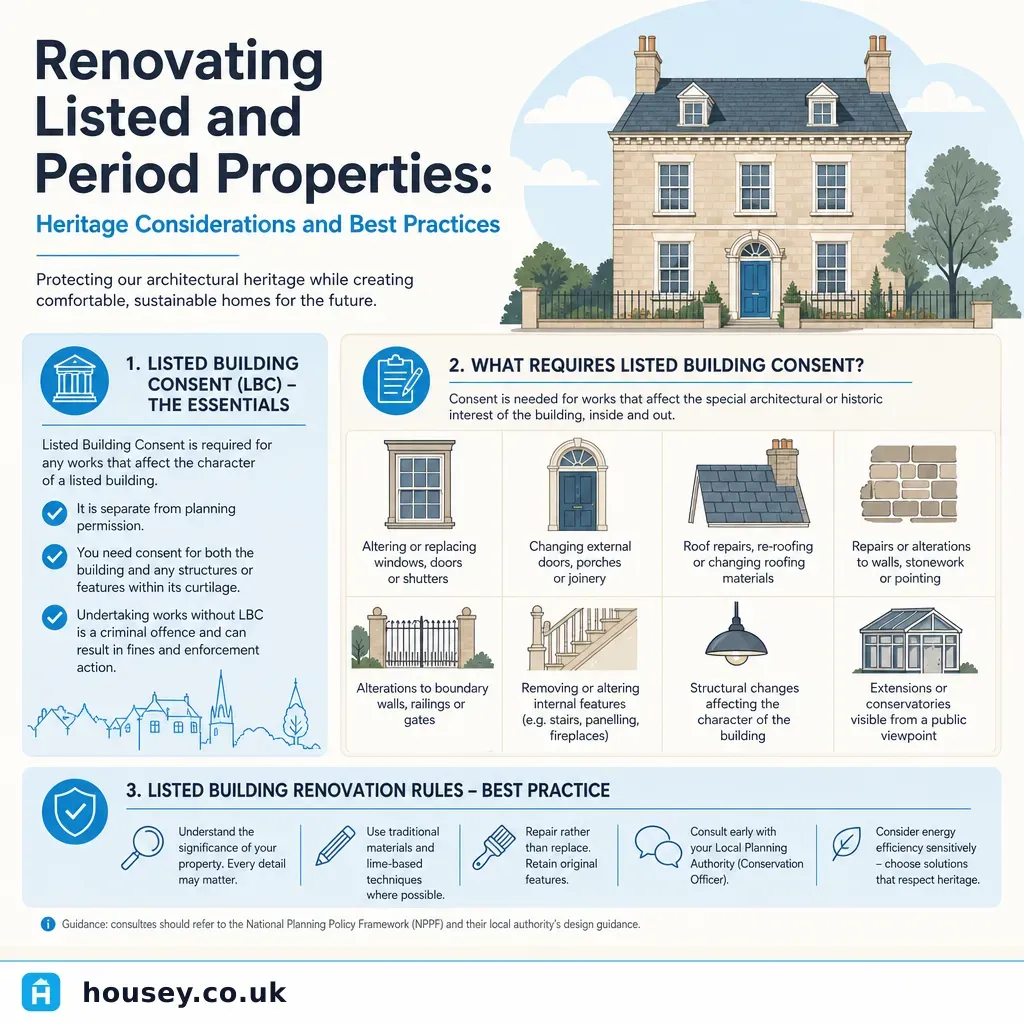
Renovating Listed and Period Properties: Heritage Considerations and Best Practices
Renovating a listed or period property in the UK requires Listed Building Consent for most alterations — internally and externally — separate from planning permission. Conservation area rules may also apply. Engage your Local Planning Authority's conservation officer before starting any work, as unauthorised changes to a listed building are a criminal offence with no limitation period.