Knowledge Base
Property advice that actually helps
Researched, UK-specific guides for every stage of homeownership — from buying and surveys to retrofit, planning and major works.
 Surveys & Inspections
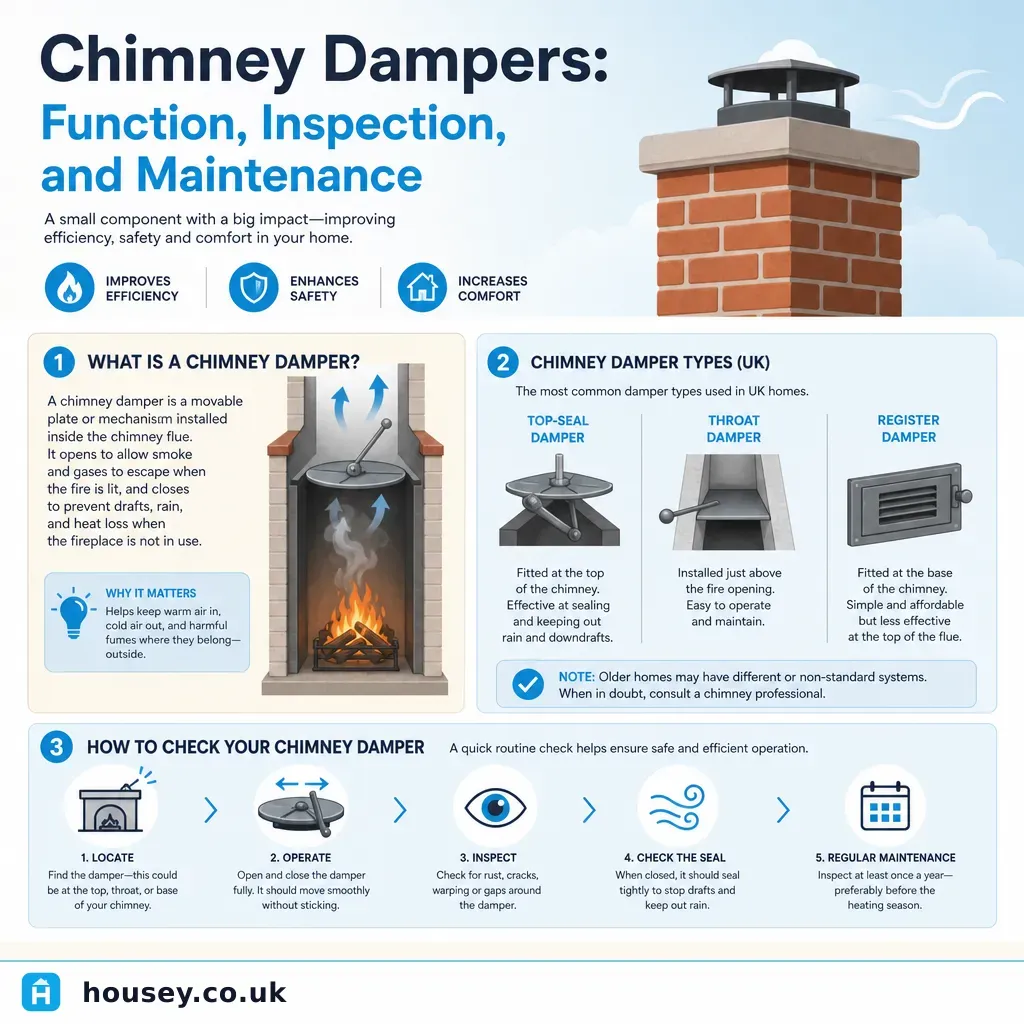
Chimney Dampers: Function, Inspection, and Maintenance
A chimney damper is a movable plate or valve in the flue that controls airflow when the fire is lit and seals the chimney when it is not. Keeping it in good working order prevents heat loss, damp ingress, and draught problems. Annual inspection by a HETAS-registered sweep is recommended for any active solid-fuel appliance or open fire.
 Surveys & Inspections
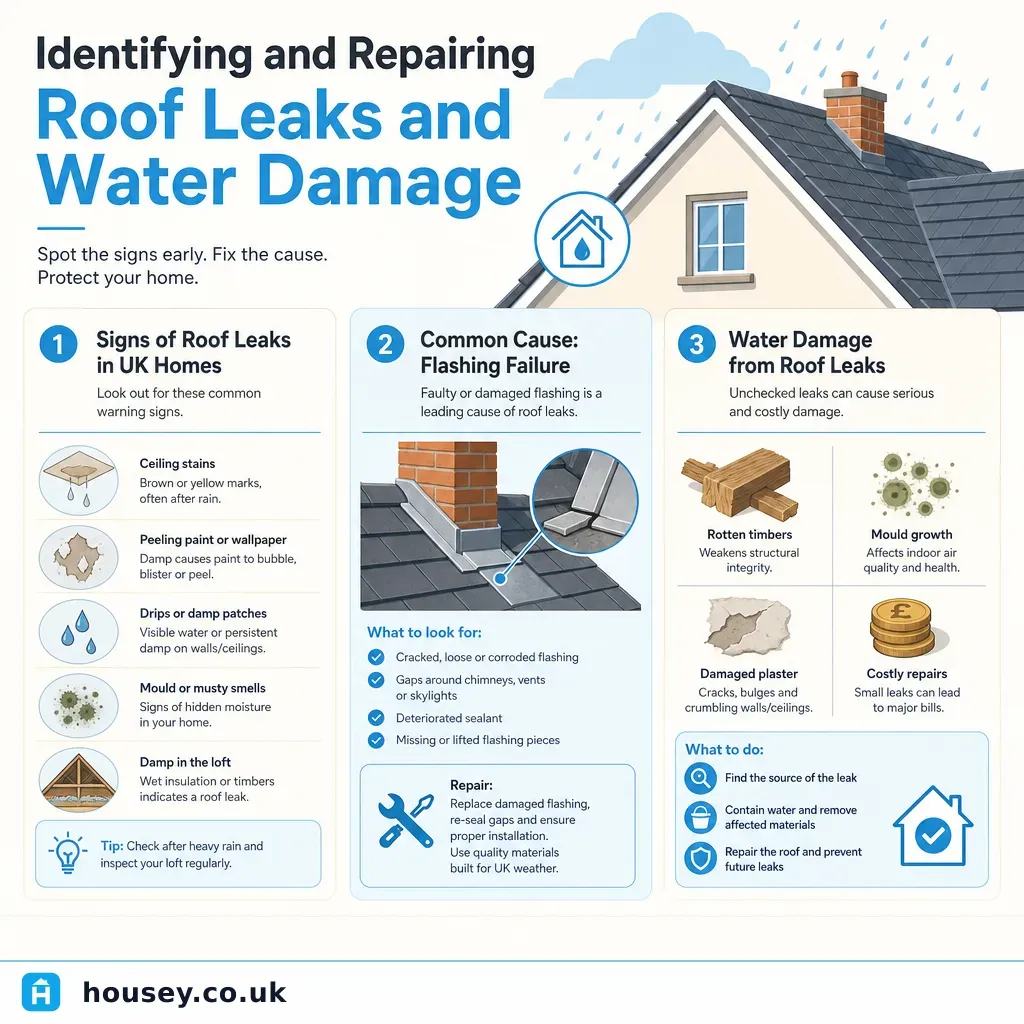
Identifying and Repairing Roof Leaks and Water Damage
Roof leaks in UK homes most often result from flashing failures at chimneys and dormers, cracked or slipped tiles and slates, deteriorated underlay, or blocked gutters causing overflow. Water can travel metres from the entry point before appearing inside. Identifying the source requires inspection of the roof covering and loft void — any roof access should only be carried out by a qualified professional.
 Surveys & Inspections
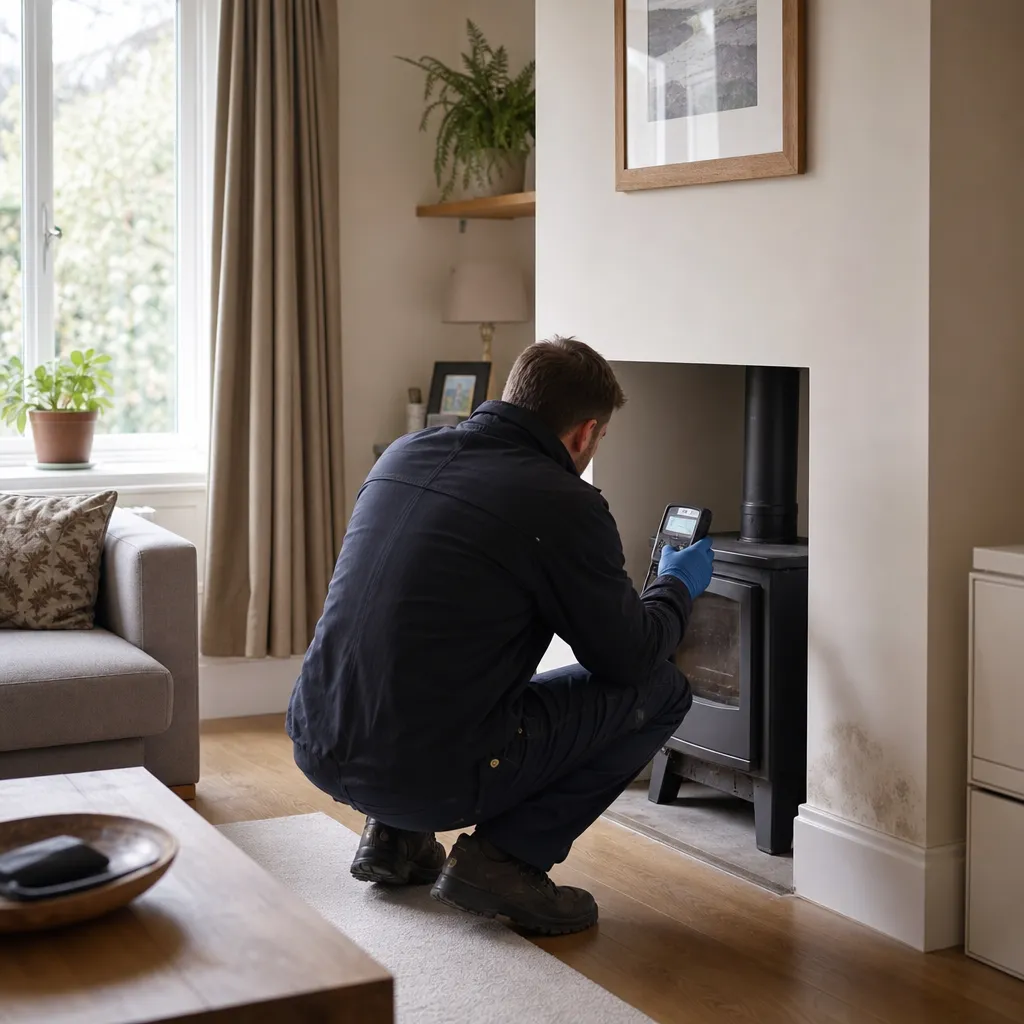
Identifying Unpleasant Odours in Your Home
Unpleasant smells in a UK home often point to damp, mould, a drainage fault, or — in the most urgent cases — a gas leak. Musty or earthy odours usually indicate moisture ingress or hidden mould. Sulphurous smells near appliances or meter cupboards may signal gas and require immediate action. Getting an accurate diagnosis early limits both the health risk and the remediation cost.
 Surveys & Inspections
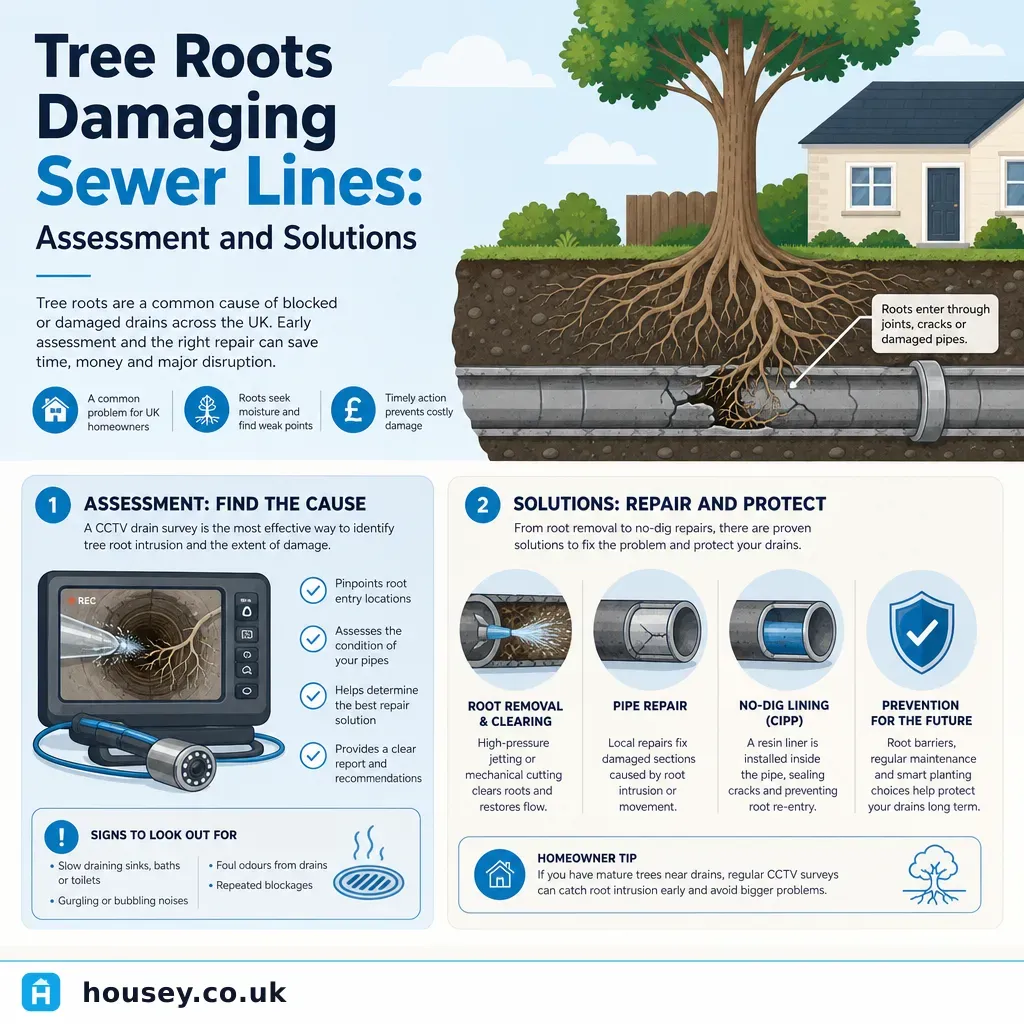
Tree Roots Damaging Sewer Lines: Assessment and Solutions
Tree roots enter UK drain pipes through hairline cracks and displaced joints, progressively blocking and damaging the pipe structure. A CCTV drain survey produces a WRC-coded condition report identifying the extent and severity of ingress. Responsibility for repair depends on whether the affected pipe is a private drain or an adopted public sewer under the Water Industry Act 1991.
 Surveys & Inspections
Modern Roof Surveying: Drone Technology and Data-Driven Inspection Methods
Drone roof surveys in the UK use cameras and thermal sensors to inspect roof condition without scaffolding, capturing data that identifies tile damage, moisture ingress, and insulation gaps. They are faster and cheaper to mobilise than traditional access methods, but do not replace a physical inspection for structural assessments, asbestos identification, or pre-purchase surveys. Operators must hold current CAA qualifications for commercial work.
 Surveys & Inspections
Understanding replacement cycles for household systems and building components
Major household systems have predictable lifespans: condensing boilers typically 10–15 years, flat roofs 20–25 years, UPVC windows 20–25 years, and modern PVC wiring 25–35 years. Planning replacements before failure — informed by a condition survey — helps UK homeowners avoid emergency costs and negotiate more effectively at the point of purchase.
 Surveys & Inspections
Identifying and managing asbestos roof tiles
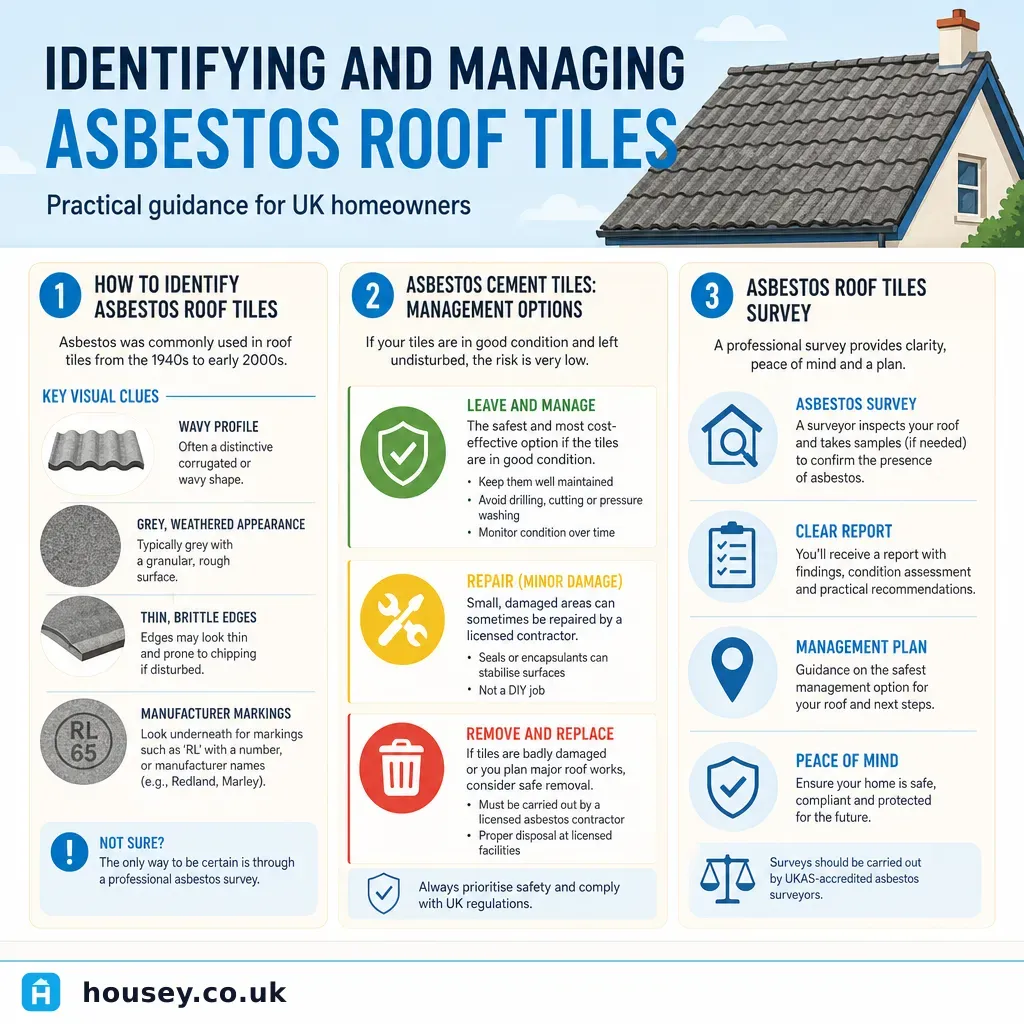
If your roof was installed before 2000, asbestos cement tiles may be present. Visual identification is unreliable — a UKAS-accredited surveyor must take a sample for laboratory analysis. Intact, undisturbed tiles carry a lower risk and may be managed in situ; damaged or crumbling tiles require professional assessment and usually controlled removal by a competent contractor.
 Surveys & Inspections
Home Security Systems and Protective Measures for UK Residential Properties
Effective home security in the UK combines physical deterrents — quality door locks and security lighting — with electronic systems such as intruder alarms and CCTV. The most reliable monitored alarms carry NSI Gold or SSAIB approval. No single measure is sufficient; a layered approach addressing entry points, visibility, and monitoring offers the greatest reduction in burglary risk.
 Surveys & Inspections
Homeowners Guide to RAAC: Recognition and Management
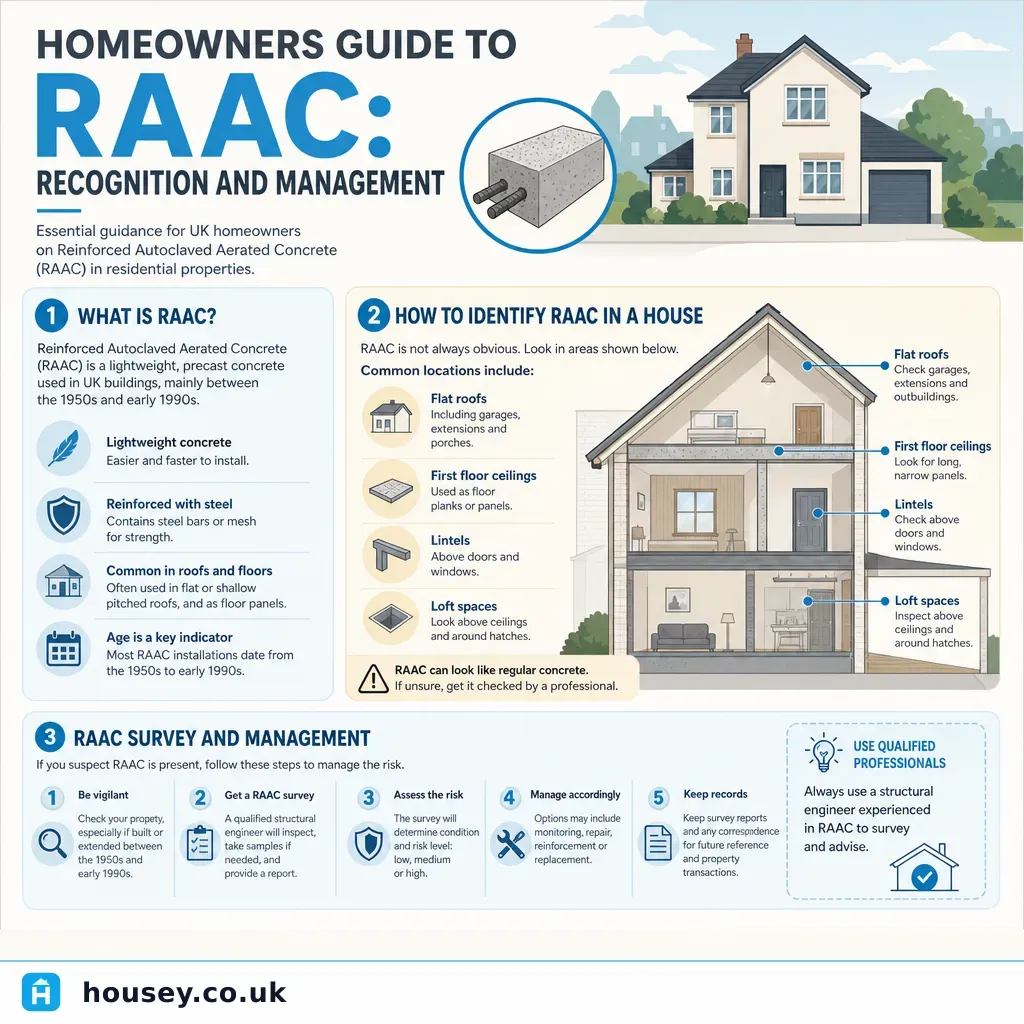
RAAC (reinforced autoclaved aerated concrete) is a lightweight building material used in some UK homes from the 1950s to the mid-1990s. It most commonly appears as flat-roof planks or floor panels in ex-local authority housing. If you suspect RAAC, commission a specialist structural assessment before making any financial decisions regarding the property.
 Surveys & Inspections
Clarifying Property Survey Types and Professional Standards
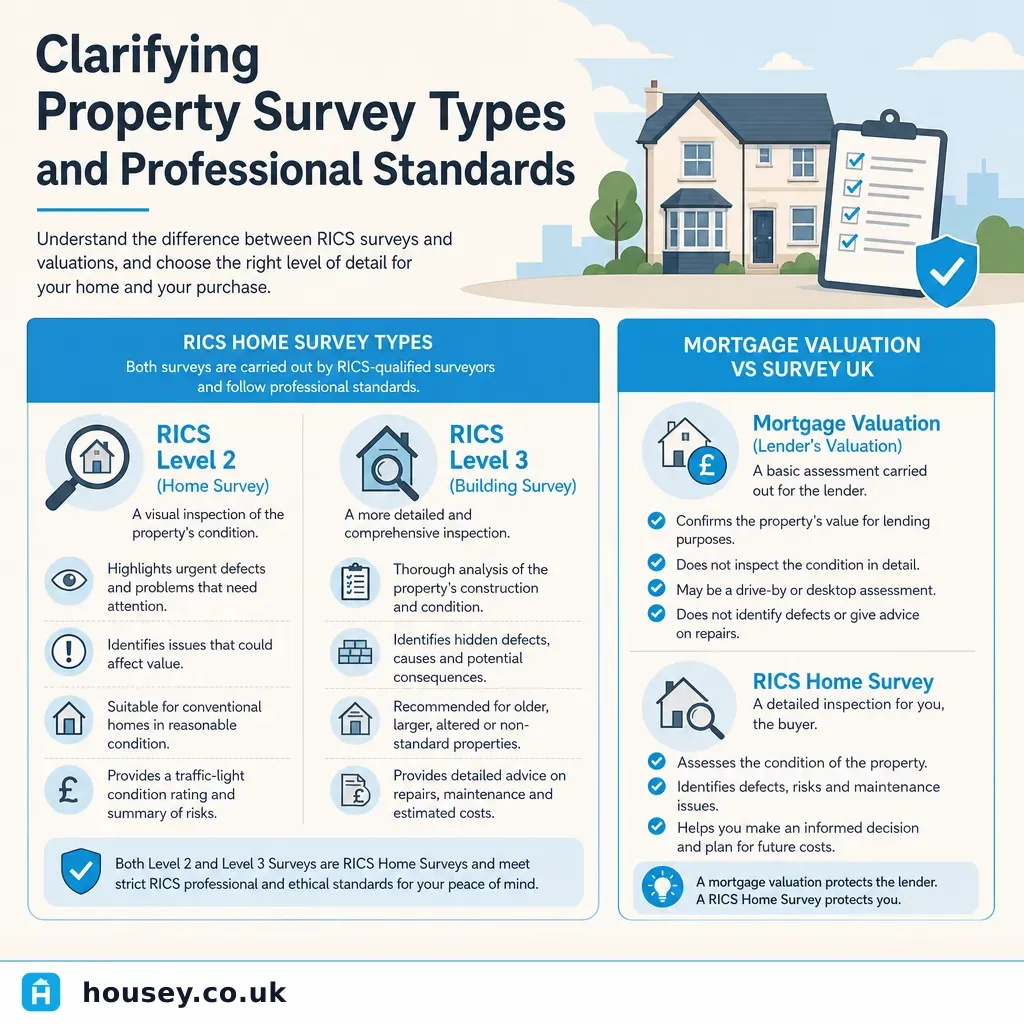
RICS Home Surveys come in three levels: Level 1 (condition ratings only), Level 2 (detailed visual inspection and defect advice), and Level 3 (comprehensive building survey for older or complex properties). A mortgage valuation is not a survey — it protects only the lender. All RICS Home Surveys must comply with the RICS Home Survey Standard, which has been mandatory since March 2022.
 Surveys & Inspections
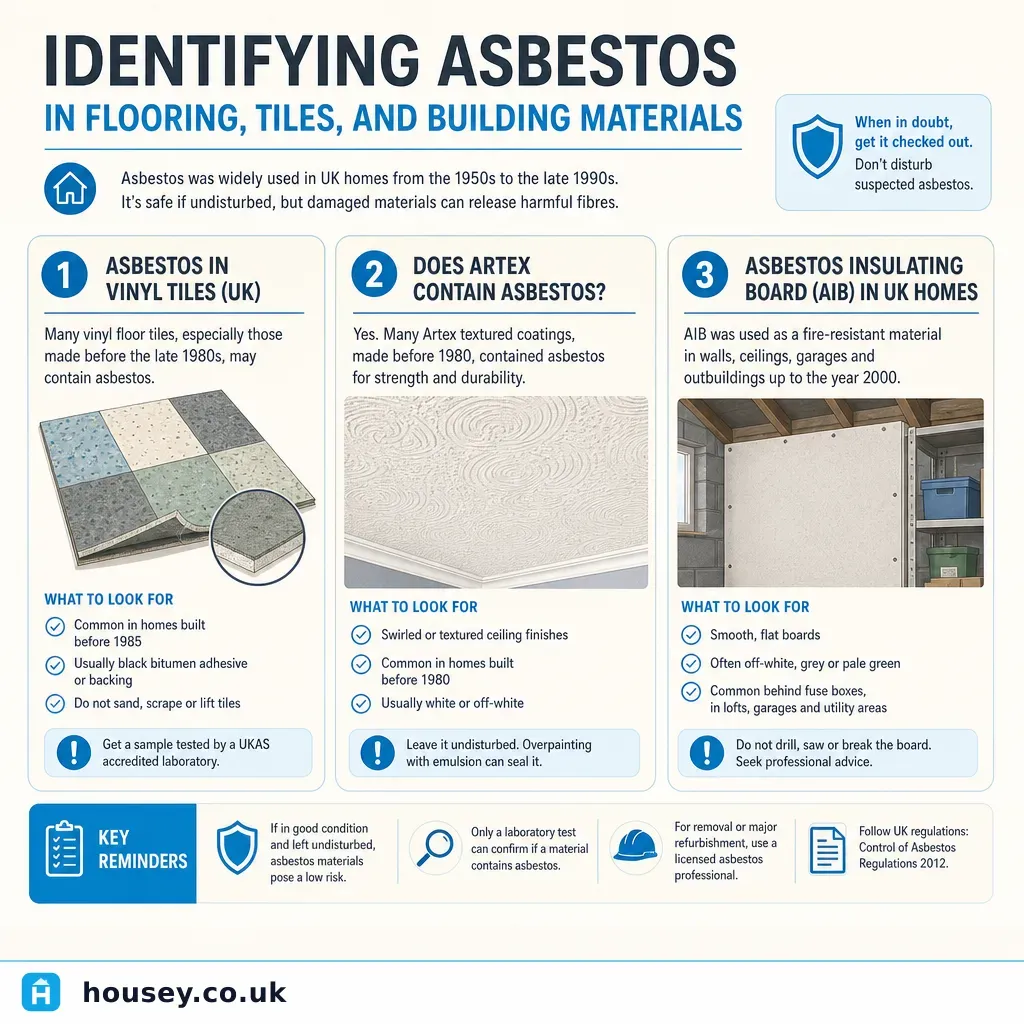
Identifying asbestos in flooring, tiles, and building materials
Asbestos-containing materials are common in UK properties built or refurbished before 2000. Vinyl floor tiles, Artex-style textured coatings, and asbestos insulating board in partitions and fire doors are among the most widespread ACMs in domestic properties. Do not disturb any suspect material — have it tested by a UKAS-accredited asbestos surveyor before starting any renovation or repair work.
 Surveys & Inspections
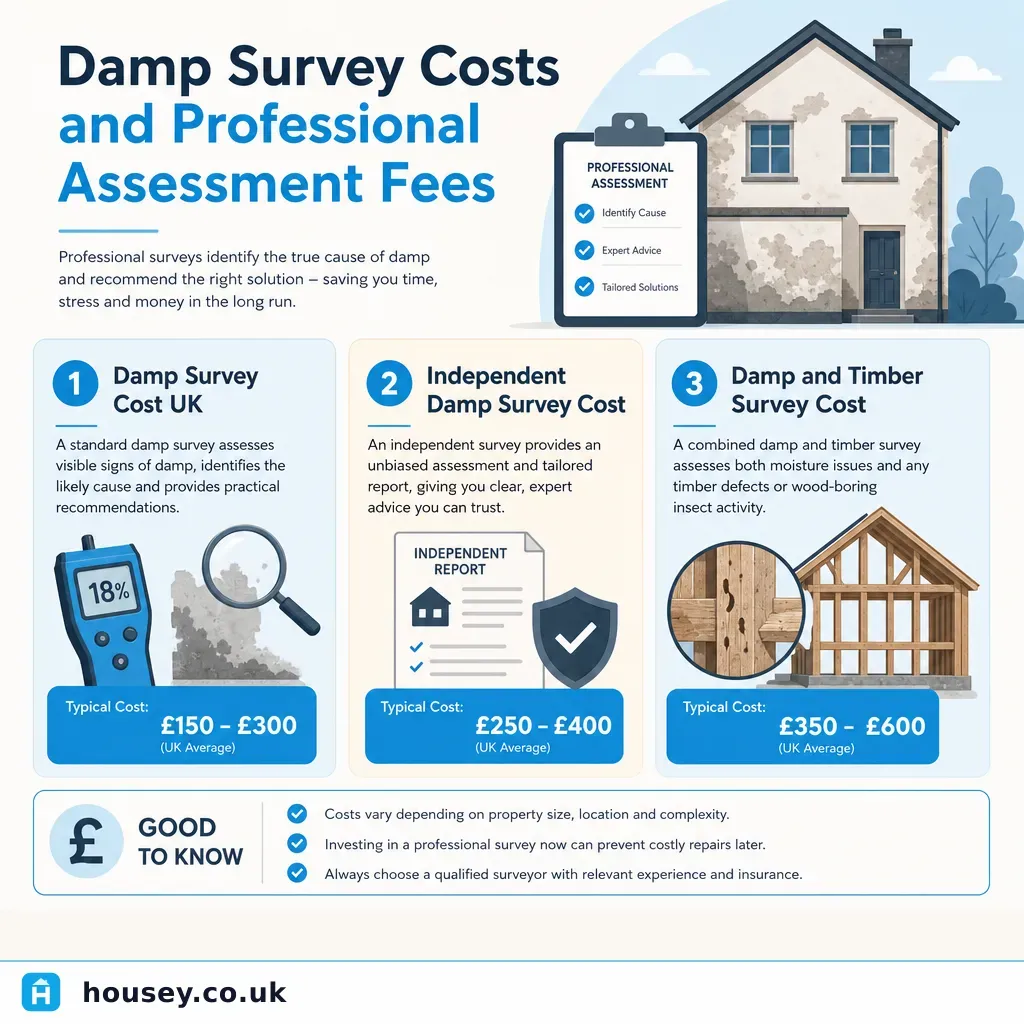
Damp Survey Costs and Professional Assessment Fees
An independent damp and timber survey in the UK typically costs between £200 and £500, depending on property size, age, and surveyor qualifications. Free surveys from damp proofing companies are commercial assessments, not independent reports. The right survey type depends on whether you need a standalone moisture diagnosis or a full pre-purchase building inspection.