Knowledge Base
Property advice that actually helps
Researched, UK-specific guides for every stage of homeownership — from buying and surveys to retrofit, planning and major works.
 Surveys & Inspections
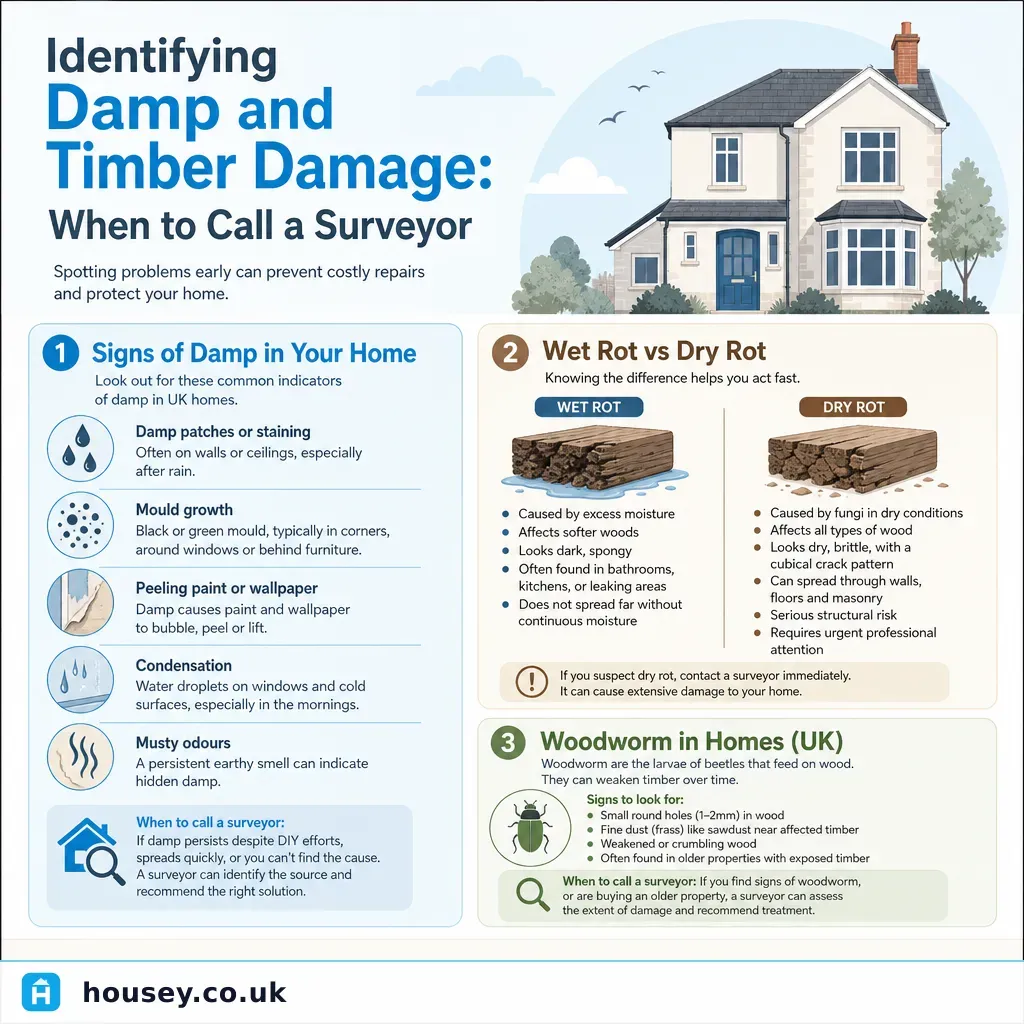
Identifying Damp and Timber Damage: When to Call a Surveyor
Damp and timber damage often appear together — damp conditions attract wood-boring insects and fungal decay. Warning signs include tide marks on walls, soft timber that probes easily, visible fungal growth, and small round exit holes in structural timbers. A PCA CSRT-qualified surveyor can diagnose the underlying cause and recommend appropriate remediation.
 Surveys & Inspections
Managing Shared Driveway Rights and Responsibilities
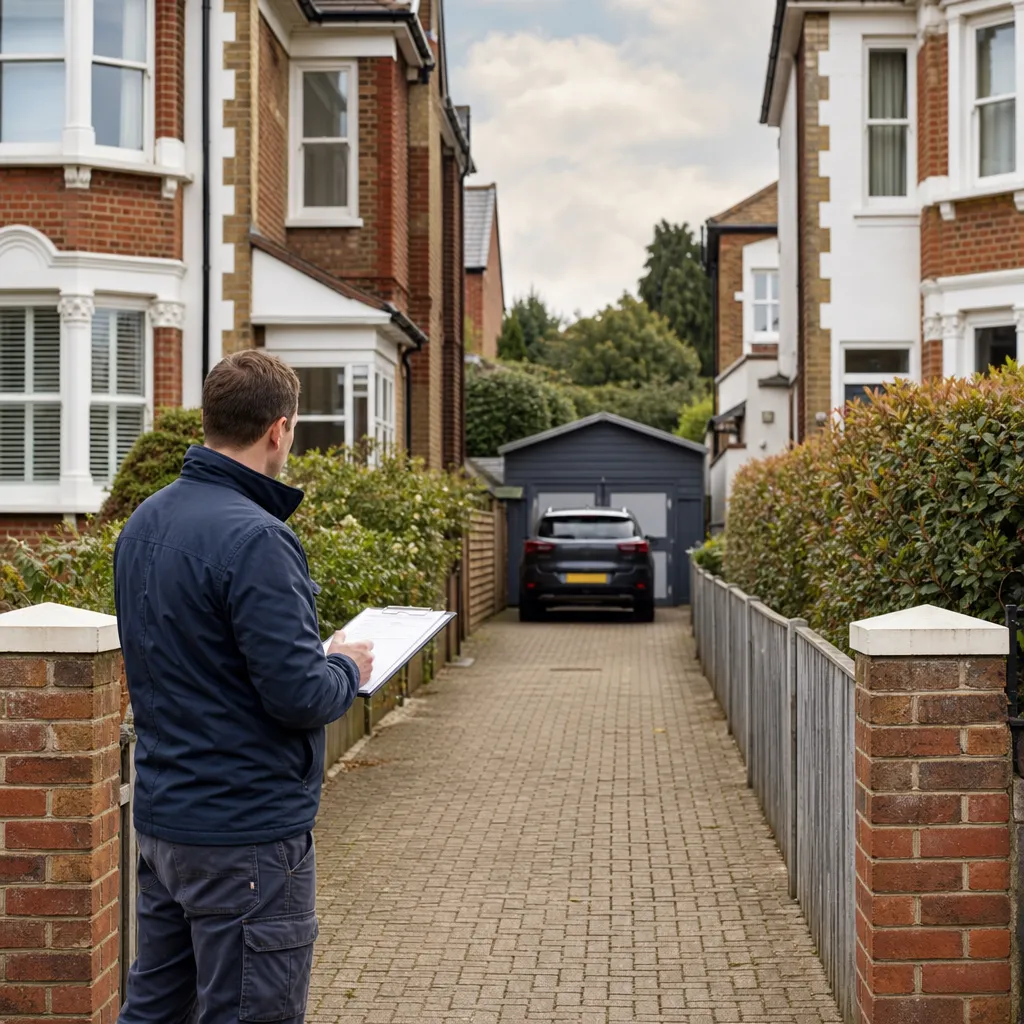
A shared driveway is usually governed by an easement or express right recorded in your title deeds. Responsibility for maintenance is not automatic in law — it depends on deed clauses. If your deeds are silent on upkeep, neither party has a clear statutory duty to repair, making professional advice important before disputes escalate or contracts are exchanged.
 Surveys & Inspections
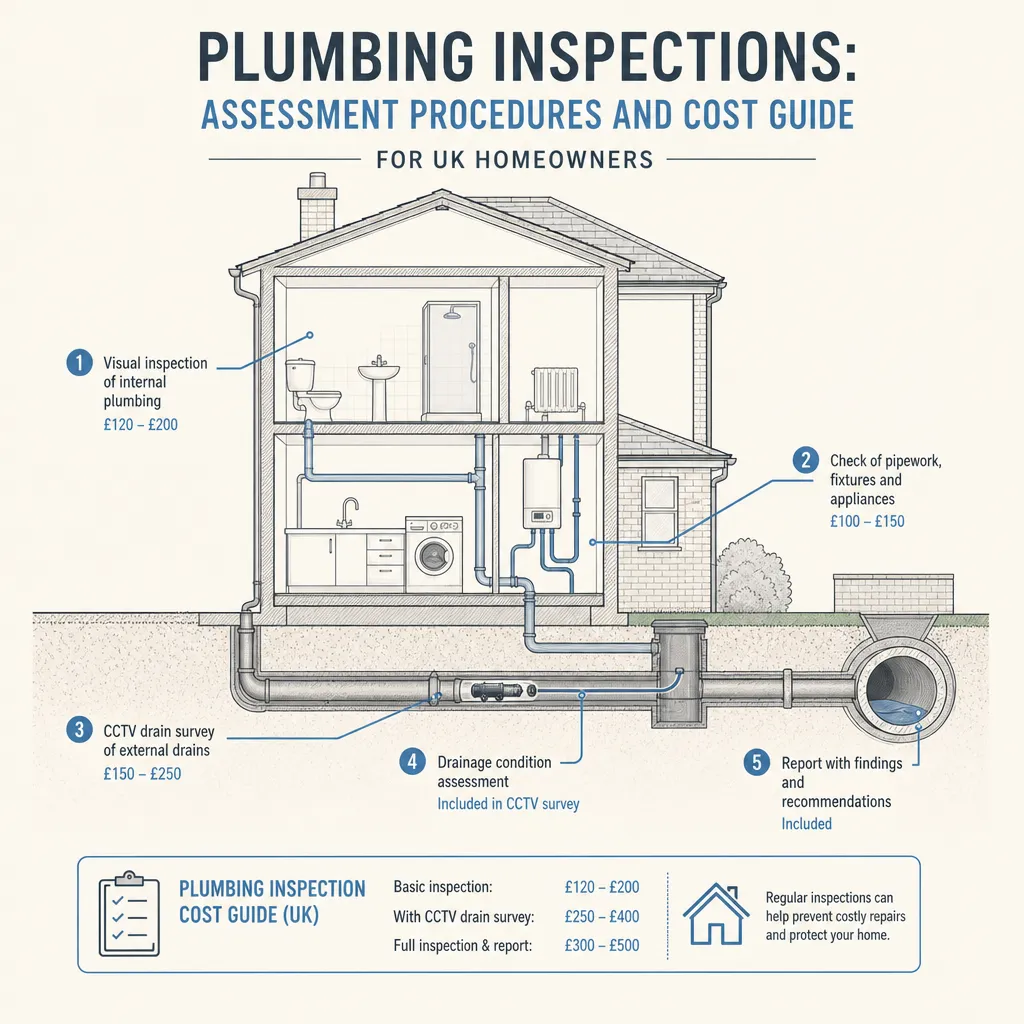
Plumbing Inspections: Assessment Procedures and Cost Guide
A professional plumbing inspection in the UK typically covers water pressure, pipe condition, boiler and hot water systems, and visible drainage. For a complete assessment, a CCTV drain survey of underground pipes is also needed. Costs range from around £100–£200 for a basic above-ground check to £300–£600 or more for a combined above-ground and CCTV drain inspection, depending on property size and scope.
 Surveys & Inspections
RICS Home Survey Cost Guide for Property Buyers
A RICS Level 2 Home Survey typically costs £400–£700 in the UK, while a Level 3 Building Survey ranges from £600 to £1,500 or more. A Level 1 Condition Report starts at around £250. Prices vary by property size, age, location, and surveyor. Always confirm whether VAT is included and what the report covers before booking.
 Surveys & Inspections
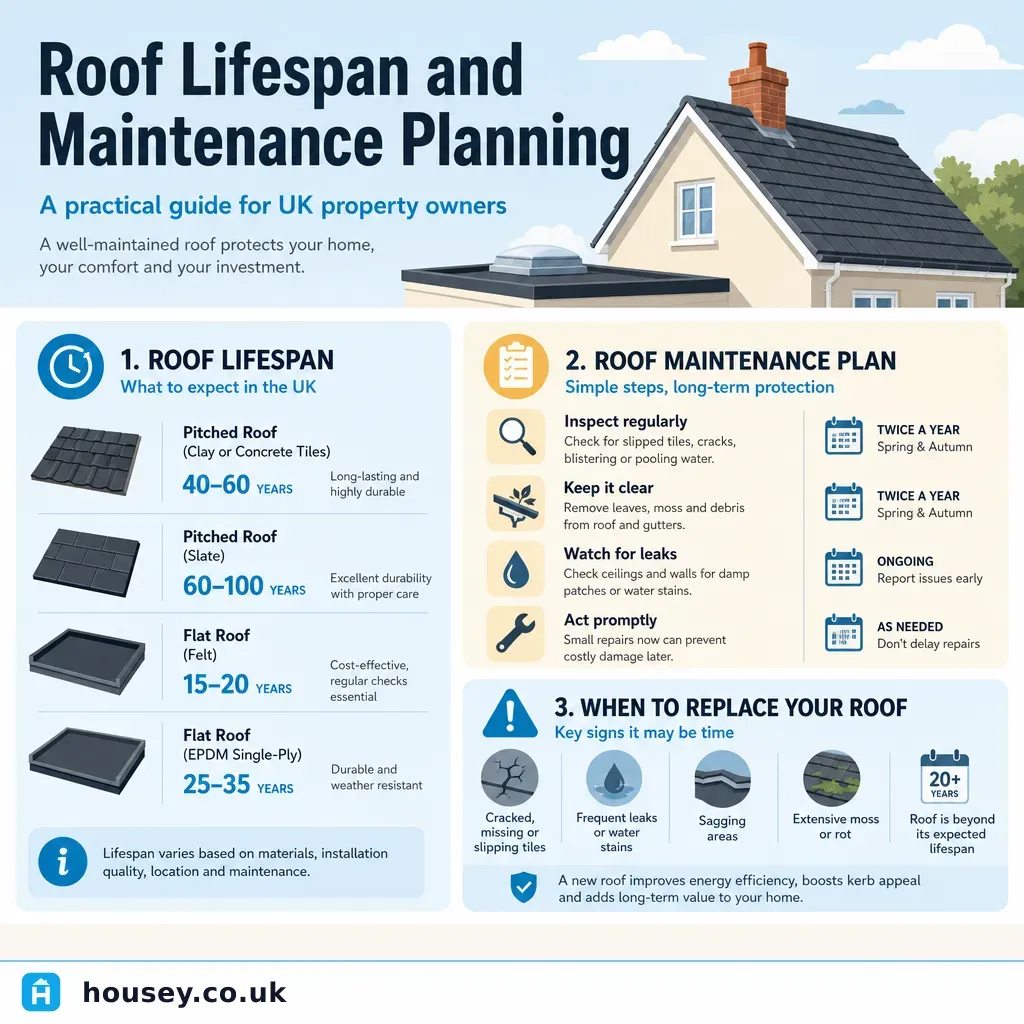
Roof Lifespan and Maintenance Planning for Property Owners
Most UK pitched roofs last 40–100+ years depending on covering material, with natural slate lasting longest and concrete tiles typically 40–60 years. Flat roofs generally need attention every 15–25 years. Inspections every 2–3 years, after storms, and before buying or selling help you budget for repairs early and avoid emergency costs.
 Surveys & Inspections
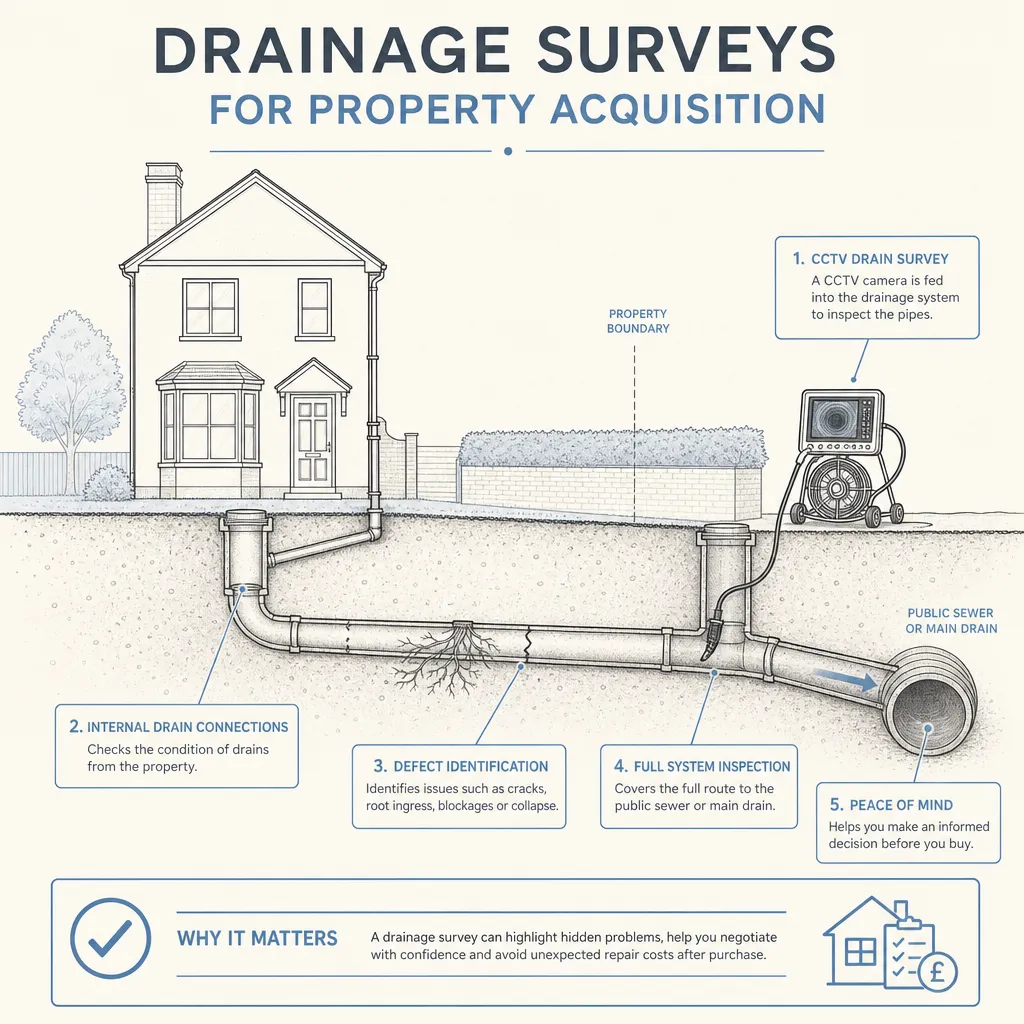
Drainage Surveys for Property Acquisition
A drainage survey — typically a CCTV camera inspection of underground drain runs — helps identify blockages, collapsed sections, root ingress, and misconnections that would not be visible in a standard property survey. Commissioning one before exchange gives buyers leverage to negotiate repairs or request that the seller resolves defects before completion.
 Surveys & Inspections
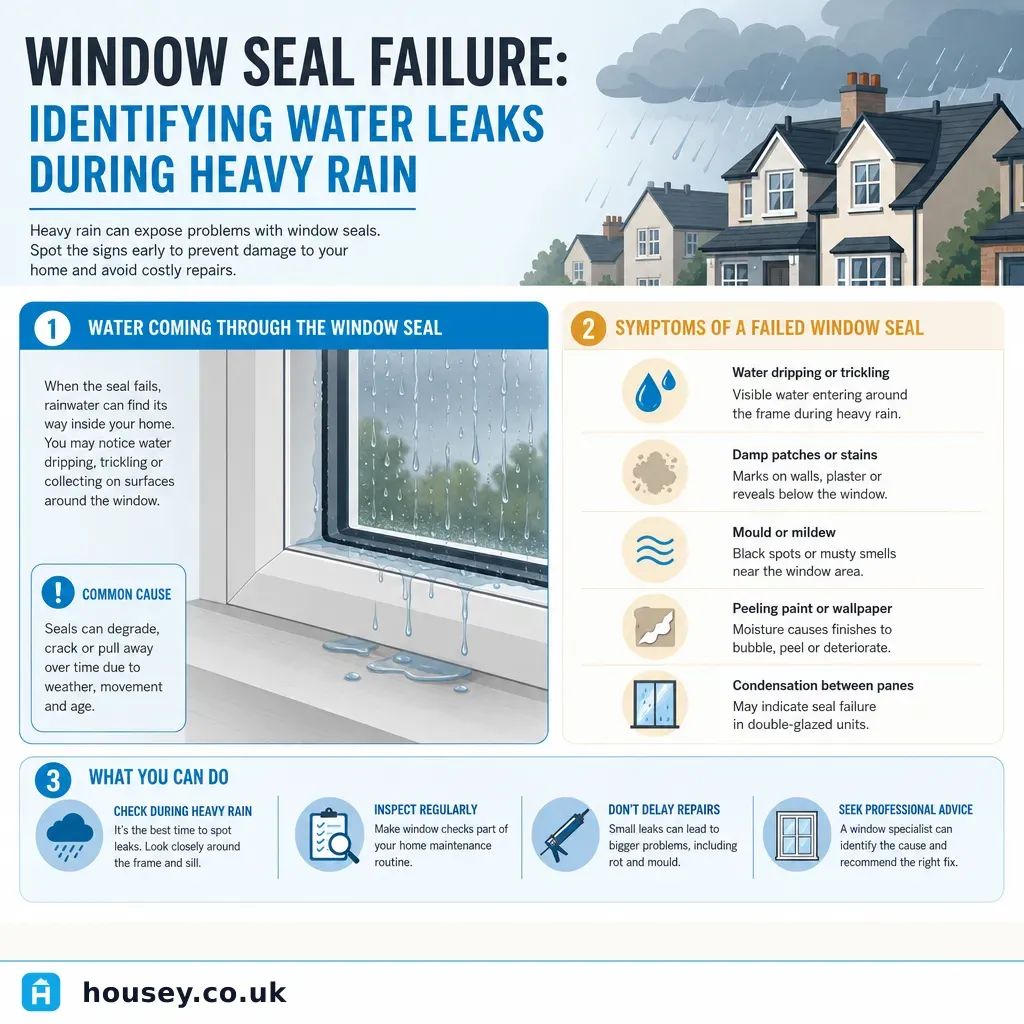
Window Seal Failure: Identifying Water Leaks During Heavy Rain
Water entering through a window during heavy rain usually points to a failed mastic seal, a damaged glazing unit seal, or a poorly fitted frame. Before replacing the window, check whether the leak is at the sealant joint, the glazing bead, the lintel above, or the wall cavity—each requires a different fix. A professional inspection confirms the source and the right repair approach.
 Surveys & Inspections
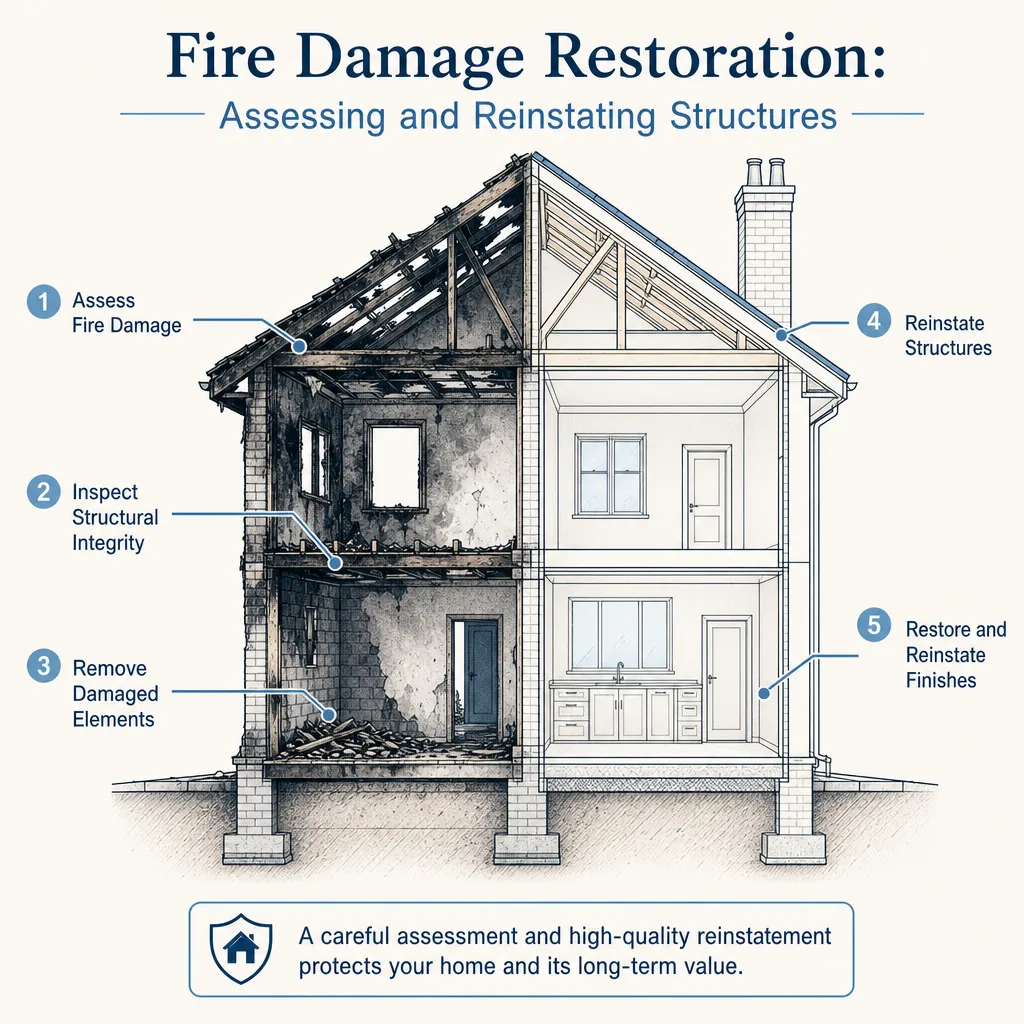
Fire Damage Restoration: Assessing and Reinstating Structures
Fire damage restoration starts with a structural engineer assessing which elements can be repaired and which must be replaced. Timber, steel, masonry, and concrete each respond differently to heat and require different assessment methods. Reinstatement must meet current Building Regulations, and building control notification is usually required. For buildings constructed before 2000, an asbestos survey is needed before demolition work starts.
 Surveys & Inspections
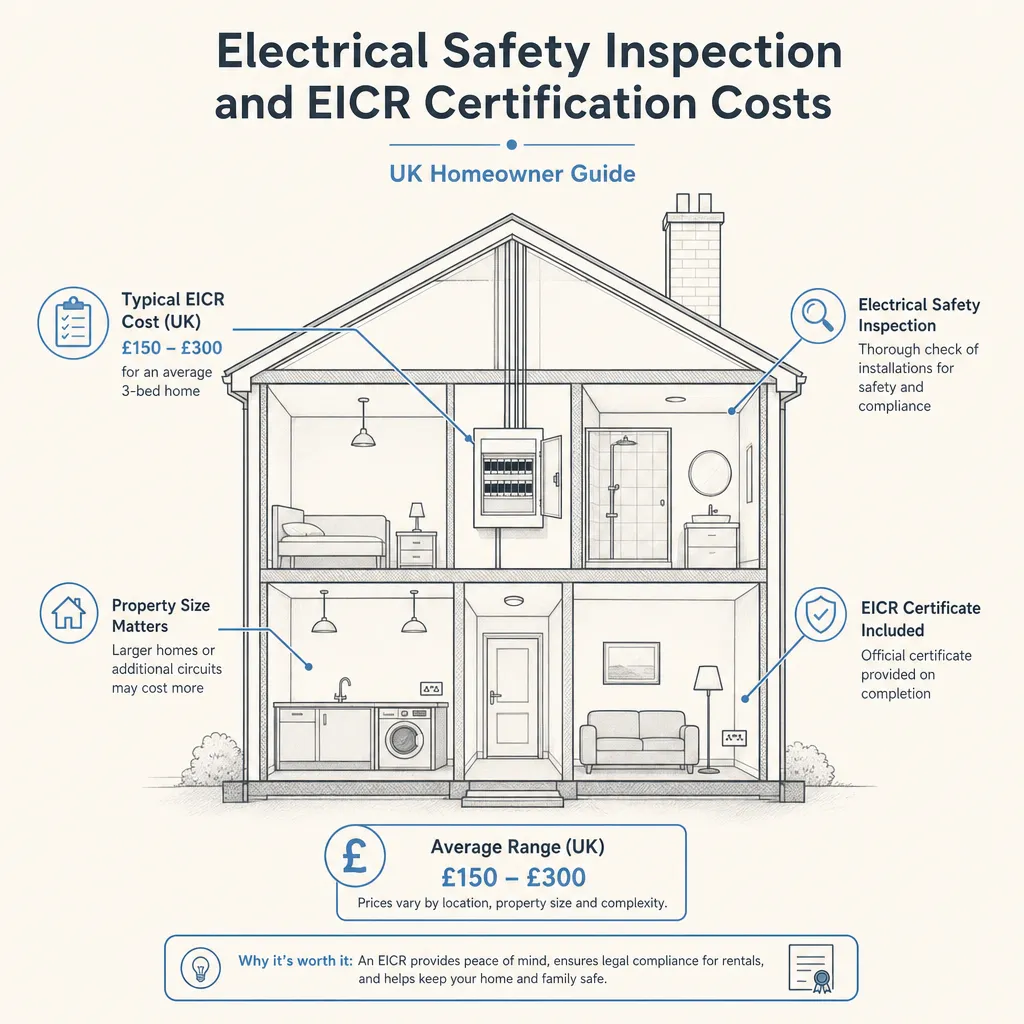
Electrical Safety Inspection and EICR Certification Costs
An Electrical Installation Condition Report (EICR) typically costs £100–£150 for a one-bedroom flat and £150–£250 for a two- to three-bedroom house in the UK. Landlords in England must have an EICR carried out every five years by law. Use an electrician registered with NICEIC, NAPIT, or another government-approved scheme, and always request the formal written report.
 Surveys & Inspections
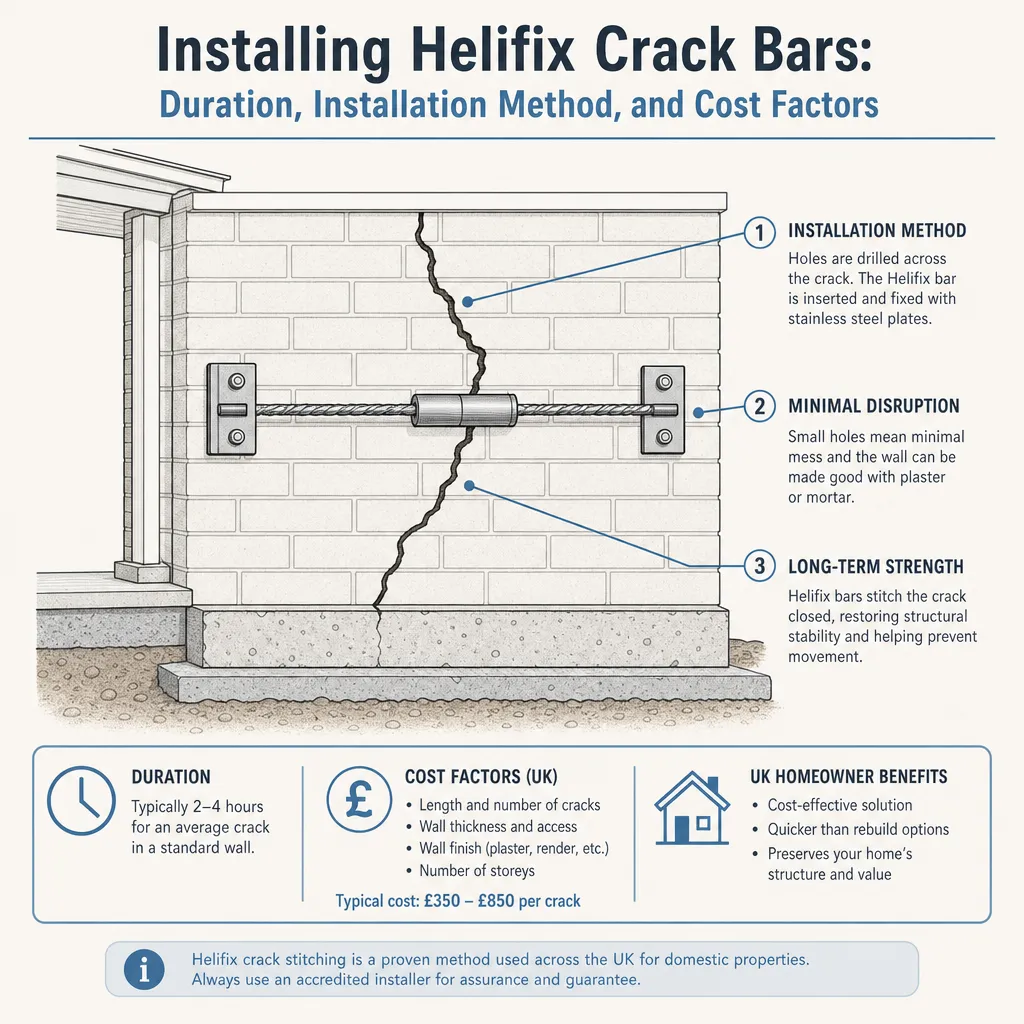
Installing Helifix Crack Bars: Duration, Installation Method, and Cost Factors
Helifix crack bar stitching on a standard domestic property typically takes one to three days, depending on the number of cracks and access requirements. UK costs generally range from around £800 to £3,500 for residential work, subject to scope and the structural engineer's specification. Installation must always be preceded by a professional structural assessment to identify the underlying cause of cracking.
 Surveys & Inspections
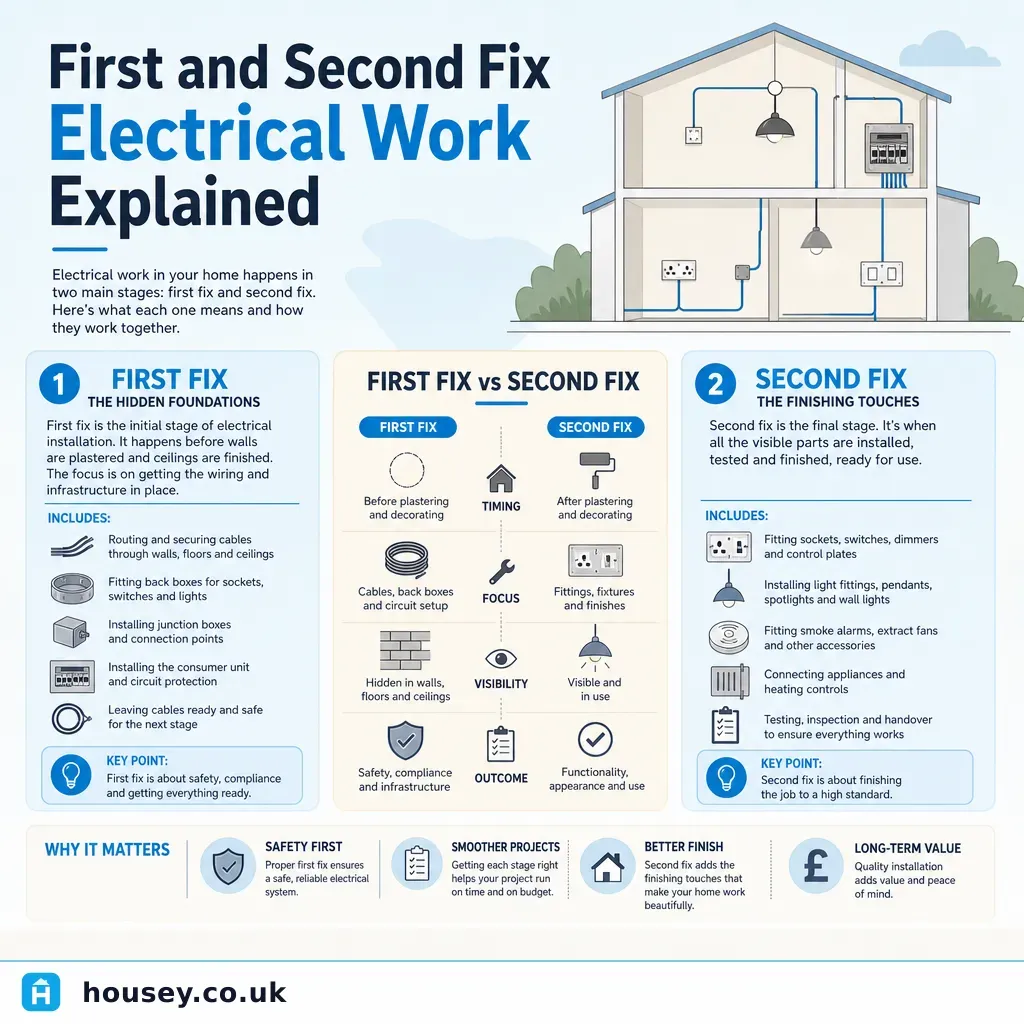
First and Second Fix Electrical Work Explained
First fix electrical work covers hidden infrastructure — cables, back boxes, and conduit — installed before plastering. Second fix adds the visible elements: sockets, switches, light fittings, and the consumer unit, fitted after decoration. Both stages must be carried out by a qualified electrician and notified under Part P of the Building Regulations in England and Wales.
 Surveys & Inspections
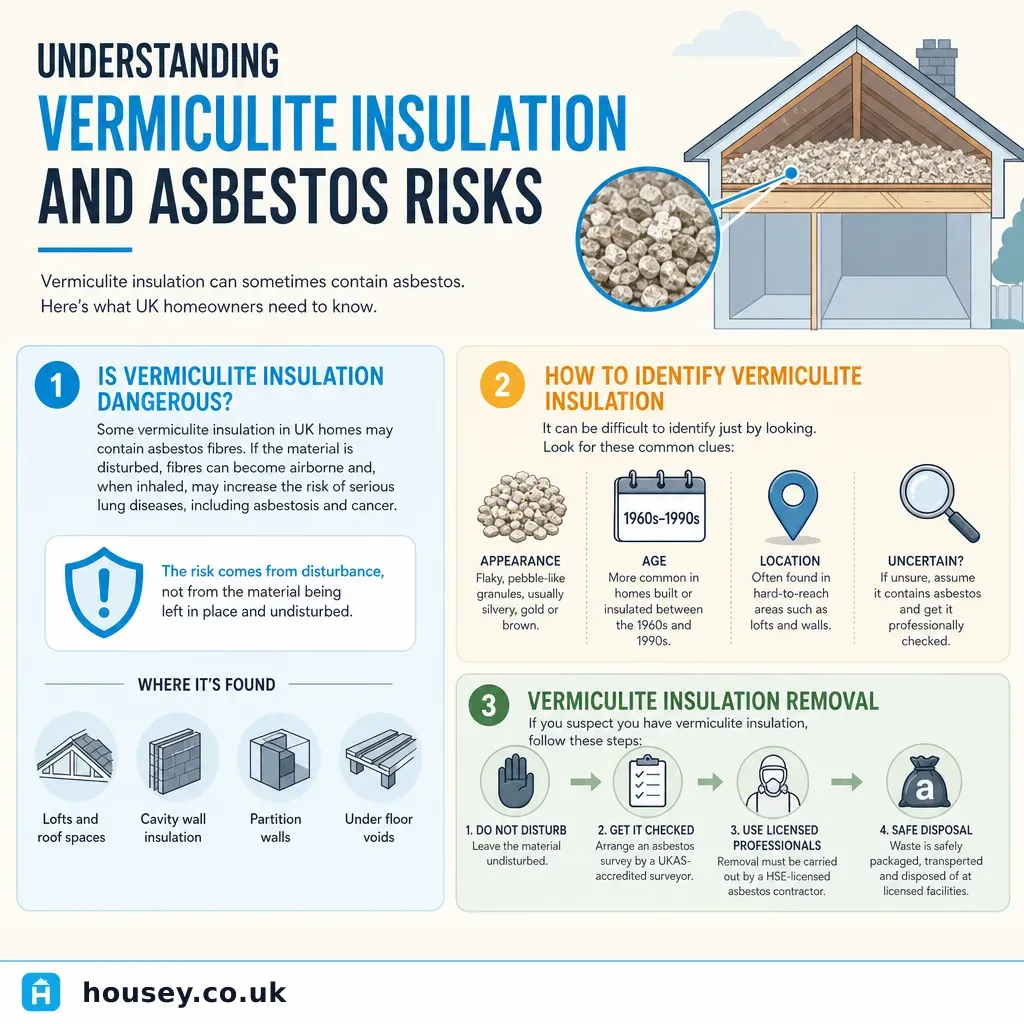
Understanding Vermiculite Insulation and Asbestos Risks
Vermiculite insulation is a lightweight granular mineral used in UK loft and cavity wall insulation from the 1960s to late 1980s. The HSE advises treating all pre-1990 vermiculite as potentially containing asbestos, as global supplies were contaminated with tremolite asbestos from the Libby mine in Montana. Do not disturb or remove it without first arranging a professional survey.