Knowledge Base
Property advice that actually helps
Researched, UK-specific guides for every stage of homeownership — from buying and surveys to retrofit, planning and major works.
 Improvement & Build
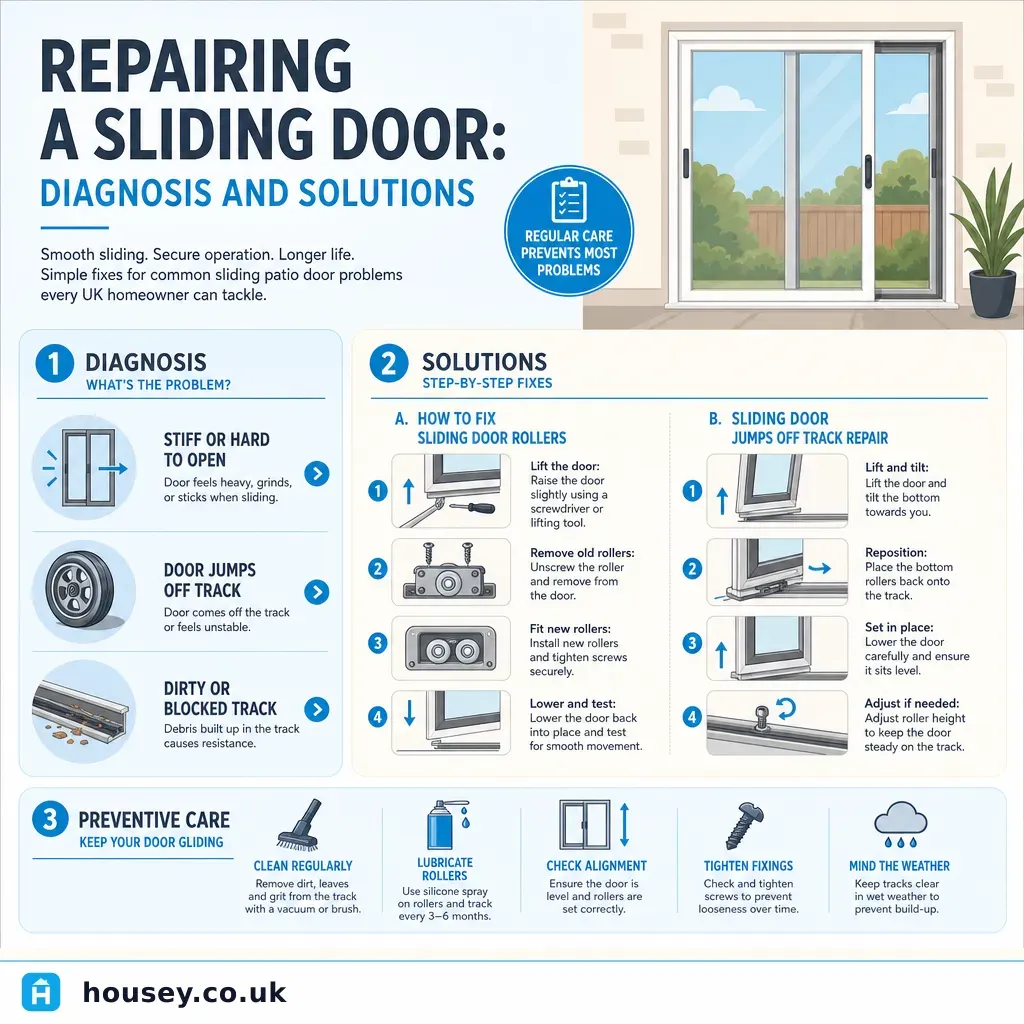
Repairing a Sliding Door: Diagnosis and Solutions
Most sliding door problems — stiffness, jumping off track, or draughts — are caused by dirty tracks, worn rollers, or misaligned guides. Cleaning the track and adjusting roller height resolves many faults without professional help. If the frame is warped, glass is broken, or the door has pulled away from the wall, instruct a registered installer.
 Surveys & Inspections
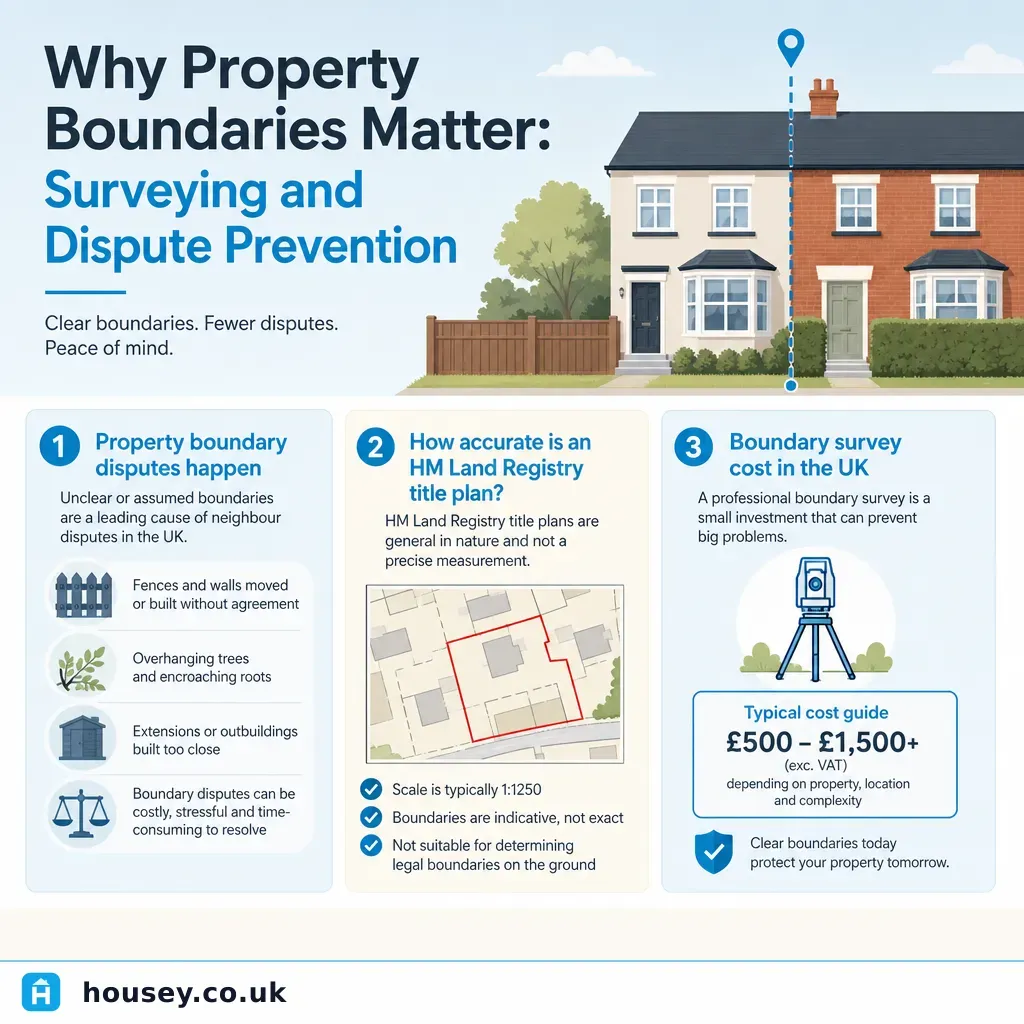
Why Property Boundaries Matter: Surveying and Dispute Prevention
Property boundaries in England and Wales are recorded as general boundaries by HM Land Registry — not precise measurements. A Chartered Land Surveyor can map your physical boundary against the title plan, which matters most when planning extensions, erecting fences, or resolving neighbour disputes. Early professional surveying is almost always cheaper than legal proceedings.
 Energy & Retrofit
Smart Glass Windows: Technology, Applications and Investment Costs
Smart glass windows switch between transparent, tinted, or opaque states using electrical signals or heat. Four main types are used in UK homes — electrochromic, PDLC, SPD, and thermochromic — each with different costs and applications. Costs range from around £300 to over £1,500 per square metre for supply and installation. No UK government grant funding is currently available for smart glazing.
 Energy & Retrofit
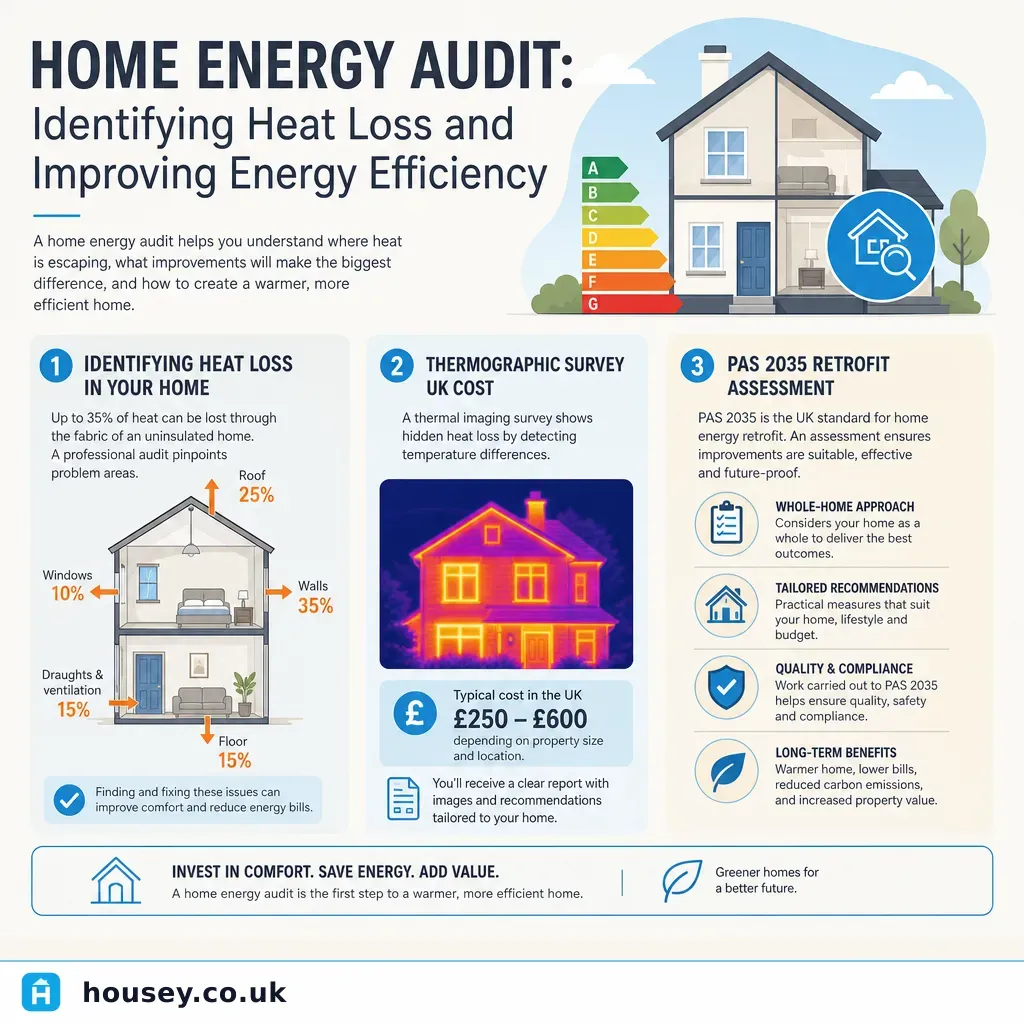
Home Energy Audit: Identifying Heat Loss and Improving Energy Efficiency
A home energy audit is a structured assessment of where your property loses heat and how efficiently it uses energy. Options range from a basic desktop review of your EPC and bills to a PAS 2035 retrofit assessment or a thermographic survey with infrared imaging. The right type depends on whether you want general guidance, a funded retrofit plan, or verification that existing insulation is performing correctly.
 Energy & Retrofit
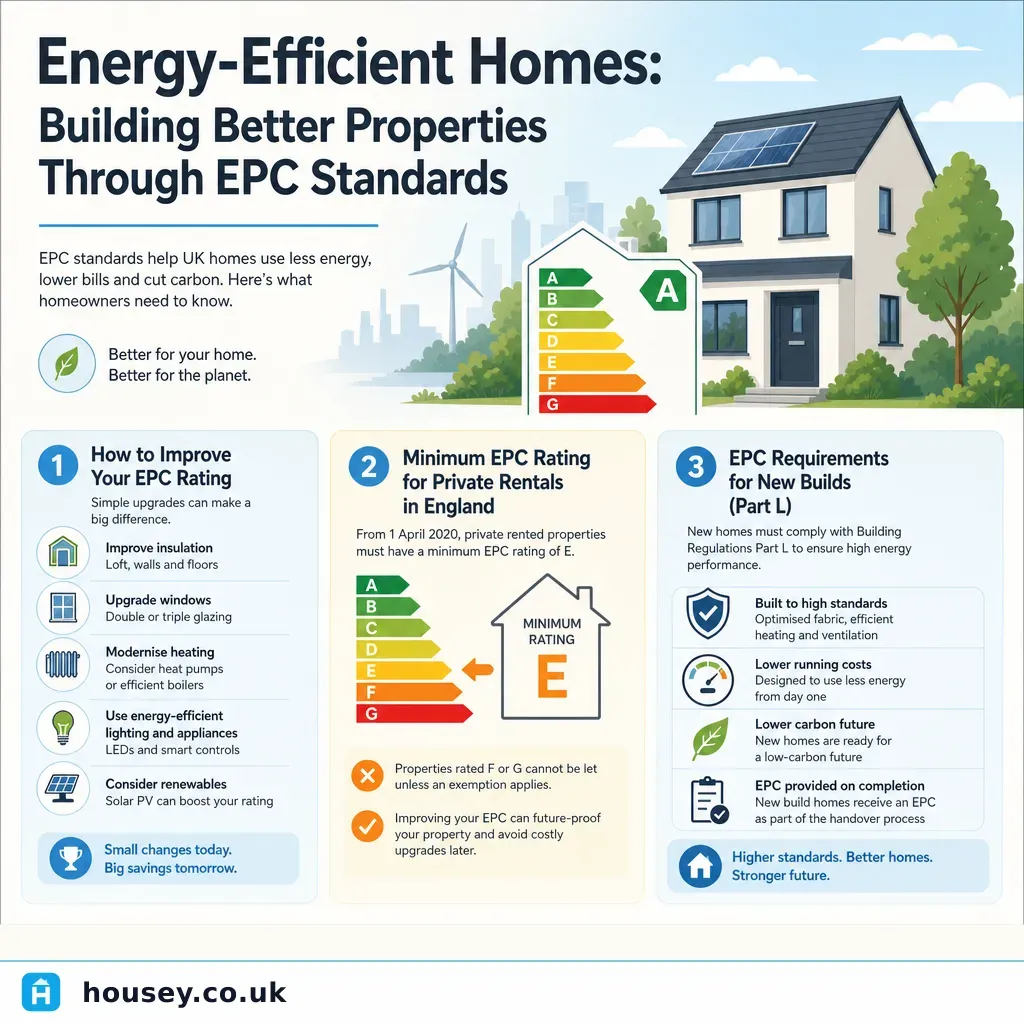
Energy-Efficient Homes: Building Better Properties Through EPC Standards
An EPC rates your home from A (most efficient) to G (least) using the Standard Assessment Procedure. New-build homes in England must reach at least EPC B under Part L of the Building Regulations. Rental properties must hold EPC E under MEES 2018. Improving your rating can reduce energy bills, support retrofit funding applications, and increase property value.
 Improvement & Build
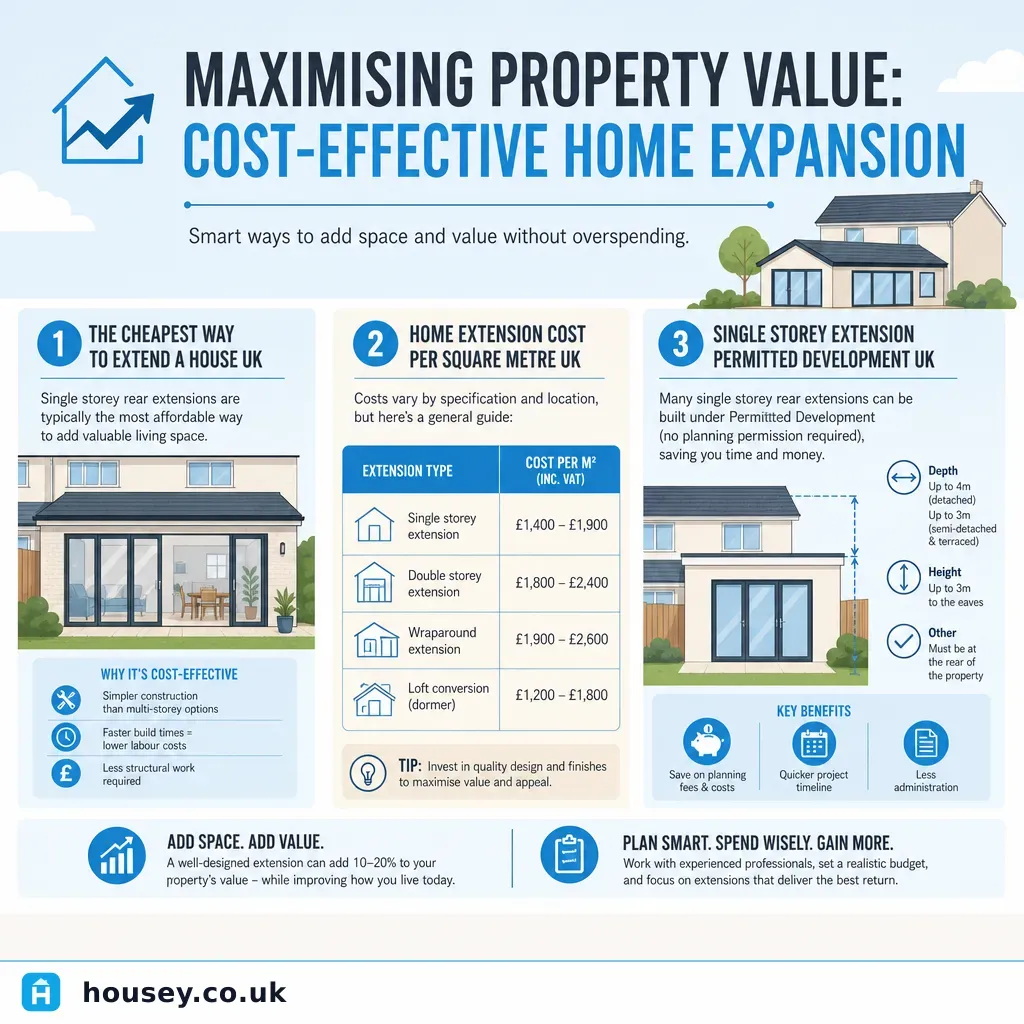
Maximising Property Value: Cost-Effective Home Expansion
A cost-effective home extension in the UK typically starts with a single-storey rear extension under permitted development, using an extension builder or design-and-build firm to control costs. Getting a professional cost estimate before design is finalised, comparing at least three quotes on the same specification, and setting a 15–20% contingency are the most reliable ways to add space and value within budget.
 Planning & Pre-Build
Designing and Building Your Dream Home: Architecture and Custom Construction
Building a custom home in the UK involves a RIBA eight-stage design process, full planning permission — permitted development does not apply to new dwellings — and a team that typically includes an architect, architectural technologist, structural engineer, and project manager. Professional fees usually add 8–15% to the build cost, and the total programme typically spans three to five years.
 Surveys & Inspections
Safe Property Viewing Practices: Protecting Yourself During Inspections
When viewing a property in the UK, always tell someone where you are going and share the full address before you leave. Attend agent-accompanied viewings where possible, especially for first visits. Use second viewings to check structure, damp, and services more carefully. Take notes and photos as you go, and never feel pressured to make on-the-spot decisions.
 Improvement & Build
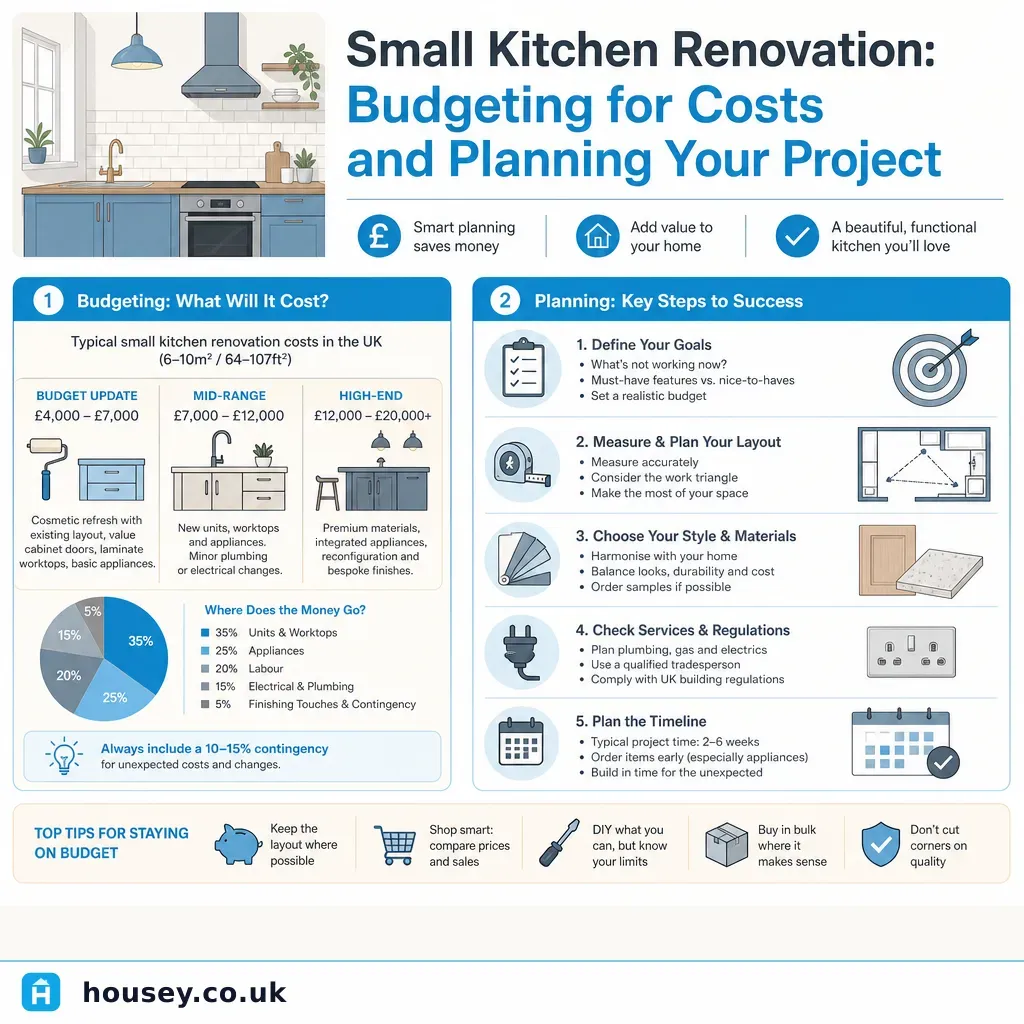
Small kitchen renovation: budgeting for costs and planning your project
A small kitchen renovation in the UK typically costs £5,000–£15,000 for a full refresh including new units, worktops, tiling, and appliances, though costs vary widely by specification, region, and whether structural changes or rewiring are involved. Setting a clear scope and budget before approaching tradespeople significantly reduces the risk of overspend.
 Planning & Pre-Build
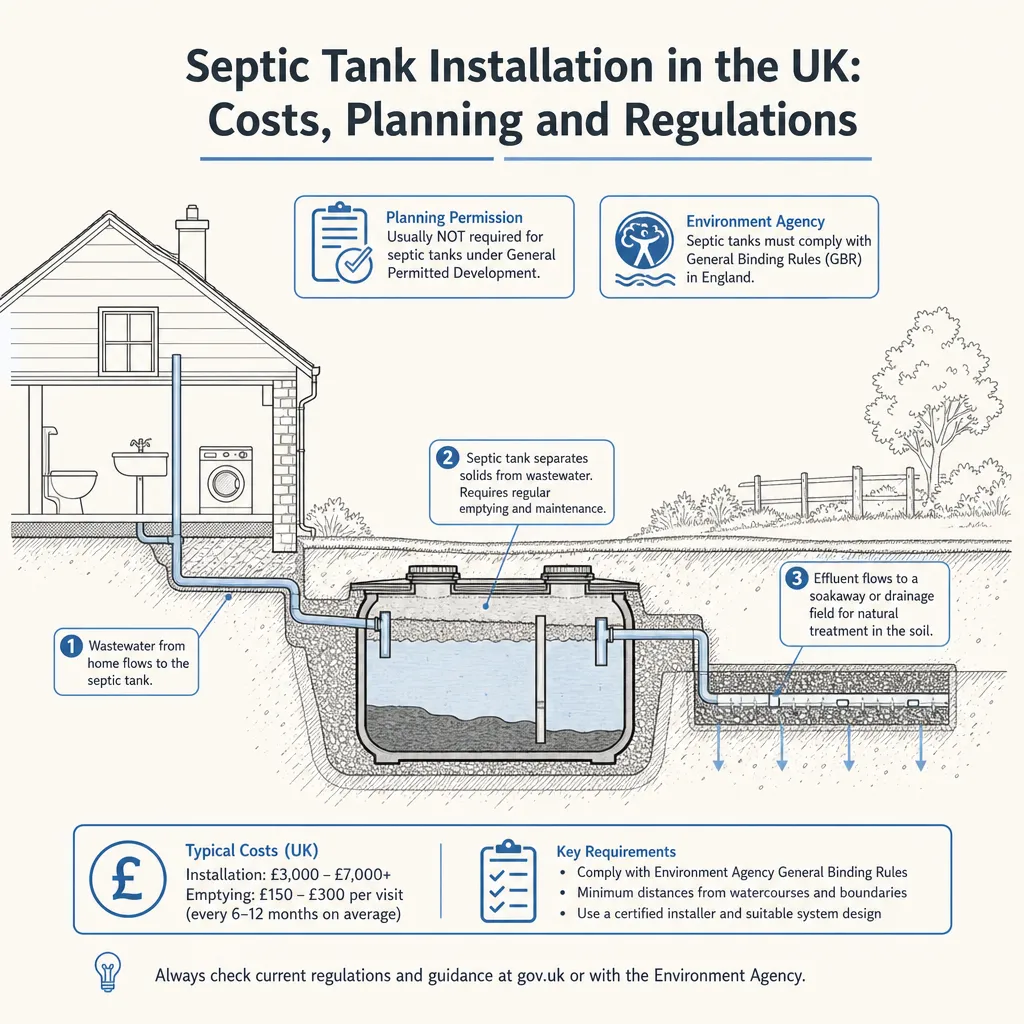
Septic Tank Installation in the UK: Costs, Planning and Regulations
Installing a septic tank or sewage treatment plant in the UK requires registration or a permit under the Environment Agency's General Binding Rules, Building Regulations Part H compliance, and a percolation test to assess ground suitability. Costs typically range from £3,000 to £10,000 or more depending on system type, ground conditions, and site access. A drainage engineer should assess the site before any system is designed.
 Improvement & Build
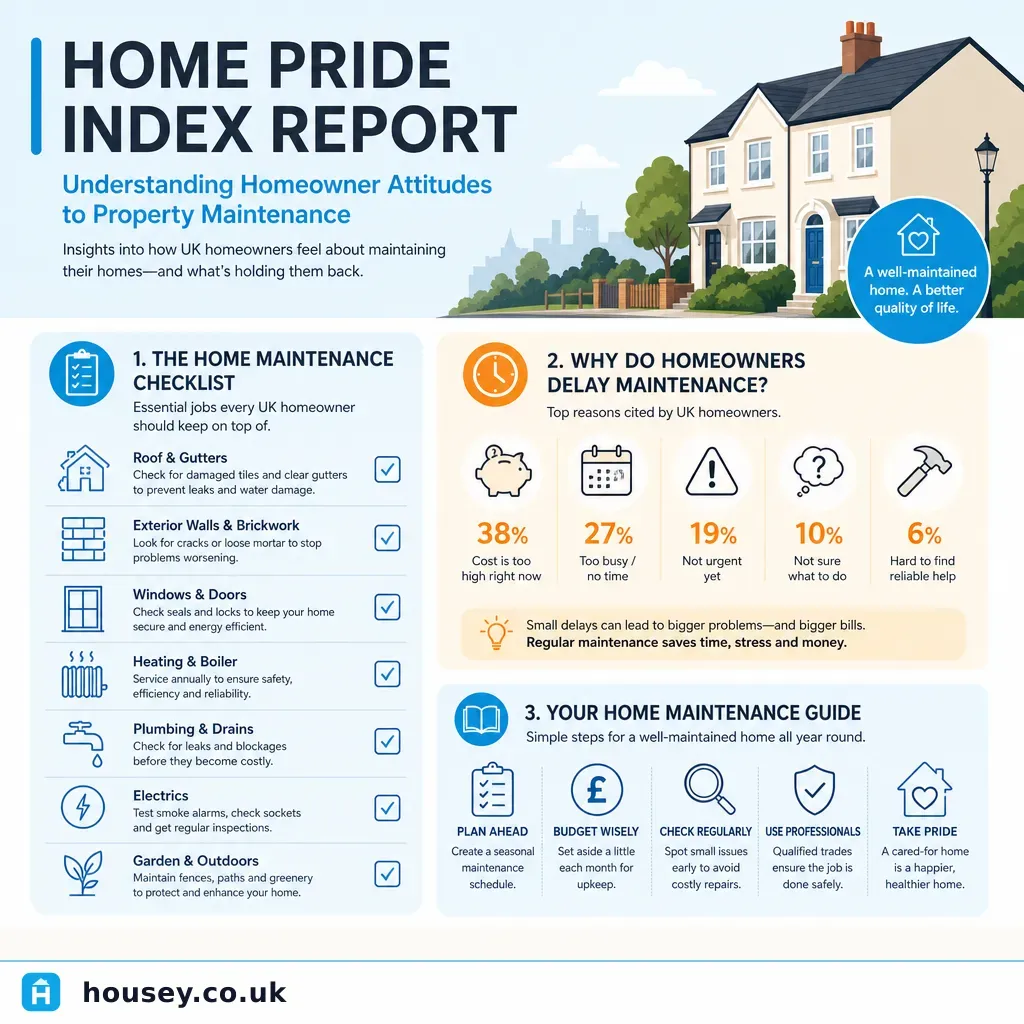
Home Pride Index Report: Understanding Homeowner Attitudes to Property Maintenance
UK homeowners tend to prioritise visible improvements over preventive maintenance, leading to a systematic gap in roof, gutter, and structural upkeep. Research consistently shows cost uncertainty and difficulty finding reliable tradespeople as the main barriers to acting. Understanding where your property's maintenance needs stand — and keeping documentation current — is the most effective starting point.
 Improvement & Build
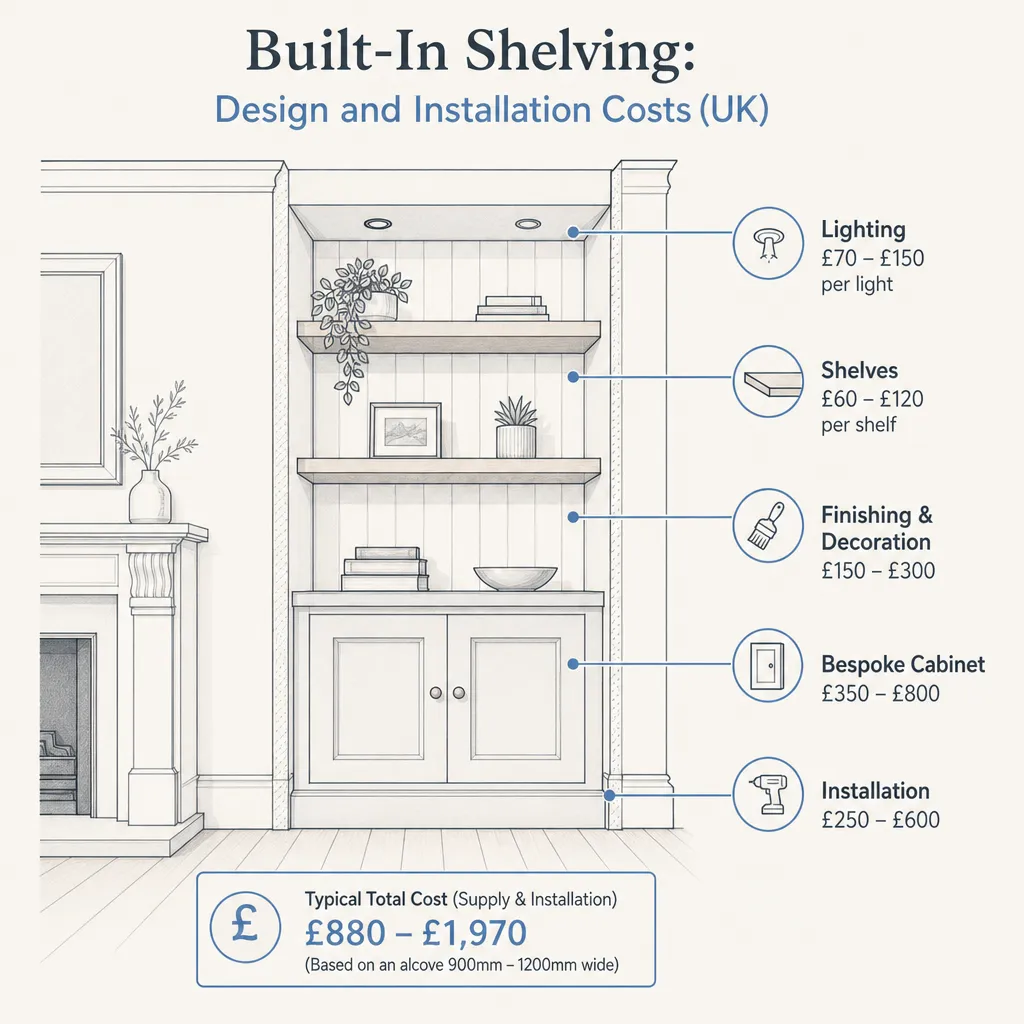
Built-In Shelving: Design and Installation Costs
Built-in shelving typically costs £400–£900 for a simple single-alcove MDF unit, rising to £1,400–£3,000 for a pair of painted alcoves with base cupboards. Bespoke hardwood joinery costs more. No planning permission is needed for most interior shelving. A carpenter handles standard work; a cabinet maker suits high-end bespoke projects. Painting is often quoted separately.