Knowledge Base
Property advice that actually helps
Researched, UK-specific guides for every stage of homeownership — from buying and surveys to retrofit, planning and major works.
 Improvement & Build
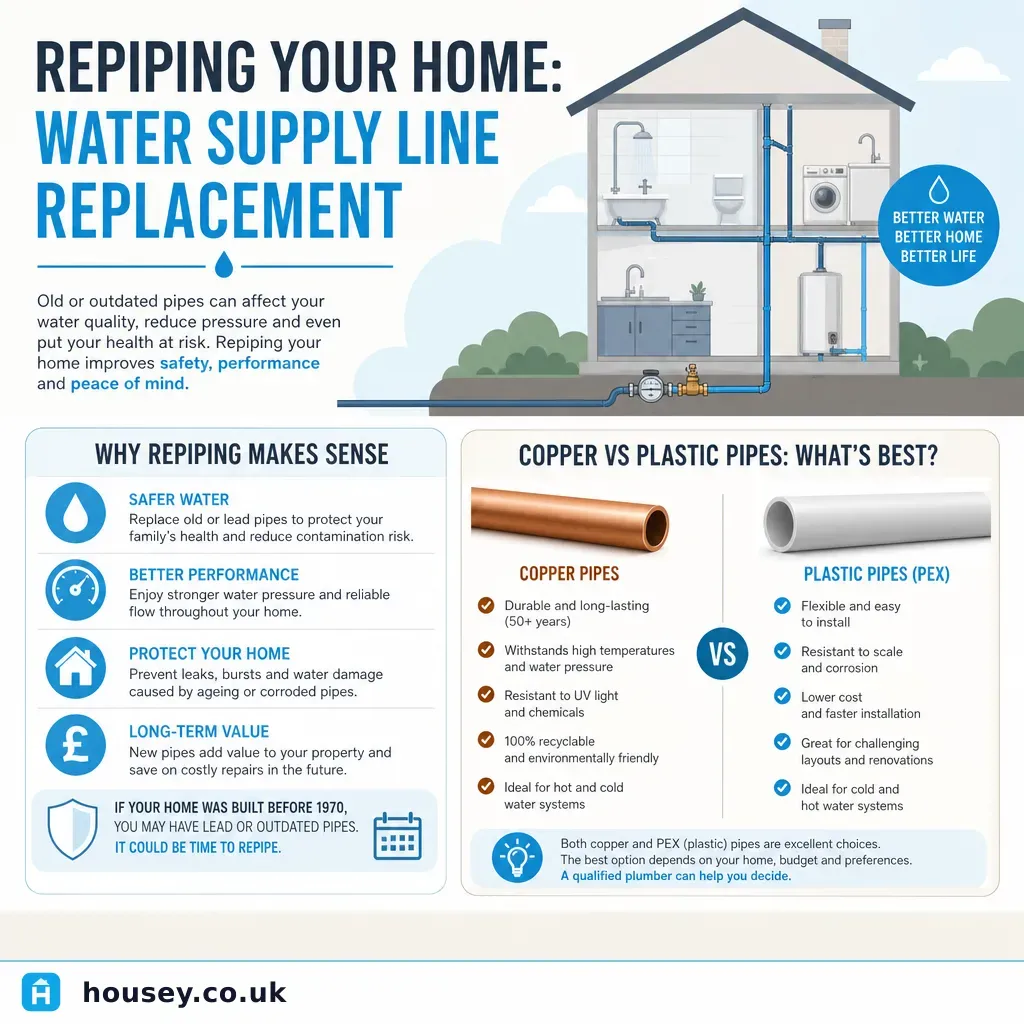
Repiping Your Home: Water Supply Line Replacement
Repiping is typically needed when lead, iron, or early polybutylene pipes corrode, leak, or restrict flow. In the UK, lead supply pipes must be replaced — your water company may fund the section from the main to your boundary. Full domestic repiping usually uses copper or modern plastic pipe (MDPE, PEX, or CPVC) and requires a qualified plumber, with costs varying by property size and access.
 Improvement & Build
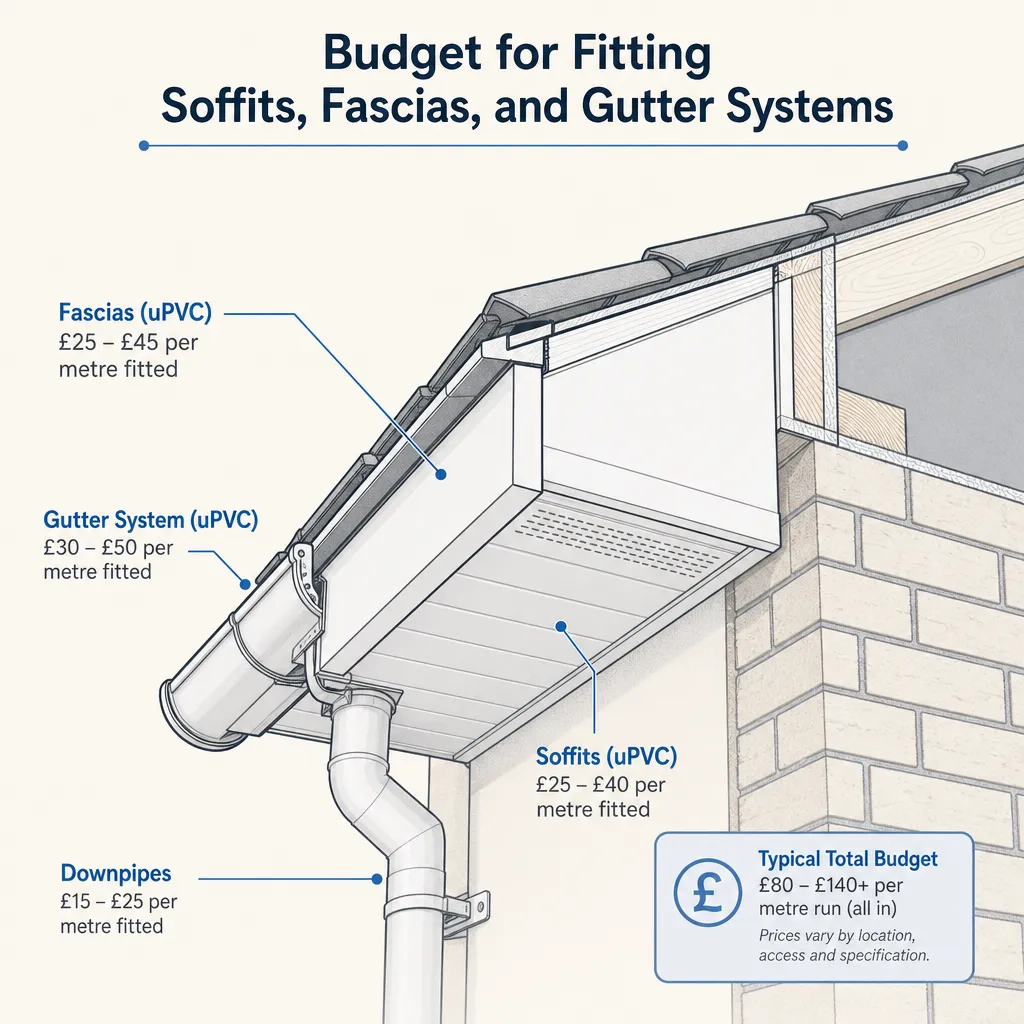
Budget for Fitting Soffits, Fascias, and Gutter Systems
Replacing soffits, fascias, and gutters on a typical UK semi-detached house costs roughly £1,500–£3,500 for uPVC, depending on property size, access, and material choice. uPVC is the most cost-effective option; timber may be required on listed or conservation area properties. Always confirm scaffold costs are included and obtain at least three quotes.
 Buying & Moving
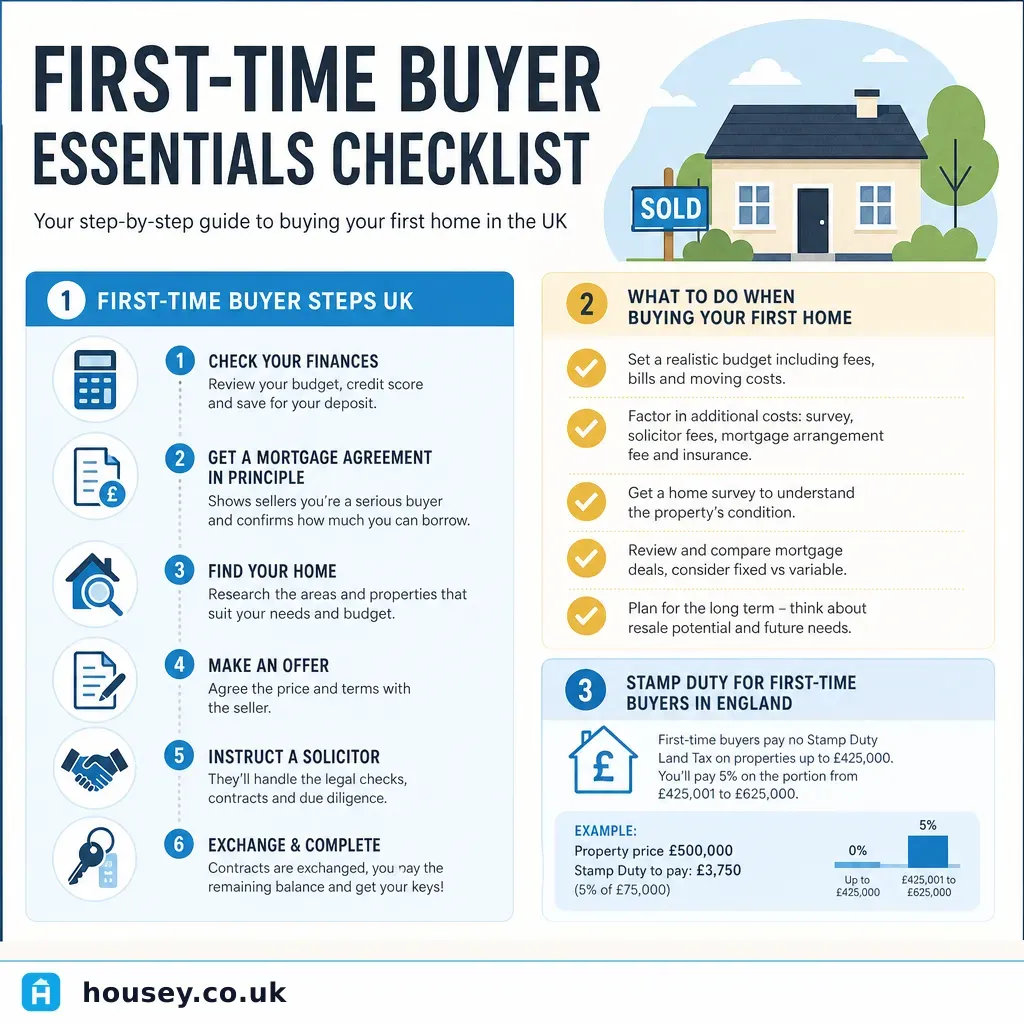
First-Time Buyer Essentials Checklist
Buying your first home involves obtaining a mortgage in principle, making an offer, instructing a solicitor, arranging a survey, and exchanging contracts before completion. Preparation matters: gather proof of income, deposit evidence, and ID documents early. In England, first-time buyers currently pay no Stamp Duty Land Tax on the first £425,000 of a purchase price on properties up to £625,000.
 Improvement & Build
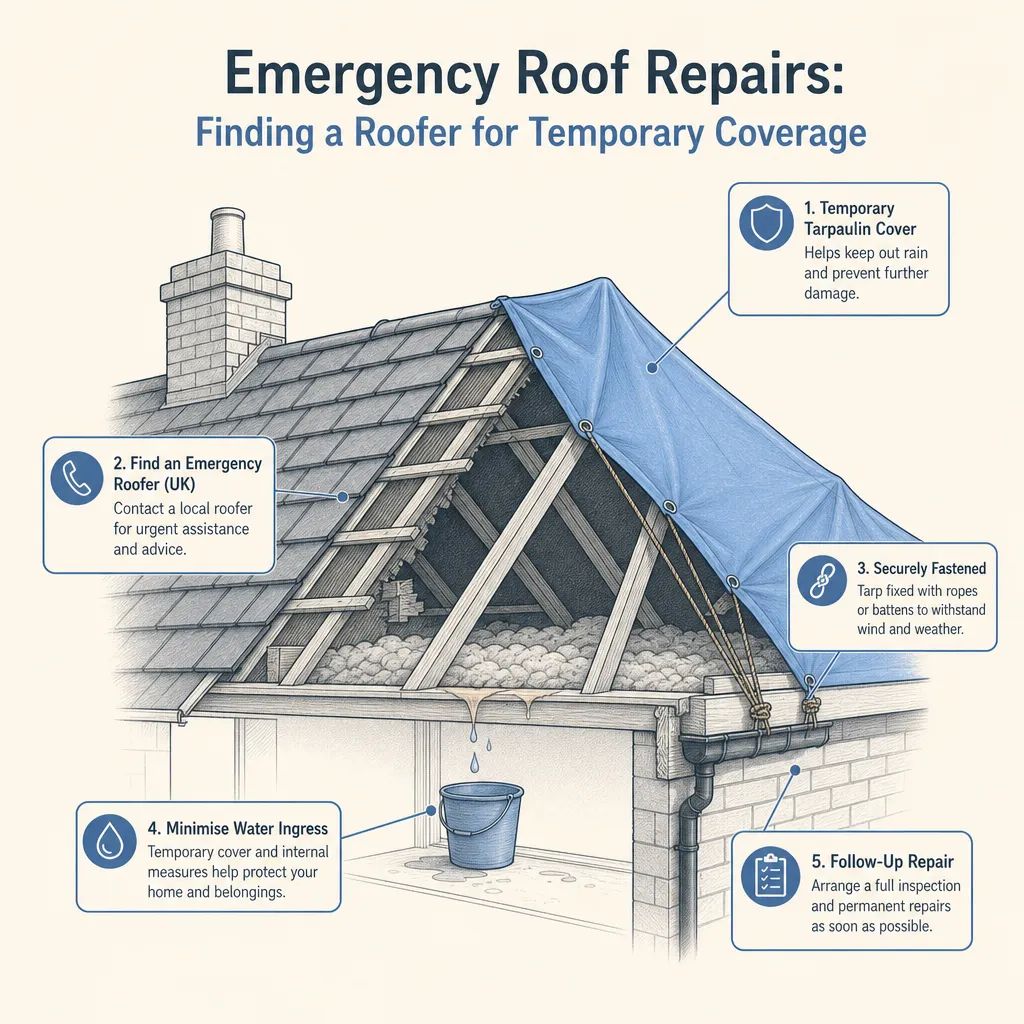
Emergency Roof Repairs: Finding a Roofer for Temporary Coverage
After storm or impact damage, the immediate priority is weatherproofing, not a permanent repair. A qualified roofer can install a heavy-duty tarpaulin within 24–48 hours to prevent further water ingress. Never attempt roof access yourself. Notify your buildings insurer before authorising work, photograph all damage, and use an NFRC member or TrustMark-registered roofer to avoid post-storm cold-calling scams.
 Improvement & Build
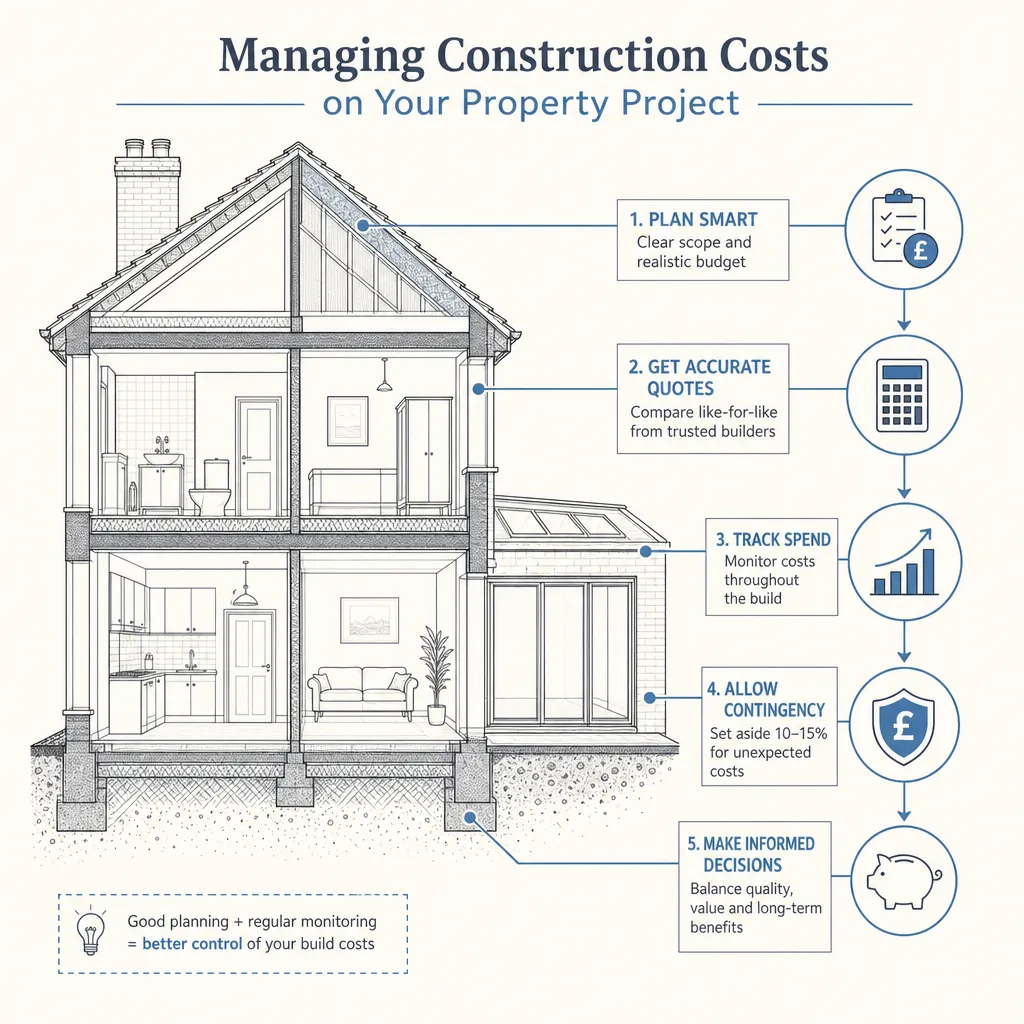
Managing Construction Costs on Your Property Project
Construction costs on UK property projects are best managed through detailed upfront specification, a realistic contingency of 10–20%, and a written contract that covers variations, payment schedules, and retention. Engage a quantity surveyor or project manager early — catching scope creep before work proceeds is far cheaper than managing it on site.
 Improvement & Build
How to Find and Hire an Extension Builder
To hire a reliable extension builder, get at least three detailed written quotes from contractors with documented experience of similar projects. Check memberships of the Federation of Master Builders or NHBC, ask for references from comparable recent work, confirm building regulations compliance is included in scope, and ensure a written contract covers stage payments tied to milestones, materials specification, and a clear variation procedure.
 Buying & Moving
Conveyancing Services in London: Regional Considerations and Costs
Conveyancing in London typically takes 10 to 20 weeks and costs more than the national average, partly because most London properties are leasehold flats requiring additional checks on lease length, service charges, building safety, and managing agents. Higher property values also mean greater Stamp Duty Land Tax and Land Registry fees. A solicitor experienced in London leasehold transactions can help reduce delays.
 General property advice
Property Market Trends: Activity Growth and Price Movements
UK property market activity is measured through completed sale registrations (HM Land Registry), lender mortgage data, and transaction volumes from HMRC. Prices and transactions together give a more accurate picture than either alone. Regional variation is significant — national averages can mask dramatically different local conditions across England, Wales, Scotland, and Northern Ireland.
 Improvement & Build
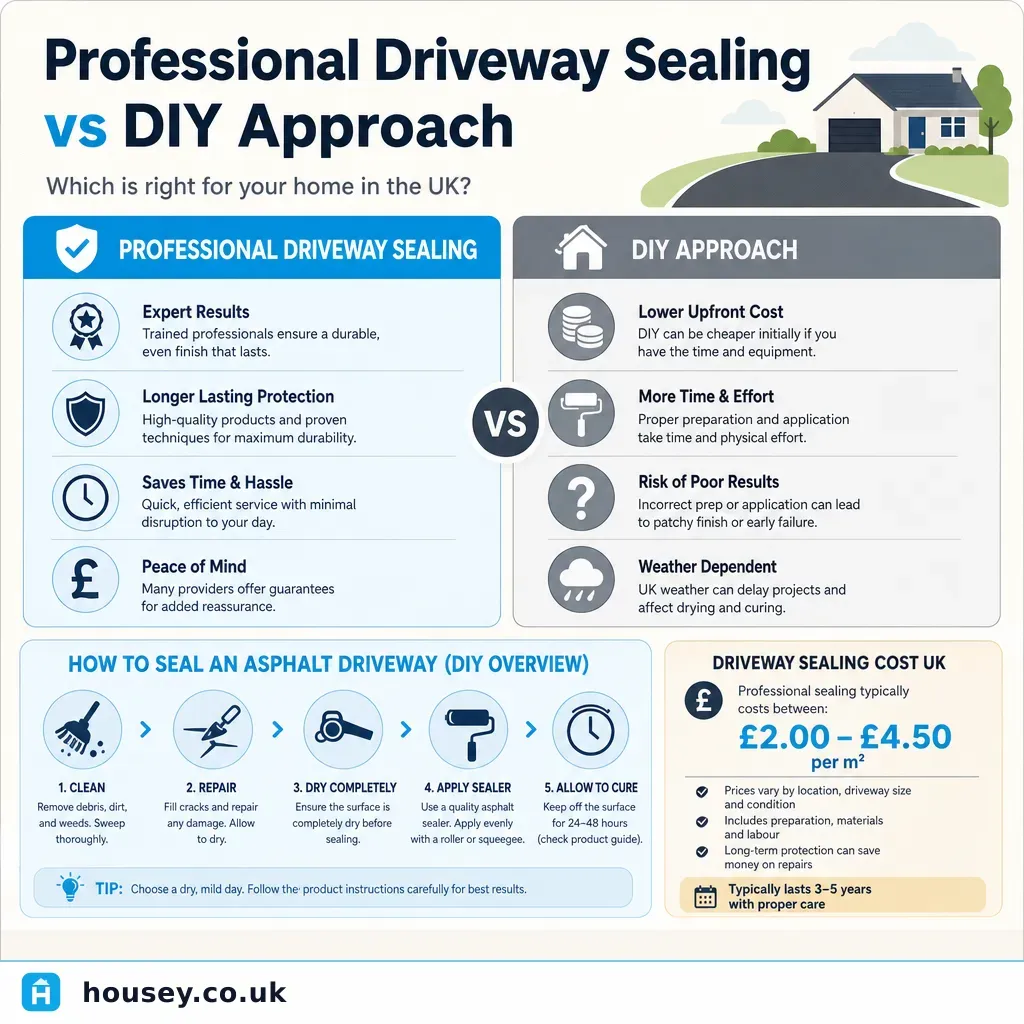
Professional Driveway Sealing vs DIY Approach
Professional driveway sealing offers a more durable, even finish using commercial-grade sealants and specialist equipment, typically costing £150 to £400 for an average drive. DIY sealing products cost around £30 to £80 for the same area but require thorough surface preparation and carry a higher risk of patchy or short-lived results if conditions or prep work fall short.
 Surveys & Inspections
Understanding Rodent Infestations and Property Damage
Rats and mice can cause significant property damage in UK homes, including gnawed electrical cables that create fire risk, damaged pipework causing hidden leaks, and burrowing near foundations in older properties. Signs include droppings, grease marks, gnaw damage, and disturbed insulation in roof voids. After treatment, a professional inspection is advisable where infestation was prolonged or structural damage is suspected.
 Energy & Retrofit
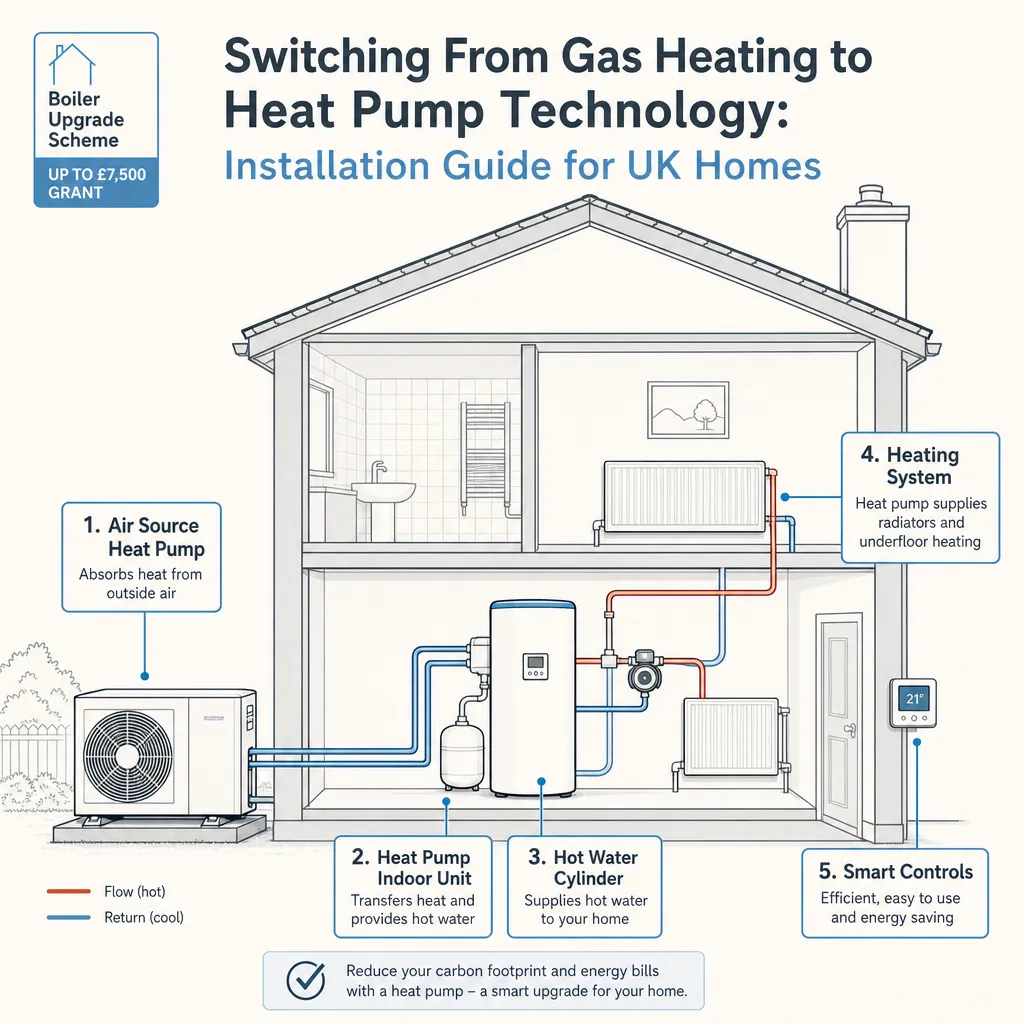
Switching From Gas Heating to Heat Pump Technology: Installation Guide
Switching from gas to a heat pump requires a heat loss calculation, correctly sized equipment, and often radiator upgrades before installation. In England and Wales, the Boiler Upgrade Scheme offers a £7,500 grant for qualifying installations. Your installer must be MCS-accredited and your home should meet minimum insulation standards for the switch to be cost-effective.
 Planning & Pre-Build
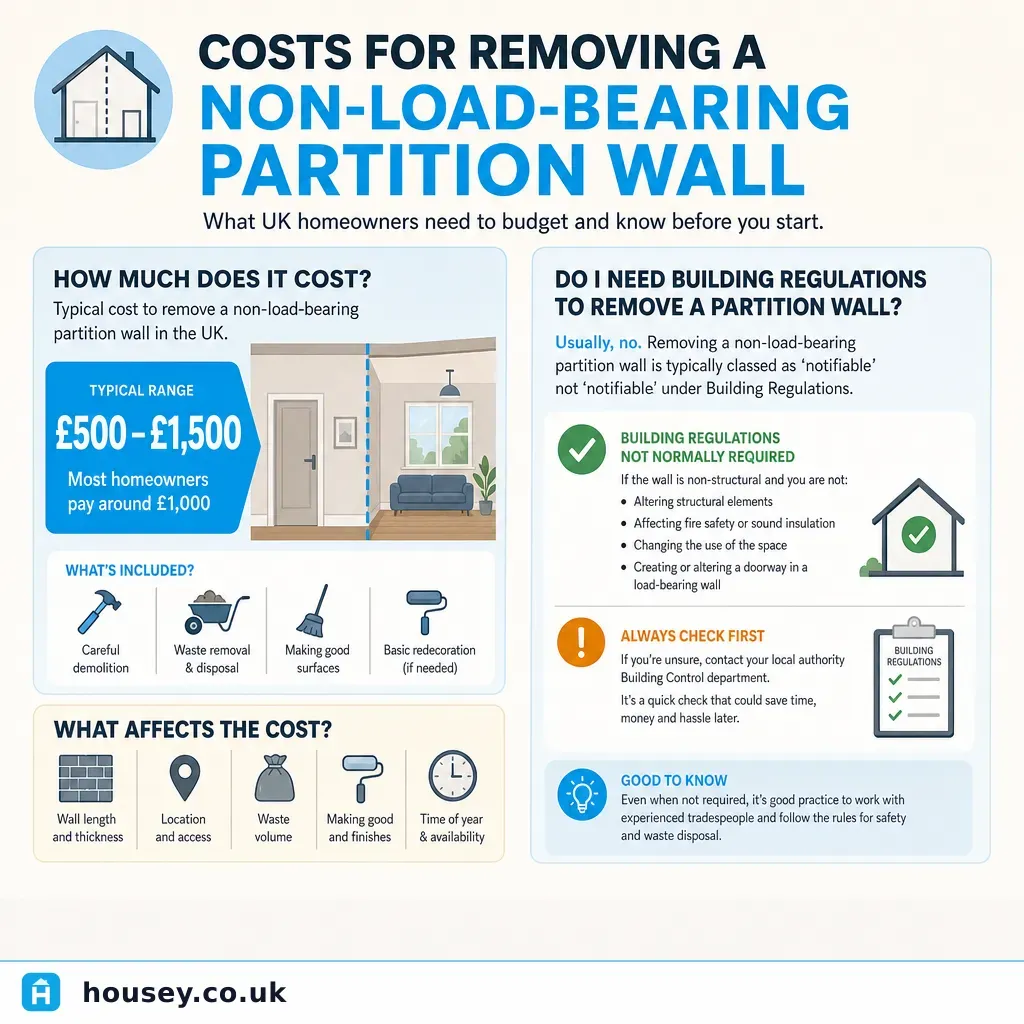
Costs for removing a non-load-bearing partition wall
Removing a non-load-bearing partition wall in a UK home typically costs £300–£1,500 in labour, plus £200–£600 or more for replastering and making good. Confirm the wall is genuinely non-structural before starting, and check whether building regulations apply — required if the wall forms a fire compartment or the property is listed.