Preparing Your Home for Sale: Practical Seller Strategies
By Housey · Last reviewed 24th of May 2026
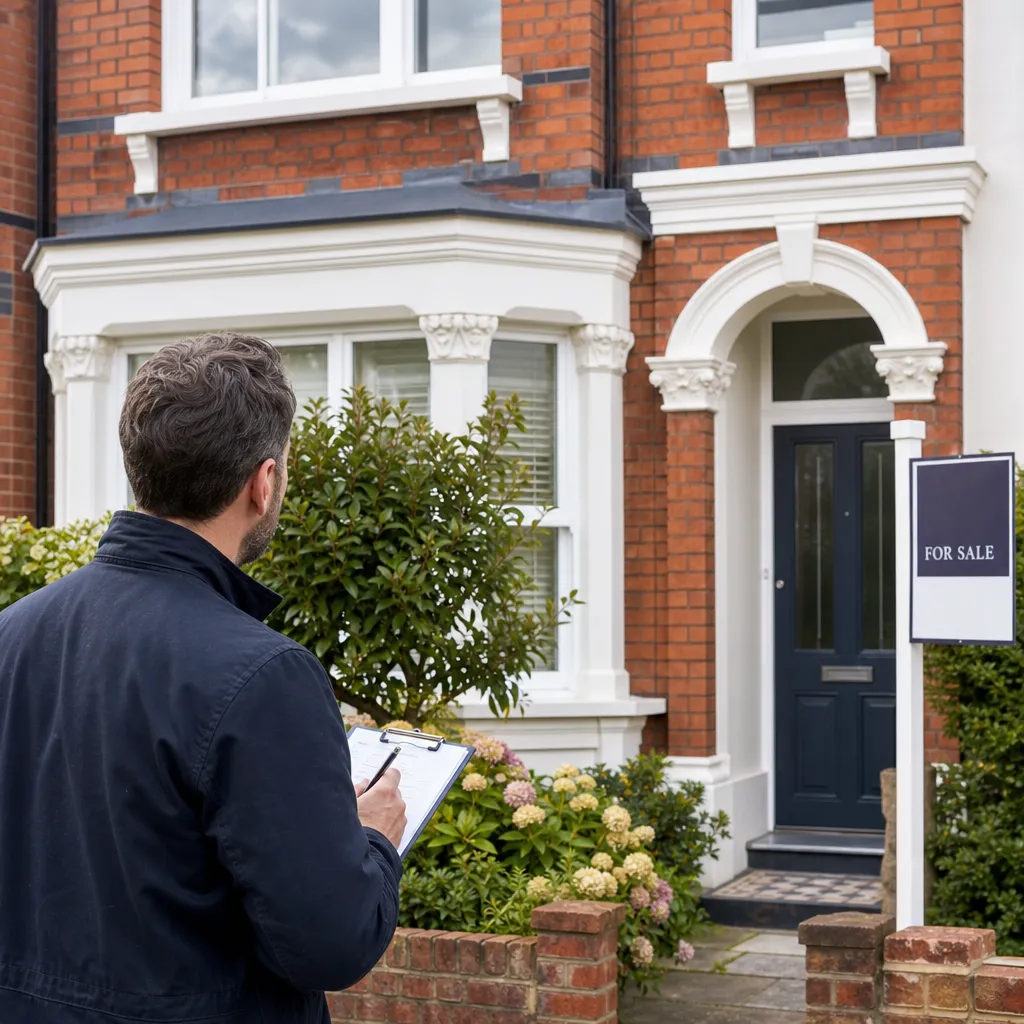
Preparing Your Home for Sale: Practical Seller Strategies
Most UK sellers begin thinking about preparation only after instructing an estate agent, but the work done in the weeks before professional photography — and before viewings begin — has an outsized effect on the price achieved and the speed of sale. For a property in a competitive market, or one sitting without offers, presentation and documentation can be the difference between a swift sale at asking price and months of stagnation.
Key points
- A valid Energy Performance Certificate (EPC) is a legal requirement before marketing your property in England, Wales, and Scotland; you cannot legally list without one lodged on the national EPC register.
- The TA6 Property Information Form — completed with your solicitor — is central to the conveyancing process; having it prepared early, alongside supporting documents, reduces post-offer delays significantly.
- Professional photography and floorplans are widely cited by estate agents and property portals as a significant factor in online enquiry rates; high-quality images give buyers a better first impression before any viewing.
- Properties with visible damp, peeling paint, or broken fixtures may be down-valued by a mortgage lender's surveyor, directly affecting a buyer's ability to proceed at the agreed price.
- Decluttering and repainting in neutral tones are consistently the highest-return, lowest-cost improvements sellers can make before listing.
What to do before listing: documentation
Gathering paperwork before you instruct an agent — or as early as possible — significantly reduces the risk of conveyancing delays once a sale is agreed. Missing documents are one of the most common reasons buyers withdraw or completion dates slip.
Document preparation list
- Valid EPC (certificates last 10 years; obtain one if yours has expired or is not on file).
- Planning permission and building regulations completion certificates for any extensions, loft conversions, or structural alterations.
- FENSA or CERTASS certificates for replacement windows and doors installed since April 2002.
- Gas Safe certificate for the boiler installation and recent boiler service records.
- Electrical Installation Condition Report (EICR) or installation certificates for significant electrical work.
- Guarantees for damp proofing, underpinning, roof works, timber treatment, or other specialist treatments.
- For leasehold properties: lease copy, last 3 years' service charge accounts, ground rent schedule, buildings insurance schedule, and managing agent contact details.
Preparing these in advance puts you in a stronger position once an offer is accepted and reduces the window in which a buyer can get cold feet while waiting for information.
What to do before listing: condition
Not all repairs offer an equal return on investment. Use this framework to prioritise your effort and budget:
- High priority — affects surveys and mortgage valuations: Fix roof leaks, address visible damp or mould, repair gutters and downpipes, attend to cracked lintels or failing pointing on external walls. These are the issues most likely to be flagged by a buyer's surveyor and to affect a lender's valuation.
- Medium priority — affects buyer confidence at viewings: Repaint walls in neutral tones, replace broken tiles, fix sticking doors and windows, repair broken handles and light switches.
- Lower priority — cosmetic but noticed: Fresh sealant around baths and sinks, replace worn carpets in key rooms, clean grout lines in bathrooms and kitchens.
- Usually not worth doing immediately before sale: Full kitchen or bathroom renovations rarely return their cost in a short timeframe and buyer tastes vary. Minor refreshes — new cabinet hardware, re-grouting, repainting — are typically far more cost-effective.
What to do before listing: presentation
Effective presentation does not require hiring a professional staging company. For most UK homes, these steps improve results meaningfully:
- Declutter every room: remove surplus furniture, personal photographs, collections, and bulky items from surfaces and floors.
- Deep-clean throughout, including windows, skirting boards, and inside cupboards that agents may open during viewings.
- Ensure all lights work and use warm-white bulbs; arrange photography on a bright day or with professional lighting equipment.
- Style key rooms: fresh towels in bathrooms, a clear kitchen worktop, a tidy outdoor space visible from main living areas.
- Address kerb appeal: tidy the front garden, clean or repaint the front door, and remove bins from view for photography day.
Should you use professional photography?
For almost all properties, professional photography and floorplans are worth commissioning. Prices typically range from £100 to £350 for a standard package including floorplans (Indicative UK costs, last reviewed 2026-05-24). Estate agents consistently report better online engagement from professionally shot properties, and portals such as Rightmove and Zoopla prominently feature listings with high-quality images.
What to ask before booking a photographer
- Is floorplan drafting included in the package, or is it charged separately?
- How many images are included, and do you offer a twilight or dusk exterior shot?
- What resolution and file format are images delivered in? (Check your estate agent's technical requirements before booking.)
- Can I review and approve images before they are submitted to the agent?
- Do you offer a virtual tour or video walkthrough option?
Housey can connect you with property photographers and floorplan providers to get competitive quotes for your area.
Red flags that may put buyers off or affect valuations
Certain issues reliably reduce buyer confidence, attract lower offers, or cause mortgage valuers to flag concerns:
- Visible damp or staining on ceilings, walls, or around windows — even if previously treated, unexplained marks raise doubt and invite further investigation.
- Absence of documents for obvious alterations — an extended kitchen with no planning permission evidence, or replacement windows without a FENSA certificate, will be raised as enquiries by a buyer's solicitor and may stall the sale.
- Outdated or non-functional boilers — lenders sometimes impose conditions around boiler age and condition, which can delay or complicate a buyer's mortgage offer.
- Overgrown or cluttered outdoor spaces — often the last thing sellers address, but one of the first things visible on arrival and in listing photographs.
- Persistent odours from pets, cooking, or damp — neutralise before viewings through professional cleaning, ventilation, and time.
- Price-to-condition mismatch — an ambitious asking price for a property clearly requiring significant work leads to longer time on market, which itself signals problems to subsequent buyers.
Pricing and valuation: getting it right
Setting the right asking price is one of the most consequential decisions in the process. An overpriced property typically sits on the market longer, accumulates days-on-market visibility that signals problems to buyers, and usually achieves a lower final price through successive reductions than if it had been priced correctly at the outset.
Seek valuations from at least two or three estate agents. Ask each:
- What comparable properties have recently sold in this postcode, and at what price per square foot?
- What is your realistic — not optimistic — expected sale price?
- How long are comparable properties currently taking to sell in this area?
A formal RICS-regulated formal valuation survey — sometimes called a Red Book valuation — provides an independent, evidenced figure. This is particularly useful for probate, divorce, or shared ownership situations, or where you suspect agent valuations are being inflated to win your instruction.
When to get professional help
For most standard sales, preparation is well within a homeowner's capability. Consider specialist input when:
- Your property has had extensions, conversions, or alterations without traceable documentation — a solicitor can advise on indemnity insurance options to satisfy a buyer's solicitor.
- You suspect damp, structural issues, or roof problems. A pre-sale survey can identify defects before a buyer's surveyor does, giving you options to repair or adjust your price rather than having a defect derail the sale at a late stage.
- Your property is listed, in a conservation area, or has unusual construction — specialist marketing advice and additional documentation around permitted development or listed building consent may be required.
How Housey can help
Housey connects sellers with the professionals needed to prepare a property for sale efficiently. Find property photographers and floorplan providers to maximise your listing presentation, arrange a formal valuation survey to guide realistic pricing, and get quotes from conveyancing solicitors before offers arrive so you can move quickly once a buyer is found.
Frequently asked questions
Do I need an EPC before listing my property?
Yes. In England, Wales, and Scotland, you are legally required to have a valid Energy Performance Certificate before marketing your property. It must be lodged on the national EPC register and be available to prospective buyers on request. Most domestic assessments take 45 minutes to 2 hours on site, with the certificate issued within 1 to 2 days. Failure to have one in place before marketing can result in a financial penalty.
Is it worth redecorating before selling?
Repainting rooms — particularly those with bold or very personal colour choices — in neutral tones is generally worthwhile and relatively low cost. It makes spaces appear larger in photographs and helps buyers visualise the property as their own. Full kitchen or bathroom replacements immediately before sale rarely return their full cost. Minor refreshes such as new cabinet hardware, re-grouting, and repainting are usually more cost-effective.
How do I find out if my extension has building regulations sign-off?
Contact your local authority building control department, which holds records of building regulations applications and completion certificates. The Planning Portal may also have publicly accessible records. If sign-off cannot be traced, your conveyancing solicitor may advise on indemnity insurance as an alternative to satisfy a buyer's solicitor and their mortgage lender.
When should I instruct a conveyancing solicitor?
You can instruct a conveyancing solicitor before finding a buyer. Doing so allows your solicitor to prepare the contract pack, gather title documents, and identify potential issues in advance. This approach is standard in Scotland — where a Home Report must be commissioned before marketing — and is increasingly adopted by sellers in England and Wales to reduce delays after an offer is accepted.
Sources and further reading
- Selling your home: EPCs and legal requirements — GOV.UK
- Property Information Forms TA6 and TA10 — The Law Society
- Building regulations: when you need them — Planning Portal
- RICS Home Surveys guidance — RICS
Useful next reads
 Buying & Moving
Property Enhancement Strategies for a Successful Sale
Enhancing a UK property before listing typically involves improving kerb appeal, decluttering and neutralising décor, addressing minor maintenance issues, and investing in professional photography.
 Buying & Moving
Using Art and Decor to Enhance Property Appeal When Selling
Thoughtfully chosen art and décor can make rooms feel larger, lighter, and more aspirational to buyers.
 Buying & Moving
Proven Strategies for Selling Your Property Quickly and Effectively
To sell your UK home quickly, price it accurately from the outset, invest in professional photography and a measured floorplan, prepare your conveyancing documents before accepting an offer, and ensure the property presents well for viewings.
 Buying & Moving
Professional approaches to photographing properties for sale
Professional property photography uses wide-angle lenses, HDR exposure blending, and careful staging to present rooms accurately and attractively.
 Buying & Moving
Effective Property Marketing Strategies for Sellers
UK home sellers achieve more viewings and stronger offers by combining professional photography, an accurate floor plan, and a compelling portal listing.