Using Art and Decor to Enhance Property Appeal When Selling
By Housey · Last reviewed 30th of May 2026
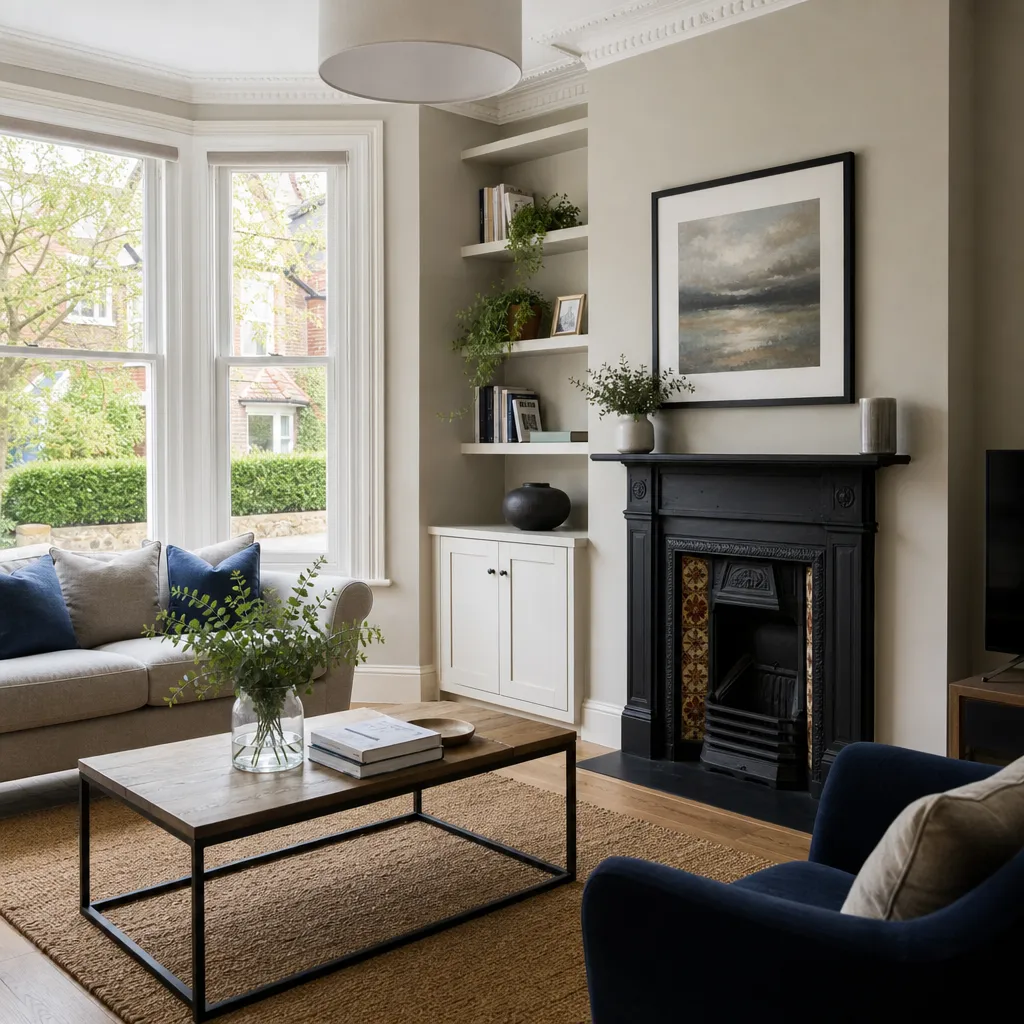
Using Art and Decor to Enhance Property Appeal When Selling
When a property goes to market, first impressions form within seconds — and for most UK buyers, those impressions now form on a screen before they have set foot through the door. Rightmove reports that over 90% of UK property searches begin online, which means listing photography is the primary point of contact between a seller and most prospective buyers. Art and décor choices are among the most accessible and cost-effective tools available to sellers for shaping that perception, particularly for properties sitting in a crowded local market or those that have been slow to attract viewings.
Key points
- Rightmove data consistently shows over 90% of UK property searches begin online, making listing photography the most important first impression a property makes on potential buyers.
- A 2023 survey by the Home Staging Association UK (HSAUK) found that staged properties sold on average three times faster than non-staged equivalents.
- Property staging is not a regulated profession in the UK; HSAUK provides voluntary professional membership and standards for practitioners — look for it when hiring a stager.
- Neutral, warm-toned décor — not stark white — is widely recommended by estate agents because it photographs well and appeals to the broadest buyer demographic across UK regions.
- An Energy Performance Certificate (EPC) is a legal requirement before a property can be marketed for sale in Great Britain; art and décor improvements cannot substitute for missing legal documents such as FENSA certificates or gas safety records.
How art and décor influence buyer perception
Buyers make emotional decisions before rational ones. Research from property marketing consistently shows that rooms which feel coherent, proportionate, and calm generate more viewing requests and stronger offers than technically identical rooms that feel cluttered or mismatched. Art and décor achieve three specific outcomes when done well:
- Scale perception — Correctly sized artwork and mirrors make rooms appear larger than their measured floor area.
- Light enhancement — Pale palettes, well-placed mirrors, and appropriate bulb colour temperature make rooms feel brighter and more welcoming in photographs and in person.
- Lifestyle suggestion — Curated décor helps buyers project their own lives into the space rather than perceiving someone else's accumulated belongings.
None of these effects require expensive art or a professional interior designer. The fundamentals — scale, proportion, neutral colour, and uncluttered surfaces — are achievable at almost any budget.
Room-by-room guide to art and décor for sellers
Room | Recommended approach | Common mistake |
|---|---|---|
Living room | One large statement piece above the sofa or fireplace; two or three neutral accessories | Too many small prints creating visual clutter and no clear focal point |
Main bedroom | Calm, paired artwork above the headboard; soft bedding in neutral tones | Strong personal items — family photos, religious icons — that make the room feel occupied by someone else |
Kitchen | Minimal art; clear worktops, a single plant or fruit bowl | Leaving cooking clutter, small appliances, and washing-up visible on surfaces |
Hallway | One or two pieces at eye level; a mirror to bounce light and make the space feel larger | Overcrowding with coats, shoes, pushchairs, and excess furniture |
Bathroom | A small, moisture-appropriate framed print; clean and completely clear surfaces | Used towels, bath products, and personal items that look lived-in or mismatched |
Home office | Tidy desk; one considered piece of art that reads well in photographs and walkarounds | Visible cables, stacked paperwork, and cluttered backgrounds |
Colour guidance: Warm neutrals — Farrow and Ball Elephant's Breath, Dulux Polished Pebble, or comparable equivalents from any paint brand — photograph better than cool greys, which can appear clinical under artificial light or camera flash. Avoid bold feature walls; they signal a decorating project for the new owner rather than a finished, move-in-ready space.
What not to assume when preparing your home for sale
Don't assume expensive art is necessary. Inexpensive prints styled in appropriate frames — available from IKEA, TK Maxx, or online print-on-demand services — can be as effective as original artwork in listing photography. Scale, composition, and frame quality matter more than the price of the print.
Don't assume an empty, unfurnished room reads as neutral. Vacant rooms are harder to photograph well and harder for buyers to assess spatially. Where possible, furnish rooms simply — even borrowed or rented furniture improves both the photograph and the in-person viewing experience.
Don't assume your estate agent will raise staging as a topic. Many agents will not mention presentation unless specifically asked. Prompt the conversation explicitly, and ask whether the agent recommends any changes before the photographer is booked.
Don't assume décor choices will translate well without professional photography. The most carefully staged room can look flat and uninviting under poor lighting or when shot with a wide-angle smartphone lens. Professional photography is the layer that translates staging effort into listing impact.
Don't assume staging affects your surveyor's valuation. A RICS-registered valuer assesses market value based on comparable sales, property condition, and physical features — not décor or soft furnishings. Staging may generate more viewings and competing offers; it will not change the figure a surveyor puts in their report.
Seller's décor checklist before listing photography
When to get professional help
For most properties, a motivated seller with time and good instincts can prepare their home without engaging a professional stager. Consider hiring one when:
- The property is high value — typically £500,000 or above in regional UK markets, with lower thresholds in London — and the staging fee represents a proportionally small cost against the potential uplift in buyer interest.
- The property has been on the market for several weeks without offers, and viewings are not converting.
- The property is vacant and needs rented furniture and accessories for photography and viewings.
- You are selling a new-build unit or small development where show-home presentation is the standard at the price point.
Red flags: a staging company that cannot show a portfolio of similar UK property types, or that charges for a consultation without providing a clear written deliverable, is worth questioning. Ask for examples of before-and-after listing photography for comparable properties in your price bracket.
How Housey can help
Once your décor is in order, professional photography is the most important next step. Housey connects sellers with experienced professional property photography and floorplan services — photographers who understand how to capture UK homes, from compact Victorian terraces to larger family houses, in a way that generates more clicks and more viewing requests from Rightmove and Zoopla listings.
Frequently asked questions
Does home staging actually increase the sale price?
There is no universal UK evidence that staging raises the final sale price above a RICS valuation. However, well-presented properties tend to generate more viewings, competing offers, and faster sales. A quicker sale can reduce carrying costs — mortgage payments, utilities, and council tax — that accumulate during a prolonged marketing period and eat into net proceeds.
Should I hire a professional home stager?
For most properties, self-staging with good advice is sufficient. Professional staging is most cost-effective for high-value properties, vacant homes that need rented furniture and accessories, or properties that have been on the market without success. Look for membership of the Home Staging Association UK (HSAUK) as a mark of professional standards and accountability.
What colours work best for home staging in the UK?
Warm neutral tones — off-white, warm grey, and soft stone shades — are generally most effective. They photograph well, feel welcoming at viewings, and do not alienate buyers with different tastes. Avoid stark white, which can look clinical under flash photography, bold feature walls, and very dark colours in small or north-facing rooms.
How important is professional photography compared to the actual viewing?
Both matter, but photography comes first. If listing photographs do not prompt a click, there will be no viewing. Buyers increasingly shortlist properties entirely online before requesting a visit, and in a competitive local market, professional photography can be the difference between a property that generates viewings and one that is scrolled past without a second look.
Sources and further reading
- Home Staging Association UK — Home Staging Association UK
- Seller advice — Rightmove
- Selling your home — Citizens Advice
- Energy Performance Certificates for sellers — GOV.UK
- Property market insights — Zoopla
Useful next reads
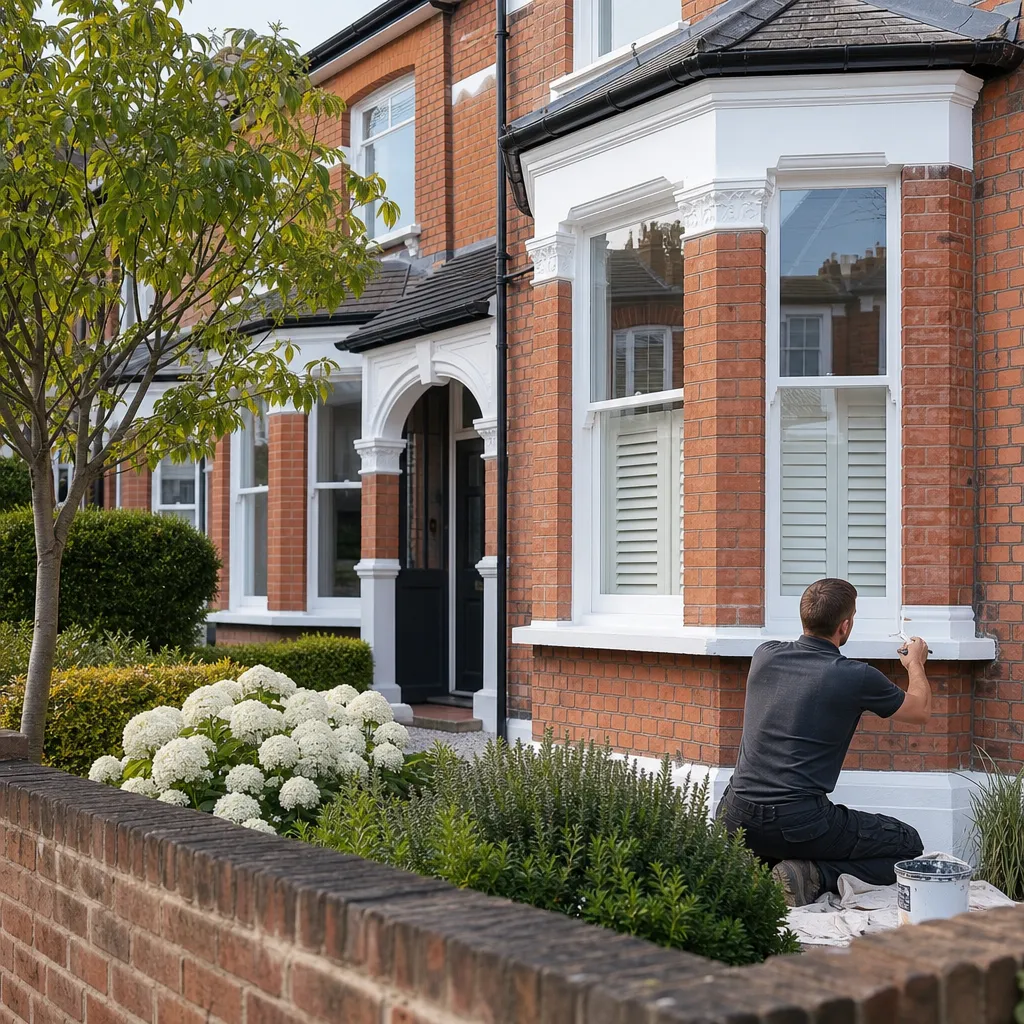 Buying & Moving
Property Enhancement Strategies for a Successful Sale
Enhancing a UK property before listing typically involves improving kerb appeal, decluttering and neutralising décor, addressing minor maintenance issues, and investing in professional photography.
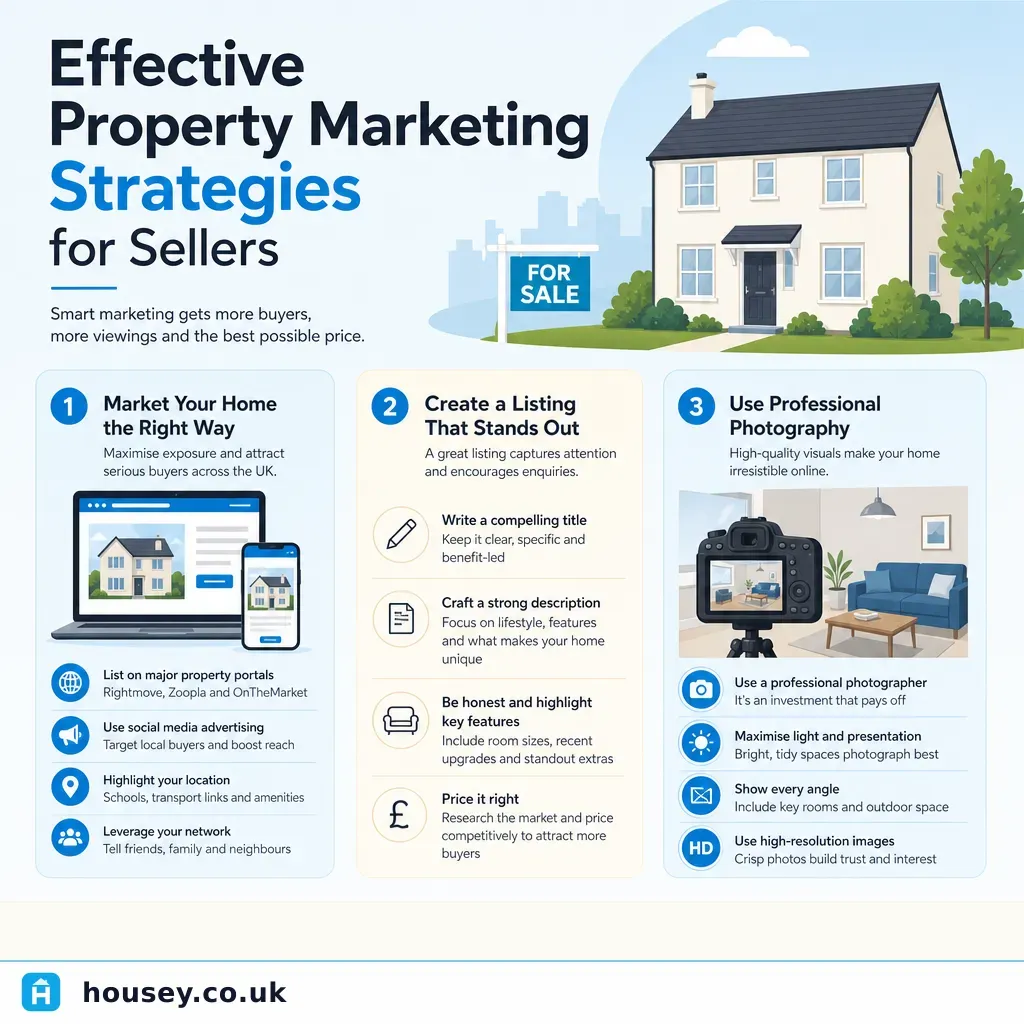 Buying & Moving
Effective Property Marketing Strategies for Sellers
UK home sellers achieve more viewings and stronger offers by combining professional photography, an accurate floor plan, and a compelling portal listing.
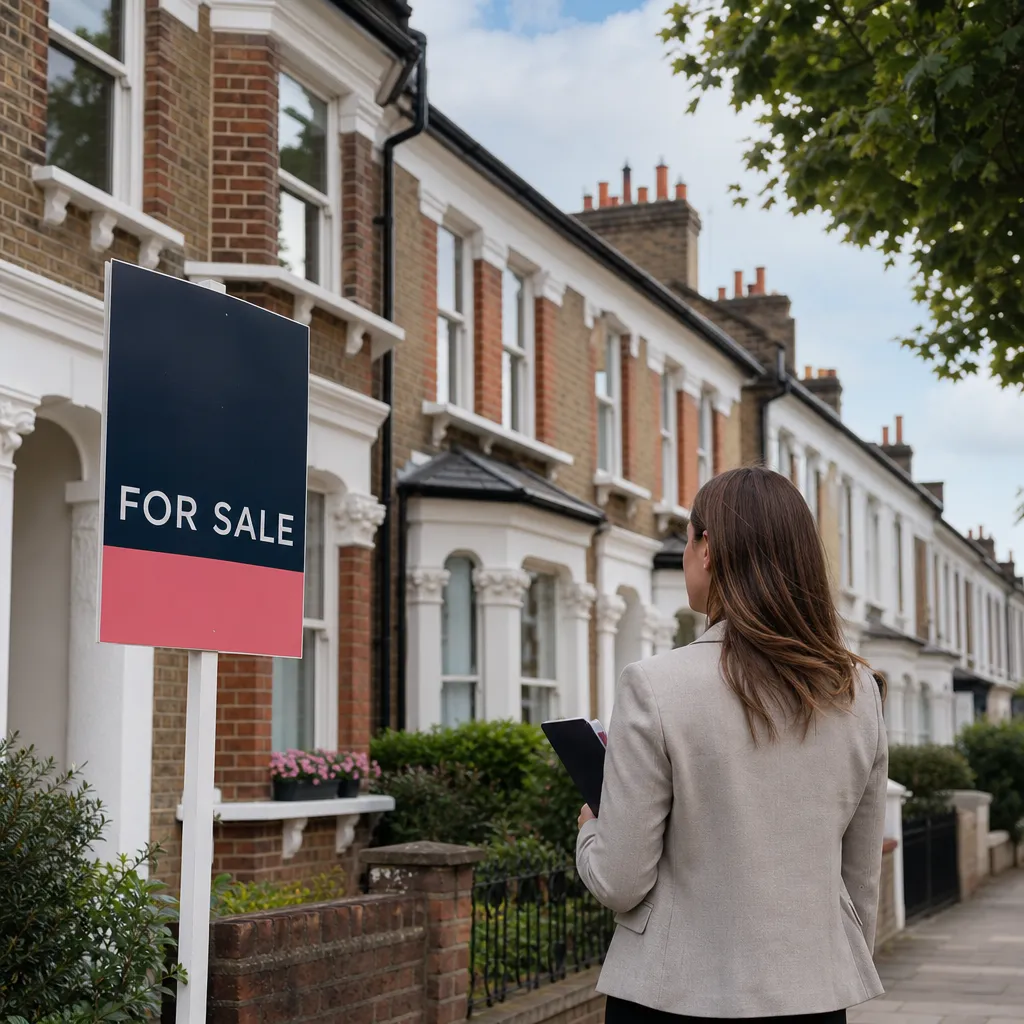 Buying & Moving
Proven Strategies for Selling Your Property Quickly and Effectively
To sell your UK home quickly, price it accurately from the outset, invest in professional photography and a measured floorplan, prepare your conveyancing documents before accepting an offer, and ensure the property presents well for viewings.
 Buying & Moving
Preparing Your Home for Sale: Practical Seller Strategies
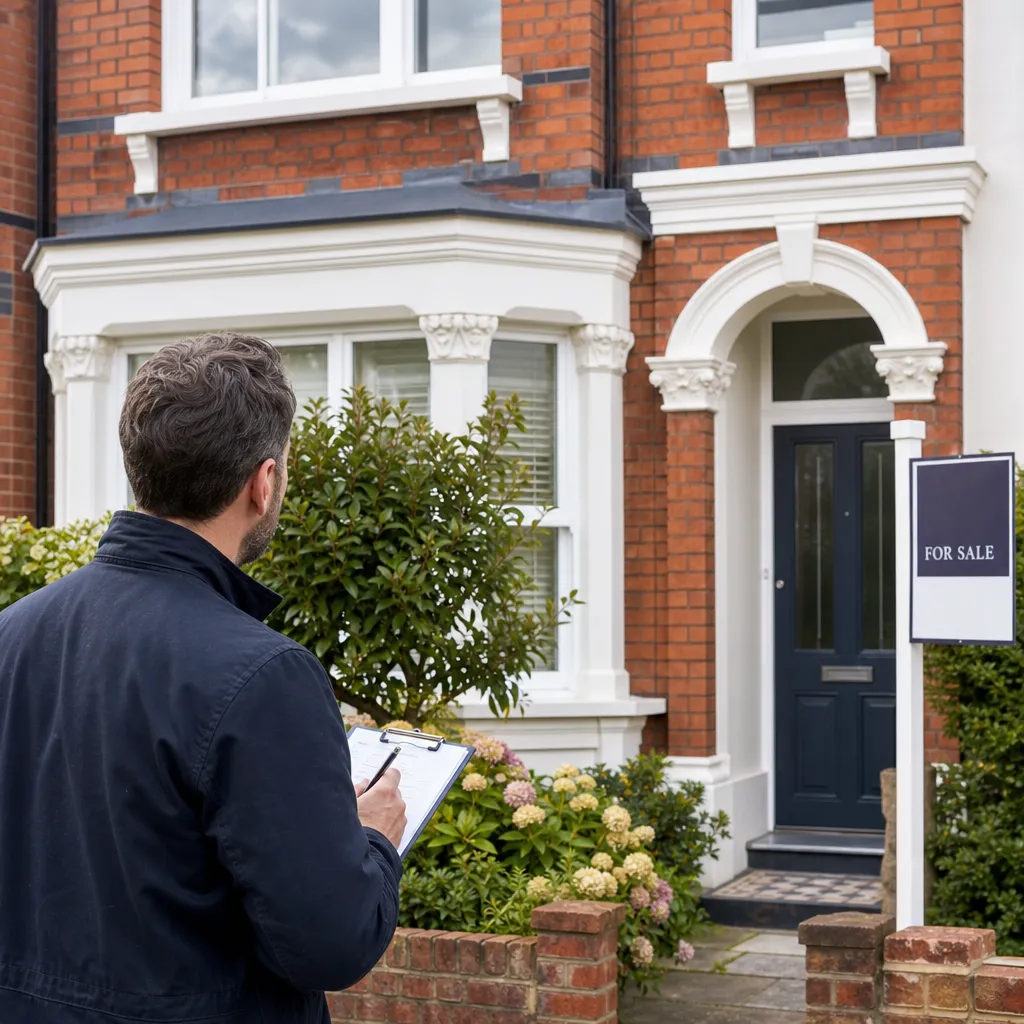
Preparing a home for sale involves gathering key documents such as an EPC, planning permissions, and building regulations certificates, addressing condition issues that affect survey outcomes and buyer confidence, and presenting the property well for photography and viewings.
 Buying & Moving
Professional approaches to photographing properties for sale
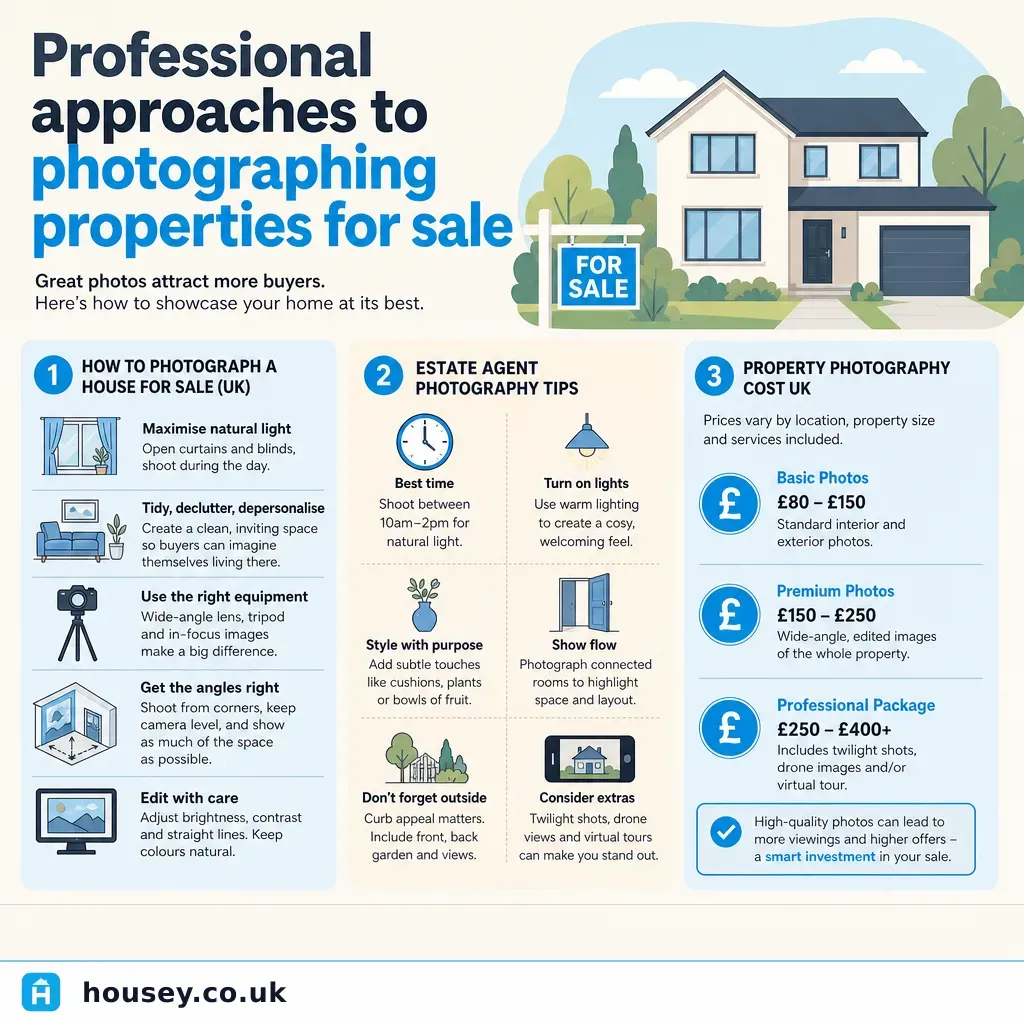
Professional property photography uses wide-angle lenses, HDR exposure blending, and careful staging to present rooms accurately and attractively.