Stamp Duty Relief: Regional Variations and Tax Planning for Home Movers
By Housey · Last reviewed 18th of May 2026

Stamp Duty Relief: Regional Variations and Tax Planning for Home Movers
Anyone purchasing residential property in the UK pays a transaction tax calculated on the purchase price — but the rules differ meaningfully depending on which nation the property sits in, whether you are a first-time buyer, and whether you already own other property. With the temporary SDLT holiday having ended on 31 March 2025, buyers in England and Northern Ireland are now subject to the standard pre-holiday thresholds, making an accurate calculation and awareness of available reliefs more important than ever before exchange.
Key points
- England and Northern Ireland use Stamp Duty Land Tax (SDLT), collected by HMRC; Scotland uses Land and Buildings Transaction Tax (LBTT), administered by Revenue Scotland; Wales uses Land Transaction Tax (LTT), administered by the Welsh Revenue Authority — three separate regimes with different rates and reliefs.
- The SDLT holiday ended on 31 March 2025; from 1 April 2025 standard rates resumed, including a reduction of the first-time buyer 0% threshold from £425,000 back to £300,000 in England and Northern Ireland.
- First-time buyer relief in England and Northern Ireland is only available when every named purchaser qualifies as a first-time buyer — if any co-buyer has previously owned residential property anywhere in the world, no relief applies.
- The higher rates surcharge for additional residential dwellings in England was raised from 3% to 5% in the October 2024 Autumn Budget; Scotland and Wales apply their own additional dwelling supplements at different rates.
- SDLT returns must be filed and any tax paid within 14 days of the effective date (usually completion) in England and Northern Ireland — automatic penalties apply for late filing.
How SDLT works in England and Northern Ireland
SDLT is a tiered tax: different rates apply to successive portions of the purchase price, not to the whole price at a single rate. This is sometimes called the slice system.
Standard residential SDLT rates (England and Northern Ireland, from 1 April 2025):
Purchase price portion | SDLT rate |
|---|---|
Up to £125,000 | 0% |
£125,001 – £250,000 | 2% |
£250,001 – £925,000 | 5% |
£925,001 – £1,500,000 | 10% |
Above £1,500,000 | 12% |
Worked example — £400,000 residential purchase, not a first-time buyer:
- £0 – £125,000 at 0% = £0
- £125,001 – £250,000 at 2% = £2,500
- £250,001 – £400,000 at 5% = £7,500
- Total SDLT payable: £10,000
First-time buyer relief (England and Northern Ireland, from 1 April 2025):
- 0% on the first £300,000
- 5% on the portion from £300,001 to £500,000
- No relief if the purchase price exceeds £500,000
Worked example — £400,000 purchase by a first-time buyer:
- £0 – £300,000 at 0% = £0
- £300,001 – £400,000 at 5% = £5,000
- Total SDLT payable: £5,000 (saving £5,000 compared with standard rates)
Regional variations: Scotland and Wales
Scotland — Land and Buildings Transaction Tax (LBTT)
LBTT is administered by Revenue Scotland using its own rates and bands. An Additional Dwelling Supplement (ADS) applies separately to purchases of additional residential properties. Scotland does not use SDLT and HMRC has no role in Scottish property transactions.
LBTT standard residential rates (Scotland):
Purchase price portion | LBTT rate |
|---|---|
Up to £145,000 | 0% |
£145,001 – £250,000 | 2% |
£250,001 – £325,000 | 5% |
£325,001 – £750,000 | 10% |
Above £750,000 | 12% |
First-time buyer relief in Scotland raises the 0% threshold to £175,000 on purchases up to £175,000. Above this figure, standard rates apply to the portions above that threshold.
Wales — Land Transaction Tax (LTT)
LTT is administered by the Welsh Revenue Authority. Wales does not have a separate first-time buyer relief band — the 0% threshold to £225,000 applies to all residential buyers. Higher rates for additional dwellings also apply.
LTT standard residential rates (Wales):
Purchase price portion | LTT rate |
|---|---|
Up to £225,000 | 0% |
£225,001 – £400,000 | 6% |
£400,001 – £750,000 | 7.5% |
£750,001 – £1,500,000 | 10% |
Above £1,500,000 | 12% |
Additional dwelling surcharges
When purchasing a second residential property — a buy-to-let, holiday home, or a new main residence before the existing one is sold — a surcharge is added on top of standard rates.
Nation | Surcharge | How it applies |
|---|---|---|
England & Northern Ireland | 5% added to each SDLT band | Raised from 3% in October 2024 Autumn Budget |
Scotland | Additional Dwelling Supplement (ADS) applied to full purchase price | If you own another residential property at the time of purchase |
Wales | 4% added to each LTT band | Higher residential rates apply to the whole transaction |
Replacing your main residence in England: if you sell your existing main home on or before completion of your new purchase, the surcharge does not apply. If you complete on the new property before selling the old one, you may pay the surcharge and then apply to HMRC for a refund within 12 months of selling the previous main dwelling. Conditions and time limits apply.
Tax planning considerations for home movers
- Timing of completion dates: for buyers in a chain, aligning completions to avoid simultaneously owning two properties can prevent the surcharge applying unnecessarily.
- Joint purchases and first-time buyer relief: in England and Northern Ireland, all purchasers must qualify as first-time buyers. One co-buyer's prior ownership disqualifies the joint purchase from relief entirely.
- Mixed-use properties: properties with a residential and commercial element may qualify for non-residential or mixed-use SDLT rates, which are generally lower. HMRC scrutinises such claims carefully; always obtain specialist advice before relying on this.
- Linked transactions: purchasing multiple properties from the same seller in a series of transactions may create linked transactions for SDLT purposes, affecting which rates apply.
- Below-market-value purchases from connected persons: in England, SDLT is generally calculated on the higher of the consideration paid or the market value where buyer and seller are connected, such as family members.
Important limitations
This article provides general information about UK property transaction taxes as at 18 May 2026. Tax legislation and rates change, and the reliefs and thresholds described here may have been updated since publication. Individual circumstances — including ownership history, property type, non-UK residency status, and transaction structure — significantly affect the amount of tax payable. Nothing in this article constitutes tax or legal advice. Always confirm your liability with a qualified conveyancing solicitor, tax adviser, or accountant before exchanging contracts.
What to ask a qualified professional
Before or at the point of instructing a conveyancer, ask the following:
- Which transaction tax applies to this property, and what is my likely liability based on my circumstances?
- Does anything in my ownership history, or that of my co-buyer, disqualify us from first-time buyer relief?
- If I complete before selling my existing home, will the surcharge apply — and how do I reclaim it afterwards?
- Could a mixed-use rate apply, given the property's description or any commercial element?
- What are the exact filing deadlines, and when do I need to provide cleared funds for the tax payment?
- Are there any HMRC risks associated with the way this transaction is structured?
When this becomes urgent
Property transaction taxes must be filed and paid within the required period after completion — 14 days in England and Northern Ireland. Missing this deadline incurs automatic late-filing penalties from HMRC. If you have already completed and believe your conveyancer may have miscalculated the tax, or if you think you were entitled to a relief that was not claimed, contact a property tax solicitor promptly. Amendments to land transaction returns are subject to time limits set by the relevant revenue authority, and delays can forfeit the right to reclaim overpaid tax.
How Housey can help
A qualified conveyancing solicitor or licensed conveyancer will calculate your SDLT, LBTT, or LTT liability as a standard part of the transaction, advise on any available reliefs, and file the required return on your behalf. Housey connects you with accredited conveyancers who can quote competitively and handle your transaction accurately from instruction to completion.
Frequently asked questions
Can I claim first-time buyer SDLT relief if my partner has previously owned a property?
No. In England and Northern Ireland, first-time buyer relief only applies when every named purchaser is a first-time buyer — meaning none of them has previously owned a residential property anywhere in the world. If any co-buyer has owned residential property before, the relief is not available on the joint purchase. You cannot split ownership to claim partial relief on behalf of just one buyer.
How does stamp duty work on a shared ownership purchase?
For shared ownership properties in England, buyers can either pay SDLT only on the initial share purchased, or elect to pay on the full market value of the property upfront. Making the market-value election can be more efficient if you plan to staircase to full ownership, as no further SDLT is payable on subsequent staircasing transactions. Ask your conveyancing solicitor which approach suits your circumstances before exchange.
When does stamp duty need to be paid after completion?
In England and Northern Ireland, the SDLT return must be filed and any tax paid within 14 days of the effective date of the transaction, which is usually the date of completion. Your conveyancing solicitor normally prepares and submits the return to HMRC using funds you transfer on or before completion day. In Scotland and Wales the filing periods differ slightly — check with your solicitor.
Can I reclaim the additional dwelling SDLT surcharge after selling my old home?
In England, yes. If you paid the 5% higher rates surcharge because you had not yet sold your previous main residence at completion, you can apply to HMRC for a refund once the old property is sold, provided the application is made within 12 months of that sale. Time limits and conditions apply. The reclaim is submitted via GOV.UK; your solicitor can assist with the process.
Sources and further reading
- Stamp Duty Land Tax — GOV.UK / HMRC
- SDLT: first-time buyers relief — GOV.UK / HMRC
- Higher rates for additional dwellings — GOV.UK / HMRC
- Land and Buildings Transaction Tax — Revenue Scotland
- Land Transaction Tax guide — Welsh Revenue Authority
Useful next reads
 Buying & Moving
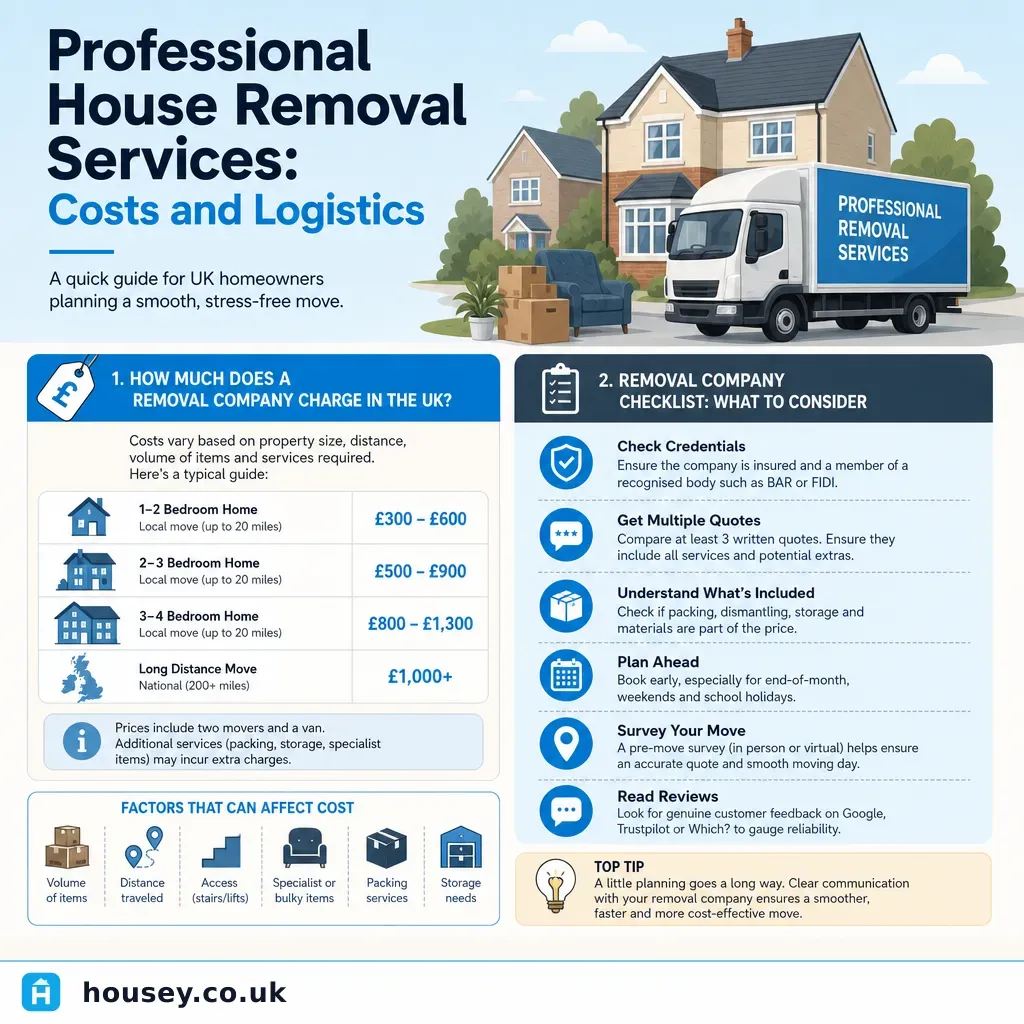
Professional House Removal Services: Costs and Logistics
Professional house removal services in the UK typically cost £800–£2,000 for a 3-bedroom local move, rising to £1,500–£4,000 for long-distance relocations.
 Buying & Moving
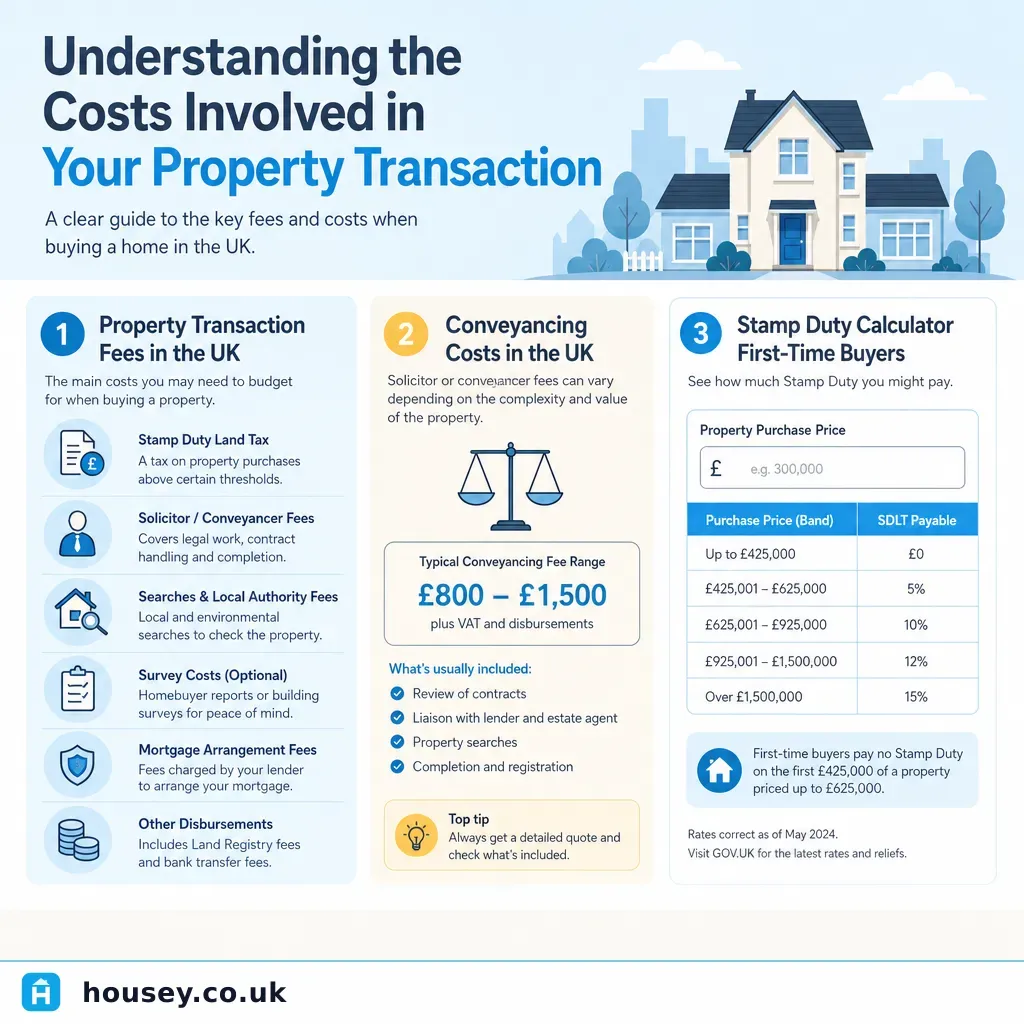
Understanding the Costs Involved in Your Property Transaction
Buying a property in the UK typically costs 2–5% above the headline price once stamp duty, conveyancing fees, survey costs, mortgage arrangement fees, and removal costs are added.
 Buying & Moving
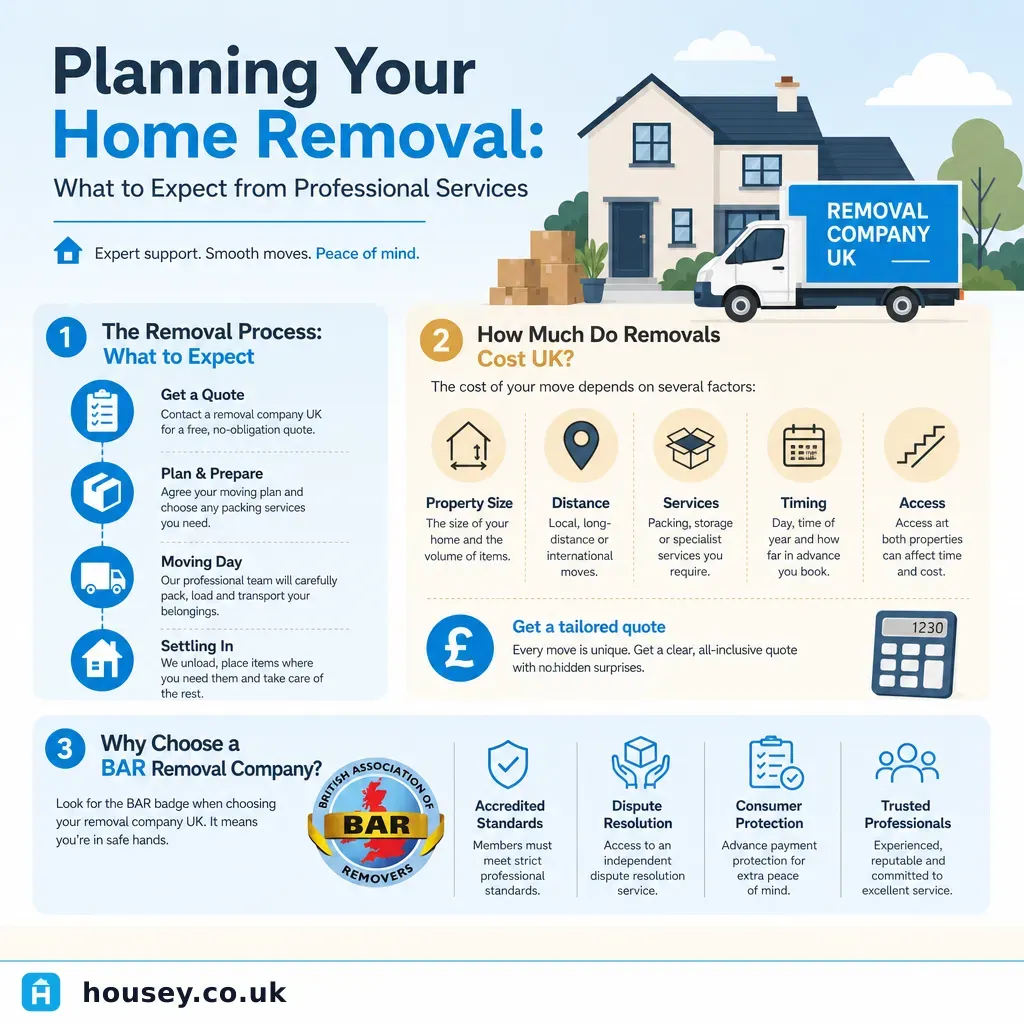
Planning Your Home Removal: What to Expect from Professional Services
A professional removal company loads, transports, and unloads your household belongings between properties.
 Buying & Moving
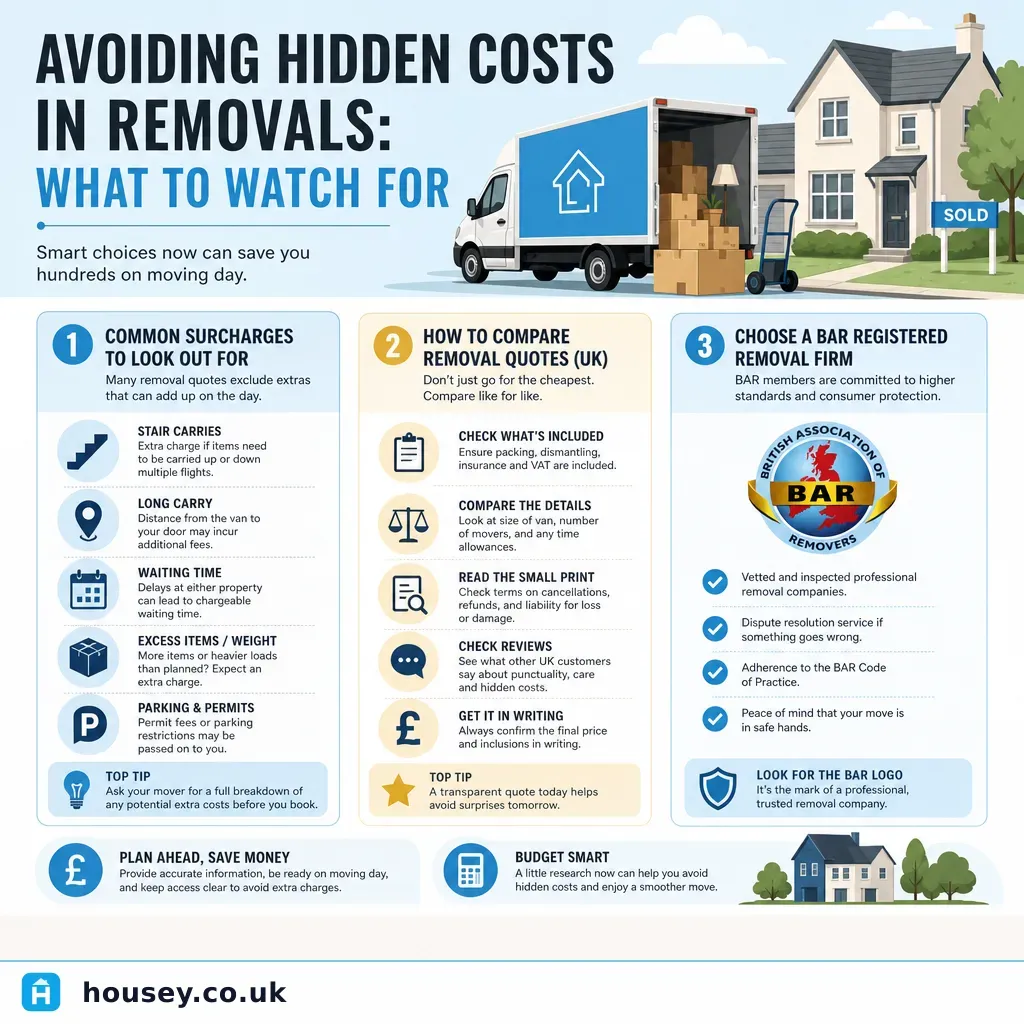
Avoiding Hidden Costs in Removals: What to Watch For
UK removal quotes often exclude packing materials, dismantling fees, parking surcharges, waiting time charges, and VAT from headline prices.
 Buying & Moving
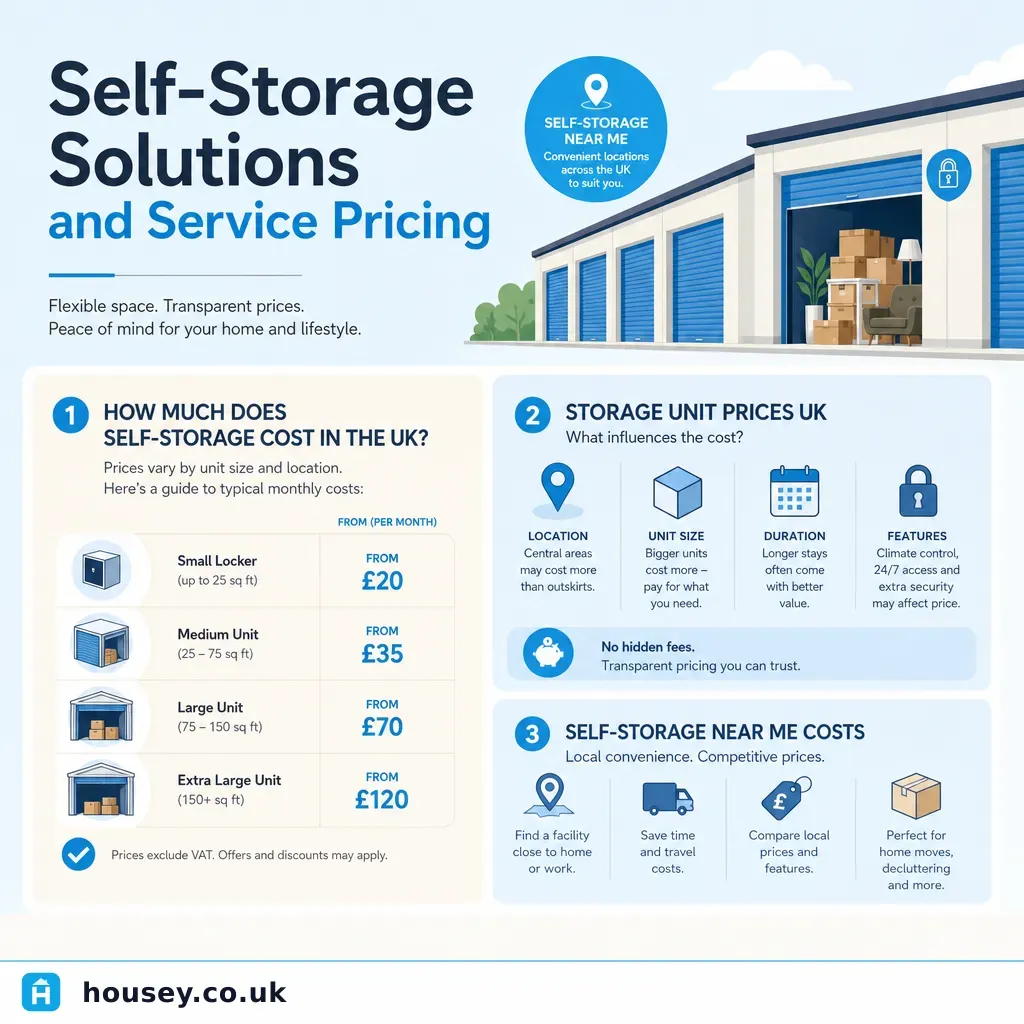
Self-Storage Solutions and Service Pricing
UK self-storage prices typically range from £8–£35 per week for small lockers to £80–£200 or more per week for large rooms in major cities.