Chattels and Personal Property in House Sales: Impact on Conveyancing Costs
By Housey · Last reviewed 25th of May 2026
Chattels and Personal Property in House Sales: Impact on Conveyancing Costs
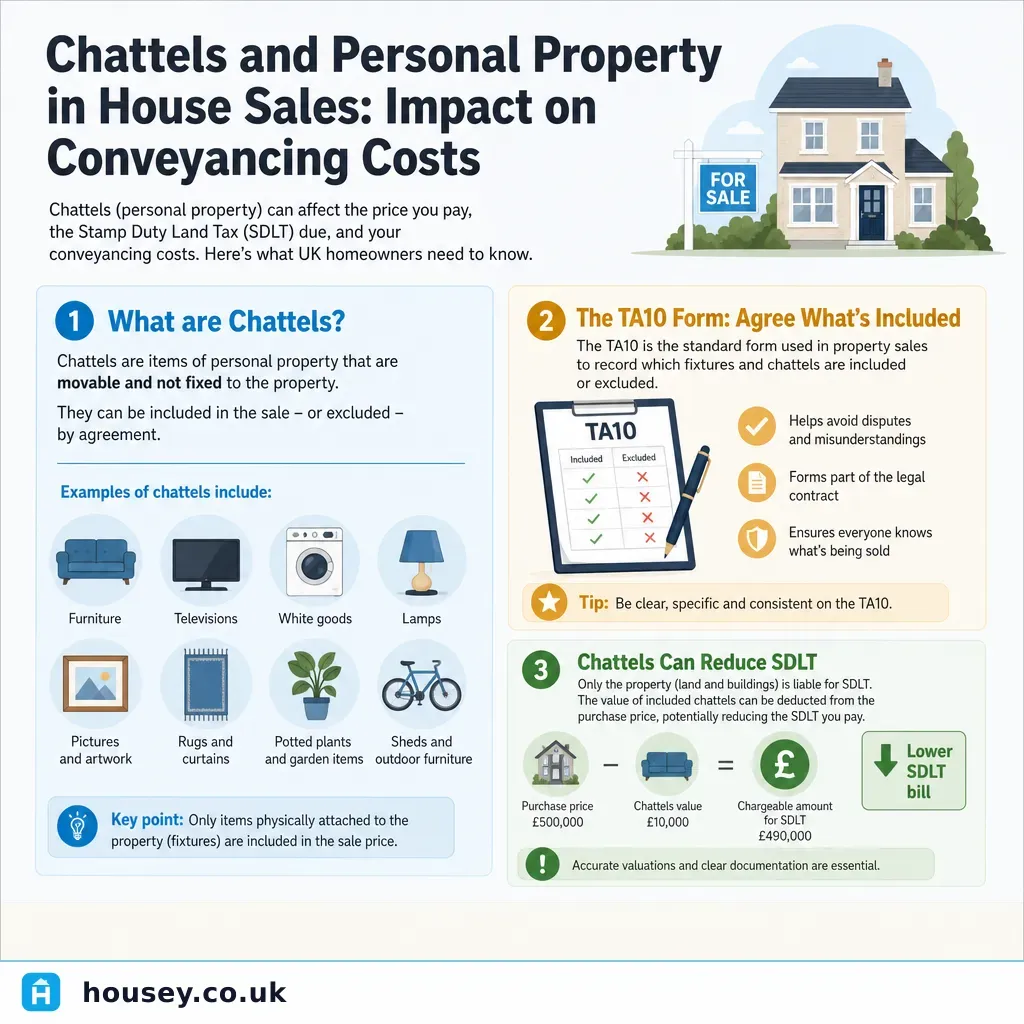
The question of what stays and what goes when you buy or sell a home is deceptively simple on the surface, yet disputes over fixtures and fittings are among the most common causes of last-minute friction in residential property transactions. The way personal property and chattels are documented and priced in the sale contract also has direct implications for Stamp Duty Land Tax, how valuers assess the property, and whether HMRC might scrutinise the transaction after completion.
Key points
- The TA10 Fixtures, Fittings and Contents form — a Law Society standard transaction form — is used in every residential sale in England and Wales to record precisely what is included and excluded from the sale price.
- Fixtures (items physically attached to the structure, such as fitted kitchens, bathroom suites, and boilers) pass with the property by default unless specifically excluded in the contract.
- Chattels (freestanding, moveable items such as appliances, garden furniture, and carpets) do not pass with the property unless specifically included and given a separate price in the contract.
- A separate chattel price in the sale contract may reduce the amount subject to Stamp Duty Land Tax (SDLT) — but HMRC scrutinises allocations that appear unrealistically high relative to genuine second-hand market value.
- Disputes over missing items on completion day — listed on the TA10 as included but removed by the seller — can delay completion and may require legal intervention to resolve.
Fixtures, fittings, and chattels: understanding the difference
Category | Definition | Common examples | Passes with property by default? |
|---|---|---|---|
Fixtures | Permanently attached to the fabric of the building | Fitted kitchen units, bathroom suite, built-in wardrobes, boiler, radiators | Yes — unless specifically excluded in the contract |
Fittings | Attached but removable without significant structural damage | Curtain poles, bathroom mirrors, most light fittings, door handles | Generally yes — but can be excluded via the TA10 |
Chattels | Freestanding and moveable; not attached to the structure | Fridge-freezer, washing machine, garden shed, freestanding furniture, carpets | No — only included if listed and priced separately |
The distinction matters because mortgage valuers assess the property excluding freestanding items, and SDLT applies only to the property element of the price. Fittings occupy an ambiguous middle ground — which is precisely why the TA10 form exists, to remove that ambiguity by agreeing in writing what each party intends.
How chattels affect Stamp Duty Land Tax
When the sale contract attributes part of the total purchase price to chattels, SDLT is calculated on the remainder — the price attributable to the property itself. This can produce a genuine tax saving where the purchase price straddles an SDLT rate band threshold.
Worked UK property scenario: A buyer and seller agree a total price of £320,000 for a three-bedroom semi-detached house in Leeds. The seller agrees to leave the fridge-freezer, washing machine, tumble dryer, and the contents of the garden shed, and both parties attribute a price of £3,000 to these items. The sale contract records £317,000 as the property price and £3,000 for the chattels. The SDLT return is prepared on £317,000. The £3,000 reduction falls within the 5% rate band (applicable on the portion above £250,000 under standard residential SDLT rates in England; check GOV.UK for current rates), saving the buyer £150. The saving is modest, but the allocation is realistic relative to genuine second-hand values, so an HMRC challenge is unlikely.
HMRC will accept a chattel allocation that is genuine and reflects reasonable second-hand market value. What HMRC may challenge is an allocation that is plainly inflated — for example, attributing £25,000 to a mix of appliances and curtains in a £500,000 transaction.
Red flags: when HMRC may challenge a chattel allocation
- The chattel value is disproportionately large relative to the items listed — for example, more than approximately 5% of the purchase price for standard household contents.
- The allocated items are not individually specified — a vague reference to "contents" without an itemised list.
- The TA10 form and the chattel sum stated in the contract are inconsistent with each other.
- The transaction straddles an SDLT threshold and the chattel allocation appears engineered to bring the property price just below it.
- The items have no identifiable second-hand market value remotely commensurate with the allocated price.
- The seller retains the items at completion — that is, the chattel allocation was never genuine.
If any of the above apply to your transaction, your solicitor should advise on the SDLT risk before contracts are exchanged.
What the TA10 form covers
The TA10 is completed by the seller and reviewed by both parties' solicitors before exchange of contracts. It works through the property room by room and records, for each category of item, whether it is included in the sale price, excluded (i.e., the seller is removing it), or available for separate purchase at an agreed price documented in the contract.
Items covered include: kitchen appliances, carpets, curtains and blinds, light fittings, garden items and outdoor structures such as sheds or greenhouses, and fitted bedroom furniture. Buyers should read the completed TA10 carefully before exchange, as it is legally binding once incorporated into the contract.
What happens if items are missing on completion day
If items listed on the TA10 as included are absent on completion day, the seller is in breach of contract. In practice, the most common resolution is a financial deduction from the seller's completion statement — an amount agreed between solicitors at the last moment to cover the replacement cost of the missing items. In more serious cases, the buyer may refuse to complete until the matter is resolved, which can have knock-on consequences throughout a chain. Your solicitor can advise on your options if items are absent.
Important limitations
This article provides general information about how chattels and personal property are handled in residential property sales in England and Wales. SDLT rates, thresholds, and HMRC practice can change; always check current HMRC SDLT guidance for rates and thresholds applicable to your transaction. Nothing here constitutes legal or tax advice. You should instruct a qualified solicitor to advise on both the contractual and SDLT implications of any chattel allocation in your specific transaction.
When this becomes urgent
Seek professional advice promptly if:
- The chattel allocation proposed in your draft contract is large or appears inconsistent with genuine second-hand values.
- There is a disagreement between buyer and seller about which items are included or excluded.
- Items listed on the TA10 as included have been removed by the seller before completion.
- You are uncertain whether a specific item is a fixture (included by default) or a chattel (excluded unless stated).
- HMRC has queried the chattel allocation in your SDLT return.
What to ask a qualified professional
Before finalising a property purchase or sale that includes a chattel allocation, ask your solicitor:
- Is the proposed chattel allocation realistic relative to the genuine second-hand market value of the listed items?
- Does the TA10 form accurately match the chattel price stated in the sale contract?
- Are there any items on the TA10 that might be considered fixtures and could be disputed?
- What is my legal position if the seller removes an item listed as included before completion?
- Will you review the SDLT position given the chattel allocation and advise on any challenge risk?
How Housey can help
Housey connects buyers and sellers with regulated conveyancers who can review the TA10, advise on chattel allocations, and prepare the SDLT return correctly. Find a qualified professional through our conveyancing service.
Frequently asked questions
What is the difference between a fixture and a chattel in a house sale?
A fixture is permanently attached to the fabric of the property — a fitted kitchen, bathroom suite, or boiler — and passes with the property by default unless specifically excluded in the contract. A chattel is a moveable, freestanding item — such as a washing machine, garden furniture, or carpets — that does not pass with the property unless specifically included in the sale contract and listed on the TA10 form.
How do chattels affect Stamp Duty Land Tax?
If the sale contract attributes a separate, genuine market-value price to chattels, SDLT is calculated only on the property element of the purchase price. This can produce a saving where the price straddles an SDLT rate band. However, HMRC can challenge allocations that appear unrealistically high, so the chattel price should reflect genuine second-hand value and be clearly itemised in both the TA10 and the contract.
What happens if items on the TA10 are missing on completion day?
If items the seller agreed to include are absent at completion, the seller is in breach of contract. This is usually resolved by a financial deduction from the seller's completion proceeds, agreed between the parties' solicitors. If the issue cannot be resolved quickly, the buyer may decline to complete — with potential consequences for any property chain. Your solicitor will advise on the most practical course of action.
Can HMRC investigate a chattel allocation in a property sale?
Yes. HMRC can open an enquiry into an SDLT return and challenge a chattel allocation that appears unrealistically high. If a challenge succeeds, the buyer may face additional SDLT, interest charges, and potentially penalties. Your solicitor should ensure any allocation is supportable by reference to genuine second-hand market values and is consistently documented in the TA10 and the sale contract.
Sources and further reading
- Stamp Duty Land Tax — GOV.UK / HMRC
- SDLT: calculating the chargeable consideration — GOV.UK / HMRC
- Law Society: transaction forms (TA6, TA10) — The Law Society
- Citizens Advice: buying a home — Citizens Advice
Useful next reads
 Buying & Moving
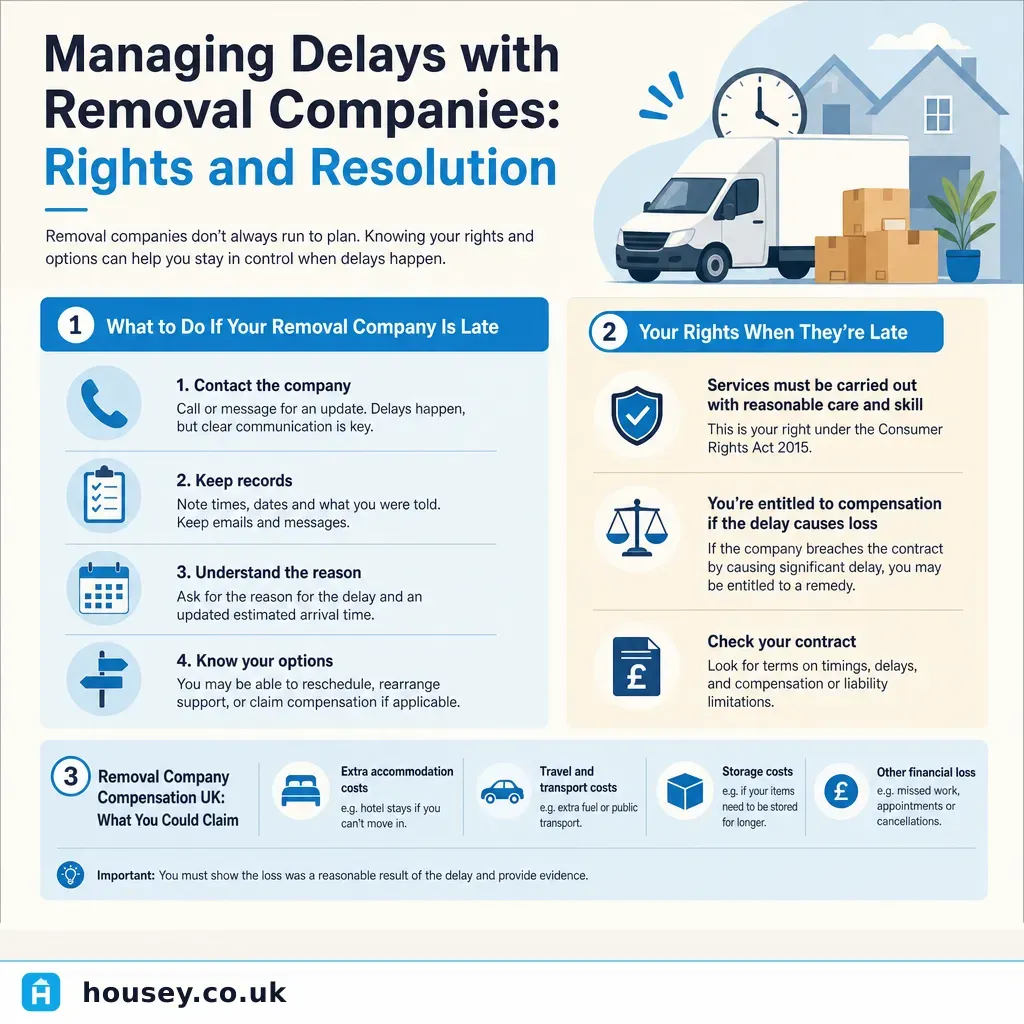
Managing Delays with Removal Companies: Rights and Resolution
If a removal company is late, your rights depend on your contract and whether the company is BAR-registered.
 Buying & Moving
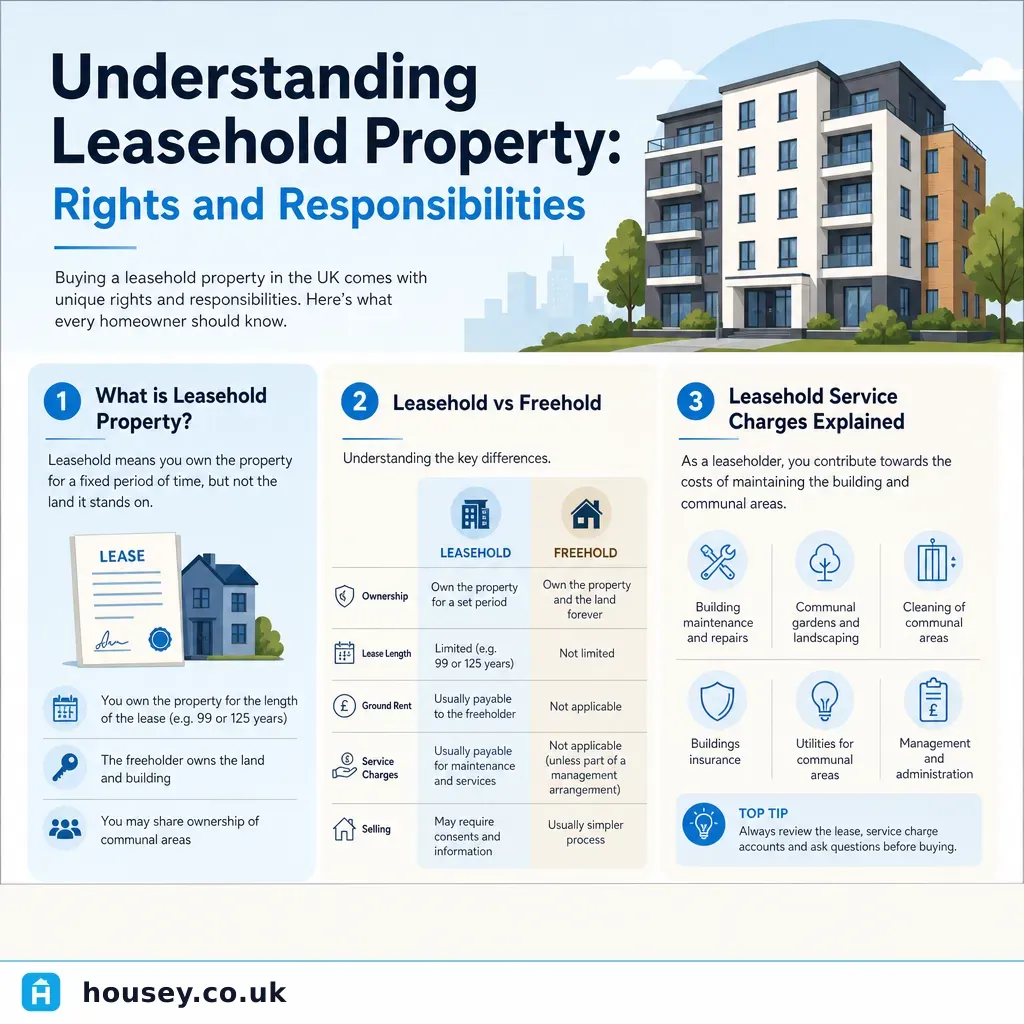
Understanding Leasehold Property: Rights and Responsibilities
Leasehold means you own a time-limited interest in a property while the freeholder owns the land and building.
 Buying & Moving
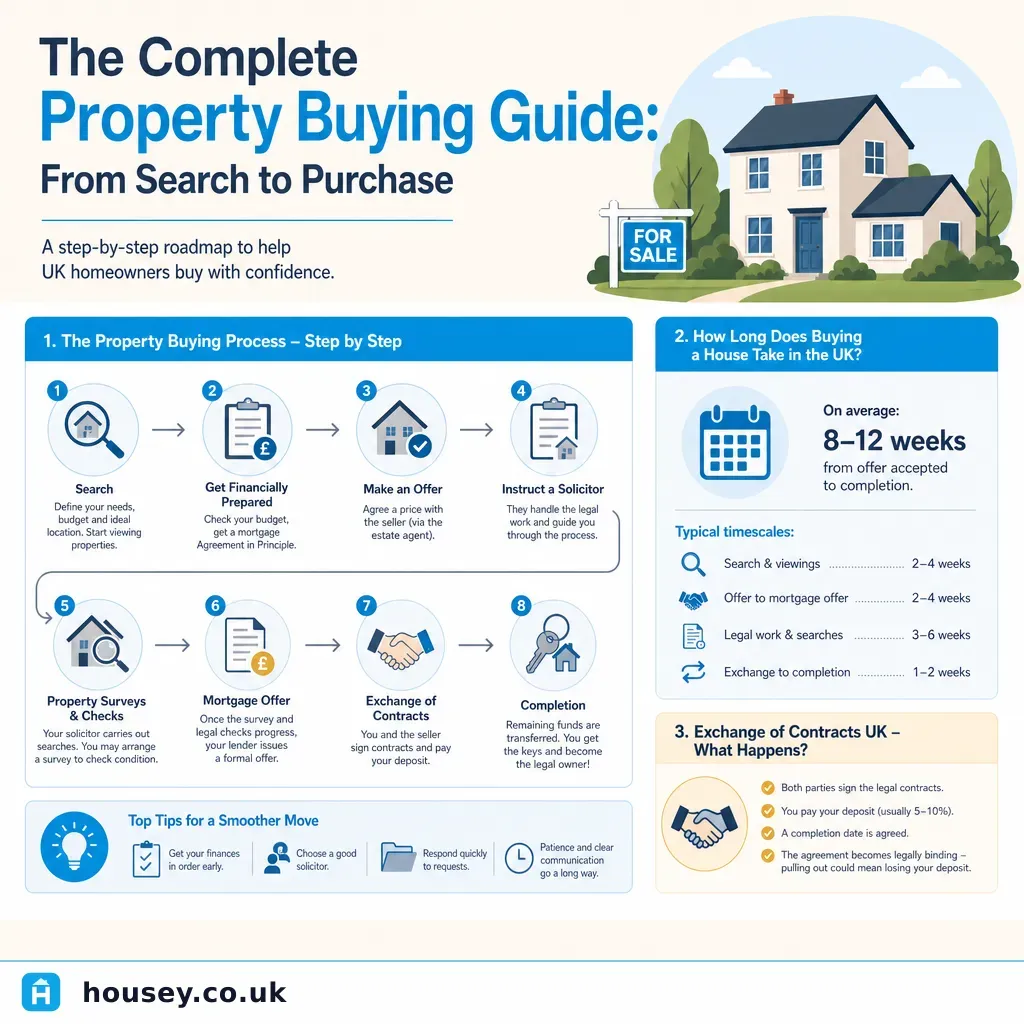
The Complete Property Buying Guide: From Search to Purchase
Buying a property in England and Wales typically takes 3–6 months from accepted offer to completion.
 Buying & Moving
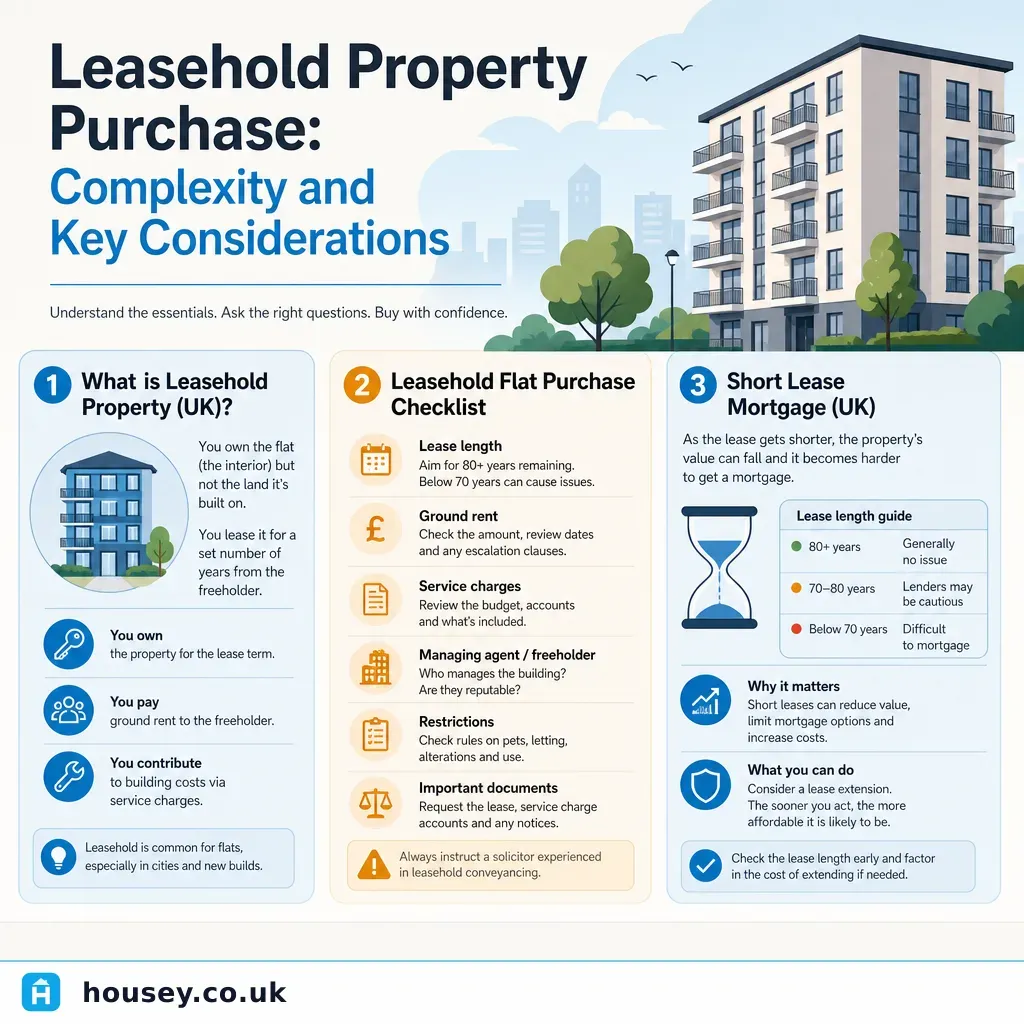
Leasehold Property Purchase: Complexity and Key Considerations
Buying a leasehold property means purchasing the right to occupy for a fixed term rather than owning the land outright.
 Buying & Moving
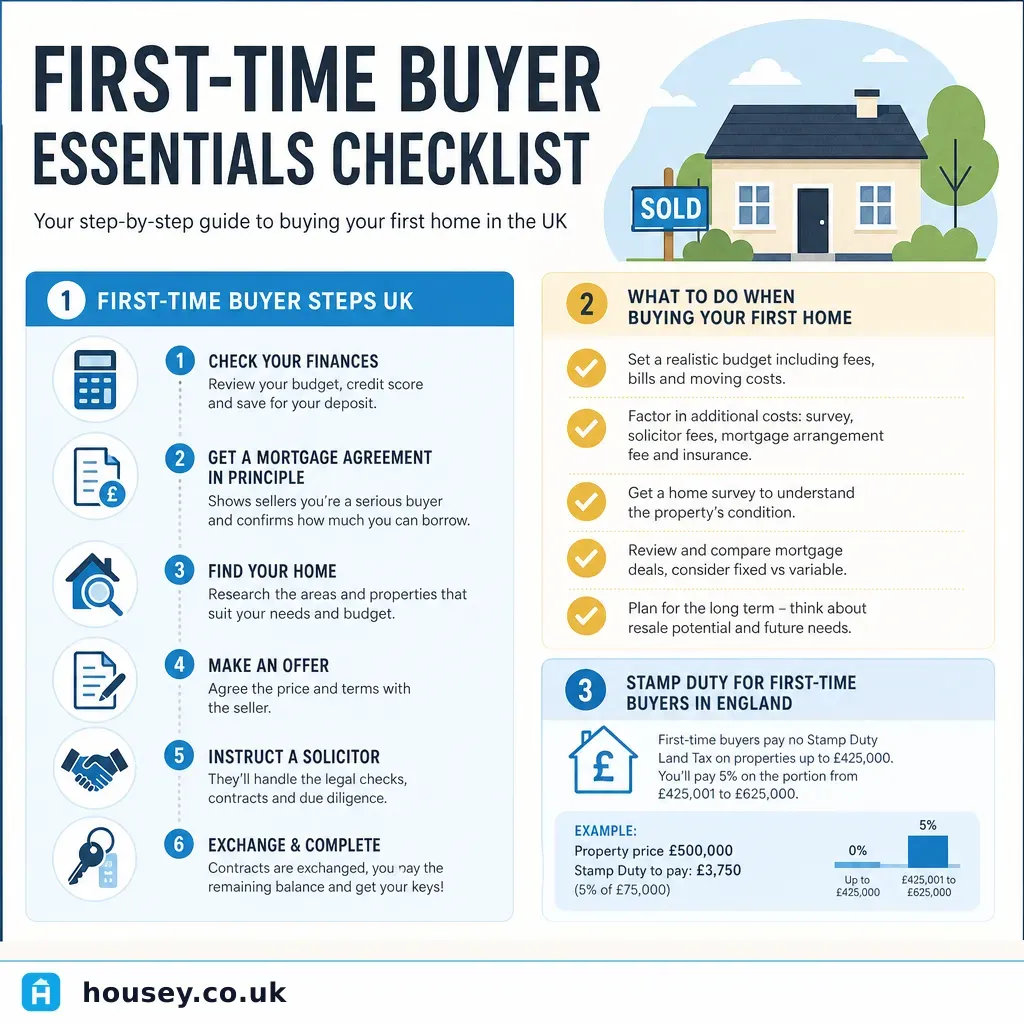
First-Time Buyer Essentials Checklist
Buying your first home involves obtaining a mortgage in principle, making an offer, instructing a solicitor, arranging a survey, and exchanging contracts before completion.