Dealing with a broken window in an emergency
By Housey · Last reviewed 11th of May 2026
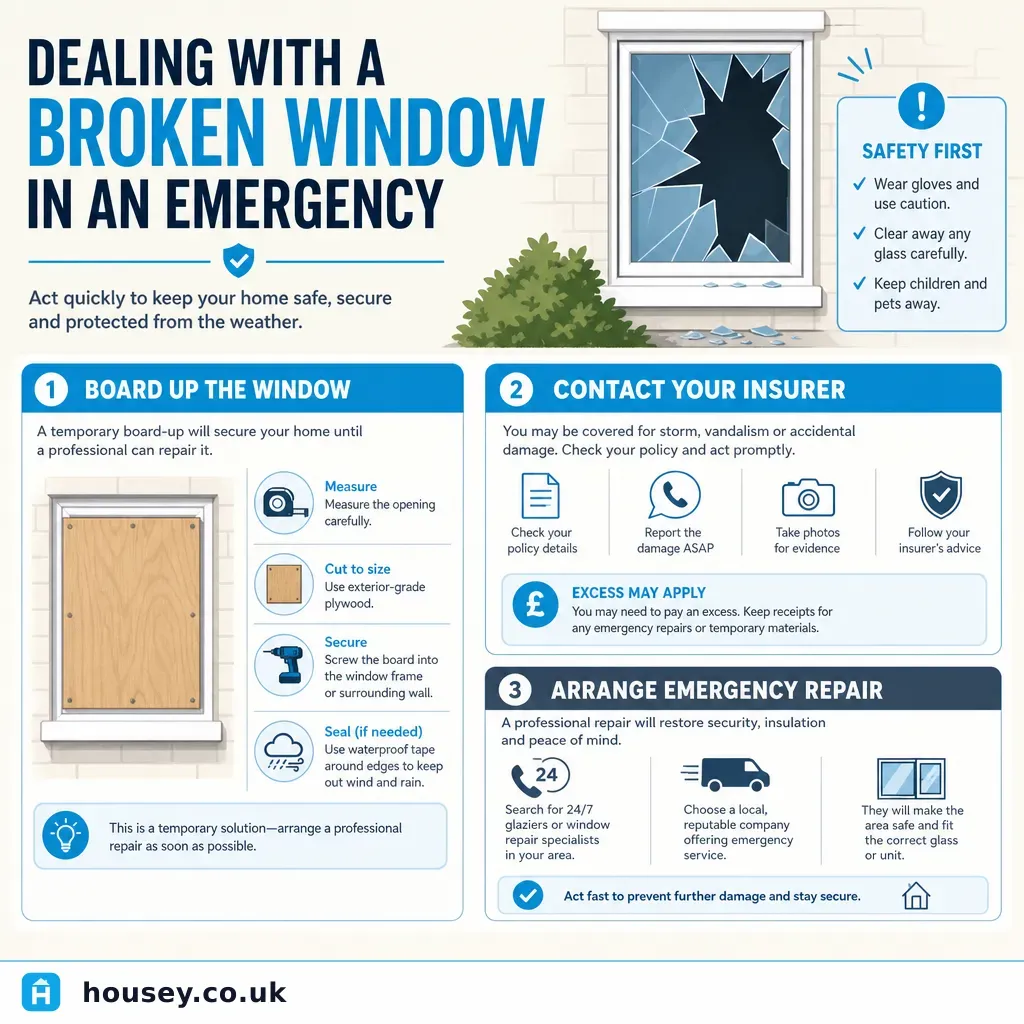
Dealing with a broken window in an emergency
A broken window — whether from a storm, an accident, or an attempted break-in — demands prompt attention to protect occupants from injury, the property from weather and water ingress, and the home from security risk. The immediate priority is safety and containment; the days that follow involve selecting the right permanent replacement, meeting Building Regulations requirements, and handling any insurance claim correctly.
Key points
- In England and Wales, replacement windows must be installed by a FENSA- or Certass-registered company, or building regulations approval obtained separately — failure to comply can complicate a future property sale.
- Safety glazing (toughened or laminated glass to BS EN 12150 or BS EN ISO 12543) is required by Building Regulations Part N in critical locations, including glazing in or beside doors and any glass below 800 mm from floor level.
- Standard buildings insurance often covers accidental or storm damage to windows — check your policy excess and any deadline for reporting a claim before instructing a glazier.
- For rented properties, the landlord is generally responsible for repairing broken windows caused by fair wear and tear or structural causes; a tenant is typically liable for damage they caused.
- Plywood (9–12 mm) or heavy-duty polythene sheeting is an effective temporary seal, but should not be left in place for extended periods without considering the impact on ventilation, particularly in rooms prone to condensation.
Step 1: make the area safe immediately
Homeowner checklist: immediate actions after a window breaks
For upper-storey windows, do not lean out to collect external glass yourself — this is a task for a professional glazier with appropriate access equipment and fall-arrest systems.
Step 2: temporary measures to secure the opening
Once loose glass has been cleared, seal the opening to exclude weather, reduce heat loss, and deter entry:
Option A — Polythene sheeting: Use heavy-duty polythene (available from builders' merchants) cut to overlap the frame by at least 15 cm on each side, secured with self-adhesive weatherproof tape applied to the exterior of the frame. Suitable for small to medium openings in mild to moderate weather.
Option B — Plywood or OSB board: For larger openings, or after a break-in where security is a concern, fix a sheet of 9–12 mm plywood or oriented strand board (OSB) over the opening. For ground-floor windows, this also provides a physical deterrent against further intrusion.
Option C — Security film: Adhesive security film from glazing suppliers can reinforce a cracked but intact pane temporarily, reducing the risk of further shattering before a replacement unit arrives.
Keep ventilation in mind: boarding reduces natural air exchange. In rooms used for sleeping or where condensation is a concern, maintain some airflow via a trickle vent or by briefly opening another window each day.
Step 3: contact your insurer before instructing a glazier
Before commissioning any permanent repair:
- Check whether your buildings or contents policy covers accidental or storm damage to windows — most standard policies include this, though excess levels vary considerably.
- Note any reporting deadline in your policy — some insurers require notification within 24–72 hours of the damage occurring.
- Ask whether your insurer has a preferred glazier network; using an approved contractor may simplify the claims settlement process.
- Photograph the damage thoroughly before any clean-up or temporary boarding — clear images support your claim and may be required by your insurer.
- If the break resulted from a break-in, obtain a crime reference number from the police before contacting your insurer.
If your policy excess is close to or higher than the likely repair cost, paying for the replacement yourself avoids any impact on your renewal premium.
Step 4: finding the right glazier for permanent replacement
Decision tree: which professional do you need?
- Sealed double-glazed unit broken, frame intact? → A local glazier can replace the glass unit without replacing the frame.
- Frame damaged or rotten alongside the glass? → A full window installer is needed for a frame-and-glass replacement.
- Property in a conservation area? → Check with your local planning authority before replacing — UPVC may not be permitted and like-for-like materials may be required.
- Listed building? → Listed building consent may be required even for a like-for-like repair — consult your local planning authority and conservation officer before instructing anyone.
- Window in an extension or altered opening? → Building regulations apply; use a FENSA- or Certass-registered installer.
- Rented property? → Report to your landlord in writing immediately; they are responsible for the repair if the damage was not caused by the tenant.
Building regulations and FENSA
In England and Wales, replacement windows must comply with Building Regulations Part L (thermal performance) and Part N (safety glazing in critical locations). The most straightforward route to compliance is using a FENSA- or Certass-registered installer — they self-certify the work and issue a compliance certificate on completion. Keep this certificate, as it will be required when the property is sold.
If you use an unregistered installer, you must apply to your local authority for building regulations approval separately, adding cost and delay. In Scotland, replacement glazing is governed by the Building Standards system — consult your local authority.
What to ask before accepting a glazier's quote
- Are you FENSA or Certass registered, and will you provide a compliance certificate on completion?
- Is the quote for a like-for-like replacement, or are you changing the frame material or configuration?
- What glass specification are you proposing? (Confirm compliance with BS EN 12150 or BS EN ISO 12543 for safety-critical locations.)
- Is VAT included in the quote?
- What is the lead time for the glass unit? Is a temporary make-safe service available in the interim?
- What guarantee do you offer on the sealed unit and the installation workmanship?
When to get professional help
Always instruct a professional glazier or window installer for permanent glass replacement — cutting and fitting glass requires specialist tools, training, and safety equipment. Additionally:
- Report a break-in to the police before instructing a glazier; obtain a crime reference number for your insurer.
- For large plate glass panels, bay windows, or structural glazing, use a glazier with specific experience in those installation types.
- If the window frame appears structurally compromised — cracked lintels, visible settlement, or bowing masonry — consult a structural engineer or RICS-chartered surveyor before any glazing work proceeds.
- For listed buildings, always check with your local planning authority and conservation officer before instructing any glazing contractor.
How Housey can help
Housey connects homeowners with vetted window and door installers across the UK. Submit a job request on Housey to compare quotes from FENSA-registered glaziers and window specialists in your area — and ensure your broken window is repaired with the correct compliance documentation in place.
Frequently asked questions
Do I need planning permission to replace a broken window?
In most cases in England, no — window replacement is permitted development and does not require a planning application, provided the replacement does not materially alter the external appearance. Conservation areas and listed buildings are exceptions: restrictions apply and consent may be required even for a like-for-like repair. Always check with your local planning authority if you are unsure.
What type of glass is legally required for replacement windows?
Building Regulations Part N requires safety glazing — toughened glass to BS EN 12150 or laminated glass to BS EN ISO 12543 — in critical locations: glazing in or beside doors, windows below 800 mm from floor level, and glazing adjacent to stairs. Your glazier is responsible for specifying the correct glass for each location — ask them to confirm compliance in writing as part of your quote.
How long can I leave a window boarded up?
There is no statutory time limit, but mortgage lenders and home insurers may impose their own requirements — check your policy and mortgage terms. Some local authorities also have powers to serve notices on properties left in a state of disrepair. Aim for permanent replacement within a few days where possible, particularly for ground-floor or security-critical openings.
Will making an insurance claim for a broken window affect my premium?
It may. A single accidental damage claim can influence your renewal premium, though the extent varies by insurer and claims history. If the repair cost is close to your policy excess, paying out of pocket avoids any potential premium impact. Ask your insurer to explain the implications before formally submitting a claim.
Sources and further reading
- FENSA: check a registered installer — FENSA (Fenestration Self-Assessment Scheme)
- Building Regulations Approved Document N: glazing safety — GOV.UK
- Building Regulations Approved Document L: conservation of fuel and power — GOV.UK
- Windows in listed buildings — Historic England
- Getting repairs done in rented housing — Citizens Advice
Useful next reads
 Improvement & Build
Who to Contact for Broken Door Handle Repair
For a broken door handle, a general handyperson can handle most internal timber door repairs, while a joiner or locksmith is better suited to external doors, particularly if the lock mechanism is affected.
 Improvement & Build
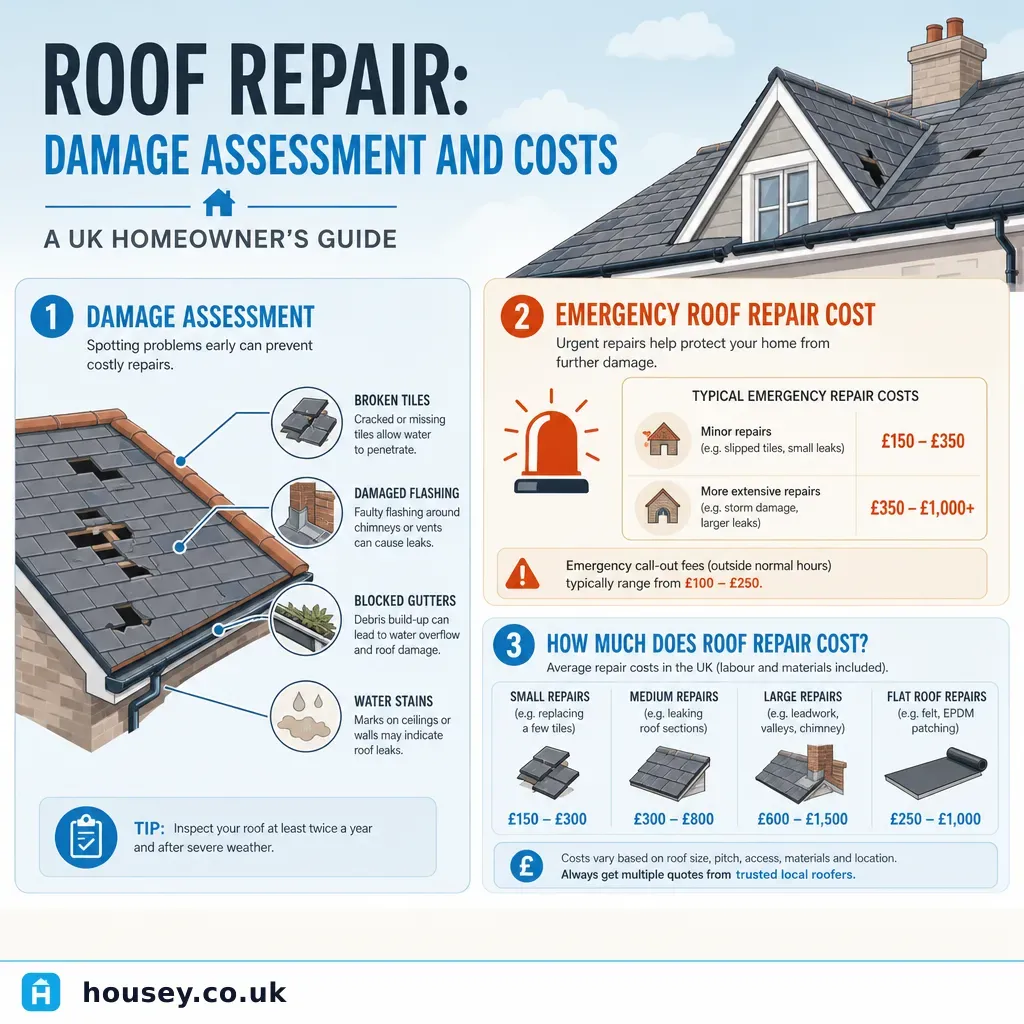
Roof Repair: Damage Assessment and Costs
Most roof repairs — replacing slipped tiles, re-bedding ridge tiles, or patching flashing — are straightforward maintenance jobs that do not require planning permission.
 Improvement & Build
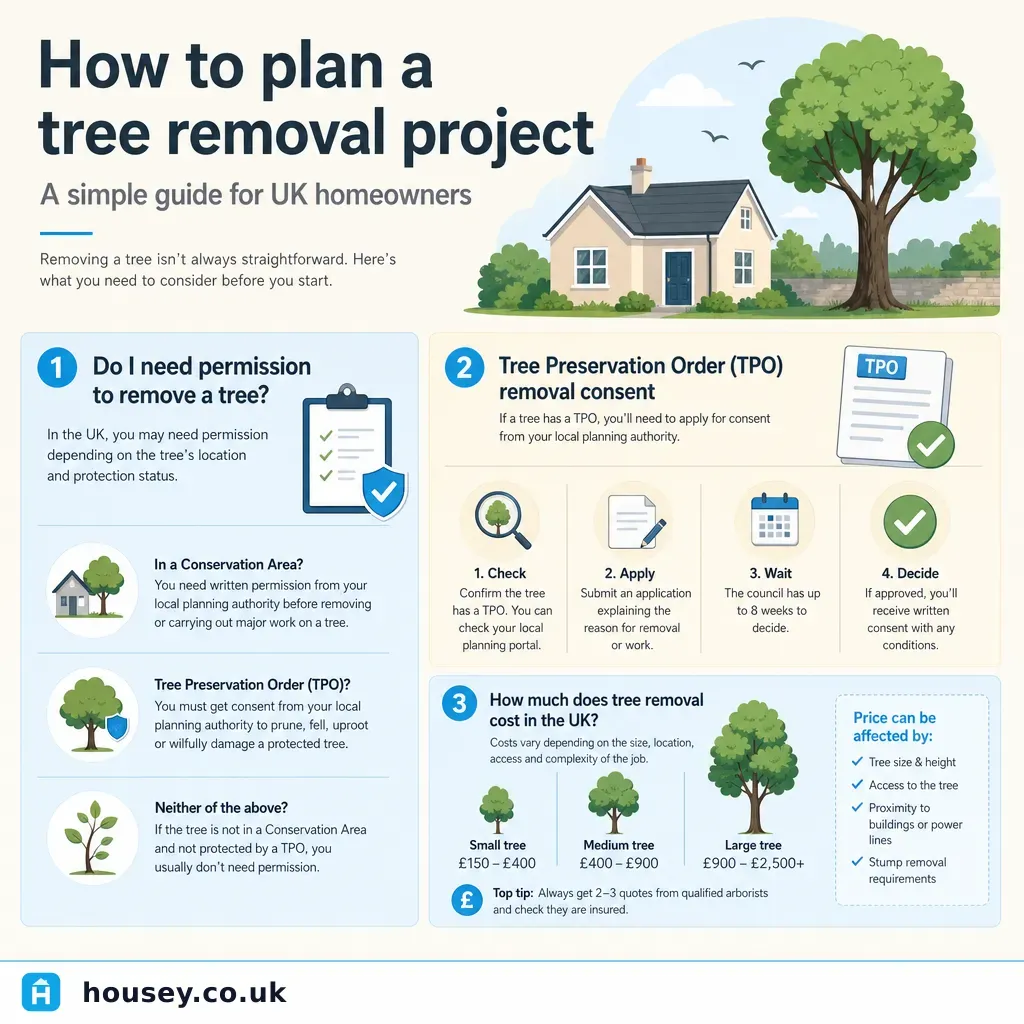
How to plan a tree removal project
Planning a tree removal project starts with checking whether the tree is protected by a Tree Preservation Order or sits in a conservation area, as both require council consent before any work begins.
 Improvement & Build
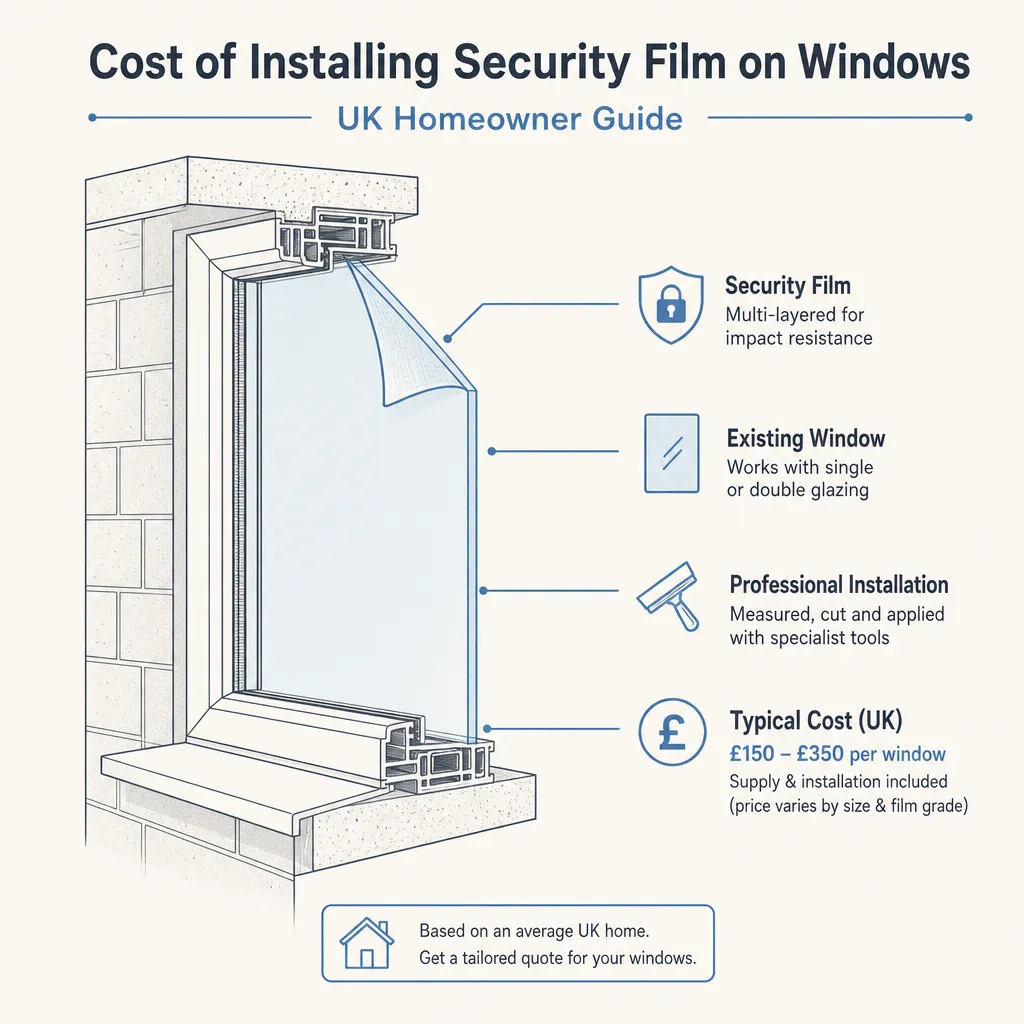
Cost of Installing Security Film on Windows
Security film for windows in the UK typically costs £25–£60 per m² for supply and professional installation, depending on film specification and window count.
 Improvement & Build
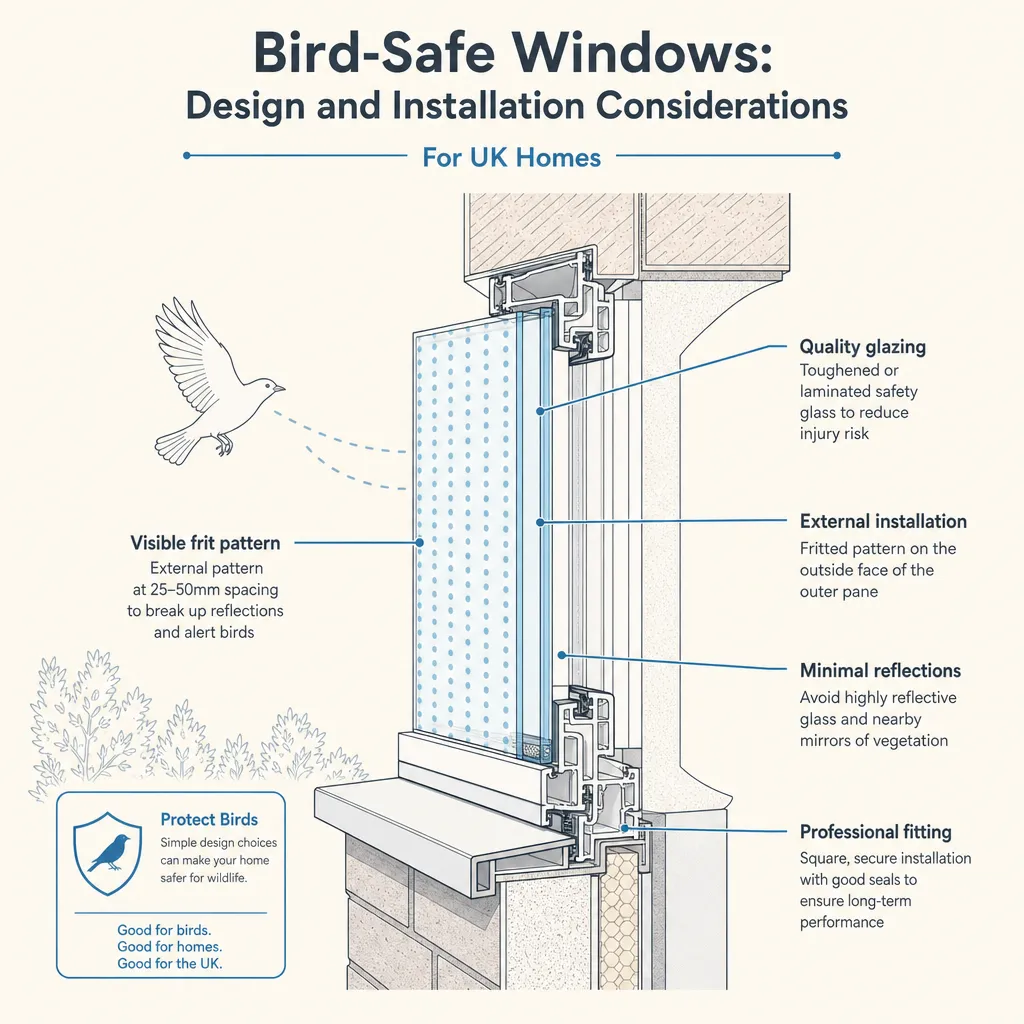
Bird-Safe Windows: Design and Installation Considerations
Bird-safe windows use patterns, coatings, or films on the exterior glazing surface to make glass visible to birds in flight.