Bird-Safe Windows: Design and Installation Considerations
By Housey · Last reviewed 8th of May 2026
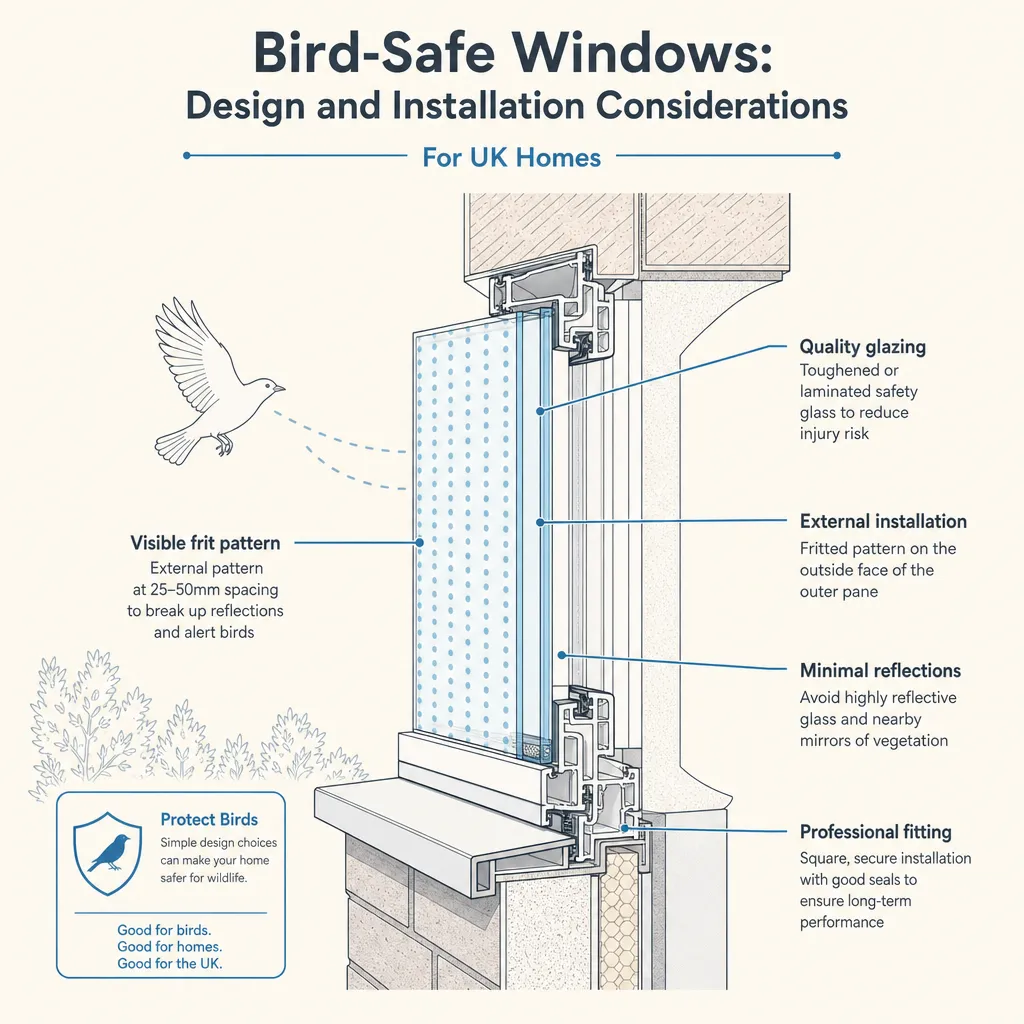
Bird-Safe Windows: Design and Installation Considerations
Large areas of glazing — bifold doors onto a garden, floor-to-ceiling extension windows, or a new conservatory — are among the most sought-after features in modern UK home improvements. Yet transparent and reflective glass is genuinely dangerous to birds, which cannot perceive it as a solid barrier. As glazed extensions become more common and as planning authorities increasingly apply biodiversity conditions to new residential development, understanding how bird-safe glazing works and when to specify or retrofit it is a practical consideration for any homeowner planning building work.
Key points
- Bird-safe treatments must be on or incorporated into the exterior face of the glazing — patterns on inner panes or inside the sealed unit cavity are far less effective because birds respond to what they see from outside.
- The '2×4 rule' — pattern elements no more than 5 cm apart horizontally and 10 cm vertically — is the widely referenced minimum spacing for effective visual deterrence, established by the American Bird Conservancy and adopted by many UK designers.
- Since February 2024, most new residential developments in England must deliver a mandatory 10% biodiversity net gain (BNG) under the Environment Act 2021; bird-safe glazing can form part of BNG mitigation measures.
- Fritted glass (a ceramic pattern fired into the surface during manufacture) is the most durable solution but must be specified before the unit is made — it cannot be added afterwards.
- Retrofit external window film is the most accessible option for existing glazing, with a typical service life of 5–10 years in UK conditions.
Why birds strike windows
Birds cannot instinctively detect glass as a solid surface. Two situations create the greatest risk at residential properties:
Transparent glass presents an unobstructed view of sky, vegetation, or garden beyond the window. Birds fly toward what they see rather than registering the pane in front of them.
Reflective glass mirrors the surrounding landscape. Tinted, solar-control, and low-emissivity glazing commonly used in modern extensions can produce a convincing reflection of open habitat.
Risk is higher when windows face a garden, bird feeder, or mature trees; when two opposing windows create a perceived fly-through corridor; when individual panes exceed around 1 square metre without visual interruption; or when roof lights are installed without a pattern treatment.
Types of bird-safe glazing available in the UK
Type | How it works | Durability | Retrofit? | Notes |
|---|---|---|---|---|
Fritted glass | Ceramic dot or line pattern fired into surface during manufacture | Permanent | No — must be specified before manufacture | Most common choice for extensions and replacement windows |
Etched glass | Acid-etched pattern creating semi-frosted surface | Permanent | No | Also provides privacy; available in bespoke patterns |
UV-reflective glass | Integral coating reflects UV light visible to birds, not humans | Permanent | No for integral coating | Virtually invisible to occupants; less widely stocked in UK |
External retrofit film | Adhesive patterned film applied to outer glass face | 5–10 years | Yes | Lower cost; must be applied to exterior surface |
External screen or mesh | Physical barrier fitted outside frame | Long-lasting | Yes | Effective but visually prominent |
Indicative product descriptions, last reviewed 2026-05-08. Costs vary by specification and supplier — obtain itemised quotes from at least two or three installers.
Which situations most often call for bird-safe glazing?
Higher priority:
- Large glazed extensions, orangeries, or garden rooms facing open garden, feeding areas, or trees
- Bifold or sliding door sets where glass aligns with a view through to sky or garden
- Conservatories, particularly those with roof glazing
- New builds or extensions in England subject to biodiversity net gain conditions
- Properties near SSSIs, Local Nature Reserves, or ecological corridors where the LPA applies planning conditions
Lower priority:
- Small windows in dense urban settings with little garden or tree proximity
- Upper-storey windows with limited bird flight paths
- Windows facing walls, solid fencing, or hard landscaping
Design and installation considerations
Specify early. Fritted, etched, and UV-reflective treatments are incorporated during manufacture. If bird-safe glazing is a priority or a planning requirement, raise it with your architect or window installer at the earliest opportunity — changes after manufacture are not possible.
Surface 1 is critical. For double or triple glazing, the treatment must be on surface 1 — the outermost face of the outer pane. Patterns elsewhere in the unit provide little deterrence to birds approaching from outside.
Roof lights. Overhead glazing carries high strike risk because birds cannot adjust their trajectory downward quickly enough. Apply the 2×4 rule to roof lights and specify treatment on the exterior surface.
Safety glazing compliance. Where glazing forms part of a balustrade or other critical location under Approved Document K, any bird-safe treatment must not compromise the required safety specification. Your installer should confirm compliance before ordering.
Retrofit options for existing windows
If you have standard windows and are experiencing bird strike incidents, retrofit external film is the most practical solution without replacing the unit.
- Confirm the product is designed for exterior use — interior films are much less effective
- Check pattern spacing meets the 2×4 rule
- Transparent dot or stripe films are less visually intrusive than opaque options
- Check adhesive compatibility with any low-emissivity coating on the glass
- Budget for replacement every 5–10 years in UK weather conditions
Other approaches include external insect mesh, multiple close-spaced decals covering the full pane (single large stickers are not effective), and closely spaced external hanging strings — effective but visually prominent.
Planning and regulatory context
Biodiversity Net Gain: Since February 2024, most new residential developments in England must meet a mandatory 10% BNG under the Environment Act 2021. Bird-safe glazing can contribute to the biodiversity metric. Confirm with your planning consultant or ecologist whether it is relevant to your development.
Planning conditions: Where a site is near a SSSI or a green corridor, the local planning authority may impose a specific condition requiring bird-safe glazing. Check any planning permission conditions carefully before specifying products.
Conservation areas and listed buildings: Glazing in these contexts requires LPA consent. Any bird-safe product must be compatible with the consented window type — confirm with your conservation officer before ordering.
Approved Documents L and K: Replacement glazing must meet thermal performance standards under Part L and safety requirements under Part K. Bird-safe treatments must not cause the unit to fall outside these standards.
What to ask a window installer about bird-safe glazing
Before instructing a contractor, ask:
- Which bird-safe products do you supply, and on which surface of the unit does the treatment sit?
- Does the pattern meet the 2×4 rule — no more than 5 cm horizontally and 10 cm vertically?
- What light transmission percentage does the treated glass achieve?
- Can you confirm the treatment is on surface 1 — the exterior face of the outer pane?
- Can you provide a sample or a reference installation to view?
- Does the unit comply with Approved Document K for safety glazing in critical locations?
- Does the specification meet Approved Document L thermal performance requirements?
- Are there planning or ecological conditions on my site specifying a particular glazing standard?
- What warranty does the treatment carry, and is the sealed unit warranty affected?
When to get professional help
Seek professional advice if:
- Your planning permission references ecological mitigation — a qualified ecologist may need to confirm the glazing meets the condition.
- The windows are in a listed building or conservation area requiring specific consent.
- You are specifying glazing for a structural assembly, roof light, or balustrade application.
- Your site is within or adjacent to a SSSI and you are uncertain whether a planning condition applies.
How Housey can help
If you are planning a glazed extension, conservatory, or replacement windows with bird-safe specifications, Housey can connect you with qualified window and door installers across the UK who can advise on product options, supply fritted or treated glazing units, and ensure installation meets Building Regulations requirements.
Frequently asked questions
Is bird-safe glazing a legal requirement in the UK?
Not universally. Building Regulations do not currently mandate bird-safe glazing for all residential developments. However, planning conditions — particularly on sites near SSSIs, Local Nature Reserves, or where mandatory biodiversity net gain applies under the Environment Act 2021 — may require it. Check with your local planning authority if your site carries ecological designations.
Do window stickers prevent bird strikes?
A single large sticker is not effective. Birds do not reliably avoid isolated objects; they need to perceive the whole pane as a solid barrier. Effective deterrence requires multiple elements covering the full glass surface with no gap wider than 5 cm horizontally or 10 cm vertically, applied to the exterior face of the glazing.
Can I apply bird-safe window film myself?
External-application films are available for DIY fitting, but bond quality depends on thorough cleaning and correct technique. Follow the manufacturer's instructions carefully. For large glazed areas, professional fitting typically produces a longer-lasting result — most exterior films last 5–10 years in UK weather conditions before replacement is needed.
Does bird-safe glazing significantly reduce natural light?
Most fritted and patterned glass products retain 85–90% light transmission, so the visual impact is minimal in most settings. Heavily patterned or frosted options reduce light more noticeably. UV-reflective coatings are designed to be imperceptible to the human eye. Discuss light transmission percentages with your glazing supplier before specifying.
Will bird-safe glazing affect my windows' energy performance?
A quality fritted or coated sealed unit should maintain its thermal performance rating. Check that the U-value and Window Energy Rating stated by the manufacturer meets Approved Document L requirements for replacement windows. Ask your installer to confirm energy performance compliance in writing before the unit is ordered and manufactured.
Sources and further reading
- Window collisions — advice for householders — Royal Society for the Protection of Birds (RSPB)
- Biodiversity net gain guidance — Department for Environment, Food and Rural Affairs (Defra)
- Glass collisions: bird-safe glass guidance — American Bird Conservancy
- Approved Document L — Conservation of Fuel and Power — HM Government
- Approved Document K — Protection from Falling, Collision and Impact — HM Government
Useful next reads
 Improvement & Build
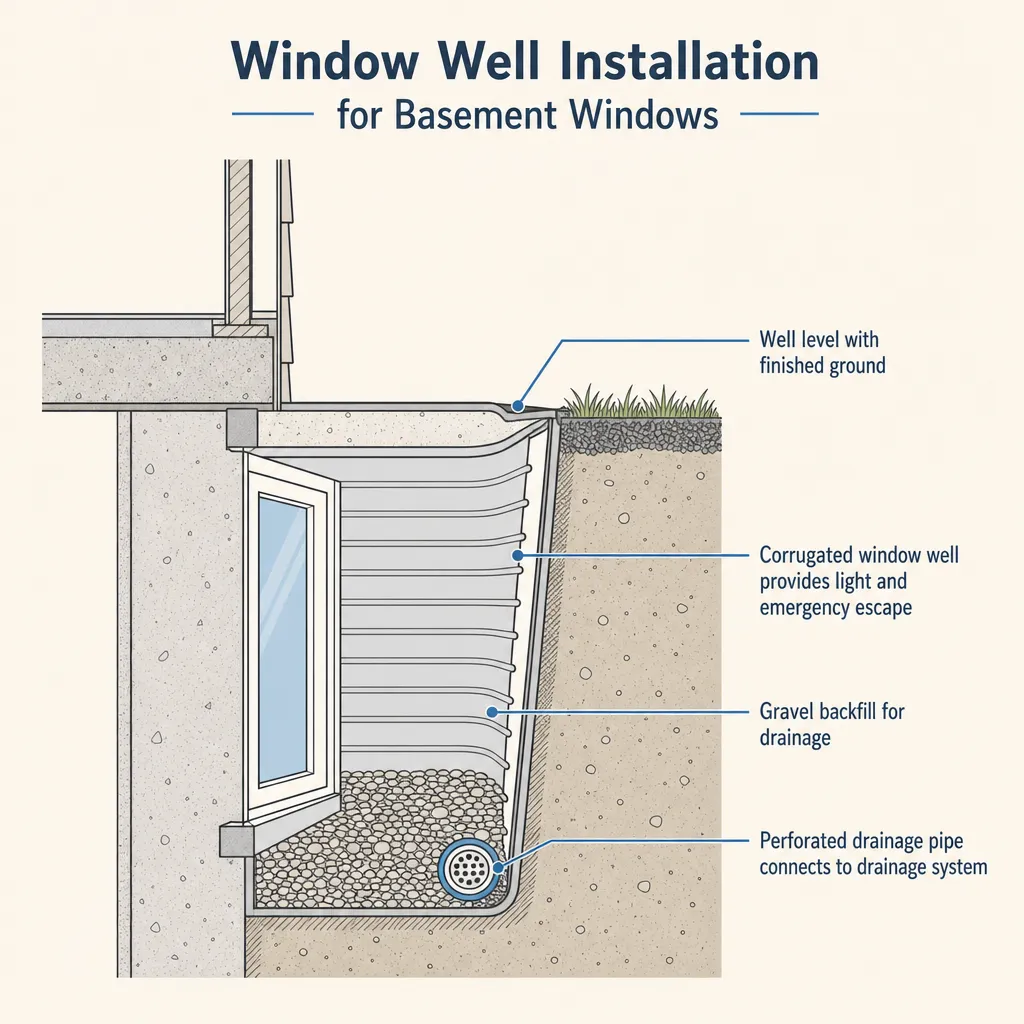
Window Well Installation for Basement Windows
Window wells (areaways) are excavated structures outside basement walls that allow natural light and ventilation into below-ground rooms.
 Improvement & Build
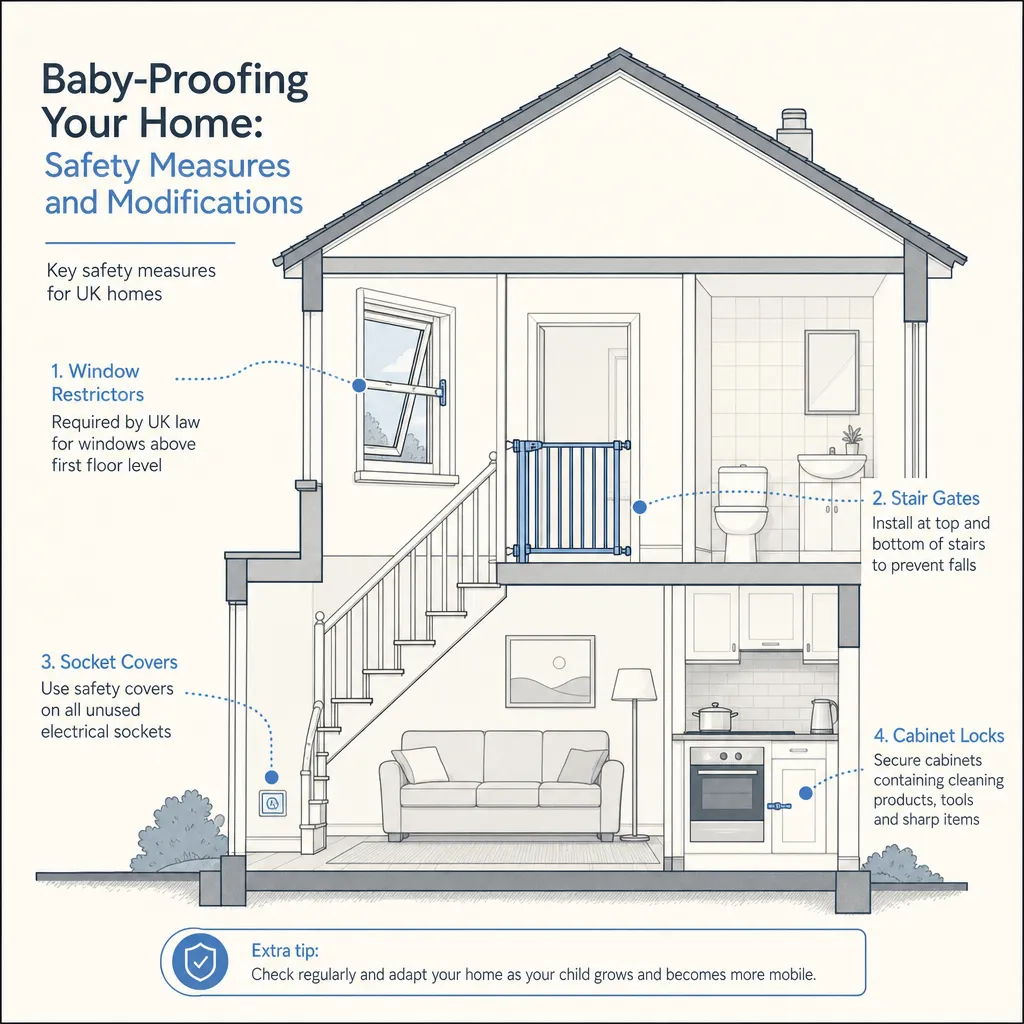
Baby-Proofing Your Home: Safety Measures and Modifications
Baby-proofing a UK home typically involves fitting stair gates conforming to BS EN 1930, window restrictors on upper floors, shuttered socket covers, cupboard locks, and securing heavy furniture to walls.
 Improvement & Build
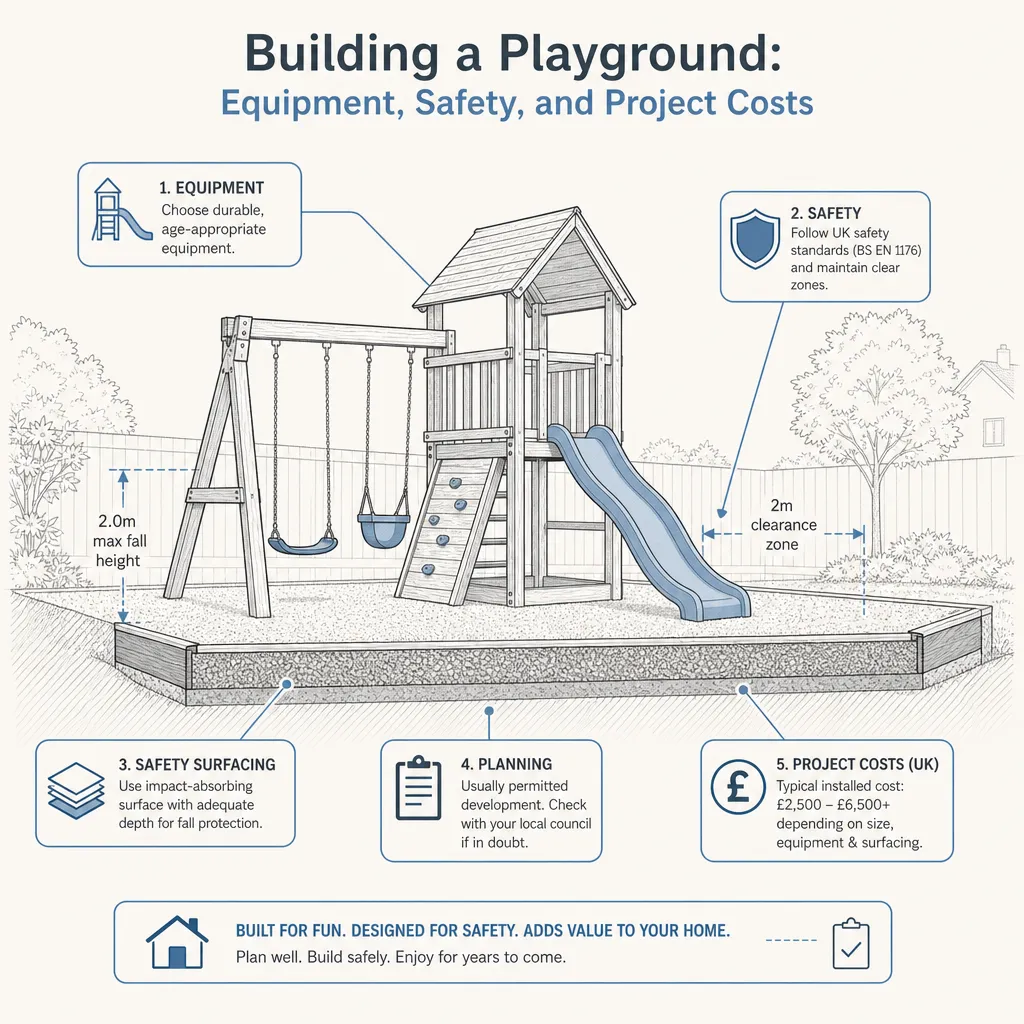
Building a Playground: Equipment, Safety, and Project Costs
A garden playground in England usually falls within permitted development rights and needs no planning permission.
 Improvement & Build
Aluminium Windows: Benefits, Specifications, and Installation Costs
Aluminium windows typically cost £600–£1,800 per window installed in the UK, depending on size and specification.
 Improvement & Build
Egress Window Repair and Installation
An egress window is a window large enough to serve as an emergency escape route from a habitable room.