Cost of Installing Security Film on Windows
By Housey · Last reviewed 19th of May 2026
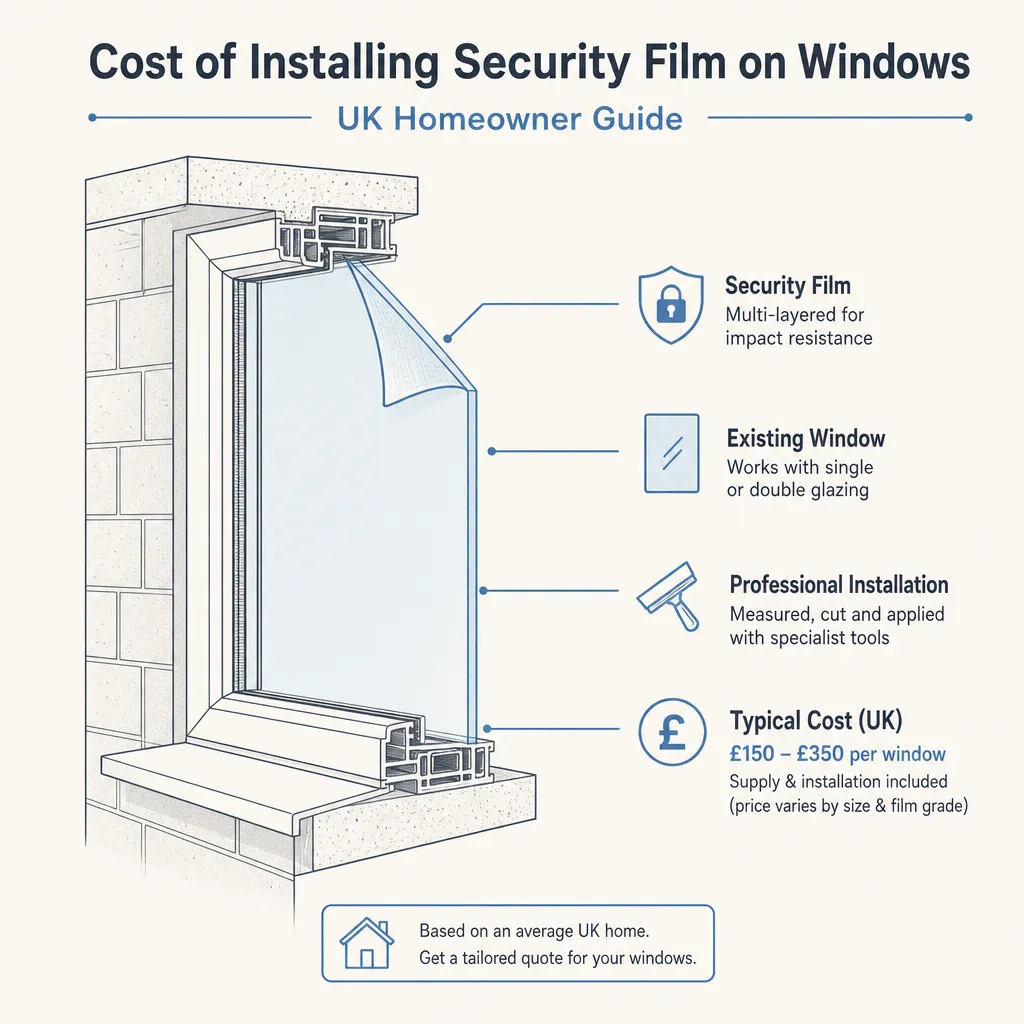
Cost of Installing Security Film on Windows
Security film is an increasingly popular upgrade for UK homeowners looking to improve window resilience against break-ins, accidental impact, or storm damage — without the cost and disruption of replacing glazing entirely. It is particularly relevant for ground-floor windows, garage and outbuilding glazing, and older properties where single-glazed or thin-glazed panes remain.
Key points
- Security window film holds glass fragments together on impact, making it significantly harder to create a smash-and-grab entry point; it delays forced entry but does not prevent the glass from breaking.
- Film is classified primarily by thickness: 100 micron (4 mil) for basic safety use; 175–300 micron (7–12 mil) for security-grade residential applications; specialist products reach 400+ micron for higher-threat environments.
- UK police crime prevention guidance, including Secured by Design, recognises window film as a supplementary deterrent but notes it does not substitute for certified window units meeting PAS 24 or STS 201 standards.
- Professional installation includes a critical edge-sealing step; poorly fitted film can peel from edges within months, significantly reducing effectiveness.
- Most security films are compatible with standard float glass and toughened glass, but must not be applied to some coated or laminated panes without manufacturer verification.
What security film does and does not do
Security window film bonds to the interior surface of existing glass. On impact, the film holds glass shards together rather than allowing the pane to shatter and fall clear of the frame — a property sometimes described as smash resistance.
What it does:
- Significantly slows forced entry through a glazed pane by retaining broken glass fragments in place.
- Reduces injury risk from accidental glass breakage caused by storm damage, ball impact, or falls near glazing.
- Some products block up to 99% of UV-A and UV-B radiation, reducing fading of furnishings and floor coverings.
- Provides a lower-cost upgrade path compared to full window replacement.
What it does not do:
- Prevent determined forced entry indefinitely — a sustained attack will eventually breach glass and film.
- Substitute for secure, well-maintained locking hardware, hinges, and frames.
- Provide ballistic or blast protection equivalent to purpose-designed security glazing systems.
- Improve the thermal performance of existing windows.
Indicative costs for security film installation
Indicative UK costs, last reviewed 2026-05-19. Costs vary by film specification, window count, access conditions, and installer. Always obtain at least three written quotes.
Film type | Thickness | Indicative supply and fit cost (per m²) | Typical application |
|---|---|---|---|
Safety film (basic) | 100–150 micron (4–6 mil) | £15–£30 per m² | Conservatories, low-risk glazing, UV control |
Security film (mid-grade) | 175–250 micron (7–10 mil) | £25–£50 per m² | Ground-floor windows, residential security upgrade |
Security film (heavy-grade) | 300–400 micron (12–16 mil) | £40–£70 per m² | Higher-value properties, additional deterrence |
Blast-mitigation film | 400+ micron with structural attachment | £60–£120+ per m² | Specialist applications; usually commercial |
Sources: trade installer pricing; Glass and Glazing Federation guidance. Ranges are indicative and vary by region and specification.
How window count and size affect total cost
For a typical residential installation:
- Single ground-floor window (approximately 1.0–1.5 m²): £40–£100 fitted with mid-grade film.
- Full ground floor (6 windows, approximately 9 m²): £225–£450 fitted.
- Full house (10–15 windows, approximately 15–22 m²): £375–£1,100 fitted.
Most installers apply a minimum call-out charge of £50–£100, regardless of the number of panes. This significantly affects the per-window cost on small jobs and makes professional installation less economical for single units — worth factoring in when deciding whether to treat the whole ground floor in one visit.
Worked example: ground-floor security film in a 1960s semi
A homeowner in the West Midlands with a 1960s semi-detached wants to improve ground-floor window security without replacing the existing single-glazed timber frames. The property has four ground-floor windows with a combined area of approximately 5 m².
- 5 m² × mid-grade 200 micron film at £35 per m² = £175
- Minimum call-out charge: £75
- Estimated total: approximately £250
Replacing all four windows with double-glazed timber casements would cost an estimated £2,400–£3,200, so film provides a substantially cheaper interim or permanent upgrade. Additional locking hardware and hinge bolts would also be worth considering given the single-glazed frames.
Indicative UK costs, last reviewed 2026-05-19. Get site-specific quotes for your property.
DIY versus professional installation
Security film is available as a consumer product from hardware and glazing suppliers, typically costing £5–£20 per m² for mid-grade products.
Factor | DIY | Professional installation |
|---|---|---|
Supply cost | £5–£20 per m² | Included in fitted price |
Finish quality | Risk of bubbles, creases, peeling edges | Smooth finish with professional tools |
Edge sealing | Often omitted or poorly executed | Critical step; proper method applied |
Glass compatibility check | Homeowner's responsibility | Professional should verify before fitting |
Workmanship guarantee | None | Some installers offer 1–2 year guarantee |
Time per pane | 1–2 hours for a novice | 20–30 minutes per pane |
DIY application is feasible for low-risk, small panes where cosmetic finish is less important. For ground-floor or security-critical windows, professional installation is more reliable and includes the edge-sealing step that is essential to long-term performance.
What to ask before accepting a quote
- What film specification — thickness, brand, and any test certifications — is being supplied?
- Is the film tested to any UK or international security standard, such as EN 356 (glass resistance to manual attack)?
- Is edge sealing included, and what method and material are used?
- Have you confirmed the film is compatible with my existing glass type?
- What is the film's expected lifespan, and does it carry a manufacturer warranty?
- Is VAT included in the quoted price?
- Do you carry public liability insurance?
- How is old film removed if replacement is needed in future?
When to get professional help
Fitting security film to flat, standard glass is generally straightforward, but professional input is advisable in these situations:
- Ground-floor windows where security performance is a priority — correct film specification and proper edge sealing are critical to effectiveness.
- Curved glass, self-cleaning glass, or glass with an existing specialist coating — compatibility must be verified with the film manufacturer before application.
- Conservatory roofs — glass type, access, and structural loading all require specialist assessment; polycarbonate panels need film products specifically rated for that substrate.
- Blast or higher-threat mitigation requirements — these need specialist products and structural attachment systems well beyond the scope of standard residential installers.
- Toughened or laminated glass — some film products are not suitable and could affect the original safety certification of the pane.
How Housey can help
Housey connects you with vetted window and door installers who can advise on the right security film specification for your property and provide written quotes for professional supply and fit. Compare multiple specialists in your area before making a decision.
Frequently asked questions
Does security film affect the appearance of my windows?
Modern security film is available in clear, lightly tinted, or reflective finishes. Clear and near-clear films are virtually invisible from inside or outside the property once installed and cured. Tinted versions can reduce glare and offer some daytime privacy from the street. The choice of finish should reflect both your aesthetic preferences and your primary reason for installing film.
Does window security film count towards Secured by Design certification?
Secured by Design certification relates to window and door units as a whole — frame, glazing, and hardware combined. Film applied to existing glazing is a supplementary deterrent measure and does not substitute for certified window units within a Secured by Design scheme. Check the current Secured by Design technical guidance for up-to-date requirements.
How long does security film last?
Most security film products carry a 5–10 year manufacturer warranty. Professionally fitted and edge-sealed film typically lasts 10–15 years before degradation such as yellowing or edge peeling warrants replacement. Direct sun exposure, excessive condensation, or abrasive cleaning products can shorten this lifespan.
Can window security film reduce my home insurance premium?
Some home insurers recognise security upgrades and may offer a reduced premium. Check with your insurer whether professionally fitted security film qualifies as a recognised measure under your policy. You may need to provide the film specification, thickness, and installer details. Policies vary, so always confirm before assuming any discount applies.
Sources and further reading
- Secured by Design: windows, doors and shutters — Secured by Design (Police Crime Prevention Initiatives)
- Glass and Glazing Federation consumer advice — Glass and Glazing Federation
- Home security crime prevention advice — GOV.UK
- Windows and glazing energy advice — Energy Saving Trust
- BS EN 356: glass in building — protection against manual attack — BSI Group
Useful next reads
 Improvement & Build
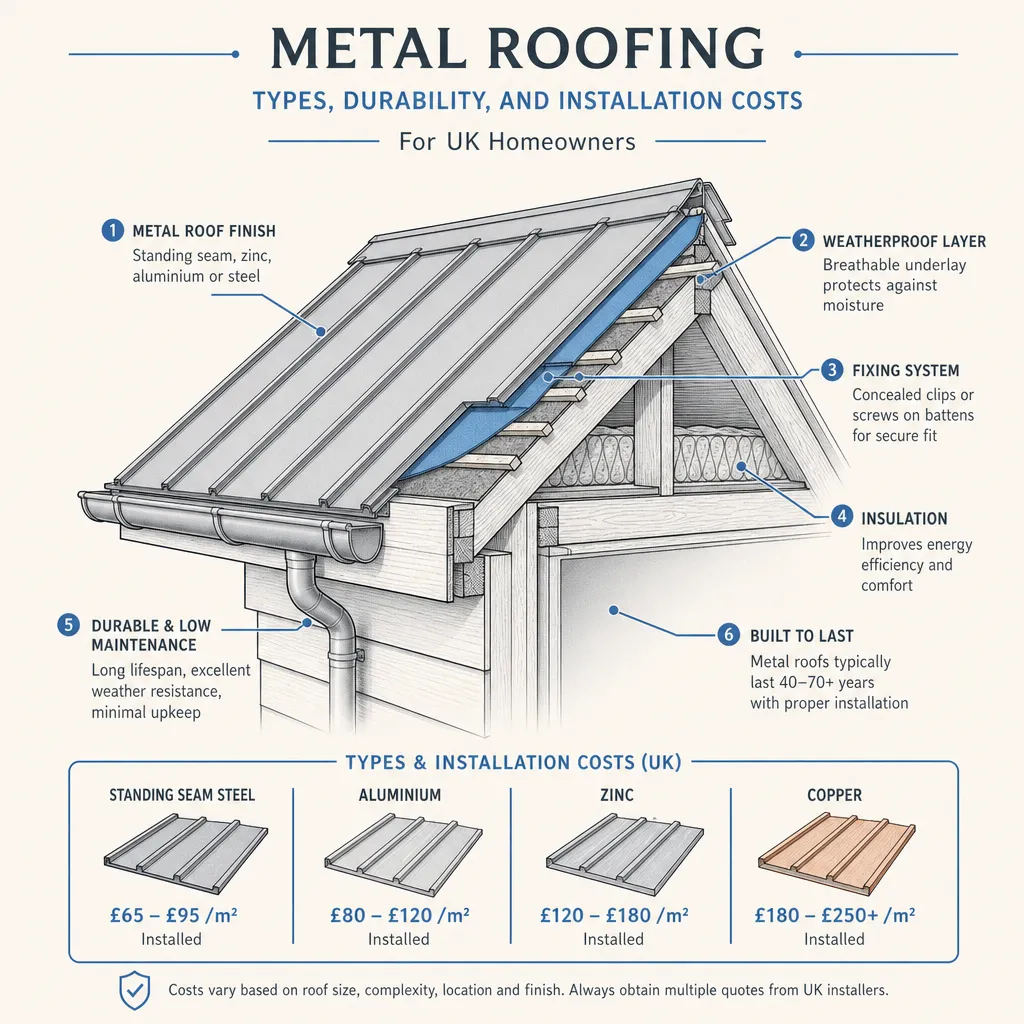
Metal Roofing: Types, Durability, and Installation Costs
Metal roofing in the UK includes standing seam, corrugated sheet, and metal tile systems in steel, aluminium, zinc, or copper.
 Improvement & Build
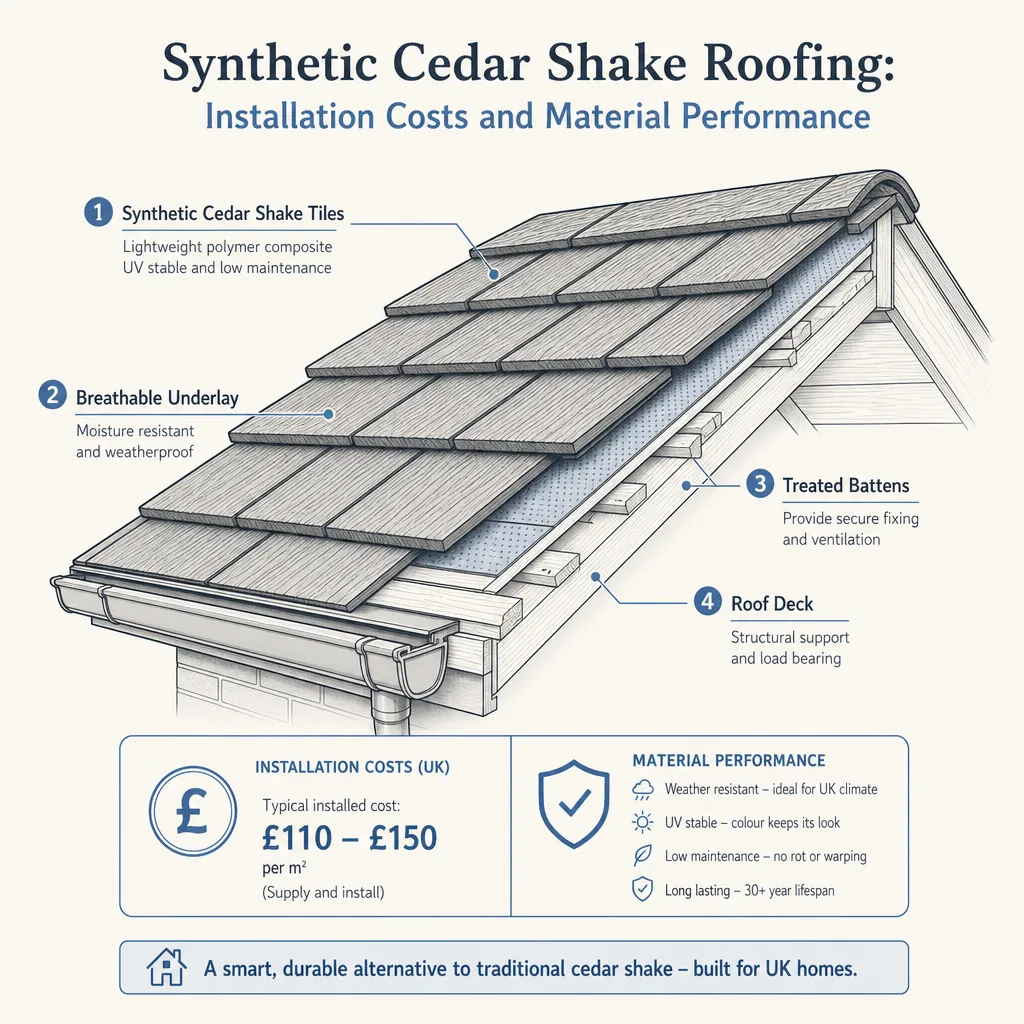
Synthetic Cedar Shake Roofing: Installation Costs and Material Performance
Synthetic cedar shake roofing uses polymer composite, rubber, or fibre-cement tiles to replicate the look of natural cedar wood shingles.
 Improvement & Build
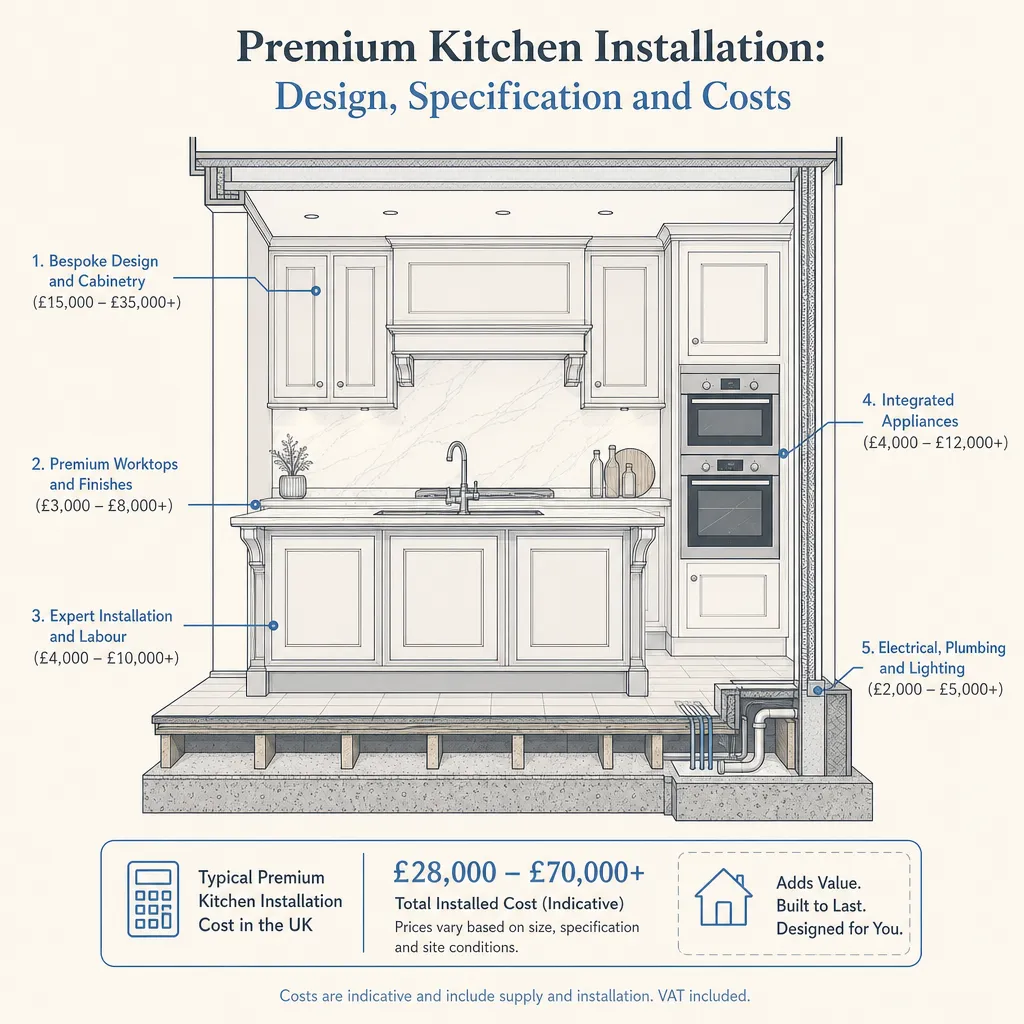
Premium Kitchen Installation: Design, Specification and Costs
A premium kitchen in the UK typically costs £20,000–£80,000 or more installed, depending on cabinetry specification, worktop material, appliance brands, and whether structural changes are needed.
 Improvement & Build
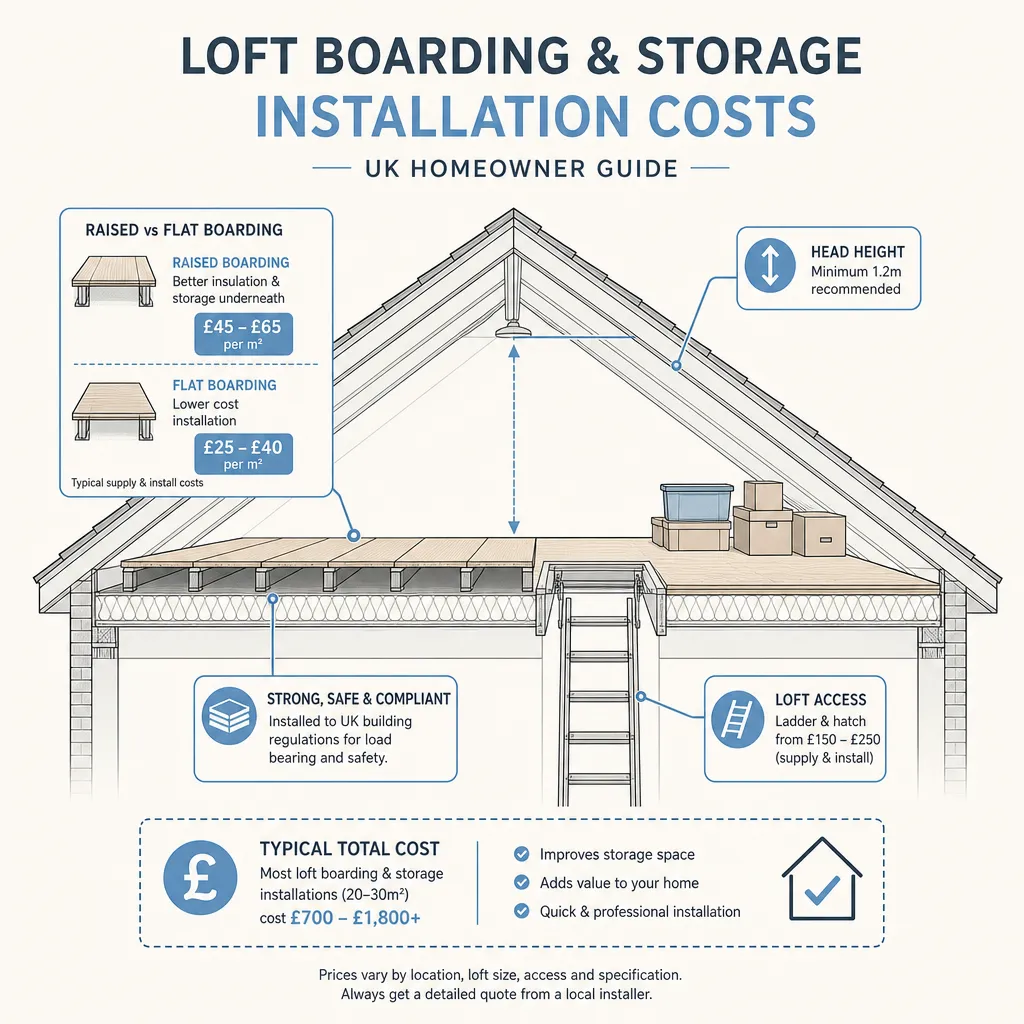
Loft Boarding and Storage Installation Costs
Basic loft boarding for an average semi-detached home costs £500–£1,500; a raised system that preserves insulation runs £800–£2,500.
 Improvement & Build
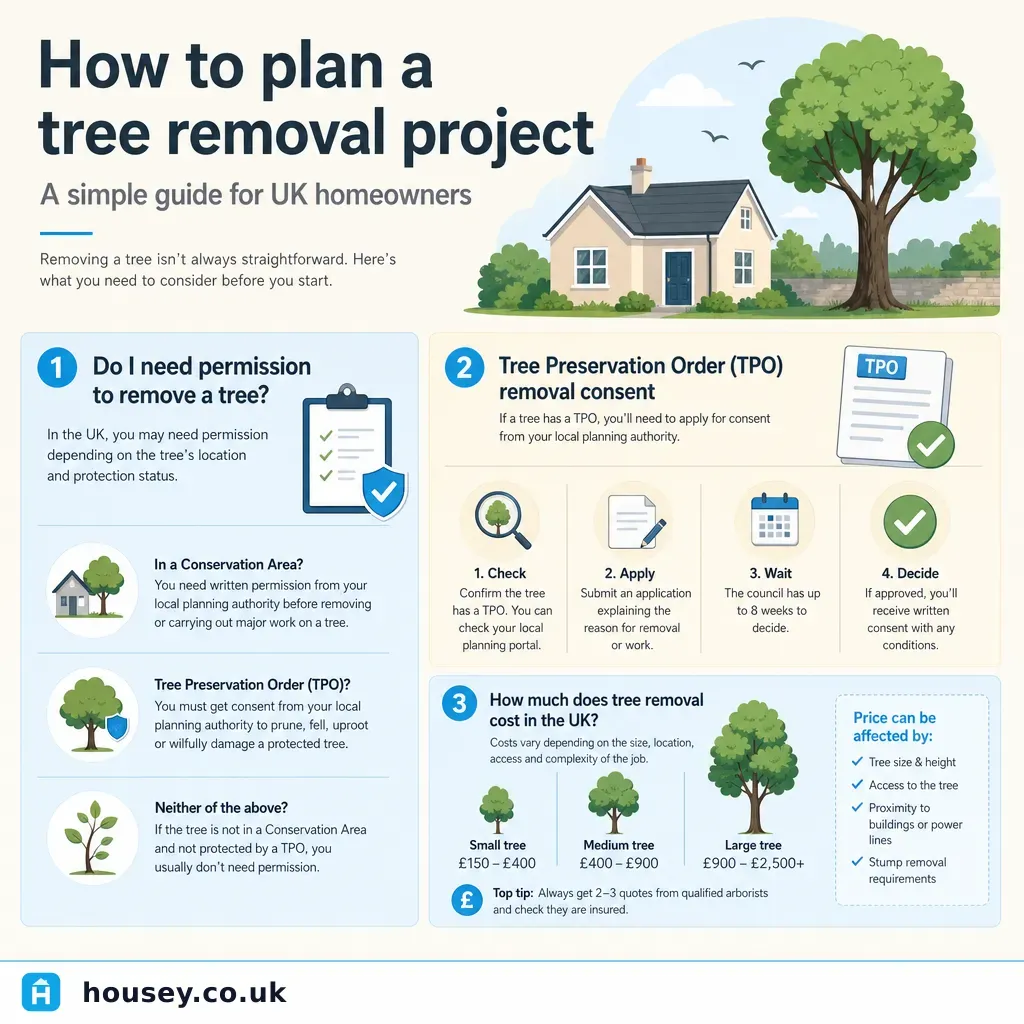
How to plan a tree removal project
Planning a tree removal project starts with checking whether the tree is protected by a Tree Preservation Order or sits in a conservation area, as both require council consent before any work begins.