Essential Window Maintenance Tips for Homeowners
By Housey · Last reviewed 19th of May 2026
Essential Window Maintenance Tips for Homeowners
Windows in UK homes face a demanding climate — damp winters, UV-rich summers, and persistent wind-driven rain all accelerate wear on frames, seals, and hardware. Whether you have uPVC casements installed in the 1990s, timber sash windows in a Victorian terrace, or aluminium frames in a newer build, a consistent maintenance routine prevents minor deterioration from becoming an expensive replacement job.
Key points
- Double-glazed sealed units typically last 20–25 years; a failed seal causes condensation between the panes — not on the inner glass surface, which is a separate condensation issue caused by indoor humidity.
- Building Regulations Part L (England) requires replacement windows to achieve a whole-window U-value of no more than 1.4 W/m²K.
- FENSA-registered installers must issue a compliance certificate when replacing windows — retain this document, as solicitors routinely request it during conveyancing.
- Timber window frames should be repainted or re-stained every 3–5 years; bare timber can absorb moisture and begin to rot within a single wet winter if left unprotected.
- Casement hinges, friction stays, and multipoint locking mechanisms should be lubricated with a silicone-based or dry PTFE lubricant every 6–12 months.
How often should you maintain your windows?
A twice-yearly inspection rhythm suits most UK homes. Aim for a thorough check in spring — after winter moisture and frost — and again in early autumn, before wind-driven rain returns. Between inspections, keep frames clean and hardware moving freely.
Seasonal maintenance schedule
Season | Task | Why |
|---|---|---|
Spring | Inspect seals and frames for winter damage; clean tracks and drainage holes | Frost and damp can crack seals and cause frame movement |
Spring | Lubricate hinges, stays, and lock barrels | Prevents binding and corrosion after cold weather |
Summer | Clean glazing; check putty on older timber windows | UV and heat accelerate putty degradation |
Autumn | Re-seal gaps around frames with draught-proofing strip or exterior mastic | Reduces heat loss before the heating season begins |
Autumn | Clear drainage channels on casement and tilt-and-turn frames | Blocked drainage causes water ingress into the frame cavity |
Winter | Check internally for inter-pane condensation; inspect paint on timber frames | Early indicator of seal failure or unprotected timber |
Cleaning windows correctly
For glazing, a soft microfibre cloth or squeegee with a mild detergent solution works well. Avoid abrasive cleaners on coated glass, and never use solvent-based products on uPVC frames — they degrade the surface finish and accelerate discolouration.
For uPVC frames, a solution of washing-up liquid in warm water applied with a soft cloth is sufficient. A specialist uPVC cleaner can shift stubborn staining. Avoid bleach directly on uPVC or on rubber gaskets, as it can cause premature brittleness.
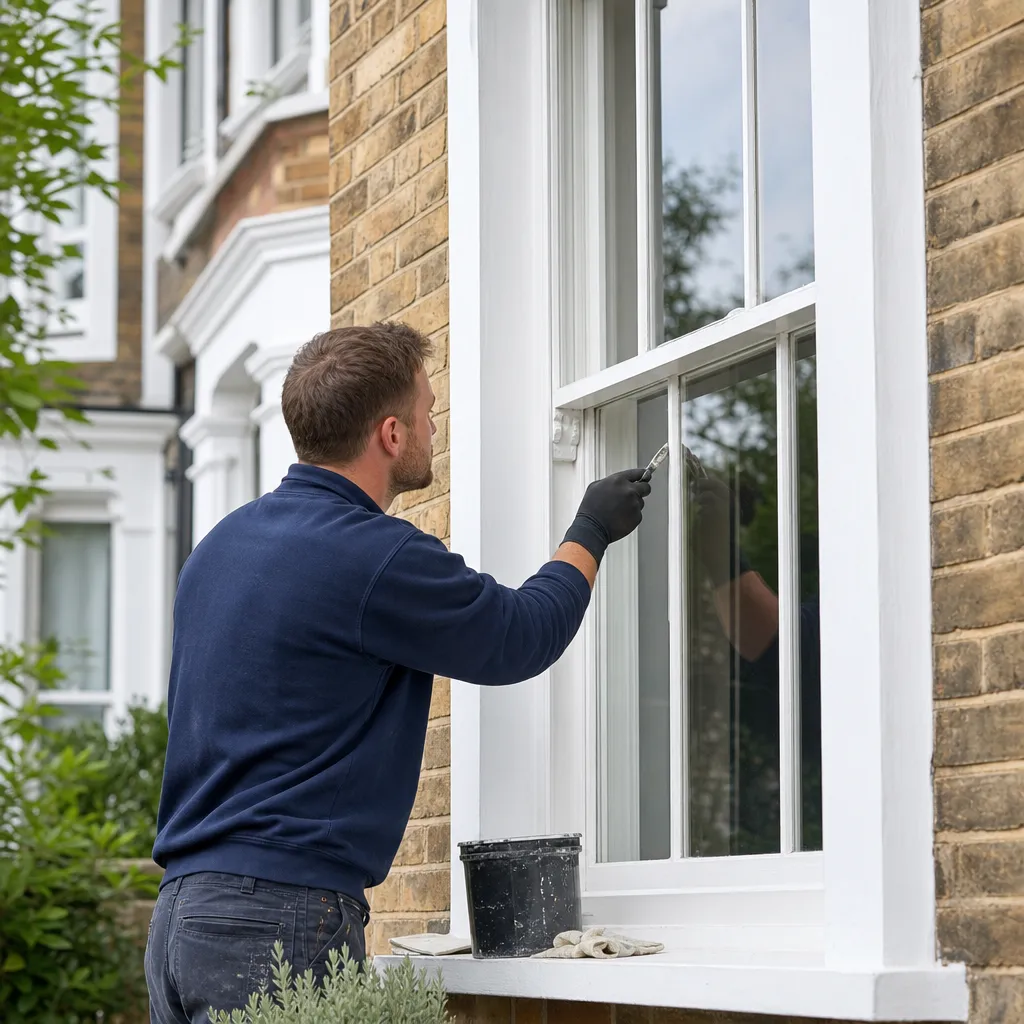
For timber frames, remove loose or flaking paint before applying an exterior primer and appropriate topcoat. Oil-based paints are more flexible on exposed elevations; microporous paints allow the wood to breathe and are often preferred for older properties where movement is more likely.
For aluminium frames, mild soapy water is usually sufficient. Avoid abrasive pads on powder-coated surfaces, which can damage the coating and expose the substrate to corrosion.
Checking and maintaining seals and weather-stripping
Rubber gaskets and weather-stripping deteriorate with age, particularly in the UK's high-humidity climate with regular freeze-thaw cycles. Run a finger along the gaskets around the frame edge — cracking, hardening, or visible gaps indicate the seal needs replacing.
Draught-proofing is one of the most cost-effective energy-saving measures for UK homeowners. The Energy Saving Trust guidance on draught-proofing notes that sealing gaps around windows and doors can reduce heat loss meaningfully, especially in older properties with single glazing or poorly fitting frames.
For sliding sash windows, brush pile draught-stripping in the meeting rail and along the sash runners significantly reduces cold air infiltration without compromising the window's operation.
Identifying and addressing failed glazing units
Condensation between the glass panes — not on the inner surface — indicates the sealed unit's argon gas fill has escaped and moisture has entered the cavity. This is a failed sealed unit; it cannot be resolved by cleaning or any surface treatment.
In most cases the individual glazed unit can be replaced without replacing the whole frame, which is considerably cheaper than full window replacement. Confirm that any replacement unit meets the current Building Regulations U-value requirements for your nation before ordering.
Hardware maintenance: hinges, stays, and locks
Window hardware takes thousands of operation cycles over its service life. UK casement windows typically use friction stays or pivot hinges paired with multipoint espagnolette locking systems.
Lubricate hinges, stays, and lock barrels every 6–12 months using a silicone spray or dry PTFE lubricant. Avoid using WD-40 as a primary lubricant — it is a water displacer that evaporates quickly, leaving mechanisms unprotected. If a casement drops or drags against the frame, adjust the friction stay screws with a flat-head screwdriver before assuming the hinge needs replacing — this often resolves the problem without any parts.
Annual window inspection checklist
Use this checklist each spring and autumn:
Frame and finish
Glazing
Hardware
Drainage and ventilation
When to get professional help
Most window maintenance is within a homeowner's capability, but some situations warrant a specialist:
- Condensation in sealed units — replacing the glazed unit requires a glazier or window specialist with access to correctly specified sealed units.
- Timber rot — surface rot can sometimes be stabilised with wood hardener and filler, but structural rot in the cill, head, or jamb may require carpentry repair or full frame replacement.
- Persistent sticking casements that do not respond to hardware adjustment — can indicate frame movement or settlement, which needs investigation beyond window maintenance.
- Full window replacement — Building Regulations and FENSA registration apply; use a FENSA- or CERTASS-registered installer, or notify your local authority building control separately.
- Conservation areas and listed buildings — any replacement or significant alteration may require listed building consent or conservation area consent. Check with your local planning authority before proceeding.
How Housey can help
If your maintenance inspection reveals that a window needs replacing, or you would like a professional assessment of your frames and sealed units, Housey can connect you with vetted window and door installers in your area. Comparing quotes before committing to replacement work is always worthwhile.
Frequently asked questions
How do I stop condensation on the inside of my windows?
Condensation on the inner glass surface is caused by warm, humid indoor air meeting a cold surface — it is not a sign of a failed sealed unit. Improve ventilation by opening trickle vents and using extractor fans in kitchens and bathrooms. Reduce indoor humidity and consider upgrading to triple glazing if the problem persists. A failed sealed unit shows condensation between the panes, not on the inner surface.
Can I repair a uPVC window frame, or does it need replacing?
Minor scratches and scuffs can be polished out with specialist uPVC restorers. If the frame has warped, cracked significantly, or the corner welds have failed, replacement is usually more cost-effective than repair. A window installer can assess whether the frame is salvageable and whether a replacement would meet current Building Regulations Part L requirements.
Do I need building regulations approval to replace my windows?
Yes. In England and Wales, replacement windows must comply with Building Regulations Part L and either be installed by a FENSA- or CERTASS-registered installer (who self-certify) or the work must be separately notified to building control. Scotland and Northern Ireland have equivalent requirements under their own regulations. GOV.UK has guidance on when building regulations approval is needed for window replacement.
How long do uPVC windows typically last?
Well-maintained uPVC frames typically last 25–35 years. The sealed glazed units inside them may need replacing after 20–25 years if the seal fails. Hardware such as hinges and multipoint locks may need replacement sooner — typically after 10–15 years depending on use and exposure to the UK climate.
What is a FENSA certificate and why does it matter?
FENSA certification confirms that replacement windows were installed by a registered installer and meet the applicable Building Regulations. Solicitors routinely request FENSA certificates during conveyancing. If you lack one — because work was done by an unregistered installer — a retrospective certificate or local authority regularisation may be needed, which can delay or complicate a property sale.
Sources and further reading
- Building Regulations Approved Document L — GOV.UK
- FENSA: Fenestration Self-Assessment Scheme — FENSA
- Draught-proofing your home — Energy Saving Trust
- Windows in historic buildings — Historic England
Useful next reads
 Improvement & Build
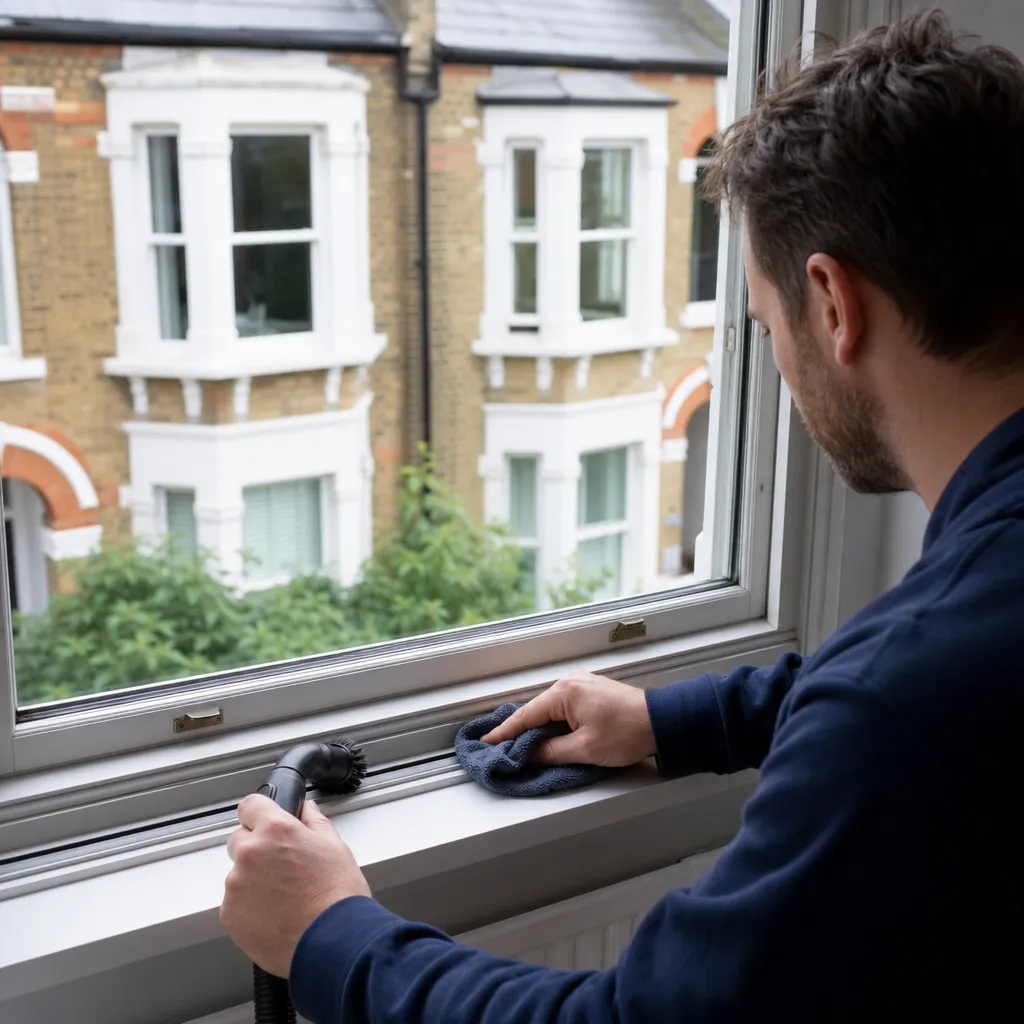
Maintaining window tracks: cleaning and care tips
Window tracks should be cleaned at least once a year using a soft brush, warm soapy water, and a silicone-based lubricant — not WD-40, which degrades rubber seals.
 Improvement & Build
When to Prune Trees: Timing Guide for UK Tree Care
Most deciduous trees are best pruned between November and February, when dormancy reduces disease risk.
 Improvement & Build
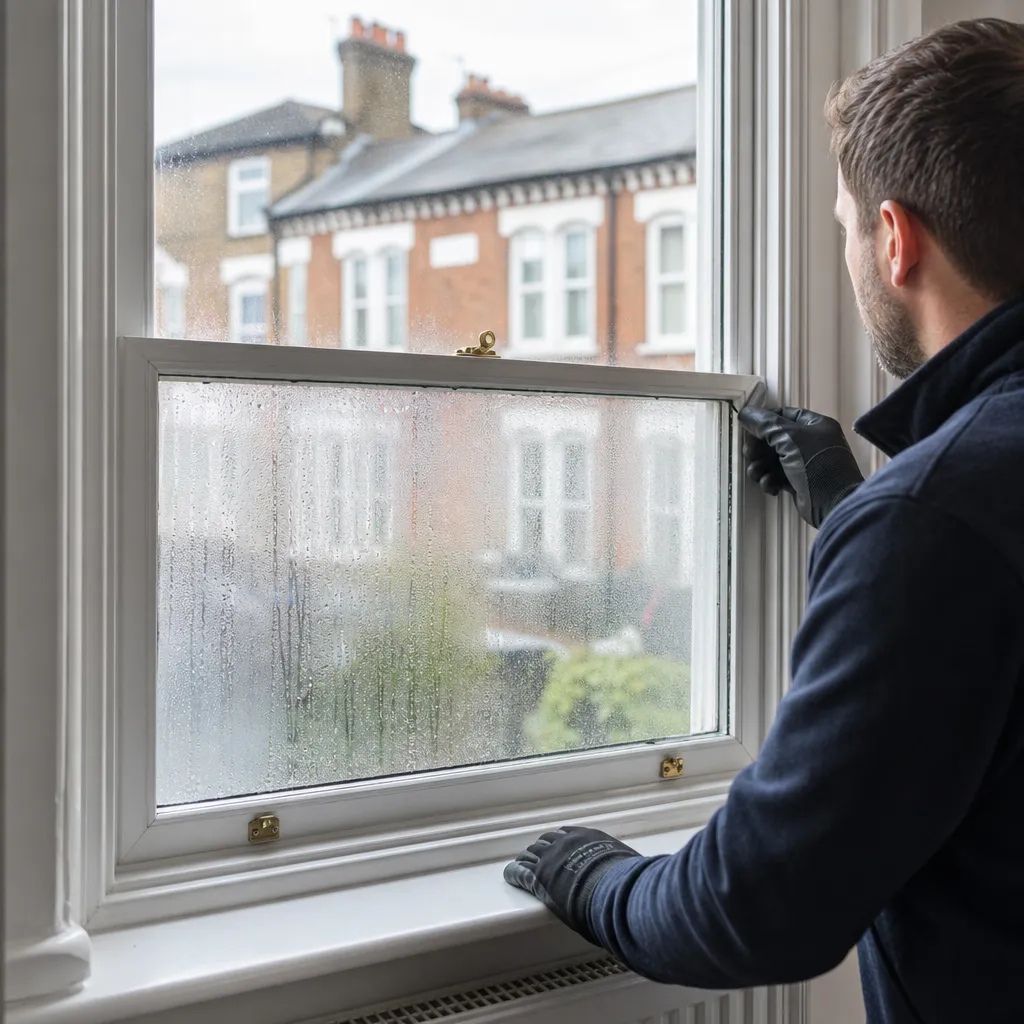
Repairing Failed Window Seals and Condensation Issues
Condensation between double-glazed panes means the hermetic seal on the insulated glass unit has failed.
 Improvement & Build
Roof Window Maintenance and Servicing Costs
Roof window servicing in the UK typically costs £80–£200 per window for a professional visit covering seals, flashings, and the opening mechanism.
 Improvement & Build
Spring Garden Transformations: Design Ideas to Enhance Your UK Property
Spring is the best time to transform a UK garden, with mild temperatures and longer days ideal for planting and landscaping.