Garden Maintenance and Lawn Care Services: What to Expect
By Housey · Last reviewed 9th of May 2026
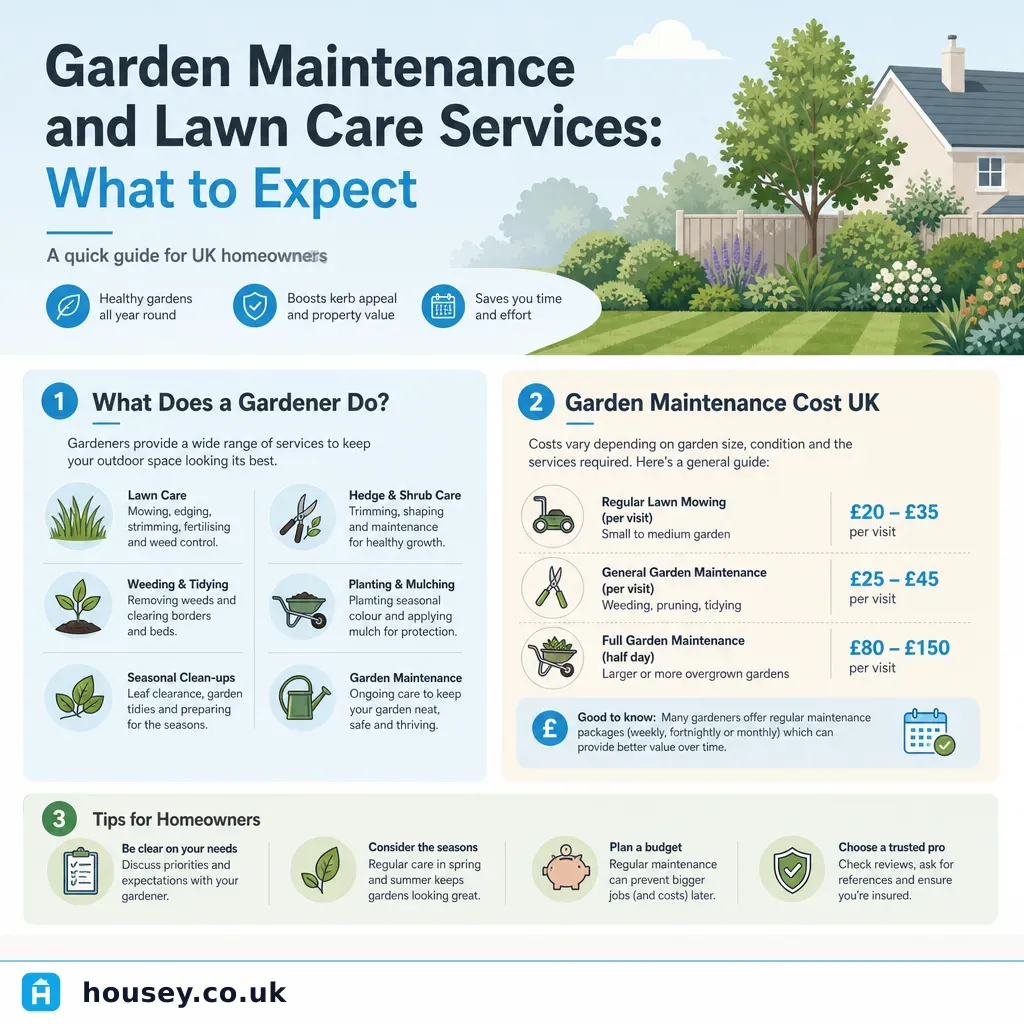
Garden Maintenance and Lawn Care Services: What to Expect
Hiring a professional for ongoing garden maintenance is a practical decision for many UK homeowners — whether a busy household with limited time, a landlord managing a rental property, or someone who wants a well-kept outdoor space without the guesswork. Understanding what a maintenance service typically covers, how contracts are structured, and how to compare providers helps you get consistent results rather than a one-off tidy-up with no follow-through.
Key points
- Lawn scarification — the mechanical removal of thatch and moss — is most effective in early autumn (September to October) or spring (March to April) according to the Royal Horticultural Society; carrying it out at the wrong time of year can weaken the sward.
- Contractors applying pesticides, herbicides, or moss killers commercially must hold a PA1/PA6 certificate of competence under the Control of Pesticides Regulations 1986 and the UK Biocidal Products Regulation.
- Under the Wildlife and Countryside Act 1981, active bird nests must not be disturbed; hedge trimming and cutting back dense vegetation during the main nesting season (broadly March to August) risks committing a criminal offence unless nests have been confirmed absent.
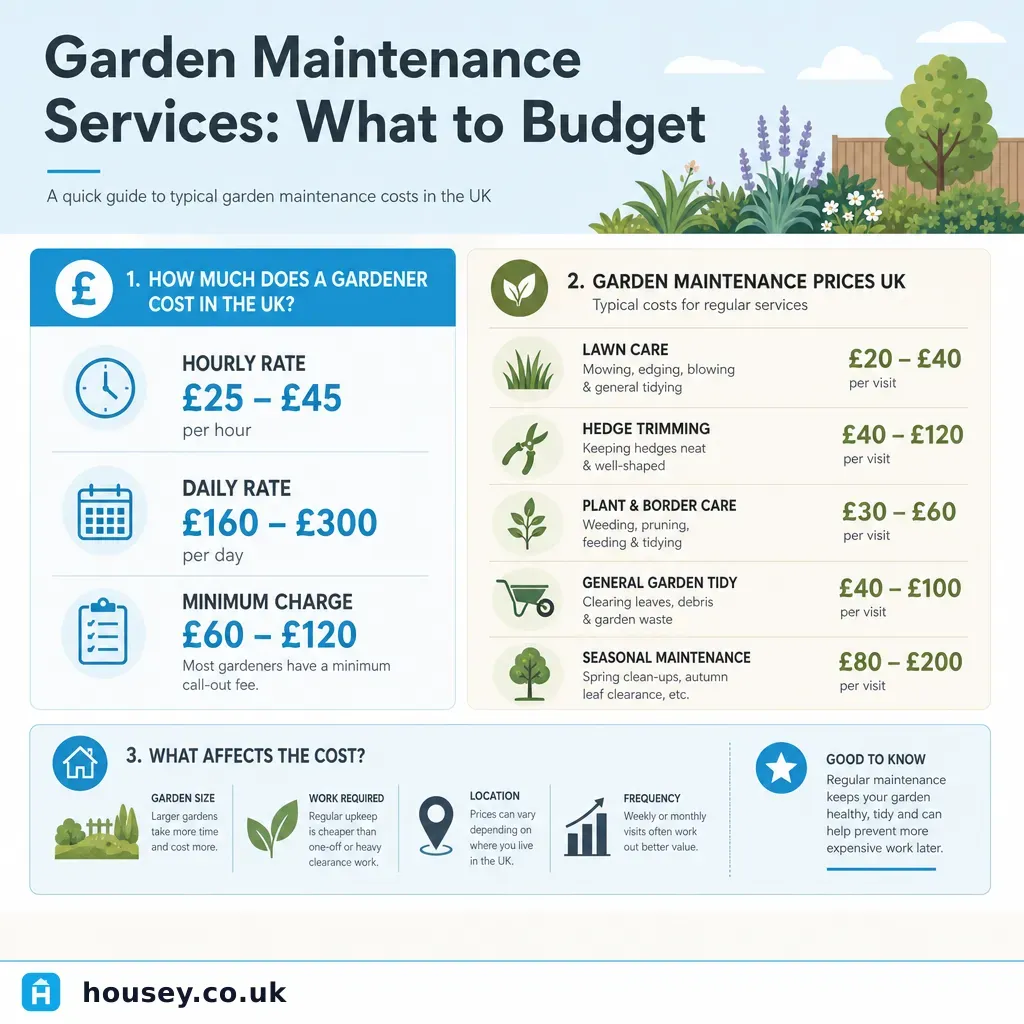
- Typical professional gardener rates range from £15–£35 per hour in the UK, with monthly maintenance contracts for small to medium gardens starting at around £60–£250 depending on scope and visit frequency (indicative UK costs, last reviewed 2026-05-09).
- A garden maintenance contractor differs from a garden designer or landscaper: maintenance covers routine care of existing planting, while design and landscaping involve structural changes or entirely new planting schemes.
What does professional garden maintenance include?
The exact scope depends on what is agreed in the contract, but a standard maintenance service typically covers:
Regular visits (weekly or fortnightly during the growing season):
- Lawn mowing and edging
- Weeding of beds, borders, paths, and paving joints
- Deadheading and light pruning of shrubs
- Litter and debris collection
Seasonal or periodic tasks (often priced separately or scheduled as extras):
- Hedge trimming (typically once or twice a year)
- Lawn scarification and aeration (autumn and/or spring)
- Lawn fertilising and weed treatment
- Leaf clearance (October to December)
- Mulching of beds and borders (spring)
- Pruning of roses, fruit trees, and shrubs at species-appropriate times
Always confirm in writing which tasks are included in the base contract and which will be charged as extras before work begins.
Gardener, landscaper, or garden designer: which do you need?
Professional | What they do | When to hire them |
|---|---|---|
Gardener or grounds maintenance contractor | Routine care: mowing, weeding, pruning, seasonal tasks | Ongoing maintenance of an existing garden |
Landscaper | Construction and planting: paving, raised beds, turfing, new planting schemes | Garden renovation, hard landscaping, or new lawn installation |
Garden designer | Design service: concept plans, plant lists, material specifications | Planning a new garden or significant redesign before instructing a landscaper |
For a straightforward maintenance contract, a gardener or grounds maintenance company is usually the right starting point. If the garden needs structural work before it can be properly cared for, a landscaper should come first. If you are unsure what you want the garden to become, a garden designer is worth consulting at the outset.
Seasonal garden maintenance calendar
Season | Priority tasks | Notes |
|---|---|---|
Spring (Mar–May) | Lawn aeration, first mow, mulching, rose pruning, feeding | Avoid disturbing nesting birds in dense hedges and shrubs |
Summer (Jun–Aug) | Regular mowing and edging, deadheading, watering guidance, hedge trim (after nesting season) | Peak growing season — visit frequency usually highest |
Autumn (Sep–Nov) | Scarification, overseeding, leaf clearance, cutting back perennials | Best season for lawn renovation work |
Winter (Dec–Feb) | Structural pruning of deciduous trees and shrubs, tool maintenance, planning | Minimal mowing; focus on structure and preparation for spring |
How much do garden maintenance services cost?
Costs vary by region, garden size, visit frequency, and scope of work.
Indicative UK costs, last reviewed 2026-05-09:
Service | Typical cost |
|---|---|
Hourly rate (general gardener) | £15–£35 per hour |
Monthly maintenance contract (small garden, 2 visits) | £60–£120 per month |
Monthly maintenance contract (medium garden, 4 visits) | £120–£250 per month |
One-off garden tidy (half to full day) | £150–£400 |
Lawn scarification and aeration | £80–£250 depending on lawn size |
Annual hedge trim (per hedge) | £60–£200 |
London and South East rates are typically 20–30% higher than the UK average. When comparing hourly rates, check whether waste removal and materials are included or charged separately.
What to ask before accepting a quote
Before agreeing to a garden maintenance contract, ask:
- What is included in each visit, and what is charged as an extra?
- How many people will visit, and will the same contractor attend each time?
- What qualifications do they hold for pesticide or herbicide application (PA1/PA6 certificates)?
- Is waste removal and disposal included in the quoted price?
- What notice is required to pause, change, or cancel the contract?
- Can you see a copy of their public liability insurance certificate?
- How are visits handled when weather prevents work — rescheduled or skipped?
- Will you receive a written contract or service specification before work starts?
Homeowner checklist for setting up a maintenance contract
When to get professional help
Basic tasks such as mowing or deadheading are within most homeowners' abilities, but professional help is worth considering when:
- The garden is large or complex, with formal features such as topiary, espalier fruit trees, or a kitchen garden requiring specialist knowledge.
- Lawn problems — persistent moss, poor drainage, bare patches, or compaction — are not improving despite basic care.
- You are a landlord with a tenancy agreement that specifies garden maintenance obligations.
- Hedge growth is encroaching on neighbouring properties or a public highway — a professional can advise on legal obligations and carry out work safely and at the right time of year.
- Pesticide or herbicide treatments are needed, which require a certified applicator under UK regulations.
How Housey can help
Housey makes it straightforward to request quotes from local landscapers and garden designers for both one-off and ongoing garden work. Describe your garden and the services you need, then compare responses from local professionals before agreeing a contract.
Frequently asked questions
How often should a professional gardener visit?
During the main growing season (April to September), most residential gardens benefit from fortnightly visits as a minimum. Larger gardens or those with formal features may need weekly attention. In winter, monthly visits or a couple of seasonal tidy-up sessions are usually sufficient. Your contractor should tailor visit frequency to your garden's growth patterns and your budget.
What is included in a garden maintenance contract?
Contracts vary, but a standard maintenance agreement usually covers regular mowing, edging, weeding of beds and borders, light pruning, and debris removal. Seasonal tasks such as scarification, hedge trimming, leaf clearance, and fertilising are often either priced separately or included in an annual package. Always ask for a written service specification before signing.
Is lawn treatment the same as lawn care?
No. Lawn care covers regular maintenance: mowing, edging, and keeping grass healthy. Lawn treatment involves applying fertilisers, moss killers, herbicides, or soil conditioners to address specific problems. Contractors applying pesticides commercially must hold a valid PA1/PA6 certificate under UK pesticide regulations. If treatment is part of your package, confirm your contractor is appropriately certified.
Should I hire a gardener or a landscaper?
A gardener or grounds maintenance contractor is suited to ongoing care of an existing garden. A landscaper is needed when physical changes are required — new turf, paving, raised beds, planting schemes, or drainage work. Some contractors offer both, but it is worth clarifying experience and qualifications for each type of work. If you are planning a significant garden redesign, consulting a garden designer before commissioning any construction is usually the most effective starting point.
Sources and further reading
- Lawn care and maintenance — Royal Horticultural Society
- Pesticides: safe use and getting a certificate of competence — GOV.UK
- Wildlife and Countryside Act 1981 — protection of nesting birds — legislation.gov.uk
- Control of Pesticides Regulations 1986 — legislation.gov.uk
Useful next reads
 Improvement & Build
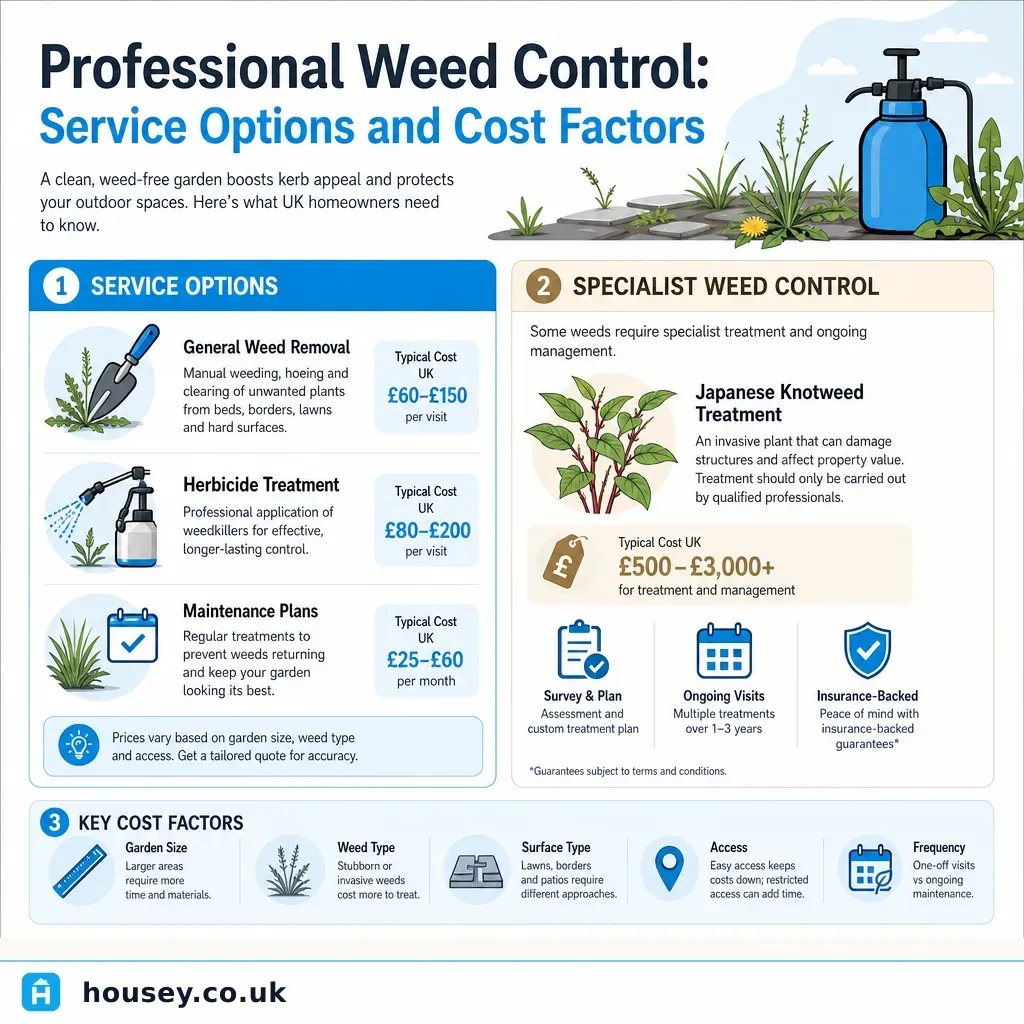
Professional Weed Control: Service Options and Cost Factors
Professional weed control in the UK typically involves herbicide treatment, manual removal, or a combination of both.
 Improvement & Build
Power Seeding Your Lawn: Costs and Benefits for Garden Renovation
Power seeding uses a slit-seeding machine to cut shallow furrows into an existing lawn and deposit grass seed directly into the soil, giving far better germination rates than surface broadcasting.
 Improvement & Build
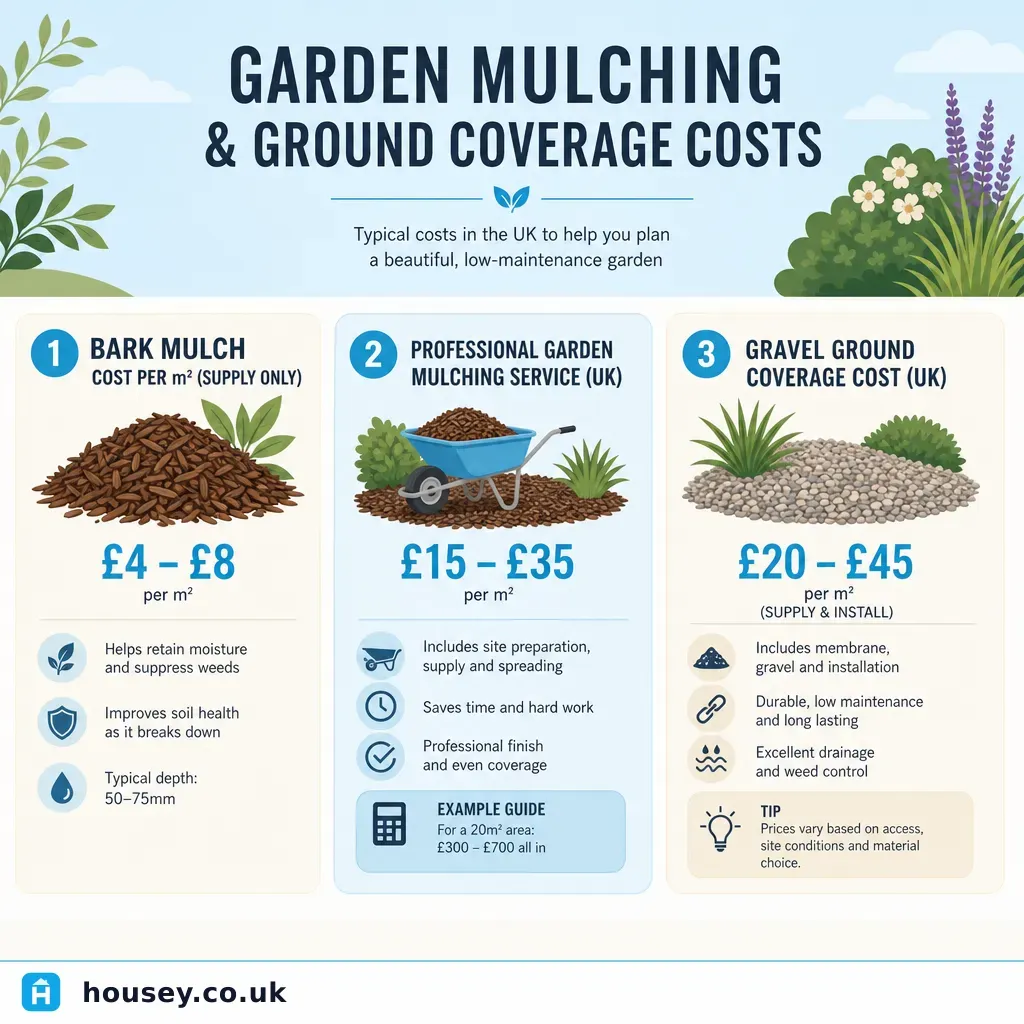
Garden Mulching and Ground Coverage Costs
Professional garden mulching typically costs £150–£600 for an average UK garden, depending on material type, area covered, and whether you hire a landscaper.
 Improvement & Build
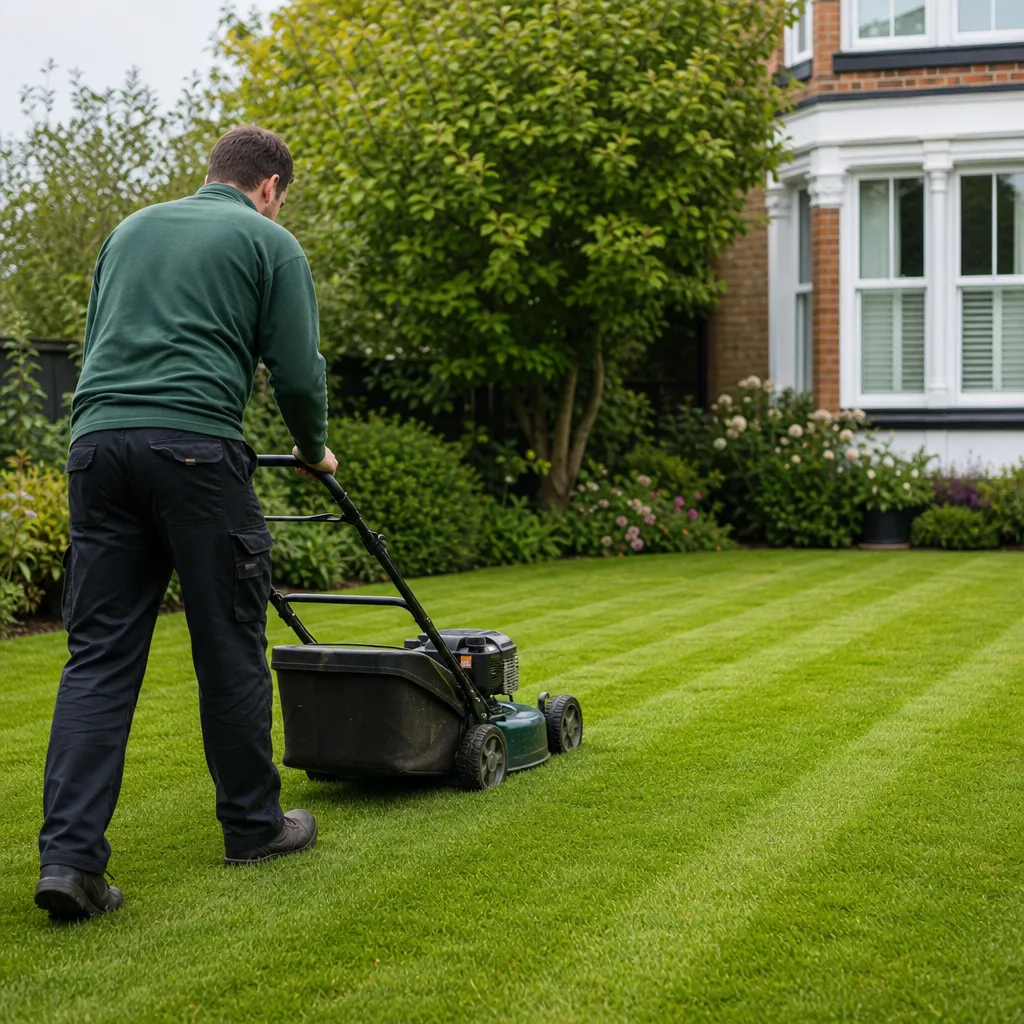
Proper Lawn Maintenance Techniques for Healthy UK Gardens
A healthy UK lawn needs mowing at 25–50 mm, never removing more than one-third of the blade length per cut.
 Improvement & Build
Garden Maintenance Services: What to Budget
Garden maintenance in the UK typically costs £25–£50 per hour for a general gardener, or £1,200–£3,500 per year for a regular maintenance contract covering a medium suburban garden.