Online Conveyancing: How Digital Property Transactions Work
By Housey · Last reviewed 30th of May 2026
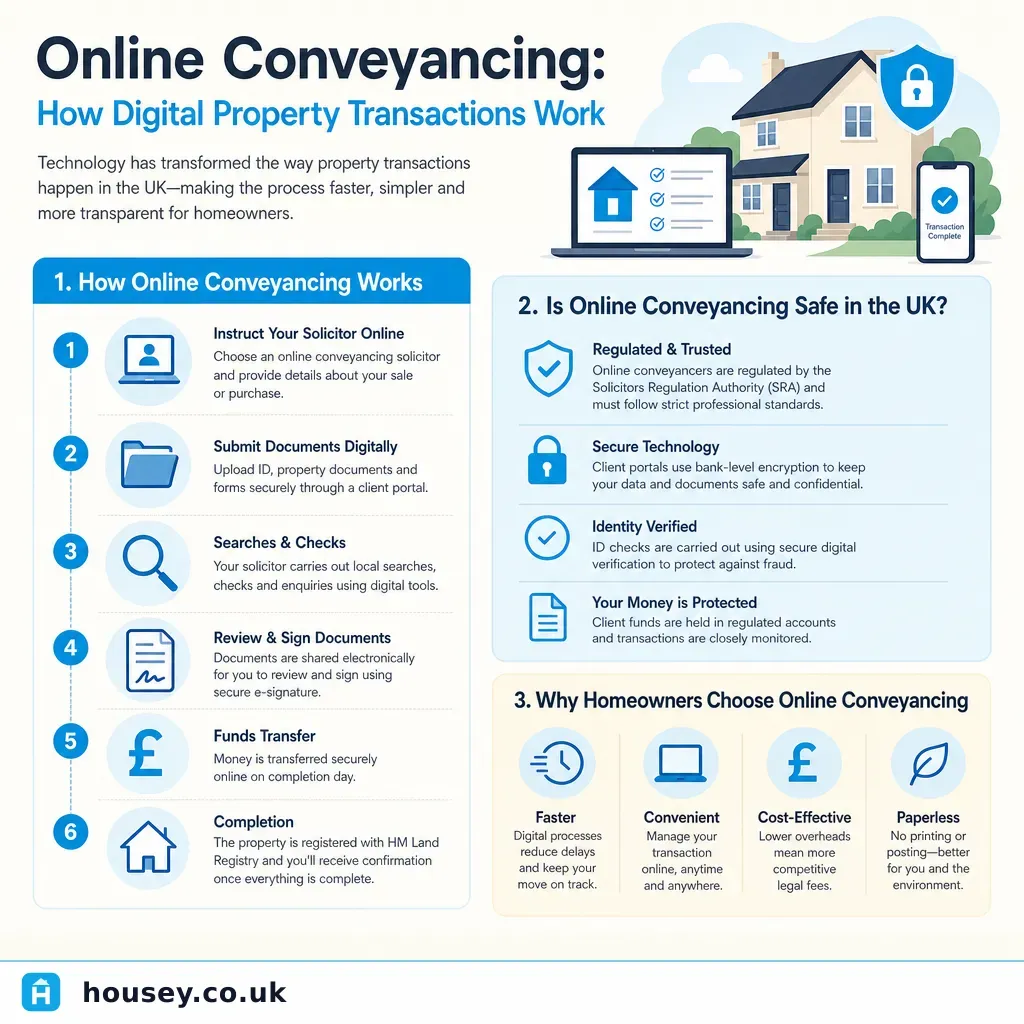
Online Conveyancing: How Digital Property Transactions Work
Online conveyancing has become a mainstream option for UK buyers and sellers, with remote working practices now well established across legal services. Whether you are purchasing a Victorian terrace, selling a leasehold flat, or remortgaging a 1990s semi, understanding how digital conveyancing actually works — and where its limitations lie — helps you choose the right firm and avoid costly misunderstandings.
Key points
- Online conveyancers must be authorised by the Solicitors Regulation Authority (SRA) or the Council for Licensed Conveyancers (CLC) — the legal substance of their work is identical to that of a high-street firm.
- HM Land Registry's Digital Registration Service supports electronic submissions for most transfers, enabling faster registration in straightforward cases.
- Identity verification for anti-money-laundering (AML) purposes can be completed remotely using certified digital ID checks, but some lenders still require wet-ink signatures on mortgage deeds.
- Leasehold transactions, shared ownership, auction purchases, and new-build completions often involve additional complexity that may reduce the advantages of a fully online process.
- You are entitled to a client care letter setting out fees, scope, and your right to complain — this applies regardless of whether your firm operates online or on the high street.
What online conveyancing actually means
Online conveyancing does not mean a different legal process — it means a different delivery channel. The legal steps (title investigation, searches, enquiries, exchange of contracts, completion, and registration) remain the same under the Land Registration Act 2002 and associated rules. What changes is how you communicate with your conveyancer, how you sign documents, how your identity is verified, and how funds are transferred.
Most online conveyancing firms use a client portal where you can track your transaction, upload documents, and exchange messages. Some use e-signature platforms such as DocuSign or PandaDoc for standard documents, though the mortgage deed and TR1 transfer form often still require a wet signature witnessed in person, depending on your lender's requirements.
Online vs high-street conveyancing: a comparison
Factor | Online conveyancing | High-street conveyancing |
|---|---|---|
Communication | Client portal, email, phone | Phone, in-person appointments, letter |
Availability | Often evenings and weekends | Typically office hours |
Cost | Usually lower fixed fees | Variable; may include local office overhead |
Personal contact | Usually a case handler, not always the same | More likely a named solicitor throughout |
Complex cases | Some firms decline or refer out | Typically handle end-to-end |
ID verification | Digital (YOTI, Thirdfort, or similar) | In-person or digital |
Best for | Standard freehold purchases, remortgages | Leasehold, new-build, auction, dispute-prone transactions |
Not ideal for | Complex title defects, contested probate sales | Price-sensitive, time-critical simple cases |
How digital ID verification works
Since 2022, HM Land Registry has supported digital identity verification as part of its Safe Harbour scheme. A conveyancer using a DIATF (Digital Identity and Attributes Trust Framework)-compliant service can verify your identity remotely, providing a degree of legal protection if fraud later occurs. You will typically be asked to photograph a passport or driving licence and complete a live selfie check via a smartphone app.
Not all online conveyancers use Safe Harbour-compliant technology. Ask specifically whether the firm's identity verification process meets HM Land Registry's practice guide 67 requirements before instructing.
E-signatures and when you may still need to sign in person
Most supporting documents in a conveyancing transaction can be signed electronically. However, several key documents may not qualify:
- The TR1 (transfer of title) and TP1 (part transfer) require a witnessed signature — many lenders and solicitors still require this to be a physical, in-person signature.
- Mortgage deeds: lenders set their own requirements; some accept digital signatures via the Conveyancing Association's Digital Mortgage Deed pilot, but many do not.
- Statutory declarations require a solicitor, commissioner for oaths, or notary — these cannot be completed entirely remotely.
Always confirm with your conveyancer which documents will require in-person or witnessed signatures before you instruct them.
Red flags to watch for
- The firm is not listed on the SRA register or CLC register — do not proceed.
- You cannot identify a named solicitor or licensed conveyancer responsible for your file.
- The quote excludes disbursements without itemising them — local authority searches, Land Registry fees, and Stamp Duty Land Tax returns add significantly to the headline price.
- The firm cannot confirm which ID verification method they use or whether it is DIATF-compliant.
- You are asked to transfer completion funds to a bank account you have not verified via a direct telephone call to a number on the firm's official website.
- There is no complaints procedure or the firm does not mention professional indemnity insurance.
Important limitations
This article provides general information about how online conveyancing works in England and Wales. Conveyancing law and lender requirements change regularly. The suitability of an online conveyancer for your specific transaction depends on property type, tenure, title complexity, lender requirements, and local authority. Nothing in this article constitutes legal advice. Always verify the regulatory status of any firm you instruct.
What to ask a qualified professional
Before instructing an online conveyancer, ask:
- Are you authorised by the SRA or CLC, and who is the named fee earner responsible for my file?
- Which ID verification platform do you use, and is it DIATF-compliant under HM Land Registry's Safe Harbour scheme?
- Which documents will require a wet-ink or witnessed signature in my transaction?
- How do you communicate completion figures and bank details, and what is your fraud prevention process?
- What is your policy if my transaction becomes complex — will you refer me elsewhere or handle it in-house?
- What is included in your fixed fee, and can you provide a full disbursements schedule?
- How many cases does each fee earner handle, and what is your average transaction timeline?
When to get professional help
Online conveyancing works well for many standard transactions, but certain situations warrant a more specialist approach:
- Leasehold properties where the lease has fewer than 80 years remaining.
- Shared ownership, Help to Buy equity loan redemption, or Right to Buy transactions.
- Properties with title defects, missing deeds, adverse possession claims, or covenants in dispute.
- New-build purchases with a long-stop completion date.
- Auction purchases where exchange happens on the day.
- Probate or trust sales where the seller is an estate or a trustee.
How Housey can help
Housey connects UK homeowners and buyers with regulated conveyancers experienced in both online and in-person transactions. Find and compare conveyancing services to get quotes tailored to your property type and circumstances.
Frequently asked questions
Is online conveyancing legally valid in England and Wales?
Yes. Provided the firm is authorised by the SRA or CLC and follows the same legal process as any conveyancer, the transaction is entirely valid. HM Land Registry accepts electronic submissions from authorised practitioners, and digital identity verification is supported under the Safe Harbour scheme introduced in 2022. The legal framework does not differ from a traditional firm.
Can I use online conveyancing for a leasehold flat?
You can, but leasehold transactions are generally more complex. Notices of transfer, deeds of covenant, managing agent enquiries, and ground rent or service charge reviews add layers that some online-only firms are not set up to handle efficiently. Check explicitly that the firm has leasehold experience before instructing.
What happens if my online conveyancing firm goes out of business?
SRA- and CLC-regulated firms must hold professional indemnity insurance and are subject to their regulator's intervention procedures. If a firm closes, the SRA's Compensation Fund may cover losses in certain circumstances. Client money must be held in a designated client account — ask for confirmation of this before transferring any funds.
Do I need to sign anything in person?
Potentially yes. Mortgage deeds and the TR1 transfer form may require a witnessed signature depending on your lender's requirements. Confirm which documents need physical or witnessed signing before you start, so you can plan accordingly — particularly if you live abroad or have accessibility needs.
How do I verify an online conveyancing firm is legitimate?
Search the firm's name or the named solicitor on the SRA's Solicitor Register at sra.org.uk, or the CLC's Find a Conveyancer tool. Never rely on a website alone. Check the firm's address, phone number, and complaints procedure. Verify any bank details by telephone using a number you find independently — not one in the same email as the account details.
Sources and further reading
- Buying or selling your home — GOV.UK
- HM Land Registry digital identity standard — HM Land Registry
- Find a solicitor — Solicitors Regulation Authority
- Find a licensed conveyancer — Council for Licensed Conveyancers
- Anti-money laundering regulations: an introduction — GOV.UK
Useful next reads
 Buying & Moving
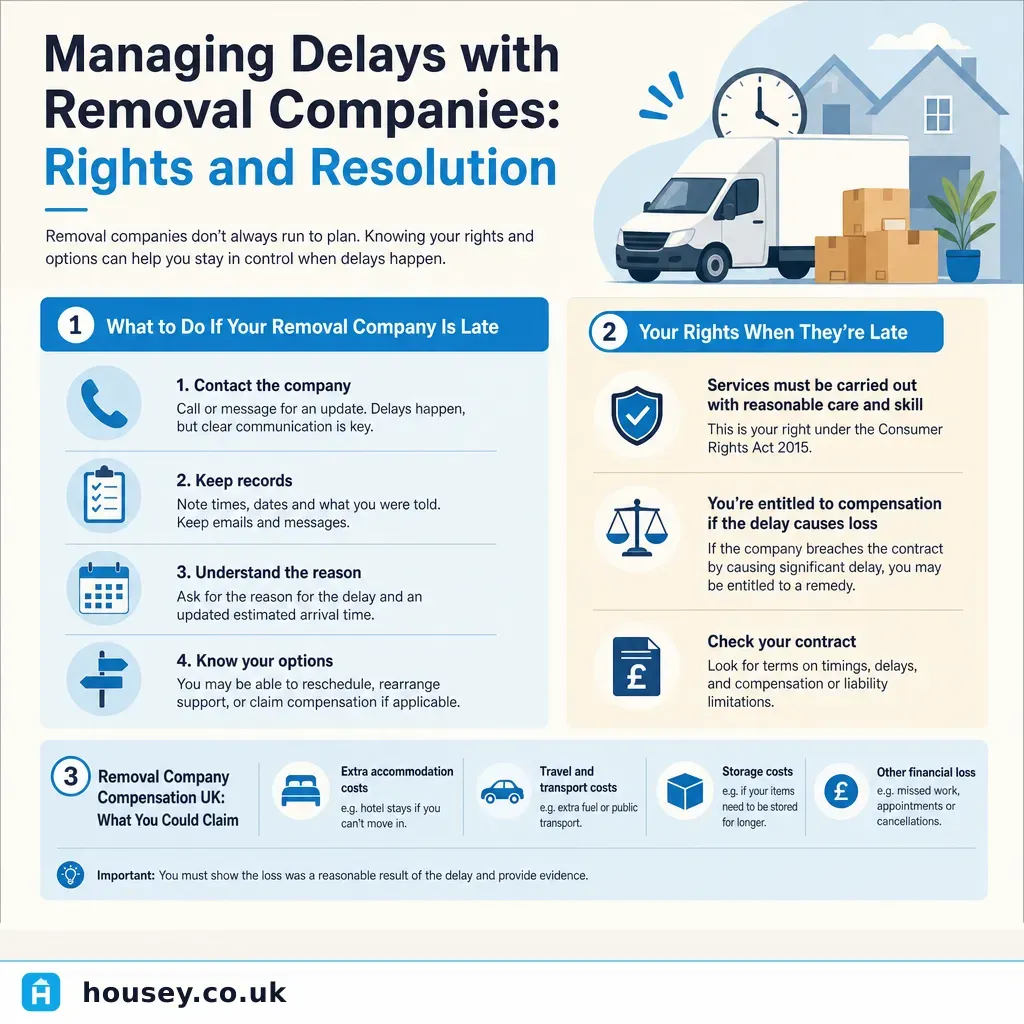
Managing Delays with Removal Companies: Rights and Resolution
If a removal company is late, your rights depend on your contract and whether the company is BAR-registered.
 Buying & Moving
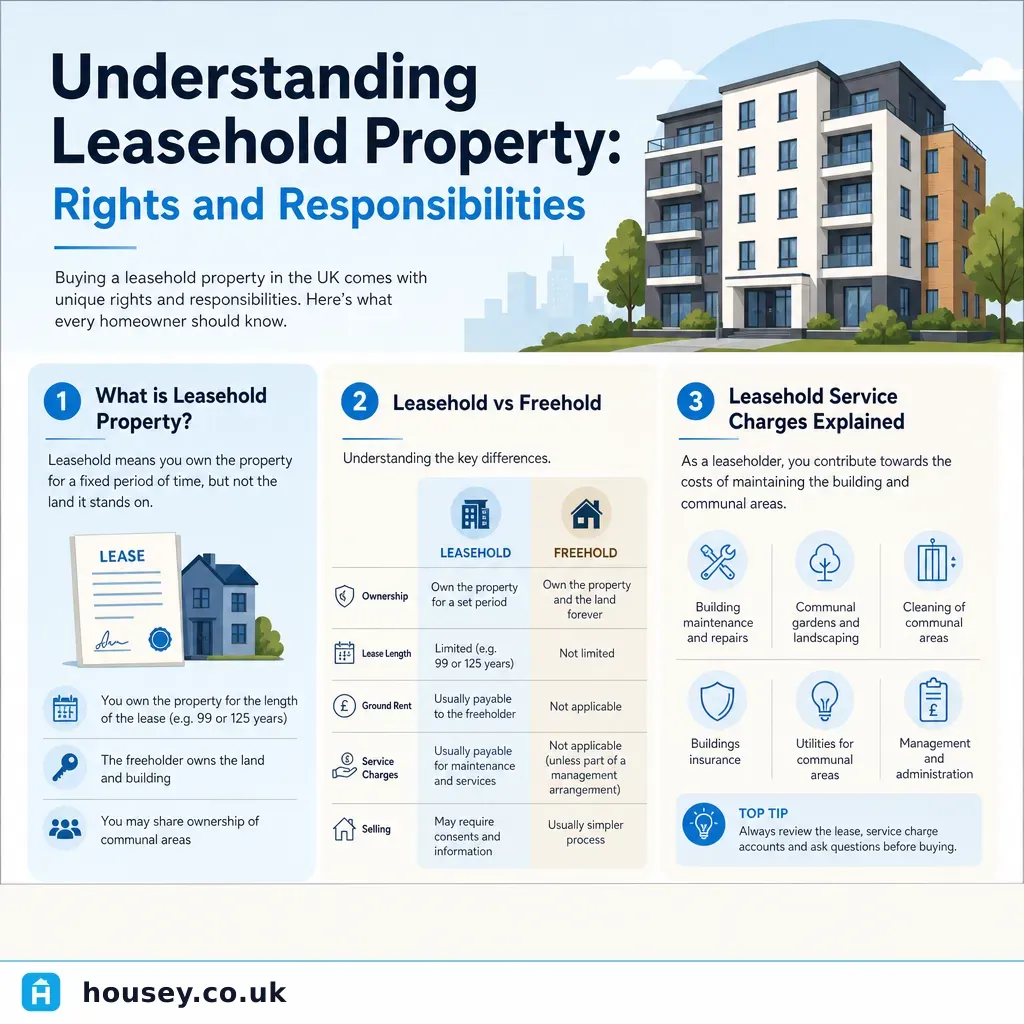
Understanding Leasehold Property: Rights and Responsibilities
Leasehold means you own a time-limited interest in a property while the freeholder owns the land and building.
 Buying & Moving
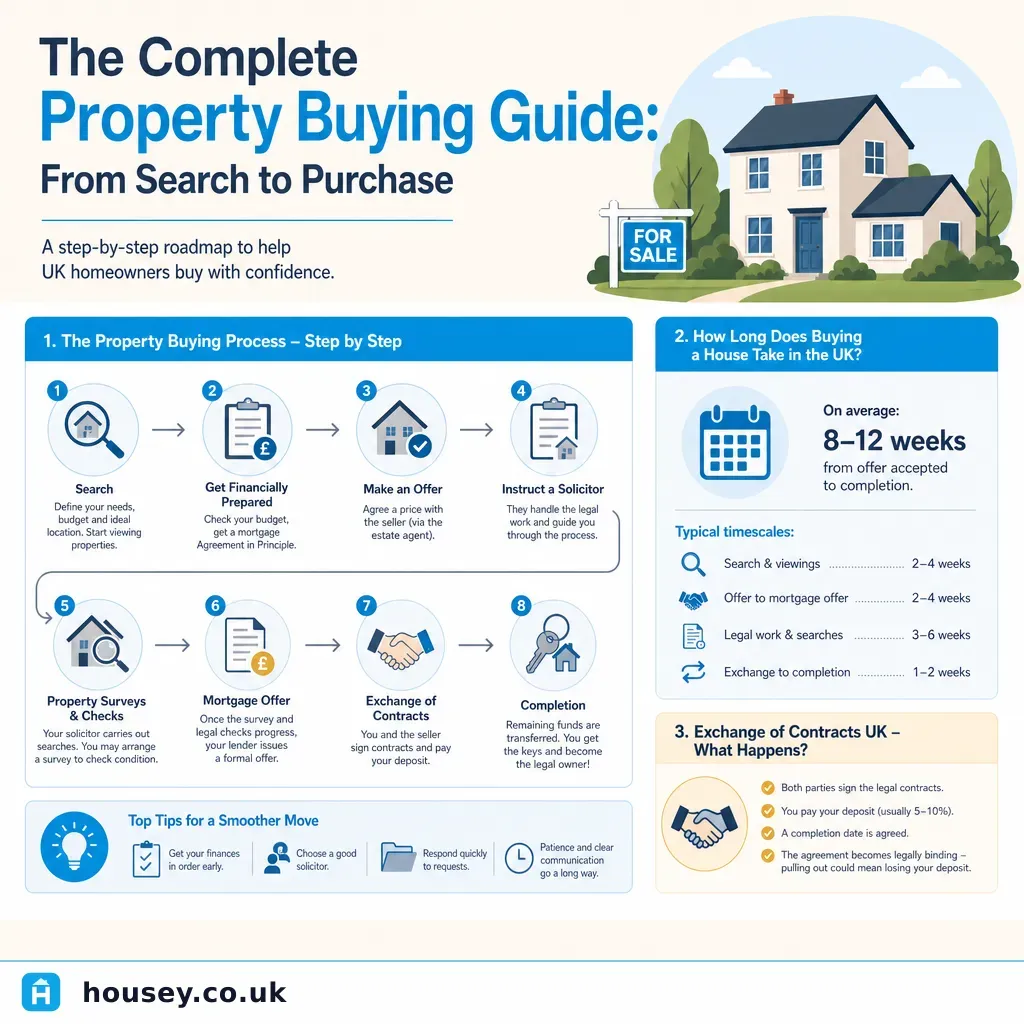
The Complete Property Buying Guide: From Search to Purchase
Buying a property in England and Wales typically takes 3–6 months from accepted offer to completion.
 Buying & Moving
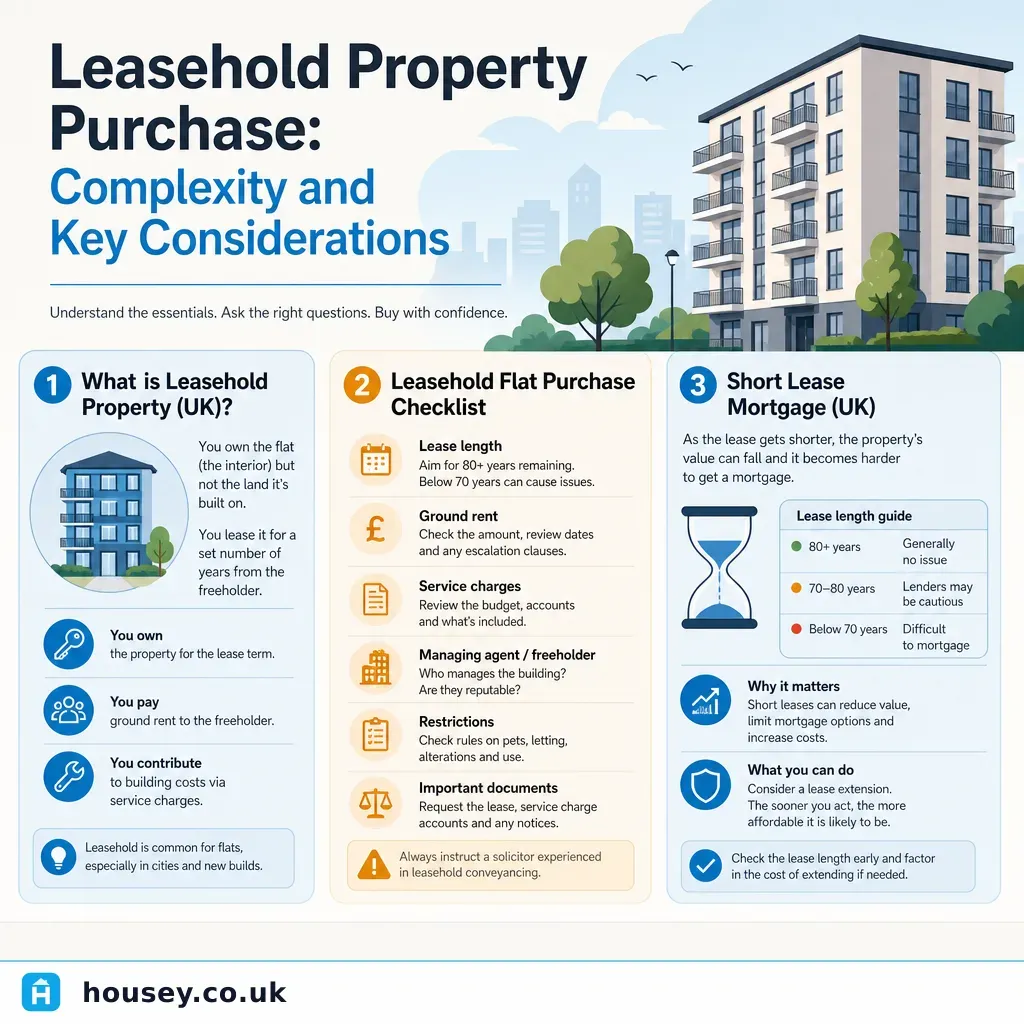
Leasehold Property Purchase: Complexity and Key Considerations
Buying a leasehold property means purchasing the right to occupy for a fixed term rather than owning the land outright.
 Buying & Moving
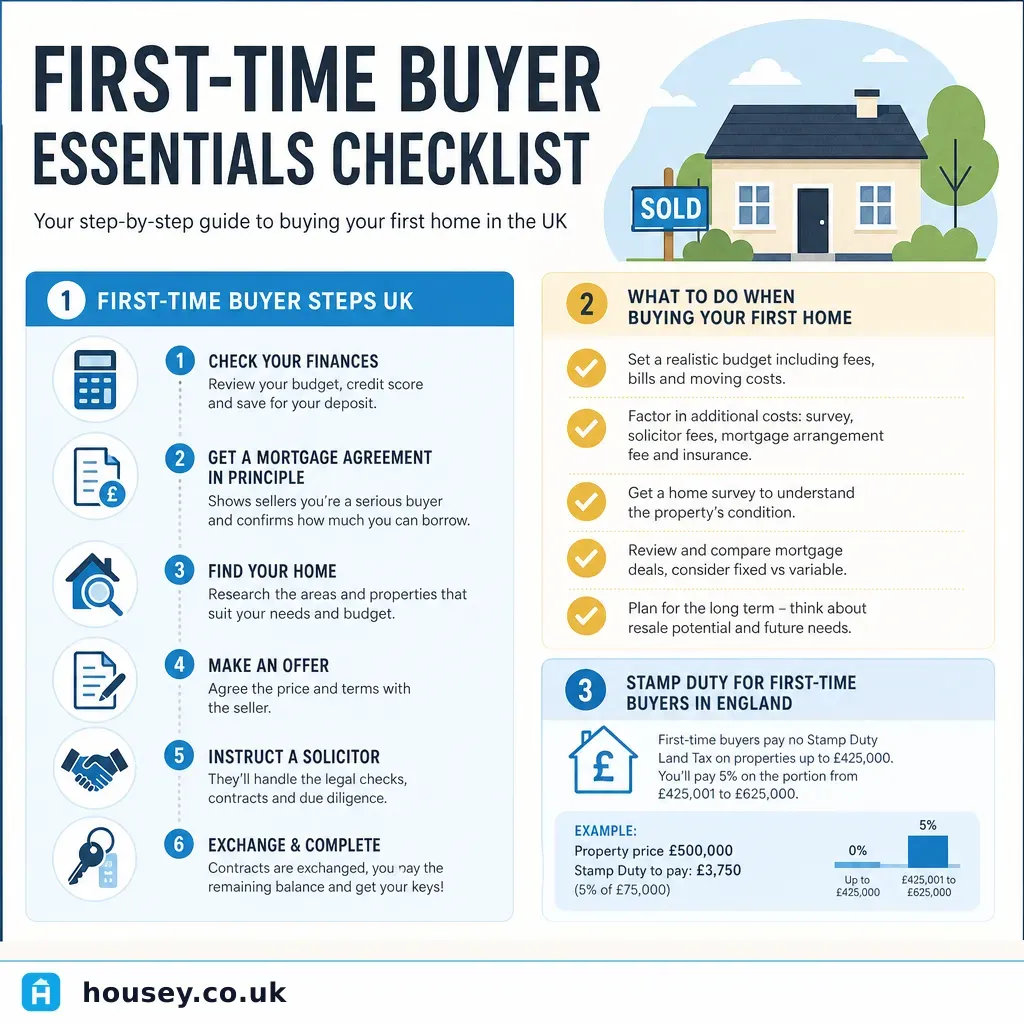
First-Time Buyer Essentials Checklist
Buying your first home involves obtaining a mortgage in principle, making an offer, instructing a solicitor, arranging a survey, and exchanging contracts before completion.