Pricing Strategy: Why Overvaluing Your Home Can Harm Your Sale
By Housey · Last reviewed 25th of May 2026
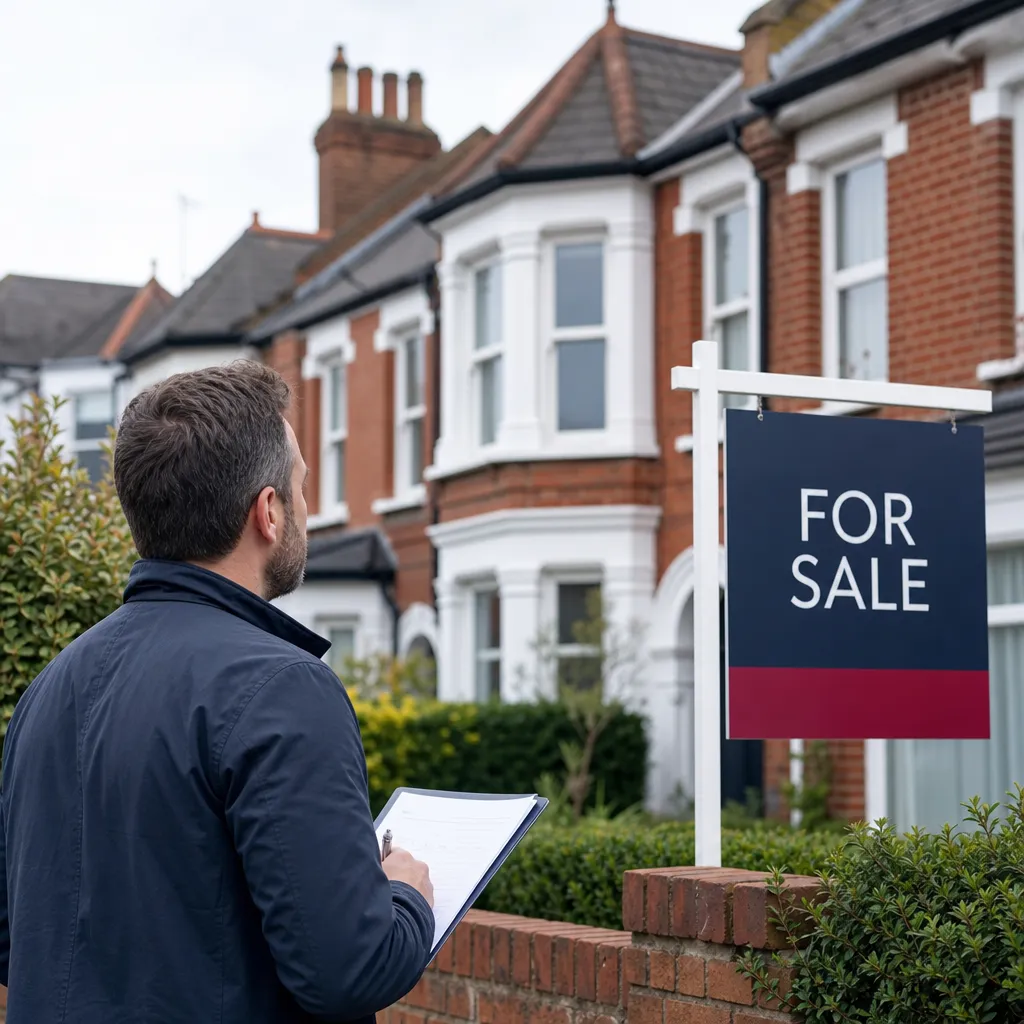
Pricing Strategy: Why Overvaluing Your Home Can Harm Your Sale
Setting the right asking price is one of the most consequential decisions a seller makes, yet overvaluation remains a widespread problem in the UK property market — often encouraged by estate agents competing to win instructions. A property that sits on the market too long, or requires repeated price reductions, can become significantly harder to sell than if it had been priced accurately from the outset.
Key points
- Mortgage lenders instruct their own valuers; if the lender's assessment comes in below the agreed sale price — a "down valuation" — the buyer's mortgage offer is based on the lower figure, and the sale may fall through.
- HM Land Registry publishes price paid data for all residential property sales in England and Wales, giving sellers a free source of comparable evidence before setting an asking price.
- Property portals display how long a listing has been on the market; buyers actively use this information to identify leverage and negotiate more aggressively on stale listings.
- Estate agents conducting market appraisals are not required to hold RICS qualifications; their suggested price is a commercial judgement, not a regulated valuation.
- In England, the National Trading Standards Estate and Letting Agents Team (NTSELAT) oversees agent conduct but does not set requirements for pricing methodology.
Why overpricing a UK home backfires
When a property is priced above its realistic market value, the first consequence is a sharp drop in enquiries. Buyers and their agents filter by price bracket; a property sitting above one threshold — or pushed into the next — may be invisible to the buyers most likely to purchase it.
Those who do view it will compare it against competing properties and conclude it is not competitive. Without strong early interest, the property sits. After several weeks without an offer, most sellers and agents agree to a price reduction. The problem is that UK buyers can see listing histories on Rightmove and Zoopla — and a property that has needed multiple price cuts signals a problem even after the price has been corrected.
Worked example: a 1930s semi in Nottingham
A three-bedroom 1930s semi-detached house in a Nottingham suburb receives estate agent appraisals ranging from £310,000 to £340,000. The seller, persuaded by the highest estimate, lists at £340,000. After eight weeks and just three viewings, the first reduction drops the price to £325,000. Six weeks later, a second reduction to £312,000 follows. By this point, the listing history shows 98 days on market — visible to any buyer checking Rightmove.
The eventual sale completes at £305,000: 10% below the opening asking price and below the range the most conservative agent originally suggested. Had the property launched at £315,000, it would likely have attracted competitive interest and sold closer to or above that figure in the first few weeks.
Red flags: signs your property may be overvalued
Watch for these signals during the marketing period:
- Your asking price is materially higher than all other agent appraisals you received
- You receive no enquiries within the first two weeks of listing
- You get viewings but no offers — buyers are attending out of curiosity, not genuine intent
- Viewer feedback consistently cites price as the reason for not proceeding
- A buyer is found but a down valuation is then received from their mortgage lender
- The property has been on the market significantly longer than the local average for your property type
How lenders assess value — and why it can undermine an overpriced sale
When a buyer applies for a mortgage, the lender instructs an independent valuer to confirm the property is adequate security for the loan. This valuer is assessing on behalf of the lender, not the buyer, and their opinion of value is based on recent comparable sales in the area — not on the asking price, any planned renovation, or the seller's emotional attachment to the home.
If the valuer concludes the property is worth £440,000 and the agreed price is £460,000, the lender will typically offer a mortgage based on £440,000. The buyer must then either renegotiate the price downward, increase their personal deposit to cover the gap, or withdraw from the purchase. Down valuations are one of the most common reasons agreed sales fall through in the UK.
Comparing your options for establishing market value
Approach | Who carries it out | Independence | What it provides | Limitations |
|---|---|---|---|---|
Estate agent market appraisal | High-street or online agent | Not independent — agents compete for the instruction | Suggested asking price range | Not a regulated valuation; no formal methodology required |
Independent RICS Red Book valuation | RICS-registered valuer | Fully independent | Formal market value supported by comparable evidence | Costs £200–£500+ depending on property (Indicative, last reviewed 2026-05-25) |
Lender's mortgage valuation | Panel valuer appointed by the lender | Independent of buyer and seller | Confirms security value for the mortgage | Carried out for the lender; not disclosed to the seller |
Automated valuation model (AVM) | Property portals | Automated algorithm | Indicative estimate only | Wide margin of error; unsuitable for pricing decisions |
What to do instead of overvaluing
- Obtain at least three agent appraisals and discard the highest if it is an outlier without supporting comparable evidence.
- Check HM Land Registry price paid data for what comparable properties actually sold for in the past 12 months.
- Consider an independent RICS valuation — a formal, regulated view of market value, useful if you are confident in a figure but want objective evidence.
- Set a price that puts you in front of the right buyer pool. Portal search filters typically work in £25,000 increments; pricing at £299,950 rather than £310,000 can significantly increase the number of active buyers who see your listing.
- Agree a review timeline with your agent. If there have been no offers in four weeks, revisit the price based on viewing feedback rather than waiting for the listing to grow stale.
Important limitations
This article provides general guidance on residential property pricing strategy in England and Wales. Actual market values depend on location, condition, buyer demand, tenure, and wider economic conditions, and vary significantly at a local level. Nothing in this article constitutes a formal valuation or financial advice. A RICS-registered valuer can provide an independent, regulated opinion of your property's market value.
What to ask a qualified professional
Ask a RICS-registered valuer:
- What comparable sales in the local area support your opinion of market value?
- Are there any property-specific factors — condition, tenure, planning history — that affect value relative to the comparables?
- What marketing period would you expect at this price in the current market?
Ask your estate agent:
- Can you show me the specific sold prices that support your suggested asking price?
- What is the current average time to sell for similar properties in this area?
- If we receive no offers in four weeks, what price adjustment would you recommend?
When to get professional help
Seek independent professional advice if:
- A sale has fallen through following a down valuation and you need clarity on an achievable price
- Multiple agents have given you widely different figures with no explanation of the comparables
- You are selling in unusual circumstances — probate, divorce, a leasehold with a short remaining term, or a property with structural or planning issues
- You need to demonstrate market value for tax, legal, or inheritance purposes
How Housey can help
Housey connects sellers with RICS-registered valuers who can provide a formal, evidence-based view of your property's market value before you go to market. Request a professional property valuation and compare quotes from verified providers. Once you have a buyer, you can also request quotes from regulated conveyancing solicitors to manage the legal transfer efficiently.
Frequently asked questions
How much does overpricing a house affect the final sale price?
Overpriced properties that require reductions typically attract fewer serious buyers and, once reduced, often achieve a lower price than a correctly priced property would have commanded. The combination of reduced early interest, growing time on market, and the negotiating leverage a stale listing gives buyers frequently results in a lower final sale price — even after the asking price has been corrected.
How do estate agents value a property?
Estate agents carry out a market appraisal — a commercial assessment based on comparable recent sales, current competing listings, the property's condition and features, and their knowledge of local buyer demand. This is not a regulated process; agents are not required to use RICS methodology. The result is a suggested asking price range, not a formal valuation, and agents competing for your instruction have a commercial incentive to propose the highest figure.
Should I get an independent RICS valuation before selling?
An independent RICS valuation is worth considering if you have received widely different agent appraisals, if the property is unusual, or if you need a formally evidenced opinion of market value for legal or tax purposes. It typically costs £200–£500 depending on property size and complexity (Indicative UK costs, last reviewed 2026-05-25) and provides a methodology-backed assessment supported by comparable evidence.
What is a down valuation and what are my options if I receive one?
A down valuation occurs when the mortgage lender's valuer assesses the property as worth less than the agreed sale price. The buyer's mortgage offer is then based on the lower figure. As the seller, your options are to renegotiate the price to the lender's valuation, hold firm and allow the buyer to fund the gap themselves, or re-market at a more realistic price. Independent professional advice is helpful in this situation.
Sources and further reading
- HM Land Registry: price paid data — HM Land Registry
- Residential valuation standards and guidance — RICS
- How to sell your home — GOV.UK
- Buying and selling homes — Citizens Advice
- Consumer guidance on estate agents — The Property Ombudsman
Useful next reads
 Buying & Moving
How to Sell Your House Fast in the UK
To sell your home quickly in the UK, price it accurately from day one using a professional valuation, maximise kerb appeal, instruct a conveyancer before you list, and choose an estate agent with a strong local track record.
 Buying & Moving
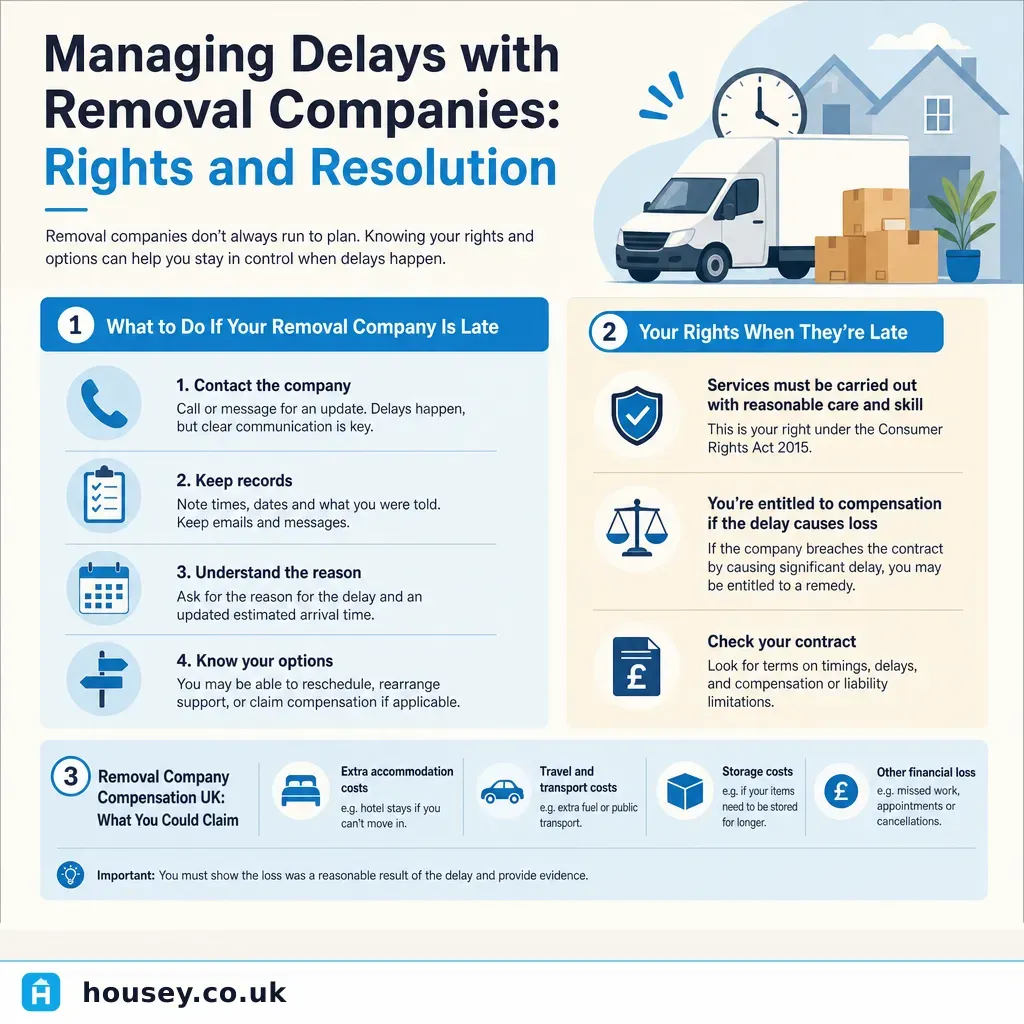
Managing Delays with Removal Companies: Rights and Resolution
If a removal company is late, your rights depend on your contract and whether the company is BAR-registered.
 Buying & Moving
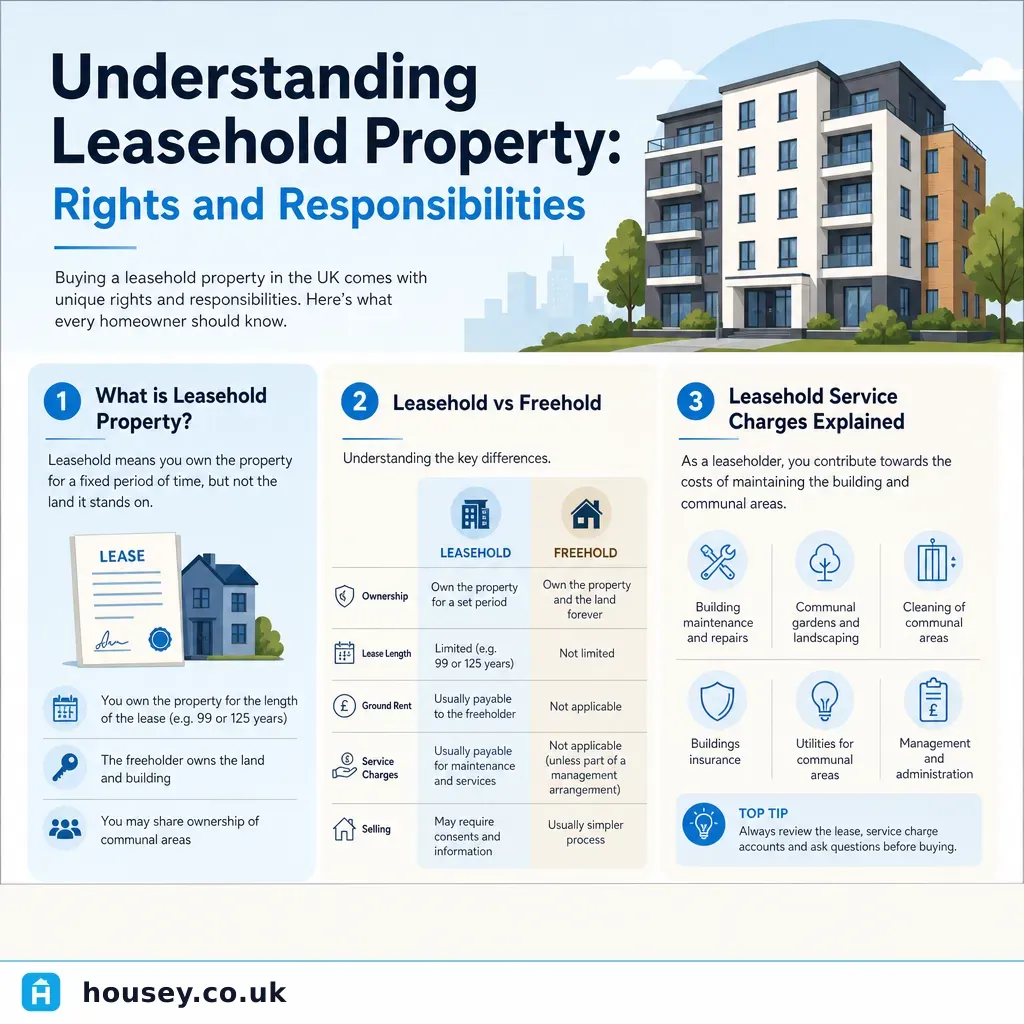
Understanding Leasehold Property: Rights and Responsibilities
Leasehold means you own a time-limited interest in a property while the freeholder owns the land and building.
 Buying & Moving
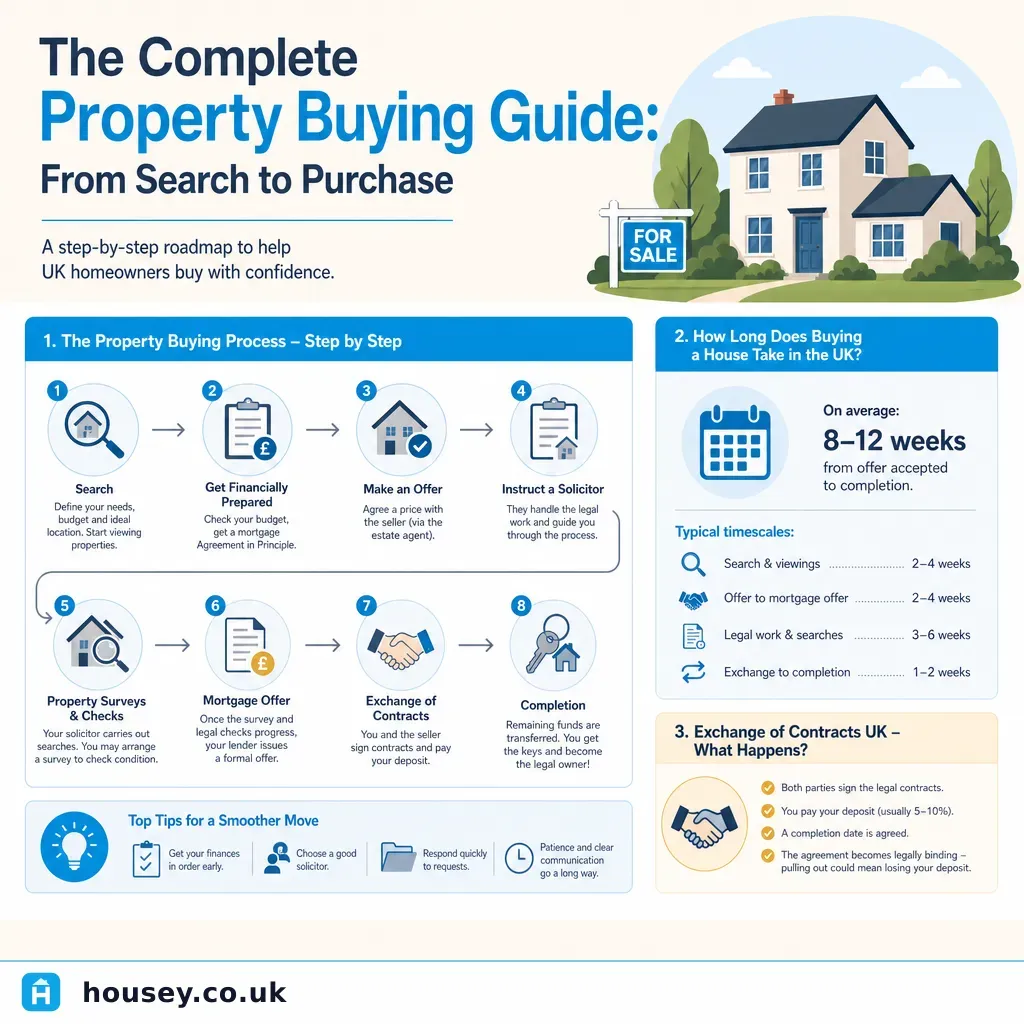
The Complete Property Buying Guide: From Search to Purchase
Buying a property in England and Wales typically takes 3–6 months from accepted offer to completion.
 Buying & Moving
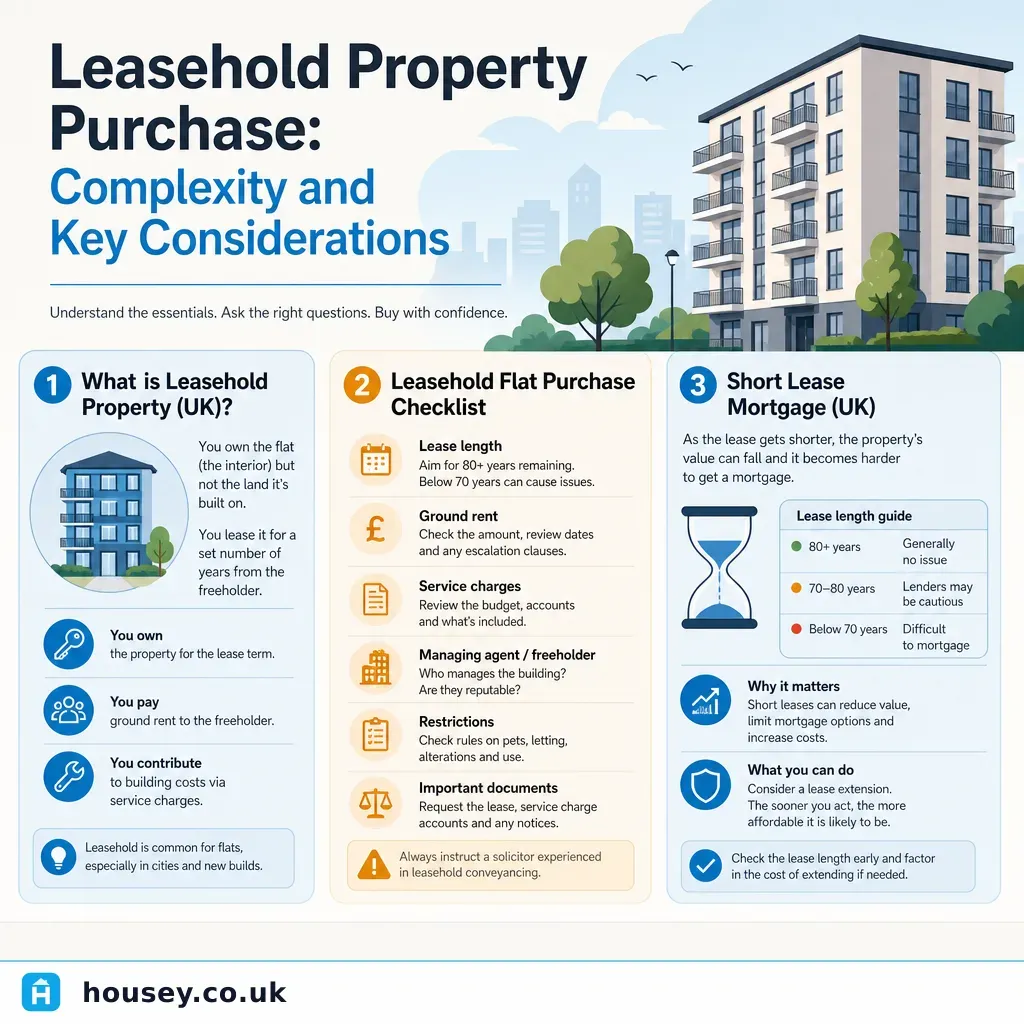
Leasehold Property Purchase: Complexity and Key Considerations
Buying a leasehold property means purchasing the right to occupy for a fixed term rather than owning the land outright.