Removing Oil and Residue Stains from Driveway Surfaces
By Housey · Last reviewed 25th of May 2026
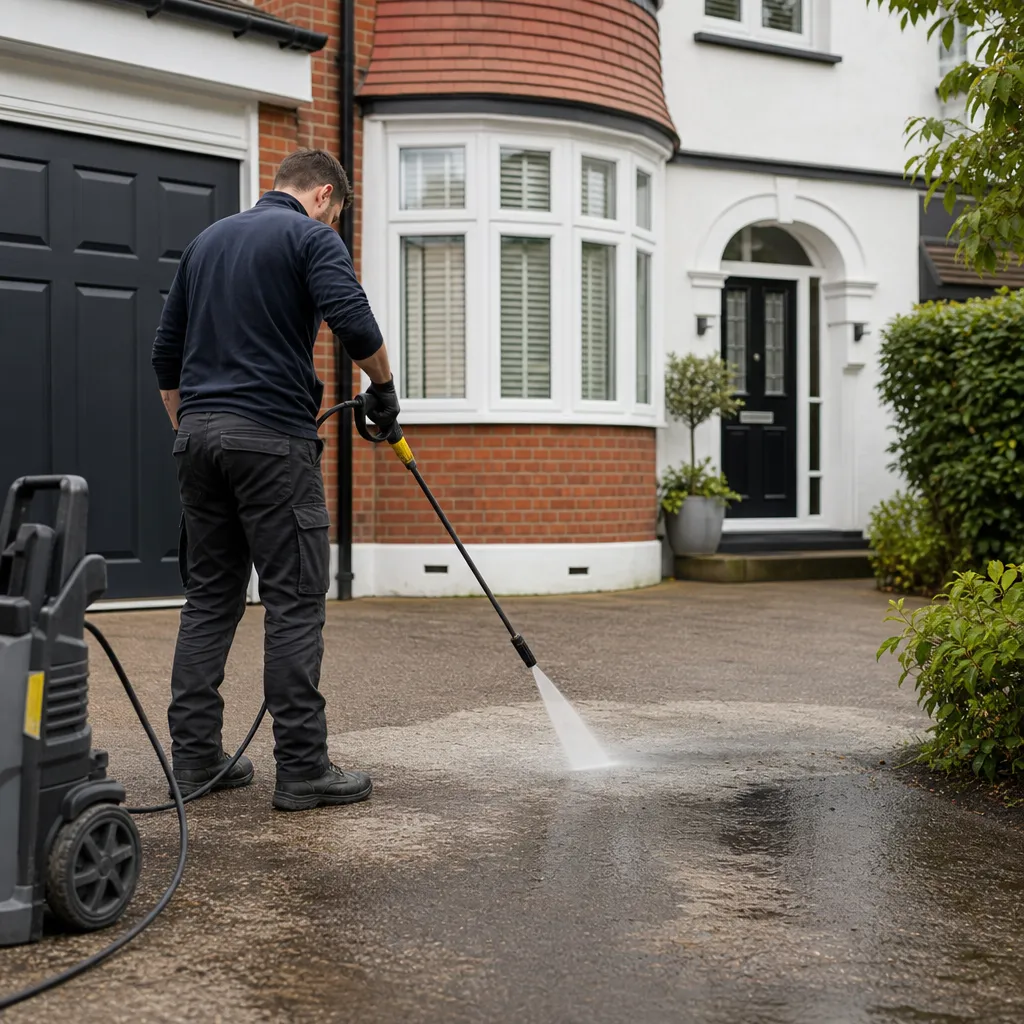
Removing Oil and Residue Stains from Driveway Surfaces
Oil and grease stains are among the most common and stubborn maintenance problems on UK driveways, appearing after vehicle leaks, mechanical work, or outdoor cooking spillage. The material your driveway is made from — concrete, block paving, tarmac, or natural stone — significantly affects which cleaning approach is safe and effective. Applying the wrong product or method can damage the surface or permanently fix the stain deeper into the material.
Key points
- Fresh oil spills should have absorbent material — cat litter, sand, or proprietary oil-dry powder — applied immediately and left for 15–30 minutes before sweeping; this prevents rapid penetration into porous surfaces.
- Alkaline degreasers (pH 9–13) are the most effective chemical agents for petroleum-based oil and grease on concrete and block paving; acidic products designed for efflorescence or rust removal are not suitable for oil staining.
- Tarmac (asphalt) driveways require degreasers specifically labelled as tarmac-safe — many standard solvent-based and alkaline products dissolve the bituminous binder and can permanently damage the surface.
- Under the Water Resources Act 1991, polluting controlled waters — including surface water drains that discharge to watercourses — with oil or cleaning chemicals is a criminal offence; run-off from driveway cleaning must be carefully managed.
- Impregnating sealers applied to clean, dry concrete or block paving significantly slow future oil penetration and make subsequent cleaning considerably easier.
Why oil stains are difficult to remove
Concrete, block paving, and natural stone are porous at a microscopic level. Oil begins migrating into surface pores within minutes of a spill. Heat — from warm engine bays or summer sun on the paving — accelerates penetration considerably. UV exposure then oxidises the oil over time, altering its chemical structure and making it progressively harder to emulsify and lift. By the time a stain is noticed, it may already be several millimetres into the surface, well beyond the reach of surface scrubbing alone.
Tarmac presents a particular challenge because the asphalt binder is itself petroleum-based. Aggressive solvents intended to dissolve oil can simultaneously dissolve the binder, causing surface softening, tackiness, and long-term deterioration of the surface layer.
Choosing the right stain removal method
Method | Best for | Surface suitability | Key limitation |
|---|---|---|---|
Absorbent powder (cat litter, oil-dry) | Fresh spills within 24 hours | All hard surfaces | Minimal effect on stains older than a few days |
Alkaline degreaser (liquid) | General oil and grease staining | Concrete, block paving, natural stone | Not suitable for tarmac unless specifically labelled |
Poultice (absorbent paste and degreaser) | Deep-penetrating or long-set stains | Concrete, natural stone | Slow — 12 to 48 hour dwell time required |
Enzymatic or bioremediation cleaner | Older stains, large areas, tarmac-safe option | Concrete, block paving, tarmac | Requires temperatures above 10°C; slow-acting |
Pressure washer (post-chemical rinse) | Rinsing after chemical treatment | All hard surfaces | Does not remove oil staining on its own |
Solvent cleaner | Tar, bitumen, or rubber residue | Concrete only | Strong fumes; COSHH precautions required; never use on tarmac |
Step-by-step treatment for set oil stains
- Remove loose debris. Sweep the area and clear any surface contamination.
- Apply degreaser. Coat the stain generously with an alkaline degreaser suitable for the surface. Follow the manufacturer's recommended dwell time, typically 15–30 minutes. Keep the product moist — do not allow it to dry on the surface.
- Agitate. Scrub firmly with a stiff nylon or polypropylene brush. Avoid wire brushes on natural stone or glazed surfaces.
- Rinse. Use a hose or pressure washer at moderate pressure, directing run-off away from surface water drains and planted areas.
- Repeat. Deep or long-standing stains usually require two or three treatment cycles for a significant improvement.
- Apply a poultice for stubborn stains. Mix diatomaceous earth, fuller's earth, or commercial poultice powder with a degreaser to a thick paste. Apply 5–10 mm deep over the stain, cover with polythene film to slow drying, and leave for 24–48 hours. Remove, scrub, and rinse.
- Seal the surface once clean and dry. A penetrating impregnating sealer applied after cleaning slows future oil penetration significantly.
Homeowner checklist before starting driveway stain removal
Tarmac driveways: special considerations
Many degreasers marketed for concrete will damage tarmac surfaces by softening or dissolving the bituminous binder, leaving a tacky or pitted area. For tarmac, use only products explicitly labelled as safe for asphalt. Enzymatic or bioremediation cleaners are frequently the safest option — they use bacterial action to break down hydrocarbon contamination gradually without chemical aggression. Avoid high-pressure washing on tarmac driveways laid within the last 12 months, as the binder is still curing and can be disrupted by impact.
Preventing future oil stains
- Apply a quality penetrating impregnating sealer to concrete or block paving every 3–5 years; this significantly slows oil penetration and makes subsequent cleaning much quicker.
- Place an oil-absorbing mat or drip tray beneath vehicles with slow leaks.
- Keep oil-dry powder or cat litter in the garage for immediate application to fresh spills.
- Address vehicle oil leaks promptly — recurring spills will eventually stain through any sealer over time.
When to get professional help
Consider engaging a professional driveway cleaning contractor if:
- The stain covers a large area or has been present for more than 12 months.
- The driveway surface shows crumbling, cracking, or spalling — cleaning can accelerate deterioration on a compromised surface.
- You are dealing with diesel, petrol, or hydraulic fluid spillage and are uncertain about COSHH-compliant handling and disposal.
- Run-off from cleaning could reach a watercourse or surface water drain — a professional contractor will have appropriate containment equipment.
- You want to reseal the whole driveway after cleaning, which is often more cost-effective combined as a single contract.
How Housey can help
For advice on professional driveway cleaning, surface restoration, or a full replacement, Housey connects you with experienced driveway installers who can assess your driveway and provide quotes for cleaning, resealing, or new installation.
Frequently asked questions
Does washing-up liquid remove oil from a driveway?
Washing-up liquid can partially emulsify light, fresh oil staining but is far less effective than a purpose-made alkaline degreaser. It requires multiple applications and vigorous scrubbing, and surfactant residues can attract further dirt. For set or heavy staining, a proprietary concrete or paving degreaser will achieve substantially better results with considerably less effort.
Is it legal to wash driveway cleaning chemicals down the road drain?
It may not be. Surface water drains in most UK residential streets discharge directly to watercourses without treatment. Under the Water Resources Act 1991, polluting controlled waters — including through road drains — with oil or chemicals is a criminal offence. Direct wash-off to a soakaway in soft ground, or contain and dispose of chemically contaminated water appropriately. If in doubt, check with your local authority or the Environment Agency.
How long does a poultice treatment take to work on an oil stain?
A poultice typically needs 12 to 48 hours of contact time, depending on how deeply the oil has penetrated. Covering it with polythene film maintains moisture and improves oil extraction into the absorbent medium. Multiple applications are often needed for stains present for months or years — each cycle should progressively reduce the remaining contamination.
Will sealing my driveway prevent all future oil staining?
A penetrating impregnating sealer significantly slows oil penetration by filling surface pores, giving more time to clean up spills before they become permanent. It does not make the surface fully impervious, and large or prolonged spills can still penetrate over time. Reapply sealers every 3–5 years to maintain effectiveness, and keep absorbent material available for prompt action on fresh spills.
Sources and further reading
- Environment Agency: pollution prevention guidance — GOV.UK / Environment Agency
- Water Resources Act 1991 — legislation.gov.uk
- HSE COSHH: working safely with chemicals — Health and Safety Executive
- Marshalls paving maintenance and cleaning guidance — Marshalls
Useful next reads
 Improvement & Build
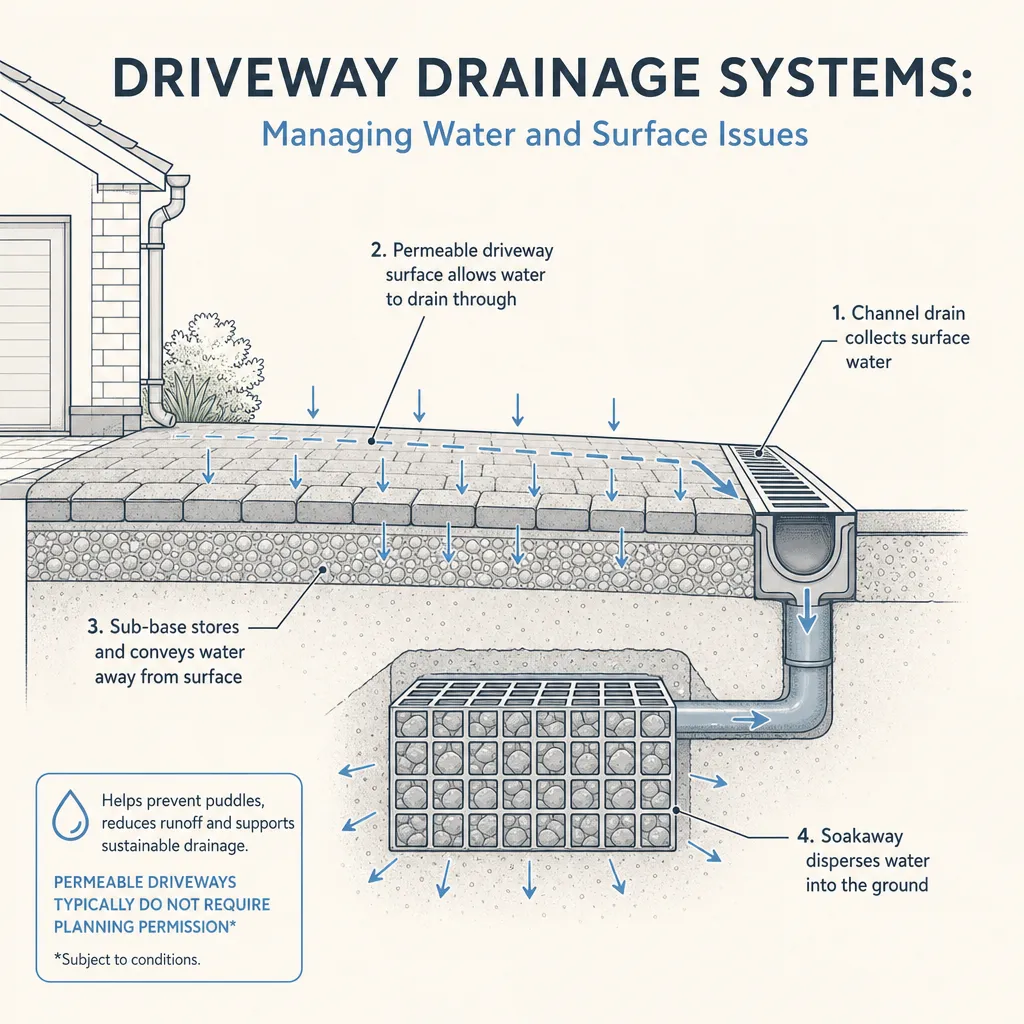
Driveway Drainage Systems: Managing Water and Surface Issues
The right driveway drainage system depends on your surface type, soil permeability, and local flood risk.
 Improvement & Build
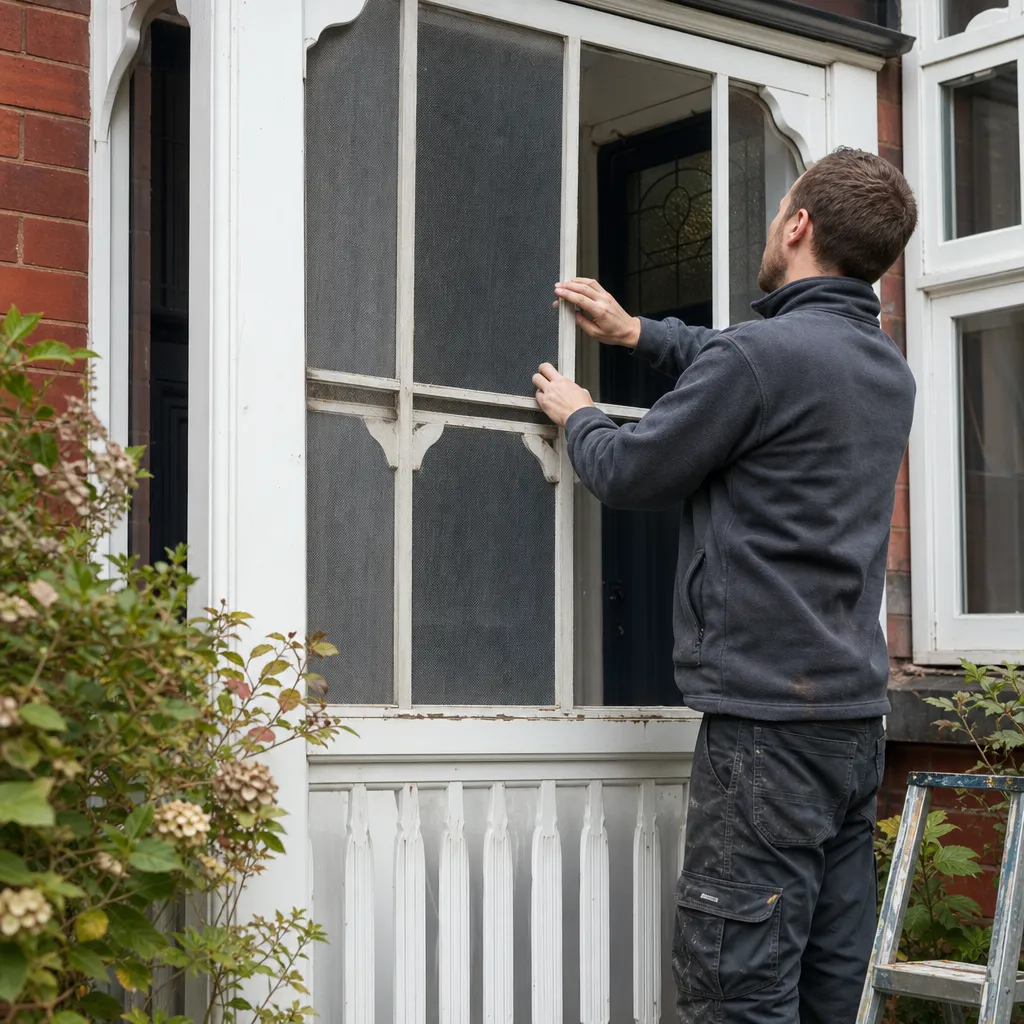
Repairing Damaged Porch Screens: When to Call a Specialist
Most porch screen repairs fall into two categories: surface work — cracked paint, minor mesh tears, loose beading — that a confident homeowner can handle, and structural or glass replacements that require a specialist.
 Improvement & Build
Budget for Fitting Soffits, Fascias, and Gutter Systems
Replacing soffits, fascias, and gutters on a typical UK semi-detached house costs roughly £1,500–£3,500 for uPVC, depending on property size, access, and material choice.
 Improvement & Build
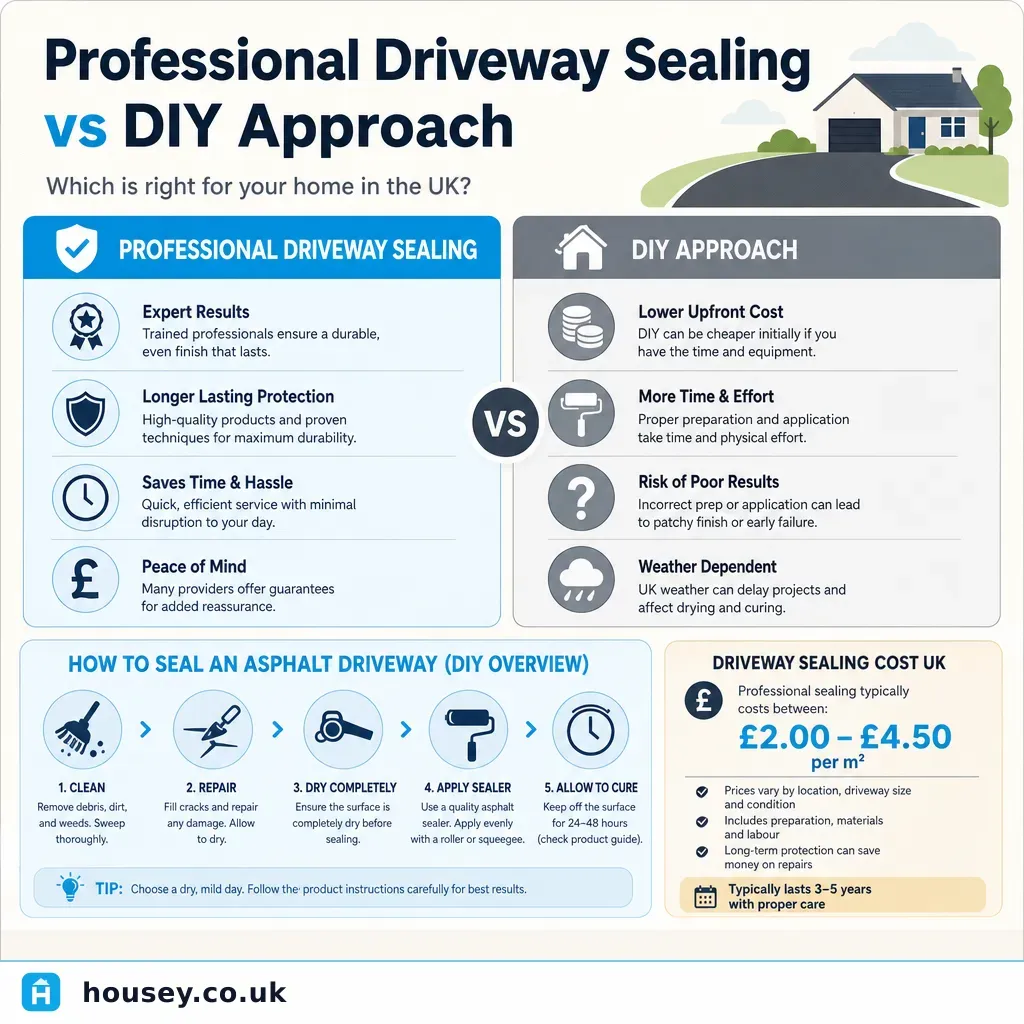
Professional Driveway Sealing vs DIY Approach
Professional driveway sealing offers a more durable, even finish using commercial-grade sealants and specialist equipment, typically costing £150 to £400 for an average drive.
 Improvement & Build
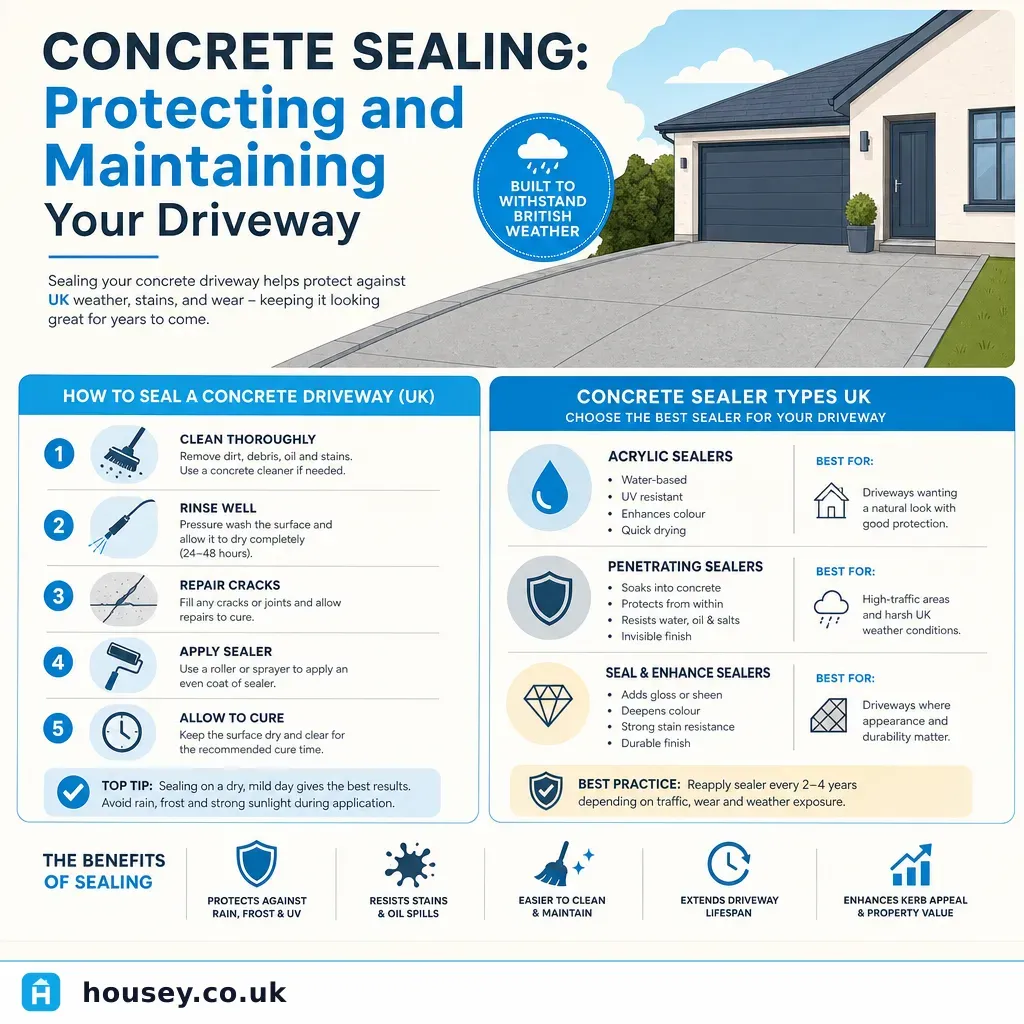
Concrete Sealing: Protecting and Maintaining Your Driveway
Sealing a concrete driveway protects against water ingress, freeze-thaw damage, oil stains, and surface wear.