Shared Driveway Rights: Legal Ownership and Maintenance Responsibilities
By Housey · Last reviewed 25th of May 2026
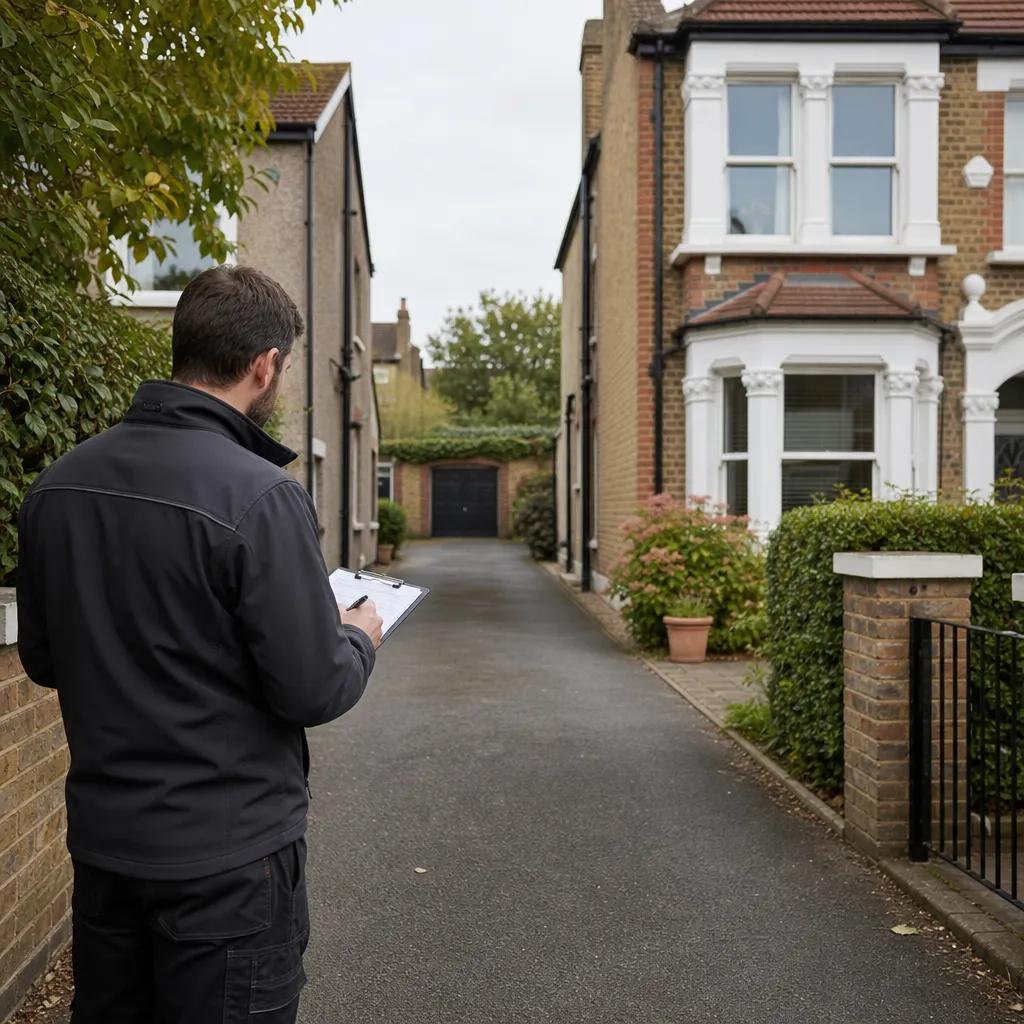
Shared Driveway Rights: Legal Ownership and Maintenance Responsibilities
Shared driveways are a common feature of terraced houses, 1930s semis, and Victorian-era properties across the UK, yet their legal status is rarely explained clearly in a sale brochure or estate agent's particulars. Questions about who owns the surface, who holds the right to use it, and who must pay for repairs sit in the title deeds — and sometimes in decades of case law and registered covenants. Disputes typically surface when a new owner takes on a property without checking, or when a neighbour makes a change that unexpectedly affects access.
Key points
- Rights to use a shared driveway are typically granted as an easement — a legal right attached to the benefiting property that is recorded in, or implied by, title documents held at HM Land Registry.
- Under the Land Registration Act 2002, most easements affecting registered land should be entered on the title register; always check both your own title and your neighbour's before purchasing.
- Maintenance obligations are only legally enforceable between neighbours if expressly stated in a deed or covenant; informal arrangements — however long-standing — carry no legal weight and are unenforceable.
- Where no easement is formally recorded, a prescriptive easement may be claimed after 20 years of open, continuous, and unchallenged use under the Prescription Act 1832, though establishing this requires professional legal advice.
- Boundary disputes involving a shared driveway can be referred to a RICS-accredited boundary surveyor, whose measured survey and expert report can support a legal claim or facilitate negotiation between parties.
Who legally owns a shared driveway?
Ownership and right of use are distinct legal concepts — both must be understood separately.
Ownership of the driveway surface (the physical land) typically belongs to one adjacent property — usually whichever property's title plan shows it within the boundary line — or is held jointly by two or more owners. In some residential developments, a management company or residents' association holds the freehold of shared areas, with individual homeowners entitled to use them under the terms of their leases or transfers.
Right of use (an easement) is a legal right attached to a neighbouring property that allows its owner to cross the driveway. This right runs with the land: it transfers automatically when the benefiting property is sold and does not need to be renegotiated by each successive owner.
To establish the legal position for a specific property, the starting point is the official title register and title plan available from HM Land Registry (downloadable for a small fee per title). Look for:
- References to rights of way in the Property Register (section A) or the Charges Register (section C)
- Covenants or conditions in historical conveyances that are referred to by the register
- Any registered notices, restrictions, or charges affecting the driveway or adjacent land
Maintenance responsibilities: what the law says
Scenario | Likely legal position |
|---|---|
Maintenance obligation expressly stated in title deed or conveyance | Obligation is binding on all successors in title — both current and future owners |
No written maintenance obligation recorded anywhere | Neither party is generally required to maintain the surface for the other's benefit — but must not obstruct the right of way |
Joint ownership of the driveway surface | Each owner usually has a duty to contribute proportionally to upkeep costs |
Residents' management company owns the driveway | Maintenance governed by the company's constitution, the lease terms, or the service charge provisions |
Where no written obligation exists, a solicitor's advice based on the full title documentation is essential before making demands of a neighbour or refusing to contribute to repair costs.
Common disputes and how they are typically resolved
- Blocking access — parking a vehicle across a shared driveway when the neighbour holds a right of way may constitute interference with an easement. A formal letter via solicitors is usually the first step; mediation before court action is generally advisable and less costly.
- Refusal to contribute to repair costs — without a written obligation, compelling a neighbour to share costs is very difficult without litigation. A solicitor can advise on the realistic options.
- Installing gates, barriers, or cameras — may be permissible depending on the easement terms, but must not prevent lawful access by those who hold the right of way.
- Disputed boundary or driveway extent — a boundary surveyor produces a measured survey to establish the physical extent; a solicitor then interprets the legal position based on the title documents and survey evidence.
Homeowner checklist: buying a property with a shared driveway
Before exchange of contracts, work through the following with your solicitor:
Decision tree: which professional do you need?
- To understand the legal ownership or easement → instruct a conveyancing solicitor to review the full title documents for both properties.
- To establish the physical extent of the driveway where the boundary is unclear → instruct boundary surveyors for a measured survey and expert report.
- If a neighbour is obstructing your access → instruct a solicitor to issue a formal letter before action; consider mediation as a first step before court proceedings.
- If you are buying and the legal position is unclear → raise pre-contract enquiries via your solicitor at the pre-exchange stage, before you are committed.
- To formalise an informal arrangement as a binding registered easement → both parties instruct solicitors to draft and register an express easement deed at HM Land Registry.
Important limitations
This article provides general information about shared driveway rights in England and Wales. The legal position for any specific property depends entirely on the wording of the title documents, the history of use, and any covenants or court orders that apply. Rules in Scotland and Northern Ireland differ. Nothing in this article constitutes legal advice. Instruct a solicitor experienced in property law if you face a dispute or need to establish your rights definitively.
What to ask a qualified professional
Before instructing a solicitor or surveyor about a shared driveway:
- What do the title documents say about ownership of the driveway surface and any rights of way?
- Is the easement expressly granted, or is it implied or potentially prescriptive — and what evidence would I need to establish it?
- Is there a written maintenance obligation, and is it binding on successors in title?
- What options do I have if a neighbour refuses access or refuses to contribute to repairs?
- Would a boundary surveyor's measured survey strengthen my legal position in a dispute?
- What is the approximate cost of formalising a shared driveway agreement as a registered easement deed?
When to get professional help
Seek advice from a property solicitor as a matter of priority if:
- You are buying a property and the driveway ownership or rights are unclear from the title documents.
- A neighbour is blocking your access or actively disputing your right to use the driveway.
- You have been asked to contribute to repair or maintenance costs and are unsure whether any legal obligation exists.
- You want to install gates, cameras, or surface changes and the easement terms are ambiguous or undocumented.
- A dispute is ongoing or has been threatened — early legal advice typically reduces costs and preserves relationships.
How Housey can help
Housey can connect you with conveyancing solicitors experienced in reviewing title documents and easement rights before you commit to a purchase, and with boundary surveyors who can establish the physical extent of a shared driveway and produce expert reports to support dispute resolution or due diligence.
Frequently asked questions
Can my neighbour block my shared driveway?
If you have a registered or established right of way over the driveway, your neighbour cannot lawfully obstruct that access. Doing so may constitute interference with an easement, giving rise to a legal claim. Instruct a solicitor to send a formal letter before action; mediation is often a less costly first step than court proceedings.
What happens if the shared driveway is not maintained?
If no written maintenance obligation exists in the title documents, neither party is typically legally required to maintain the surface for the other's benefit — though each must not obstruct the right of way. A formal written agreement between all owners, ideally registered as a deed through a solicitor, is the most practical long-term solution.
Can I put up a gate on a shared driveway?
It depends on the terms of the easement. Some rights of way are broad enough that any gate could constitute an obstruction; others may permit gates provided all users have keys. Check the title documents carefully and seek legal advice before installing gates, barriers, or security cameras on a shared driveway, as errors can lead to expensive disputes.
Does a shared driveway need planning permission?
Use of an existing shared driveway does not normally require planning permission. However, creating a new dropped kerb, changing the surface to impermeable paving over five square metres, or altering access from a classified road may require planning permission or prior approval from your local planning authority before any physical changes are made.
Sources and further reading
- Search the Land Registry for property information — GOV.UK
- Land Registration Act 2002 — legislation.gov.uk
- Prescription Act 1832 — legislation.gov.uk
- Neighbour disputes about boundaries — Citizens Advice
- RICS professional standards: real estate — RICS
Useful next reads
 Buying & Moving
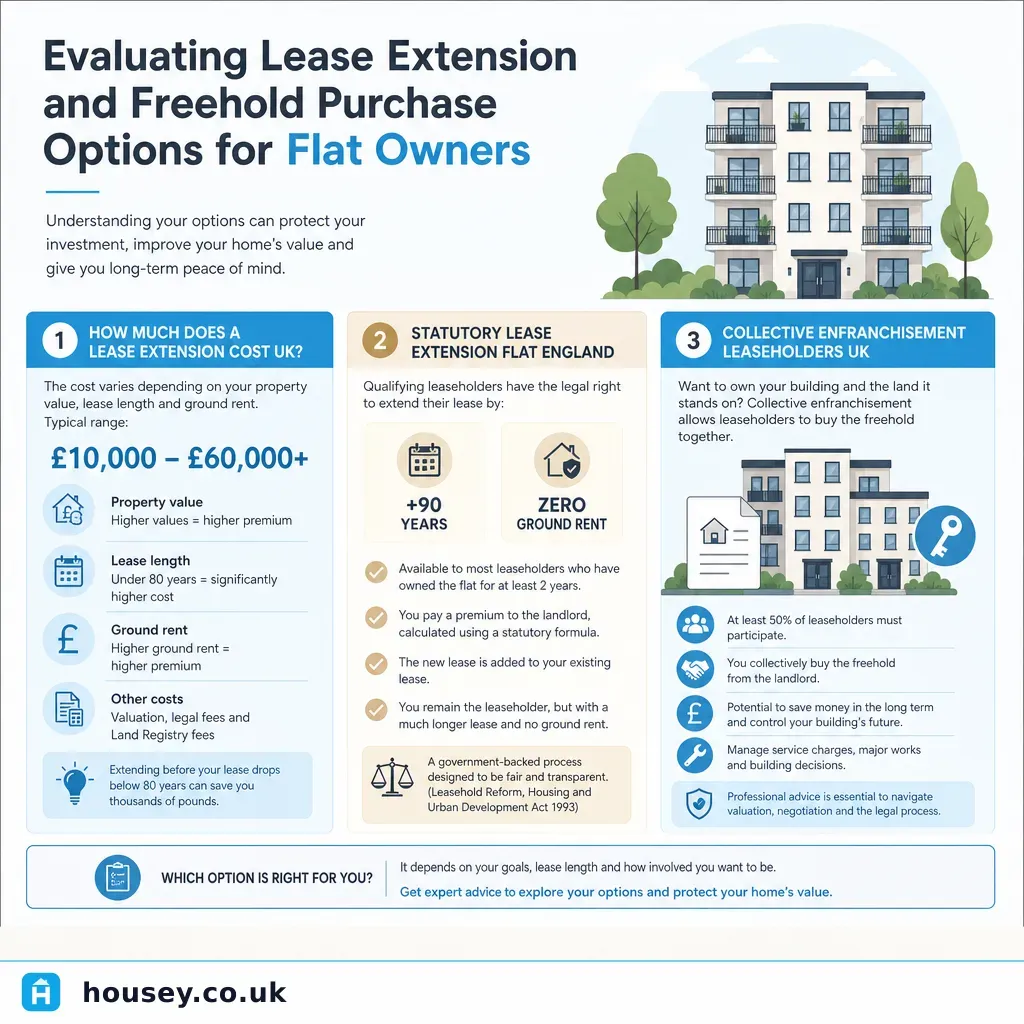
Evaluating Lease Extension and Freehold Purchase Options for Flat Owners
Flat owners in England and Wales can extend their lease by 90 years — increasing to 990 years under pending 2024 reforms — or collectively purchase the freehold.
 Buying & Moving
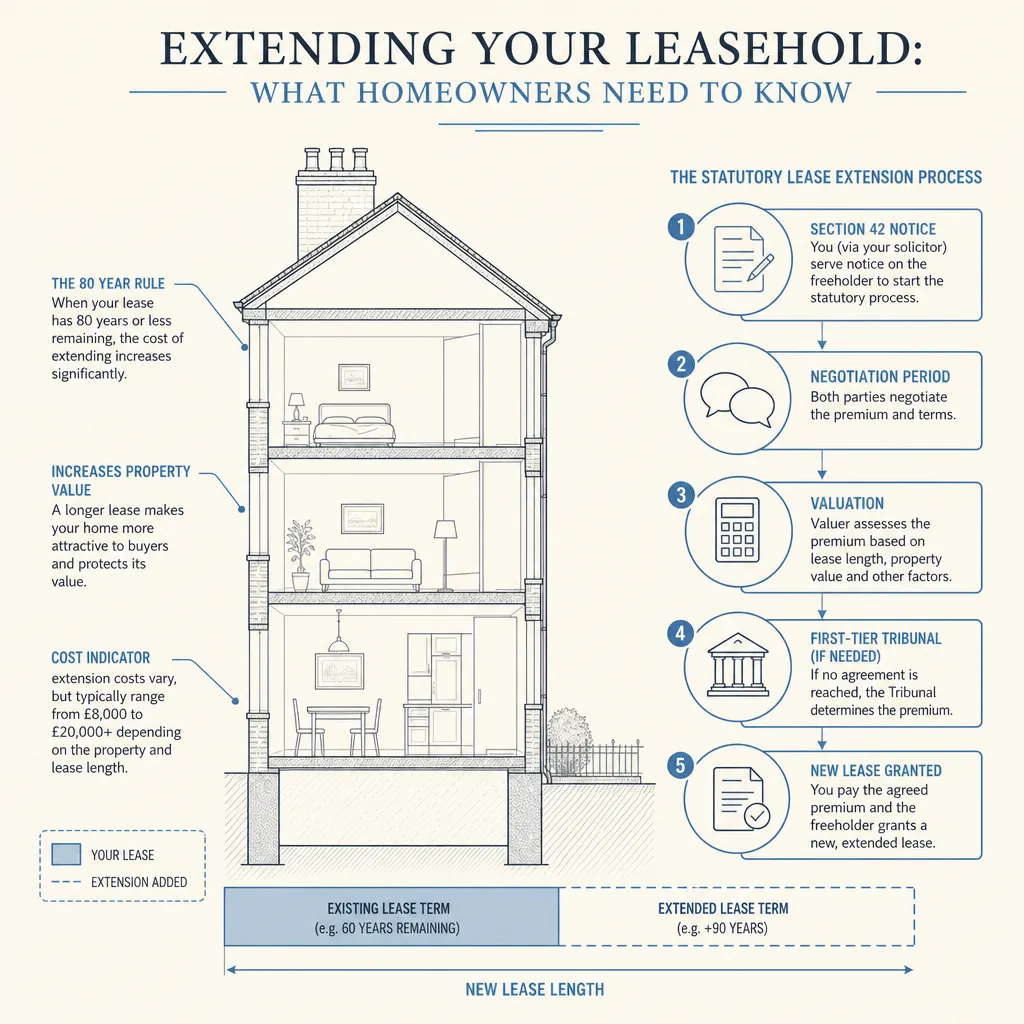
Extending Your Leasehold: What Homeowners Need to Know
Qualifying flat owners in England and Wales can extend their lease by 90 years under the Leasehold Reform, Housing and Urban Development Act 1993.
 Buying & Moving
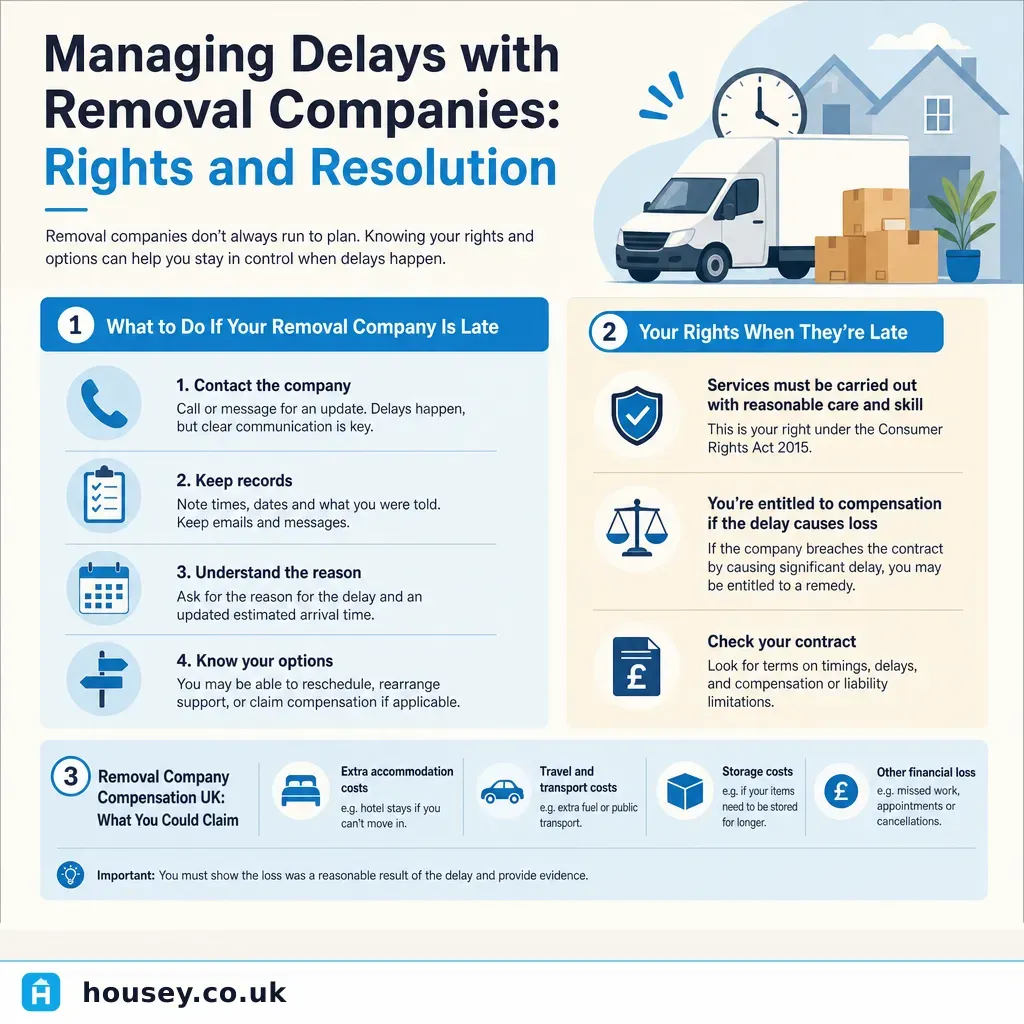
Managing Delays with Removal Companies: Rights and Resolution
If a removal company is late, your rights depend on your contract and whether the company is BAR-registered.
 Buying & Moving
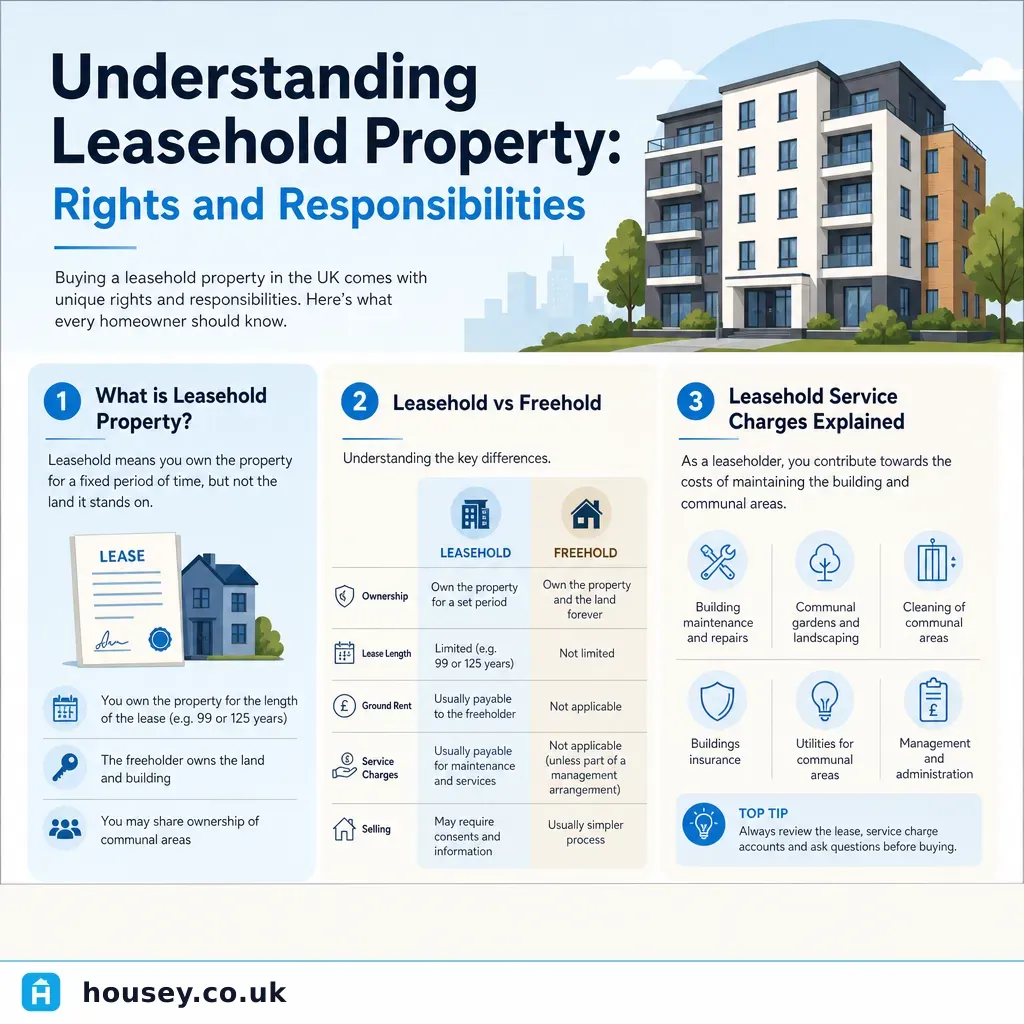
Understanding Leasehold Property: Rights and Responsibilities
Leasehold means you own a time-limited interest in a property while the freeholder owns the land and building.
 Buying & Moving
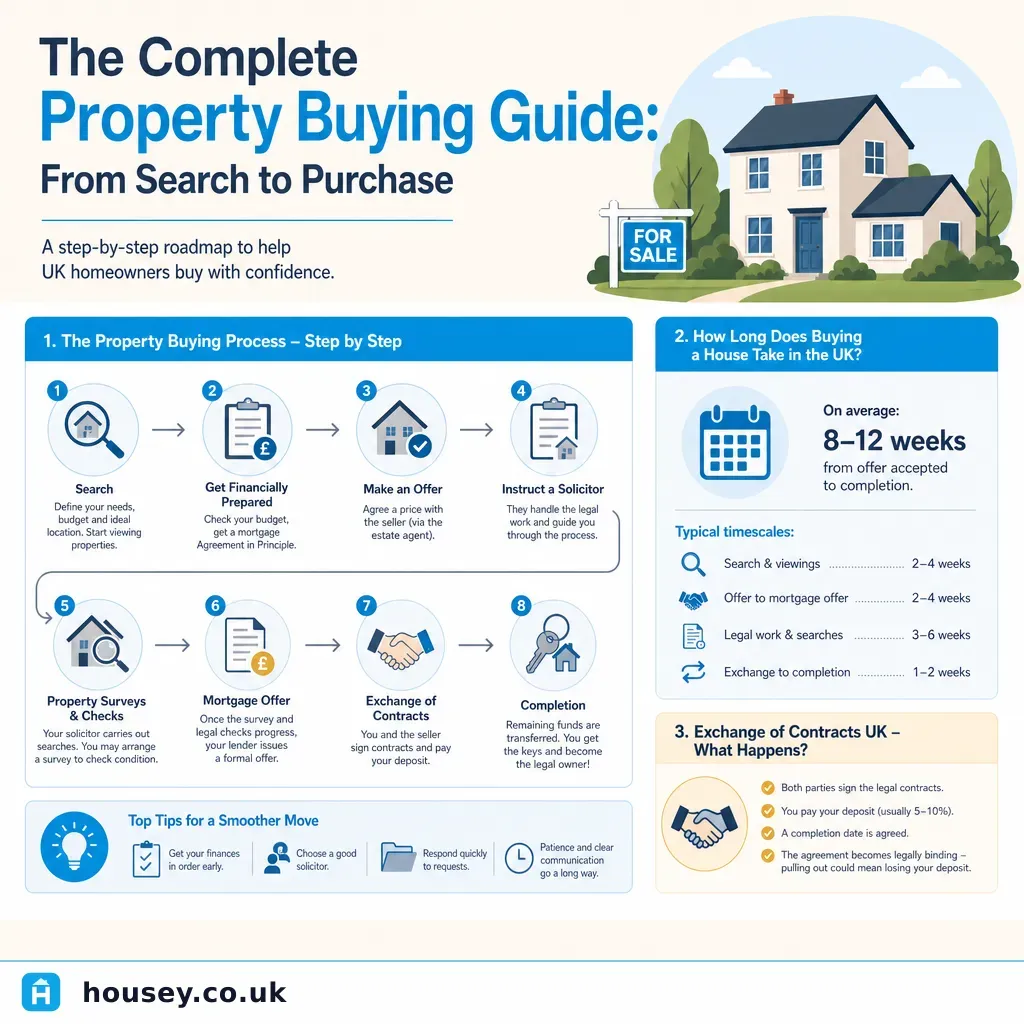
The Complete Property Buying Guide: From Search to Purchase
Buying a property in England and Wales typically takes 3–6 months from accepted offer to completion.