Top Property Services in Wales: Market Leaders and Specialists
By Housey · Last reviewed 19th of May 2026

Top Property Services in Wales: Market Leaders and Specialists
Wales has its own planning system, building regulations framework, and historic environment service, which means homeowners renovating or extending in Wales are working under a distinct set of rules from those in England. Whether you are improving a mid-terraced house in Cardiff, converting a barn in Ceredigion, or extending a slate-roofed cottage near Eryri (Snowdonia), the right professional needs to understand Welsh policy and the region's traditional building materials.
Key points
- Wales operates under Planning Policy Wales (PPW) and Future Wales: The National Plan 2040, not the National Planning Policy Framework (NPPF) that applies in England — policies, permitted development thresholds, and design standards can differ significantly.
- Cadw, the Welsh Government's historic environment service, maintains the listed building register for Wales; listed building consent applications in Wales are handled through local authorities under Cadw's framework, not Historic England's.
- Since 1 January 2016, Wales has required automatic fire suppression systems (sprinklers) in all new residential buildings — the first country in the UK to do so — affecting builders and building control approvals on new-build and conversion projects.
- The Warm Homes Programme, administered through the Nest scheme, provides Welsh Government-funded energy improvements for eligible households; eligibility and installer requirements differ from England's ECO4 provisions.
- Natural Resources Wales (NRW), not the Environment Agency, handles flood risk, environmental permits, and species licensing in Wales — homeowners and contractors near watercourses or in flood-risk areas should engage NRW early in the process.
What makes Welsh property distinctive
Wales has three National Parks — Eryri (Snowdonia), Bannau Brycheiniog (Brecon Beacons), and the Pembrokeshire Coast — and four Areas of Outstanding Natural Beauty, covering significant parts of the coastline and upland areas. As in England's National Parks, planning authorities within Welsh National Parks apply stricter design policies than standard councils, and pre-application advice is strongly recommended before commissioning any design work.
Traditional Welsh construction varies considerably by region. In north Wales, blue-grey slate is the dominant roofing and walling material, with solid stone construction typical of pre-1919 rural buildings. In south Wales, brick terracing from the coal-mining era is common in the valleys, while rural Carmarthenshire, Ceredigion, and Pembrokeshire contain a high proportion of rendered stone farmhouses and cottages. Mid-Wales has a mix of timber-framed and rubble-stone construction, both of which require breathable repair systems.
The Welsh language is a factor in the planning system. Technical Advice Note 20 (TAN 20: Planning and the Welsh Language) guides how local planning authorities assess the impact of development proposals on Welsh language communities, which can affect how applications are evaluated in Welsh-speaking heartland areas including parts of Gwynedd, Ceredigion, and Anglesey.
Key trades and professionals in demand across Wales
Trade or specialist | Where demand is concentrated | What to look for |
|---|---|---|
Conservation architect or AABC-accredited designer | Historic town centres, Cadw-listed rural properties, National Parks | Experience with Cadw consent applications and Welsh planning policy |
Slate roofer and dry-stone waller | North Wales, Ceredigion, Pembrokeshire, Powys | Training in Welsh slate installation; knowledge of traditional lead and lime-mortar details |
Lime and natural render specialist | Rural Wales, solid-wall stone and rendered brick properties | Hydraulic and hot lime experience; no cement substitutes on pre-1919 stock |
RICS Level 3 surveyor | Pre-1919 and rural properties throughout Wales | Experience with solid-wall construction and Welsh rural property types |
Retrofit coordinator (PAS 2035) | Throughout Wales — strong demand in fuel-poor rural areas | Familiarity with Nest/Warm Homes Programme requirements and breathable retrofit systems |
Planning consultant | All three National Parks, AONB areas, TAN 20 areas | Knowledge of Planning Policy Wales and Future Wales policies |
Ecological consultant | Rural conversions, sites near NRW-designated SSSIs | NRW species licensing for bats, great crested newts, and dormice |
Which professional do you need in Wales?
Situation | Professional to instruct |
|---|---|
Extending or altering a Cadw-listed building | Conservation architect with Cadw consent experience |
New build or barn conversion in a National Park or AONB | Planning consultant; seek National Park pre-application advice first |
Treating damp or repointing a stone or cob cottage | Lime specialist — avoid general builders unfamiliar with breathable materials |
Installing external wall insulation on solid stone walls | PAS 2035 retrofit coordinator first; then MCS-approved installer |
Works near a river, stream, or in a flood-risk area | Contact NRW for a pre-application flood risk opinion before design begins |
Barn or agricultural building conversion | Planning consultant; agricultural permitted development rules differ in Wales |
Energy-efficiency improvements for fuel-poor households | Contact the Nest helpline first to check Warm Homes Programme eligibility |
Planning and building regulations in Wales
Wales has its own Building Regulations framework, broadly aligned with England's Approved Documents but with notable divergences. Since 1 January 2016, Welsh Building Regulations have required automatic fire suppression systems (sprinklers) in all new residential buildings, including where a new dwelling is created through conversion. This requirement does not typically apply to extensions to existing homes, but affects all builders and developers working on new-build and conversion projects in Wales.
Permitted development rights in Wales are set out under the Town and Country Planning (General Permitted Development) Order 1995 (as amended for Wales), which has been updated separately from England. Thresholds and conditions for extensions, outbuildings, and other works can differ. Always check Welsh Government planning guidance at GOV.WALES rather than assuming English rules apply.
For energy-efficiency improvements, the Warm Homes Programme funds insulation, heating systems, and renewable energy for eligible owner-occupiers and private tenants in Wales. Installers must hold relevant TrustMark and MCS accreditations where applicable. Eligibility criteria and qualifying measures differ from England's ECO4 scheme — contact the Nest helpline to check eligibility and find approved installers in your area.
Red flags when commissioning property work in Wales
- A contractor who applies cement render or pointing to a solid stone building in rural Wales — the same lime-versus-cement issue affecting South West England is equally prevalent in Welsh stone and cob properties.
- A planning agent quoting for a National Park application who does not recommend pre-application engagement with Eryri, Bannau Brycheiniog, or Pembrokeshire Coast National Park Authorities.
- A builder who does not mention NRW licensing when working near watercourses or on rural sites with potential bat roost habitat — NRW requirements differ from those administered by Natural England.
- A retrofit installer proposing a heat pump or external wall insulation without a prior PAS 2035 retrofit assessment — required for Nest-funded measures and best practice regardless of funding source.
- A planning agent who has not considered whether a TAN 20 Welsh Language Assessment may be required for a development in a Welsh-speaking community area.
When to get professional help
You should seek qualified help before starting works if:
- Your property is Cadw-listed or in a conservation area
- You are proposing a barn conversion or agricultural change of use in Wales
- Your project is within a National Park or AONB boundary
- There is a watercourse, pond, or standing water on or near the site (an NRW environmental permit may be required)
- You are planning energy retrofit on a solid-wall or traditionally constructed building in Wales
How Housey can help
Housey connects Welsh homeowners with vetted local professionals who understand the specific planning policies, building traditions, and regulatory frameworks that apply in Wales. From conservation architects familiar with Cadw requirements to retrofit coordinators experienced with the Warm Homes Programme, Housey helps you find the right specialist for your project across Wales.
Frequently asked questions
Does Planning Policy Wales differ from planning rules in England?
Yes. Wales operates under Planning Policy Wales (PPW) and Future Wales: The National Plan 2040, which are distinct from England's National Planning Policy Framework. Permitted development thresholds, design policies, and some regulatory requirements differ. Always use Welsh Government guidance at GOV.WALES when planning building works in Wales rather than assuming England-specific rules apply.
Is the Warm Homes Programme different from ECO4 in England?
Yes. The Welsh Government's Warm Homes Programme, delivered through the Nest scheme, is a separate grant programme from England's ECO4. Eligibility criteria, qualifying energy improvement measures, and installer requirements differ. Welsh homeowners should contact the Nest helpline directly to check eligibility and find approved local installers rather than applying English scheme guidance.
Do I need a different survey for a traditional Welsh stone cottage?
A RICS Level 3 Building Survey is generally more appropriate than Level 2 for solid-stone, rubble-wall, or limewashed properties common in rural Wales. Surveyors with experience in Welsh rural property types and traditional construction are better placed to identify moisture risks, lime-mortar defects, and the condition of traditional roof and floor structures.
Sources and further reading
- Planning Policy Wales — Welsh Government
- Future Wales: The National Plan 2040 — Welsh Government
- Cadw: Listed Buildings in Wales — Cadw, Welsh Government
- Warm Homes / Nest Wales — Welsh Government / Nest
- Natural Resources Wales: Flooding — Natural Resources Wales
- RICS: Find a Regulated Firm — RICS
Useful next reads
 Improvement & Build
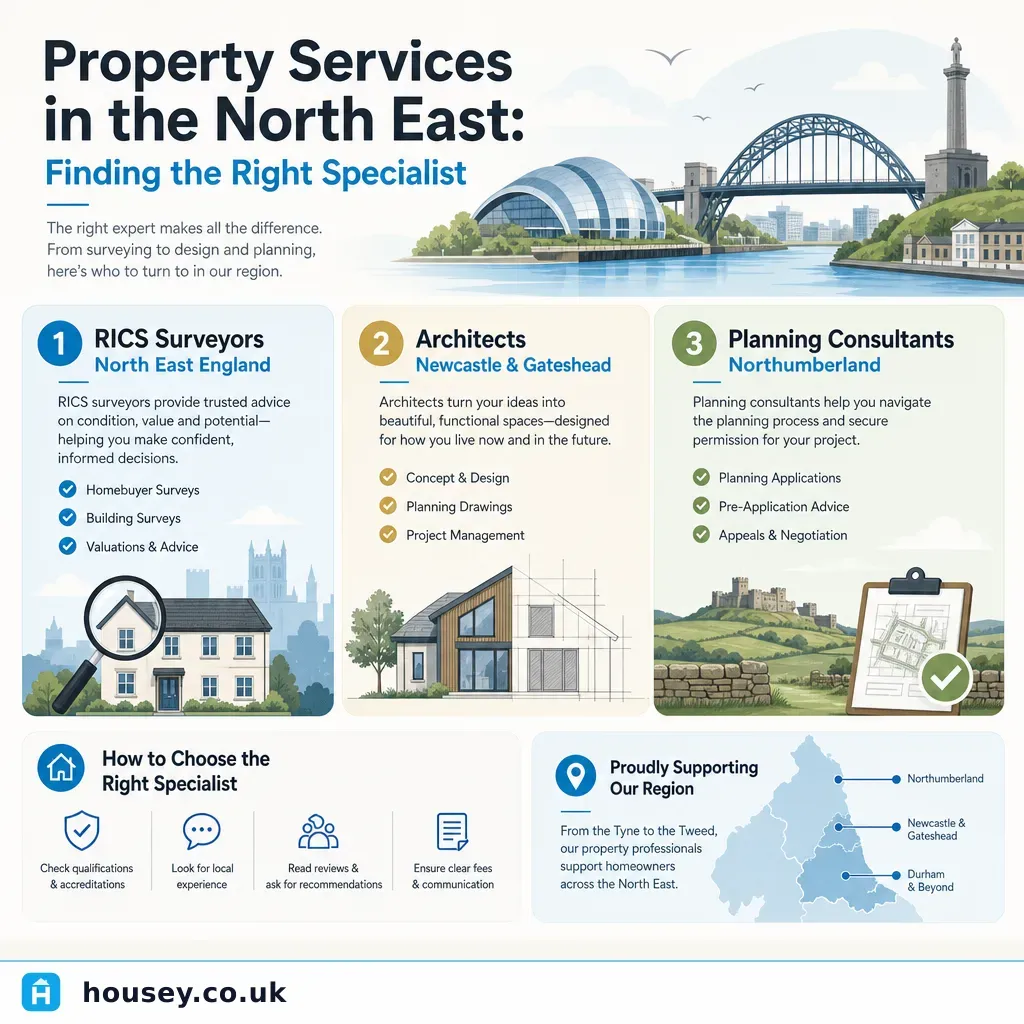
Property Services in the North East: Finding the Right Specialist
The North East has a diverse range of property services, from RICS surveyors suited to the region's Victorian and Edwardian terraces to planning consultants familiar with Northumberland National Park and Durham conservation areas.
 Improvement & Build
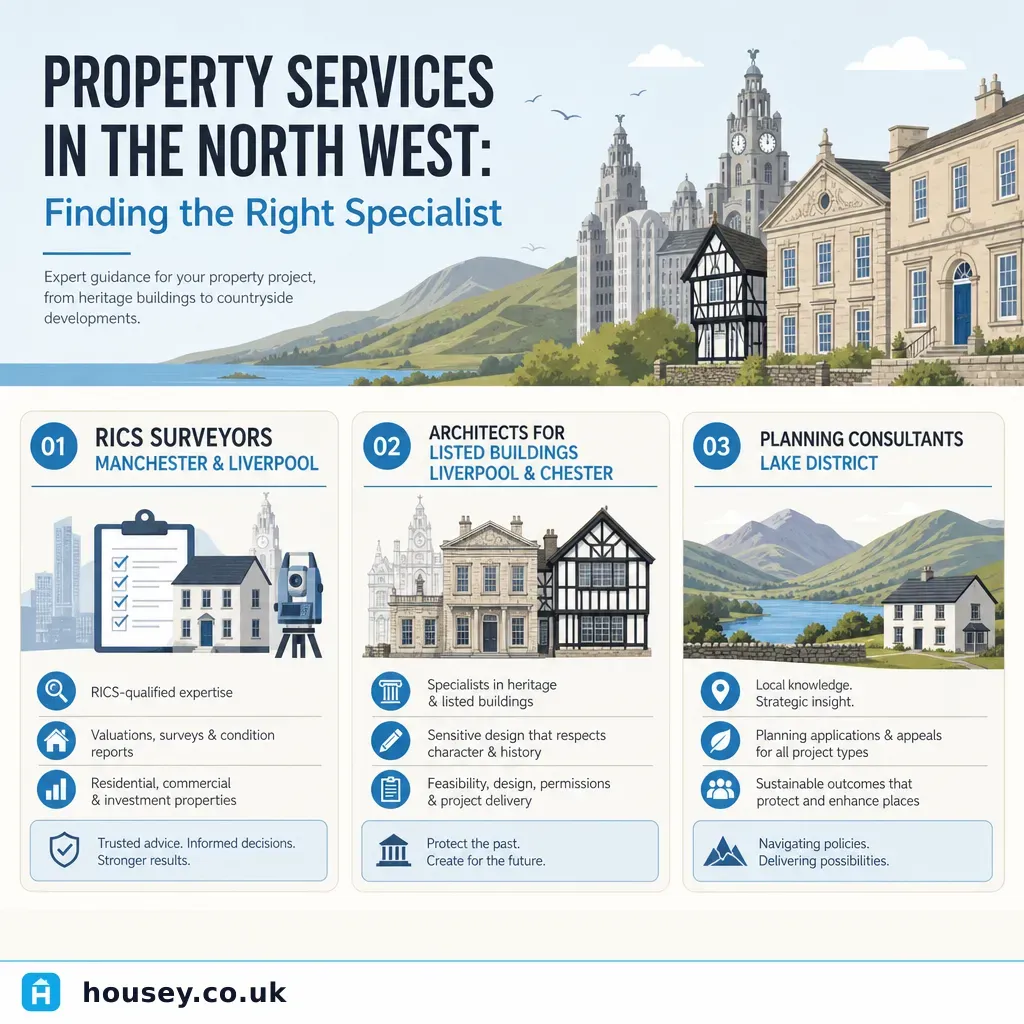
Property Services in the North West: Finding the Right Specialist
The North West spans some of England's most varied housing stock, from Liverpool's listed Georgian townhouses to Lake District stone farmhouses and Manchester's Victorian terraces.
 Improvement & Build
Top Property Services in the South West: Market Leaders and Specialists
The South West has a high density of listed buildings, traditional construction types such as cob, thatch, and Bath stone, and large areas of AONB and National Park coverage.
 Improvement & Build
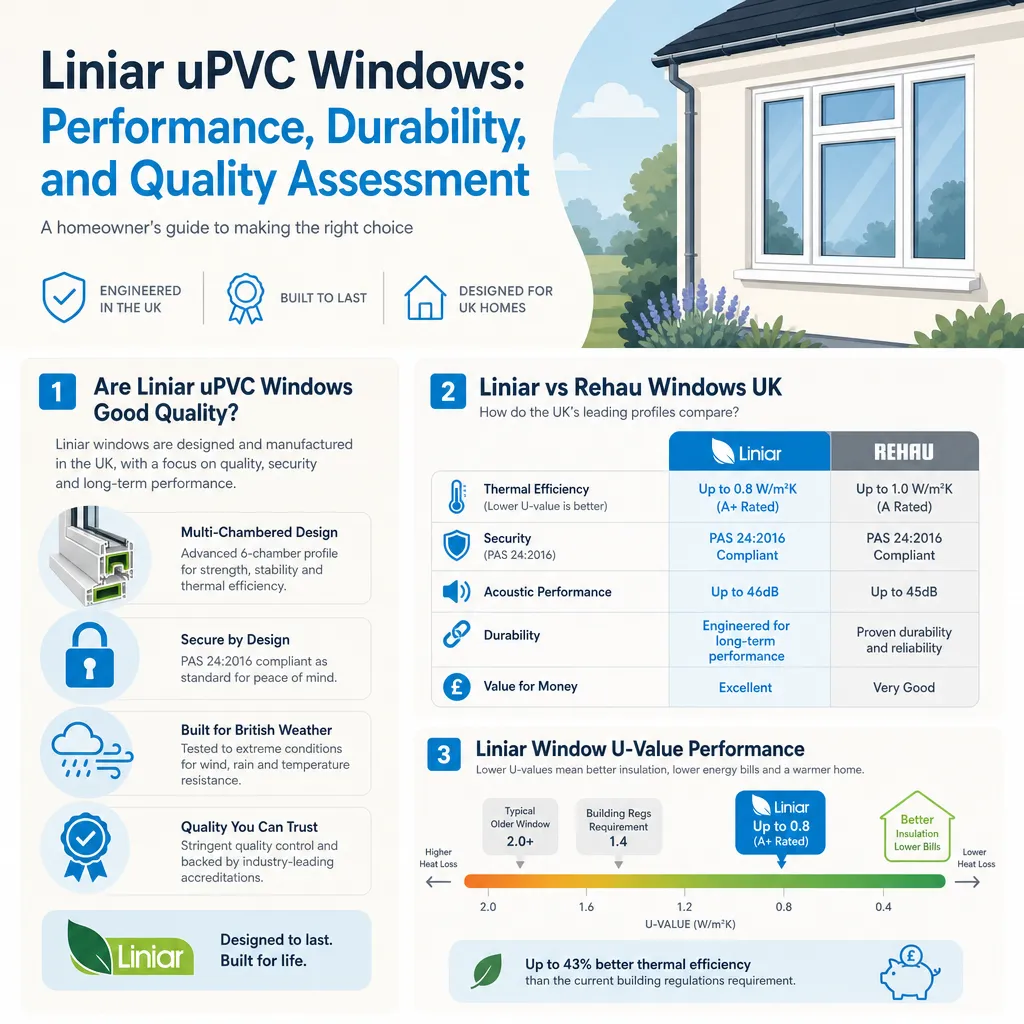
Liniar uPVC Windows: Performance, Durability, and Quality Assessment
Liniar uPVC window profiles are manufactured in the UK using multi-chambered, foamed frames.
 Improvement & Build
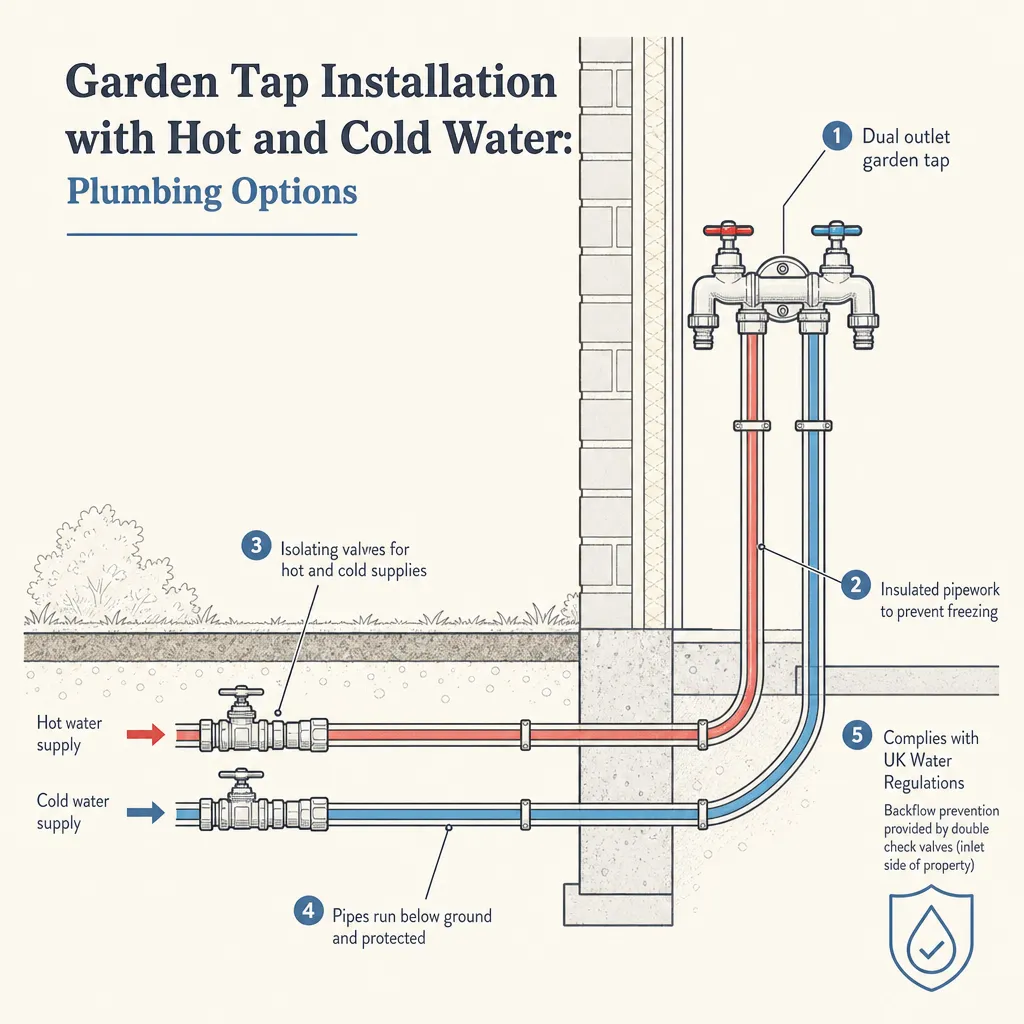
Garden Tap Installation with Hot and Cold Water: Plumbing Options
Adding a cold garden tap is a common DIY project, but routing hot water outdoors requires a plumber to connect to your domestic hot water system and comply with the Water Supply (Water Fittings) Regulations 1999.