Garden Tap Installation with Hot and Cold Water: Plumbing Options
By Housey · Last reviewed 4th of May 2026
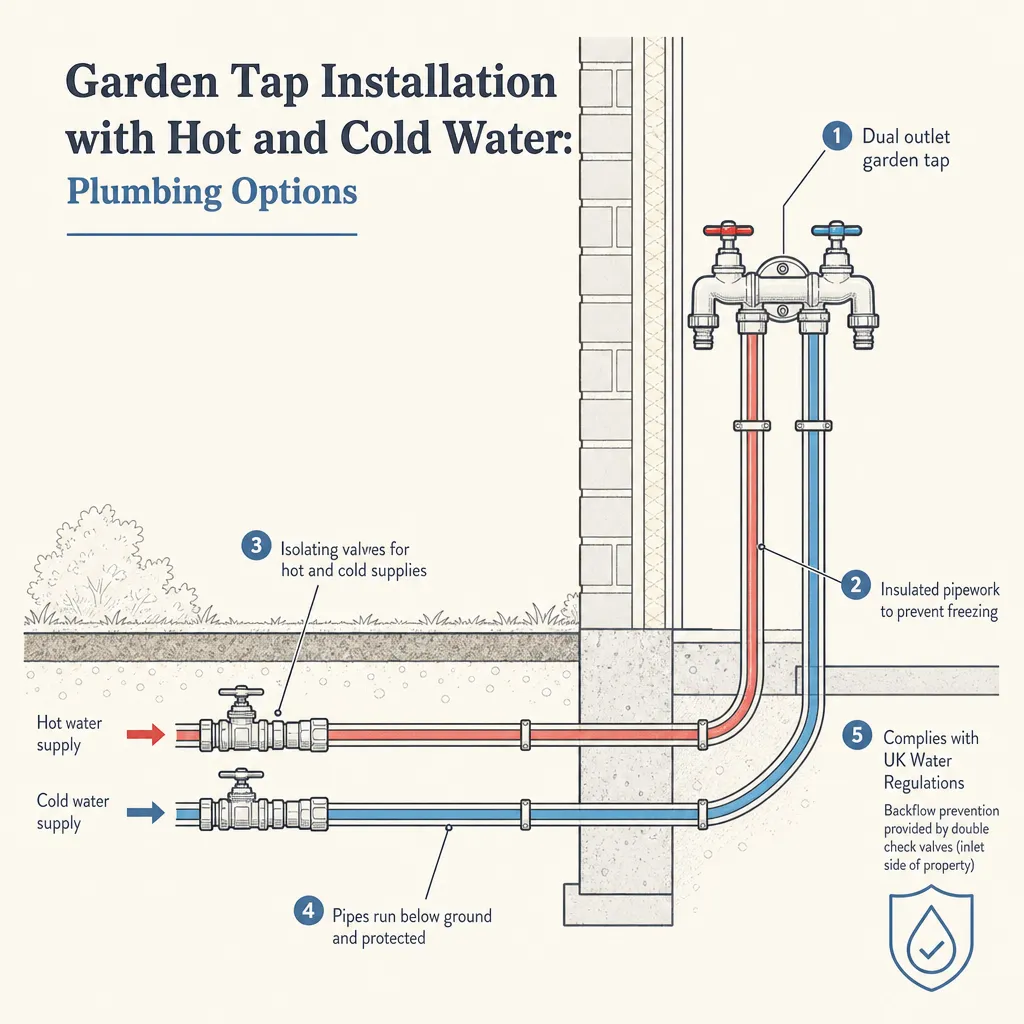
Garden Tap Installation with Hot and Cold Water: Plumbing Options
An outside tap with both hot and cold water is genuinely practical for washing muddy boots, cleaning garden tools, or filling a hot tub — and more achievable than many homeowners assume. A cold-only garden tap is one of the most common small plumbing additions in UK homes, but adding a hot supply outdoors involves connecting to the domestic hot water system, complying with the Water Supply (Water Fittings) Regulations 1999, and usually engaging a qualified plumber. Understanding the options before you plan the project saves both time and money.
Key points
- The Water Supply (Water Fittings) Regulations 1999 require a double check valve (minimum Type EA backflow prevention to BS EN 13959) on every garden tap to prevent contaminated garden water from siphoning back into the mains supply.
- Hot water outdoor taps must be connected to the domestic hot water system — combi boiler, unvented cylinder, or point-of-use heater — which typically requires a WaterSafe-registered plumber.
- All external pipework must be thermally insulated against frost; uninsulated outdoor pipes breach the Water Fittings Regulations and are commonly excluded from home insurance claims.
- A thermostatic mixing valve (TMV) is strongly recommended where the hot supply temperature could exceed 48°C at the outlet, to prevent scalding risk.
- Indicative UK costs, last reviewed 2026-05-04: cold-only tap £150–£350 fitted; hot and cold installation £350–£650+, depending on pipe run length and fittings required.
Options for outdoor hot and cold water
Option 1 — Separate hot and cold taps: Two tap points on an external wall, each fed by its own pipe run from inside the house. Straightforward technically; mirrors standard internal domestic plumbing; requires two separate wall penetrations.
Option 2 — Combined mixer tap: A single outdoor mixer tap fed by separate hot and cold supply pipes, allowing blended temperature at one outlet. Pre-assembled outdoor mixer sets are available from plumbing merchants. Requires careful pipework sizing to avoid pressure imbalance between hot and cold legs.
Option 3 — Cold tap with point-of-use heater: A standard cold garden tap is installed, and hot water is provided by a compact electric point-of-use heater mounted close to the tap. Avoids a long hot pipe run from the main system and is more practical for infrequent outdoor hot water use.
Comparison of garden hot and cold water options
Option | Complexity | Best for | Key considerations |
|---|---|---|---|
Separate hot + cold taps | Medium — two pipe runs | Utility areas, dog washing, boot rooms | Two wall penetrations; both need backflow prevention |
Combined mixer tap | Medium-high | Car washing, outdoor showers | TMV recommended; pre-assembled units available |
Cold tap + point-of-use heater | Low | Occasional hot use; long pipe runs from boiler | No permanent hot pipework run; electric heater adds upfront cost |
Cold tap + portable shower unit | Low | Seasonal or rare hot use | No permanent hot installation; unit stored between uses |
Water regulations you must comply with
The Water Supply (Water Fittings) Regulations 1999 apply in England and Wales. Scotland operates under the Water Byelaws 2004; Northern Ireland under the Water and Sewerage Services (Northern Ireland) Order 2006.
For any garden tap — cold or hot — you must:
- Fit a double check valve on the supply to the tap. This is a legal requirement, not optional guidance.
- Insulate all external pipework against frost — a breach of the Regulations and a common insurance exclusion if ignored.
- Use WRAS-approved fittings listed in the Water Fittings and Materials Directory.
- Check whether notification to your water supplier is required — a WaterSafe-registered plumber can advise and submit notification where needed.
For hot water connections specifically: fit a TMV where supply temperatures may exceed 48°C, and consider a point-of-use heater for runs longer than approximately 8–10 metres to reduce dead-leg heat loss and water waste before the tap runs hot.
Homeowner checklist: before planning your installation
Which professional do you need?
- Cold-only garden tap, DIY possible: Achievable for a confident DIYer using WRAS-approved fittings and the required double check valve. Notifiable work is better handled by a WaterSafe-registered plumber.
- Hot and cold supply: Appoint a WaterSafe-registered plumber. Connecting to a pressurised hot water system requires professional competence and ensures the installation is correctly notified.
- Not a gas engineer: A Gas Safe registered engineer is needed only if work involves the boiler itself — the tap pipework connection is a plumbing matter, not a gas safety matter.
- General builder or handyperson: Not appropriate for notifiable plumbing work under the Water Fittings Regulations.
When to get professional help
Engage a WaterSafe-registered plumber when:
- The installation involves any connection to the hot water system.
- The pipe run requires drilling through a cavity wall at or near damp-proof course level.
- You are unsure whether your current water pressure can support an additional outdoor draw-off.
- Your property is on a private water supply or borehole — regulations and backflow risks differ significantly from mains-fed properties.
How Housey can help
Housey connects homeowners with local home improvement professionals across the UK. If you want to compare quotes from WaterSafe-registered plumbers for a hot and cold garden tap installation, use the Housey platform to request and review quotes before committing to a contractor.
Frequently asked questions
Can I install a cold garden tap myself?
Yes, if you are comfortable with compression or push-fit fittings and you fit the legally required double check valve. Many confident DIYers install cold garden taps successfully. For notifiable work under the Water Fittings Regulations, a WaterSafe-registered plumber can handle notification on your behalf and provide a workmanship guarantee, removing the administrative burden from you.
How much does it cost to install a hot and cold garden tap?
Indicative UK costs, last reviewed 2026-05-04. A cold-only tap typically costs £150–£350 fitted. A hot and cold installation is likely to cost £350–£650+, depending on pipe run length, wall type, and whether a thermostatic mixing valve or point-of-use heater is required. Always obtain at least two quotes from WaterSafe-registered plumbers before proceeding.
Does a garden tap need planning permission?
No, planning permission is not required for a standard garden tap installation. If you live in a listed building or conservation area and the pipework would be visible on an external elevation, check with your local planning authority — though in practice a single tap fitting very rarely raises any planning concerns.
What is a double check valve and why is it required?
A double check valve prevents garden water — which may contain fertiliser, pesticides, or animal waste — from siphoning back into the mains supply if pressure drops. Fitting one is a legal requirement under the Water Supply (Water Fittings) Regulations 1999 for any garden tap. WRAS-approved double check valves are available from most plumbing merchants and online suppliers.
Can I connect a garden tap to a combi boiler?
Yes, but a plumber should assess whether your boiler has sufficient capacity for an additional hot draw-off without reducing flow and pressure to existing taps and showers during simultaneous use. For longer pipe runs, a dedicated point-of-use electric water heater mounted close to the tap is often more practical and energy-efficient than a long hot pipework run from the boiler.
Sources and further reading
- Water Supply (Water Fittings) Regulations 1999 — legislation.gov.uk
- WaterSafe: find an approved plumber — WaterSafe
- WRAS Water Fittings and Materials Directory — Water Regulations Advisory Scheme
- Citizens Advice: home repairs and improvements — Citizens Advice
Useful next reads
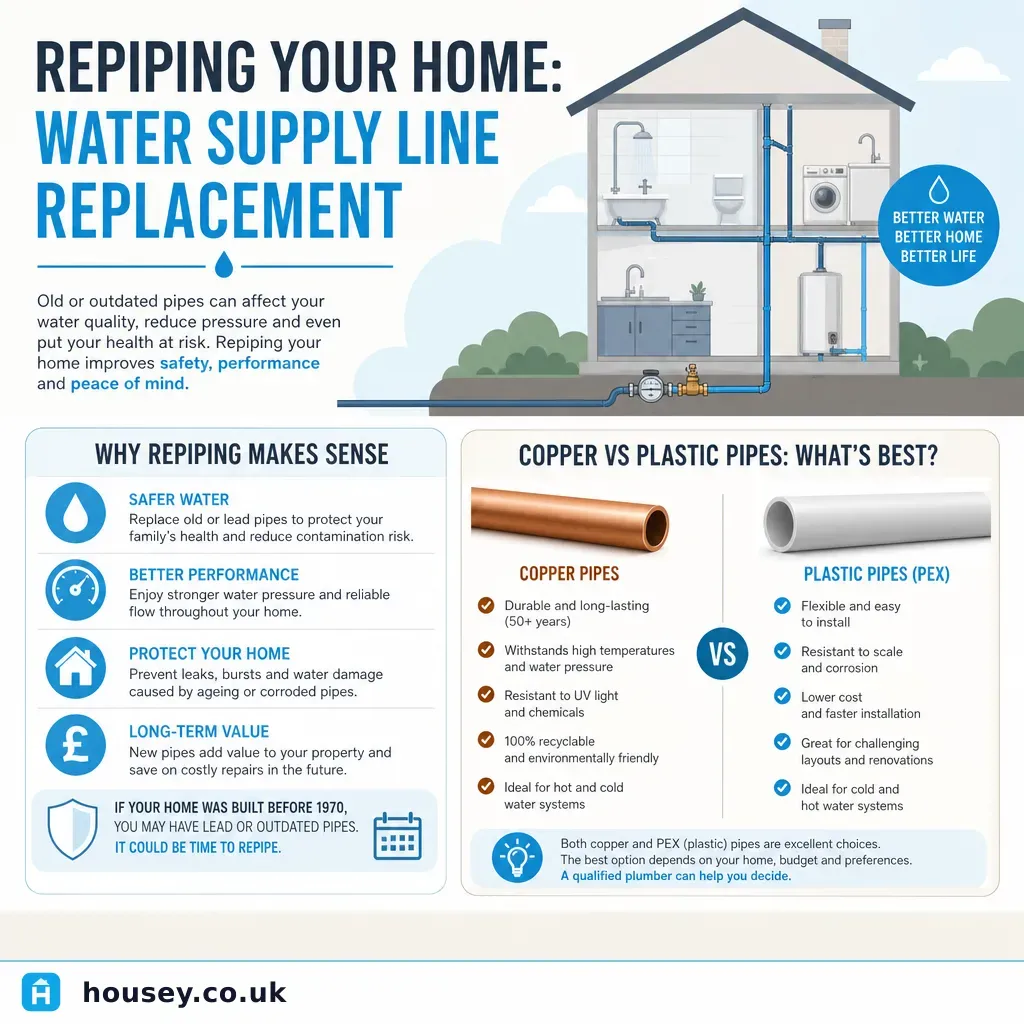 Improvement & Build
Repiping Your Home: Water Supply Line Replacement
Repiping is typically needed when lead, iron, or early polybutylene pipes corrode, leak, or restrict flow.
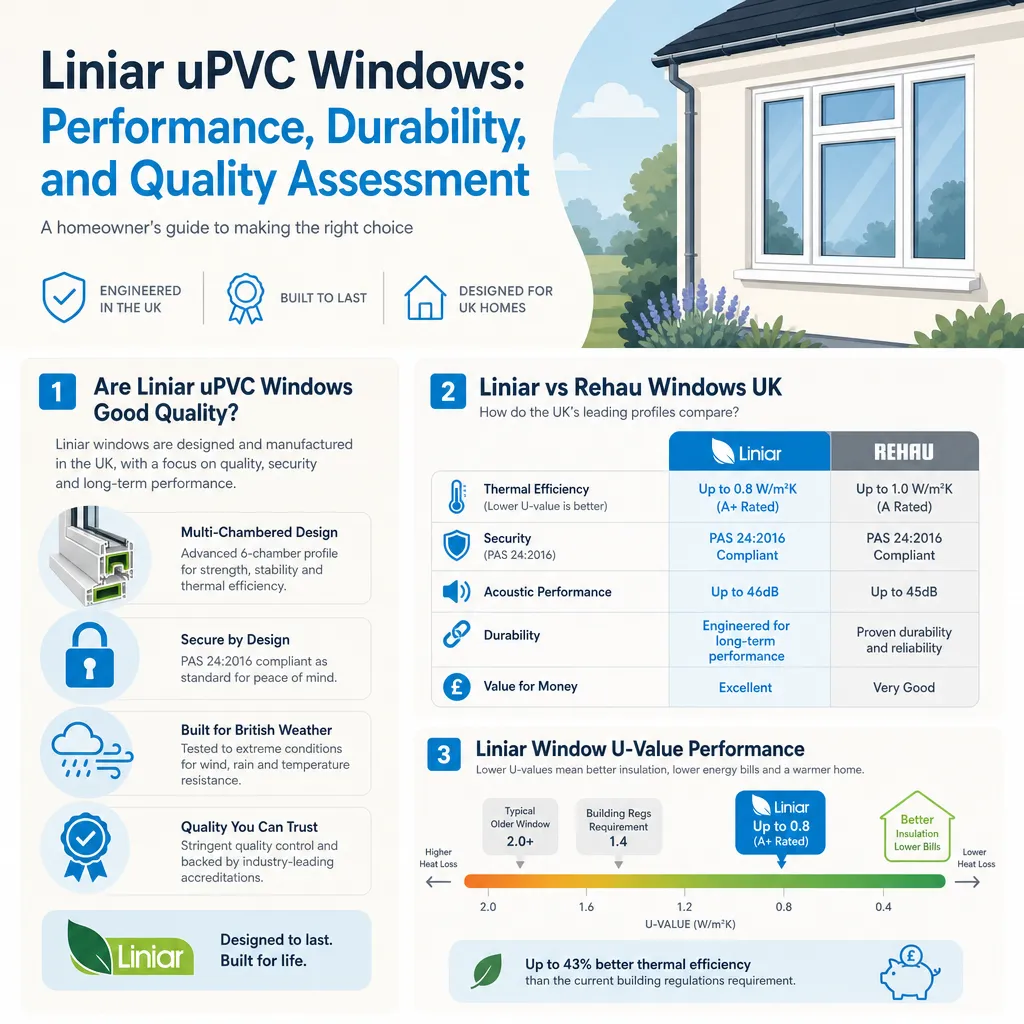 Improvement & Build
Liniar uPVC Windows: Performance, Durability, and Quality Assessment
Liniar uPVC window profiles are manufactured in the UK using multi-chambered, foamed frames.
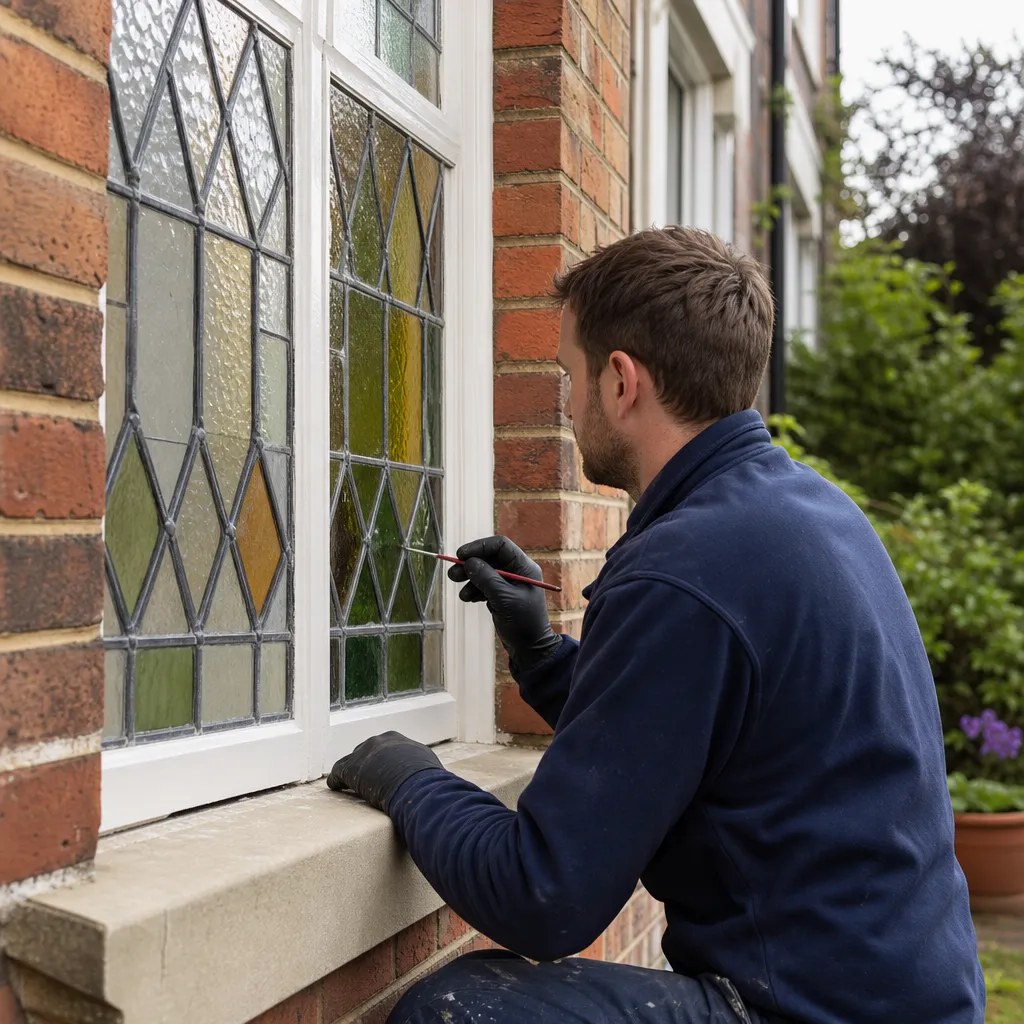 Improvement & Build
Sealing and Maintaining Historic Leaded Glass Windows: Preservation and Performance
Leaded glass windows are maintained using traditional linseed oil cement — not silicone or modern sealants, which prevent natural movement in the lead came.
 Improvement & Build
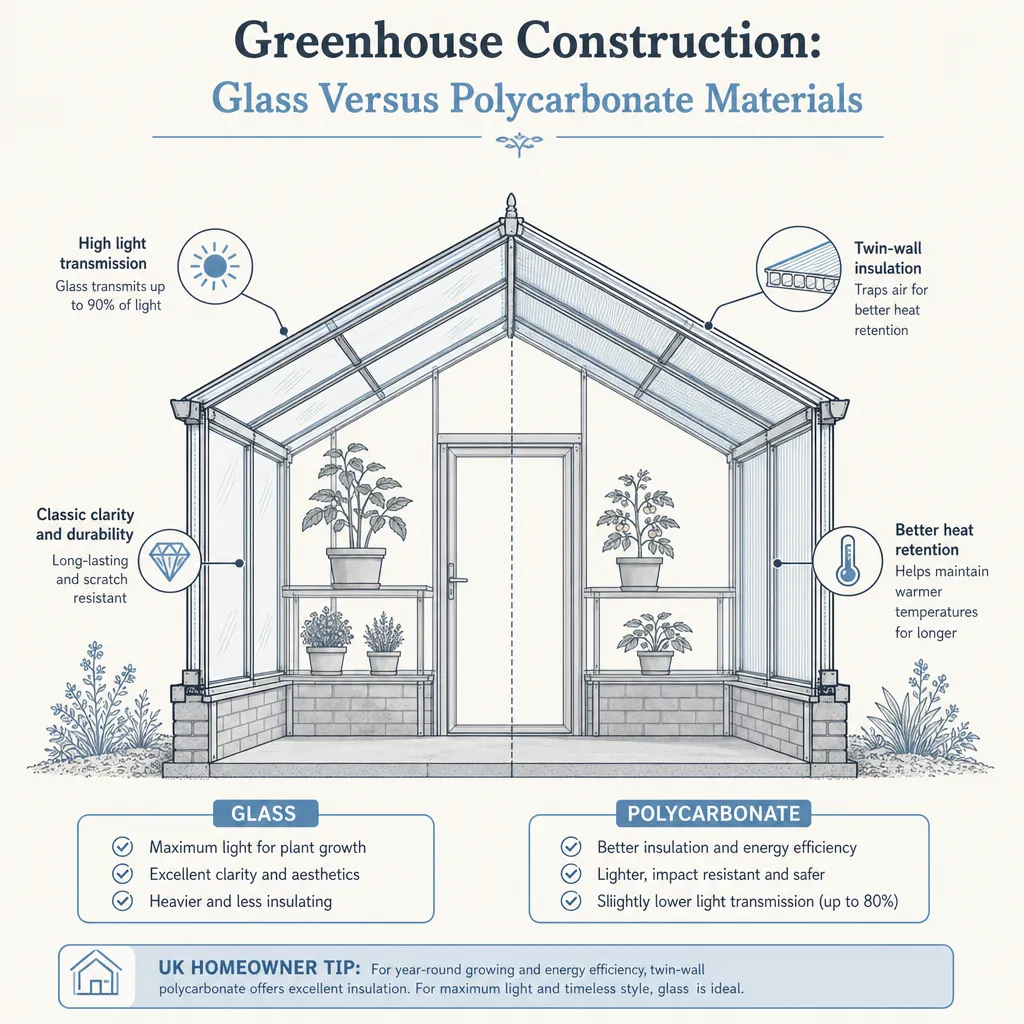
Greenhouse Construction: Glass Versus Polycarbonate Materials
Glass transmits around 90% of available light and lasts indefinitely if unbroken, but insulates poorly and shatters into sharp fragments.
 Improvement & Build
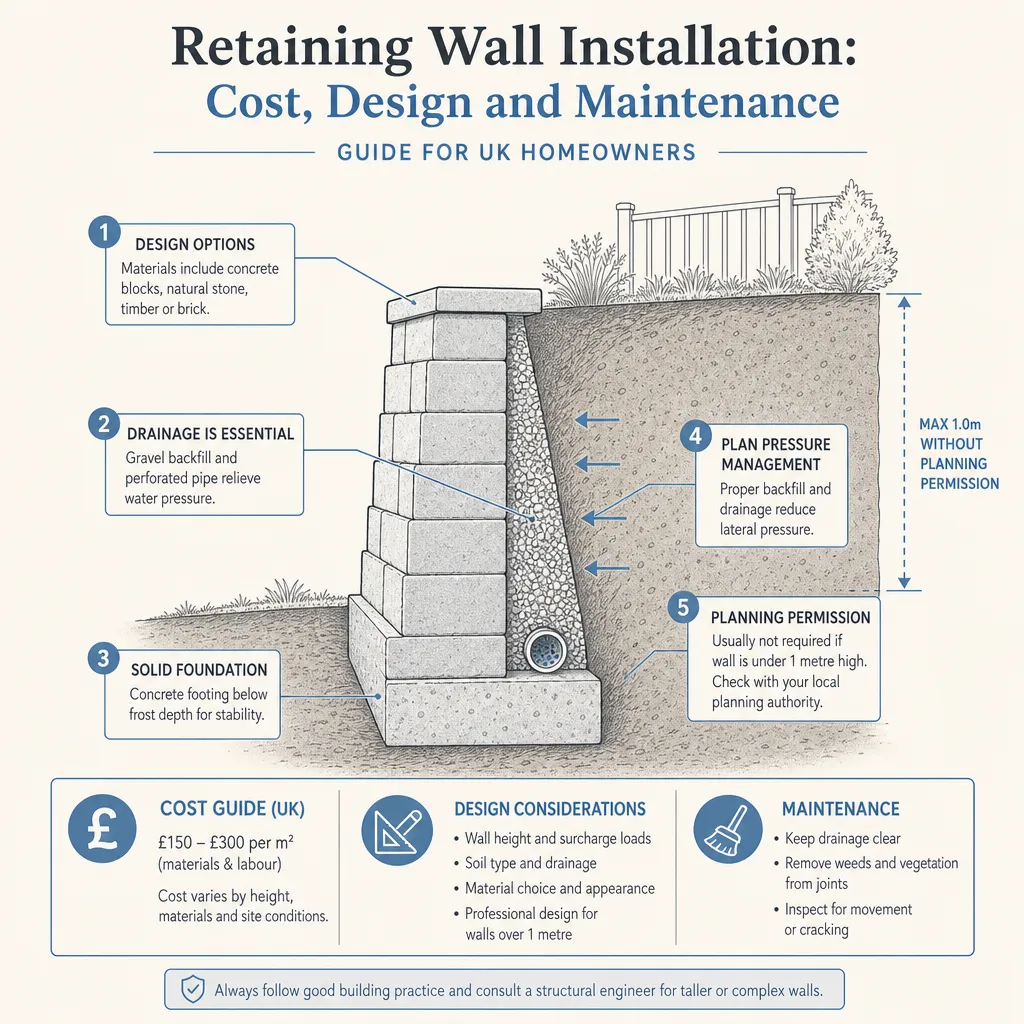
Retaining Wall Installation: Cost, Design and Maintenance
A retaining wall holds back soil on a sloped or banked site.