Unique Property Features That Add Character and Value
By Housey · Last reviewed 19th of May 2026
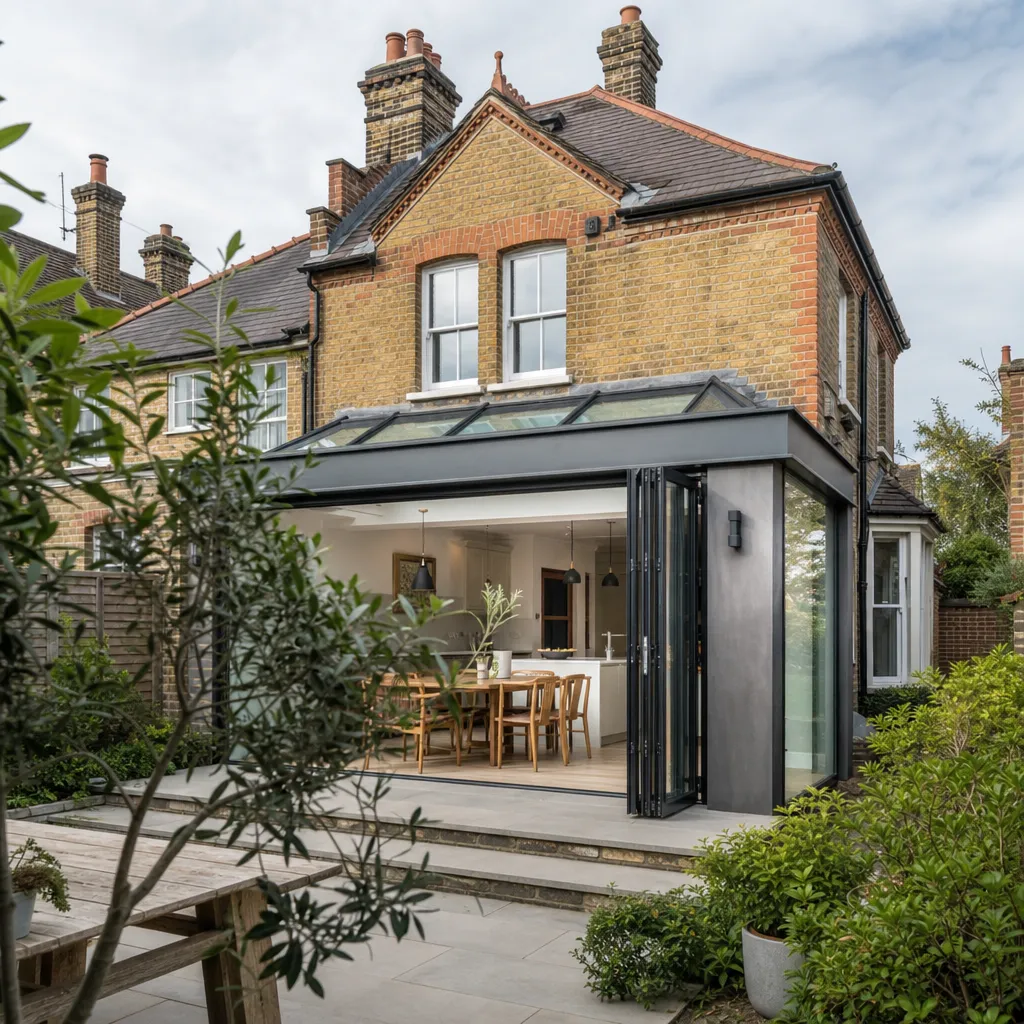
Unique Property Features That Add Character and Value
Character features are among the most searched-for attributes in UK property listings, yet their impact on value — and the legal and structural implications of owning them — are often poorly understood by buyers and sellers alike. Whether you own a Victorian terrace with original cornicing, a converted mill building with exposed steel, or a Grade II listed cottage with an inglenook fireplace, knowing which features hold genuine value and which carry hidden obligations helps you market, maintain, and improve with greater confidence.
Key points
- Listed building status (Grade I, II*, or II in England) protects distinctive features but restricts alterations; works carried out without listed building consent can result in criminal prosecution under the Planning (Listed Buildings and Conservation Areas) Act 1990.
- Original period features — fireplaces, cornicing, encaustic floor tiles, and timber joinery — are recognised by RICS-registered valuers as contributing to "character" and can positively influence a comparative market analysis.
- Removing or altering original features in a conservation area may require planning permission or conservation area consent, even for works that would otherwise be permitted development outside the designated area.
- Converted properties — former churches, barns, warehouses, and water towers — often attract a price premium but present distinct challenges for standard mortgage lenders, building insurers, and surveyors unfamiliar with the construction type.
- Listed buildings may qualify for an EPC exemption where energy efficiency measures would "unacceptably alter the character or appearance" of the property under the Energy Efficiency (Private Rented Property) (England and Wales) Regulations 2015.
Which features genuinely add character and value?
Market appeal depends on location, buyer profile, and the condition and authenticity of the feature. The same exposed brick wall that commands a premium in a converted Shoreditch warehouse may attract little additional value in a rural Devon barn conversion. Below are the features most consistently recognised across UK markets.
Period interior features
Original fireplaces and chimney breasts are highly sought-after in Victorian and Edwardian homes. A working, swept fireplace with a cast-iron insert and an original tiled surround adds tangible appeal. A removed or inadequately supported chimney breast may raise structural questions on a RICS survey if the stack above has been left without sufficient propping.
Cornicing, ceiling roses, and picture rails are typically original plasterwork in pre-1940s homes. Professionally restored, they enhance period authenticity. Modern polystyrene replacements are rarely viewed positively by buyers of period properties.
Original floorboards — wide-board Victorian pine or Edwardian parquet — are increasingly valued over laminate alternatives. Gaps, squeaks, and rot are common issues that a surveyor will note as requiring attention.
Stained glass in front doors, hallway fanlights, or landing windows is a distinctive and often irreplaceable feature. Cracked or missing sections can be costly to match authentically, which buyers may factor into their offer.
Architectural and structural character
Exposed structural beams in pre-1900 or rural properties add warmth and authenticity but require periodic inspection for woodworm, rot, and structural soundness. In converted buildings, original trusses and purlins can be a genuine selling point if assessed as sound.
Stone walls and flagstone floors in farmhouses, cottages, and rural conversions are prized for authenticity but often involve damp and thermal performance considerations that buyers and their surveyors will examine closely.
Vaulted or high ceilings — common in Georgian town houses, Victorian churches, or warehouse conversions — create a sense of volume that is genuinely difficult to replicate and command premiums in most urban and suburban UK markets.
External features and setting
Walled gardens are valued in urban and suburban settings. Original brick walling in sound condition is a clear positive; poorly maintained walling that needs structural repair can represent a significant liability for the new owner.
Outbuildings with conversion potential — a substantial stone barn or brick garage with a realistic permitted development or planning prospect — can add meaningful value where the planning position is clearly established.
Original sash windows in good condition add period authenticity; failing sashes are commonly cited in RICS Level 2 and Level 3 reports as requiring attention and can subtly reduce buyer confidence if left unaddressed.
What not to assume about distinctive features
Several common misconceptions affect buyers, sellers, and owners of character properties.
- Do not assume a feature is legally protected simply because the property is old. Protection flows from listed building status, conservation area designation, or a specific planning condition — not from age alone.
- Do not assume that original means structurally sound. A Victorian cast-iron soil pipe, an original lead flat roof, or pre-1960s clay drainage may look authentic but require costly replacement in the near term.
- Do not assume all buyers share your view of a feature's value. Exposed brick, industrial materials, or unconventional layouts appeal strongly to some buyers and actively deter others — local market and buyer profile matter considerably.
- Do not assume converted properties are mortgageable on standard residential terms. Former agricultural buildings, churches, and water towers often require specialist lenders and may attract higher insurance premiums.
- Do not assume that removing or altering a feature will be straightforward. Chimney stacks, load-bearing stone walls, and original roof structures are often integral to the building and require professional assessment before any work begins.
How distinctive features compare as value drivers
Feature | Potential value impact | Survey or legal consideration | Typical buyer profile |
|---|---|---|---|
Original working fireplace | Positive in period markets | Chimney condition; Gas Safe or HETAS check if in use | Period home buyers, families |
Exposed structural beams | Positive in rural and converted properties | Woodworm, rot, and structural integrity assessment | Rural and barn conversion buyers |
Vaulted or high ceilings | Strong positive in urban and converted markets | Thermal performance and insulation access | City buyers, downsizers |
Listed building status | Premium in the right market; can deter some buyers | Listed building consent required for alterations | Heritage buyers, experienced owners |
Walled garden | Positive in urban and suburban markets | Structural condition of walls; ongoing maintenance | Gardeners, families |
Stone or flagstone floors | Positive in rural and period markets | Rising damp common without damp-proof membrane | Rural cottage and farmhouse buyers |
Original sash windows | Positive if well-maintained | Draught, security, and condition flagged on RICS surveys | Period home buyers |
A worked UK property scenario
Consider a late-Victorian stone-built terraced cottage in a Yorkshire market town, within a designated conservation area. The property retains original sash windows, flagstone floors, exposed ceiling beams, and an inglenook fireplace.
A RICS Level 3 Building Survey identifies rising damp in the flagstone floor area — common in properties without a damp-proof membrane — loose and failing lime mortar externally, and early signs of rot in one beam end. The seller commissions professional photography to highlight the inglenook, the beamed ceiling, and the walled rear courtyard, all of which feature prominently in the online listing.
The buyer negotiates a price reduction reflecting the survey findings, budgets for damp management, repointing, and beam treatment (indicative UK costs, last reviewed 2026-05-19 — quotes will vary significantly by location and scope), and retains a conservation architect before making any changes to listed fabric.
This scenario illustrates that character and condition are separate questions. A distinctive home can be a sound investment when the buyer enters with accurate expectations and the right professional team.
When to get professional help
Seek professional advice before:
- Removing, altering, or replacing any original feature in a listed or conservation area property — check with your local planning authority first
- Marketing a distinctive property, to ensure features are accurately described, legal protections are clear, and photography does justice to the space
- Exchange on a converted or non-standard construction property — a RICS Level 3 Building Survey is strongly recommended
- Any structural work involving chimney breasts, load-bearing stone walls, or original roof timbers
How Housey can help
If you are selling a character property, professional property photography and floorplans can showcase distinctive features that phone images rarely capture well. Before buying, a RICS Home Survey assesses the condition of the features you are paying a premium for. Where the property's value is in question, a valuation survey from a RICS-registered valuer provides an independent, evidenced assessment.
Frequently asked questions
Does listed building status automatically increase a property's value?
Not necessarily. Listed status can attract buyers who value heritage, but it also restricts alterations, can complicate mortgage applications, and may increase maintenance and insurance costs. In some locations or market conditions it can deter buyers. Value depends heavily on local demand, condition, and the typical buyer profile in that area.
Can I replace original sash windows in a conservation area?
This depends on your local planning authority's conservation area guidance. In many areas, like-for-like timber sash replacement is acceptable, but UPVC or aluminium alternatives may require planning permission or be refused entirely. Always check with your LPA before ordering replacement windows.
Do original features affect the outcome of a building survey?
Yes, frequently. A RICS Level 2 or Level 3 surveyor will comment on the condition of original features — timber floors, fireplaces, sash windows, and period joinery — and flag items requiring repair or investigation. Original features are not inherently problematic, but their condition is carefully assessed and noted.
How should I market a character property for sale?
Professional photography that highlights natural light, proportions, and original features makes a meaningful difference to online listing performance. Detail shots of key features such as fireplaces, cornicing, and beams alongside wide-angle images that accurately represent room size are standard practice for character and period properties.
Sources and further reading
- Planning (Listed Buildings and Conservation Areas) Act 1990 — legislation.gov.uk
- Historic England: advice for homeowners — Historic England
- RICS home surveys — RICS
- When is planning permission required? — GOV.UK
- Domestic private rented sector: energy efficiency standards — GOV.UK
Useful next reads
 Buying & Moving
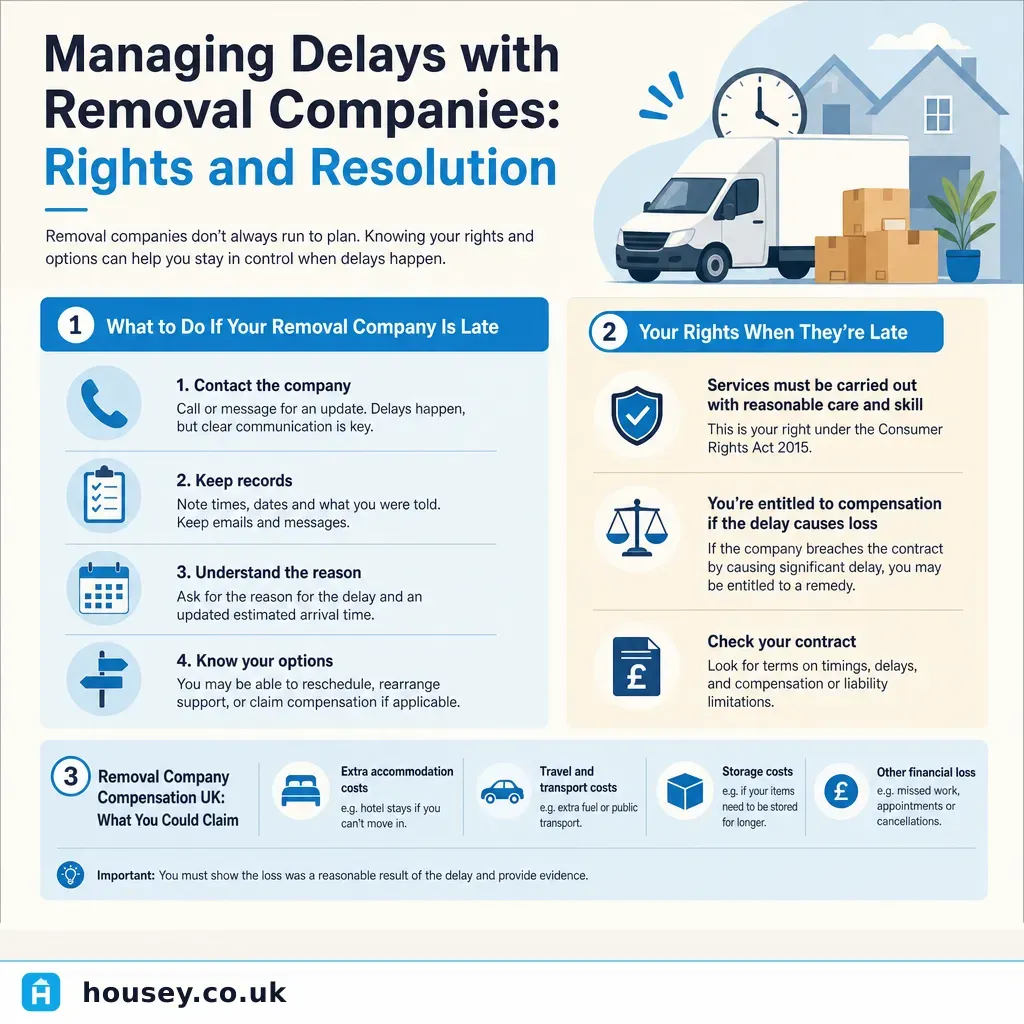
Managing Delays with Removal Companies: Rights and Resolution
If a removal company is late, your rights depend on your contract and whether the company is BAR-registered.
 Buying & Moving
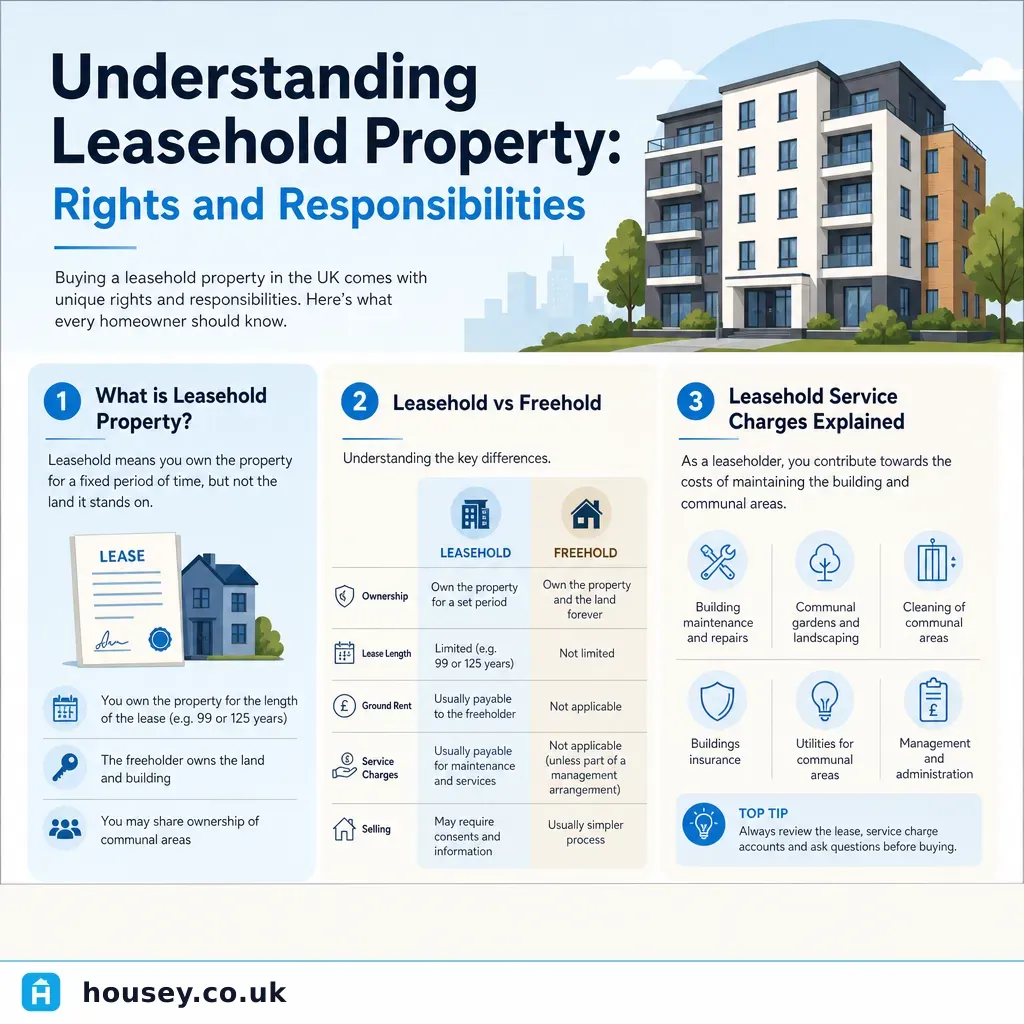
Understanding Leasehold Property: Rights and Responsibilities
Leasehold means you own a time-limited interest in a property while the freeholder owns the land and building.
 Buying & Moving
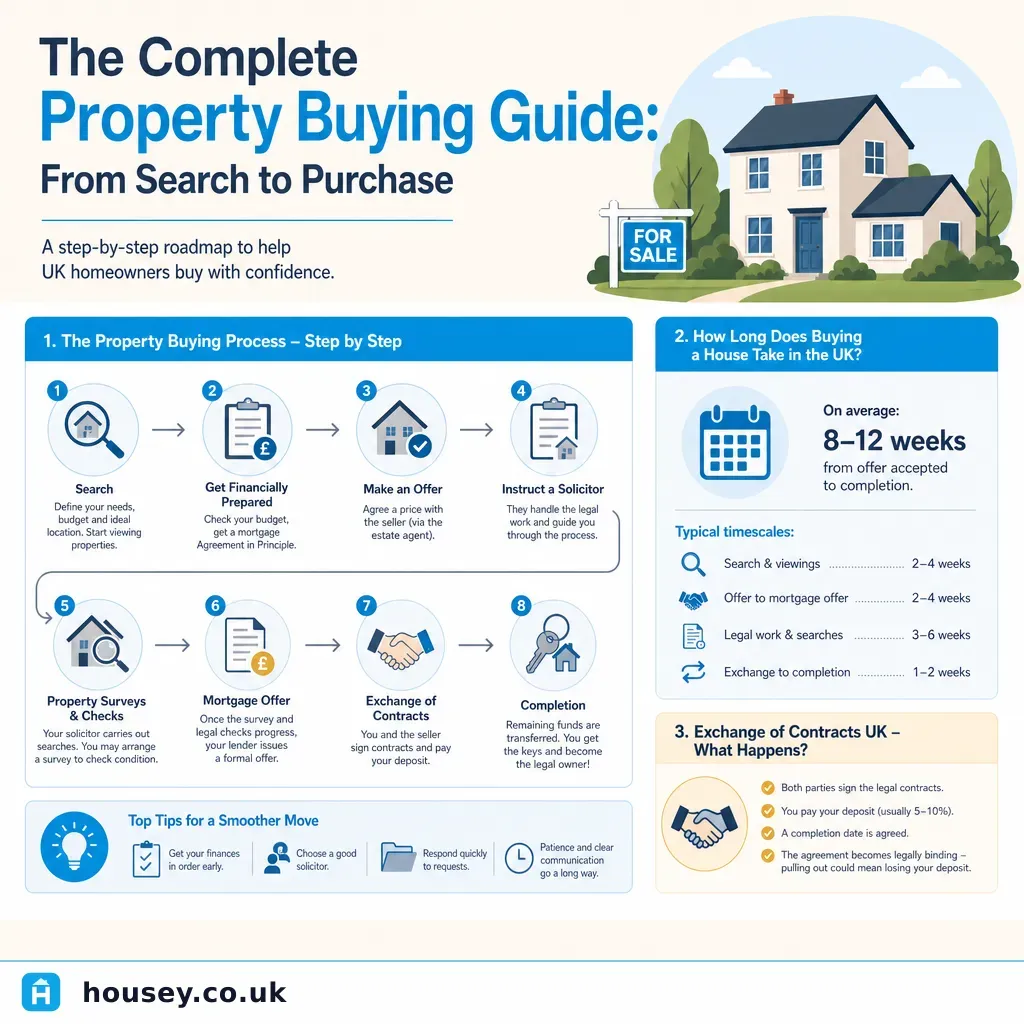
The Complete Property Buying Guide: From Search to Purchase
Buying a property in England and Wales typically takes 3–6 months from accepted offer to completion.
 Buying & Moving
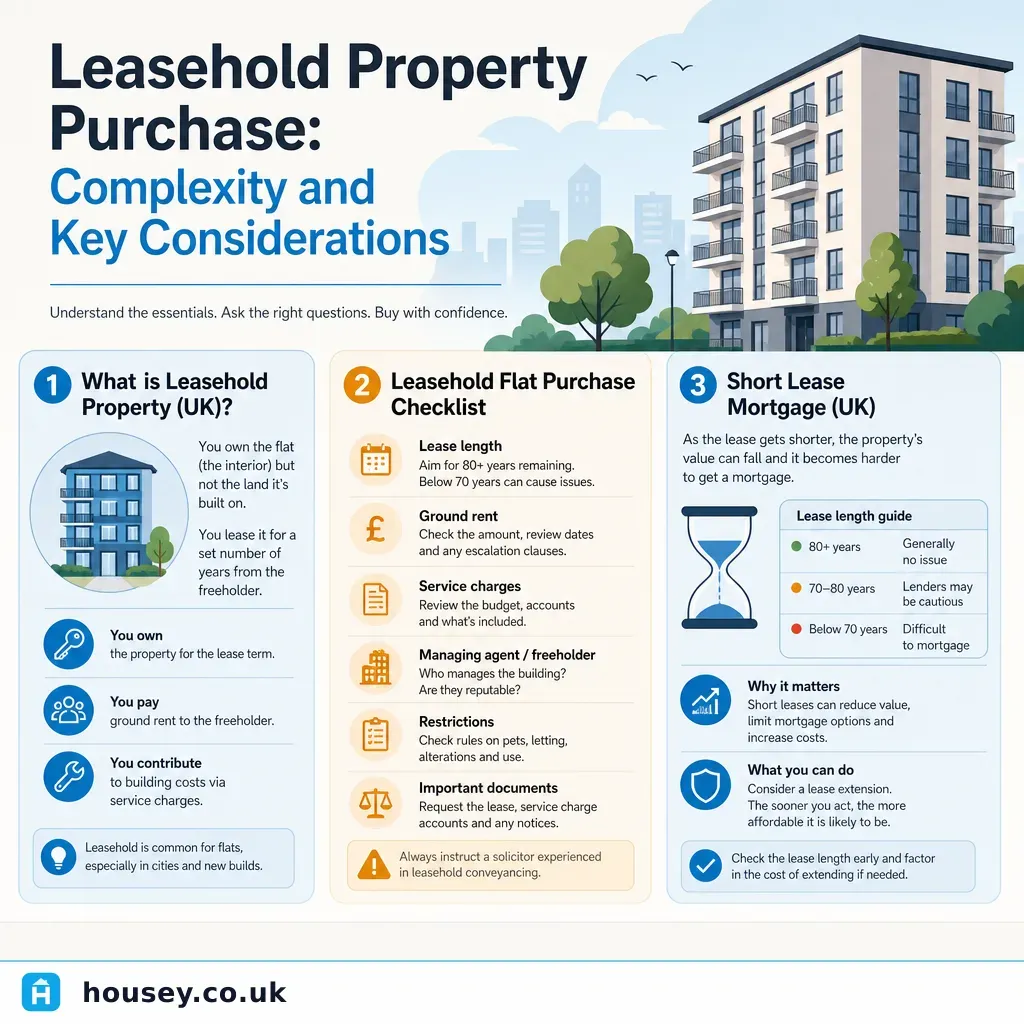
Leasehold Property Purchase: Complexity and Key Considerations
Buying a leasehold property means purchasing the right to occupy for a fixed term rather than owning the land outright.
 Buying & Moving
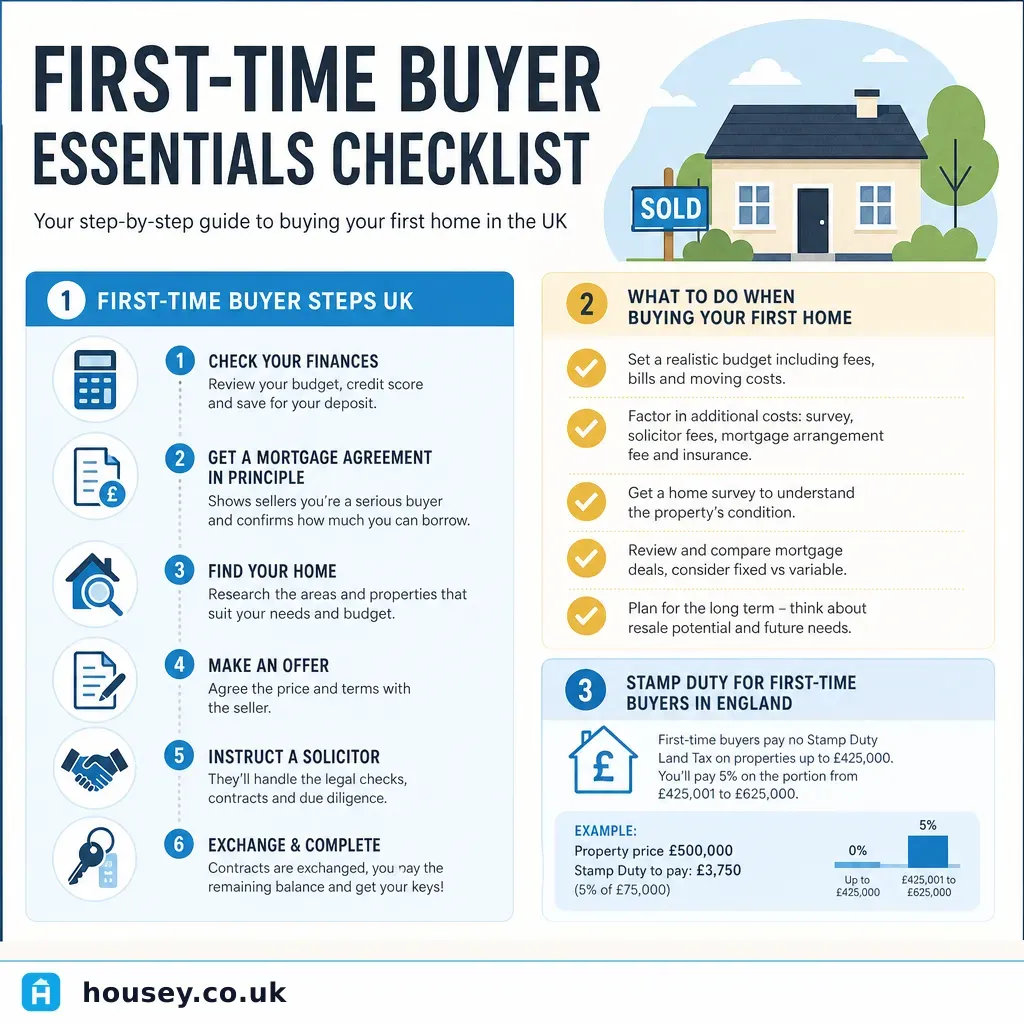
First-Time Buyer Essentials Checklist
Buying your first home involves obtaining a mortgage in principle, making an offer, instructing a solicitor, arranging a survey, and exchanging contracts before completion.