Victorian Architecture: Design Principles and Heritage Characteristics
By Housey · Last reviewed 11th of May 2026
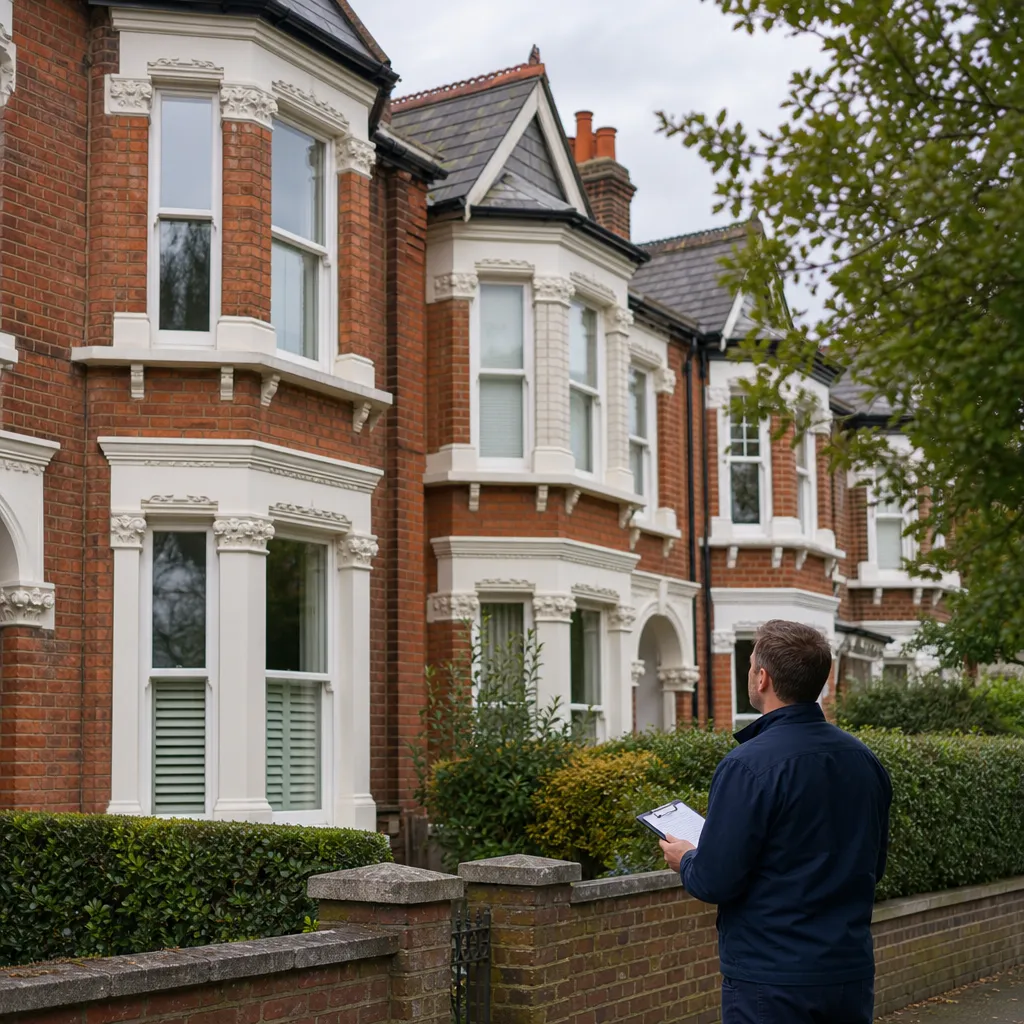
Victorian Architecture: Design Principles and Heritage Characteristics
Victorian architecture shaped more UK streets than any other single era. The period running from 1837 to 1901 produced millions of terraces, villas, and civic buildings that remain a central feature of British towns and cities today. Whether you are buying a Victorian property, planning alterations, or working near a heritage-listed building, understanding how Victorian design works — and what the planning system protects — is a practical starting point.
Key points
- The Victorian era ran from 1837 to 1901, encompassing Queen Victoria's reign and producing several architecturally distinct decades.
- Victorian residential buildings fall broadly into four sub-styles: Gothic Revival, Italianate, Queen Anne Revival, and Arts and Crafts.
- RICS Level 3 Building Surveys are typically recommended for Victorian properties due to solid-wall construction and age-related defects.
- Conservation area designation (under the Planning (Listed Buildings and Conservation Areas) Act 1990) restricts demolition, certain alterations, and tree removal without local authority consent.
- Historic England's National Heritage List for England (NHLE) records over 400,000 listed buildings, many of them Victorian; Grade I, II*, and II listings carry different levels of protection.
The Victorian architectural era: context and scope
The sixty-three years of Queen Victoria's reign (1837–1901) coincided with rapid industrialisation, urban expansion, and a dramatic rise in middle-class housing demand. Speculative builders constructed terraces at scale across industrial cities; estate architects produced pattern-book villas for prosperous suburbs; and civic architects raised town halls, churches, schools, and railway stations that drew on historical precedent.
Victorian architecture is therefore not a single style but a collection of overlapping movements, all sharing certain structural characteristics — load-bearing brick construction, timber joinery, slate roofs, and decorative terracotta — while differing significantly in ornament, massing, and finish.
Characteristic features of Victorian buildings
Most Victorian residential buildings share several recurring features, regardless of sub-style:
- Bay windows: projecting bays at ground and sometimes first-floor level, typically two- or three-light with sash windows.
- Sash windows: double-hung timber sashes, often with thin glazing bars on earlier properties and larger panes in later Victorian work.
- Decorative brickwork: polychrome brickwork using two or more brick colours, corbelling, and moulded brick detail.
- Ornate chimney stacks: multiple stacks with decorative pots, serving fireplaces in most principal rooms.
- Tiled encaustic paths and hallways: geometric encaustic tile patterns at the entrance and in hallways.
- Ornamental ironwork: cast-iron railings, balustrades, boot scrapers, and column capitals.
- Stucco and render: applied to earlier and higher-status properties to evoke classical masonry.
- Steep pitched roofs: typically slated, often with decorative ridge tiles and ornamental finials.
Victorian architectural sub-styles: a comparison
Sub-style | Approximate dates | Visual hallmarks | Typical property type |
|---|---|---|---|
Gothic Revival | 1840s–1880s | Pointed arches, lancet windows, carved stone, ecclesiastical detail | Churches, schools, larger town villas |
Italianate | 1840s–1870s | Low-pitched roofs, wide bracketed eaves, round-headed windows, stucco finish | Middle-class terraces and semi-detached villas |
Queen Anne Revival | 1870s–1900s | Red brick, terracotta panels, Dutch gables, white-painted sash windows, sunflower motifs | Suburban detached and semi-detached houses, mansion blocks |
Arts and Crafts | 1880s–1910s | Vernacular materials, asymmetrical massing, tile hanging, casement windows, crafted joinery | Detached houses, garden suburbs, workers' cottages |
Standard terraced (pattern-book) | 1850s–1900s | Brick with painted stucco dressings, two- or three-storey plan, bay windows, shared party walls | Working- and lower-middle-class terraces |
Victorian properties and the UK planning system
Owning or altering a Victorian property can involve planning and heritage regulations that do not apply to modern buildings.
Conservation areas are designated by local planning authorities under the Planning (Listed Buildings and Conservation Areas) Act 1990. Within a conservation area, permitted development rights are often restricted: householders may need planning permission for works that would normally not require it, such as replacing windows, removing front boundary walls, or adding satellite dishes. Check with your local planning authority before beginning any external works.
Listed buildings are recorded on the National Heritage List for England (Historic England), Cadw's listed buildings register in Wales, or Historic Environment Scotland's database. Victorian buildings listed at Grade I or Grade II* are considered of exceptional or more-than-special interest. Grade II listing — which covers most listed Victorian properties — means any works that affect the character of the building require Listed Building Consent in addition to (or in place of) standard planning permission.
Which consent do you need?
- Proceed under permitted development if the property is unlisted and outside a conservation area; standard permitted development rights apply — check the Planning Portal for the specific works you are considering.
- Contact your local planning authority first if the property is within a conservation area; Article 4 Directions may restrict otherwise permitted works.
- Obtain Listed Building Consent if the property is listed at any grade before carrying out any internal or external works that affect the building's character.
- Instruct a structural engineer if you plan significant structural changes, regardless of listing status; a RICS Level 3 Building Survey is also advisable before purchasing a Victorian property.
- Seek specialist heritage advice if you are uncertain about the planning status of a property or the consents required for a specific project.
Reading a Victorian building: what to look for
When assessing a Victorian property for purchase, renovation, or planning purposes, the following points help characterise what you are dealing with:
- Date of construction: rate books, census records, and the Ordnance Survey Historic Maps service can help date a terrace or villa.
- Sub-style indicators: look at window shape, roof pitch, brick colour and pattern, and decorative detail.
- Construction type: Victorian buildings are typically solid-wall (two-leaf brick with no cavity), which has significant implications for insulation and damp management.
- Original features retained: original sash windows, encaustic tiles, cornices, fireplaces, and panelled doors contribute to listed building status assessments and affect conservation area character appraisals.
- Previous alterations: uPVC window replacements, render over brick, and removed chimney stacks are common changes that may have required consent and often indicate deferred maintenance elsewhere.
What to ask a heritage or planning professional
If you are buying, altering, or extending a Victorian property — particularly in a conservation area or if it is listed — consider asking the following before instructing a professional:
- Is the property within a conservation area, and are there any Article 4 Directions affecting permitted development?
- What is the listing grade, and is there a historic building record or statement of significance?
- Which specific works will require Listed Building Consent or planning permission?
- What materials and methods are considered appropriate for like-for-like repairs in this conservation area?
- Are there local design guides or character appraisals that affect the specification of works?
- Will a heritage statement or design and access statement be required with any planning application?
When to get professional help
Most Victorian properties can be bought and maintained without specialist heritage input. However, professional advice becomes important when:
- You plan to alter windows, doors, roofline, or external materials on a listed building.
- Works fall within a conservation area where Article 4 Directions apply.
- You are applying for Listed Building Consent or planning permission for a sensitive alteration.
- A survey has identified structural movement, damp penetration, or original material decay requiring like-for-like repair rather than modern substitution.
- You are seeking grant funding for heritage repair works.
If you are uncertain whether your planned works need consent, contact your local planning authority's duty planning officer or a heritage consultant before starting.
How Housey can help
Housey connects homeowners and developers with verified UK professionals experienced in period and heritage properties. For advice on planning, listed building consent, or conservation area applications, heritage and conservation consultants on Housey can assess your specific situation. If your project involves design work or alterations to a Victorian building, experienced architectural technologists or architects with heritage experience are also available through the platform.
Frequently asked questions
Do all Victorian houses have listed building status?
No. Only a small proportion of Victorian buildings are listed. The majority of Victorian terraces, semis, and villas are unlisted and subject only to standard planning rules and, where applicable, conservation area restrictions. Check the National Heritage List for England or contact your local planning authority to confirm a specific property's status.
What is solid-wall construction and why does it matter for Victorian properties?
Most Victorian residential buildings were constructed with solid brick walls — two leaves of brick with no cavity between them. This differs from the cavity-wall construction used in most post-1930s homes. Solid walls transfer moisture more readily and are harder to insulate without affecting the building's character. Any retrofit or improvement work on a Victorian property should account for this construction type.
Can I replace sash windows in a Victorian property with double glazing?
In an unlisted property outside a conservation area, you can usually replace windows under permitted development rules, subject to FENSA certification. In a conservation area or listed building, replacing original sash windows with modern double-glazed units often requires consent and may be refused if it would harm the building's character. Secondary glazing and slim-profile double-glazed sashes are common approved alternatives. Check with your local planning authority before proceeding.
What is an Article 4 Direction?
An Article 4 Direction is an order made by a local planning authority that removes certain permitted development rights in a defined area — often to protect a conservation area's character. Works such as replacing windows, rendering external walls, or removing boundary walls may then require planning permission even on unlisted properties. Your local authority's planning department can confirm whether any directions apply to your address.
Sources and further reading
- National Heritage List for England — Historic England
- Planning Portal: permitted development for householders — Planning Portal
- Planning (Listed Buildings and Conservation Areas) Act 1990 — legislation.gov.uk
- Conservation area designation and management — Historic England
Useful next reads
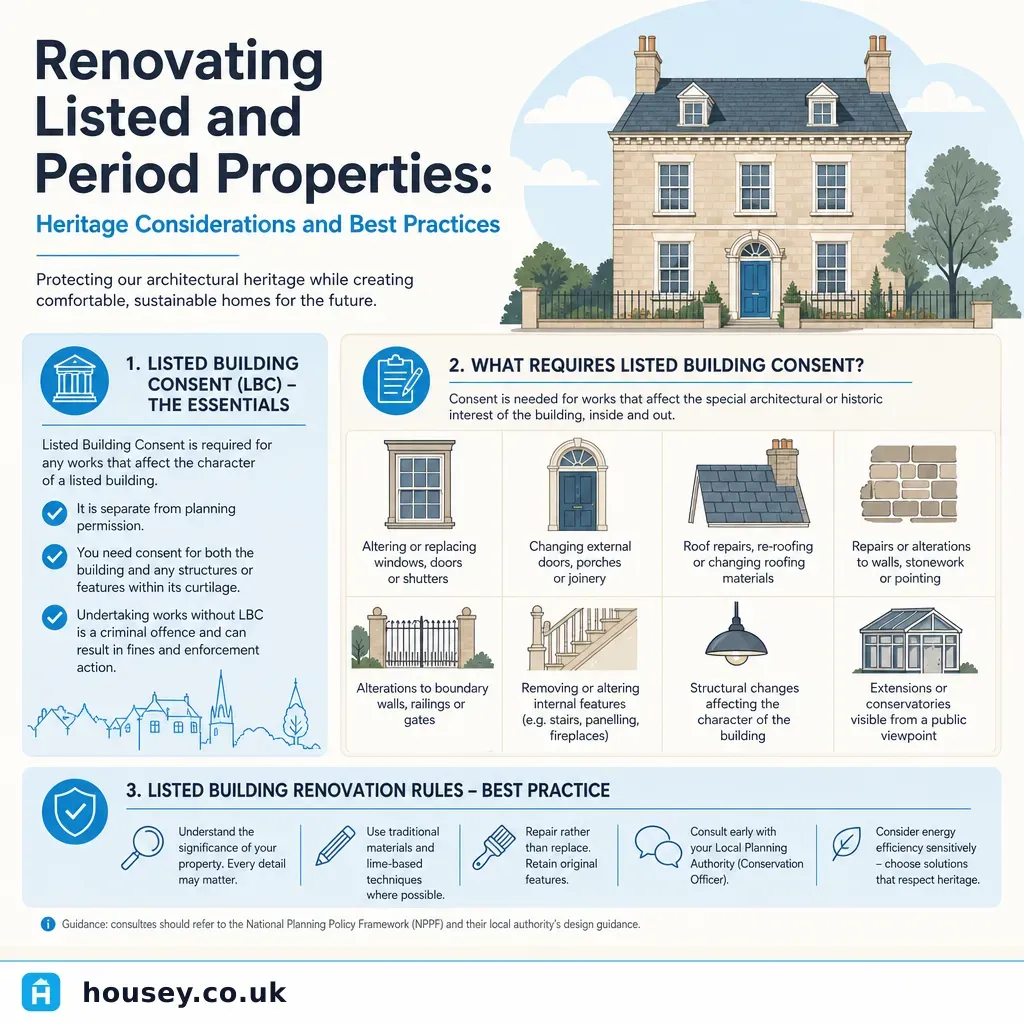 Planning & Pre-Build
Renovating Listed and Period Properties: Heritage Considerations and Best Practices
Renovating a listed or period property in the UK requires Listed Building Consent for most alterations — internally and externally — separate from planning permission.
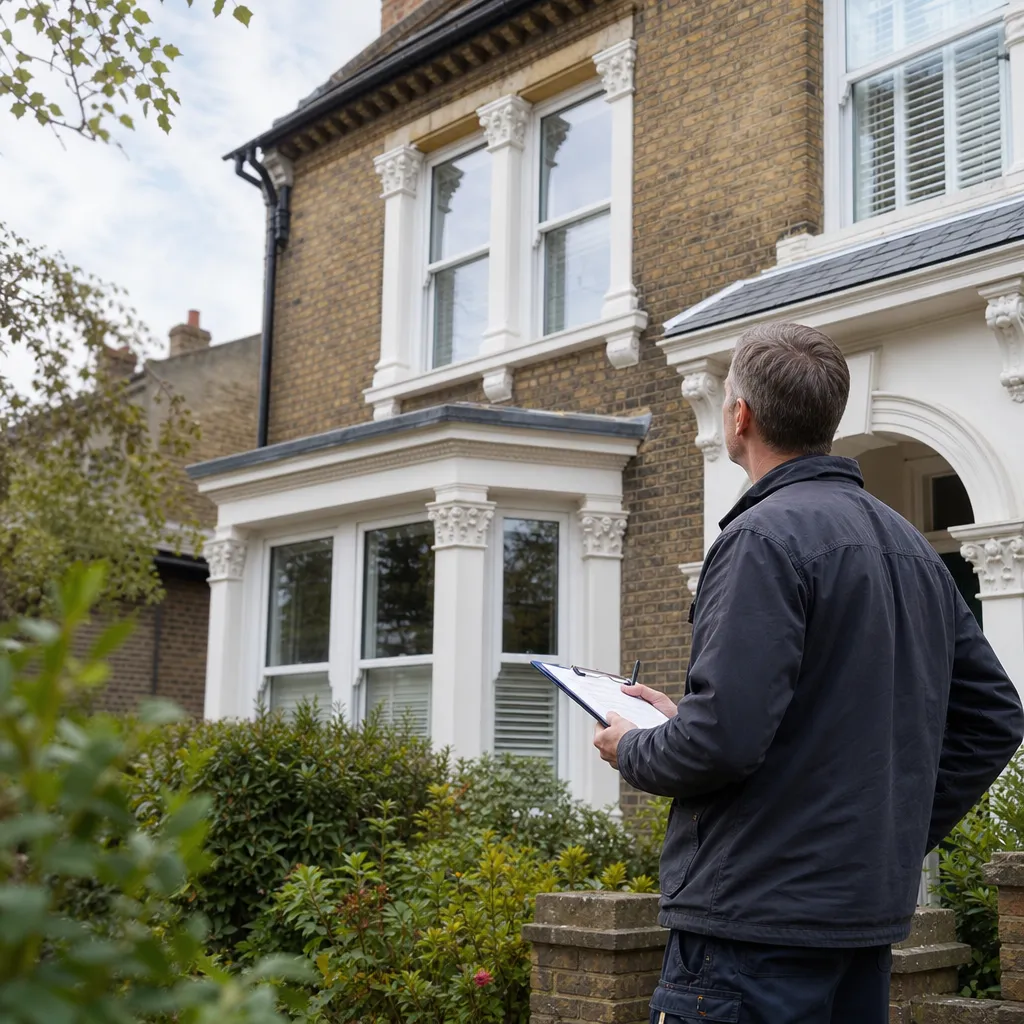 Planning & Pre-Build
Heritage Property: Preserving Historic Homes and Conservation Standards
Listed buildings in the UK require Listed Building Consent for most works — internal and external — that affect their special architectural or historic interest.
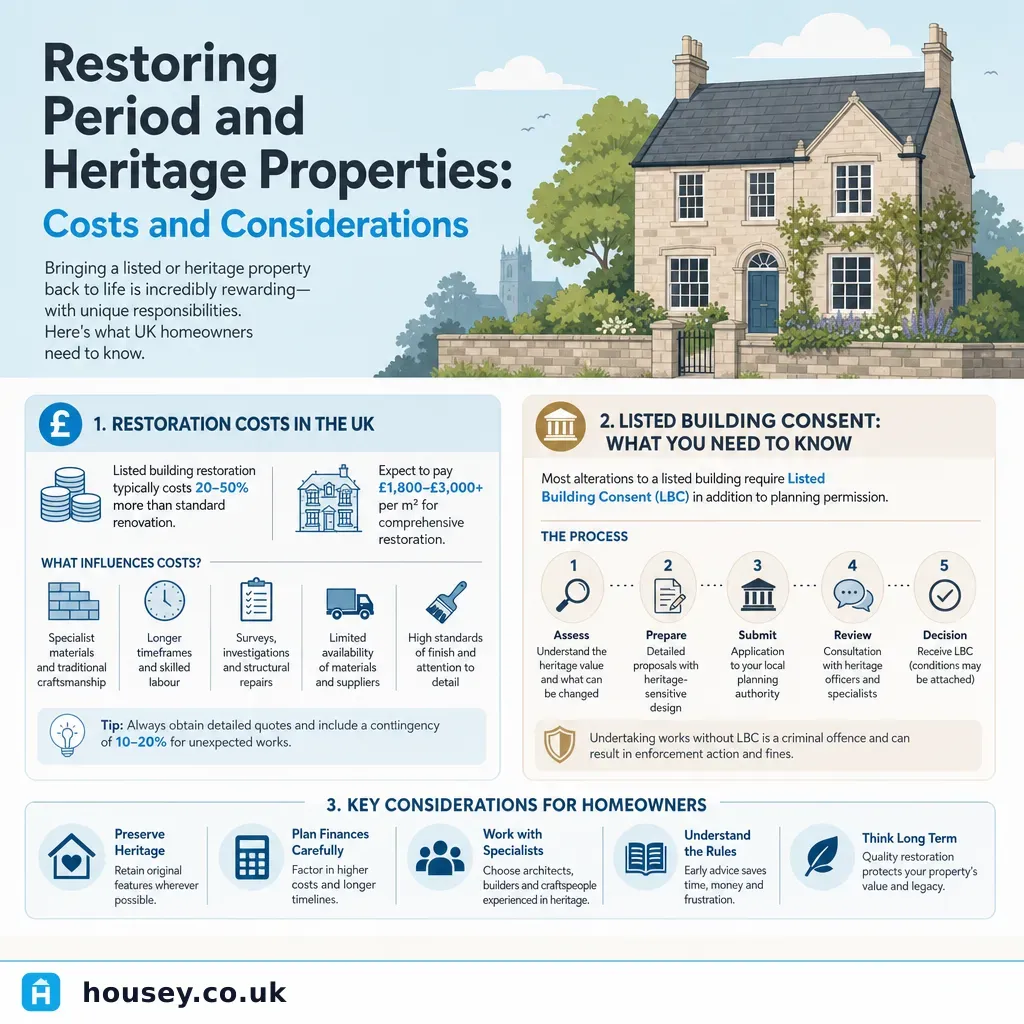 Planning & Pre-Build
Restoring Period and Heritage Properties: Costs and Considerations
Restoring a period or heritage property requires listed building consent for most alterations, use of traditional materials such as lime mortar, and specialist contractors.
 Planning & Pre-Build
Cape Cod Style Homes: Design Elements and Characteristics
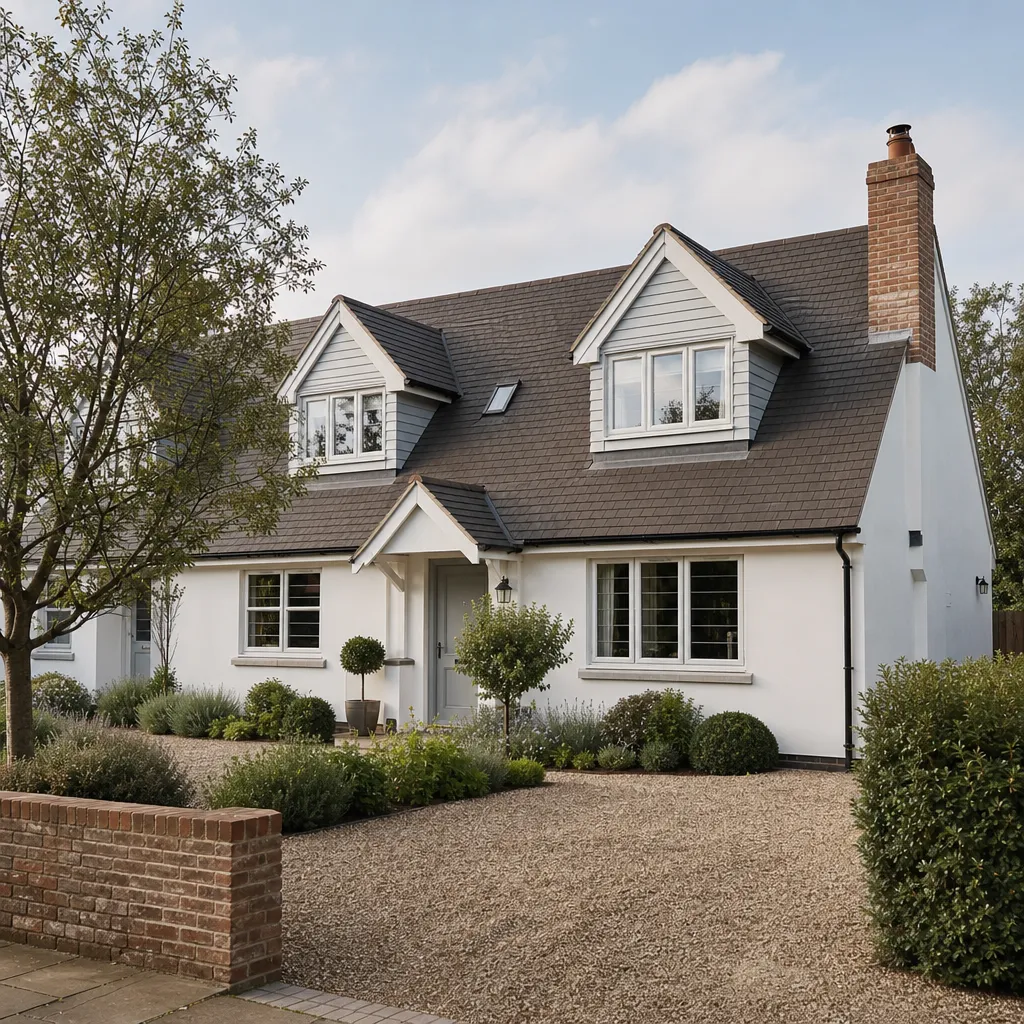
A Cape Cod home is defined by its steep symmetrical gabled roof, compact 1.
 Planning & Pre-Build
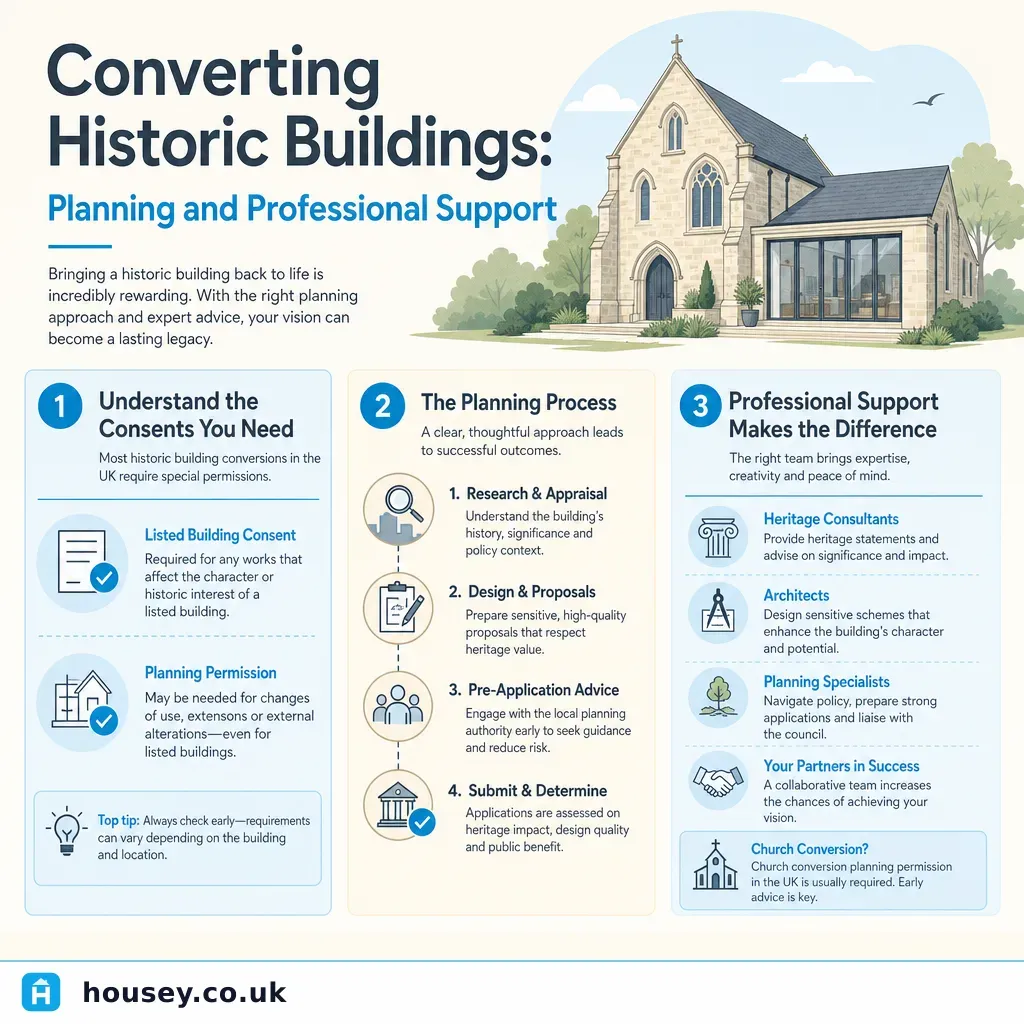
Converting Historic Buildings: Planning and Professional Support
Converting a historic or listed building in the UK requires Listed Building Consent in addition to planning permission, both granted by the local planning authority.