Acid Cleaning Driveways: Risks and Safe Cleaning Alternatives
By Housey · Last reviewed 25th of May 2026
Acid Cleaning Driveways: Risks and Safe Cleaning Alternatives
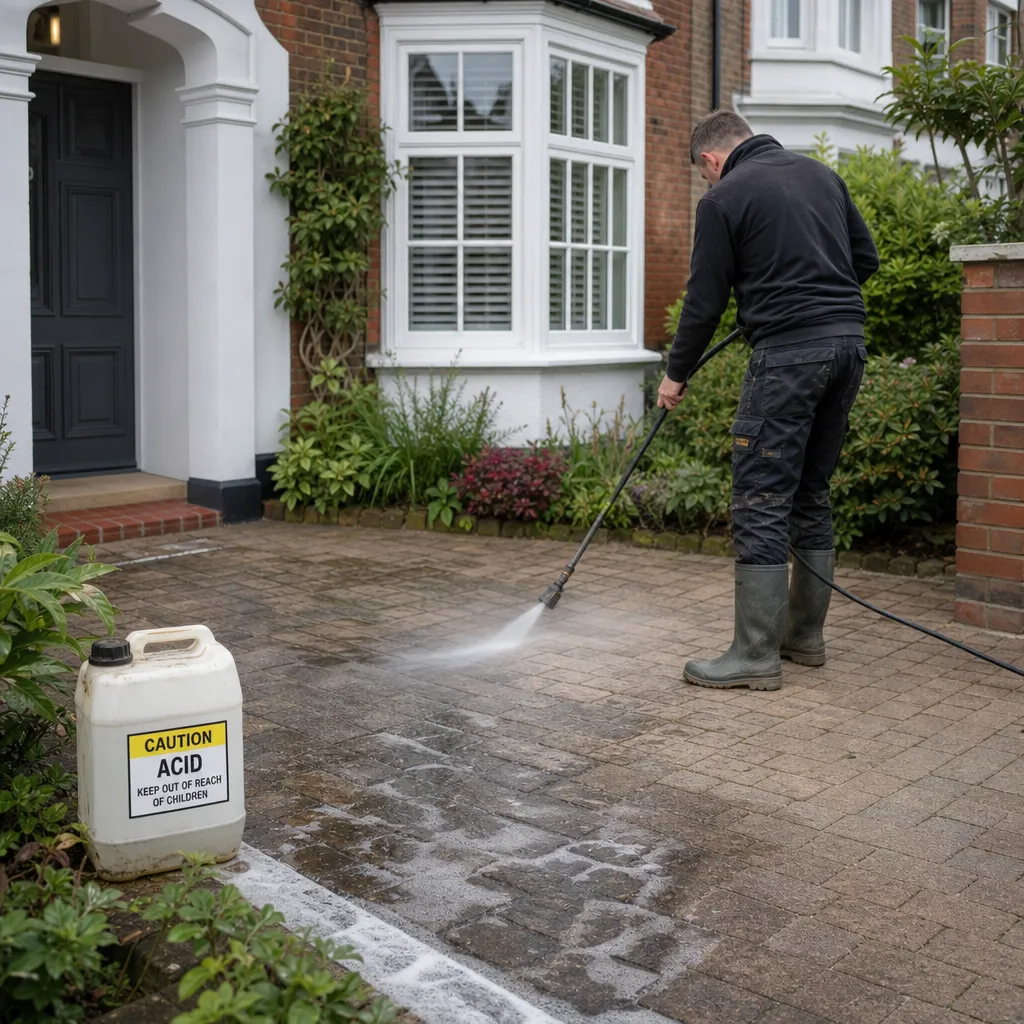
Moss, oil stains, and ingrained grime on concrete or block paving can seem stubborn enough to tempt homeowners towards more aggressive cleaning solutions, including acid. Acid cleaning is sometimes suggested online or by less scrupulous contractors as a quick fix for a neglected driveway — but for most UK driveways, the risks to the surface, the drainage system, and the person carrying out the work are significant. Understanding what acid actually does to common driveway materials, and which alternatives exist, helps you make a better decision and ask the right questions of any contractor who proposes it.
Key points
- Hydrochloric acid (muriatic acid) reacts with calcium compounds in concrete, mortar, and many block paving surfaces — it removes staining by dissolving the surface layer, which can open pores and accelerate future deterioration.
- Many block paving manufacturers, including Marshalls and Brett Landscaping, explicitly advise against acid cleaning in their product maintenance guidance, as it can strip surface texture and void product warranties.
- The Control of Substances Hazardous to Health (COSHH) Regulations 2002 require a written risk assessment before any professional use of hazardous chemicals, including strong acids — domestic users face no formal assessment duty, but the same physical hazards apply.
- Rinse water from acid cleaning is chemically contaminated; allowing it to enter drains or watercourses is an offence under the Water Resources Act 1991 and the Environmental Protection Act 1990.
- Pressure washing at 1,500–2,500 PSI combined with an alkaline degreaser or pH-neutral specialist cleaner removes most organic growth and surface staining from concrete and block paving without chemical risk or disposal obligations.
What acid cleaning actually does to a driveway surface
Acid reacts chemically with calcium compounds. Concrete, cement mortar, and many natural stone surfaces — including limestone and sandstone — contain calcium carbonate or calcium silicates. When a strong acid contacts these materials:
- It dissolves the surface layer, removing staining but also eroding the protective paste layer on concrete and leaving the surface more porous.
- On block paving, it attacks mortar joints and polymeric jointing sand, accelerating erosion and creating channels for weed growth.
- Residual acid must be neutralised — typically using a dilute sodium bicarbonate solution — before washing away. Skipping this step leaves active acid on or within the surface.
- Contaminated wash water must be directed to an appropriate waste point and cannot lawfully be discharged onto garden soil or into surface drainage.
The surface may look cleaner immediately after treatment. However, the increased porosity means it stains more quickly in subsequent seasons, potentially requiring more frequent or more aggressive treatment over time.
Cleaning method comparison
Method | Best for | Not ideal for | Surface risk | Notes |
|---|---|---|---|---|
Dilute hydrochloric acid | Heavy calcium deposits and efflorescence on industrial concrete | Most domestic driveways, block paving, natural stone | High — surface etching, mortar erosion, porosity increase | Wash water disposal is a legal obligation |
Cold-water pressure washing | General dirt, moss, algae on concrete and block paving | Deep oil stains alone | Low if technique is correct (≤2,500 PSI, fan nozzle) | Most effective routine maintenance method |
Hot-water pressure washing | Oil, grease, and food stains | Very delicate surfaces at high pressure | Low–medium | More effective than cold water on fatty deposits |
Alkaline degreaser | Oil, fuel, exhaust, and food stains | Limescale and efflorescence | Very low | Works best with a dwell period before rinsing |
pH-neutral specialist cleaner | Routine maintenance, colour-treated surfaces, resin-bound paving | Heavy efflorescence or deep-set rust | Very low | Safe for most surfaces including porcelain |
Biocidal moss and algae treatment | Organic growth suppression and prevention | Immediate heavy staining removal | Very low | Must be used in accordance with UK biocide product regulations |
Wet or dry sandblasting | Heavy staining on robust surfaces (granite, engineering brick) | Standard residential concrete or block paving | Medium — can abrade softer surfaces | Professional only; quotes vary widely |
Indicative UK costs, last reviewed 2026-05-25. Professional pressure cleaning of a standard driveway typically ranges from £80 to £300 depending on area, material, and condition — obtain at least two quotes before instructing.
What not to assume about acid cleaning
Do not assume acid is faster. Proper application requires waiting periods, neutralisation with a sodium bicarbonate solution, and careful wash-water management. A competent pressure clean of a standard driveway takes one to two hours; a correct acid treatment may take several hours across two sessions with drying time in between.
Do not assume all block paving responds the same way. Concrete block paving — the most common type on UK housing estates — is particularly vulnerable because its surface mortar mix is calcium-based. Porcelain paving tiles are inherently acid-resistant, but the grout or jointing compound between them usually is not.
Do not assume a weak solution is safe. Even diluted hydrochloric acid at the concentrations available from builders' merchants can cause serious skin burns, corneal damage, and respiratory irritation. Chemical-resistant gloves, splash-proof safety glasses, and adequate ventilation are required for any acid use.
Do not assume wash water can go straight down the drain. Under the Water Resources Act 1991 and the Environmental Protection Act 1990, allowing chemically contaminated water to enter surface drains, watercourses, or groundwater is an offence. Professional contractors must neutralise and dispose of wash water in compliance with environmental permit conditions.
Do not assume acid-cleaned surfaces stay cleaner for longer. By opening the surface structure, acid cleaning often increases the rate at which dirt, algae, and oil re-penetrate — particularly if no sealant is applied afterwards.
Red flags: signs that cleaning has damaged your driveway
Watch for these indicators that aggressive cleaning — including acid use — has caused harm:
- The surface feels rougher or more textured than before treatment.
- Mortar joints between blocks appear eroded, or jointing sand has been visibly washed away.
- Pale or uneven patches have appeared on concrete that was uniform before cleaning.
- Efflorescence (white mineral deposits) returns within a few weeks — a sign that surface porosity has increased.
- Natural stone tiles show pitting, loss of polish, or surface roughness not present before treatment.
- Plants or lawn adjacent to the treated area show die-back or yellowing despite normal watering.
If you notice any of these signs after a professional clean, raise the issue promptly in writing. Some damage — such as loss of jointing sand — can be remedied with re-sanding and sealing. More severe surface erosion may require replacement of affected sections.
When to get professional help
For most domestic driveways, professional pressure washing is the appropriate first step. Consider instructing a specialist if:
- Staining persists after pressure washing with appropriate cleaning agents.
- You suspect the surface is near the end of its serviceable life and cleaning alone may not restore an acceptable appearance.
- The driveway is natural stone, resin-bound aggregate, or tarmac — each requires specific cleaning approaches.
- A contractor proposes acid cleaning without explaining the neutralisation process, rinse-water disposal method, and surface aftercare plan.
- The property is covered by planning conditions, a maintenance lease, or a management company agreement that specifies approved cleaning methods.
How Housey can help
If your driveway has sustained damage or has reached a point where cleaning alone is no longer sufficient, Housey's driveway installers can connect you with vetted local specialists across a range of materials and surface finishes — from concrete block paving and natural stone to resin-bound aggregate and pattern-imprinted concrete.
Frequently asked questions
Is it safe to use hydrochloric acid on a concrete driveway yourself?
Generally, no — not without appropriate personal protective equipment and a clear plan for neutralising and disposing of the wash water. Dilute hydrochloric acid causes serious skin burns and eye injury on contact and produces irritating fumes. For most domestic driveways, an alkaline degreaser combined with pressure washing achieves comparable results without the chemical hazard or the waste disposal obligation.
Will acid cleaning damage block paving?
Acid cleaning frequently damages block paving. The mortar joints and jointing sand between blocks are calcium-based and dissolve readily in acid, leading to early joint failure, weed establishment, and surface instability. Many manufacturers, including Marshalls, explicitly advise against acid cleaning in their maintenance guidance. A pH-neutral or alkaline specialist cleaner combined with pressure washing is the recommended approach for most block paving surfaces.
What is the best way to remove oil stains from a concrete driveway?
An alkaline degreaser applied to the stain and worked in with a stiff brush, followed by a hot-water pressure wash at around 2,000 PSI, is effective on fresh or moderate oil stains. For older, deeply ingrained stains, a poultice treatment or a specialist traffic film remover (TFR) may be more effective. Allow the degreaser a dwell time of 15–30 minutes before rinsing to achieve best results.
Should I seal my driveway after cleaning?
Sealing is not mandatory but is widely recommended for concrete block paving and natural stone following a thorough clean. A sealant reduces water ingress, limits weed growth in joints, and can protect surface colour. It is especially advisable after any deep cleaning that may have opened the surface structure, as increased porosity means dirt and moisture penetrate more readily until a sealant is applied.
Sources and further reading
- Control of Substances Hazardous to Health (COSHH) Regulations 2002 — HSE, legal requirements for handling hazardous chemicals including dilute acids
- Environmental Protection Act 1990 — legislation.gov.uk, controlled waste obligations including contaminated wash water
- Water Resources Act 1991 — legislation.gov.uk, offences relating to water contamination from chemicals
- Marshalls block paving care and maintenance guidance — Marshalls, manufacturer guidance on appropriate cleaning methods and substances to avoid
Useful next reads
 Improvement & Build
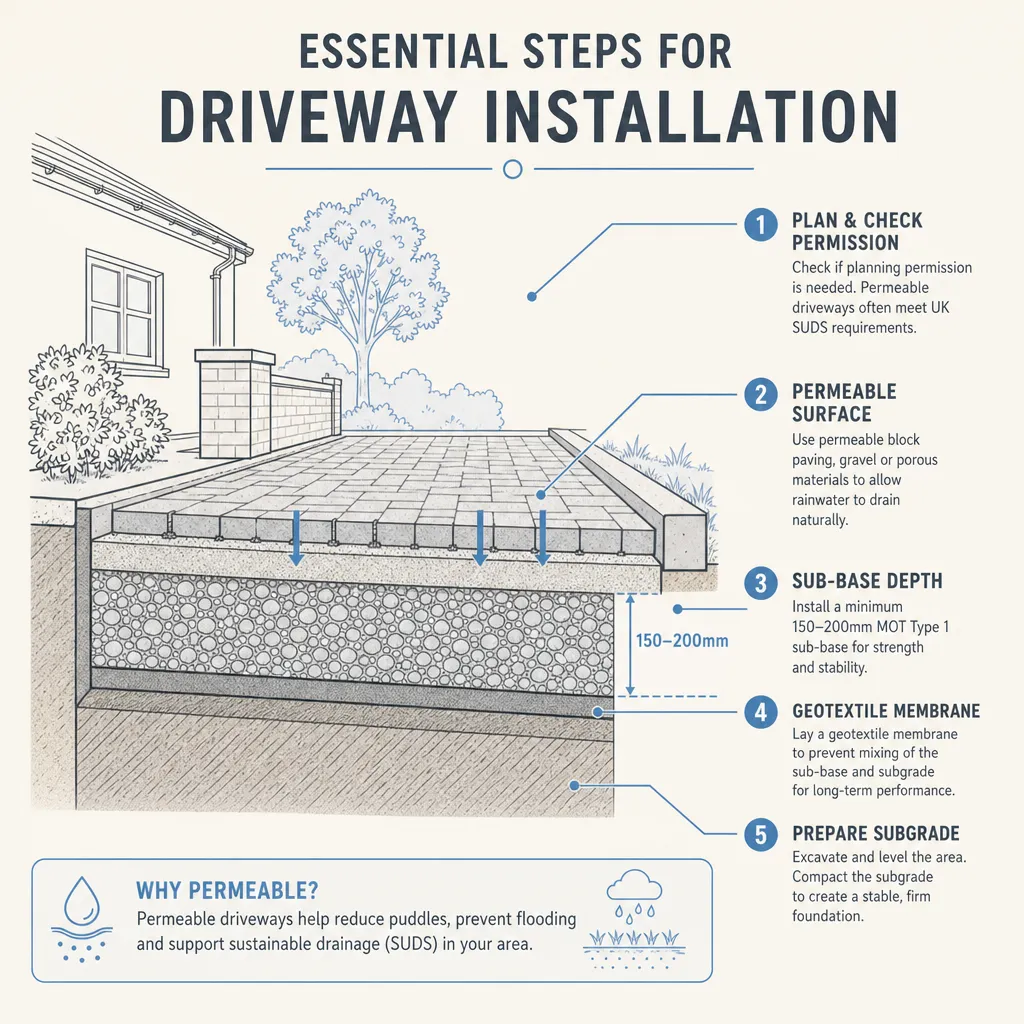
Essential Steps for Driveway Installation
Installing a driveway in England requires planning permission only when using an impermeable surface (standard tarmac, concrete, or block paving) on a front garden area over 5 m².
 Improvement & Build
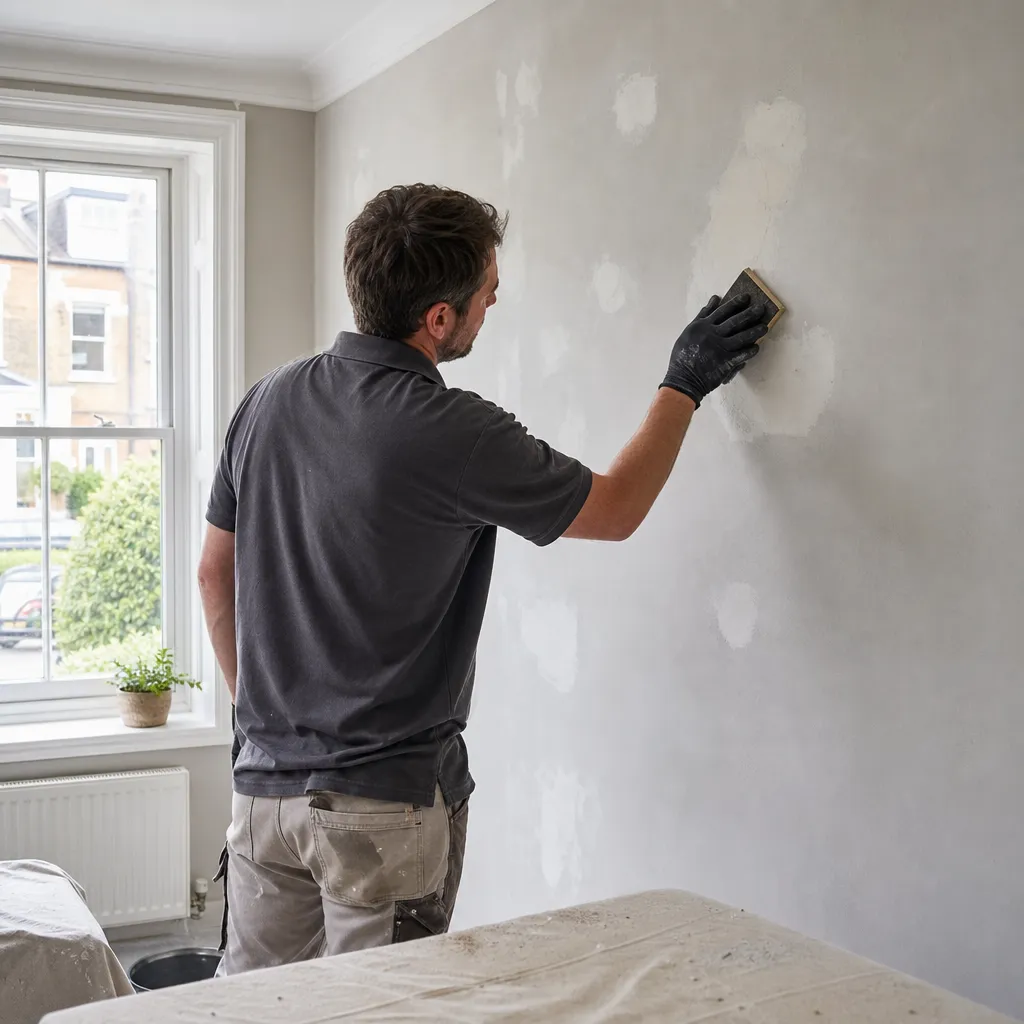
Preparing Walls for Patching: Surface Preparation Best Practice
Durable wall patching starts with removing all loose material, cutting back to a clean and stable edge, cleaning the substrate, and priming with a construction-grade PVA bonding agent before applying any filler or plaster.
 Improvement & Build
Window Screens and Insect Mesh: Options and Installation
UK window screens fall into four main types: fixed frame, roller retractable, pleated folding, and magnetic snap-fit.
 Improvement & Build
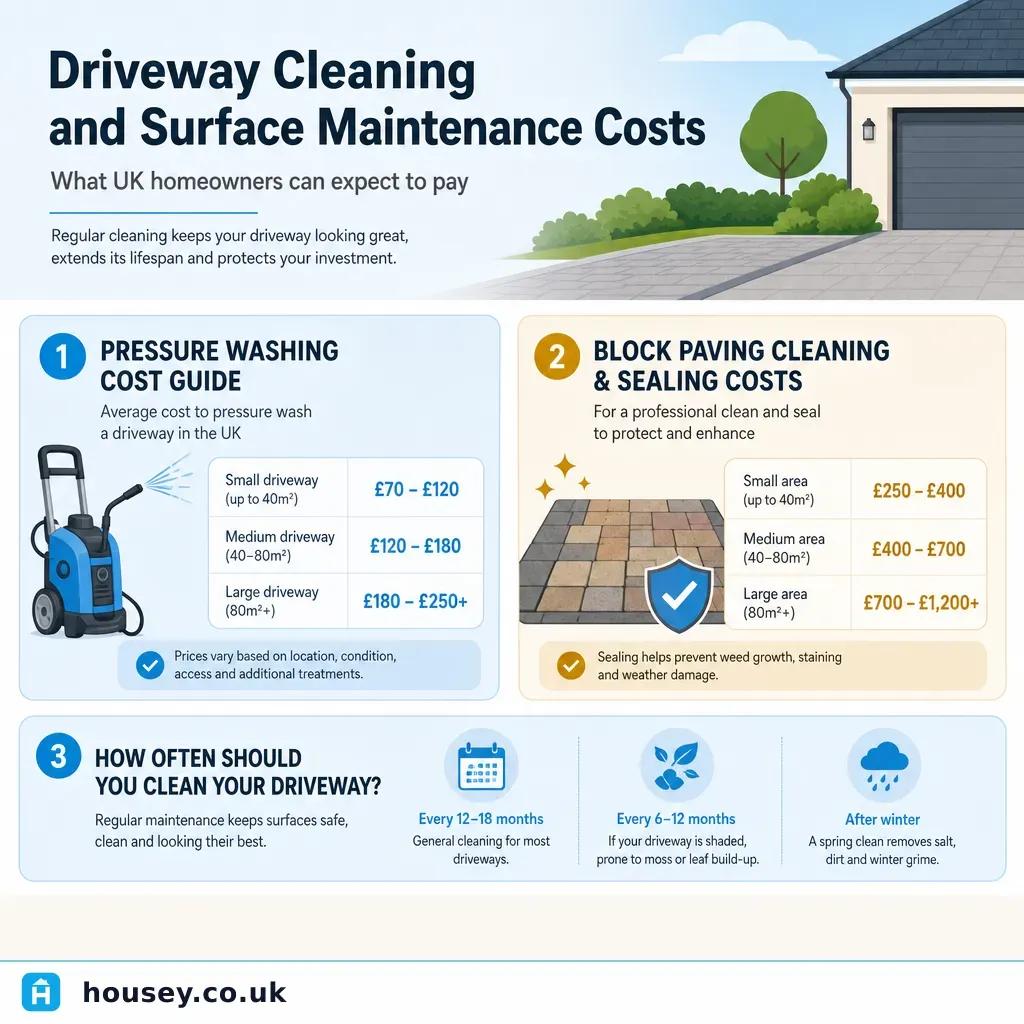
Driveway Cleaning and Surface Maintenance Costs
Professional driveway cleaning in the UK typically costs £100–£300 for pressure washing an average single driveway, rising to £300–£600 if block paving sealing and re-jointing are included.
 Improvement & Build
Flat Roof Solutions: Installation, Maintenance, and Longevity Considerations
Flat roofs use several waterproofing systems — EPDM rubber, GRP fibreglass, liquid-applied coatings, modified bitumen felt, lead, and zinc — each with different lifespans and installation requirements.