Driveway Cleaning and Surface Maintenance Costs
By Housey · Last reviewed 6th of May 2026
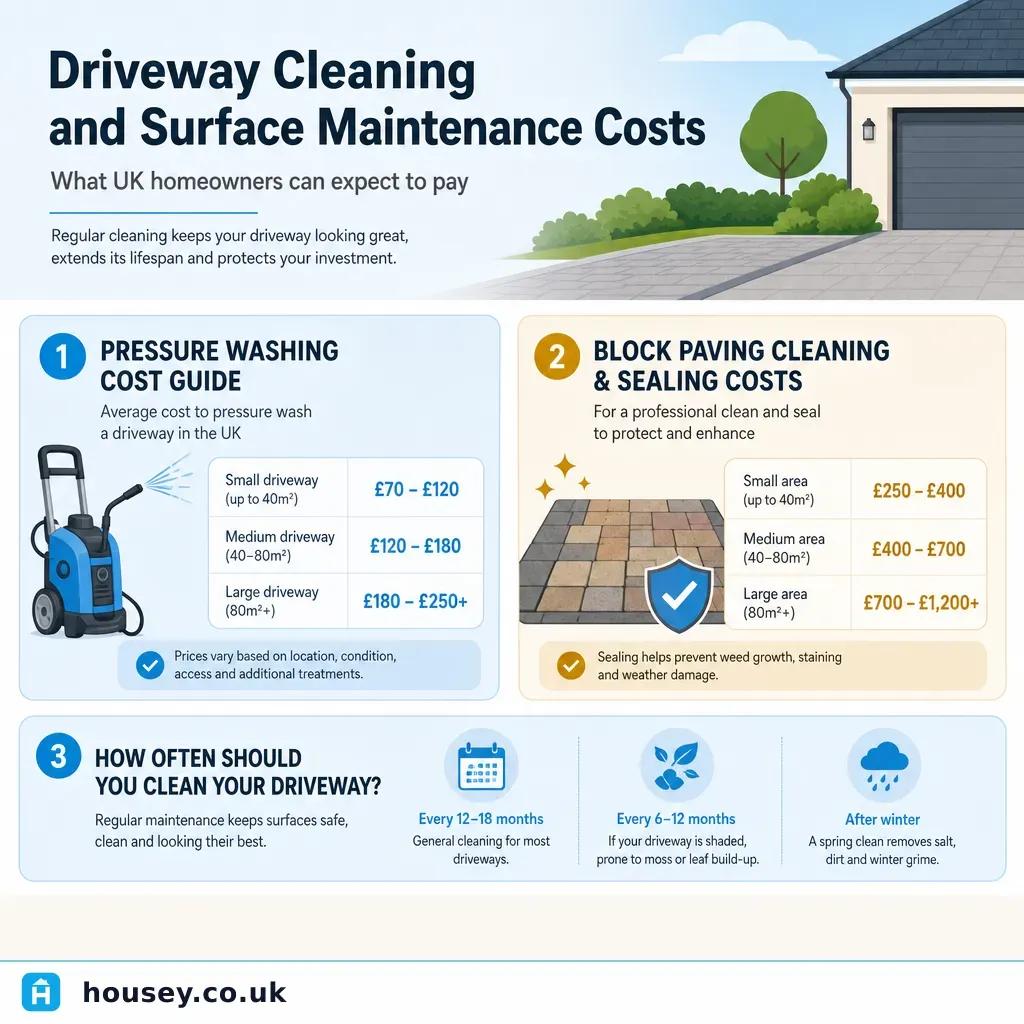
Driveway Cleaning and Surface Maintenance Costs
Driveways endure more day-to-day punishment than almost any other surface around a UK home — vehicle traffic, road salt, moss, oil spills, and years of wet British weather all accumulate over time. Whether you are refreshing tired block paving before a house sale, maintaining a resin-bound surface, or trying to extend the life of an ageing tarmac drive, understanding what professional cleaning involves and how costs are structured helps you plan maintenance sensibly and avoid expensive resurfacing work later.
Key points
- Professional pressure washing for an average single driveway (around 40–50 m²) typically costs £100–£300; including block paving sealing and re-jointing usually brings the total to £300–£600. (Indicative UK costs, last reviewed 2026-05-06.)
- Block paving should be cleaned and re-sanded every 2–3 years to prevent weed ingress and maintain surface stability.
- Resin-bound and resin-bonded driveways require specialist low-pressure cleaning — standard high-pressure jet washing can dislodge aggregate and permanently damage the surface.
- Applying a biocide or degreaser before pressure washing, and leaving it to dwell for 20–40 minutes, significantly improves results on algae-covered or oil-stained driveways.
- Sealing tarmac every 3–5 years slows oxidation and prolongs surface life; water ingress into unsealed, porous tarmac accelerates cracking.
What professional driveway cleaning involves
A professional clean typically follows four stages:
- Pre-treatment — a biocide, moss killer, or degreaser is applied and left to dwell (usually 20–40 minutes).
- Pressure or soft washing — a rotary surface cleaner rather than a hand lance gives a more even result and reduces the risk of surface damage.
- Re-jointing (block paving only) — kiln-dried sand is brushed in after cleaning to replace material lost to weathering and water ingress.
- Sealing — optional but recommended for block paving, concrete, and tarmac; extends the time between cleans and improves stain resistance.
The right approach depends on the surface type and current condition. Treating a resin-bound driveway the same way as block paving is one of the most common errors homeowners make when booking a cleaning contractor.
How much does driveway cleaning cost?
Costs vary by surface type, driveway size, soiling level, and whether sealing is included. The table below gives indicative ranges for a standard single driveway of approximately 30–50 m².
Surface type | Clean only | Clean + seal | Notes |
|---|---|---|---|
Block paving | £150–£300 | £300–£600 | Re-jointing sand usually included with seal |
Tarmac/asphalt | £100–£250 | £200–£450 | Sealant prolongs surface life and restores colour |
Printed/imprinted concrete | £150–£300 | £300–£500 | Pattern detail traps algae; careful pre-treatment needed |
Resin-bound | £120–£250 | £200–£350 | Low pressure only; high pressure damages aggregate |
Plain concrete | £100–£200 | £180–£350 | Degreaser pre-treatment essential for oil staining |
Gravel/loose stone | £50–£150 | N/A | Raking and aggregate top-up more relevant than jet washing |
Indicative UK costs, last reviewed 2026-05-06. Prices vary by region, contractor, and driveway condition. Obtain at least two quotes.
For a large double driveway (80–120 m²), expect costs to roughly double. Heavily soiled surfaces or deep oil contamination may attract a surcharge of 20–40%.
DIY vs professional driveway cleaning
| DIY | Professional |
|---|---|---|
Typical cost | £20–£80 (hire and products) | £100–£600 depending on surface and size |
Equipment | Consumer pressure washer (~150 bar) | Professional rotary surface cleaner (200–350 bar with flow control) |
Results | Adequate for light soiling; uneven on large areas | More consistent; better for stubborn staining and heavy moss |
Risk of damage | Higher — hand lance can erode mortar joints and pit block paving | Lower when contractor uses correct pressure for the surface |
Sealing | DIY products available (e.g., Ronseal, Smartseal) | Professional-grade products with longer anticipated lifespan |
A mid-range consumer pressure washer handles a moderately dirty concrete or tarmac driveway reasonably well. For block paving, printed concrete, or a heavily soiled surface, a professional rotary cleaner gives noticeably better results.
How often should you clean a driveway?
Frequency depends on surface type, surrounding vegetation, and local microclimate:
- Block paving: every 2–3 years for a full professional clean and re-sand; an annual DIY jet wash helps in between.
- Tarmac: clean every 2–3 years; re-seal every 3–5 years, or when the surface looks faded or porous.
- Resin-bound: professional clean every 1–2 years; regular brushing and leaf removal prevent organic matter breaking down the surface.
- Plain concrete: clean every 2–4 years; sooner if vehicle oil, rust stains, or heavy moss are present.
- Gravel: weed and rake annually; top up the aggregate as needed.
Properties shaded by trees or on north-facing plots typically need more frequent attention due to increased algae and moss growth.
Homeowner maintenance checklist
Use this checklist to keep your driveway in good condition between professional cleans:
Red flags: when cleaning is not enough
Surface cleaning is a maintenance task, not a repair. These conditions require more than a jet wash:
- Sunken or rocking blocks — indicates sub-base failure; professional relay work is needed before re-cleaning.
- Crumbling tarmac edges or potholes — cleaning without repair accelerates damage; obtain a resurfacing quote first.
- Persistent oil saturation — repeated heavy contamination penetrates the tarmac binder; specialist treatment or surface patching may be necessary.
- Hairline cracking in resin-bound surfaces — small cracks admit moisture that can lift the aggregate; consult the original installer or a specialist.
- Efflorescence on concrete or block paving — a white salt bloom needs a specialist efflorescence remover rather than pressure washing alone.
When to get professional help
Use a professional contractor rather than attempting DIY if:
- Your driveway is resin-bound or resin-bonded — incorrect pressure destroys the aggregate and cannot easily be repaired.
- Block paving shows significant sand loss, rocking slabs, or visible sub-base issues.
- The area is large (over 80 m²) — domestic pressure washers produce inconsistent results over large surfaces.
- Chemical pre-treatments are needed for oil saturation or persistent algae resistant to consumer products.
- You want a documented clean-and-seal with a workmanship guarantee.
How Housey can help
Housey connects UK homeowners with vetted local contractors for driveway cleaning, surface maintenance, and exterior works. Describe your surface type and the scope of the job to receive competitive quotes from providers in your area.
Frequently asked questions
How long does professional driveway cleaning take?
A standard single driveway of 30–50 m² usually takes 2–4 hours for a clean, re-sand, and seal. Larger or heavily soiled driveways may take a full day. Some contractors split the work over two visits — cleaning on the first day, applying sealant once the surface has dried on the second.
Does driveway cleaning require planning permission?
No. Cleaning and sealing an existing driveway is routine maintenance and does not require planning permission. If you are installing a new hard surface over 5 m², permeable paving rules under Approved Document H may apply, but maintenance of an existing surface is not affected.
Can I use a driveway cleaning service in winter?
Most contractors prefer dry conditions above 5°C for sealing work, as sealants need to cure properly. Pressure washing alone can be done in cooler conditions, but avoid cleaning immediately before a hard frost as wet mortar joints can be damaged by freezing.
Will cleaning remove oil stains from block paving?
Pre-treatment with a proprietary driveway degreaser, left to dwell before pressure washing, removes most fresh to moderately set oil stains. Very old or heavily saturated staining may require multiple treatments; the surface may retain a shadow even after thorough cleaning.
Is driveway sealing worth it?
On block paving and tarmac, sealing extends the interval between cleans and reduces weed ingress. For concrete, a penetrating silane or siloxane sealer resists staining and freeze-thaw damage. Most resin-bound driveway manufacturers do not recommend additional sealants as the aggregate already resists UV degradation.
Sources and further reading
- Sustainable Drainage: Guidance on Permeable Paving — GOV.UK
- Algae, Moss and Lichens on Hard Surfaces — Royal Horticultural Society
- Drainage and Waste Disposal: Approved Document H — GOV.UK
Useful next reads
 Improvement & Build
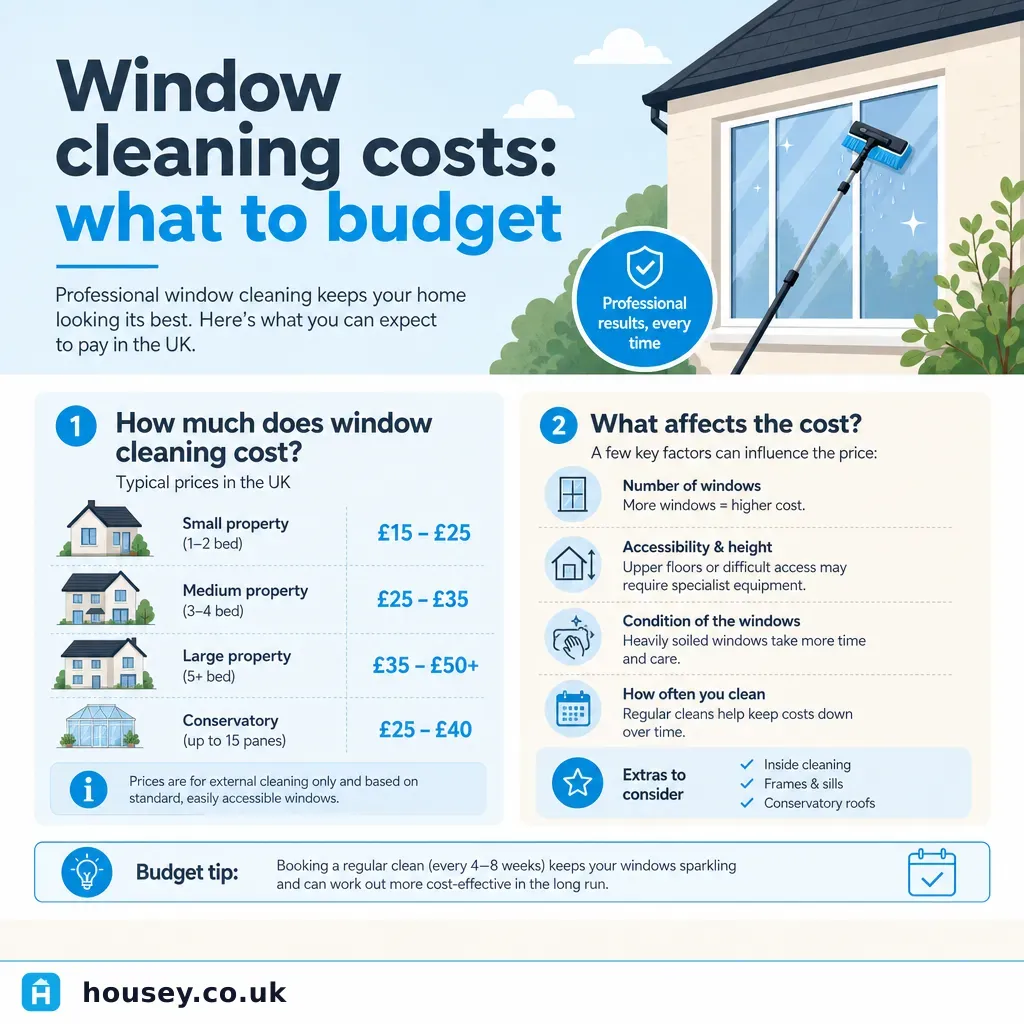
Window cleaning costs: what to budget
Window cleaning in the UK typically costs £5–£15 per visit for a small terraced house and £15–£40 or more for a larger detached property, depending on the number of windows, access difficulty, and frequency.
 Improvement & Build
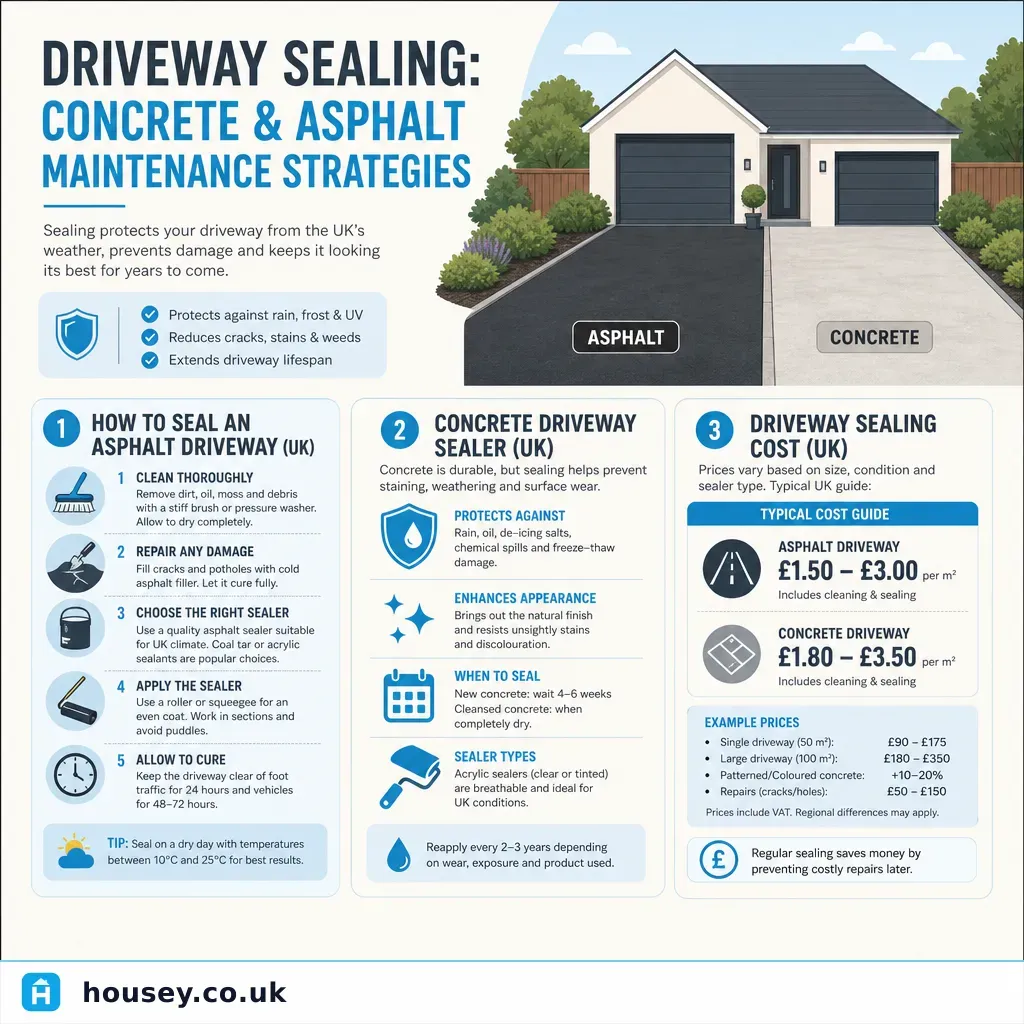
Driveway Sealing: Concrete and Asphalt Maintenance Strategies
Sealing an asphalt driveway every 3–5 years with a bitumen emulsion, or a concrete driveway with a penetrating silane or siloxane sealer, protects against frost damage, UV oxidation, and water ingress.
 Improvement & Build
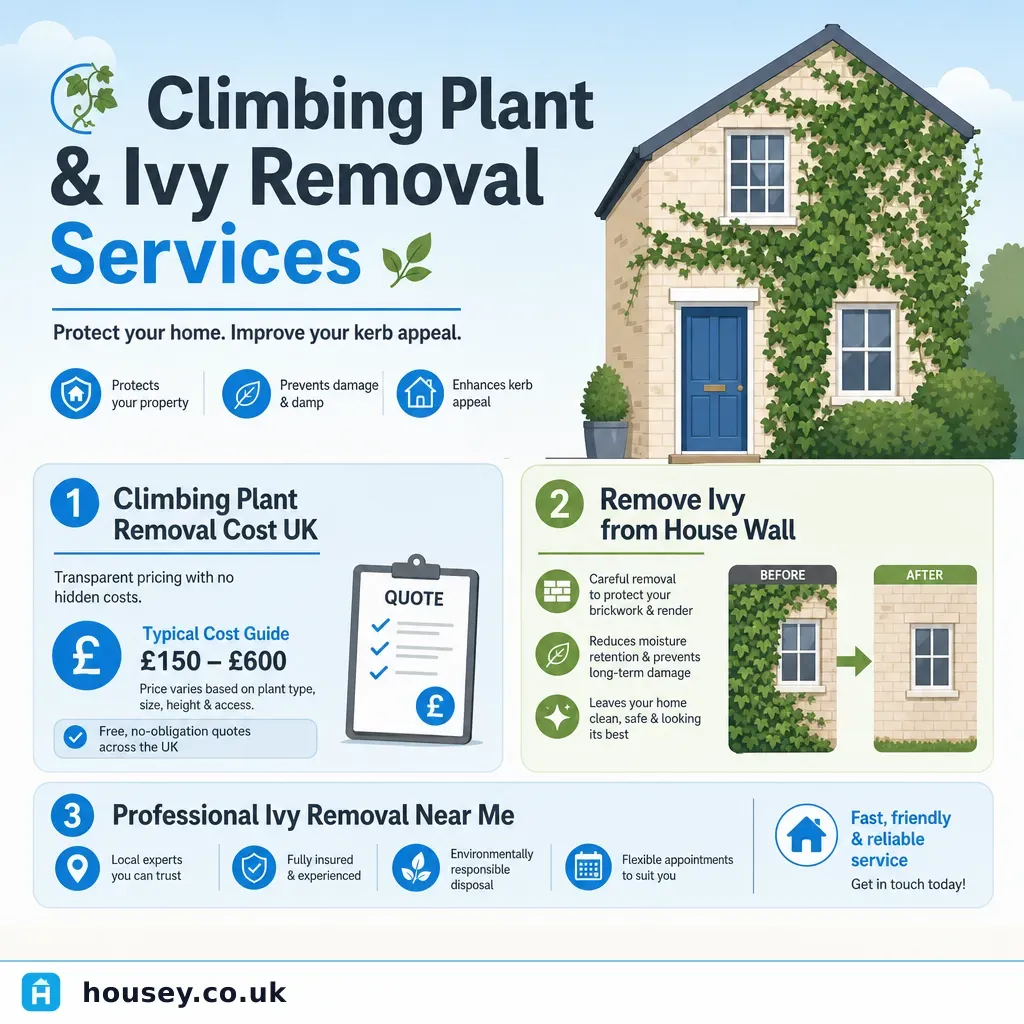
Climbing Plant and Ivy Removal Services
Professional ivy and climbing plant removal typically costs £150–£700 for a standard UK semi-detached, depending on coverage, plant type, and access requirements.
 Improvement & Build
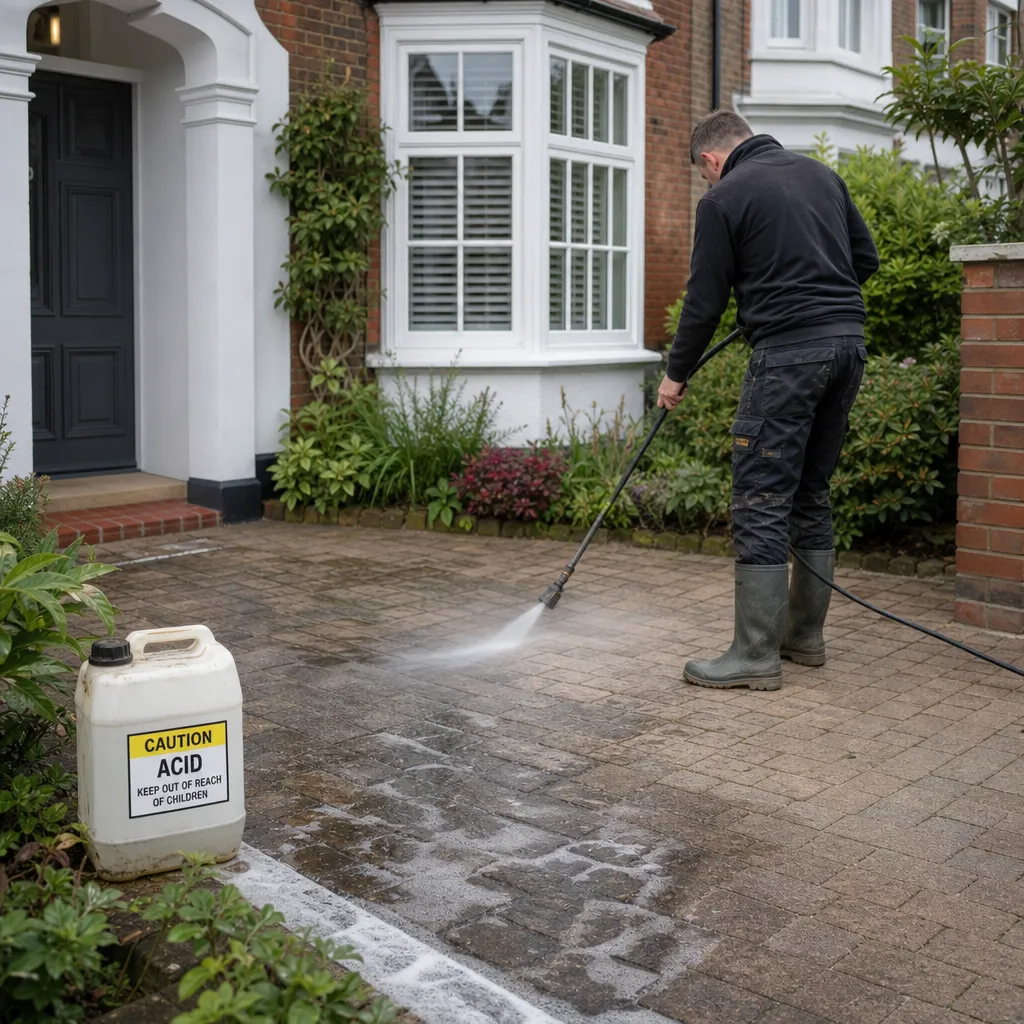
Acid Cleaning Driveways: Risks and Safe Cleaning Alternatives
Acid cleaning — typically using diluted hydrochloric (muriatic) acid — can remove stubborn stains from concrete and block paving but risks etching the surface, eroding mortar joints, and causing chemical burns if mishandled.
 Improvement & Build
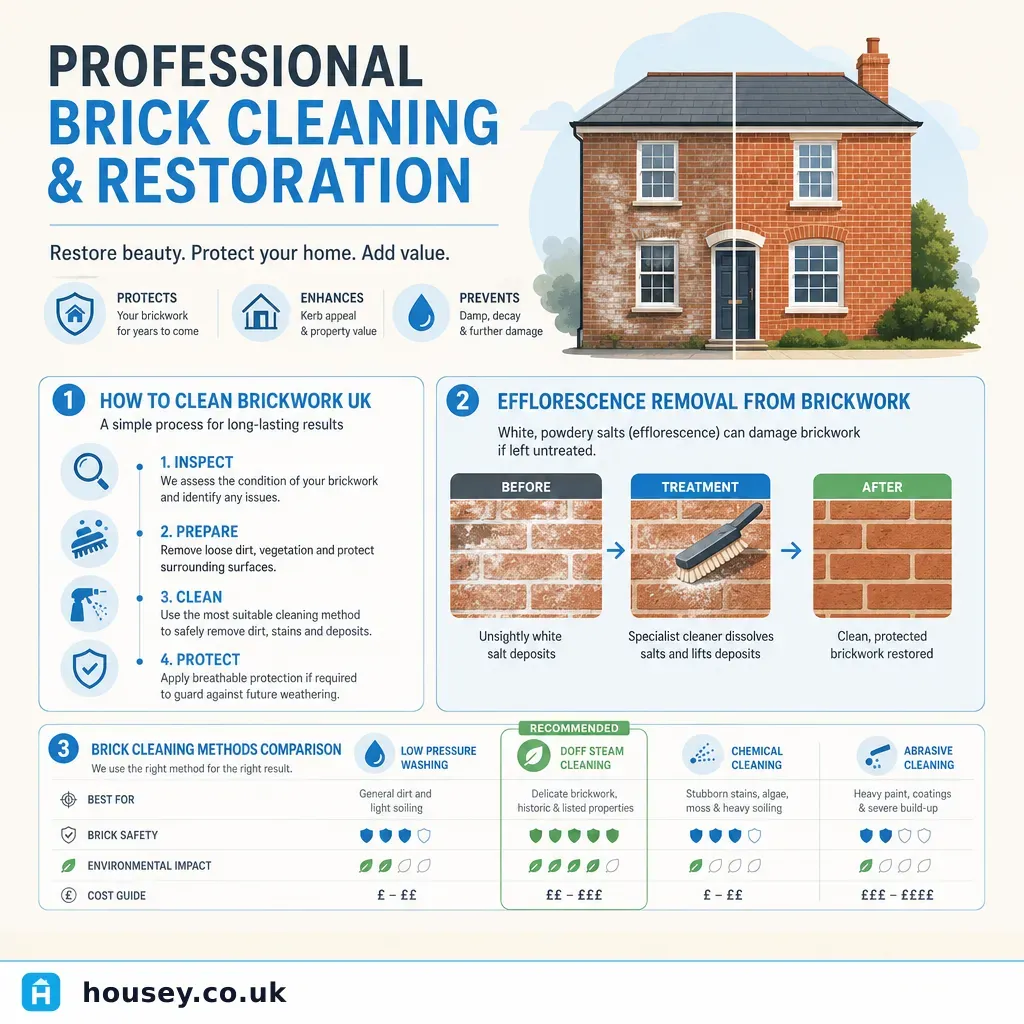
Professional Brick Cleaning and Restoration
Professional brick cleaning removes staining, efflorescence, pollution deposits, and biological growth from masonry without damaging mortar joints or the brick face.