Adding Value to a New-Build Property
By Housey · Last reviewed 18th of May 2026
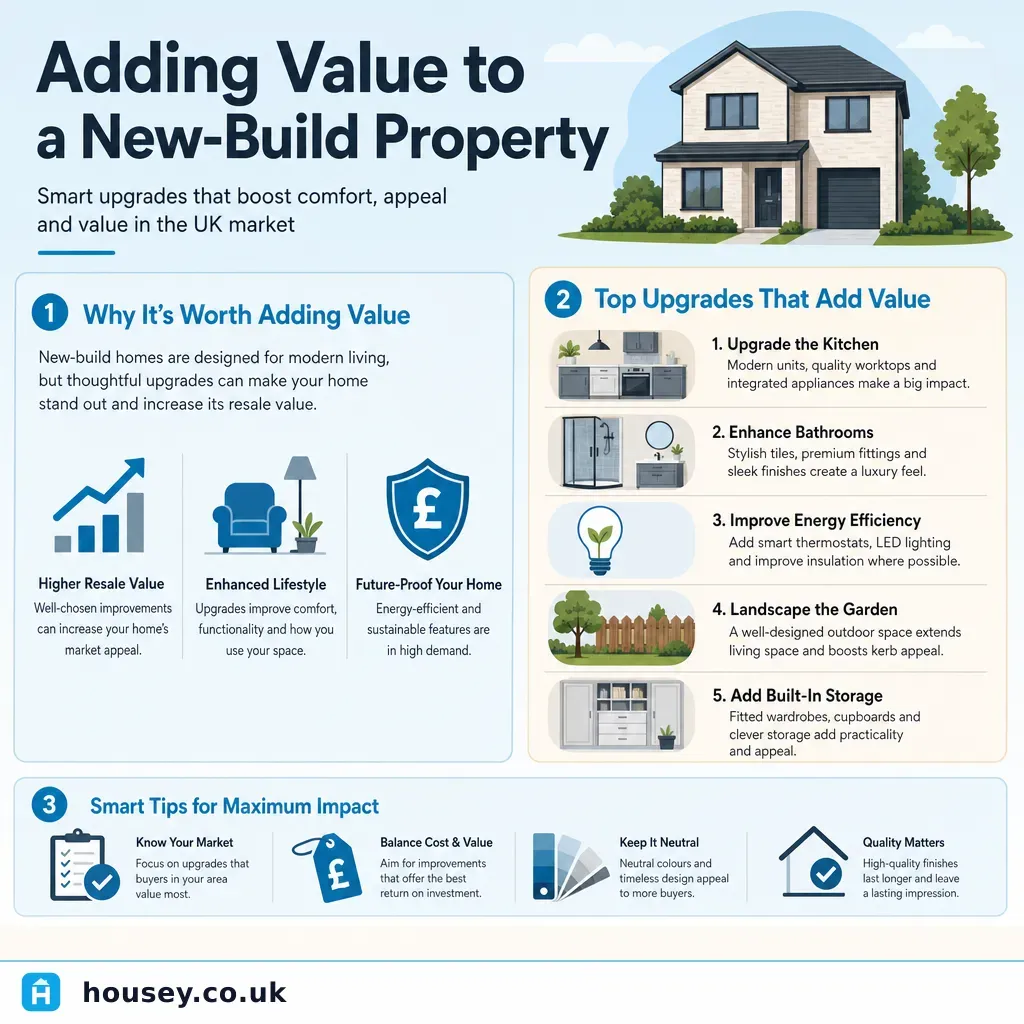
Adding Value to a New-Build Property
New-build homes often arrive with a clean slate — plain magnolia walls, standard fixtures, and minimal landscaping — which is both an opportunity and a challenge. Whether you are buying off-plan, about to move in, or already settled, the decisions you make in the first few years can meaningfully affect both your enjoyment of the home and its resale value. In a market where new-builds in England and Wales carry a new-build premium at purchase, protecting and building on that value requires a deliberate approach.
Key points
- New-build homes in England and Wales carry an average price premium of roughly 15–20% over comparable second-hand stock at the time of purchase, according to analysis by Nationwide.
- Developer upgrade packages can cost significantly more when selected from a developer's brochure than equivalent work carried out independently after completion.
- Energy Performance Certificate (EPC) ratings on new-builds are typically A or B; maintaining those ratings through quality insulation and low-carbon heating choices protects rental eligibility and mortgage options.
- Permitted development rights on some new-build estates are removed by Article 4 Direction, meaning extensions or outbuildings may require a full planning application — check your title deeds and local planning authority before starting work.
- A professional snagging survey completed before or shortly after legal completion helps protect the structural and cosmetic baseline your improvements will build on.
What affects new-build value differently from older homes
New-builds start life with advantages — NHBC Buildmark or similar warranty cover (typically 10 years), modern energy efficiency, and full compliance with current Building Regulations. Unlike a Victorian terrace with rising damp or a 1970s house with inadequate insulation, the fundamentals are usually sound. Value uplift therefore comes from differentiation — making your home stand out from identical plots on the same estate — and from maintaining the quality baseline.
Common value drivers in new-build settings:
Improvement | Typical impact on value | Notes |
|---|---|---|
Landscaping (front and rear) | Moderate to high — kerb appeal and usable space | Often neglected by developers; a well-designed garden can add 5–15% on some properties |
Kitchen personalisation (upgraded worktops, better appliances) | Moderate | Only worthwhile if the developer-fitted kitchen is basic |
Loft boarding and pull-down ladder | Low to moderate — storage value | Check with a structural engineer that trusses allow it; many new-build trusses are not load-bearing |
EV charging point | Low to moderate, growing | Increasingly expected by buyers; use an accredited installer |
Additional bathroom or en-suite | Moderate | Building control sign-off is needed for internal works even when no planning consent is required |
Decorating and flooring | Low — rarely adds material value | Neutral finishes photograph and present better for resale |
Developer upgrades: worth paying for or not?
Many developers offer an options and upgrades package — tiling, kitchen cabinet choices, carpets, solar panels — through their sales offices. The markup is often significant. As a general rule:
- Structural or hard-to-retrofit choices (larger windows, bi-fold doors, underfloor heating, additional socket positions) are usually worth selecting at build stage if the developer offers them at reasonable cost, because retrofitting afterwards is expensive and disruptive.
- Cosmetic selections (flooring, worktop colour, internal door handles) are typically cheaper to change later and should not drive a large upgrade spend unless you plan to stay for the long term.
- Appliances are usually available at lower cost through high-street retailers and can be swapped at any point.
Always compare the developer's price to the open-market cost before committing. Ask for a line-by-line breakdown in writing.
The snagging factor
Before you invest in upgrades, the baseline needs to be sound. New-build properties routinely have defects — anything from cracked render and misaligned doors to incomplete drainage and faulty extraction fans. NHBC data consistently shows that the average new-build has around 70–100 snag items at completion.
A professional snagging survey — carried out before legal completion if the developer allows it, or within the first two years while the NHBC warranty is active — identifies defects that the developer is obliged to remedy at no cost to you. Spending money on upgrades over unfixed defects is poor value. Completing snagging first protects your investment.
What not to assume
- New-builds do not need a survey. New-builds are not defect-free. An independent snagging survey differs from the developer's own inspection and gives you independent evidence to support warranty claims.
- Extensions are always permitted development. Some new-build estates have Article 4 Directions removing permitted development rights to protect the character of the development. Check your local planning authority and title deeds before assuming extension work is permitted.
- Solar panels and EV chargers add certain value. Green technologies improve EPC ratings and attract environmentally conscious buyers, but measurable uplift varies by market. They are often better justified on energy-saving grounds than pure resale arithmetic.
- Developer warranties cover everything. NHBC Buildmark covers structural defects, but cosmetic and non-structural items are typically only covered in the first two years. Beyond that, maintenance becomes the owner's responsibility.
Planning future improvements: a homeowner checklist
Before committing to any improvement project on a new-build, work through the following:
When to get professional help
Even straightforward new-build improvements can involve hidden complications. Get professional advice if:
- You are considering any structural alteration, including removing internal walls — even non-load-bearing walls in new-builds can conceal services
- You want to convert the loft — new-build trussed roofs are rarely suitable for conversion without significant structural modification
- Any defect identified at snagging relates to drainage, waterproofing, or the building envelope
- You are planning work that requires building regulations approval (extensions, electrical works at consumer-unit level, replacement boiler)
How Housey can help
If you are moving into a new-build or recently settled, a new-build snagging survey is the most cost-effective first step before planning any improvements. Housey connects you with qualified snagging inspectors who will document defects while they remain the developer's responsibility — protecting the baseline your future investment builds on.
Frequently asked questions
Do new-build homes lose value after purchase?
The new-build premium means buyers often pay above the equivalent second-hand value at purchase. Some initial depreciation is normal as that premium unwinds. Properties in strong locations with good specification tend to hold value better. Long-term value usually tracks local market conditions rather than new-build status; the premium typically reduces as the home becomes a second-hand sale.
Can I install solar panels on a new-build?
In most cases, yes — solar PV panels on a broadly south-facing roof are typically permitted development, provided the property is not in a conservation area and is not listed. Check title deeds for any developer covenants and confirm with your local planning authority. Use an MCS-accredited installer to qualify for the Smart Export Guarantee (SEG).
What is an Article 4 Direction and how do I check for one?
An Article 4 Direction is a measure used by local planning authorities to withdraw permitted development rights in a specific area, often to protect the character of an estate or conservation area. Check your local planning authority website or contact the planning department directly. The information may also appear in your solicitor's pre-completion searches.
Is loft boarding possible in a new-build?
Many new-builds use factory-made trussed rafters, which are not designed to be walked on or carry load. Basic boarding in the central void using raised leg systems that avoid compressing insulation may be possible, but a structural engineer or your developer should confirm what is permissible before any work begins.
Sources and further reading
- Nationwide House Price Index — Nationwide Building Society
- NHBC Buildmark warranty — what is covered — NHBC
- Permitted development rights for householders — technical guidance — GOV.UK
- Smart Export Guarantee (SEG) — GOV.UK
- Energy Performance Certificates — GOV.UK
Useful next reads
 Buying & Moving
Which Home Improvements Add Real Value to Your Property?
In the UK, loft conversions, single and double-storey extensions, and energy-efficiency upgrades are most reliably linked to added property value.
 Buying & Moving
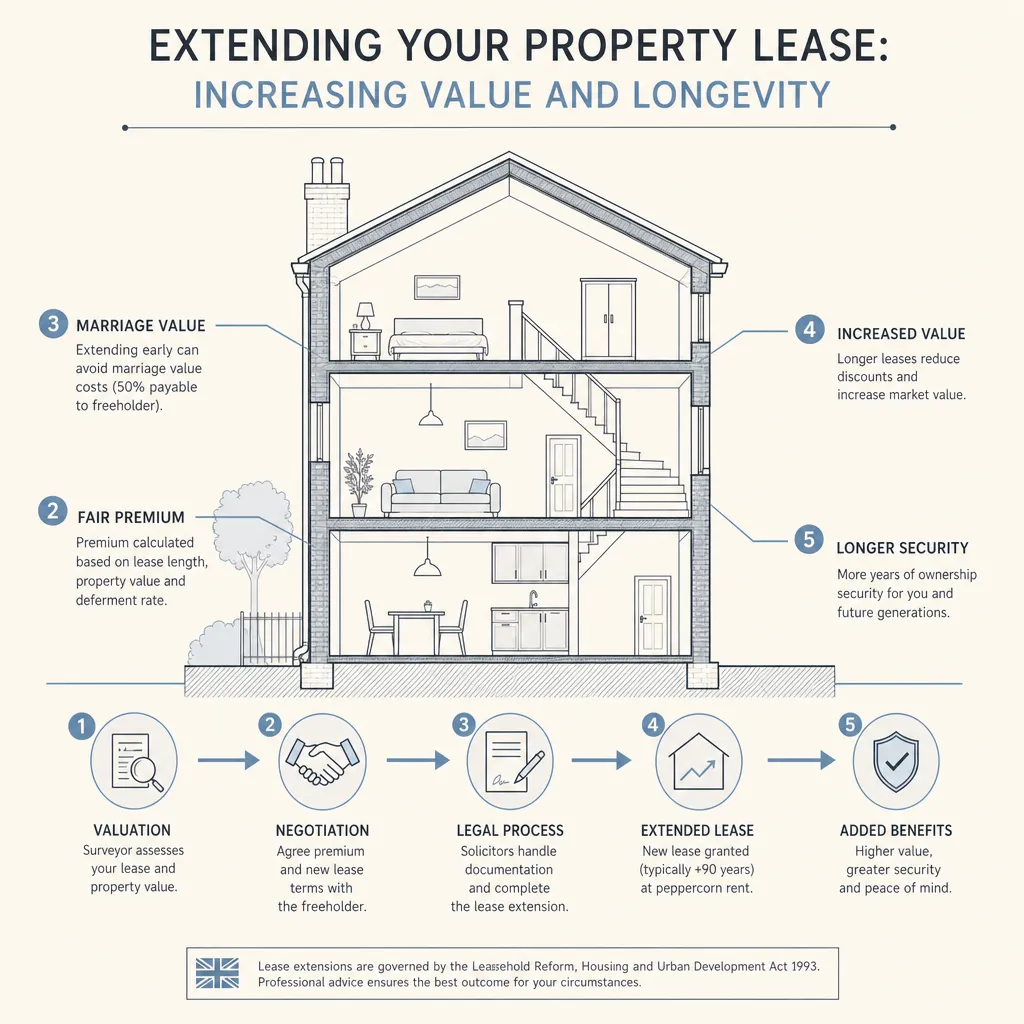
Extending Your Property Lease: Increasing Value and Longevity
Qualifying leaseholders in England and Wales can extend their lease by 90 years at a peppercorn ground rent under the Leasehold Reform, Housing and Urban Development Act 1993.
 Buying & Moving
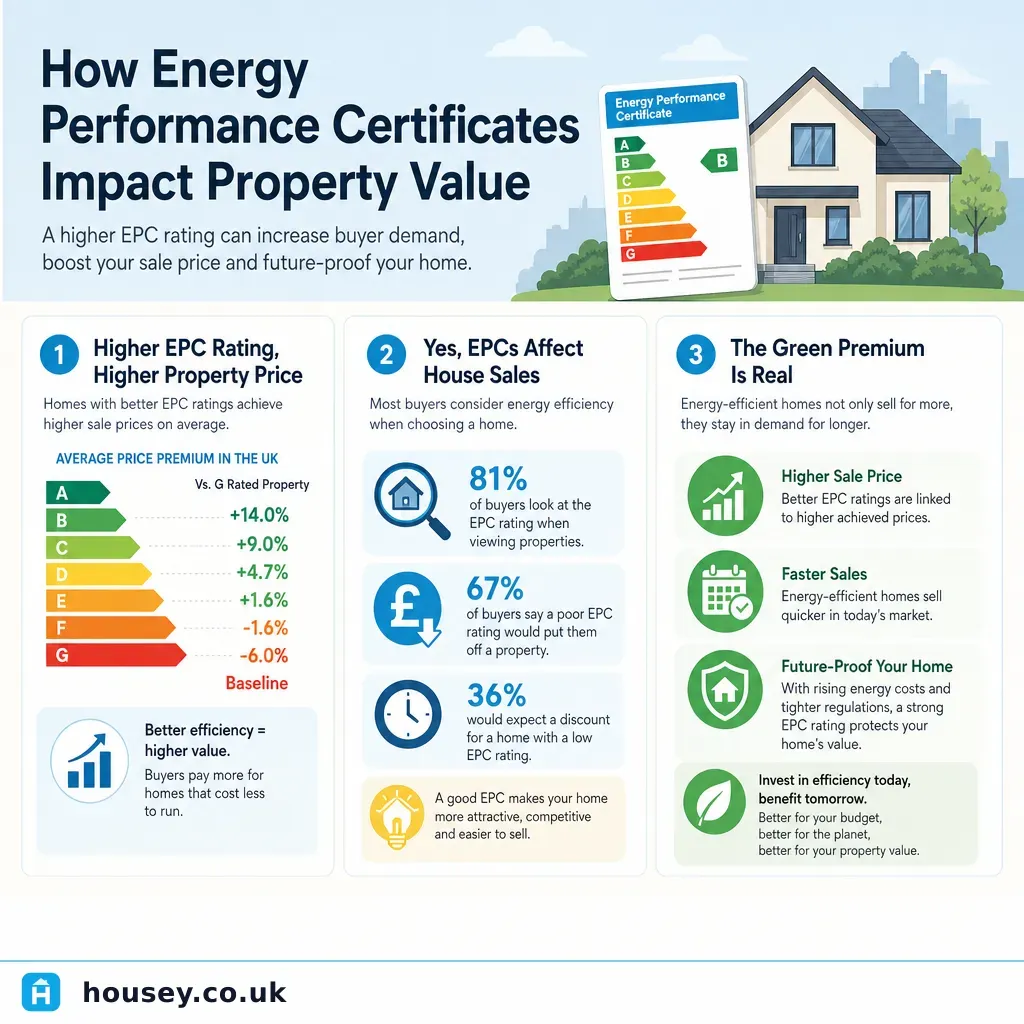
How Energy Performance Certificates Impact Property Value
A higher EPC rating can add measurable value to a UK property through a 'green premium' on open market sales, preferential green mortgage rates, and stronger buyer confidence.
 Buying & Moving
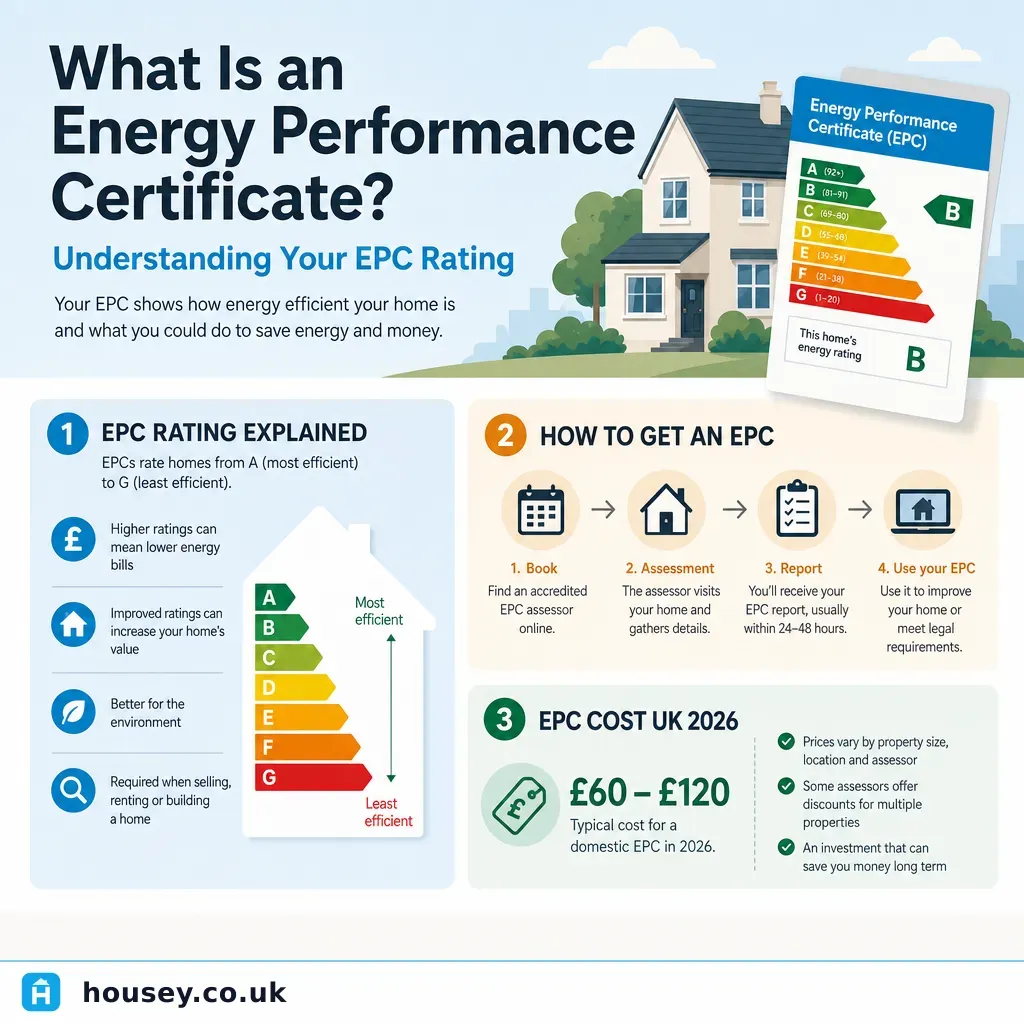
What Is an Energy Performance Certificate: Understanding Your EPC Rating
An Energy Performance Certificate (EPC) rates a property's energy efficiency from A (most efficient) to G (least efficient) using a 1–100 SAP score.
 Buying & Moving
Over-Improving Your Home: When Investment Returns Diminish
Over-improving a property means spending more on renovation than the local market returns at sale.