Adjusting Garden Soil Chemistry and pH Levels
By Housey · Last reviewed 11th of May 2026
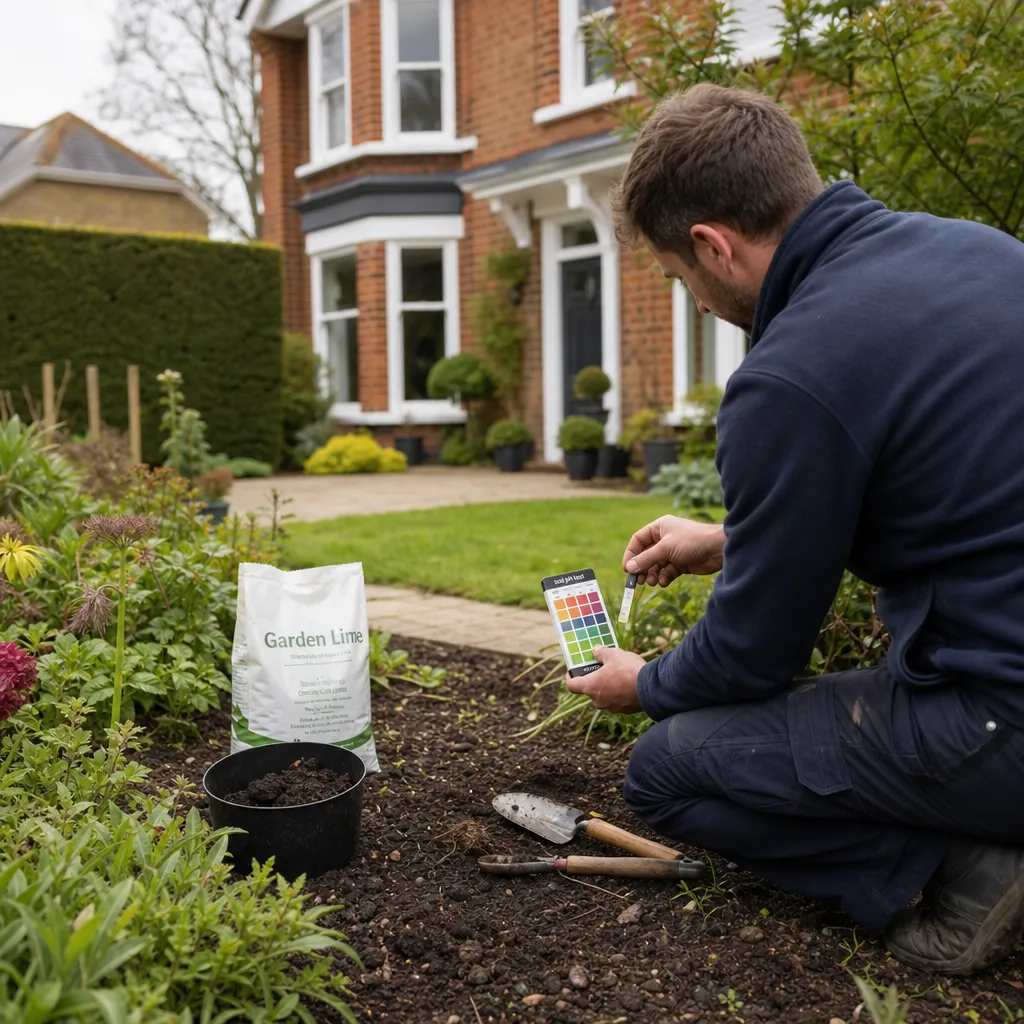
Adjusting Garden Soil Chemistry and pH Levels
Soil chemistry is at the heart of why some UK gardens produce reliably while others struggle year after year with yellowing leaves, poor germination, and plants that never quite thrive. pH — the measure of acidity or alkalinity — controls how available essential nutrients are to plant roots, and a reading just one unit out of the ideal range can lock out iron, manganese, or phosphorus almost entirely. The question of how to adjust garden soil pH typically arises when a new planting scheme fails, when a soil test reveals an unexpected reading, or when a gardener takes on an inherited plot with unknown history.
Key points
- Soil pH is measured on a scale of 1–14; 7.0 is neutral, most UK vegetables grow best between 6.0 and 7.0, and acid-lovers such as blueberries and rhododendrons prefer 4.5–6.0.
- Ground limestone (garden lime), applied at approximately 100–300 g per sq metre, is the standard method for raising soil pH on acidic ground.
- Flowers of sulphur (elemental sulphur) is the most reliable amendment for lowering pH on alkaline soils; it works slowly through soil bacteria and may take 3–6 months to show full effect.
- Clay soils buffer pH changes more strongly than sandy soils — expect to use higher rates and allow more time to shift pH on heavy clay.
- The RHS recommends testing soil pH before introducing a new planting scheme and annually in vegetable beds.
Why soil pH matters in UK gardens
Soil pH affects the availability of 13 of the 17 essential plant nutrients. In acidic soils below pH 5.5, aluminium and manganese can reach toxic levels, while phosphorus becomes locked up. In alkaline soils above pH 7.5, iron, manganese, and boron become increasingly unavailable, often causing yellowing (chlorosis) even in well-fertilised soil. Most UK garden soils fall somewhere between 5.0 and 8.0 depending on the underlying geology, drainage, and land history.
Understanding your starting point is essential before applying any amendment. A basic pH test kit, available from most garden centres for £5–£15, gives a reliable result. Electronic pH meters are an option but require calibration and can give misleading readings if not maintained. The RHS recommends testing at several points across a bed, as pH can vary by 0.5–1.0 units within a single garden.
How to raise soil pH on acidic ground
The standard method for raising soil pH is to apply ground limestone, sold as garden lime, agricultural lime, or dolomitic lime. Calcitic lime (calcium carbonate) raises pH and adds calcium. Dolomitic lime also adds magnesium, making it preferable if a soil test indicates magnesium deficiency.
Indicative application rates (Indicative UK guidance, last reviewed 2026-05-11):
- Sandy soil: 100–150 g per sq metre to raise pH by approximately one unit
- Loamy soil: 150–200 g per sq metre
- Clay soil: 200–300 g per sq metre
Apply lime in autumn or winter where possible, to allow it to work into the soil before spring planting. Lime should not be applied at the same time as nitrogen-rich fertilisers or manure, as the combination can release ammonia and waste both materials.
Quicklime (calcium oxide) and hydrated lime (calcium hydroxide) act faster but are caustic and harder to handle safely — garden lime (ground limestone) is safer and more forgiving for domestic gardens.
How to lower soil pH on alkaline ground
Lowering soil pH is generally slower and more difficult than raising it, particularly on chalk or limestone-based soils where the underlying geology continuously buffers against change.
Flowers of sulphur (elemental sulphur) is the most widely recommended amendment. Soil bacteria convert it to sulphuric acid over weeks to months, depending on temperature and moisture. Rates vary but typically 50–100 g per sq metre will lower pH by about 0.5 units on loamy soil. Results take 3–6 months to stabilise.
Acidic mulches and organic matter — pine bark, composted bracken, ericaceous compost — help maintain acidity over time but rarely achieve significant pH change alone. They are best used as a long-term maintenance strategy.
Ferrous sulphate acidifies more quickly than elemental sulphur but can scorch plants if over-applied and must be used with care.
For gardens on deep chalk or limestone, growing acid-loving plants in raised beds or large containers filled with ericaceous compost is often more practical than attempting wholesale pH change in the native soil.
Choosing the right amendment
Use this guide to select the appropriate amendment for your situation:
- Raise pH (soil too acidic): Use ground limestone or garden lime. Apply in autumn. Allow 3–12 months for full effect.
- Raise pH more quickly: Use hydrated lime at lower rates — handle carefully and avoid contact with skin and eyes.
- Lower pH (soil too alkaline) on loam or sandy soil: Use flowers of sulphur. Apply in spring or autumn. Re-test after 6 months.
- Lower pH on chalk soil: Consider raised beds with ericaceous compost for acid-loving plants rather than treating the native soil.
- Maintain low pH around ericaceous plants: Top-dress annually with pine bark or ericaceous compost; use collected rainwater rather than mains water in hard-water areas.
- Seek professional advice: If testing shows pH below 5.0 or above 8.0, or deficiency symptoms persist after amendment, consult a landscaper or soil specialist before applying further treatments.
pH amendment comparison
Amendment | Direction | Speed | Best for | Caution |
|---|---|---|---|---|
Ground limestone (garden lime) | Raises pH | Slow (3–12 months) | Most garden soils; vegetables | Do not apply alongside manure or nitrogen fertilisers |
Dolomitic lime | Raises pH | Slow | Magnesium-deficient soils | Test for Mg deficiency first |
Hydrated lime | Raises pH | Faster | Urgent correction needed | Caustic; apply at lower rates |
Flowers of sulphur | Lowers pH | Slow (3–6 months) | Loam and sandy soils | Largely ineffective on chalk bedrock |
Ferrous sulphate | Lowers pH | Moderate | Spot-treating lawns | Can scorch plants at high rates |
Ericaceous compost | Maintains acidity | Ongoing | Raised beds; containers | Not a substitute for soil-wide pH correction |
Common mistakes when adjusting soil pH
Over-correcting in one application. It is easier to correct pH gradually than to reverse an overcorrection. Apply amendments at the lower end of the recommended rate, re-test after one growing season, and adjust accordingly.
Ignoring soil type. Amendment rates that work on sandy soil will under-deliver on clay. Check product guidance for soil-type-specific rates before purchasing.
Testing too soon. Soil pH should be re-tested 2–3 months after amendment to allow the material time to react fully. A test taken a week after liming will not reflect the final outcome.
Using tap water on acid-loving plants. Mains water in much of England is alkaline (pH 7.5–8.5) and can gradually raise the pH of container compost. Use collected rainwater on ericaceous plants where possible.
When to get professional help
Most pH adjustments in domestic gardens can be managed without professional input, provided you test first and apply amendments conservatively. Consider consulting a qualified professional if:
- Soil tests show pH below 5.0 or above 8.0 and symptoms of toxicity or severe deficiency are present.
- You are planning a significant planting scheme on a plot with unknown soil history.
- Plants show persistent yellowing, stunted growth, or dieback despite appropriate pH for the species.
- You are establishing raised beds on a building plot where soil contamination or compaction may be a factor.
How Housey can help
If you're planning a garden overhaul or working with a challenging plot, a professional landscaper or garden designer can carry out a thorough soil assessment, recommend amendments, and design a planting scheme suited to your soil conditions. Use Housey to compare quotes from qualified local professionals.
Frequently asked questions
How do I test my garden soil pH?
Use a home pH test kit from a garden centre (£5–£15) or an electronic pH meter. Collect small samples from several locations across the bed, mix them together, and follow the kit instructions. The RHS recommends testing at the start of a new planting scheme and annually in vegetable beds where amendments are regularly applied.
How long does lime take to change soil pH?
Ground limestone typically takes 3–6 months to produce a measurable shift in pH, and up to 12 months to reach full effect. Hydrated lime acts faster but must be used at lower rates and handled with care. Always re-test 2–3 months after applying lime rather than immediately after application.
Can I use wood ash to raise soil pH?
Wood ash does raise soil pH — it is alkaline and contains potassium and calcium. However, its composition varies depending on the wood burned and it can over-correct if applied heavily. Apply sparingly at no more than 150 g per sq metre per year, test before and after, and avoid applying near acid-loving plants.
What plants grow well in acidic UK garden soil?
Rhododendrons, azaleas, camellias, pieris, heathers, blueberries, and many ferns all prefer acidic soil with a pH of 4.5–6.0. Hydrangeas produce blue flowers in acidic conditions. On naturally alkaline soils, these plants are often better grown in containers filled with ericaceous compost rather than attempting a wholesale soil pH change.
How often should I re-test and re-amend my soil?
Re-test annually in actively cultivated vegetable beds. In established ornamental borders, re-test every 2–3 years or when symptoms of deficiency or toxicity appear. pH naturally shifts over time — rainfall gradually acidifies most UK soils, so periodic light liming is common practice in kitchen gardens.
Sources and further reading
- Soil pH and plant nutrients — Royal Horticultural Society
- Improving your soil — Royal Horticultural Society
- Lime and soil pH — Agriculture and Horticulture Development Board
Useful next reads
 Improvement & Build
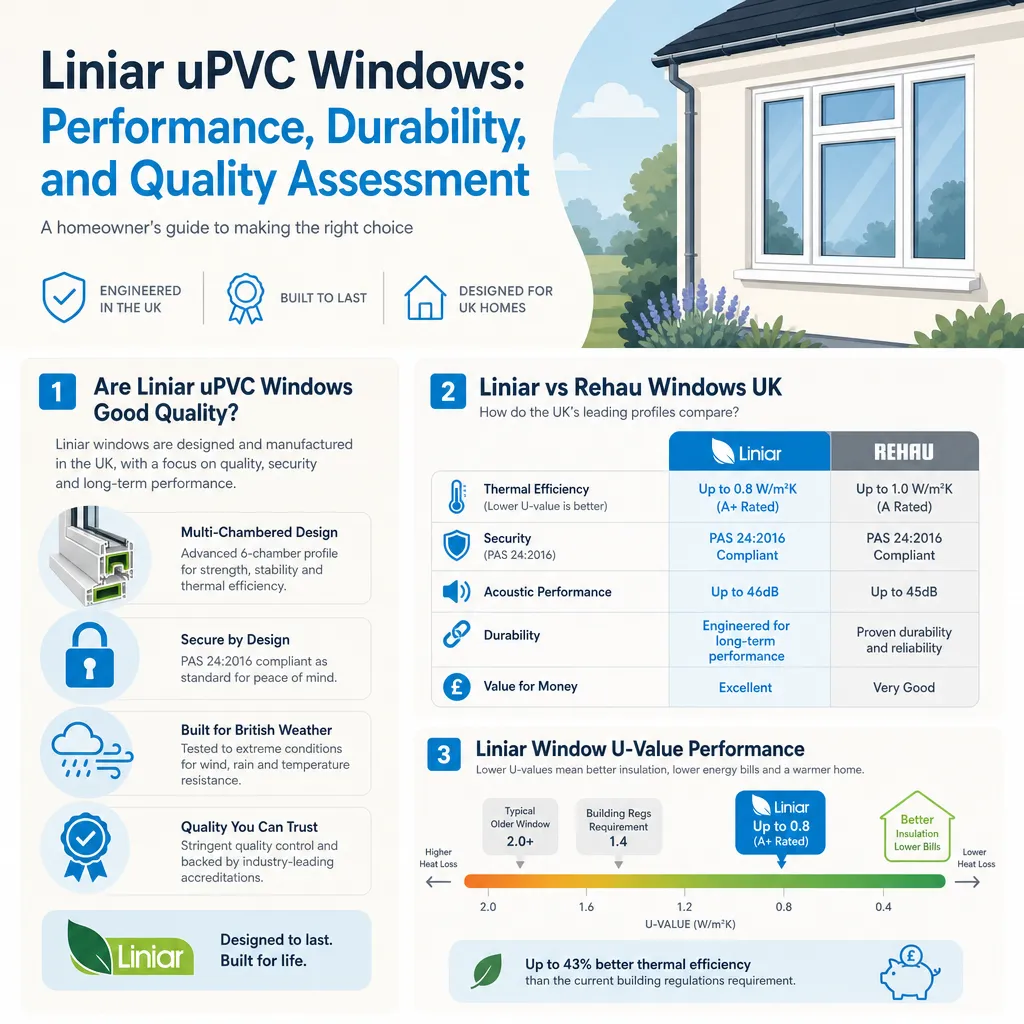
Liniar uPVC Windows: Performance, Durability, and Quality Assessment
Liniar uPVC window profiles are manufactured in the UK using multi-chambered, foamed frames.
 Improvement & Build
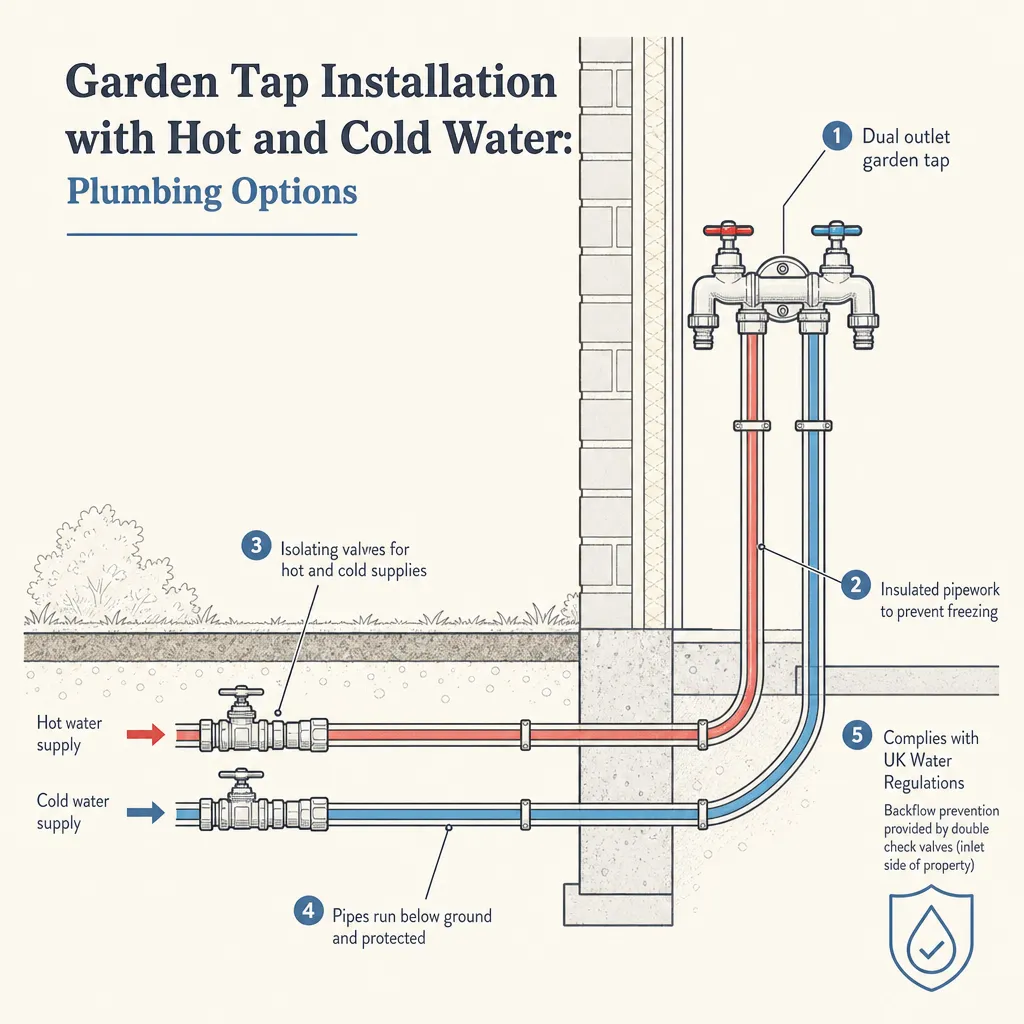
Garden Tap Installation with Hot and Cold Water: Plumbing Options
Adding a cold garden tap is a common DIY project, but routing hot water outdoors requires a plumber to connect to your domestic hot water system and comply with the Water Supply (Water Fittings) Regulations 1999.
 Improvement & Build
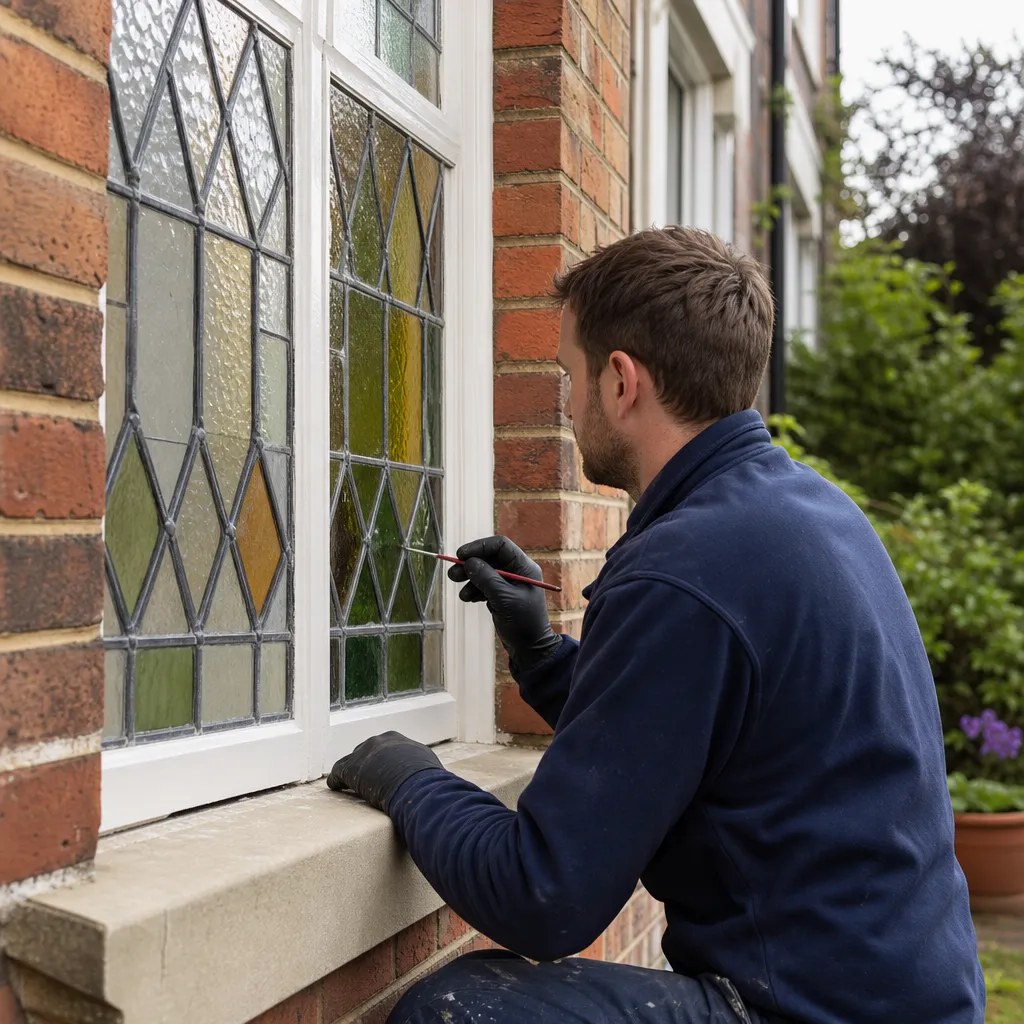
Sealing and Maintaining Historic Leaded Glass Windows: Preservation and Performance
Leaded glass windows are maintained using traditional linseed oil cement — not silicone or modern sealants, which prevent natural movement in the lead came.
 Improvement & Build
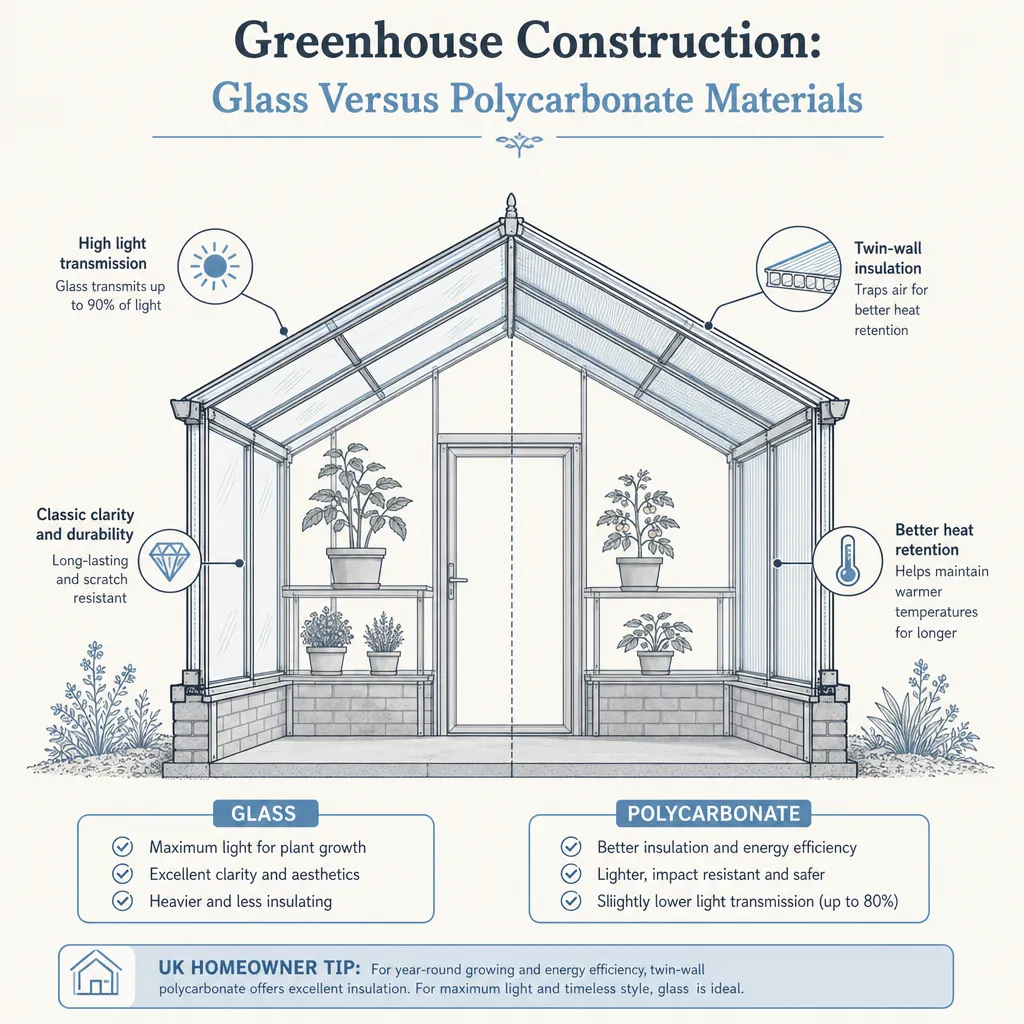
Greenhouse Construction: Glass Versus Polycarbonate Materials
Glass transmits around 90% of available light and lasts indefinitely if unbroken, but insulates poorly and shatters into sharp fragments.
 Improvement & Build
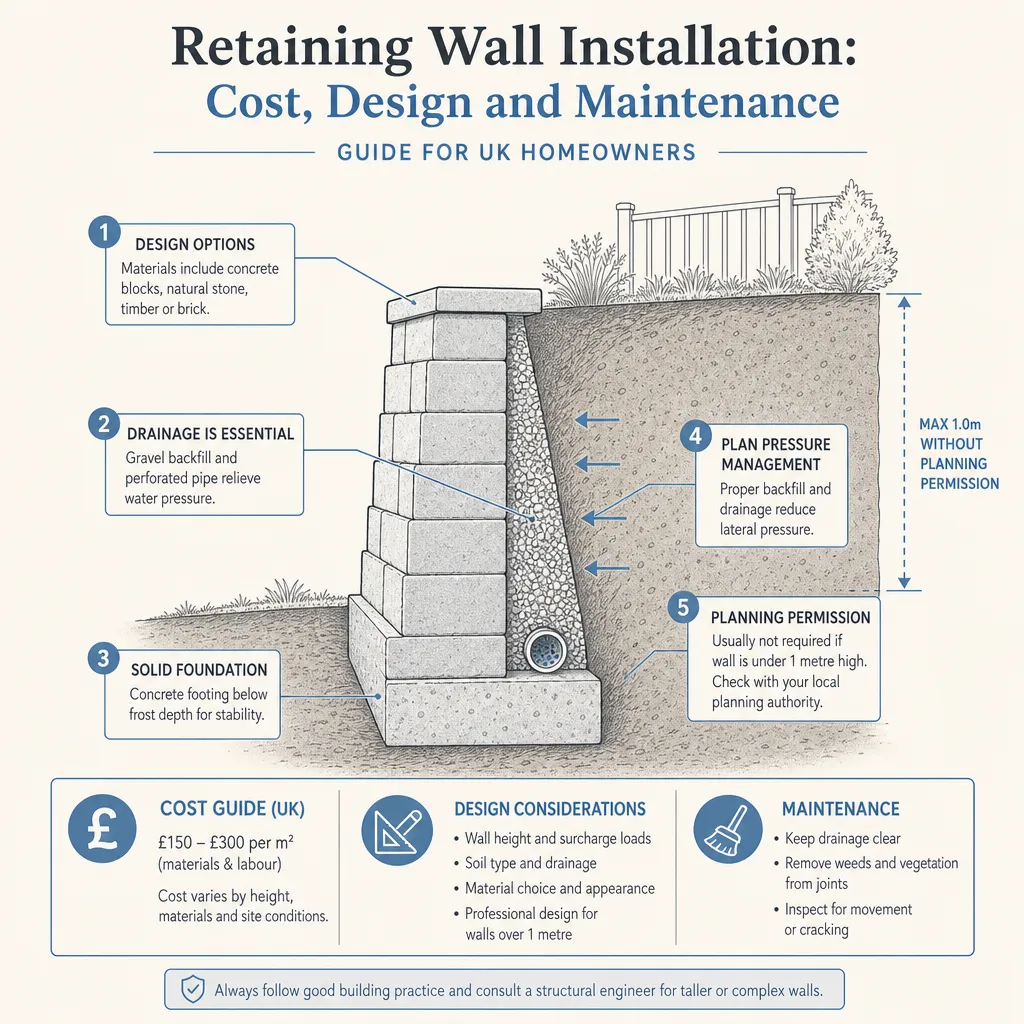
Retaining Wall Installation: Cost, Design and Maintenance
A retaining wall holds back soil on a sloped or banked site.