Sealing and Maintaining Historic Leaded Glass Windows: Preservation and Performance
By Housey · Last reviewed 18th of May 2026
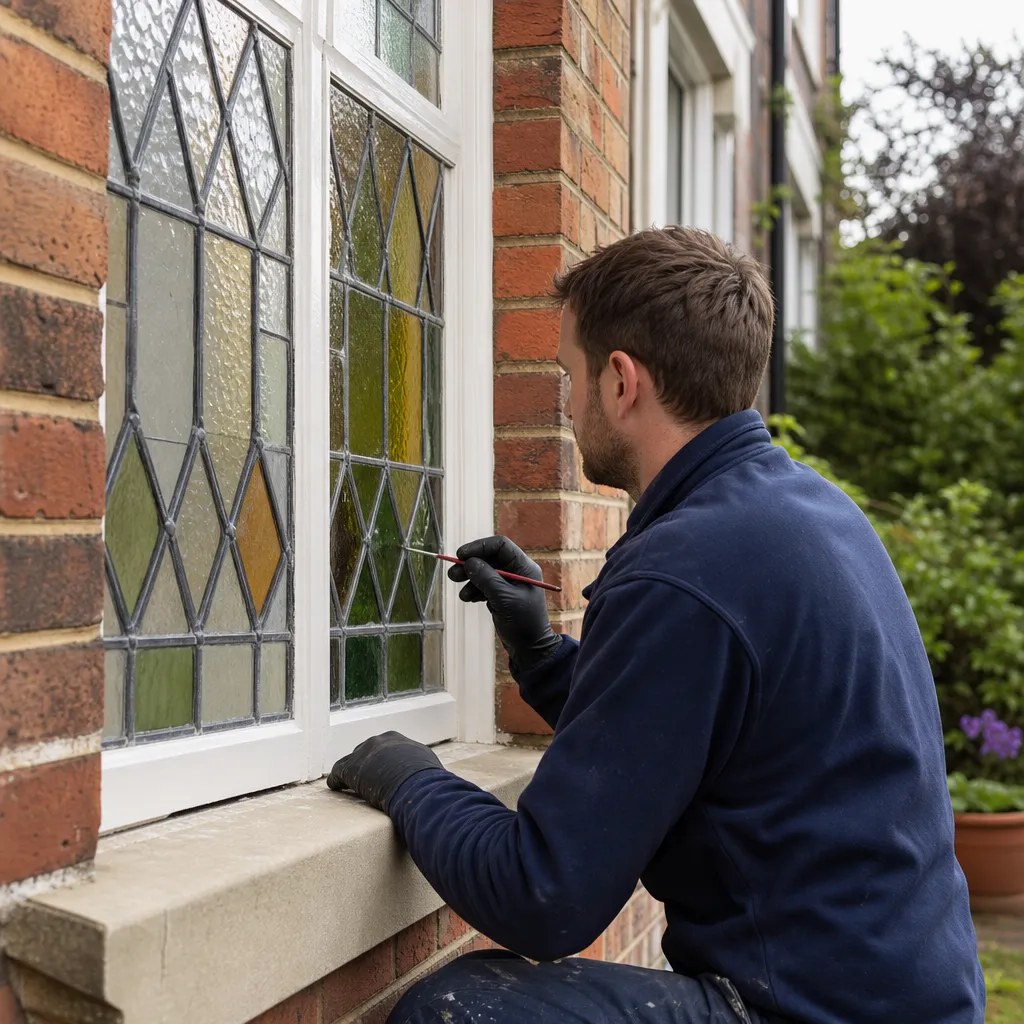
Sealing and Maintaining Historic Leaded Glass Windows: Preservation and Performance
Leaded glass windows are among the most characterful and fragile features of pre-1920s homes in England and Wales. Found in Victorian bay windows, Edwardian front doors, Arts and Crafts cottages, and interwar semis, they add visual richness that is impossible to replicate convincingly in modern double-glazed units. But they are also inherently draughty, thermally poor by current standards, and — if poorly maintained — susceptible to lead fatigue, panel bowing, and water ingress. Knowing how to care for them correctly protects both the glazing and the building fabric beneath it.
Key points
- Lead came (the H-section lead strips holding glass pieces) expands and contracts at a different rate to both the glass and the timber frame — traditional linseed oil cement, not silicone or acrylic sealant, should be used for re-puttying.
- Replacing leaded glass windows in a listed building, or altering their design in a conservation area, requires listed building consent or prior approval from the local planning authority.
- Secondary glazing — a removable inner panel fitted inside the window reveal — is the standard heritage-approved method for improving thermal and acoustic performance without altering original leaded lights.
- Bowing panels indicate lead fatigue; a panel that has bowed more than approximately 10 mm from the plane of the frame should be assessed by a specialist glazier.
- Cracked or missing glazing cement at came joints is the most common cause of water ingress in leaded lights; annual inspection and selective re-cementing can prevent progressive deterioration.
Understanding the construction of leaded glass windows
A leaded glass panel consists of individual pieces of glass held within a grid of lead came — H-profile strips of lead soldered at junctions. The panel is supported at intervals by steel tie bars (ferramenta) soldered to the came, and the gap between came and glass is sealed with a traditional cement made from linseed oil, whiting (calcium carbonate), and pigment.
This construction has been used largely unchanged for centuries. Its key characteristic is flexibility: the lead moves slightly with thermal cycling, wind pressure, and building settlement. Any maintenance approach must preserve this flexibility — rigid sealants prevent natural micro-movement and accelerate failure at the glass edges.
Common problems in historic leaded lights:
- Bowing: Panels bulge inward or outward under wind pressure or gravity as lead fatigues with age. Moderate bowing can be arrested; severe bowing (panel near collapse) requires removal and re-leading.
- Cracked glass: Antique glass — especially crown or cylinder glass used in pre-1900 windows — is irreplaceable. Cracks should be stabilised, not dismissed.
- Failing cement: The linseed cement shrinks over decades, letting water in and causing glass to rattle in its came.
- Corroded solder joints: Iron-fluxed solder oxidises over time; corroded joints lose strength and allow panels to shift.
Condition assessment checklist
Before deciding whether to repair, re-lead, or add secondary glazing, work through this assessment:
Repair, re-leading, and secondary glazing: which approach?
Condition | Recommended approach | Key considerations |
|---|---|---|
Cement failing but lead and glass intact | Re-cement in place | Use linseed oil cement only — not silicone or acrylic |
One or two cracked glass pieces | Replace individual panes | Source antique or restoration glass for listed and conservation area properties |
Panel bowing under 10 mm, structurally intact | Monitor annually; add tie bars if needed | A specialist glazier can add ferramenta without removing the panel |
Panel bowing over 10 mm or multiple failed joints | Remove and re-lead | Panel taken out, came stripped and replaced, original glass re-used where intact |
Thermally poor but structurally sound | Add secondary glazing | Removable inner panel; generally acceptable to conservation officers without consent |
Panel collapsed or irrecoverably damaged | Full replica panel by specialist | Match original glass type, lead width, and pattern |
Re-cementing: the right materials
The most common maintenance mistake is using the wrong sealant. Silicone, frame sealants, and acrylic caulks are inappropriate for lead came for two reasons: they bond rigidly, preventing the natural micro-movement that prevents glass cracking; and they are difficult to remove cleanly without damaging the came or glass.
The correct material is a traditional leaded light cement — a stiff, dark paste made from linseed oil, chalk, lamp black, and sometimes Portland cement. It is worked under the came flanges using a stiff brush and allowed to cure before the surface is cleaned with sawdust or whiting powder. Specialist heritage glazing suppliers stock the appropriate materials; do not substitute mainstream window putty, which has a different formulation and flexibility profile.
Secondary glazing for thermal and acoustic performance
Secondary glazing is widely accepted by Historic England and most local authority conservation officers as the appropriate method for improving the thermal performance of historic windows, including leaded lights. It involves fitting a separate, removable inner panel — typically in slim aluminium or timber sections — on the room side of the existing window reveal.
Benefits for leaded lights specifically:
- No alteration to the original external appearance.
- Creates a warm, dry air gap that reduces condensation on the cold glass surface.
- Reduces draughts dramatically without affecting the breathability of the original window.
- Improves acoustic performance for street-facing windows.
- Reversible — can be removed seasonally if desired.
For listed buildings, secondary glazing typically does not require listed building consent as it is considered reversible and does not alter the original fabric — but confirm this with your conservation officer before installation, as local policies vary.
What to ask a specialist glazier
Not all glaziers have experience with historic leaded glass. Ask the following before instructing anyone:
- Do you use traditional linseed oil cement for re-cementing, and can you show examples of comparable previous work?
- For replacement glass: can you source antique or restoration glass to match the original, and where does it come from?
- For re-leading: will the original glass be re-used, and how will the panel be removed and transported safely?
- Are you familiar with listed building and conservation area requirements, and can you advise on whether consent is needed for this work?
- What are the options for improving thermal performance without altering the original panel?
- What is included in the quote — materials, labour, re-installation, and making good the frame?
- Do you hold professional indemnity and public liability insurance?
Red flags
- Any contractor proposing silicone or mastic sealant for re-cementing leaded lights.
- Proposals to replace original leaded lights with double-glazed units containing an integral decorative lead pattern — these are visual approximations and replacing original panels with them may require listed building consent.
- Quotes that do not specify whether antique or modern float glass will be used for any replacement panes.
- Working on a listed building without raising the question of listed building consent.
When to get professional help
Any work beyond annual visual inspection and very minor re-cementing with the correct material should be carried out by a glazier with demonstrable experience in historic leaded glass. Re-leading is a skilled craft — a single panel can take several days — and the risk of glass breakage is high without proper experience and tooling. If your property is listed or in a conservation area, consult your local authority conservation officer before instructing any glazier, even for like-for-like repair.
How Housey can help
Housey connects homeowners with specialist window and door installers experienced in heritage glazing, secondary glazing systems, and period window restoration — so you can find a qualified professional familiar with the requirements of listed buildings and conservation areas.
Frequently asked questions
Do I need listed building consent to repair leaded glass windows?
Like-for-like repair — replacing a cracked pane with matching glass and using traditional materials — is generally considered routine maintenance and may not require consent. However, altering the design, replacing original glass with modern equivalents, or any intervention that changes the character of the window may require listed building consent. Seek written confirmation from your conservation officer before instructing work.
How often should leaded glass windows be inspected?
An annual visual inspection from inside and outside is recommended — check for new cracks, loose glass, failing cement, and any new bowing. A professional inspection every five to ten years by a specialist leaded glass conservator is advisable for valuable or fragile panels, particularly in older properties or those in exposed locations.
Can leaded glass be double-glazed?
Sealed double-glazed units incorporating individual glass pieces set in lead came are available, but they are heavier than single-glazed panels and require substantial frame modification. They are rarely appropriate for listed buildings. Secondary glazing on the inner face of the window is the heritage-approved alternative and avoids the need for consent in most cases.
What causes leaded glass panels to bow?
Bowing occurs as lead fatigues over decades of thermal cycling, wind pressure, and gravity. Lead has a low creep resistance, meaning it deforms slowly under sustained load. Panels with missing or corroded tie bars bow more quickly. Moderate bowing can be arrested by adding new ferramenta; severe bowing requires the panel to be removed and re-led.
Is it possible to repair individual pieces of antique glass?
Individual cracked panes can sometimes be stabilised in situ, but full repair is rarely invisible. Where visual quality matters — in a principal room or a listed building — replacement with matching antique or hand-blown restoration glass is preferable. Specialist suppliers hold stocks of salvaged and reproduction period glass in a range of thicknesses and textures.
Sources and further reading
- Windows: Historic England technical advice — Historic England
- Listed buildings — GOV.UK
- Planning Portal: listed buildings — Planning Portal
- Windows and glazing — Energy Saving Trust
Useful next reads
 Improvement & Build
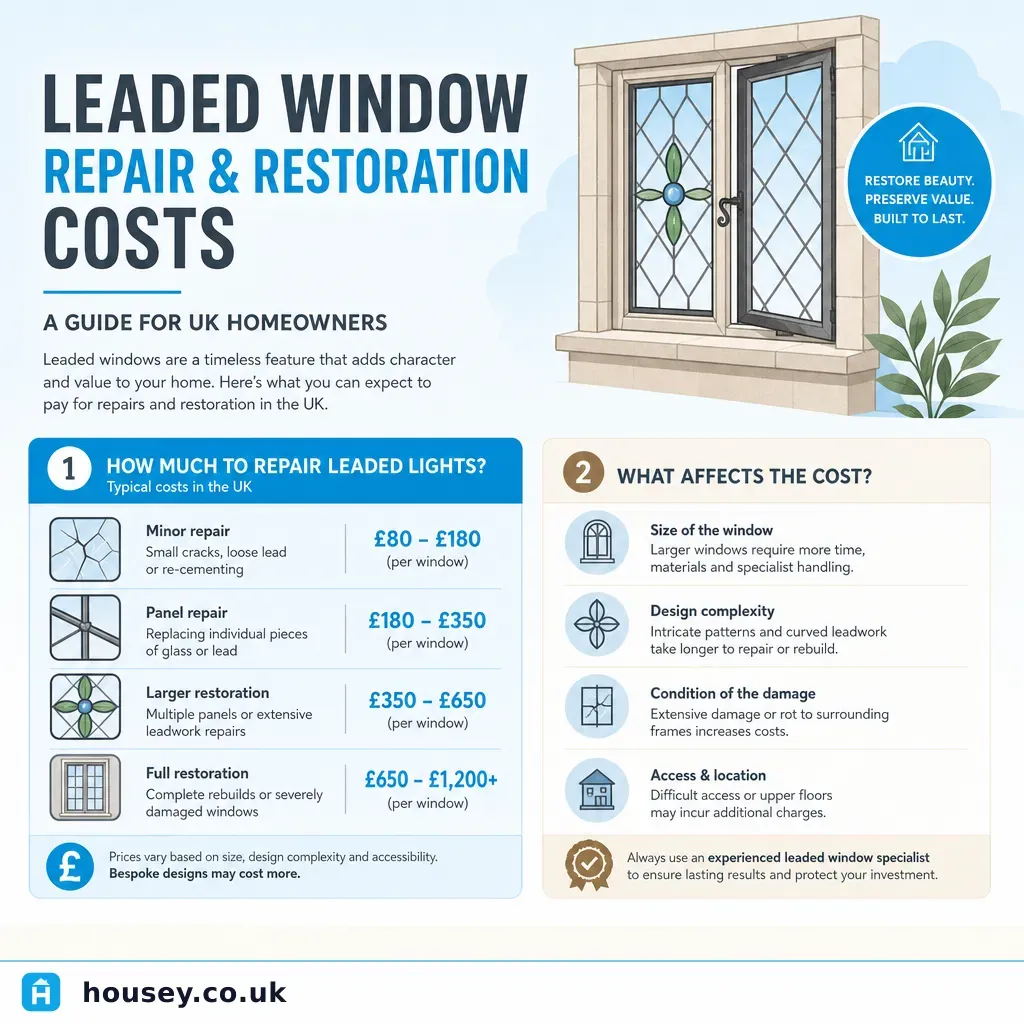
Leaded Window Repair and Restoration Costs
Leaded window repair in the UK typically costs £150–£600 for minor re-soldering or resealing, rising to £800–£2,500+ for full panel removal and restoration.
 Improvement & Build
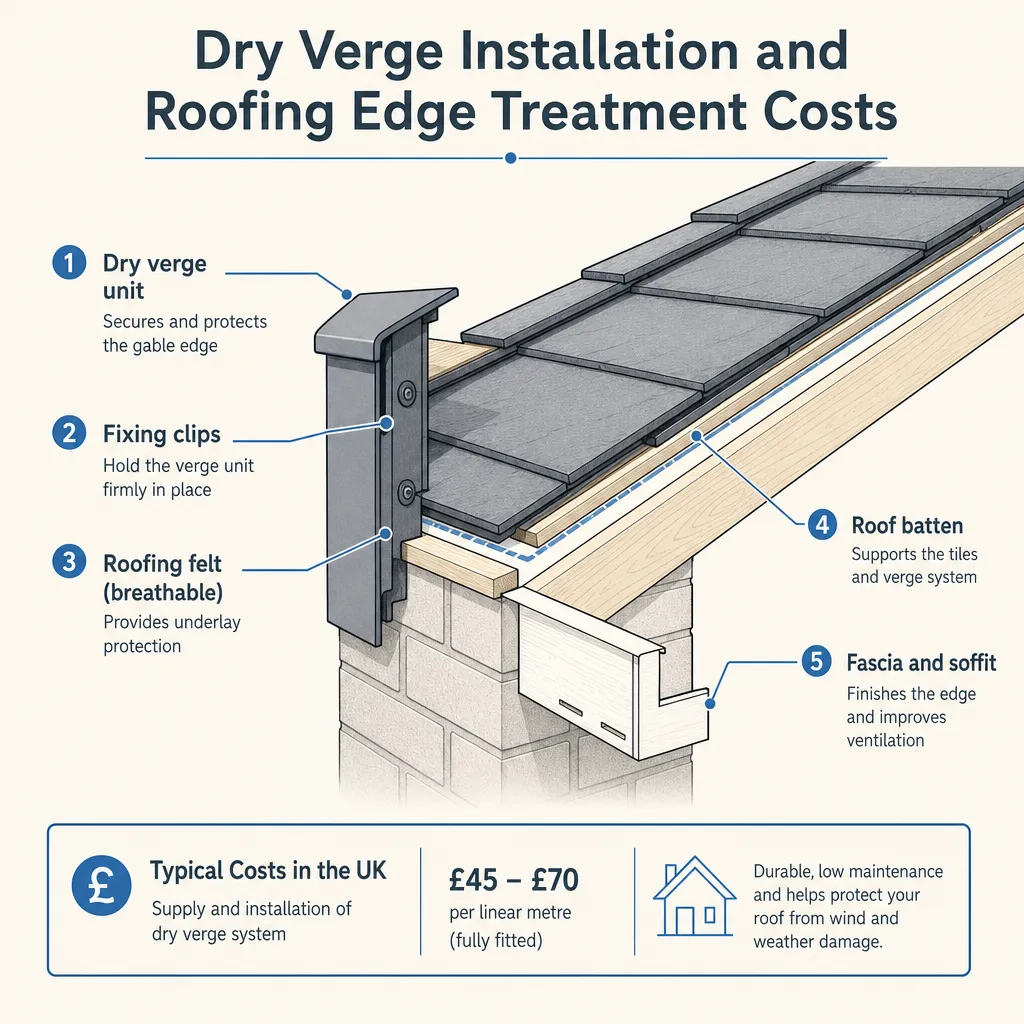
Dry Verge Installation and Roofing Edge Treatment Costs
A dry verge system replaces mortar bedding along the gable edge of a pitched roof with interlocking uPVC or aluminium units.
 Improvement & Build
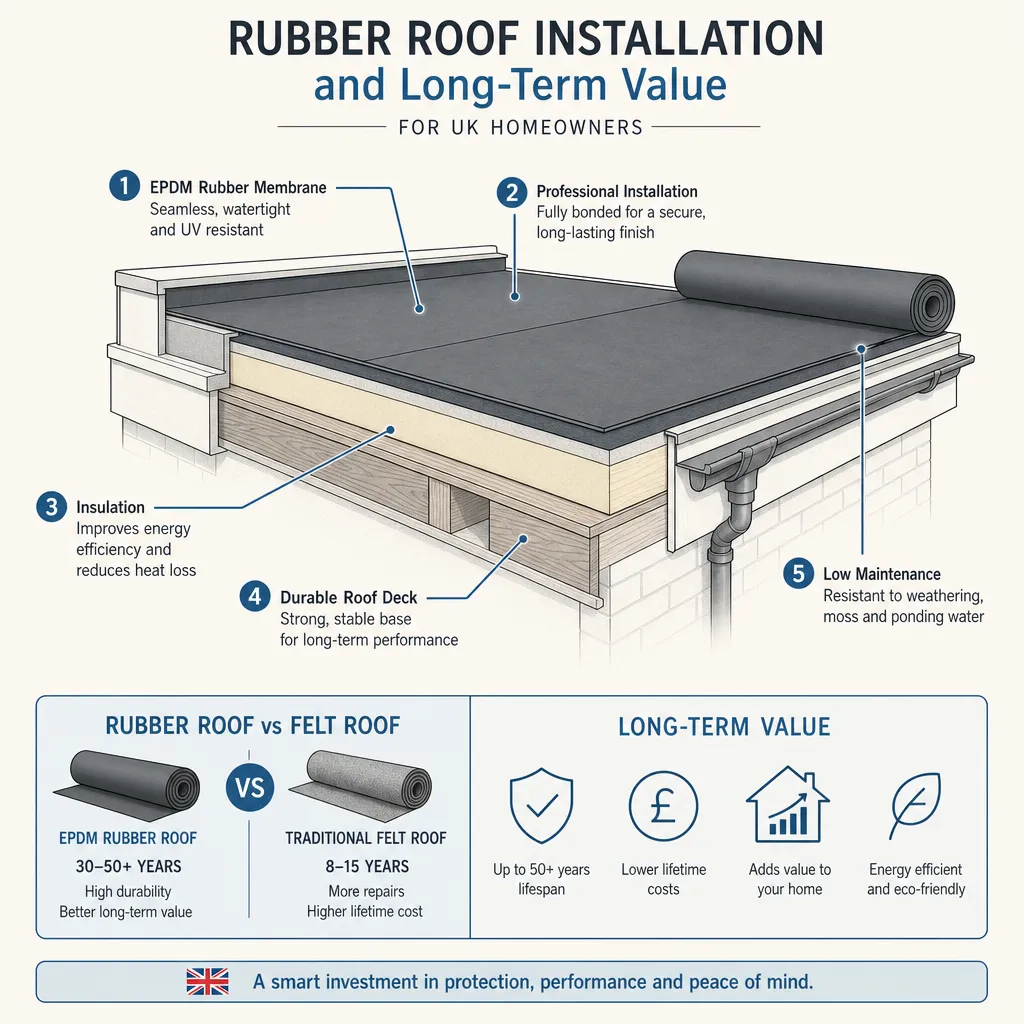
Rubber Roof Installation and Long-Term Value
EPDM rubber roofing is a synthetic membrane for flat and low-pitch roofs that typically lasts 30–50 years with minimal maintenance.
 Improvement & Build
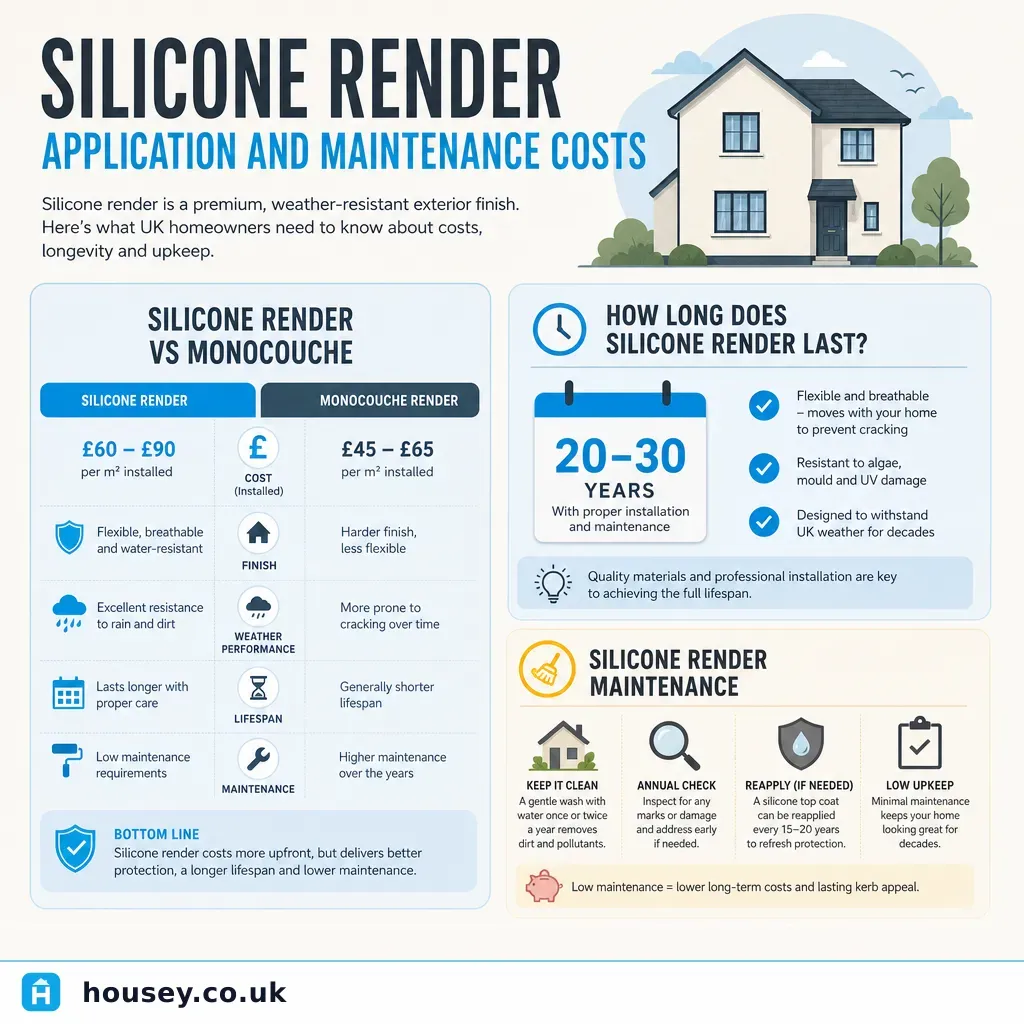
Silicone Render Application and Maintenance Costs
Silicone render typically costs £30–£70 per square metre installed across the UK, making a standard semi-detached house treatment around £3,000–£8,000.
 Improvement & Build
Storm Doors versus Screen Doors: Seasonal Purpose and Protection Compared
Storm doors are secondary outer doors that reduce draughts, rain ingress, and heat loss year-round, while screen doors are lightweight mesh panels that block insects during warm-weather ventilation.