Allergen-Friendly Garden Design for Hay Fever Sufferers
By Housey · Last reviewed 11th of May 2026
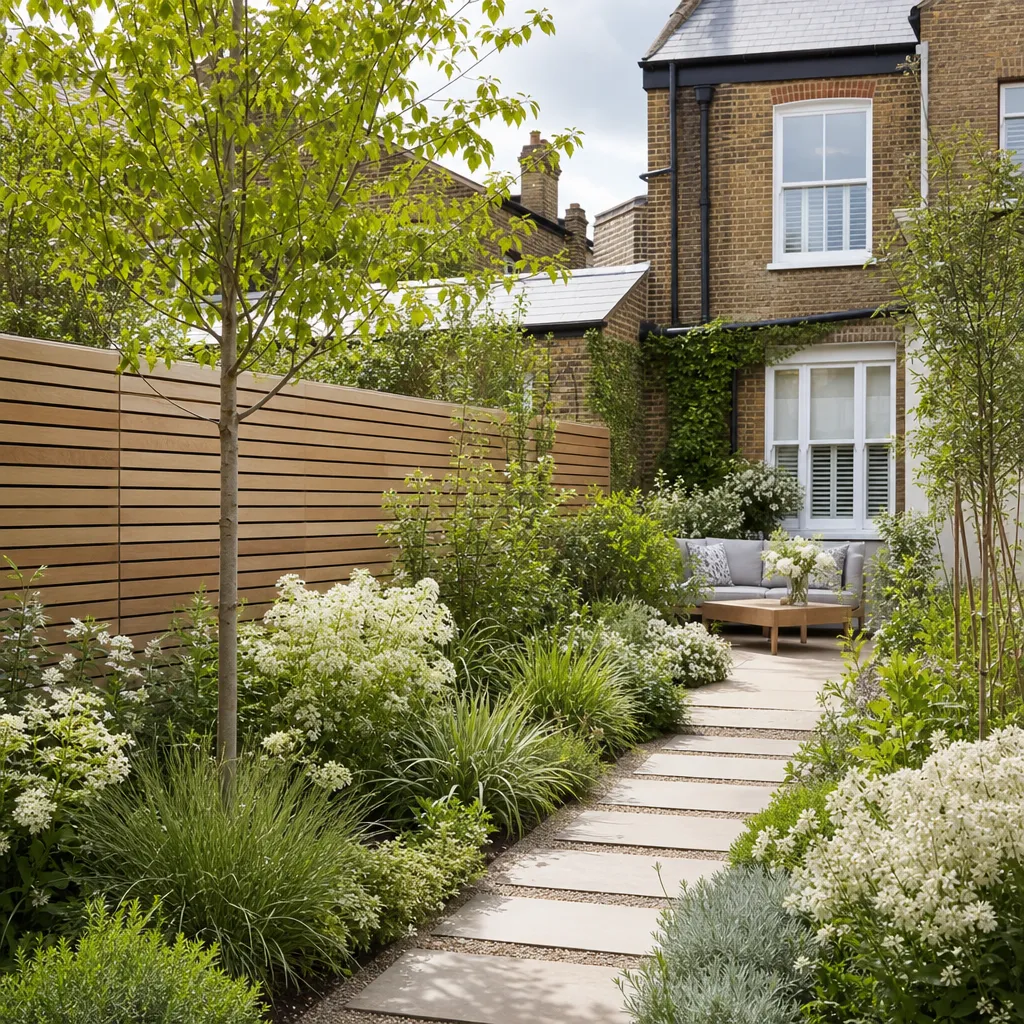
Allergen-Friendly Garden Design for Hay Fever Sufferers
Around one in five people in the UK experiences hay fever, and for those with severe symptoms, the garden can feel more like a hazard than a haven between March and September. Yet the plants you choose — and the way you arrange your outdoor space — can make a meaningful difference to how much airborne pollen you encounter at home. Understanding which plants produce heavy, insect-carried pollen versus those that release fine, wind-borne particles is the starting point for a garden that works with your immune system rather than against it.
Key points
- Approximately 1 in 5 people in the UK are affected by hay fever (allergic rhinitis), according to the NHS and Allergy UK.
- Wind-pollinated plants — including grasses, birch (Betula spp.), oak (Quercus spp.), ash (Fraxinus excelsior), and hazel (Corylus avellana) — are the primary triggers for most sufferers; insect-pollinated plants have heavier pollen that rarely becomes airborne.
- The UK pollen season typically runs from late February (tree pollen) through to September (weed pollen), with grass pollen peaking in June and July according to the Met Office.
- Female cultivars of trees such as holly (Ilex aquifolium 'J.C. van Tol') produce no pollen — choosing female or sterile varieties removes the allergen at source.
- Heavily scented plants such as roses, lavender, and wisteria are generally low-allergen because their pollen is carried by insects, not released into the air.
Why plant choice matters: wind pollen versus insect pollen
The critical distinction for hay fever sufferers is how a plant disperses its pollen.
Wind-pollinated plants produce vast quantities of tiny, light pollen grains designed to travel far on moving air. Grasses, birch, oak, ash, and plantain (Plantago spp.) are the most significant triggers in the UK. A single birch tree can release billions of pollen grains in a season, and the particles are small enough to reach deep into the respiratory system.
Insect-pollinated plants produce sticky, heavy pollen that clings to bees, butterflies, and other pollinators. This pollen rarely becomes airborne in significant quantities and is not a major trigger for most hay fever sufferers. Roses, lavender, salvia, alliums, and most summer border perennials fall into this category.
A common misconception is that colourful, showy flowers are high-allergen — in practice, the opposite is often true. It is the inconspicuous, wind-pollinated species (including many lawn grasses) that cause the most symptoms.
Decision tree: is this plant likely to trigger hay fever?
- Choose freely if the plant is insect-pollinated (bees and butterflies visit the flowers regularly), produces large or sticky pollen, or is a female or sterile cultivar.
- Use with care if the plant is mildly wind-pollinated or you are planting in large quantities near windows or seating areas.
- Avoid or minimise if the plant is a major wind-pollinating grass, tree (birch, ash, oak, hazel, London plane), or standard mixed lawn grass.
- Ask a professional if you are unsure about a specific cultivar or want a fully assessed low-allergen planting scheme tailored to your garden.
Low-allergen plants suited to UK gardens
Trees and shrubs
Plant | Why it is lower allergen | Notes |
|---|---|---|
Apple (Malus spp.) | Insect-pollinated; pollen is heavy and sticky | Good choice for small to medium gardens |
Holly, female cv (Ilex aquifolium 'J.C. van Tol') | Female cultivar produces no pollen | Provides structure, evergreen cover, and winter berries |
Magnolia (Magnolia × soulangeana) | Insect-pollinated; large, sticky pollen stays localised | Striking spring display |
Dogwood (Cornus spp.) | Insect-pollinated; relatively low pollen output | Good for wildlife and autumn colour |
Rowan (Sorbus aucuparia) | Insect-pollinated; useful alternative to ash for height | Native to Britain; attractive berries |
Perennials and herbaceous plants
- Lavender (Lavandula spp.) — insect-pollinated, very low airborne pollen, excellent structural plant
- Salvia — attractive to bees, heavy pollen that remains on the plant
- Hardy geranium (cranesbill) — reliable insect-pollinated ground cover for borders
- Foxglove (Digitalis purpurea) — tubular flowers attract bumblebees; pollen stays within the flower
- Allium — ornamental onions; insect-pollinated, architectural, and low maintenance
- Campanula — insect-pollinated bellflowers, good for cottage-style planting
Plants to avoid or replace near seating areas
Plant | Why it is problematic | Lower-allergen alternative |
|---|---|---|
Mixed lawn grasses (ryegrass/fescue) | Major UK trigger; peaks June–July | Clover lawn, gravel, or hard paving |
Birch (Betula pendula) | Top-three UK tree allergen; March–April peak | Female holly or magnolia for similar scale |
Ash (Fraxinus excelsior) | High wind-borne pollen load; April–May | Rowan (Sorbus aucuparia) for height |
Hazel (Corylus avellana) | First UK tree pollen of the season (February) | Avoid near seating and open windows |
Male yew (Taxus baccata, male plants) | Wind-pollinated; releases heavy pollen clouds in spring | Use female yew (identified by red berries) for hedging |
Garden design strategies that reduce pollen exposure
Beyond plant choice, how you arrange the garden can reduce your daily exposure:
- Position seating on the leeward side of the house (often north or east in the UK, given prevailing westerly winds) to reduce pollen drift from borders and neighbouring gardens.
- Use dense hedges as pollen screens. Female yew, beech (Fagus sylvatica), or hornbeam (Carpinus betulus) can filter incoming pollen from the wider landscape.
- Replace lawn with low-pollen alternatives. Even halving the mown grass area can noticeably reduce June–July exposure. Options include gravel, paving, or a predominantly clover-based lawn mix.
- Water the garden in the morning. Pollen dispersal is typically highest on warm, dry afternoons. Morning watering helps settle surface pollen before it can become airborne.
- Avoid cutting grass yourself on high-pollen days. Cut early in the morning or after rain, when counts are lower.
Homeowner checklist: planning a low-allergen garden
When to get professional help
If your symptoms are severe or you want a comprehensive redesign, a professional garden designer with knowledge of allergen-friendly planting can assess the existing layout, identify the highest-risk species, and produce a scheme that delivers year-round interest without the major allergen culprits. A landscaper can carry out turf removal, hard landscaping, or any tree work required to implement the design.
How Housey can help
Housey connects UK homeowners with experienced garden designers and landscapers who can create allergen-friendly outdoor spaces tailored to your garden's conditions and your household's specific needs.
Frequently asked questions
Does a wildflower garden make hay fever worse?
Not necessarily. Many wildflower mixes include insect-pollinated species such as cornflower, oxeye daisy, and field poppy, which have low airborne pollen. However, some mixes include meadow grasses, which are significant triggers. Specify a low-grass or grass-free wildflower mix and ask the supplier to confirm the species list before buying.
Is artificial grass a good solution for hay fever sufferers?
Artificial grass eliminates grass pollen from your own garden, which helps if lawn grasses are a key trigger. It does not address tree or weed pollen arriving from neighbouring gardens or farmland. Professional installation is advisable to ensure correct drainage and a natural appearance.
Can fragrant plants like roses and jasmine trigger hay fever?
Fragrant, insect-pollinated plants such as roses, jasmine, and honeysuckle have heavy pollen that is rarely airborne in significant quantities. Most hay fever sufferers tolerate them well. The exception is sensitivity to strong fragrances themselves — but this is a fragrance reaction rather than a pollen allergy.
When is pollen count lowest in the UK?
According to the Met Office, pollen counts are generally lowest in late autumn and winter, roughly October to January. During the main season, dispersal peaks on warm, dry, windy afternoons. Gardening early in the morning or after rainfall reduces exposure considerably for most sufferers.
Sources and further reading
- Hay fever — NHS overview — NHS
- UK pollen forecast and calendar — Met Office
- Hay fever fact sheet — Allergy UK
- Allergy-friendly planting guidance — Royal Horticultural Society
- National Pollen and Aerobiology Research Unit — University of Worcester
Useful next reads
 Improvement & Build
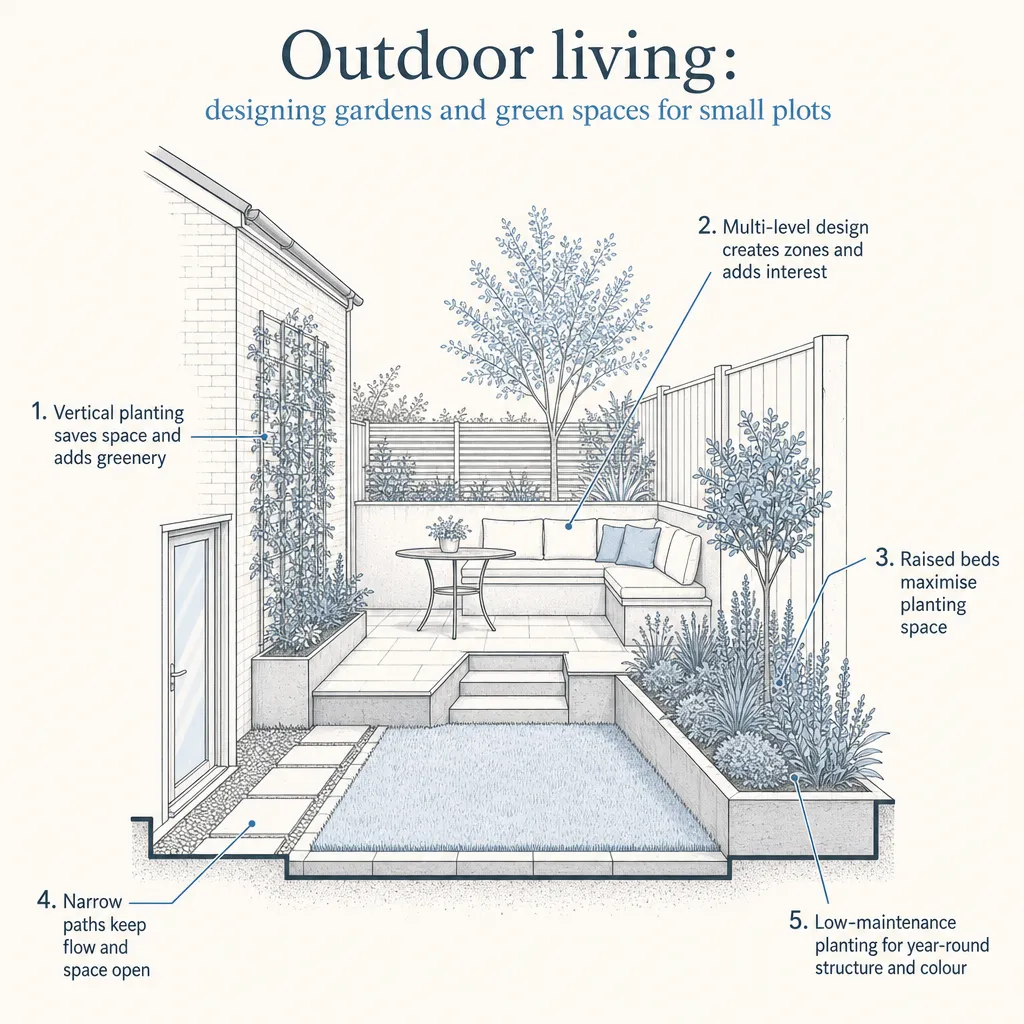
Outdoor living: designing gardens and green spaces for small plots
Small plots work best when divided into defined zones — seating, planting, and utility — before materials are chosen.
 Improvement & Build
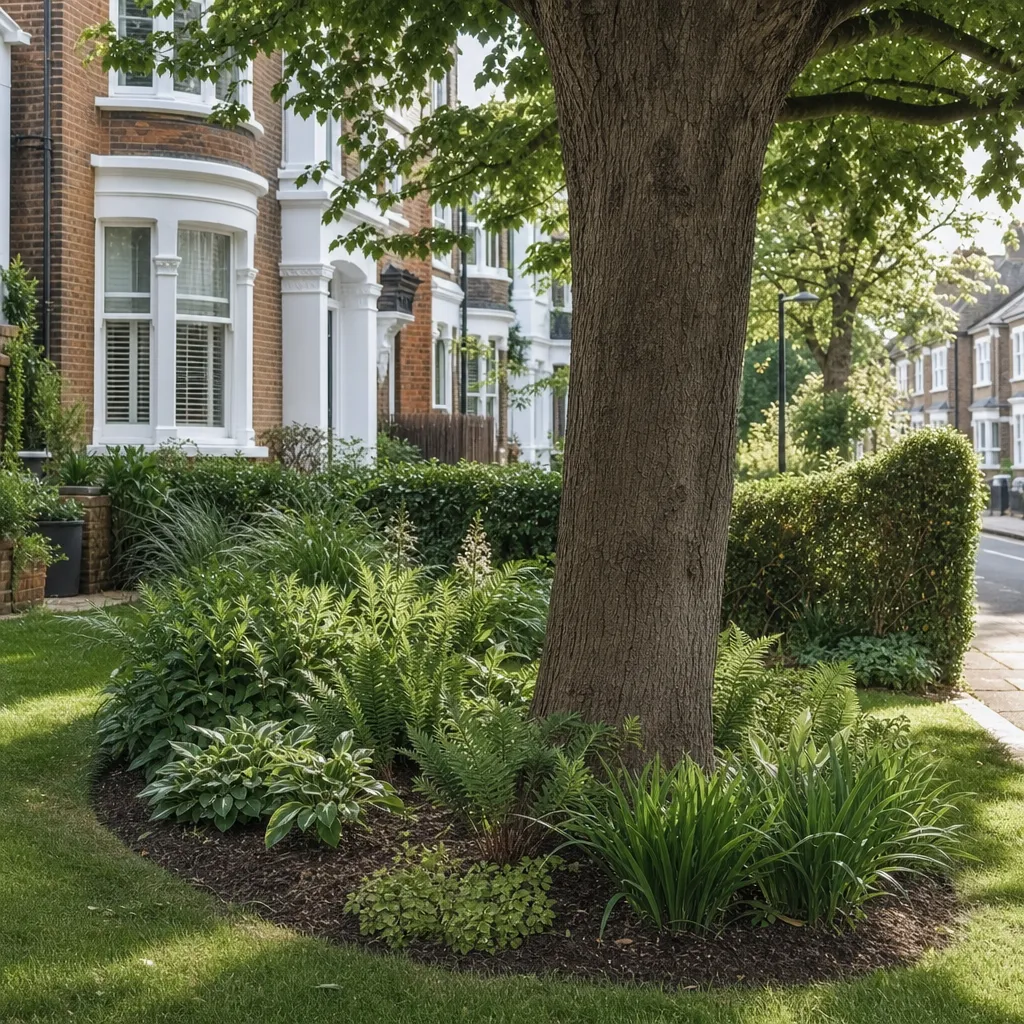
Landscaping Around Trees: Design and Planting Guide
The key to landscaping around trees is working with the tree's conditions rather than against them.
 Improvement & Build
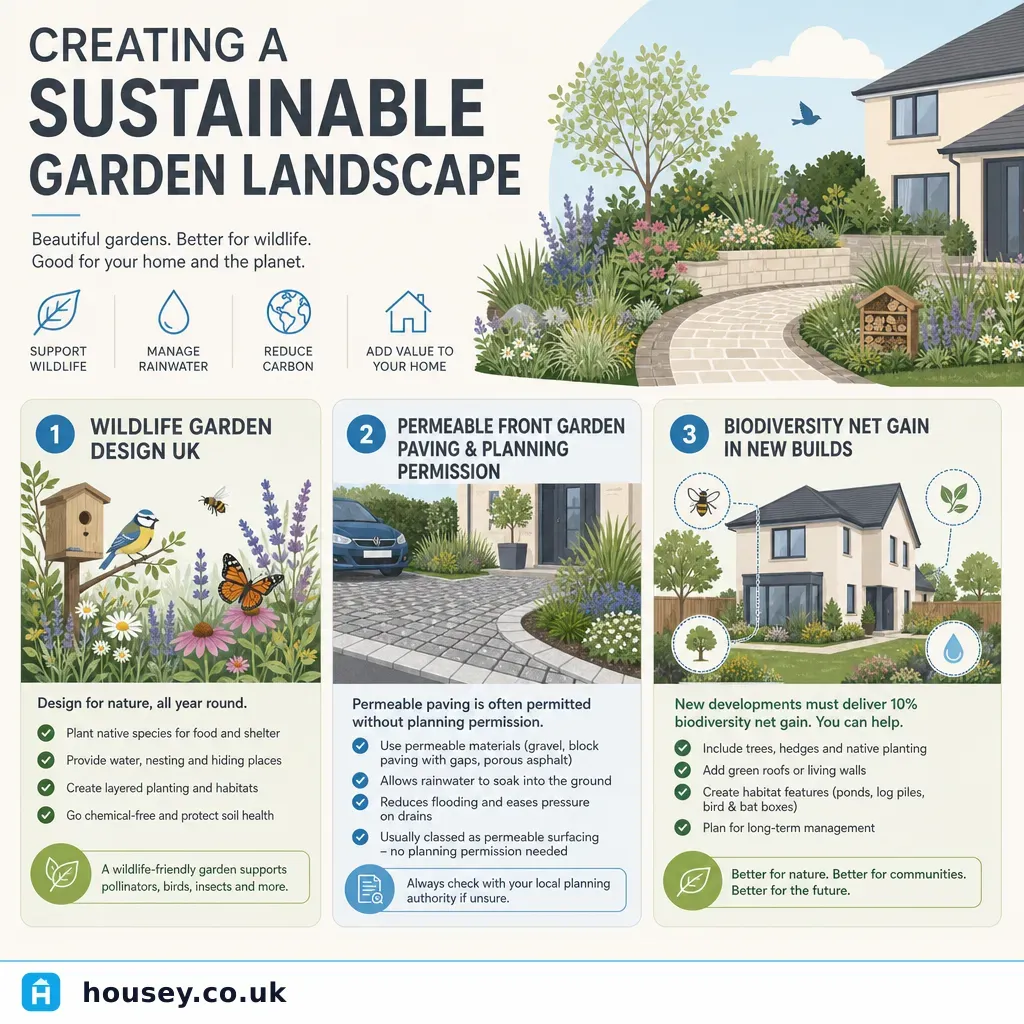
Creating a Sustainable Garden Landscape
Sustainable garden design in the UK combines native planting for biodiversity, permeable surfaces to manage rainfall, and habitat features such as ponds and log piles.
 Improvement & Build
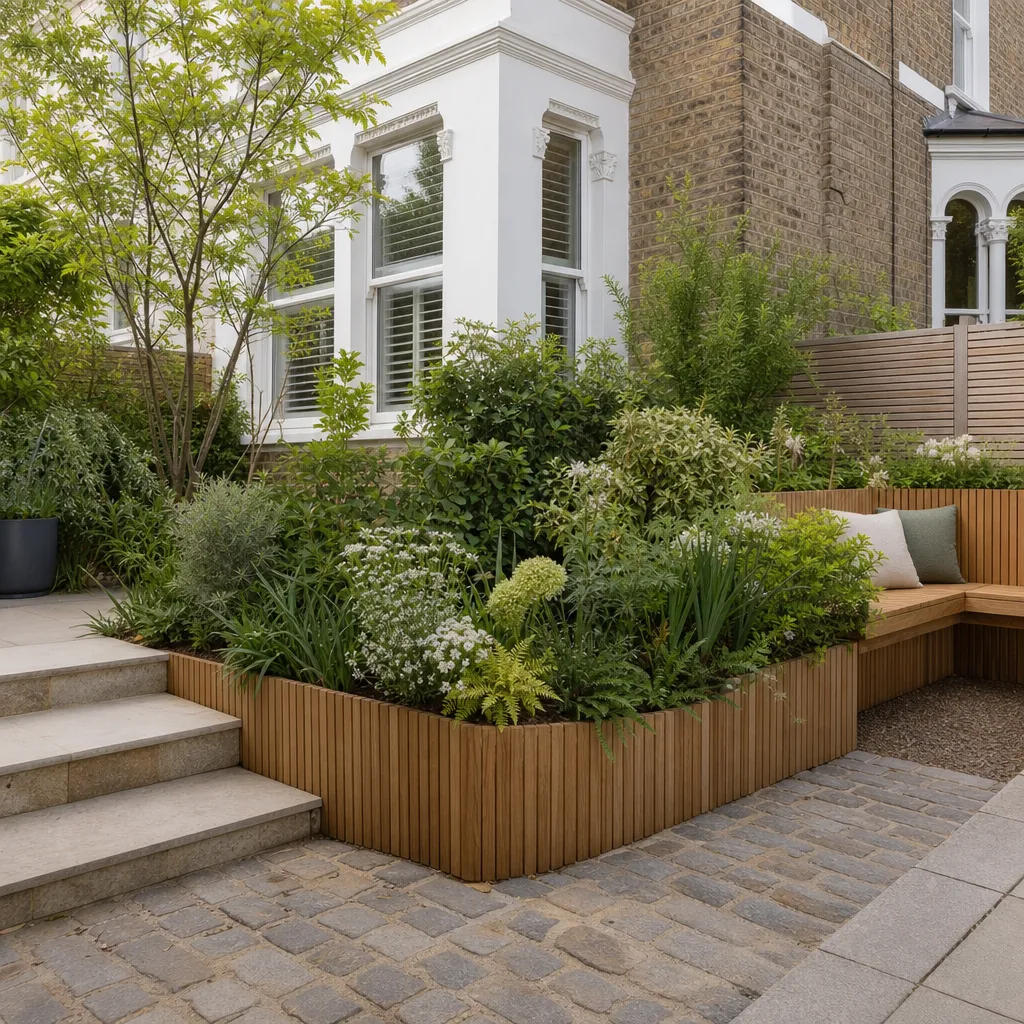
Corner Garden Ideas: Design and Planting Strategies
Corner gardens work best with a clear focal point, structured planting, and a defined boundary edge.
 Improvement & Build
Expert advice for garden design and outdoor space planning
Effective garden design begins with a site assessment — soil type, aspect, drainage, and existing trees — before any planting or layout decisions are made.