Corner Garden Ideas: Design and Planting Strategies
By Housey · Last reviewed 8th of May 2026
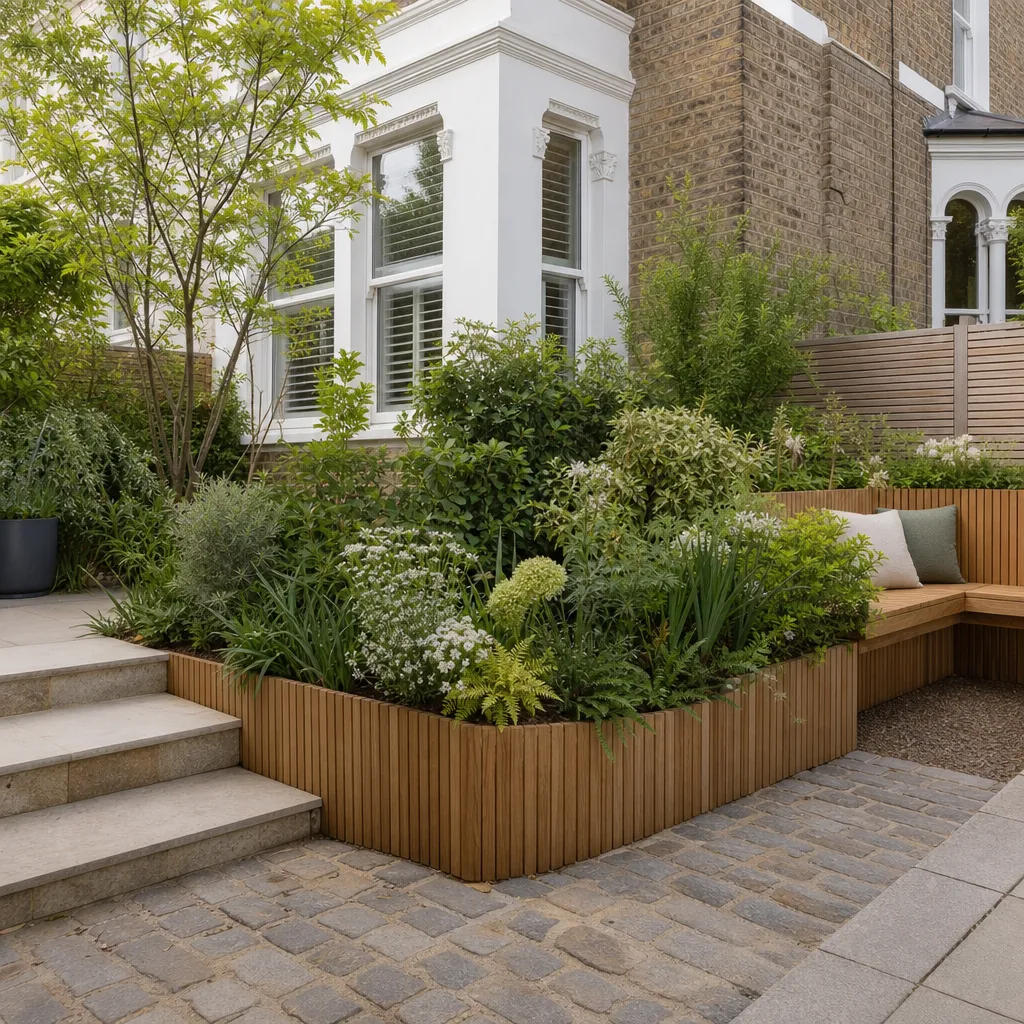
Corner Garden Ideas: Design and Planting Strategies
Corner spaces in UK gardens are often neglected or treated as an afterthought — the awkward triangle left over once lawns, patios, and paths have been arranged. Yet a well-considered corner can become one of the most striking features of an outdoor space, whether it frames a boundary, screens a neighbour's fence, or gives structure to what was previously dead ground. The challenge lies in understanding how light, aspect, soil depth, and sight lines interact before settling on a design approach.
Key points
- Corners typically receive a mix of sun and shade depending on boundary height and aspect — a south-west-facing rear corner behaves very differently from a north-east-facing one.
- Structural planting at the rear of a corner border — columnar shrubs, ornamental grasses, or a small specimen tree — provides year-round visual anchoring without demanding elaborate maintenance.
- Curved border edges reduce the perception of a sharp corner and generally perform better on UK clay soils when soil is improved to at least 300mm depth before planting.
- Most of the UK sits within RHS hardiness ratings H4–H6, which rules out tender Mediterranean specimens in exposed positions without frost protection.
- Freestanding raised planters require no planning permission; structures such as pergolas above 2.5m in height or within 1m of a boundary may need a permitted development review.
Understanding your corner: light, soil, and boundaries
Before choosing any design, assess the site conditions honestly.
Aspect and light:
- South or west-facing corners: suited to sun-loving plants — Cistus, Lavandula, ornamental grasses, Agapanthus, Penstemon.
- North or east-facing corners: better for shade-tolerant plants — Hydrangea, Sarcococca, Hellebores, Astrantia, ferns.
- Mixed aspect: choose adaptable plants such as Viburnum, Aucuba japonica, and Pulmonaria.
Soil: UK corner beds are frequently compacted. Dig a test hole 300mm deep — if the soil is dense, pale, or waterlogged, incorporate well-rotted compost before planting. On heavy clay, raised planting significantly improves drainage.
Boundaries: Check whether the corner involves shared fencing or walls before installing anything attached to or overhanging a boundary. Permitted development restrictions apply to structures, not to soft planting.
Design approaches for corner gardens
Formal and structured: Clipped hedging and defined geometry suit smaller urban corners and period properties. Box (Buxus sempervirens) or disease-resistant alternatives — Ilex crenata or Euonymus japonicus — shaped into cones or balls give year-round structure.
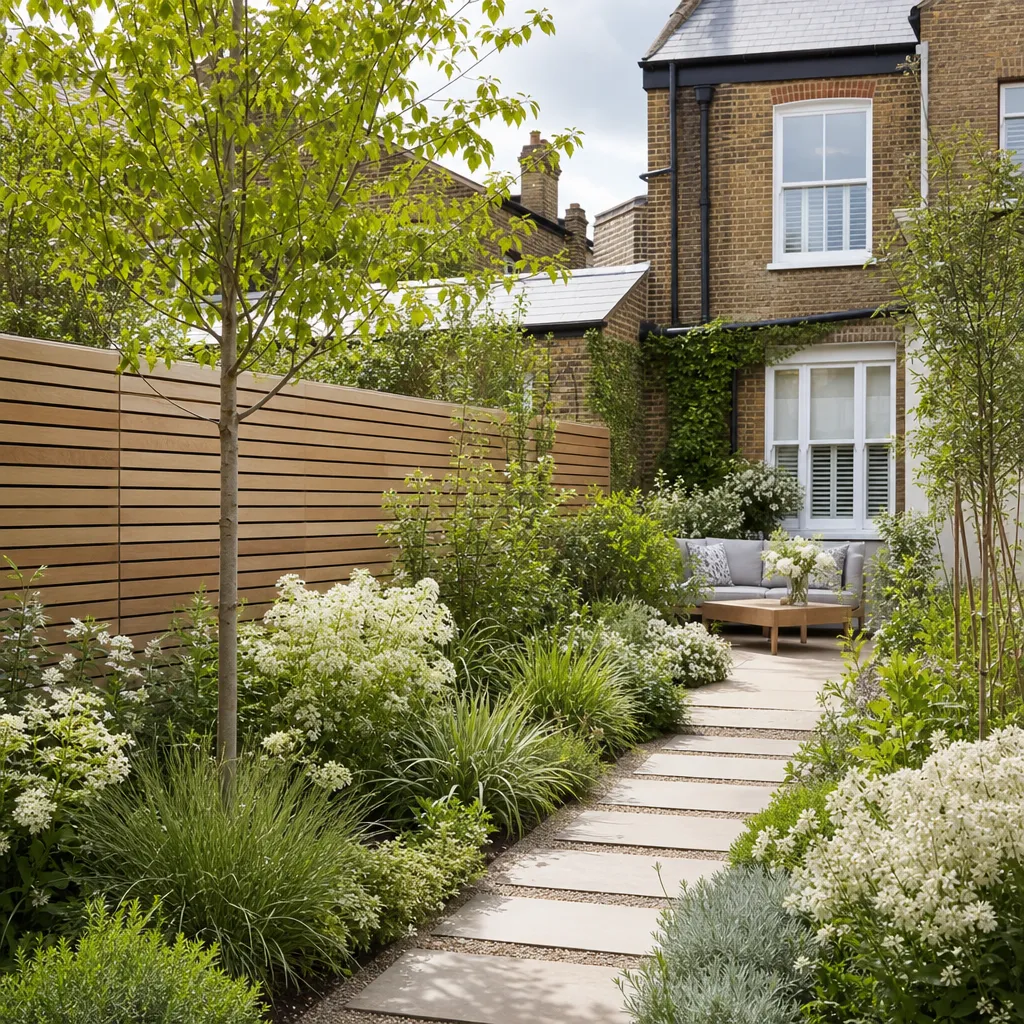
Naturalistic and layered: Layered planting mimics woodland structure: canopy (small tree), shrub layer (mid-height), and ground layer (perennials and bulbs). A classic UK scheme might pair Amelanchier lamarckii at the rear with Viburnum tinus mid-layer and Geranium 'Rozanne' at the front. This is generally the lowest-maintenance approach once established.
Mediterranean or gravel garden: For sunny, free-draining corners, Agapanthus, Salvia, Eryngium, and Stipa tenuissima thrive. On clay soils, gravel mulch alone does not improve drainage — subsoil improvement or raised beds are required first.
Cottage planting: Rosa, Allium, Delphinium, Astrantia, and Aquilegia fill a corner with seasonal colour from spring through late summer, suiting traditional UK gardens with moderate maintenance.
Comparison: design styles for corner gardens
Style | Best for | Not ideal for | Maintenance level | Plants to consider |
|---|---|---|---|---|
Formal/clipped | Period houses, small urban corners | Naturalistic or cottage gardens | Medium–high (regular clipping) | Buxus, Ilex crenata, Euonymus |
Naturalistic/layered | Most UK aspects, low-maintenance gardens | Very exposed or heavily shaded sites | Low–medium once established | Amelanchier, Viburnum, Geranium |
Mediterranean/gravel | Sunny, free-draining corners | Clay soils without drainage work | Low (drought-tolerant) | Salvia, Lavender, Stipa, Agapanthus |
Cottage | Traditional UK gardens, semi-rural settings | Waterlogged or heavily shaded spots | Medium (deadheading, dividing) | Rosa, Allium, Delphinium, Astrantia |
Structural/architectural | Contemporary garden styles | Traditional period properties | Low (slow-growing specimens) | Phormium, Fatsia japonica, Bamboo |
Which design approach should you choose?
- Choose formal/clipped if the property is pre-1950, the corner is under 10 square metres, or year-round structure matters more than seasonal change.
- Choose naturalistic/layered if the corner faces north or east, you want low-maintenance planting, or the garden already has an informal character.
- Choose Mediterranean/gravel if the corner faces south or west, receives at least five hours of summer sun, and the soil is light or free-draining.
- Choose cottage planting if the property is traditional or semi-rural and you want seasonal colour from spring through late summer.
- Choose structural/architectural if the property is contemporary and you want year-round impact from a small number of bold specimens.
- Consult a garden designer if the corner involves level changes, boundary uncertainty, planning considerations, or if you want the design to integrate with the wider garden.
Focal points and structural elements
Every corner benefits from a focal point that draws the eye intentionally:
- A specimen tree or large shrub: Betula (birch), Acer palmatum, or multi-stem Amelanchier give height and seasonal interest without dominating smaller plots.
- A water feature: A self-contained bubble fountain adds sound and wildlife interest with no planning requirements for freestanding units.
- A pergola or arch: If sited over 1m from a boundary and under 2.5m in height, likely to fall under permitted development in England. Conservation areas and listed buildings require a separate check with the local planning authority.
- A raised bed: Timber, brick, or reclaimed railway sleeper beds transform a corner into a productive or ornamental feature, with no planning permission required for freestanding low-profile structures.
Homeowner planning checklist
Before briefing a garden designer or landscaper, work through these questions:
Indicative UK costs for professional garden design and planting typically range from £500–£2,000+ for design fees alone, with landscaping costs varying significantly by scope and region. Last reviewed 2026-05-08.
When to get professional help
For most corners, a capable amateur gardener can achieve good results with a clear plan. Seek professional guidance when:
- The corner involves significant level changes — terracing, retaining walls, or steps.
- Boundary ownership is unclear and planting might encroach on neighbouring land.
- Permitted development rules for a planned structure need interpretation.
- The site has difficult conditions (waterlogging, deep shade, compacted subsoil) requiring specialist knowledge.
- You want a cohesive scheme that integrates the corner with the rest of the garden.
How Housey can help
If you want a corner garden that is professionally designed and planted, Housey connects you with qualified garden designers and landscapers across the UK. Request quotes, compare approaches, and find a professional suited to your property's style and budget.
Frequently asked questions
Do I need planning permission to landscape a garden corner?
Soft landscaping — planting, grassing, or adding gravel mulch — does not require planning permission. Structures such as pergolas, raised walls above 1m on a boundary, or garden buildings may fall under permitted development rules in England. Always check with your local planning authority if you are in a conservation area, the property is listed, or a structure is attached to the house boundary.
What plants work well in a shaded corner garden?
In a shaded corner, shade-tolerant plants such as Hydrangea macrophylla, Sarcococca (winter box), Hellebores, Astrantia, Pulmonaria, and ferns including Dryopteris and Polystichum are reliable choices. For structural interest, Aucuba japonica and Viburnum rhytidophyllum both perform well in north-facing UK conditions and provide year-round foliage.
How do I create privacy in a corner garden?
Tall structural planting — bamboo contained in root barriers, Viburnum rhytidophyllum, or a pleached tree screen — provides privacy without necessarily requiring planning permission. Solid fencing above 2m on a boundary visible from a highway may need consent. A garden designer can advise on the most appropriate option for your specific boundary orientation and local restrictions.
Can I build a raised bed in a corner garden without planning permission?
Freestanding raised beds used for planting are generally not subject to planning permission in England. Structures over 0.3m high adjoining a highway or involving significant excavation adjacent to a boundary may need further checks. The Planning Portal's interactive guide can help you determine whether any consent is needed for your specific situation.
When should I hire a garden designer for a corner plot?
A garden designer adds most value when the corner involves complex site conditions such as slopes, drainage problems, or deep shade, when you want the design to integrate with the wider garden, or when a structure such as a pergola or water feature is planned. For straightforward planting on flat, well-drained ground, an experienced landscaper may be sufficient.
Sources and further reading
- RHS plant selector and hardiness ratings — Royal Horticultural Society
- Permitted development rights for householders: technical guidance — GOV.UK
- Do I need planning permission? Garden buildings and structures — Planning Portal
Useful next reads
 Improvement & Build
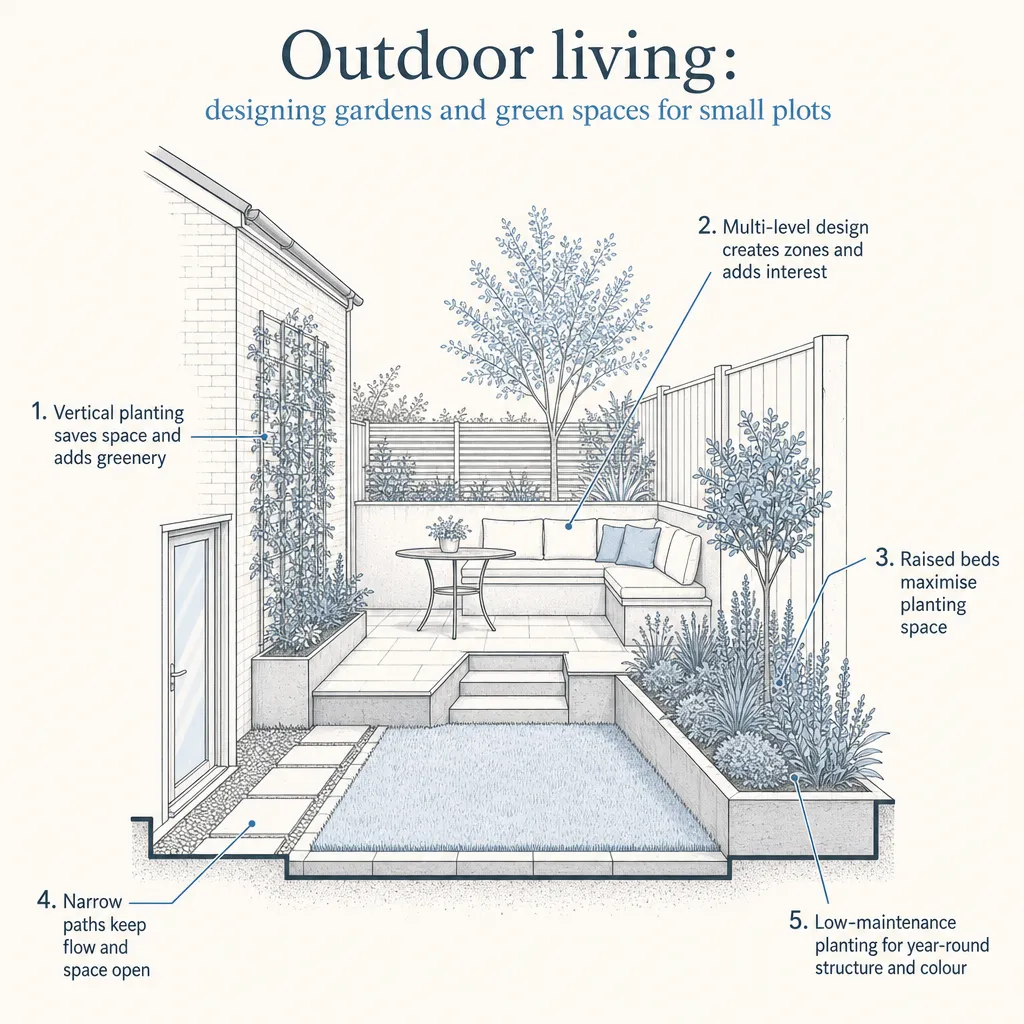
Outdoor living: designing gardens and green spaces for small plots
Small plots work best when divided into defined zones — seating, planting, and utility — before materials are chosen.
 Improvement & Build
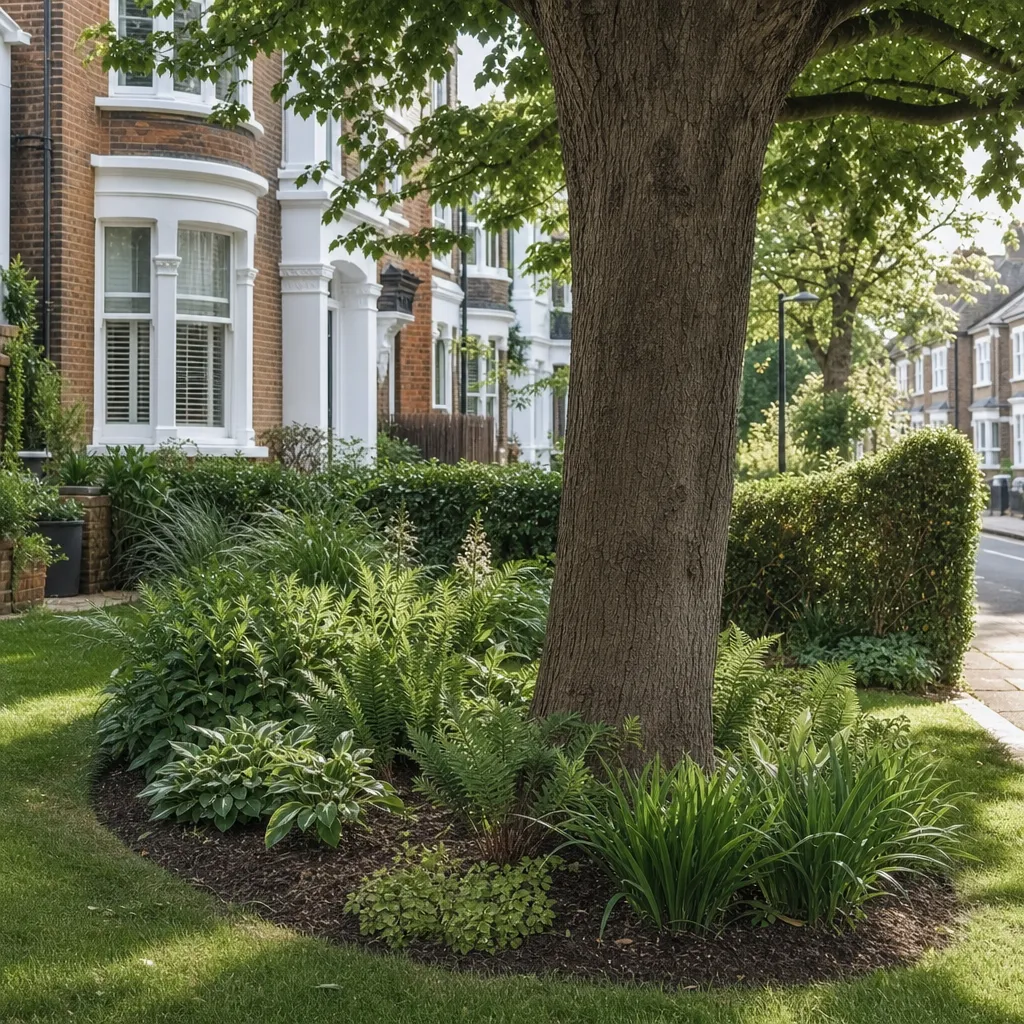
Landscaping Around Trees: Design and Planting Guide
The key to landscaping around trees is working with the tree's conditions rather than against them.
 Improvement & Build
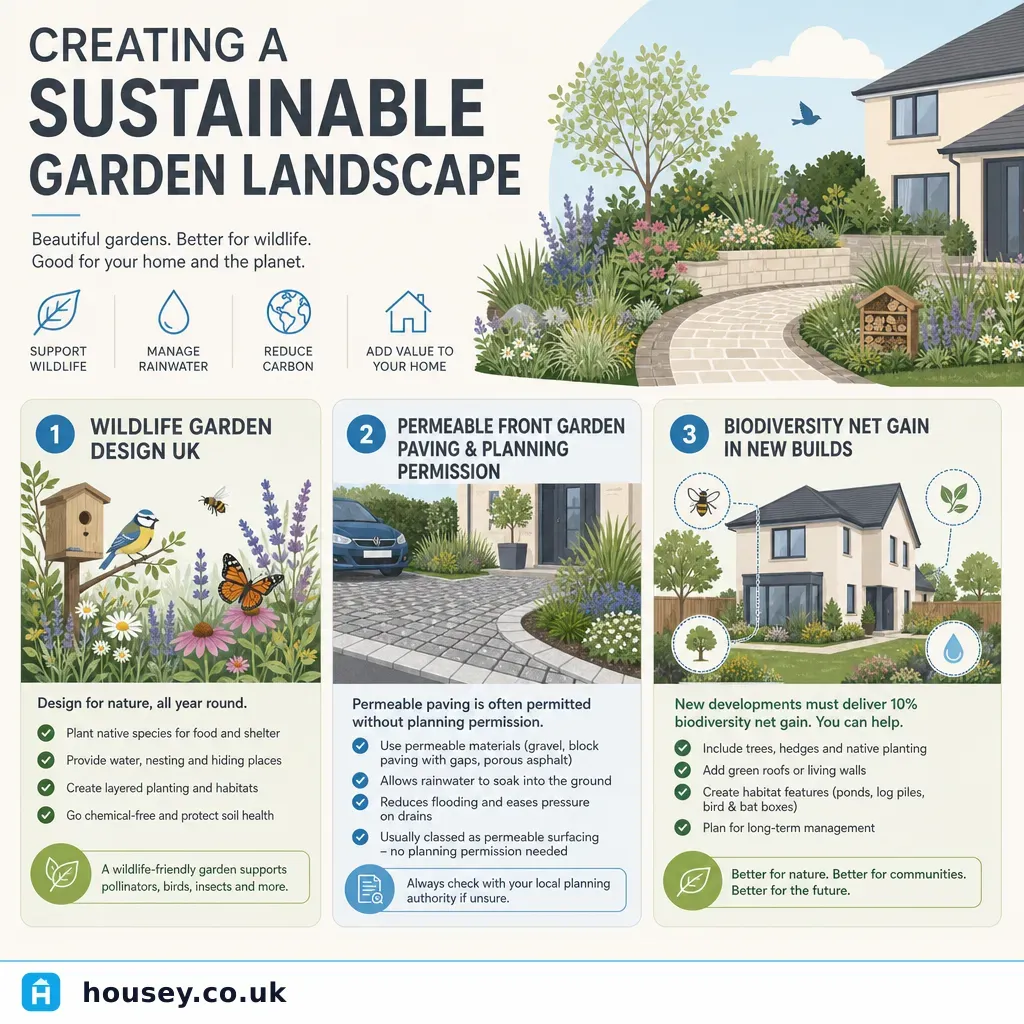
Creating a Sustainable Garden Landscape
Sustainable garden design in the UK combines native planting for biodiversity, permeable surfaces to manage rainfall, and habitat features such as ponds and log piles.
 Improvement & Build
Allergen-Friendly Garden Design for Hay Fever Sufferers
Creating a low-allergen garden starts with replacing wind-pollinated plants — grasses, birch, ash, and hazel — with insect-pollinated alternatives whose heavy pollen stays grounded.
 Improvement & Build
Expert advice for garden design and outdoor space planning
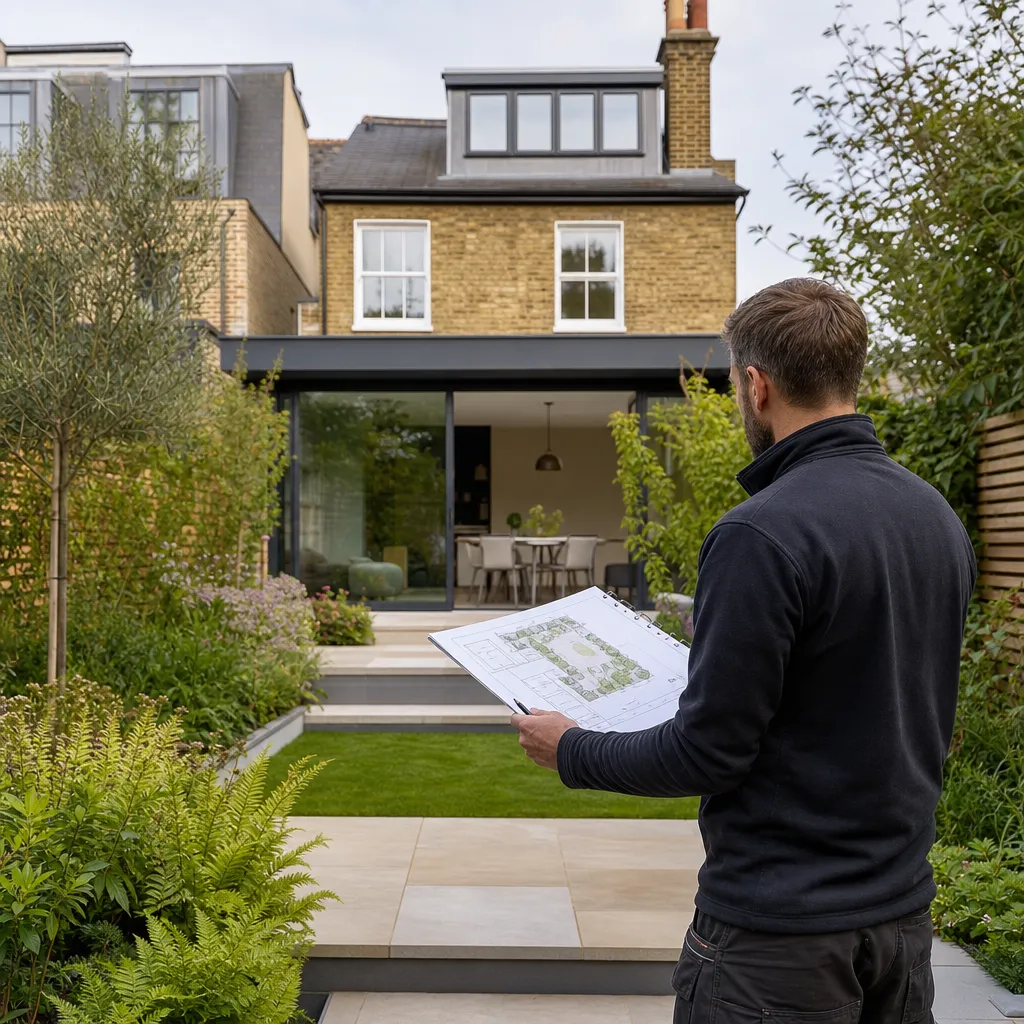
Effective garden design begins with a site assessment — soil type, aspect, drainage, and existing trees — before any planting or layout decisions are made.