Landscaping Around Trees: Design and Planting Guide
By Housey · Last reviewed 30th of May 2026
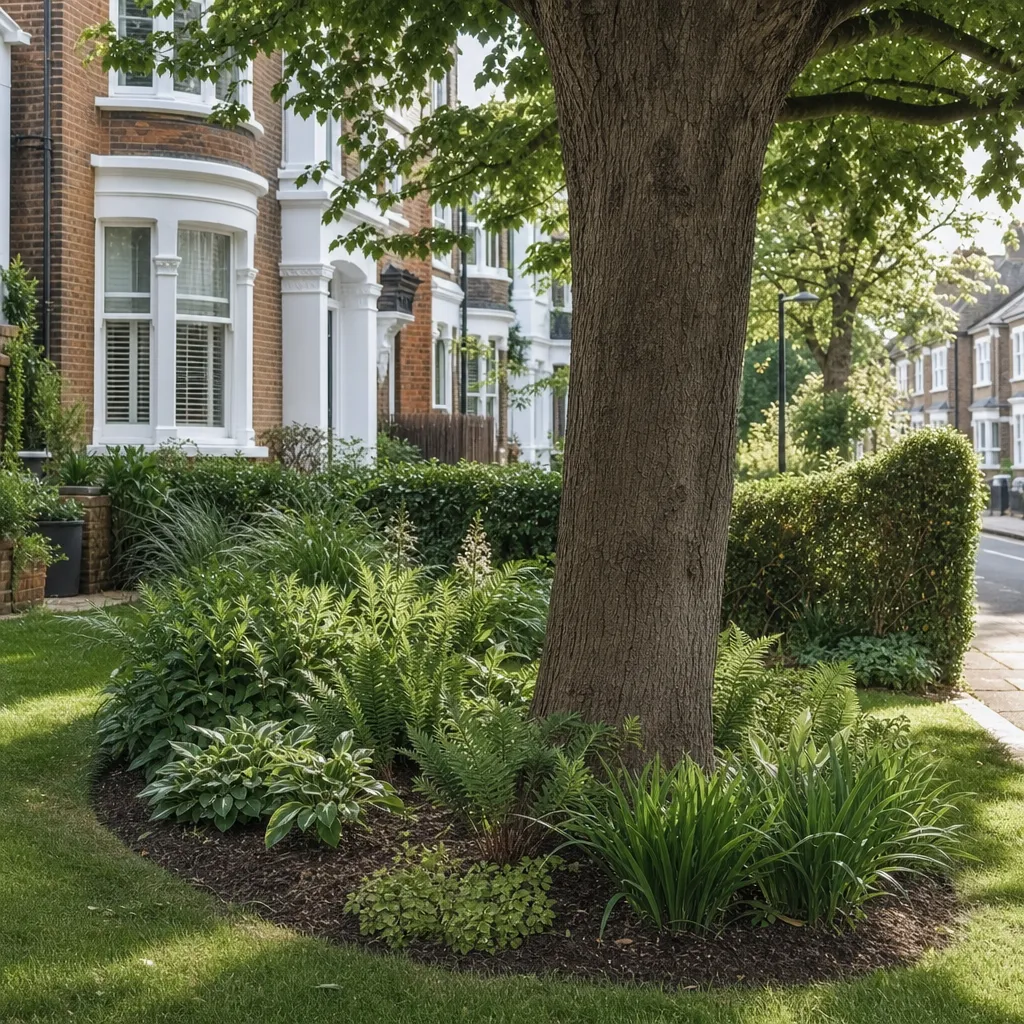
Landscaping Around Trees: Design and Planting Guide
Trees are fixed features in a garden — they shape how light, water, and space are distributed across the whole plot. Whether you have moved into a property with established specimens or are planning new planting around a younger tree, the challenge is the same: the tree's conditions must dictate what you plant and how you design around it. In the UK, additional considerations — Tree Preservation Orders (TPOs), conservation area restrictions, and the potential for root damage to foundations, drains, and paving — make it worth planning carefully before any work begins.
Key points
- Tree Preservation Orders (TPOs) may restrict pruning, felling, or root disturbance; check with your local planning authority before starting works near any protected tree.
- Trees in conservation areas are automatically protected — even without a TPO, at least 6 weeks' written notice must be given to the local planning authority before carrying out any works.
- Compacting the root zone (the area beneath the canopy spread) restricts oxygen and water movement in the soil and can cause long-term structural damage to established trees.
- Adding even 100–150 mm of soil over the root zone, or building raised structures against the trunk, can cause collar rot and gradual decline.
- Shade-tolerant, dry-tolerant species such as Epimedium, Cyclamen hederifolium, and Dryopteris ferns are far more likely to establish successfully under a dense canopy than typical garden border plants.
How tree roots affect your planting options
Mature tree roots spread well beyond the canopy edge — often two to three times the crown spread. Fibrous feeder roots typically sit in the top 30–60 cm of soil and are most active near the drip line. Understanding this prevents the two most common mistakes: planting too close to the trunk (root competition, stem damage) and installing hard surfaces that cut off oxygen and water exchange across the root zone.
Before planning any planting or hard landscaping, consider:
- Soil moisture: established trees intercept a significant proportion of rainfall and draw heavily on soil moisture; conditions beneath them are often dry and seasonally extreme.
- Light levels: a closed canopy can reduce light by 80–95%; most common garden border plants will struggle to establish and flower reliably.
- Physical obstruction: surface roots and shallow soil make digging difficult; even light cultivation can damage feeder roots and stress the tree.
What to plant under trees
Choosing the right plants is the single most important factor in success. The following species have proven reliable under UK trees in dry, shaded conditions.
Plant | Light tolerance | Soil preference | Notes |
|---|---|---|---|
Epimedium (barrenwort) | Deep shade | Dry, poor | Excellent dry-shade ground cover; low maintenance once established |
Cyclamen hederifolium | Partial to deep shade | Well-drained | Naturalises well; flowers autumn to spring |
Vinca minor (lesser periwinkle) | Shade to partial shade | Most soils | Spreads readily; effective weed suppressor |
Geranium macrorrhizum | Shade to partial shade | Well-drained | Aromatic; tolerates dry conditions well |
Helleborus (hellebore) | Dappled shade | Moist, well-drained | Evergreen; long season of interest |
Dryopteris filix-mas (male fern) | Deep shade | Moist to dry | Structural; well-suited to conditions under beech or oak |
Ajuga reptans (bugle) | Shade | Moist to average | Low-growing; spreads by runners |
Allium ursinum (wild garlic) | Dappled shade | Moist, humus-rich | UK native; naturalises in true woodland conditions |
Avoid deep-rooting shrubs requiring regular cultivation near the trunk, and plants needing supplemental irrigation once established — consistent moisture near the root collar can encourage fungal disease.
Hard landscaping near trees
Impermeable hard surfaces — concrete, tarmac, or compacted hardcore — are among the most harmful interventions near an established tree. Blocking gas exchange and water infiltration stresses roots and can cause slow decline over several years. Where hard landscaping is required close to trees:
- Permeable paving: open-jointed setts, resin-bound gravel, or permeable block paving allow water and gas exchange while providing a stable, usable surface.
- Bark or wood-chip mulch: 75–100 mm of composted bark applied outwards from the trunk to the drip line (kept clear of the trunk itself) improves moisture retention, suppresses weeds, and feeds soil organisms.
- Gravel with permeable membrane: gravel alone is acceptable; avoid solid impermeable weed membrane. Use permeable landscape fabric or omit entirely.
Do not raise soil levels against the trunk. Where grade changes are genuinely unavoidable, consult an arboricultural consultant to prepare a method statement compliant with BS 5837:2012 that protects the tree's root zone during construction.
Tree Preservation Orders and conservation area rules
If the tree is covered by a TPO, or if the property lies within a conservation area, you may need consent or prior approval before works that affect the tree — including significant root-zone disturbance.
- TPO works: apply to your local planning authority; allow up to 8 weeks for a decision. Unauthorised works to a protected tree are a criminal offence under the Town and Country Planning Act 1990.
- Conservation area notification: submit written notice to your local planning authority at least 6 weeks before works. The authority has 6 weeks to respond or issue a TPO.
- Exemptions exist for dead branches and trees presenting immediate risk of harm, but the standard must be met precisely — check GOV.UK guidance on TPOs and conservation area trees or contact your council's tree officer before relying on any exemption.
What not to assume
- "It's my tree, so I can do what I want." Trees within a private garden may still be protected by a TPO or conservation area designation regardless of ownership. Unauthorised works can result in prosecution and a requirement to replace the tree.
- "Mulching will fix any planting failure." Mulch is helpful but cannot overcome severe root competition, deep shade, or soil compaction. Match plant selection to conditions first.
- "I can plant anything if I water it enough." Long-term supplemental irrigation near a tree's root zone is impractical in most UK gardens and may alter soil conditions in ways that encourage fungal disease at the root collar.
- "Tree roots won't reach my new raised bed." Roots follow water and nutrients; a raised bed installed a few metres from the trunk will attract roots within seasons, potentially destabilising the bed and competing with planted material.
Red flags: when to pause and seek advice
- Cracking, lifting, or heaving of existing paving near the tree — signs of active root growth or root damage beneath the surface.
- Canopy dieback, poor leaf colour, or noticeably reduced seasonal growth — the tree may already be stressed before any new works begin.
- Fungal fruiting bodies (brackets, toadstools) at the base of the trunk — a possible sign of internal decay requiring arboricultural assessment.
- Previous construction, utility works, or paving installed within the canopy drip line area.
- Any tree in a conservation area where TPO status has not been confirmed with the local planning authority.
When to get professional help
Most basic underplanting projects can be planned with careful research or guided by an experienced garden designer. Some situations warrant specialist input:
- Suspected TPO or conservation area restrictions — engage a tree officer or planning consultant before any works begin.
- Trees showing signs of stress, decay, or structural concern — a qualified arborist should assess condition before any root-zone disturbance is carried out.
- Large-scale landscaping involving grade changes, drainage works, or hard surfaces near mature trees — an arboricultural consultant can prepare a method statement compliant with BS 5837:2012.
- New tree planting near foundations, drains, or boundaries — consider eventual root spread and seek advice on appropriate species for the specific location.
How Housey can help
Whether you are redesigning a garden around an existing specimen tree or planning new planting from scratch, Housey connects you with experienced garden designers and landscapers who understand tree-root constraints and UK planting conditions. For work on or near established trees — including arboricultural assessments and TPO-compliant pruning — tree surgeons on the Housey platform can assess condition and carry out works safely.
Frequently asked questions
Can I build a raised bed around the base of a tree?
Raising the soil level around a tree trunk — even by 100–150 mm — can cause collar rot and cut off root oxygen, potentially killing the tree over time. Keep any planted area at the existing grade around the trunk and use shallow-rooting, dry-tolerant species rather than adding new soil. Speak to an arborist before making significant soil-level changes near a mature specimen.
Do I need planning permission to landscape around a tree with a TPO?
Works to the soil or root zone of a tree covered by a Tree Preservation Order may constitute works requiring prior consent from your local planning authority. Trees in conservation areas without a TPO also require at least 6 weeks' written notice before works. If in doubt, contact your council's tree officer before starting any significant ground disturbance near a protected tree.
What ground cover works best under a dense canopy such as beech or oak?
Beech and oak create dry, competitive conditions with deep shade. Epimedium species, Cyclamen hederifolium, and male fern (Dryopteris filix-mas) are among the most reliable choices. Native wild garlic naturalises well under suitable canopies. Avoid grass and shallow-rooted bedding plants — they rarely establish and require cultivation that damages feeder roots.
Can I lay paving close to a mature tree?
Impermeable paving close to a tree's root zone restricts oxygen and water exchange, stressing roots over time. Where hard surfaces are needed, use permeable options — open-jointed setts, resin-bound gravel, or permeable block paving — and keep any excavation outside the canopy drip line. For large or valuable trees, seek advice from an arboricultural consultant before proceeding.
Sources and further reading
- Tree preservation orders and trees in conservation areas — GOV.UK
- Planting under trees — Royal Horticultural Society
- BS 5837:2012 Trees in relation to design, demolition and construction — BSI Group
- Trees and development guidance — Arboricultural Association
Useful next reads
 Improvement & Build
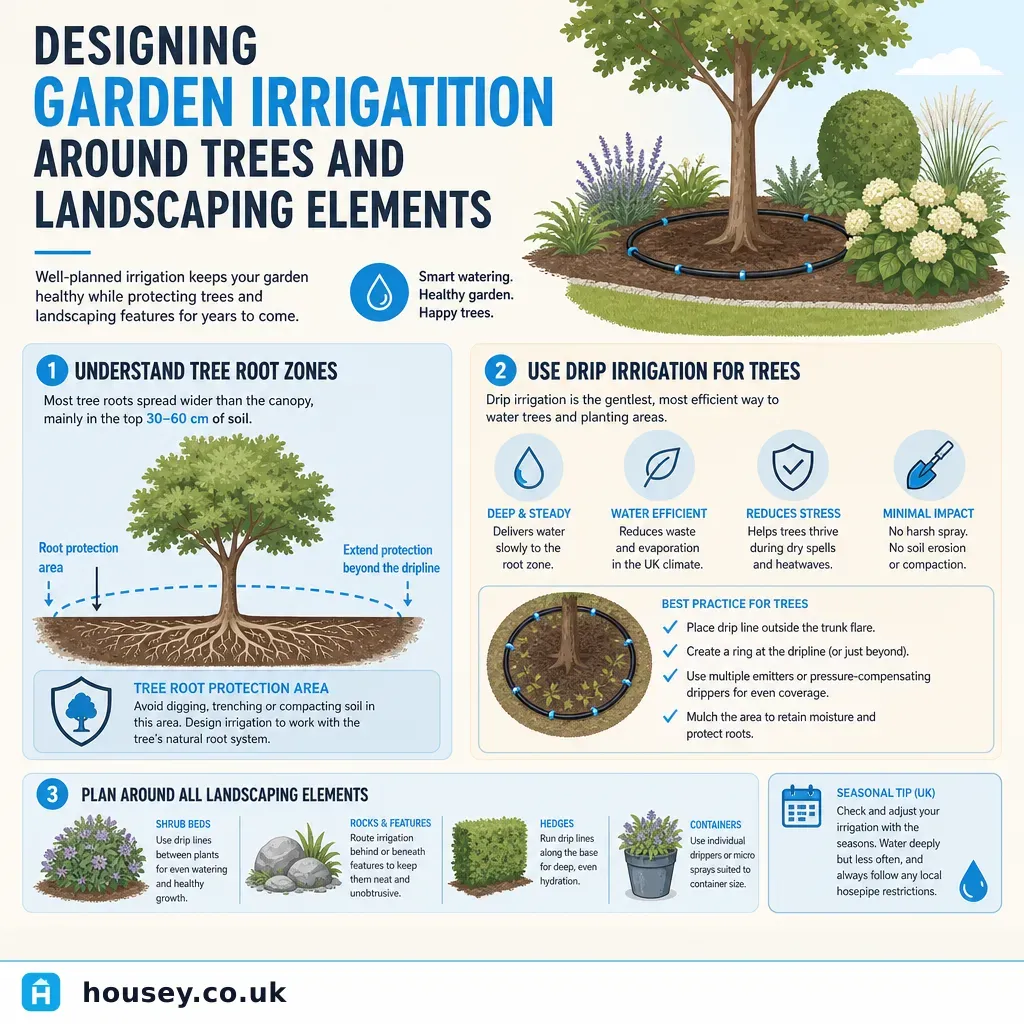
Designing Garden Irrigation Around Trees and Landscaping Elements
Design irrigation around trees by respecting the root protection area defined under BS 5837:2012, using drip or leaky pipe delivery rather than spray heads, and putting the tree zone on its own circuit.
 Improvement & Build
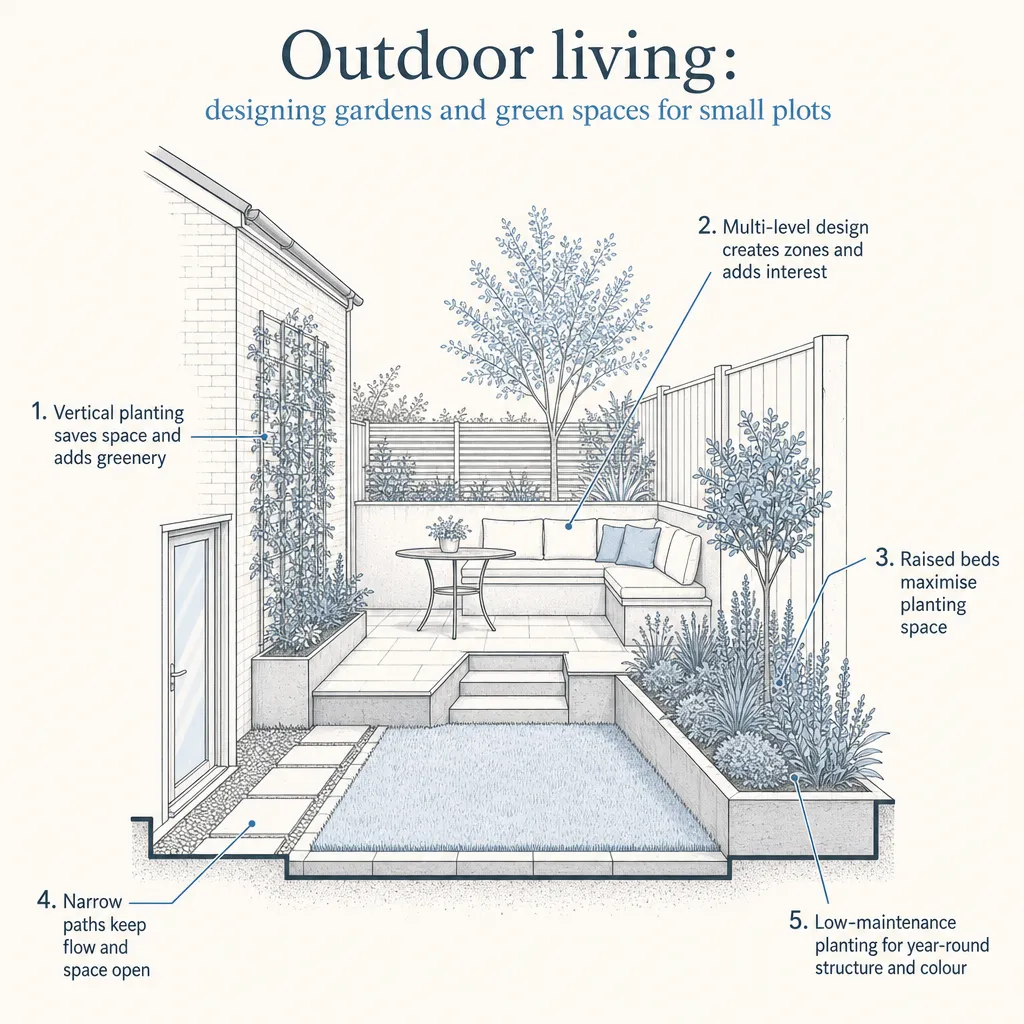
Outdoor living: designing gardens and green spaces for small plots
Small plots work best when divided into defined zones — seating, planting, and utility — before materials are chosen.
 Improvement & Build
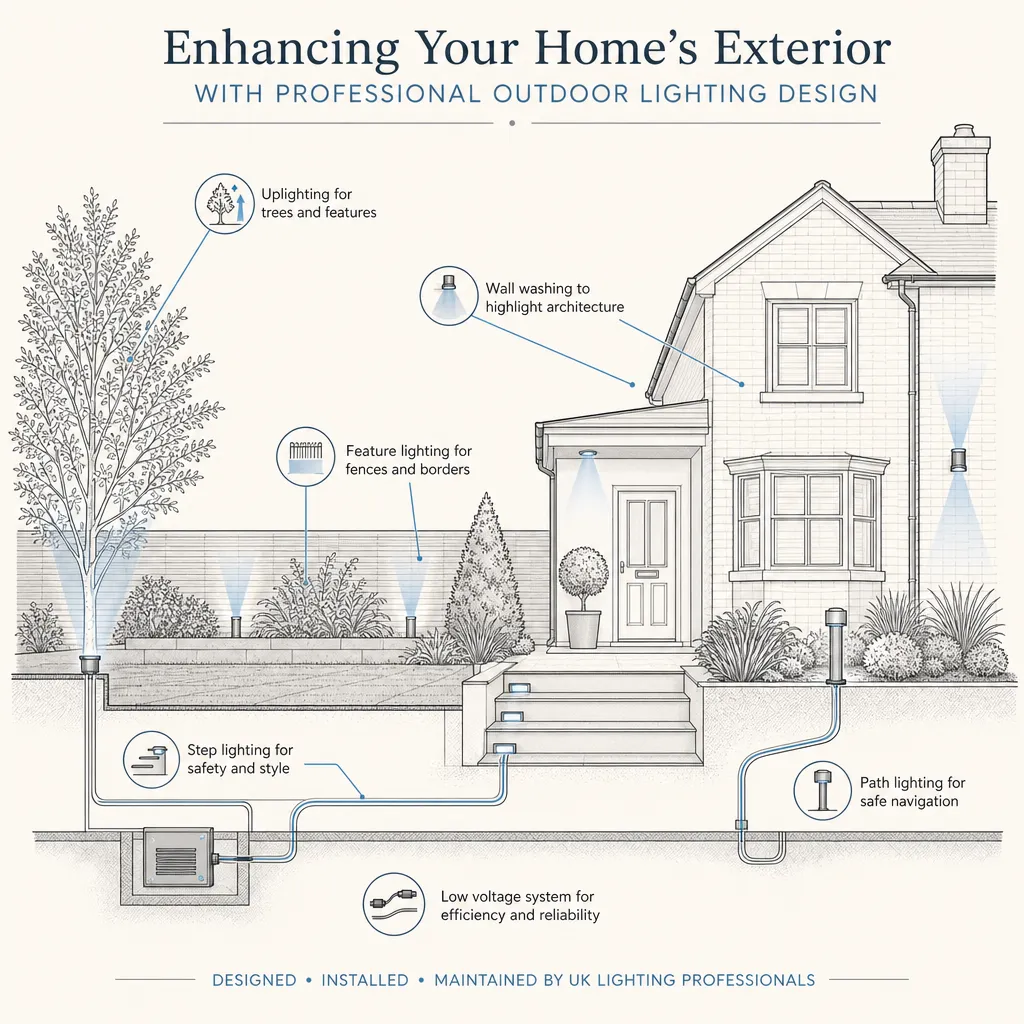
Enhancing Your Home's Exterior with Professional Outdoor Lighting Design
Professional outdoor lighting design improves kerb appeal, extends garden use after dark, and deters intruders.
 Improvement & Build
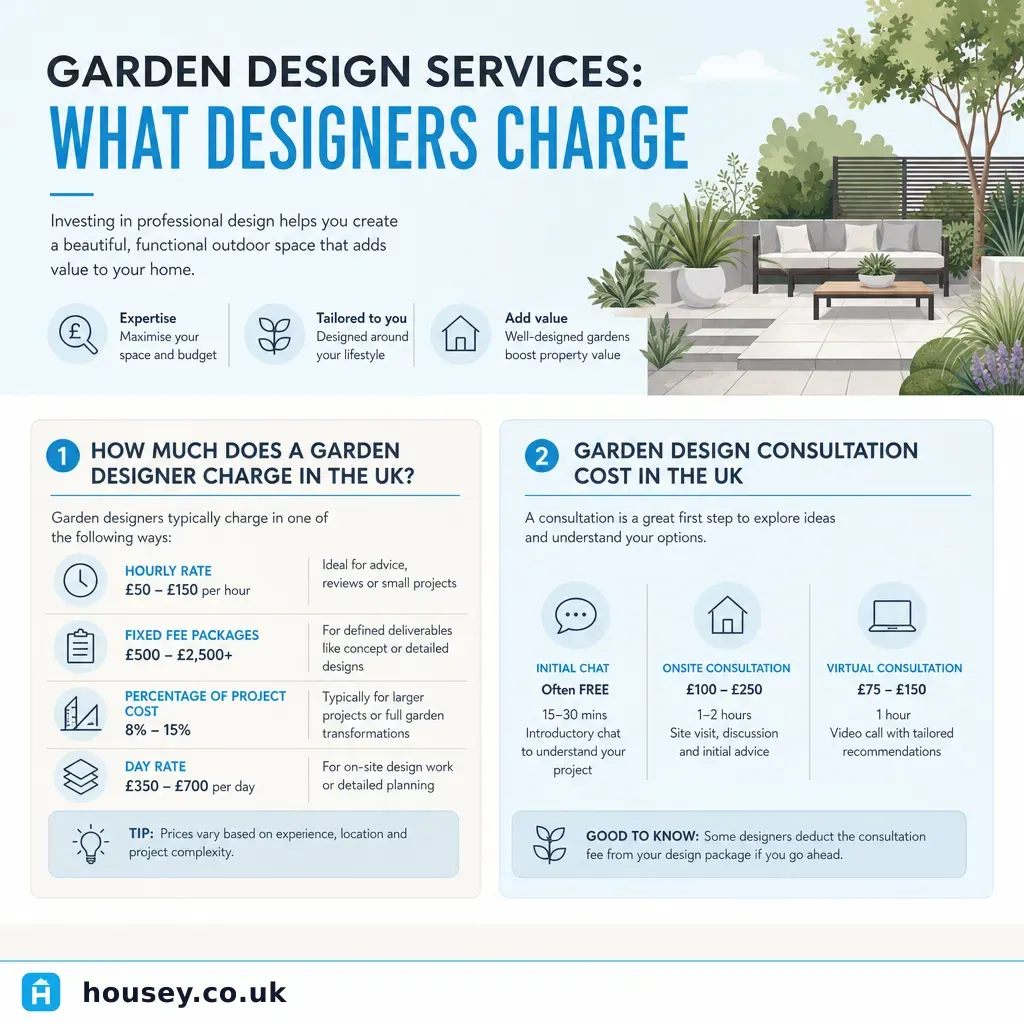
Garden Design Services: What Designers Charge
UK garden designers typically charge £50–200+ per hour, or fixed fees from around £200 for an initial consultation to £3,000–5,000+ for a full design package on a medium garden.
 Improvement & Build
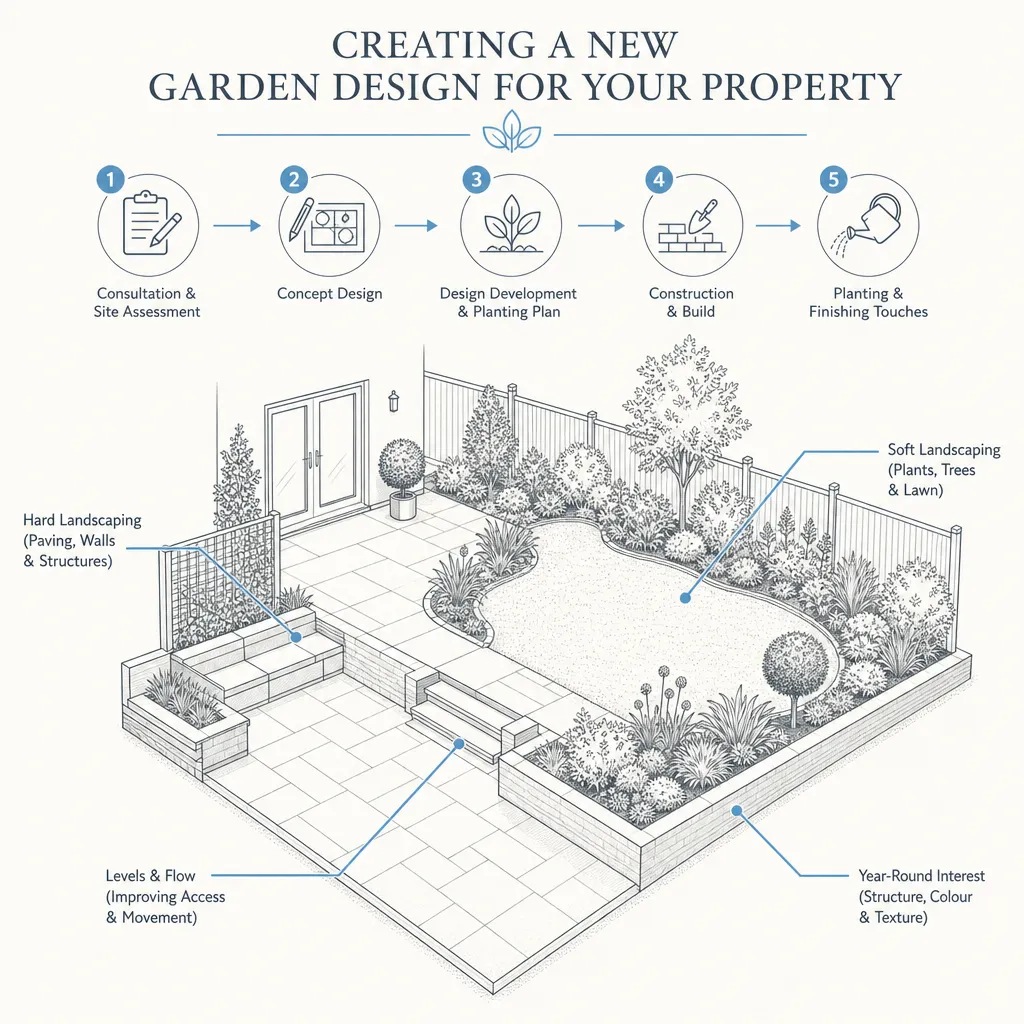
Creating a New Garden Design for Your Property
Creating a new garden design involves assessing your space, setting a realistic budget, deciding on hard and soft landscaping, and choosing a planting scheme suited to your soil and aspect.