Are ground source heat pumps noisy? What homeowners should know
By Housey · Last reviewed 11th of May 2026
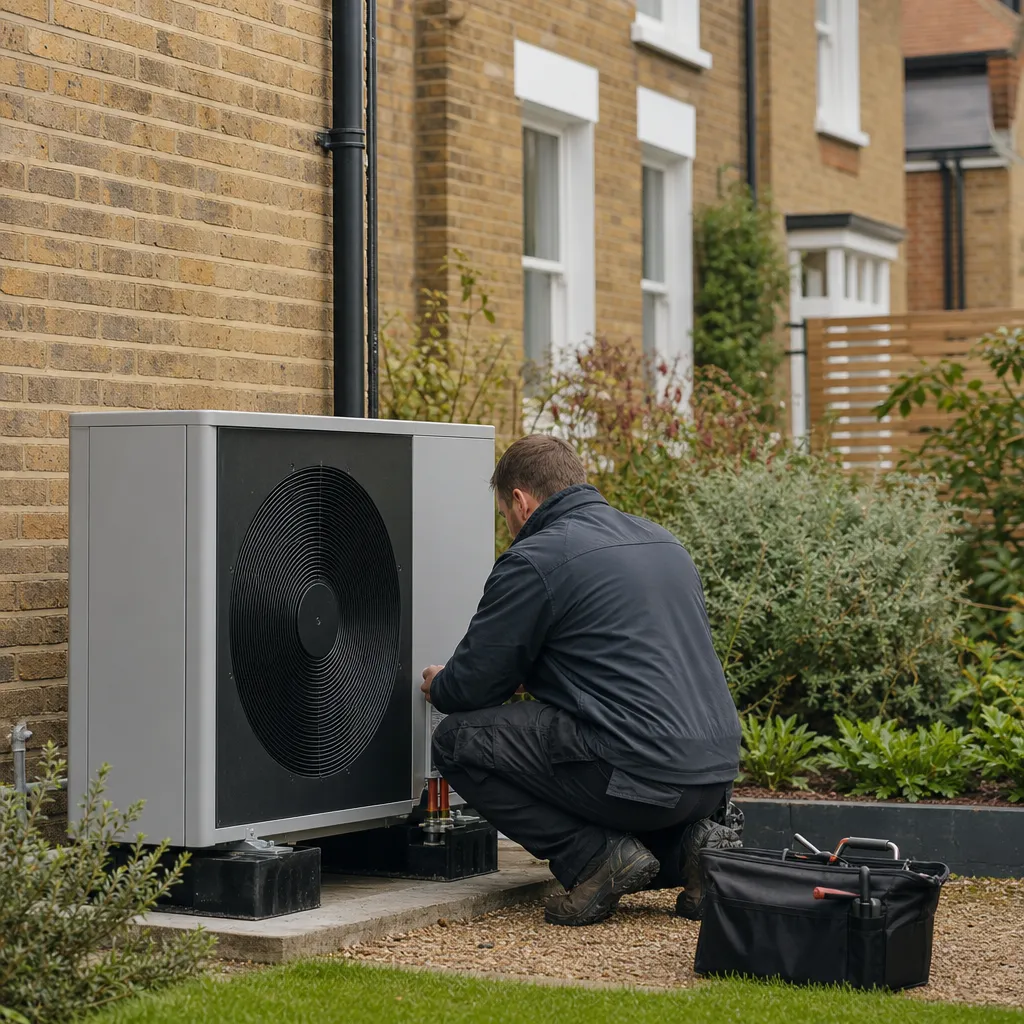
Are ground source heat pumps noisy? What homeowners should know
Noise is one of the first questions raised when a homeowner considers switching to a ground source heat pump (GSHP), particularly in semi-detached or terraced properties where the boundary with neighbours is close. Unlike air source heat pumps, which have a visible outdoor fan unit, GSHPs bury the collection system underground — but that does not mean the installation process or the equipment itself is silent. Knowing what noise to expect, and when, allows you to plan sensibly and set realistic expectations with your household and neighbours before any groundworks begin.
Key points
- Ground source heat pump indoor units typically operate at 40–50 dB(A) at one metre — roughly the level of a quiet conversation or a refrigerator hum.
- Borehole drilling for vertical collector loops generates significant short-term site noise comparable to construction machinery, lasting from several days to several weeks depending on ground conditions.
- GSHPs have no outdoor fan unit, so ongoing operational noise after installation is typically lower than that of an equivalent air source heat pump (ASHP).
- MCS (Microgeneration Certification Scheme) standards require installers to assess noise and vibration as part of the system design process under MCS 021.
- Permitted development rights may not apply to GSHP installations on listed buildings, in conservation areas, or where the groundworks scope is significant — check with your local planning authority before committing to a design.
What actually generates noise in a ground source heat pump?
A GSHP system has two distinct noise-generating elements: the ongoing operation of the indoor unit and the installation process itself.
Indoor unit (ongoing): The heat pump unit — sited indoors, typically in a utility room, plant room, or garage — contains a compressor, circulation pumps, and a refrigerant circuit. A well-sized and correctly installed unit operates at 40–50 dB(A). This is audible in a very quiet room but is not intrusive in normal household conditions. Location matters: placing the unit adjacent to a bedroom wall without anti-vibration mounts can transmit structure-borne sound even at modest acoustic levels.
Collector loop installation (short-term):
- Horizontal trenching requires a mini-digger or excavator in the garden for one to several days. Disruptive but typically faster than drilling.
- Vertical borehole drilling uses a rig that may be active for several days to several weeks depending on the number of boreholes, their depth, and the underlying geology. Rock conditions make drilling slower, louder, and generate more vibration than softer ground such as clay or sand.
Once buried and charged with circulating fluid, the ground collector loop produces no noise whatsoever — it is a sealed, underground pipe circuit with no moving parts at the surface.
Comparing GSHP and ASHP noise
Feature | Ground source heat pump (GSHP) | Air source heat pump (ASHP) |
|---|---|---|
Outdoor noise during operation | None — no external fan unit | 40–60 dB(A) at one metre from unit |
Indoor unit noise | 40–50 dB(A) | 40–50 dB(A) (split indoor unit) |
Installation noise | High — drilling or trenching, days to weeks | Low — unit placed on bracket or slab, 1–2 days |
Ongoing neighbour impact | Negligible once installation is complete | Can be audible near a boundary, particularly at night |
MCS noise assessment required | Yes | Yes |
GSHPs have a clear operational noise advantage: there is no outdoor fan to disturb neighbours or attract local authority noise complaints. The trade-off is a significantly more disruptive installation phase that requires careful neighbour management.
What not to assume about ground source heat pump noise
Do not assume underground means silent installation. Borehole drilling rigs are heavy, industrial equipment. Neighbours in a terraced row may hear and feel vibration through the ground. Giving advance notice and agreeing working hours reduces the risk of disputes considerably.
Do not assume the indoor unit will be inaudible. A compressor adjacent to a bedroom wall can transmit structure-borne noise if anti-vibration mounts and flexible pipework connections are omitted or poorly specified. Always confirm vibration isolation details in writing with your installer before work begins.
Do not assume permitted development always applies. Listed buildings, conservation areas, and installations involving significant groundworks may require formal planning permission or prior approval. Check with your local planning authority before finalising a system design.
Do not assume geology is irrelevant. Rock drilling is slower, louder, and generates more vibration than drilling through clay or sand. A pre-installation ground investigation — sometimes included in a heat pump survey — should inform both the borehole programme and the programme timing so you can alert neighbours appropriately.
Do not assume installation noise represents operational noise. Some homeowners are unsettled by weeks of borehole drilling and mistake this for what the system will sound like day-to-day. The two are entirely different: installation is temporarily disruptive; operation is quiet.
How to minimise noise from a GSHP
- Specify anti-vibration mounts and flexible pipe connections for the indoor unit in the installation contract.
- Site the indoor unit in a dedicated plant room or space separated from bedrooms and living areas.
- Request acoustic lagging on pipework running through habitable spaces.
- Ask your installer to provide a noise management plan covering agreed working hours and neighbour liaison for the drilling or trenching phase.
- Ensure the system is correctly sized — an undersized system runs harder and longer, increasing both noise and energy use. MCS-compliant installations require a heat loss calculation to BS EN 12831.
When to get professional help
An independent heat pump survey before committing to a system or installer is advisable if any of the following apply:
- Multiple installers give conflicting advice about borehole versus horizontal loop suitability for your plot.
- Your property is in a conservation area, has listed building status, or sits on complex or unknown geology.
- Neighbours are in close proximity and vibration from drilling is a realistic concern.
- You are planning to site the indoor unit near bedrooms or against a shared party wall.
- You are buying a property with an existing GSHP and want to understand the condition of the system and collector loops.
How Housey can help
A professional heat pump survey assesses your property's suitability for a ground source system, including ground conditions, indoor unit placement options, and the likely noise impact during and after installation. Housey connects you with qualified assessors who can evaluate your site before you commit to costly groundworks.
Frequently asked questions
Are ground source heat pumps noisier than gas boilers?
A correctly installed GSHP indoor unit is typically similar in volume to a modern condensing gas boiler — around 40–50 dB(A). Both produce noise from the compressor or burner and circulation pumps. The key difference is that GSHP systems run for longer periods at lower intensity rather than in short, higher-intensity bursts. Neither should be audible from outside the property.
Do I need planning permission because of a GSHP's noise level?
Planning permission requirements depend on the full scope of the installation, not noise alone. In England, ground source heat pumps may fall under permitted development rights, but conditions apply — particularly for listed buildings and conservation areas. Your local planning authority can confirm whether prior approval is needed. MCS standard MCS 021 includes noise assessment guidance for heat pump installations.
How long does the noisy installation phase last?
For horizontal collector loops in a standard garden, typically one to three days of excavation. For vertical boreholes, drilling can take several days to several weeks depending on depth, the number of boreholes, and geology. Your installer should provide a works programme before starting and advise on how to notify neighbours in advance.
Can my neighbours complain about borehole drilling noise?
Neighbours can report unreasonable construction noise to the local authority under the Environmental Protection Act 1990. Agreeing working hours in advance and giving neighbours early notice of the drilling programme significantly reduces the risk of complaints during what may be a multi-day or multi-week operation.
Sources and further reading
- MCS heat pump standards — Microgeneration Certification Scheme
- Ground source heat pumps: overview — Energy Saving Trust
- Permitted development rights for householders — GOV.UK Planning Practice Guidance
- Building Regulations Approved Documents — GOV.UK
Useful next reads
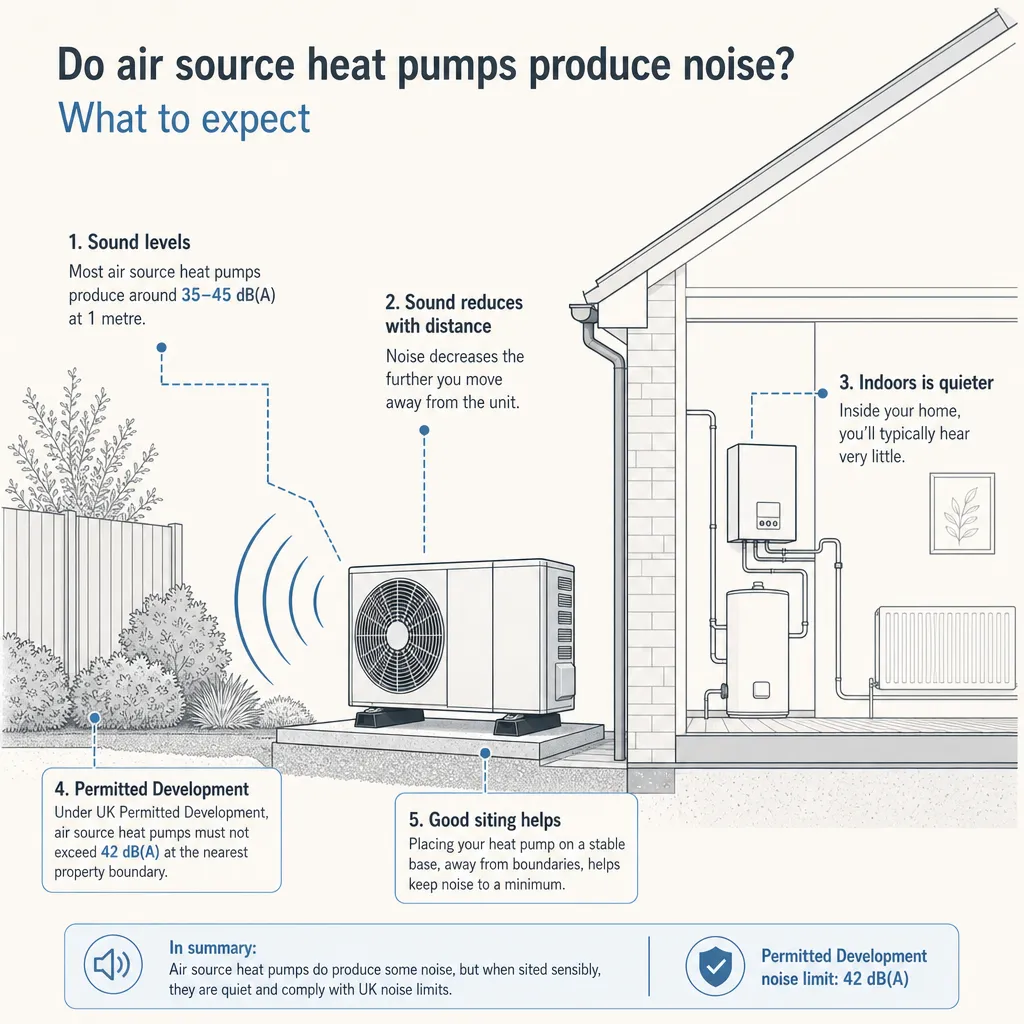 Energy & Retrofit
Do air source heat pumps produce noise? What to expect
Air source heat pumps produce a continuous low-level hum, typically 40–55 dB at one metre — similar in volume to a refrigerator or quiet background noise.
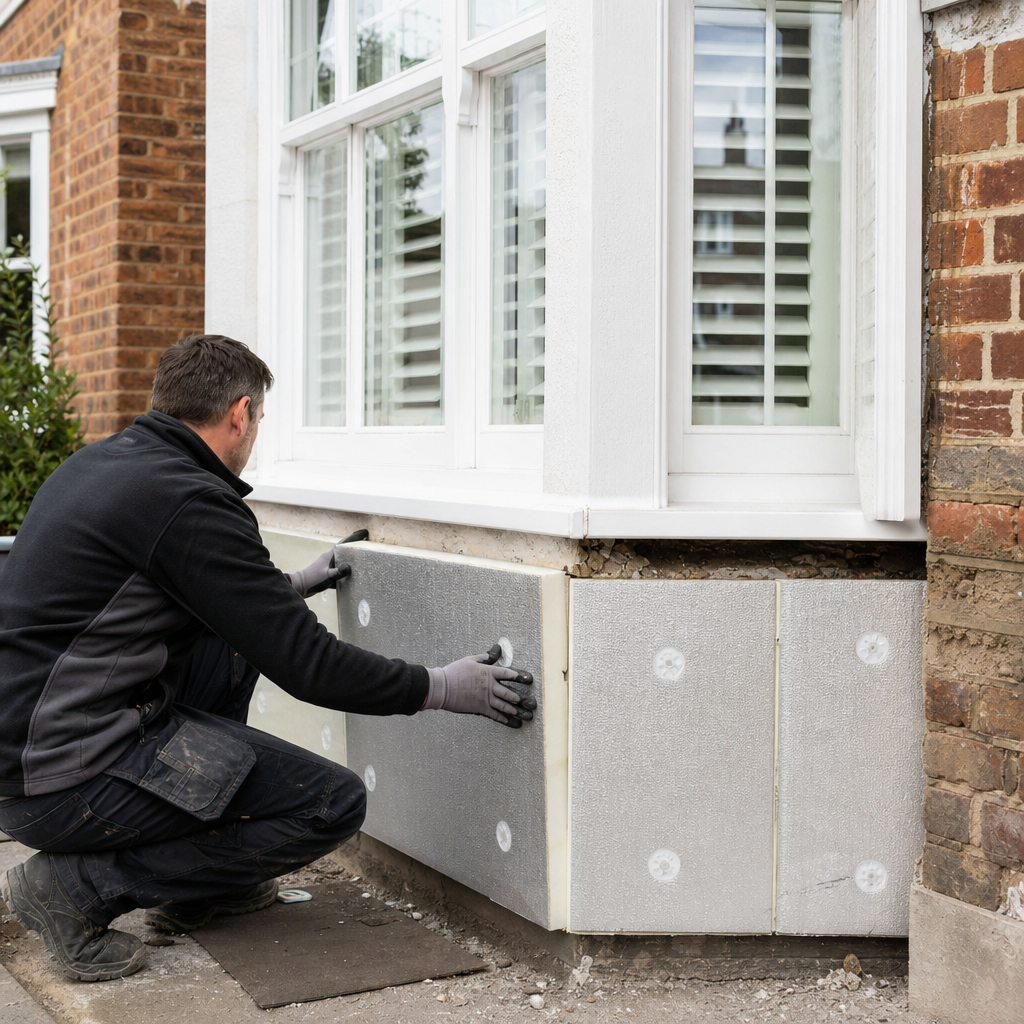 Energy & Retrofit
Insulating Solid Masonry Walls Under Bay Windows: Technical Guidance
Insulating solid masonry walls under bay windows requires specialist detailing at angled wall faces, window reveals, and the bay floor and ceiling junctions.
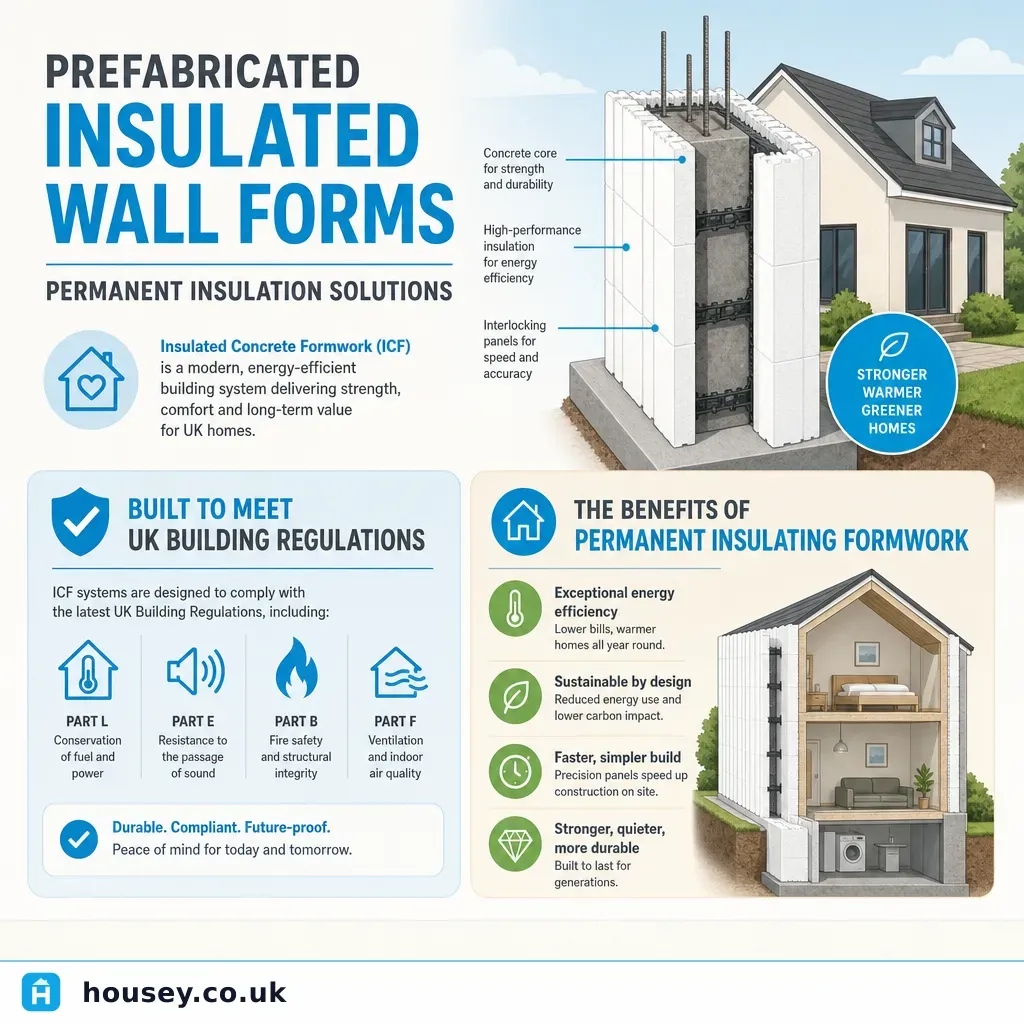 Energy & Retrofit
Prefabricated Insulated Wall Forms: Permanent Insulation Solutions
Prefabricated insulated wall forms — including ICF and SIPs systems — deliver high thermal performance by combining permanent insulation with structural concrete or timber in a single wall assembly.
 Energy & Retrofit
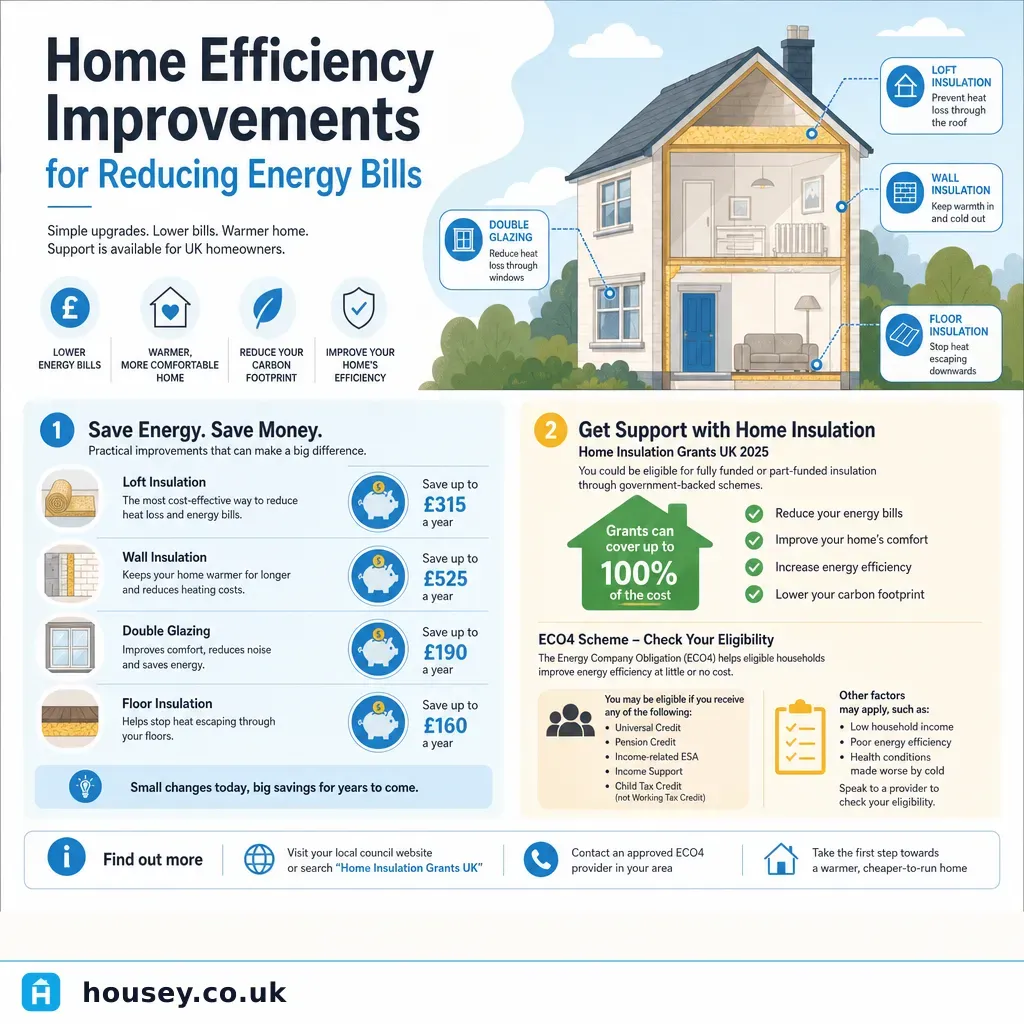
Home Efficiency Improvements for Reducing Energy Bills
The most cost-effective UK home efficiency improvements are usually loft insulation, cavity wall insulation, draught-proofing, and upgrading heating controls.
 Energy & Retrofit
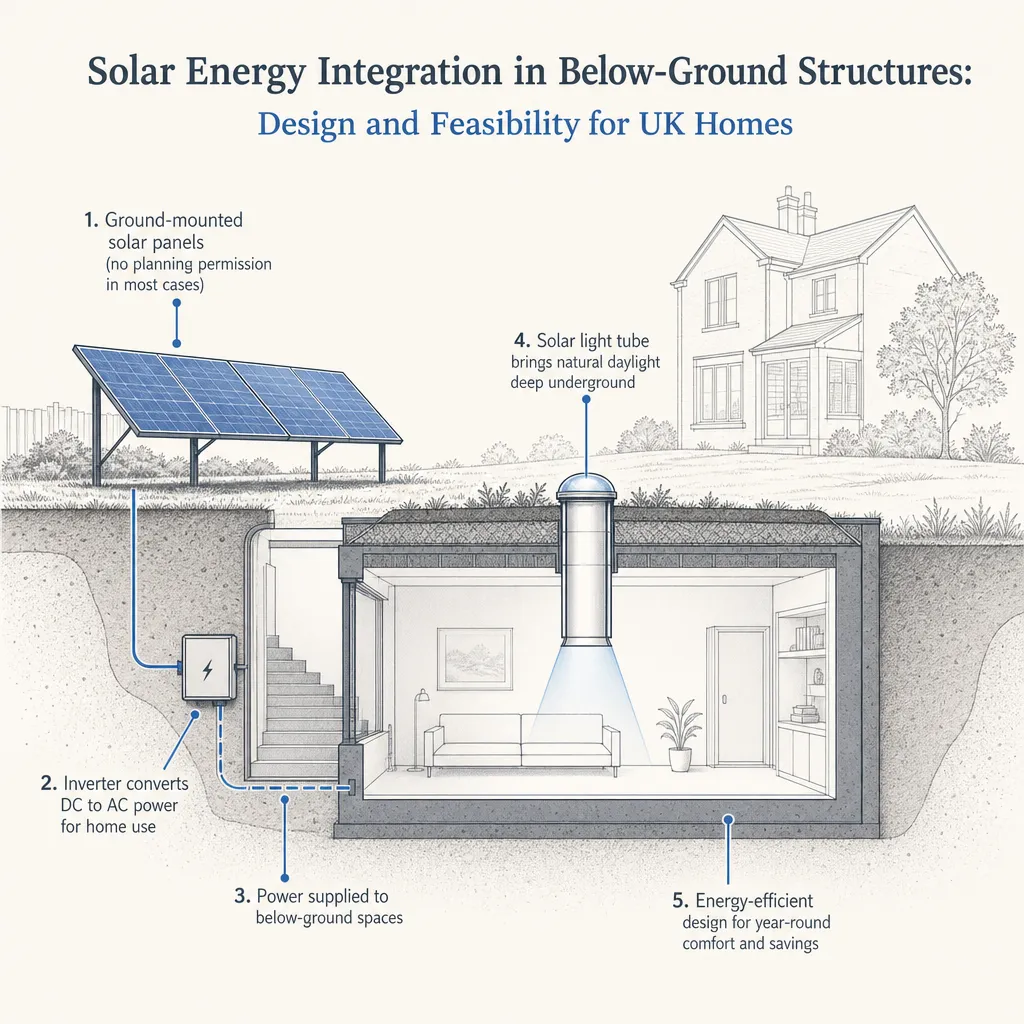
Solar Energy Integration in Below-Ground Structures: Design and Feasibility
Below-ground structures cannot host solar panels on their own roofs but can use surface-mounted panels connected via cable runs, solar light tubes for daylighting, and battery storage.