Assessing Fire Damage to Concrete Structures: Repair and Restoration
By Housey · Last reviewed 24th of May 2026
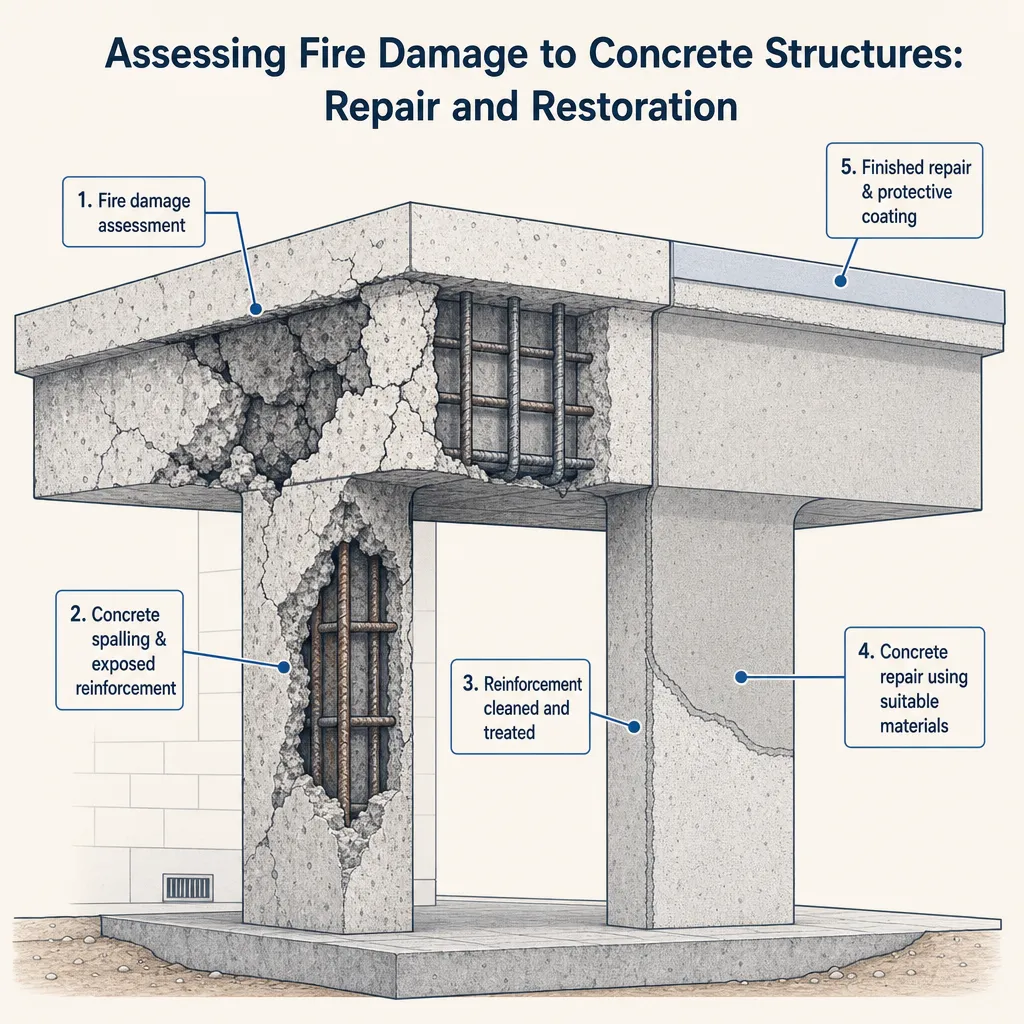
Assessing Fire Damage to Concrete Structures: Repair and Restoration
When a building fire affects reinforced or plain concrete elements — floors, columns, walls, or a structural frame — the implications are not always visible to the untrained eye. Discolouration and surface spalling may hint at deeper damage, but the critical question is how far heat has penetrated the cross-section and whether load-bearing capacity remains. For UK building owners, understanding how professional engineers assess and repair fire-damaged concrete is the essential first step towards safe reinstatement.
Key points
- Concrete changes colour at progressively higher temperatures: pink-red tones appear above approximately 300 °C, grey above 600 °C, and buff or cream above 900 °C — colour mapping is a standard diagnostic tool used by structural engineers.
- Explosive spalling is more likely in high-strength or dense concrete and in elements with high moisture content at the time of the fire.
- Reinforcing steel loses around 50% of its yield strength at 600 °C; if rebar reaches this temperature, structural integrity may be compromised even where the concrete surface appears intact.
- The Concrete Society's Technical Report 68 (Assessment of Fire-Damaged Concrete Structures and Repair of Concrete) is the principal UK guidance document used by structural engineers for post-fire assessments.
- Repair options range from BS EN 1504-compliant patch mortar and sprayed concrete to full demolition and reconstruction, depending on the depth of damage and residual strength.
How fire affects concrete — zones of damage
Concrete is non-combustible, but prolonged exposure to high temperatures causes progressive chemical and physical changes that reduce strength and stiffness. Structural engineers typically map damage using a zoning system based on the peak temperature reached in each part of the cross-section.
Zone | Peak temperature | Visible signs | Structural implications |
|---|---|---|---|
Zone 1 — unaffected | Below ~250 °C | No colour change; normal surface | Full strength retained |
Zone 2 — mild damage | 250–500 °C | Pink or red discolouration; surface crazing | Moderate strength loss; often repairable |
Zone 3 — severe damage | 500–700 °C | Grey or brown discolouration; spalling; aggregate cracking | Significant strength loss; detailed assessment essential |
Zone 4 — critical damage | Above 700 °C | Light buff or cream colour; extensive spalling; friable surface | Severe strength loss; replacement usually necessary |
Reference: Concrete Society Technical Report 68.
The depth of each zone through the concrete section — determined by core sampling and chemical testing — tells the engineer how much of the original cross-section remains structurally effective.
The structural assessment process
A post-fire assessment of concrete typically follows four phases.
Phase 1 — Preliminary inspection
A chartered structural engineer or specialist concrete technologist visits once the structure is safe to enter (fire brigade clearance required first). They record visual evidence: fire-load distribution, burn patterns, soot deposits, spalling locations, and any visible deflection or movement in slabs and beams.
Phase 2 — Sampling and testing
Core samples are drilled from key structural elements and sent to a laboratory. Residual compressive strength is measured by crushing the cores. Phenolphthalein solution applied to cut core faces reveals the damage-zone boundary: concrete that carbonated above 250–300 °C shows no colour change, allowing engineers to map the depth of thermal exposure precisely.
Phase 3 — Structural analysis
Using laboratory results and original structural drawings (where available), the engineer calculates residual load capacity. This determines which elements can be repaired, which need strengthening, and which must be demolished and rebuilt.
Phase 4 — Repair specification
The engineer produces a Schedule of Works specifying repair methods, materials, surface preparation requirements, and quality-control hold points. This document is essential for insurance claims, building control applications, and contractor tendering.
Repair options for fire-damaged concrete
The repair strategy depends on the depth and extent of damage across the damage zones.
- Patch repair with cementitious mortar: Suited to localised, shallow spalling in Zone 2. Damaged concrete is cut back to sound material, rebar is cleaned and treated with reinforcement primer, and repair mortar is applied in layers. All materials must comply with BS EN 1504 (Products and Systems for the Protection and Repair of Concrete Structures).
- Sprayed concrete (shotcrete or gunite): Used for larger or less accessible areas — soffits, column faces, and vaulted surfaces. Concrete is applied pneumatically at high velocity, achieving strong bond to prepared substrates.
- Structural jacketing: A new concrete or steel jacket is cast around a fire-damaged column or beam, restoring or increasing load capacity without full demolition of the existing element.
- Carbon fibre reinforced polymer (CFRP) wraps: Applied externally to columns or beams to restore confinement and shear capacity — less disruptive than jacketing but requiring specialist structural design.
- Cathodic protection: Where exposed rebar has partially corroded during the fire and subsequent wetting, installed cathodic protection systems prevent ongoing electrochemical deterioration.
Red flags that indicate severe structural compromise
Certain signs suggest damage may be beyond economic repair and that structural safety is at immediate risk:
- Columns or walls showing measurable lean or buckling
- Cracks wider than 3 mm in columns, beams, or slab soffits
- Rebar that is exposed and visibly distorted or elongated — indicating the steel yielded under load during the fire
- Visible deflection in slabs or beams
- Hollow or drumming sounds across large areas when tapped, indicating delamination at depth
- Aggregate popping or crazing across the full section face rather than the surface only
If any of these signs are present, a full chartered structural engineer assessment is essential before any remedial or reinstatement work begins.
Important limitations
This article provides general information about how fire-damaged concrete is assessed and repaired in UK practice. Every structure, fire event, and post-fire scenario is different — fire duration, original concrete mix design, reinforcement details, cooling method (water-quenched or air-cooled), and the building's pre-fire condition all affect the outcome. Nothing in this guide constitutes a structural assessment of any specific building. Only a chartered structural engineer or specialist concrete technologist, inspecting your property in person, can determine what repair or demolition is required.
When to get professional help
Do not re-enter a fire-damaged building until the fire brigade, building control, or a chartered structural engineer has confirmed it is safe to do so. Evacuate immediately if any structural element shows visible deflection, lean, or collapse risk.
Engage a structural engineer — ideally a member of the Institution of Structural Engineers (IStructE) with specific experience in fire-damaged concrete — if:
- Any concrete column, wall, slab, or beam was directly exposed to flames for more than a few minutes
- Spalling, cracking, or significant colour change is visible on any load-bearing element
- Your insurer requires a structural engineer's report before approving reinstatement costs
- The building is a multi-storey reinforced concrete frame structure
What to ask a qualified professional
- Are you a chartered member of IStructE or RICS with specific experience assessing fire-damaged concrete?
- Will the assessment include laboratory testing of core samples, or is it limited to a visual inspection?
- Will you produce a written report specifying repair zones, residual strength estimates, and a Schedule of Works?
- Which British Standard or Concrete Society guidance will the repair specification follow?
- Can you advise on building control notification requirements for the reinstatement works?
- Will you provide site supervision at key stages during repairs to verify compliance with your specification?
How Housey can help
Housey connects UK building owners with vetted structural engineers and fire risk assessors. Whether you need a preliminary structural survey of fire-damaged concrete or a full reinstatement specification, compare quotes from qualified local professionals through our fire risk assessments service.
Frequently asked questions
How do structural engineers assess the depth of fire damage in concrete?
Engineers drill core samples from key structural elements and apply phenolphthalein solution to the cut face — the colour boundary indicates where temperatures exceeded approximately 250–300 °C. Residual compressive strength is measured by crushing the cores in a laboratory press. This data maps the damage zone boundary and informs the repair specification and Schedule of Works.
Can fire-damaged concrete be repaired rather than replaced?
In many cases, yes — particularly where damage is localised to the surface or confined to Zone 2. Patch repairs using BS EN 1504-compliant mortars, sprayed concrete, or structural jacketing can restore load capacity. Where the full cross-section of a load-bearing element is severely affected, replacement is often the safer and more economic choice in the long run.
What causes explosive spalling in concrete during a fire?
Spalling occurs when steam pressure builds up inside the concrete section faster than it can escape. It is more common in dense, low-permeability mixes, elements with high pre-fire moisture content, and rapidly heated concrete. Siliceous aggregate — flint, quartzite — is more prone to thermal disruption than limestone aggregate, which decomposes more gradually at high temperatures.
Does fire damage to concrete affect my building insurance claim?
Yes — insurers typically require a structural engineer's report to quantify damage and validate reinstatement costs. Some policies require repair methods to be agreed in advance. Instructing an independent engineer, rather than relying solely on an insurer-appointed assessor, protects your position, particularly for complex or multi-storey structures.
Sources and further reading
- Technical Report 68: Assessment of Fire-Damaged Concrete Structures — The Concrete Society
- BS EN 1504: Products and Systems for the Protection and Repair of Concrete Structures — BSI Group
- Structural safety in construction — Health and Safety Executive
- Guidance on structural fire engineering — Institution of Structural Engineers
- RICS guidance on building surveys and inspections — RICS
Useful next reads
 Surveys & Inspections
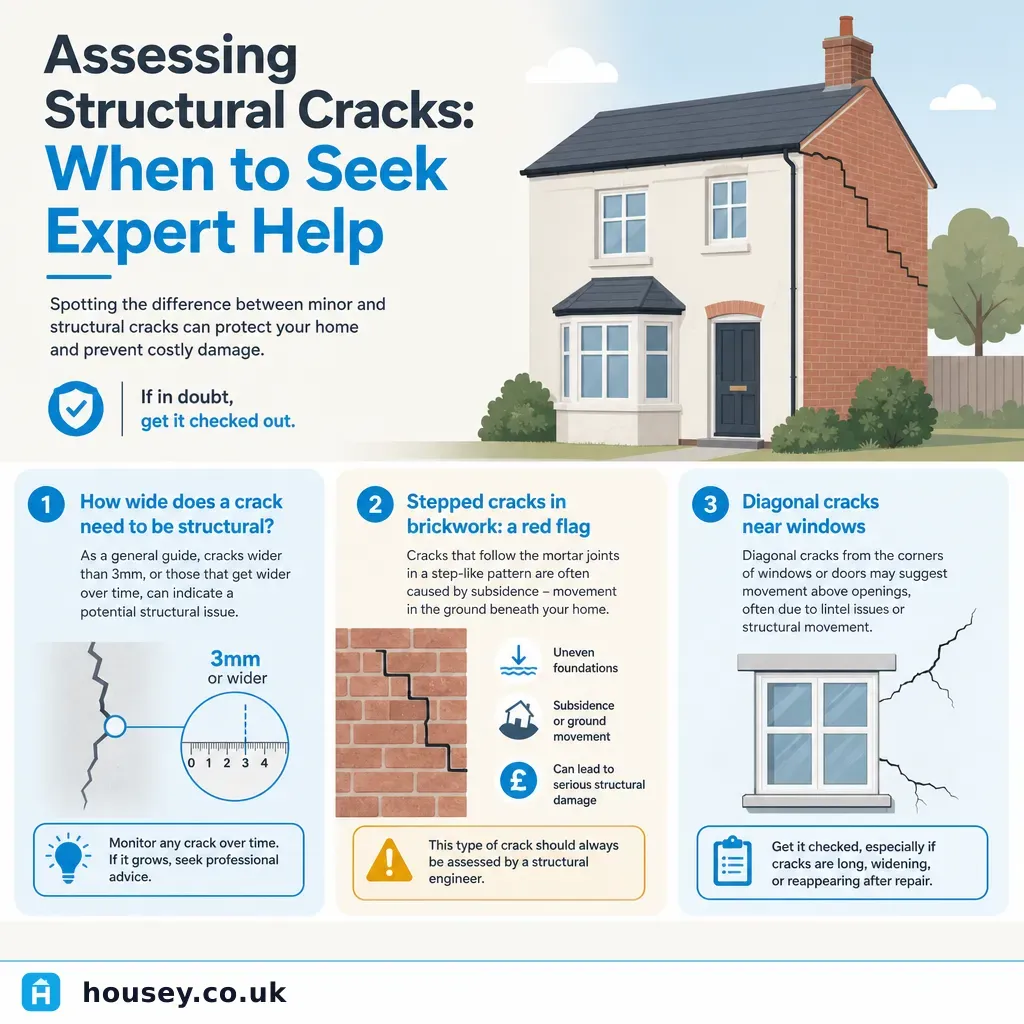
Assessing Structural Cracks: When to Seek Expert Help
Structural cracks range from harmless shrinkage hairlines to signs of subsidence or foundation movement.
 Surveys & Inspections
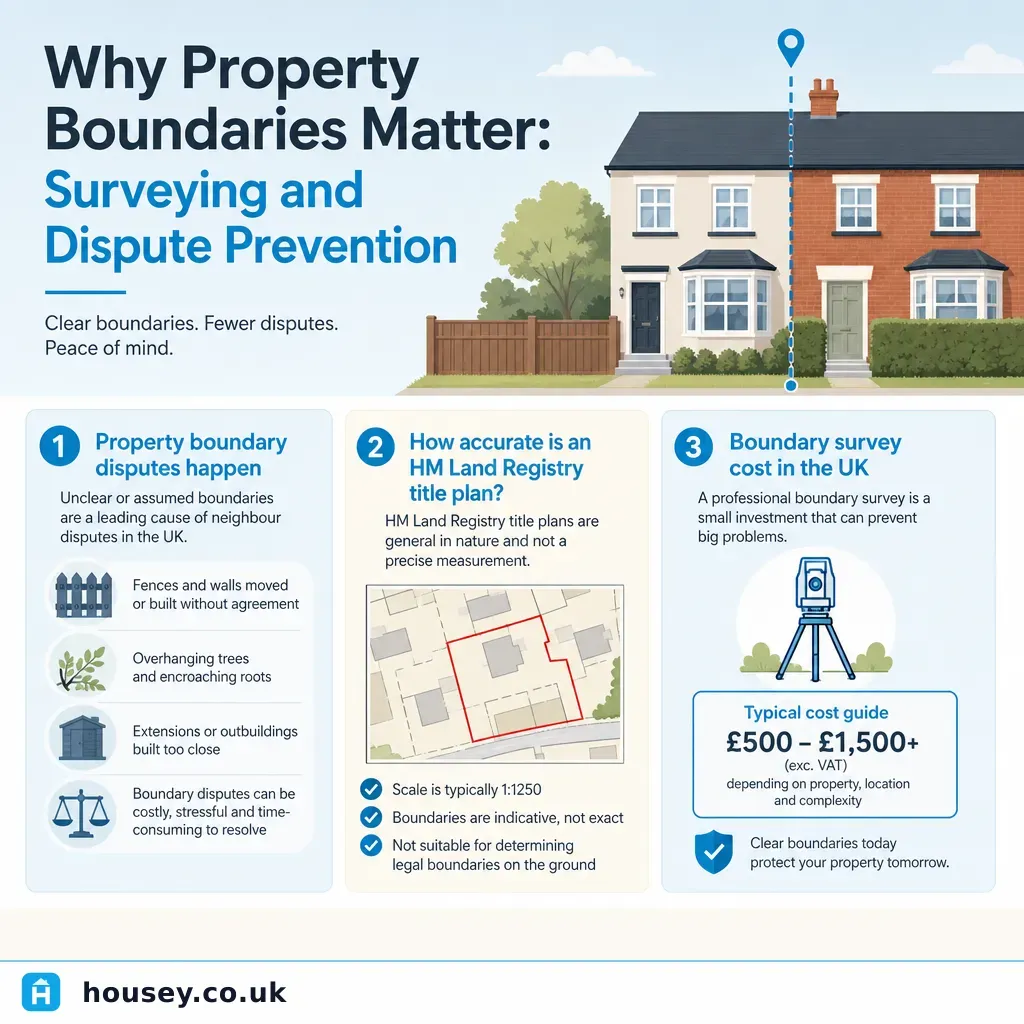
Why Property Boundaries Matter: Surveying and Dispute Prevention
Property boundaries in England and Wales are recorded as general boundaries by HM Land Registry — not precise measurements.
 Surveys & Inspections
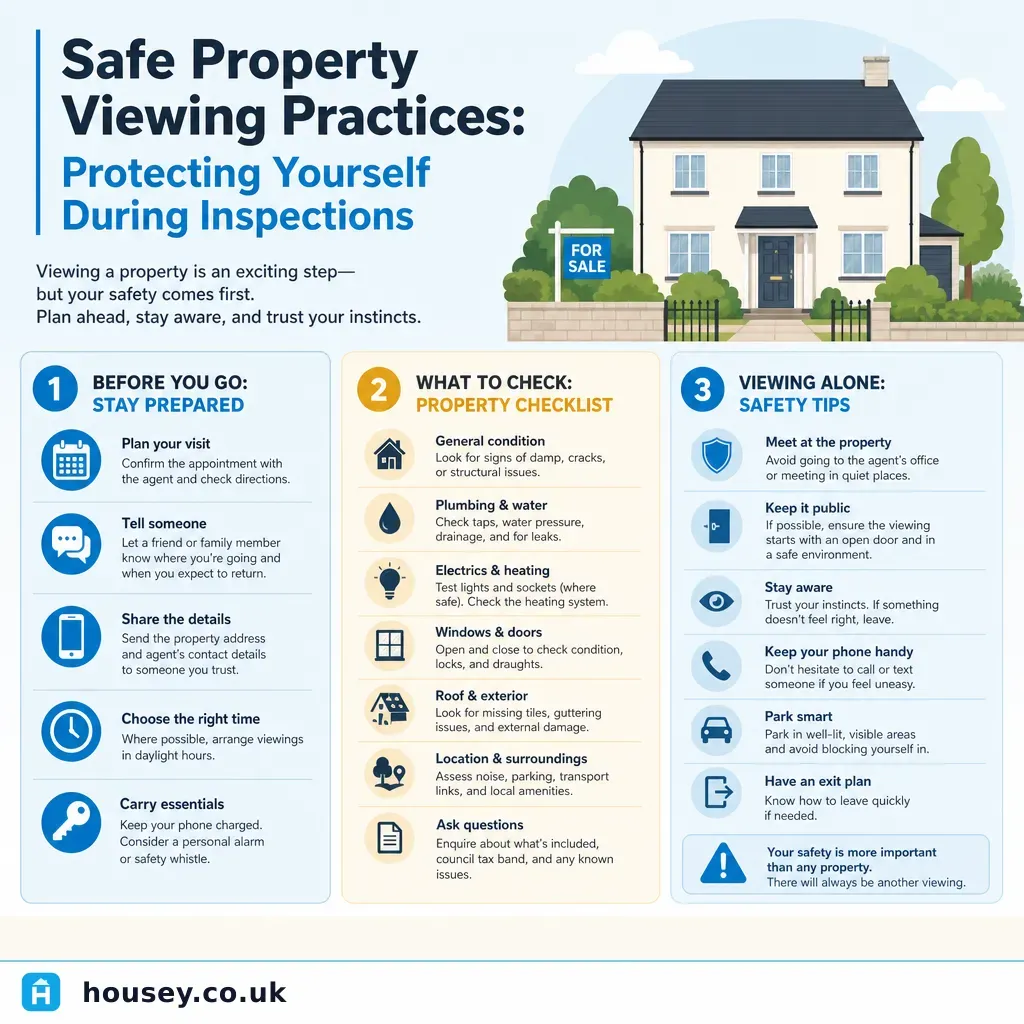
Safe Property Viewing Practices: Protecting Yourself During Inspections
When viewing a property in the UK, always tell someone where you are going and share the full address before you leave.
 Surveys & Inspections
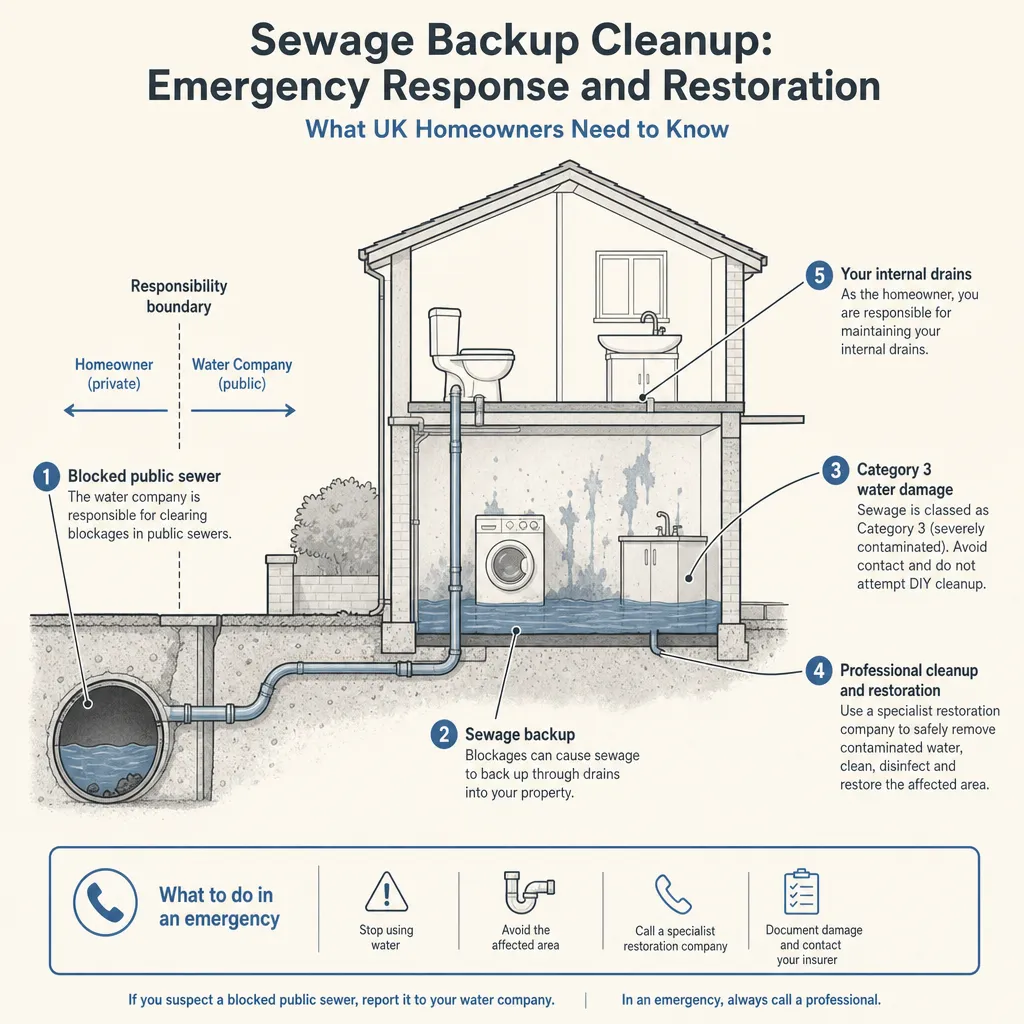
Sewage Backup Cleanup: Emergency Response and Restoration
A sewage backup should be treated as a Category 3 contamination event.
 Surveys & Inspections
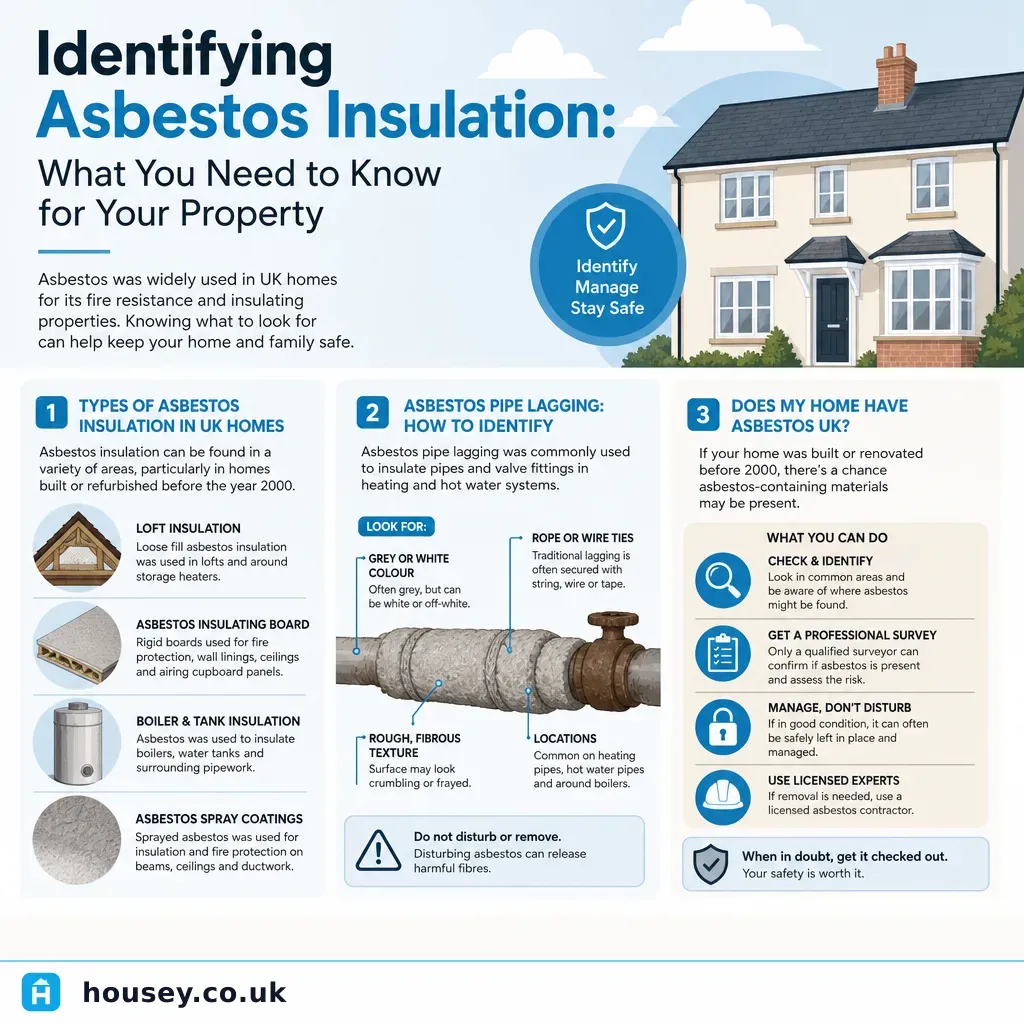
Identifying Asbestos Insulation: What You Need to Know for Your Property
Asbestos insulation was widely used in UK properties built before 2000, commonly found in pipe lagging, ceiling tiles, loose-fill loft insulation, and around boilers.