Knowledge Base
Property advice that actually helps
Researched, UK-specific guides for every stage of homeownership — from buying and surveys to retrofit, planning and major works.
 Surveys & Inspections
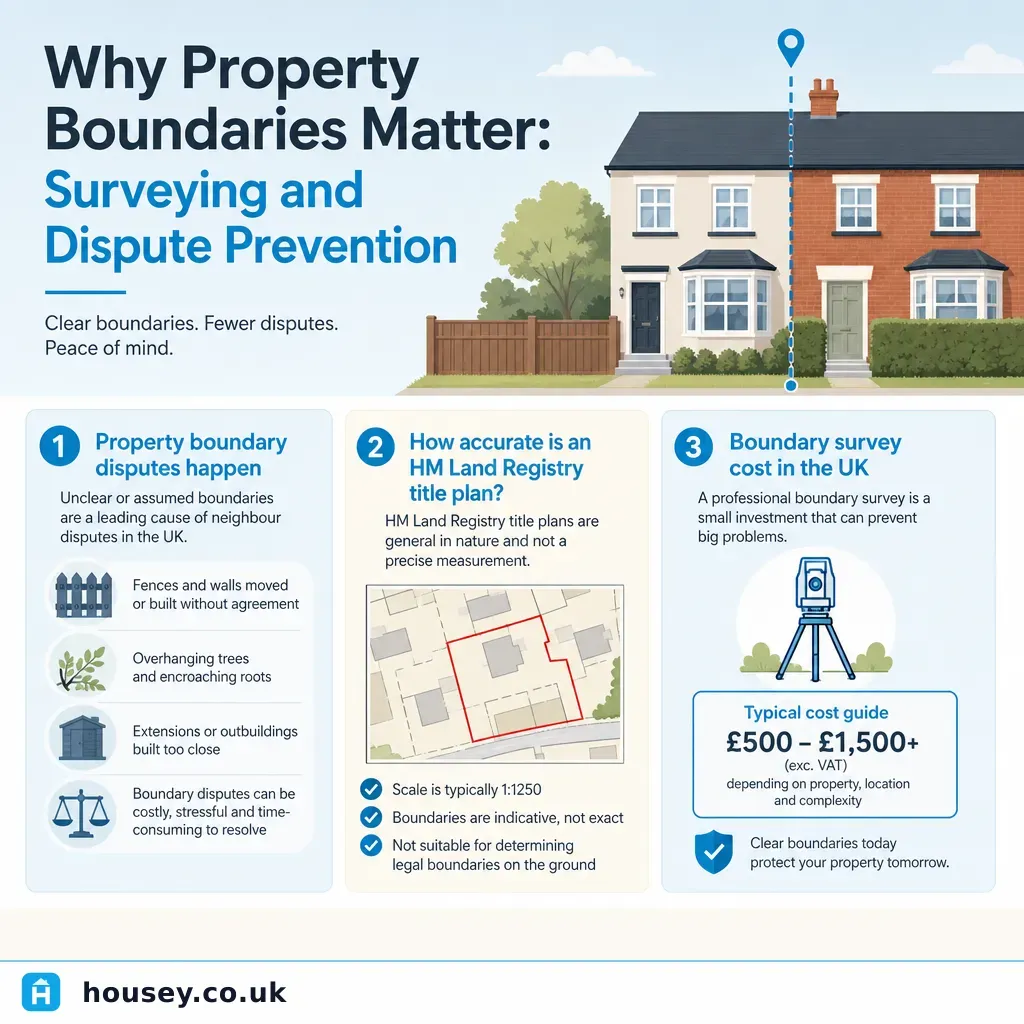
Why Property Boundaries Matter: Surveying and Dispute Prevention
Property boundaries in England and Wales are recorded as general boundaries by HM Land Registry — not precise measurements. A Chartered Land Surveyor can map your physical boundary against the title plan, which matters most when planning extensions, erecting fences, or resolving neighbour disputes. Early professional surveying is almost always cheaper than legal proceedings.
 Surveys & Inspections
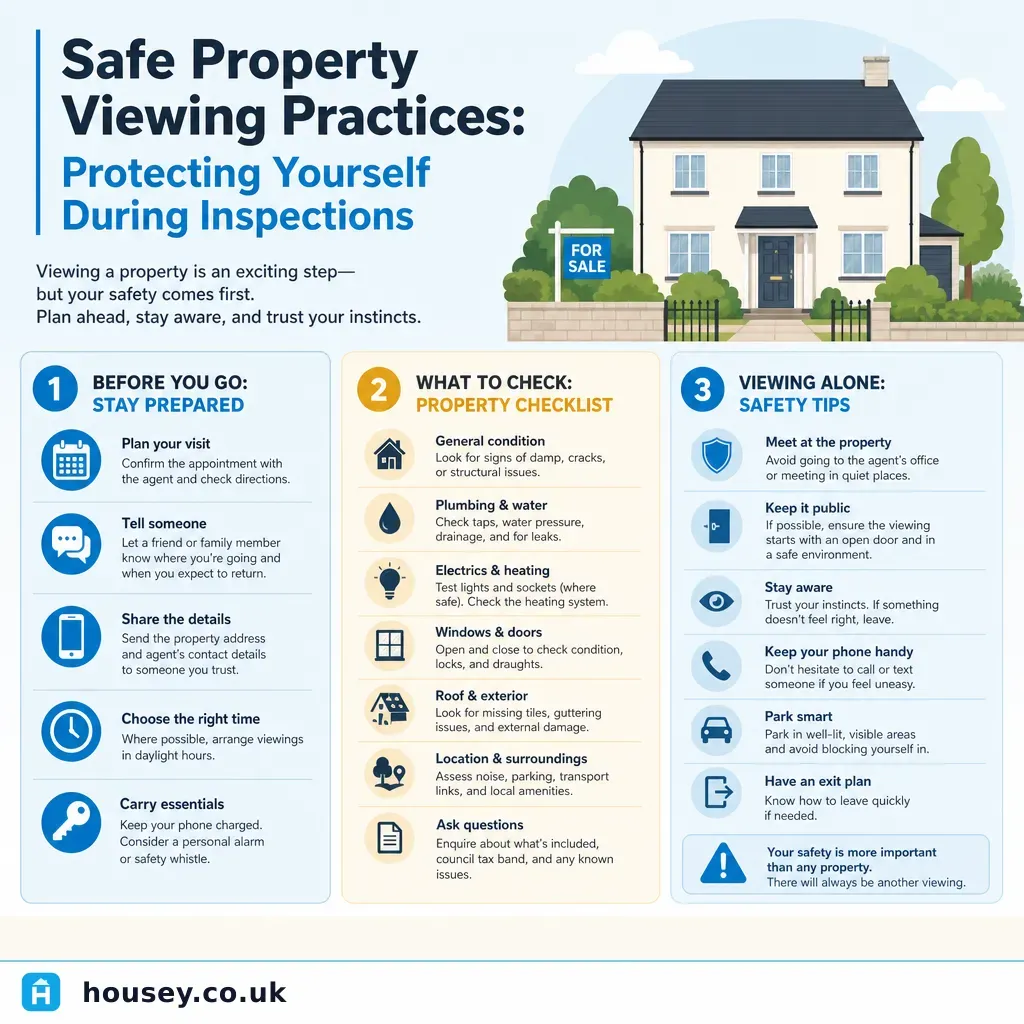
Safe Property Viewing Practices: Protecting Yourself During Inspections
When viewing a property in the UK, always tell someone where you are going and share the full address before you leave. Attend agent-accompanied viewings where possible, especially for first visits. Use second viewings to check structure, damp, and services more carefully. Take notes and photos as you go, and never feel pressured to make on-the-spot decisions.
 Surveys & Inspections
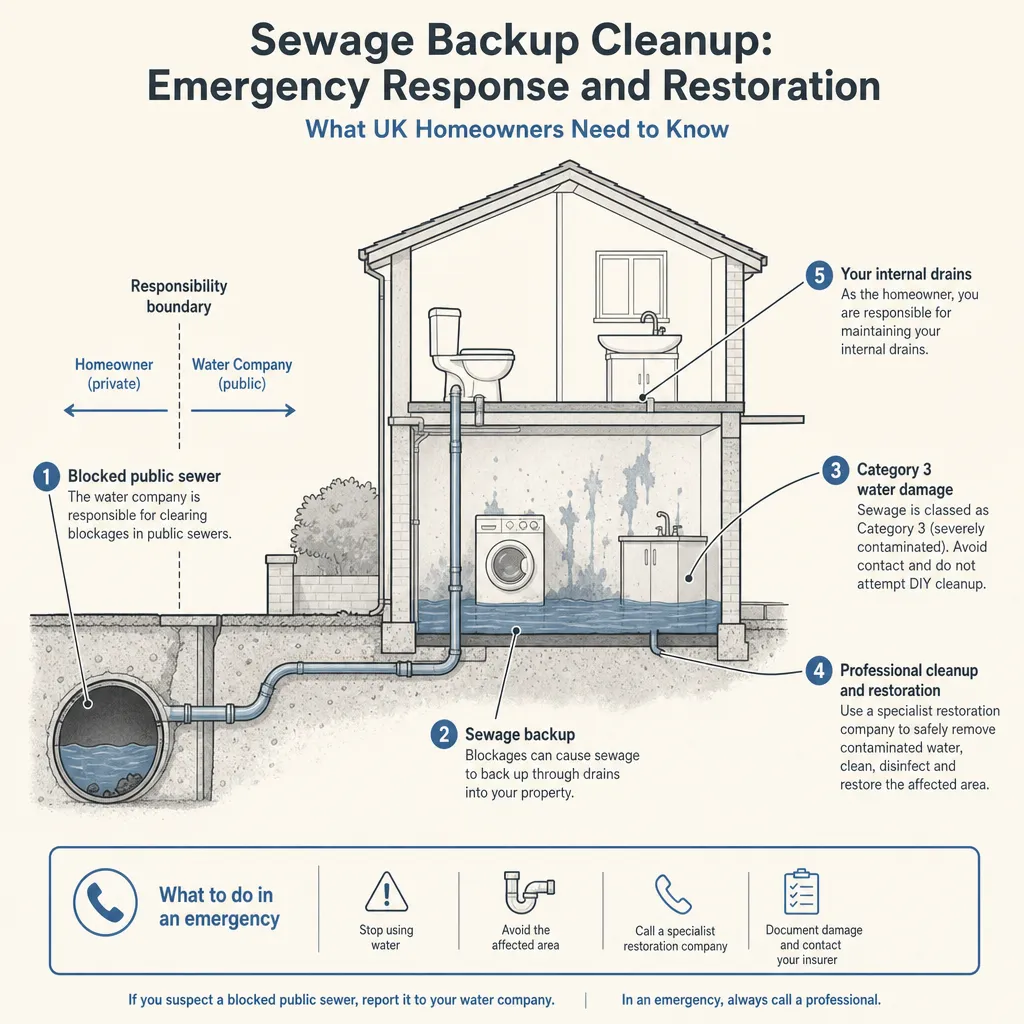
Sewage Backup Cleanup: Emergency Response and Restoration
A sewage backup should be treated as a Category 3 contamination event. Do not attempt DIY cleanup; contact a specialist drainage contractor immediately. Establish whether the blocked drain is private or falls under your water company's responsibility. A CCTV drain survey will identify the underlying cause and help prevent recurrence.
 Surveys & Inspections
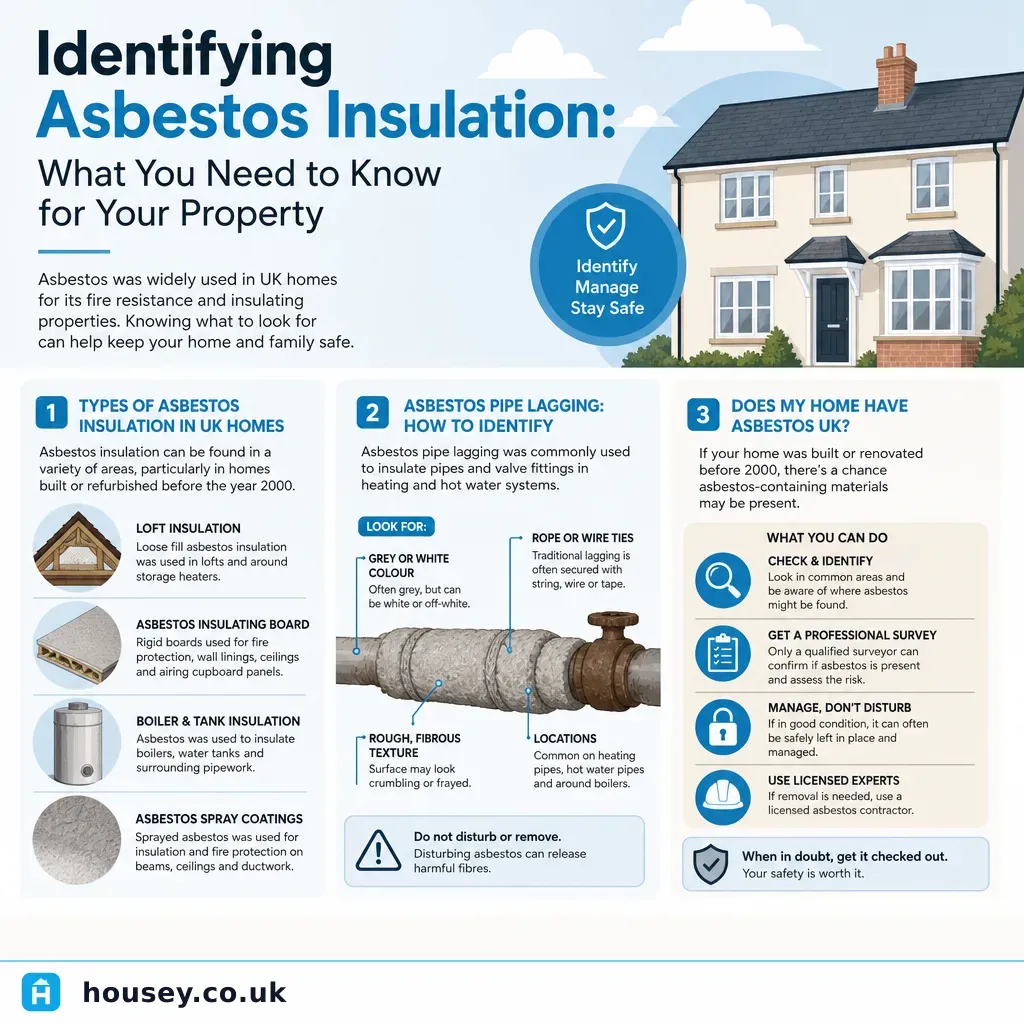
Identifying Asbestos Insulation: What You Need to Know for Your Property
Asbestos insulation was widely used in UK properties built before 2000, commonly found in pipe lagging, ceiling tiles, loose-fill loft insulation, and around boilers. You cannot confirm asbestos by sight alone — only laboratory testing of a sample proves its presence. Never disturb suspect material; arrange a survey with a UKAS-accredited asbestos surveyor before any renovation work.
 Surveys & Inspections
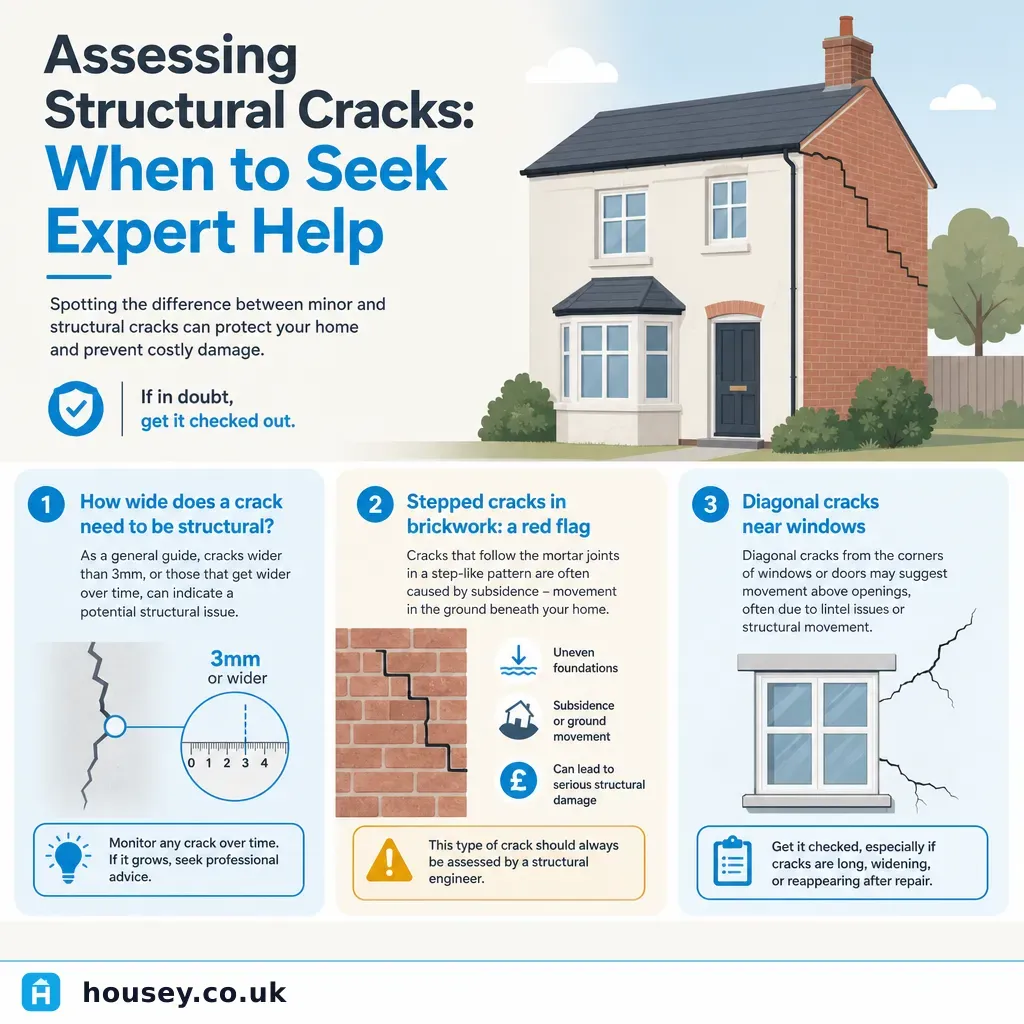
Assessing Structural Cracks: When to Seek Expert Help
Structural cracks range from harmless shrinkage hairlines to signs of subsidence or foundation movement. In UK homes, cracks wider than 5 mm, stepped cracks through brickwork mortar joints, diagonal cracks near openings, or any crack that is actively widening should be assessed by a chartered surveyor or structural engineer. Stable cracks under 5 mm can usually be monitored first.
 Surveys & Inspections
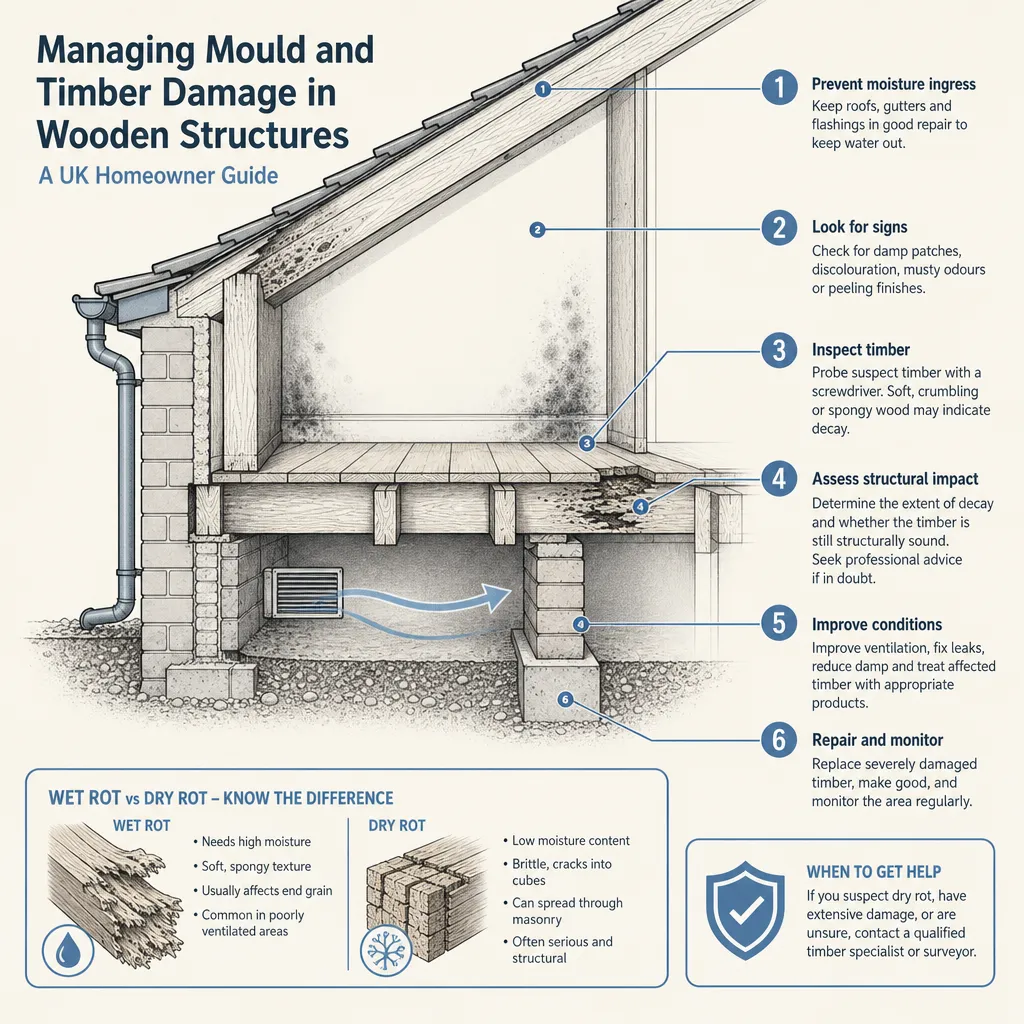
Managing Mould and Timber Damage in Wooden Structures
Mould and timber decay in wooden structures are usually symptoms of excess moisture rather than standalone problems. Wet rot affects localised damp timber; dry rot spreads aggressively through masonry and can compromise structural integrity. Both require a professional assessment to identify the moisture source before any treatment — addressing moisture first is the only lasting fix.
 Surveys & Inspections
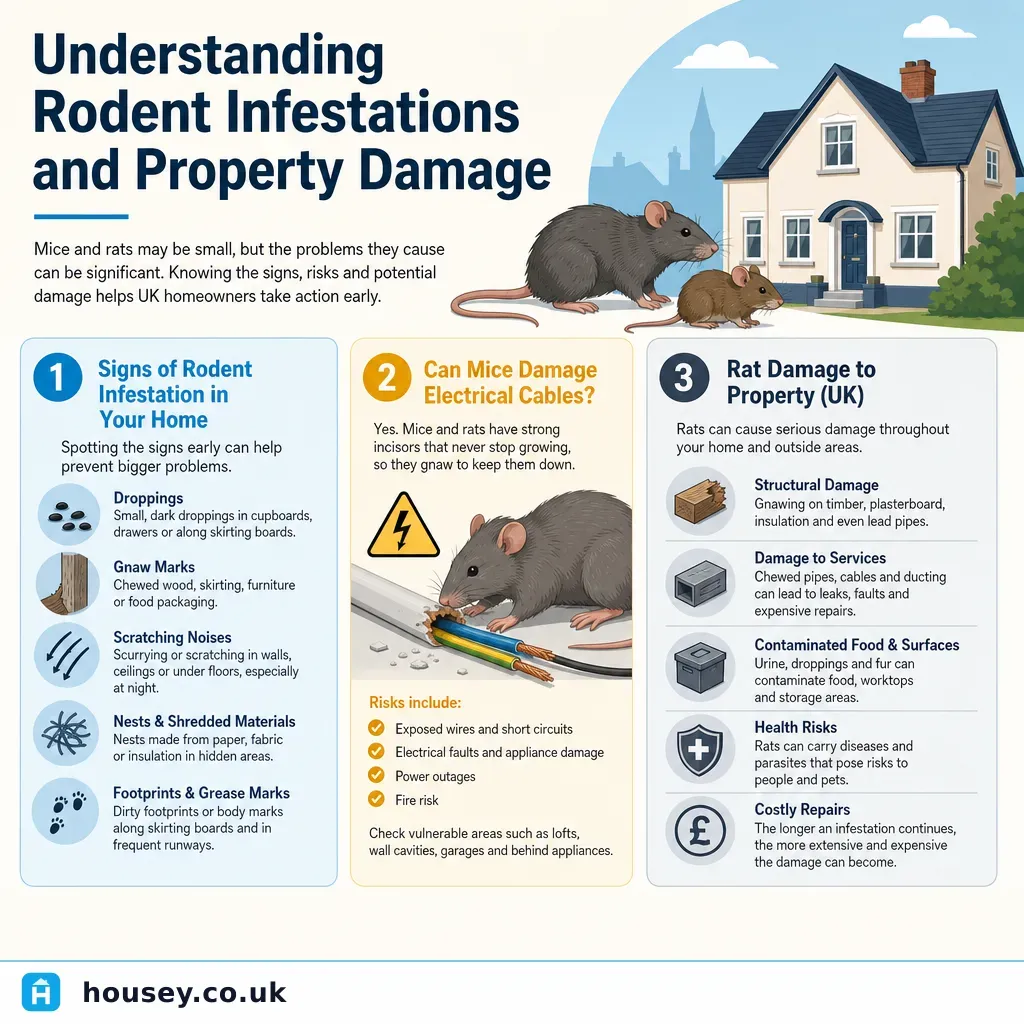
Understanding Rodent Infestations and Property Damage
Rats and mice can cause significant property damage in UK homes, including gnawed electrical cables that create fire risk, damaged pipework causing hidden leaks, and burrowing near foundations in older properties. Signs include droppings, grease marks, gnaw damage, and disturbed insulation in roof voids. After treatment, a professional inspection is advisable where infestation was prolonged or structural damage is suspected.
 Surveys & Inspections
How Professional Home Surveys Deliver Real Value For Buyers
A professional home survey by a RICS-registered surveyor can identify defects, legal compliance gaps, and cost liabilities before exchange of contracts, giving buyers an evidence base for negotiation or withdrawal. For most properties, a RICS Level 2 or Level 3 survey is the most cost-effective way to understand what you are buying and reduce the risk of expensive post-purchase surprises.
 Surveys & Inspections
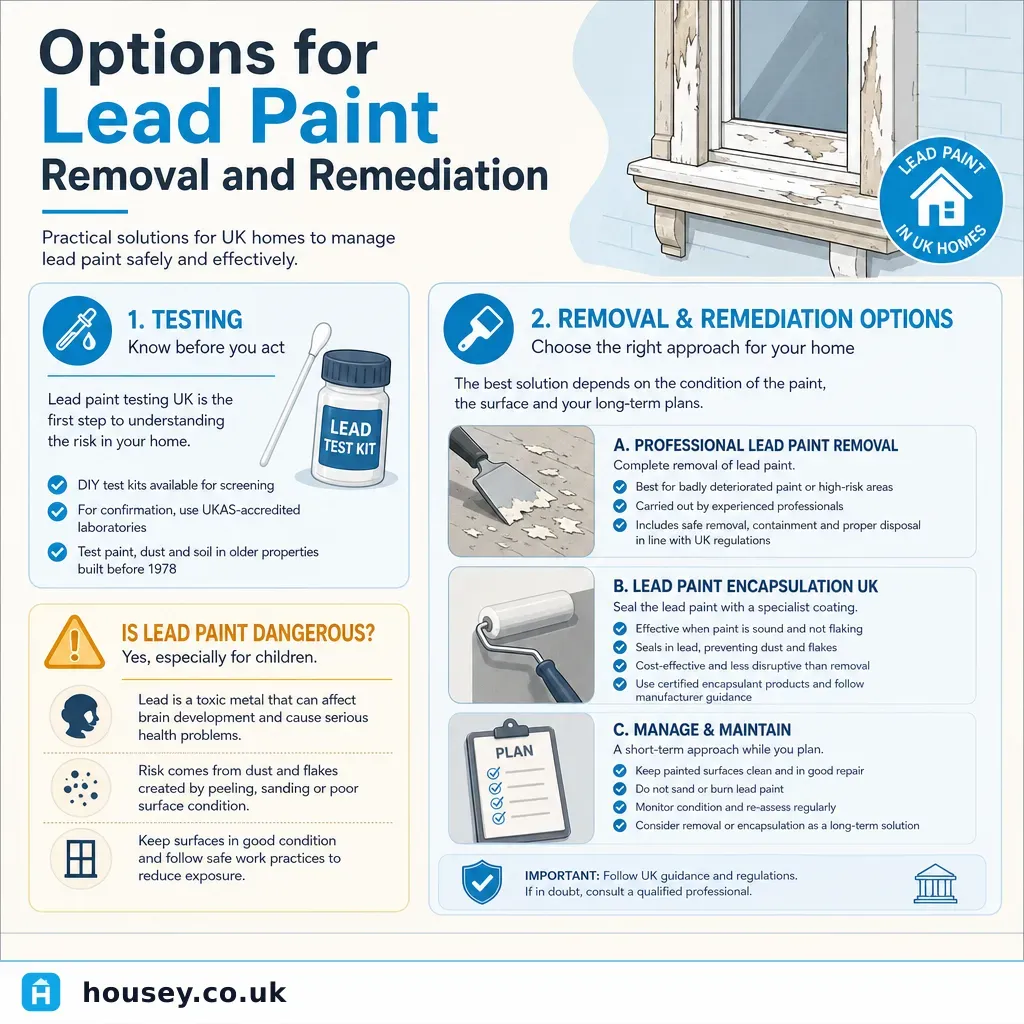
Options for Lead Paint Removal and Remediation
Lead paint in UK homes built before 1960 is common and not automatically hazardous if in good condition. Options include risk assessment, encapsulation (sealing the paint in place), overpainting, or full removal by a licensed contractor. Disturbance — sanding, scraping, or drilling — creates dangerous lead dust. Always test before major works and follow HSE guidance on COSHH controls.
 Surveys & Inspections
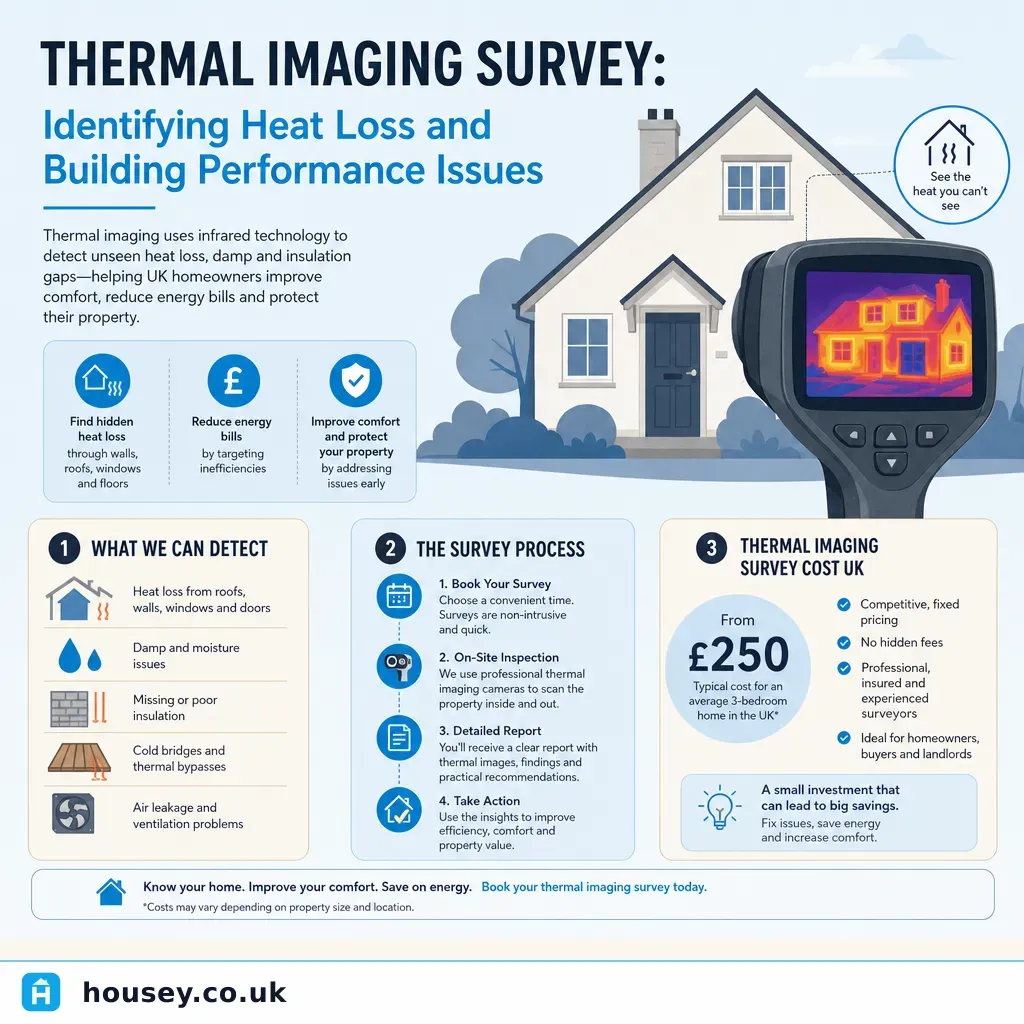
Thermal Imaging Survey: Identifying Heat Loss and Building Performance Issues
A thermal imaging survey uses an infrared camera to show temperature differences across walls, ceilings, and floors, revealing insulation gaps, cold bridges, and air leakage. A domestic survey typically costs £250–£600. Results are most reliable in winter when there is at least a 10°C temperature differential between inside and outside, and the property has been heated for 24 hours beforehand.
 Surveys & Inspections
Buying a Seaside Property: What to Check Before You Exchange
Coastal properties face higher risks from salt spray, damp, flooding, and erosion than inland homes. Before exchanging, commission a RICS Level 3 Building Survey from a surveyor with maritime experience, check the Environment Agency flood map, review the NCERM coastal erosion data for that shoreline, and confirm buildings insurance is available at a reasonable cost.
 Surveys & Inspections
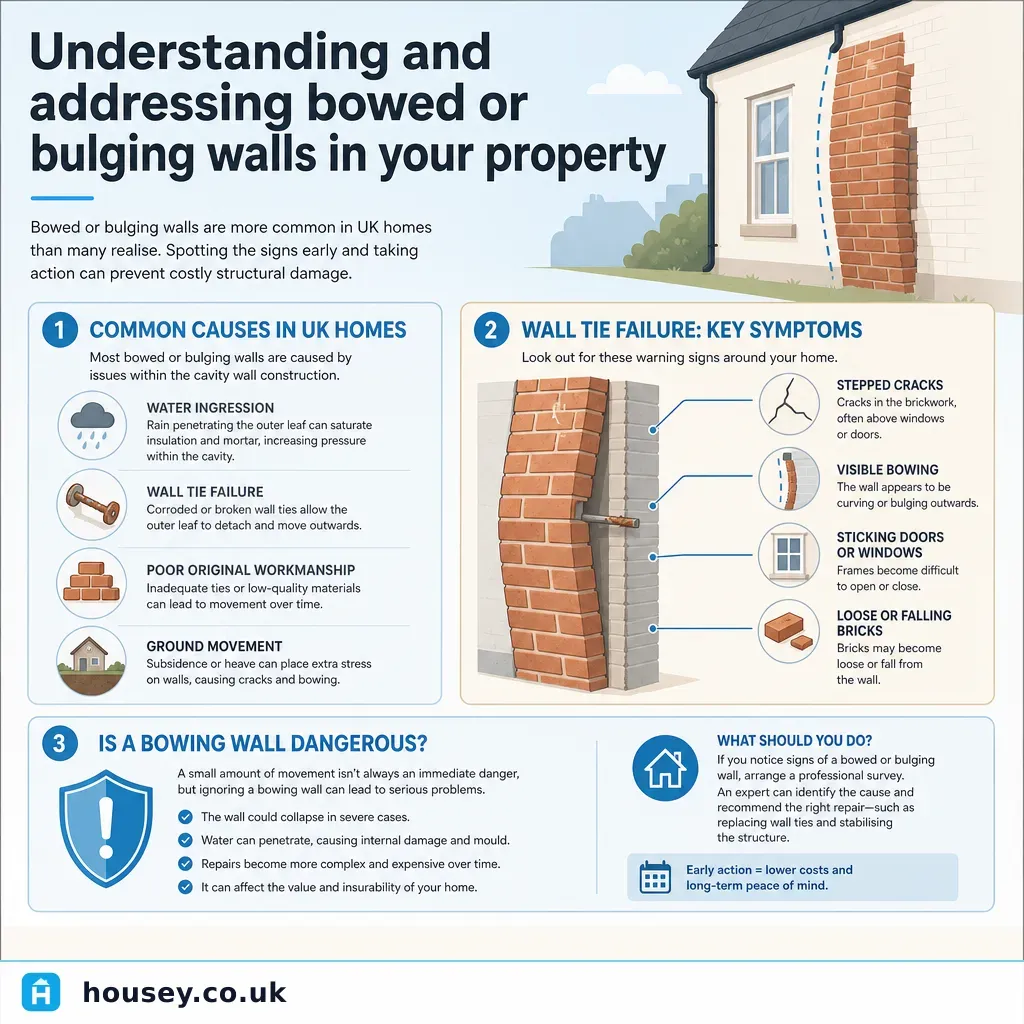
Understanding and addressing bowed or bulging walls in your property
A bowed or bulging wall may indicate wall tie failure, foundation movement, or overloading. The right response depends on severity and cause. Minor historic movement is sometimes stable, but any wall showing active cracking, visible lean, or rapid change should be assessed by a chartered structural engineer or RICS surveyor without delay.