Planning a Bathroom Refurbishment: Design, Services, and Professional Installation
By Housey · Last reviewed 19th of May 2026
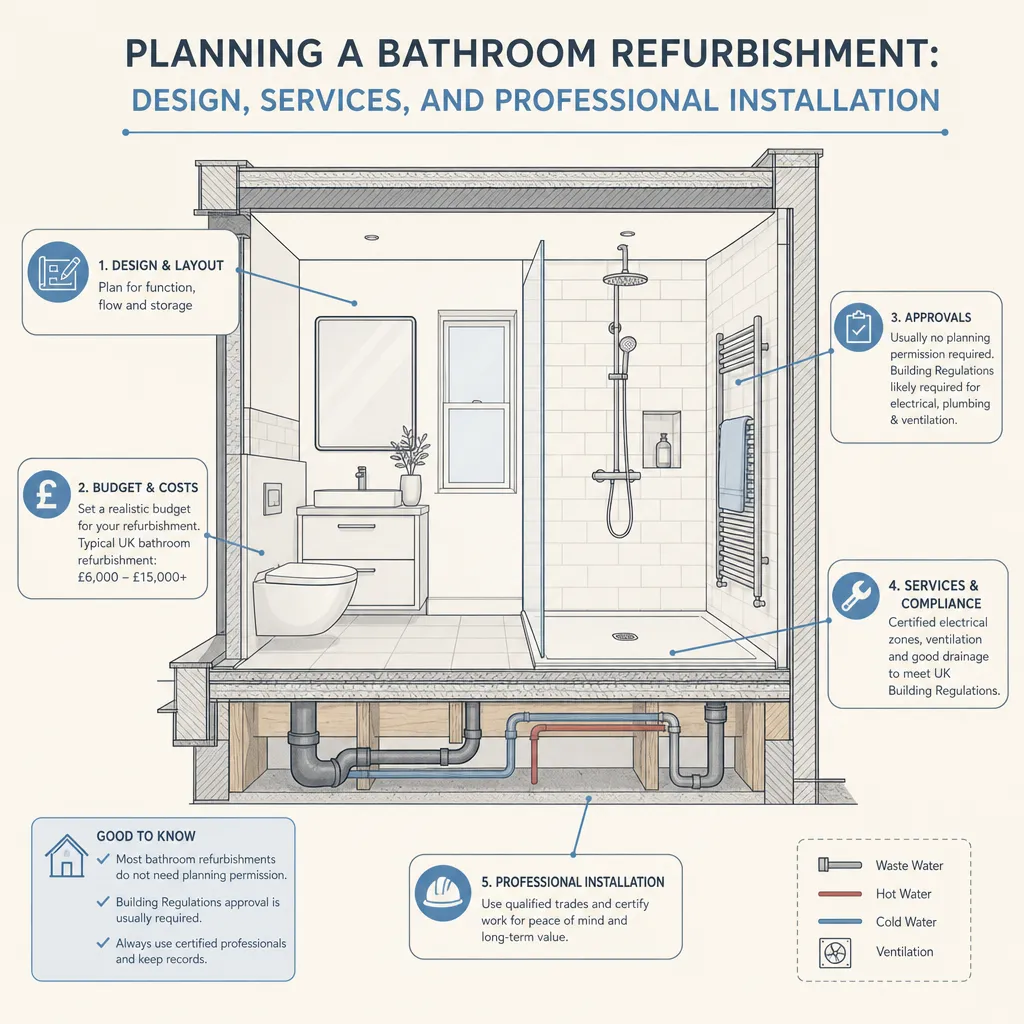
Planning a Bathroom Refurbishment: Design, Services, and Professional Installation
A bathroom refurbishment is one of the most disruptive but rewarding home improvements a UK homeowner can undertake. From a straightforward suite replacement in a 1990s estate house to a full reconfiguration with bespoke tiling and underfloor heating in a Victorian terrace, the scope of work — and the number of trades involved — can vary enormously. Getting the planning right before any work begins saves time, avoids unnecessary costs, and reduces the risk of a poorly coordinated project that runs over budget.
Key points
- A full bathroom refurbishment in the UK typically costs £4,000–£12,000 depending on size, specification, and whether the layout changes; projects with bespoke fittings or structural changes can exceed £20,000 (Indicative UK costs, last reviewed 2026-05-19).
- Any electrical work in bathroom zones defined by BS 7671 (the IET Wiring Regulations) must be carried out by a Part P registered installer, or notified to building control — this is a legal requirement under Building Regulations Approved Document P.
- Mechanical ventilation is required under Building Regulations Approved Document F in bathrooms without openable windows; extractor fans must discharge to the outside, not into a roof void.
- Waterproofing behind tiles in shower enclosures and wet rooms is not always completed to the required standard — inadequate tanking is a leading cause of hidden water damage and subsequent mould growth.
- Planning permission is not usually required for a like-for-like suite replacement; creating a new en-suite, repositioning a soil stack, or converting a bedroom to a bathroom may require planning permission or building control approval.
What does a bathroom refurbishment involve?
The scope of a bathroom project affects which professionals are needed, the likely cost, and whether building regulations approval is required.
Scope | What's involved | Typical trades needed | Building control required? |
|---|---|---|---|
Suite replacement (same positions) | Remove and replace WC, basin, bath; replumb connections | Plumber, possibly tiler | Unlikely unless electrical work in zones |
Full refurbishment (same layout) | New suite, tiling, flooring, lighting, extraction | Plumber, electrician, tiler, decorator | Possibly (Part P electrical work) |
Layout reconfiguration | Move soil stack, relocate suite, alter partitions | Builder, plumber, electrician, tiler | Yes |
Wet room or walk-in shower | Full waterproofing, drainage channel, level-access floor | Specialist installer, plumber, electrician, tiler | Possibly |
New en-suite addition | Room creation, soil stack connection, extraction, electrics | Builder, plumber, electrician, tiler | Yes |
Design decisions to make before you buy anything
Making key design decisions before purchasing fixtures prevents costly returns and layout conflicts.
Layout and soil stack position: The position of the soil stack — the large vertical waste pipe — largely determines where the WC can be located. Moving it is possible but significantly increases cost and disruption. Plan around it where possible and consult a plumber early in the design process.
Suite sizes and clearances: Measure your bathroom precisely before selecting a suite. Freestanding baths require considerably more space than panel baths. A shower enclosure of at least 900 mm × 900 mm is recommended for comfortable use by most adults.
Storage integration: Built-in storage — vanity units, recessed niches, and under-bath cupboards — must be planned before tiling begins. A niche cut after tiling has been laid is likely to crack surrounding tiles and create potential water ingress points.
Ventilation: Approved Document F requires mechanical ventilation in bathrooms without openable windows and in all shower rooms regardless of window provision. Extractor fans must discharge externally — not into a roof void — and should run on a humidistat or overrun timer. Recirculating fans that do not vent to outside do not meet building regulations requirements.
Underfloor heating: Electric underfloor heating mats are relatively simple to install under floor tiles and popular in bathroom projects. Wet underfloor heating connected to a boiler or heat pump circuit requires coordination across multiple trades. Both types require Part P compliant electrical connections.
What to ask before hiring your bathroom team
Before instructing any contractor, work through this checklist:
- Is the plumber a member of a recognised trade body such as CIPHE (Chartered Institute of Plumbing and Heating Engineering) or APHC (Association of Plumbers and Heating Contractors)? If gas work is involved, are they Gas Safe registered?
- Is the electrician registered under the Part P self-certification scheme — NICEIC, NAPIT, or equivalent? If not, will they notify building control so you receive a completion certificate?
- Does the quote itemise materials, labour, and waste disposal separately?
- What waterproofing system will be used, and to what standard? Ask for the product name and application method — not just "waterproof adhesive."
- What is the programme — how many days will the bathroom be out of use, and what is the sequence of trades?
- Does the price include removal and disposal of the existing suite and tiles?
- What is the payment schedule? Avoid paying the full amount upfront.
- Is VAT included in the quoted price?
Waterproofing: the most commonly overlooked element
Inadequate waterproofing is the single most frequent cause of latent water damage following a bathroom refurbishment. Water-resistant plasterboard — sometimes called aquaboard or moisture-resistant board — is not waterproof and still requires a tanking membrane or a fully waterproof tile adhesive system behind tiles in any wet area.
Red flags that suggest waterproofing has not been done correctly:
- Tiles applied directly to standard grey plasterboard in a shower enclosure.
- No visible tanking membrane or waterproof slurry coat applied before tiling in wet zones.
- Silicone movement joints less than 5 mm wide at the bath or shower tray to tile junction.
- Grout used instead of flexible silicone sealant at internal angles where wall meets floor.
- No waterproof upstand between the floor screed and wall in a wet room or level-access shower.
If you are managing the project yourself, inspect the substrate and waterproofing layer before tiling commences. Once tiles are installed, waterproofing defects are hidden until water damage becomes visible — often months or years later.
Managing the project: a homeowner checklist
When to get professional help
Consider specialist advice before work begins if:
- The bathroom is in a ground-floor flat or basement where drainage falls and stack connections may be complex or restricted.
- You are creating a new en-suite that requires connecting to or breaking into an existing soil stack.
- The existing floor structure needs to be assessed for a wet room drainage channel or a sunken shower tray.
- The property is leasehold — your lease may restrict the type or extent of works, and freeholder consent may be required in writing before work starts.
- The project involves removing a partition wall — a builder or structural engineer should confirm whether it is load-bearing before any removal proceeds.
How Housey can help
If your bathroom refurbishment involves more than a straightforward suite replacement — such as creating a new en-suite, altering the room layout, or incorporating structural changes — connecting with experienced building and extension professionals through Housey helps you find qualified contractors who can manage complex multi-trade projects from design through to building control sign-off.
Frequently asked questions
Do I need planning permission for a bathroom refurbishment?
In most cases, no. Replacing bathroom fixtures in the same location does not require planning permission. However, converting a bedroom to a bathroom, creating an en-suite that alters the external appearance of the building, or making structural alterations may require planning permission or building regulations approval. Always check with your local planning authority if there is any doubt about whether your specific project needs consent.
How long does a bathroom refurbishment take?
A straightforward suite replacement with new tiling typically takes five to ten working days. A full refurbishment with layout changes, underfloor heating, and bespoke tiling can take three to four weeks. The most common causes of delay are late delivery of fixtures and poor sequencing of trades — both can be mitigated with careful planning and confirmed delivery dates before work begins.
Do I need building regulations approval for bathroom work?
Building regulations approval is required for electrical work in notifiable categories under Part P, for structural alterations, and for new drainage connections. A Part P registered electrician can self-certify their work, providing a completion certificate without separate building control notification. If your electrician is not registered under a self-certification scheme, notify your local building control body before work begins to avoid a breach.
Is underfloor heating worth fitting in a bathroom?
Electric underfloor heating mats are popular in bathroom refurbishments, particularly under large-format porcelain tiles that can feel cold underfoot. They work best with a programmable thermostat to limit running time and cost. Electric underfloor heating uses more energy per unit of heat than a wet system connected to a heat pump or boiler, so it is most effective as a comfort supplement rather than a primary heat source.
Sources and further reading
- Building regulations approval: what you need — GOV.UK
- Approved Document P: Electrical Safety in Dwellings — GOV.UK
- Approved Document F: Ventilation — GOV.UK
- Gas Safe Register: check a registered engineer — Gas Safe Register
- NICEIC: consumer guidance on Part P — NICEIC
- Chartered Institute of Plumbing and Heating Engineering — CIPHE
Useful next reads
 Improvement & Build
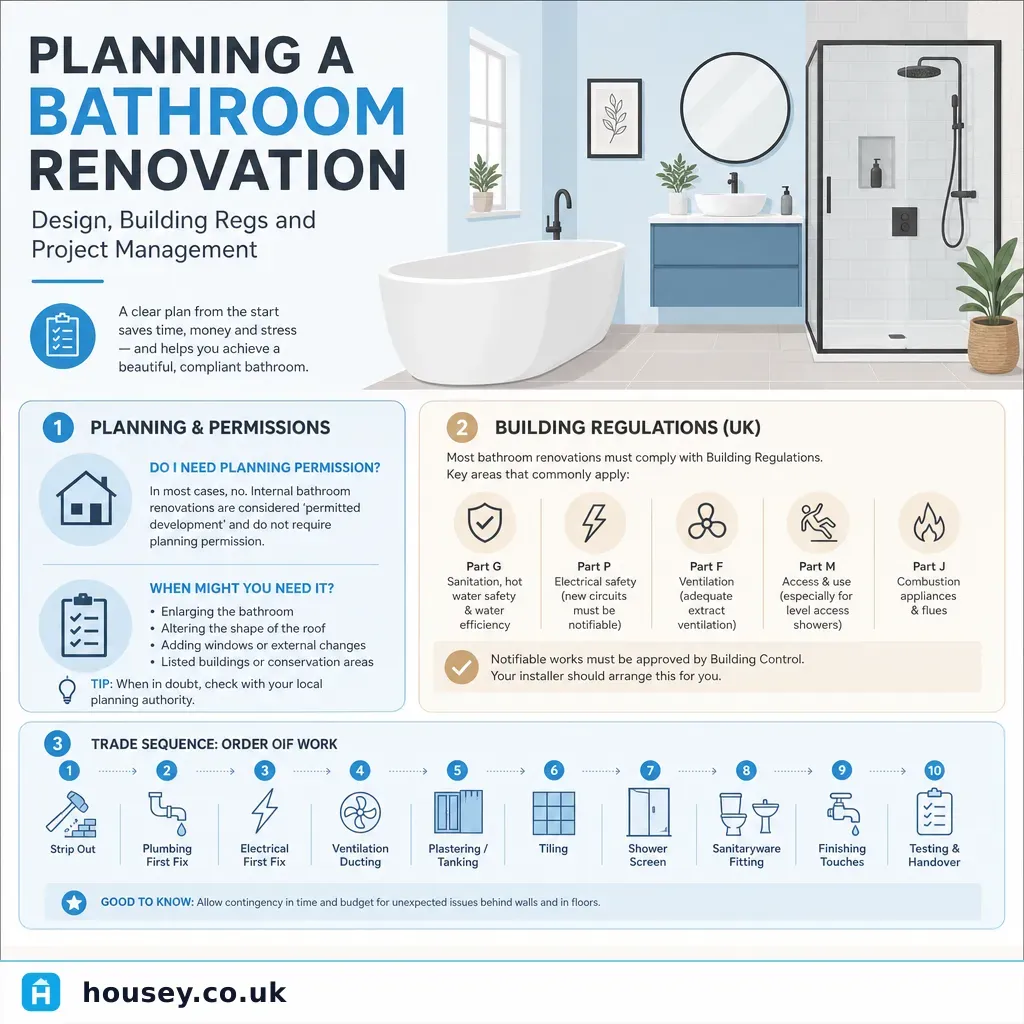
Planning a Bathroom Renovation: Design, Building Regs and Project Management
Most bathroom renovations replacing existing sanitaryware in the same location do not need building regs or planning permission.
 Improvement & Build
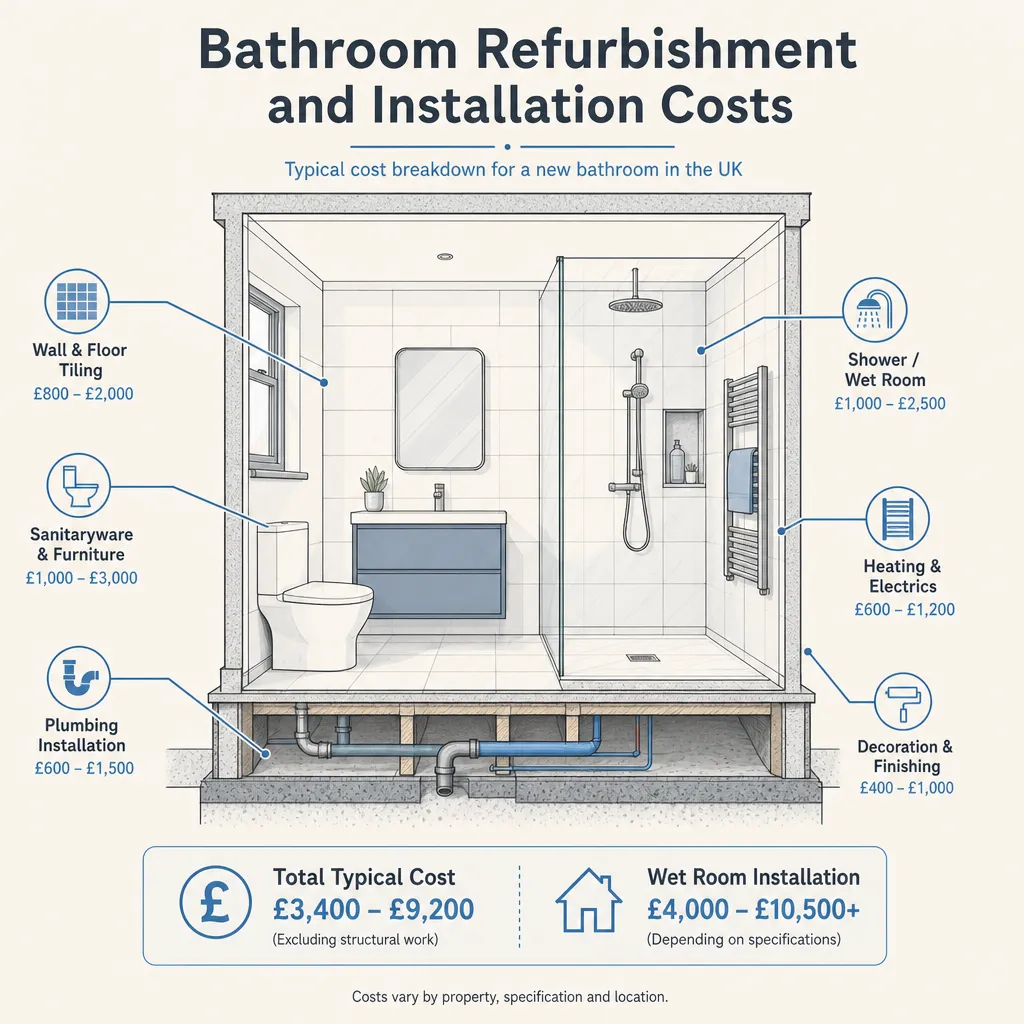
Bathroom Refurbishment and Installation Costs
A basic UK bathroom refurbishment typically costs £2,500–£5,000; a mid-range renovation with a revised layout runs £5,000–£10,000; a high-end or wet room installation can reach £12,000–£16,000 or more.
 Improvement & Build
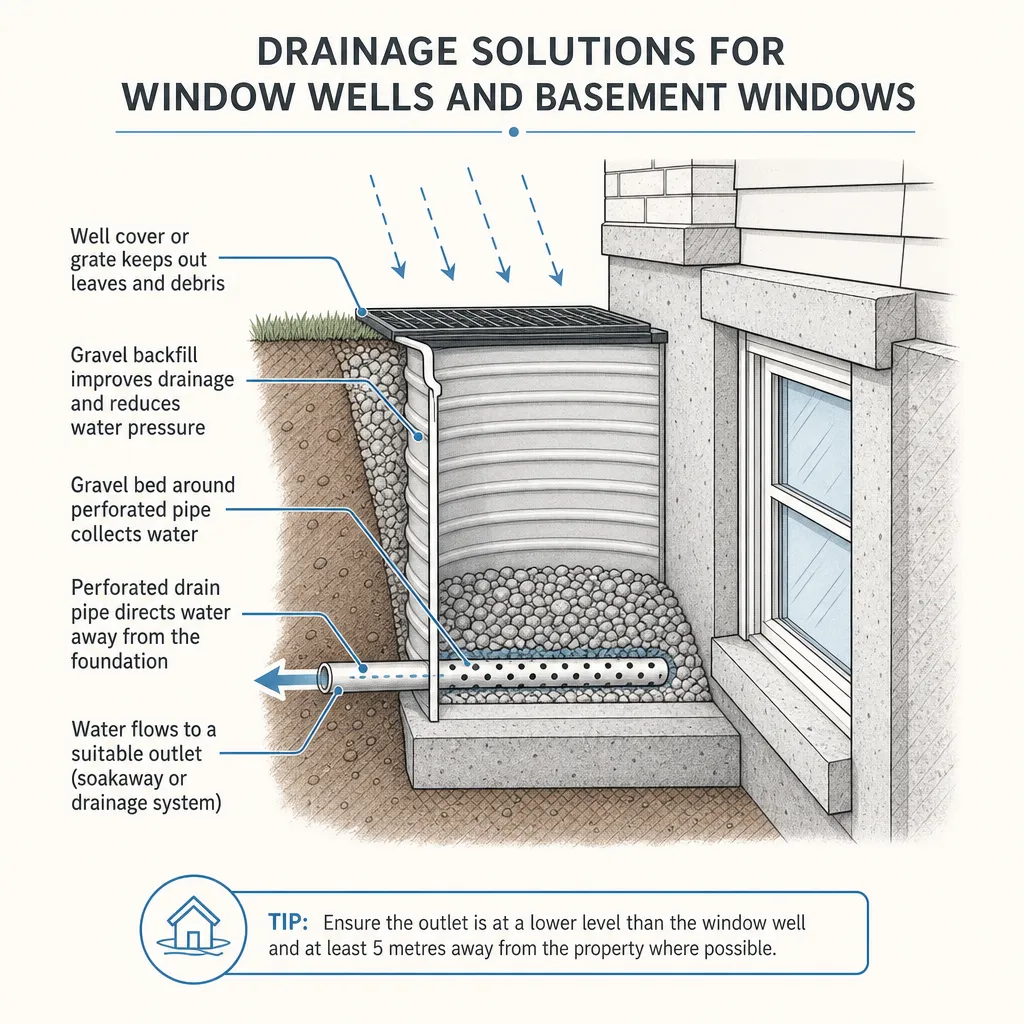
Drainage solutions for window wells and basement windows
Most UK window wells manage water through a gravel-filled sump at least 200 mm deep or a plastic liner fitted with a drain outlet connected to a soakaway or drainage system.
 Improvement & Build
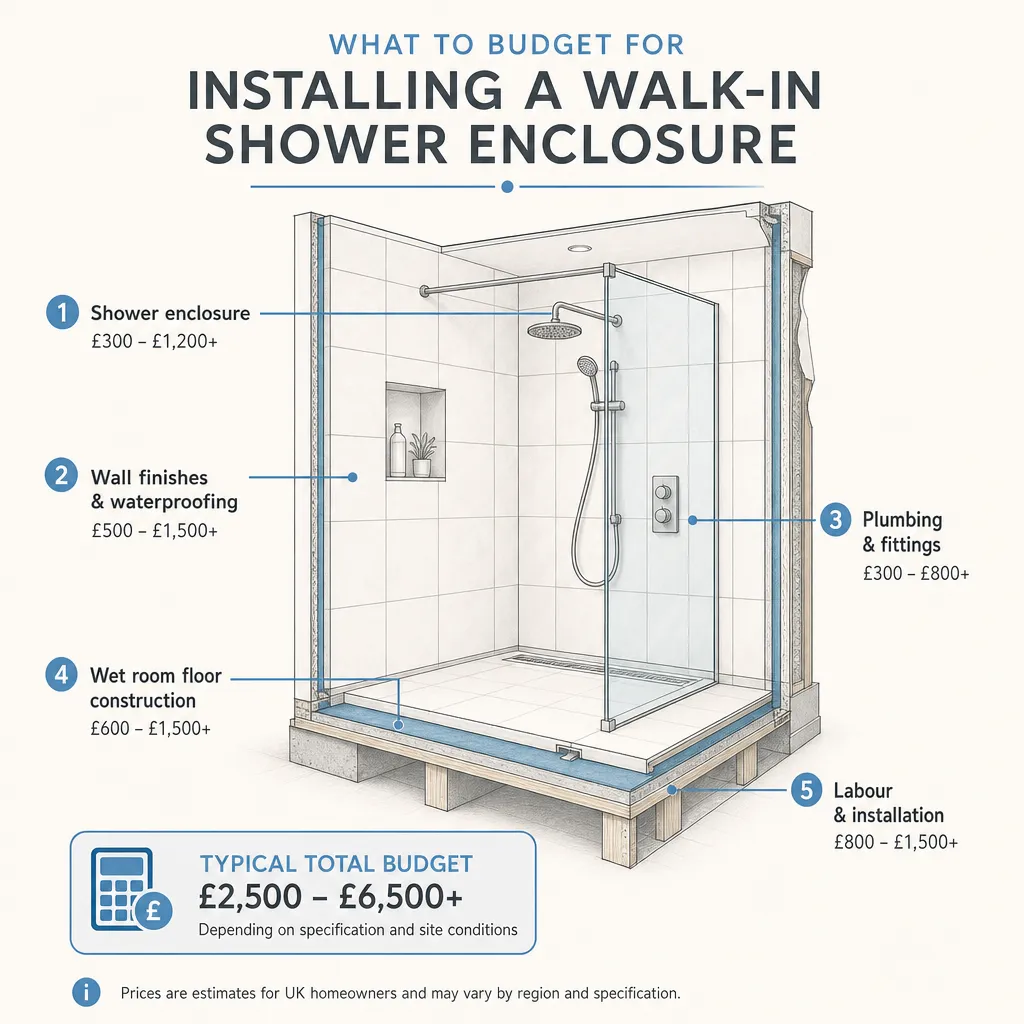
What to Budget for Installing a Walk-In Shower Enclosure
A walk-in shower enclosure with tray typically costs £1,500–£3,900 supplied and installed in the UK.
 Improvement & Build
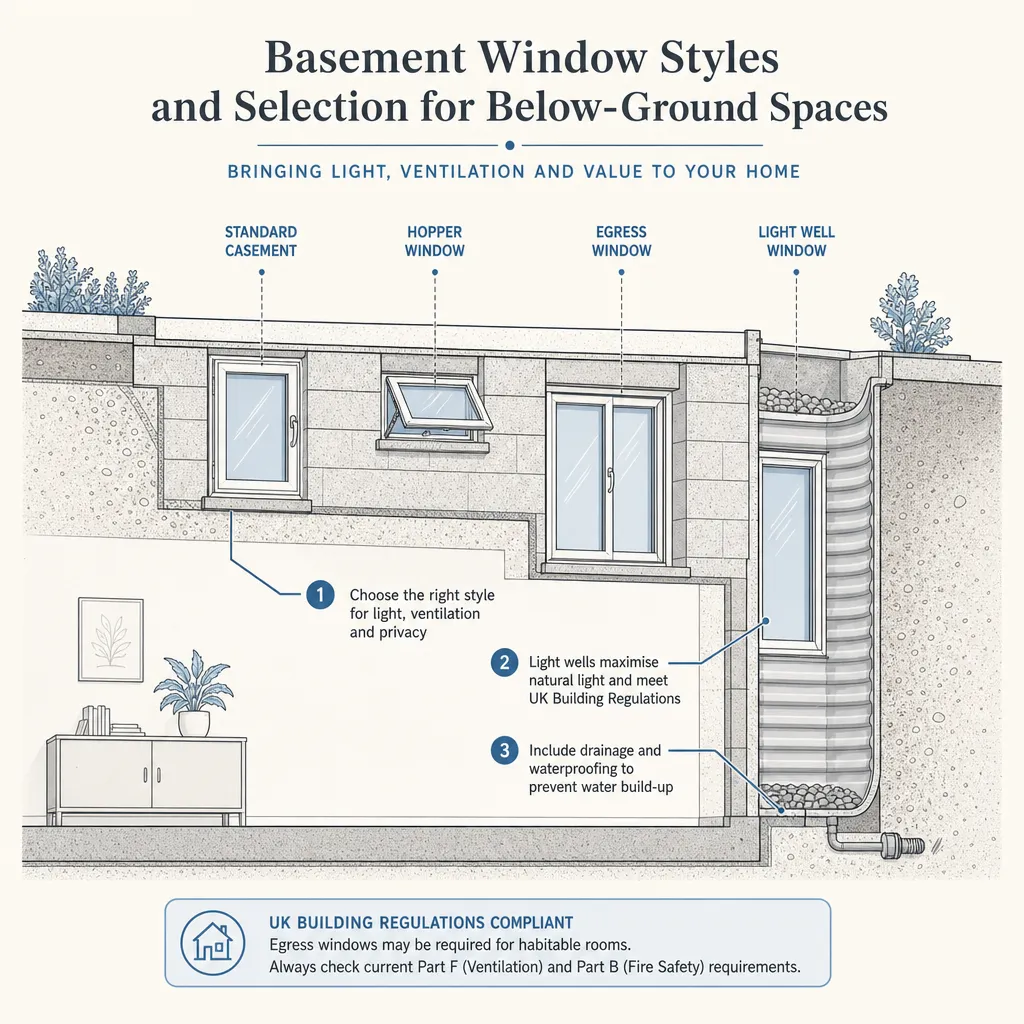
Basement Window Styles and Selection for Below-Ground Spaces
Basement windows in UK homes need to withstand water pressure, provide ventilation under Building Regulations Part F, and meet fall-protection requirements under Part K.