Building a Playground: Equipment, Safety, and Project Costs
By Housey · Last reviewed 5th of May 2026
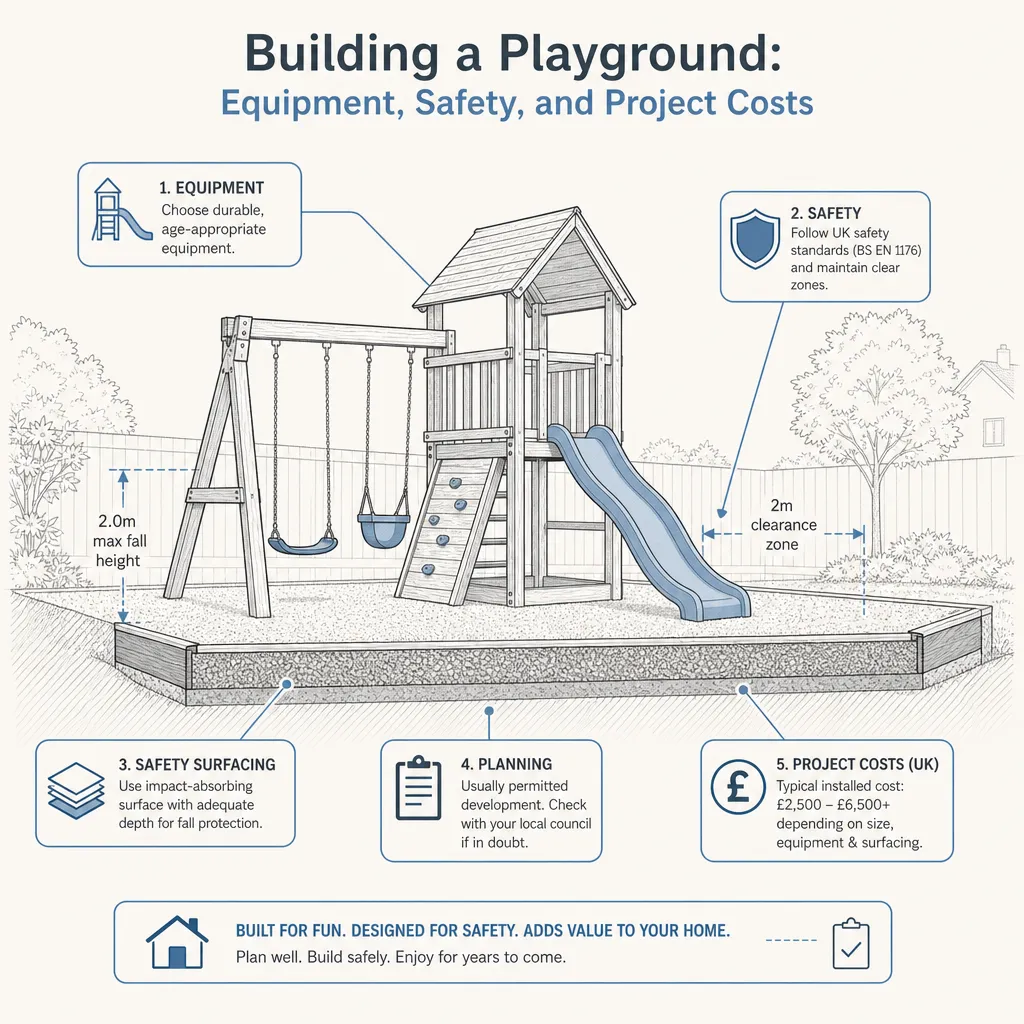
Building a Playground: Equipment, Safety, and Project Costs
A garden play area is one of the most used investments a family can make in their outdoor space, but the gap between a safely specified installation and a poorly assembled structure can be significant. Whether you are planning a simple swing set for young children or a multi-unit timber climbing frame for older ones, understanding safety standards, surface requirements, and realistic costs will help you make better decisions from the start.
Key points
- Domestic garden play equipment should meet BS EN 71 (toy safety standard) or BS EN 1176 (playground equipment safety standard); BS EN 1176 is more rigorous and is the standard for commercial playgrounds and high-use domestic installations.
- Impact-absorbing surfaces such as play bark, rubber mulch, or wet-pour rubber should extend at least 1.75m beyond the equipment's fall zone in all directions, and reach a minimum depth of 300mm for loose-fill materials under equipment up to 3m high.
- Most domestic play structures do not require planning permission under Permitted Development rights in England, provided they do not exceed 4m in height (dual-pitched roof) or 3m otherwise, and do not cover more than 50% of the garden.
- Timber play equipment should use pressure-treated softwood or hardwood rated to at least Class 3 (above ground) or Class 4 (ground contact) under BS 8417, and should be inspected annually for rot, splits, and loose fixings.
- Indicative project costs range from around £500–£1,500 for a self-assembled timber frame on an existing lawn to £15,000–£25,000 for a bespoke multi-play unit with wet-pour rubber surfacing and groundworks (Indicative UK costs, last reviewed 2026-05-05).
Safety standards: what they mean for a garden playground
Two standards are commonly referenced for garden play equipment in the UK:
BS EN 71 is the toy safety standard. Most flat-pack climbing frames and swing sets sold in UK garden centres and online are certified to this standard. It addresses product safety for consumer goods but is not as demanding as the commercial playground standard in its structural and impact requirements.
BS EN 1176 is the European playground equipment standard, originally written for public and commercial settings. Some premium domestic suppliers now offer equipment certified to this standard. It includes more rigorous structural load, entrapment, and impact testing.
For a typical family garden, BS EN 71-certified equipment from a reputable supplier is generally appropriate. If the equipment will be used by a wider group of children — such as in a nursery, school, or holiday let — BS EN 1176 is the relevant standard and professional installation is expected.
BS EN 1177 is the companion surfacing standard. It specifies the critical fall height (CFH) performance requirements for impact-absorbing surfaces, and is the reference document for specifying your fall zone surfacing correctly.
Equipment types: choosing what suits your garden
Equipment type | Typical age range | Approximate space needed | Key safety consideration |
|---|---|---|---|
Timber swing set (2-seat) | 3–12 years | 4m x 4m minimum including fall zones | Anchor posts securely; check swing chains and hangers annually |
Climbing frame with slide | 3–10 years | 5m x 5m minimum | Slide height should match age group; check platform guard rails |
Multi-play unit (tower, rope bridge, slide, swing) | 4–12 years | 6m x 8m or more | Most complex to install; professional fitting worth considering |
In-ground trampoline | 6+ years | 5m x 5m clear zone | Reduces fall height versus above-ground; enclosure net recommended |
Balance and sensory trail | 2–8 years | Variable | Low fall heights; suitable for younger children |
Rope or adventure climbing structure | 6–14 years | Variable | Higher structural loads on fixings; anchoring design is important |
Surfacing: the most commonly underspecified element
The surface beneath and around play equipment is one of the most important safety decisions in a playground project, and frequently the one underspecified in domestic settings.
Loose-fill options — play bark, rubber mulch, sand, and pea gravel — are lower in upfront cost but need regular top-ups, raking, and weed control. Play bark should be at least 300mm deep for equipment up to 3m high. Rubber mulch offers better longevity and drainage than play bark.
Wet-pour rubber is installed in situ and cures to a seamless, low-maintenance surface. Upfront costs are higher — typically £70–£150 per m² installed depending on depth and specification — but ongoing maintenance is minimal. Wet-pour is also more accessible for children with mobility needs.
Artificial grass is not an impact-absorbing surface on its own. It should not be used as the primary surface under equipment where falls from height are likely, unless it is combined with a certified impact-absorbing underlay rated to the equipment's critical fall height.
Natural grass provides some cushioning but becomes worn, muddy, and uneven quickly under heavy use. It is generally suitable only for very low-level equipment or as a transition surface outside the primary fall zone.
The fall zone should extend at least 1.75m beyond each piece of equipment in all directions for structures with a free height of up to 1.5m. For taller equipment, required clearances increase — check BS EN 1177 and the manufacturer's installation documentation for precise requirements.
Garden playground planning checklist
Work through these decisions before purchasing equipment or briefing an installer:
Project costs: what to budget
Project type | Indicative cost range | Typically includes |
|---|---|---|
Self-assembly timber frame (swing and slide) | £500–£1,500 | Flat-pack kit; DIY installation on existing lawn |
Professional installation, timber multi-play unit | £2,500–£6,000 | Contractor installation, bark or rubber mulch surfacing |
Mid-range bespoke timber playground | £6,000–£12,000 | Custom unit, professional installation, wet-pour or mulch surfacing, groundworks |
Premium or commercial-grade multi-play | £12,000–£25,000+ | BS EN 1176 equipment, wet-pour rubber to BS EN 1177, drainage, landscape integration |
Indicative UK costs, last reviewed 2026-05-05. Costs vary by region, specification, and groundworks required. Obtain at least three written quotes.
Key cost drivers:
- Groundworks: levelling, drainage, or removing existing lawn adds £500–£3,000+
- Wet-pour rubber surfacing versus loose-fill bark (wet-pour typically costs three to five times more per m²)
- Equipment specification and timber grade (commercial hardwood versus standard softwood)
- Access constraints (narrow side passages or restricted vehicle access)
- Bespoke or custom-shaped designs versus standard unit configurations
When to get professional help
Many timber swing sets and climbing frames can be self-assembled by a competent adult following the manufacturer's instructions. Professional installation is worth considering when:
- The equipment is multi-unit or exceeds 1.5m in height
- Ground levelling or drainage work is needed before installation
- You are specifying wet-pour rubber surfacing — this must be installed by a specialist
- The structure will be used by groups beyond your immediate family, which may require compliance with BS EN 1176
- The structure requires fixing into concrete footings or includes high structural loads
Red flags when reviewing a playground installer:
- Unable to confirm which safety standard the equipment meets (BS EN 71 or BS EN 1176)
- No manufacturer's warranty documentation offered
- Recommending artificial grass as a standalone impact-absorbing surface under climbing equipment
- Not marking out or checking fall zones before installation begins
- No mention of annual inspection or maintenance guidance
How Housey can help
Getting the groundworks and site preparation right from the start avoids costly remedial work later. Housey can connect you with experienced landscapers who can advise on ground levelling, drainage, and surfacing installation, or with garden designers who can help integrate a play area into your wider garden layout.
Frequently asked questions
Does a garden playground need planning permission in England?
Most domestic garden play structures are covered by Permitted Development rights and do not need planning permission, provided they are below 4m in height (dual-pitched roof) or 3m otherwise, and do not cover more than 50% of the garden. Conservation areas, listed buildings, and properties with Article 4 Directions may have stricter rules. Check with your local planning authority if in doubt.
What safety standard should garden play equipment meet?
For typical domestic use, BS EN 71 (toy safety) is the minimum standard for equipment sold in the UK. BS EN 1176 is a more rigorous standard originally designed for public playgrounds, now offered by some premium domestic suppliers. If equipment will be used by a wider group of children — for example in a nursery or holiday let — BS EN 1176 and professional installation are expected.
What is the best surface under a garden climbing frame?
Wet-pour rubber offers the best combination of impact absorption, durability, and low maintenance for UK conditions, though it carries a higher upfront cost (indicatively £70–£150 per m² installed). Play bark is a practical lower-cost alternative but requires regular top-ups and can become waterlogged. Do not rely on artificial grass alone as an impact-absorbing surface under climbing equipment.
How deep should play bark be under a climbing frame?
For equipment with a maximum free height of up to 1.5m, play bark should be at least 200mm deep. For equipment up to 3m high, 300mm is recommended as a minimum. The surface should also extend at least 1.75m beyond the equipment in all directions. Always check the manufacturer's installation guidance and refer to BS EN 1177 for precise requirements based on critical fall height.
How often should garden play equipment be inspected?
RoSPA recommends a visual check before each use, a more detailed monthly inspection, and a thorough annual inspection. Timber equipment should be checked annually for rot, splits, and loose hardware, and retreated with preservative as needed. Keep a written record of all inspections and any maintenance carried out.
Sources and further reading
- Playground Safety — General Information — Royal Society for the Prevention of Accidents (RoSPA)
- BS EN 1176 Playground Equipment and Surfacing — BSI Group
- Outbuildings — Permitted Development — Planning Portal
- Children's Playground Equipment — HSE Guidance — Health and Safety Executive
- BS EN 1177: Impact Absorbing Playground Surfacing — BSI Group
Useful next reads
 Improvement & Build
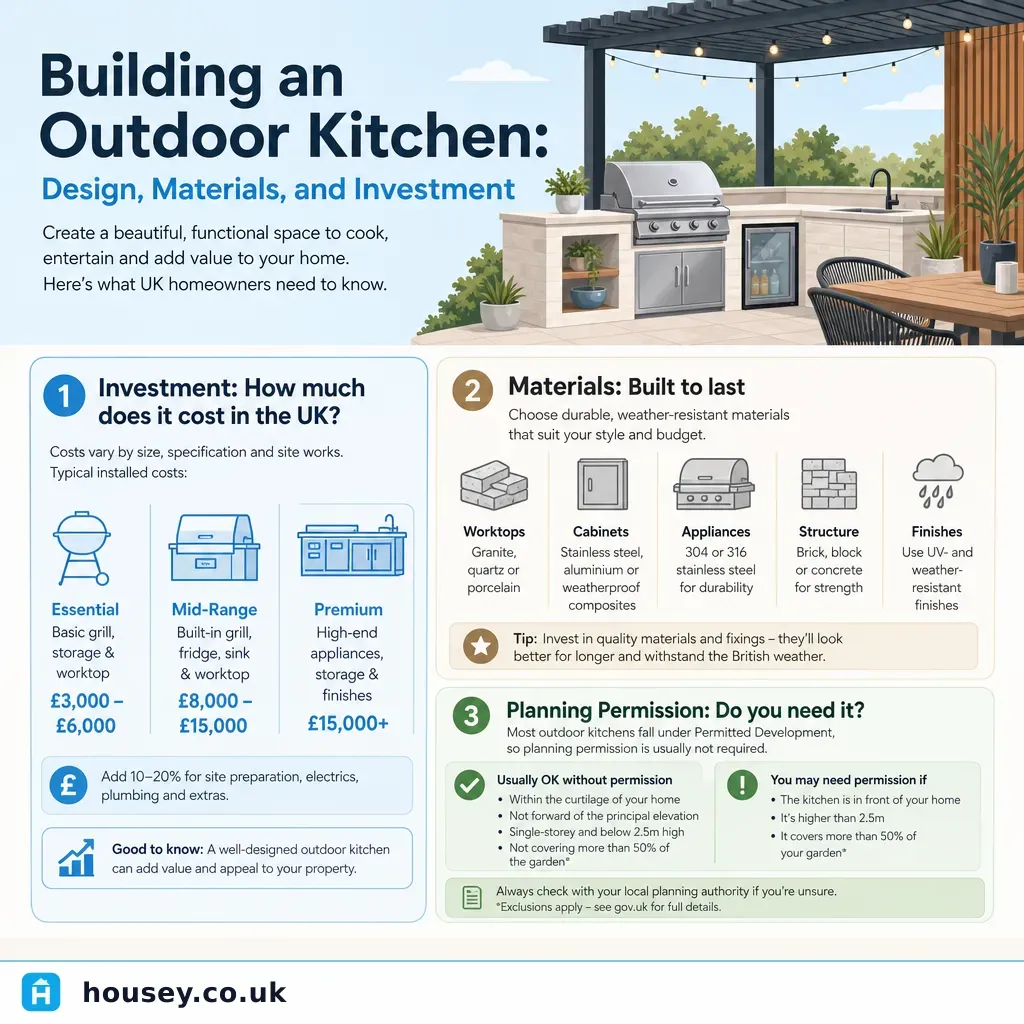
Building an Outdoor Kitchen: Design, Materials, and Investment
Building an outdoor kitchen in the UK costs roughly £3,000–£25,000 depending on size and materials.
 Improvement & Build
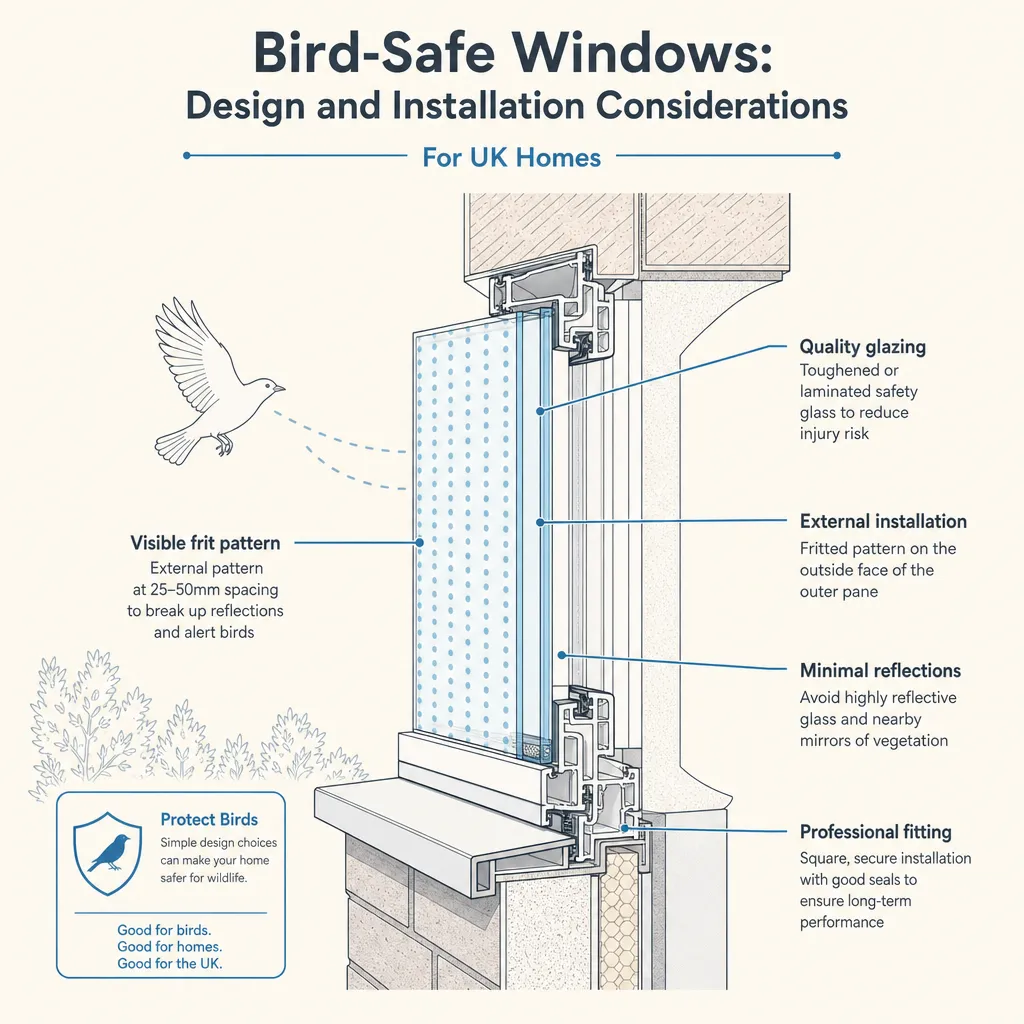
Bird-Safe Windows: Design and Installation Considerations
Bird-safe windows use patterns, coatings, or films on the exterior glazing surface to make glass visible to birds in flight.
 Improvement & Build
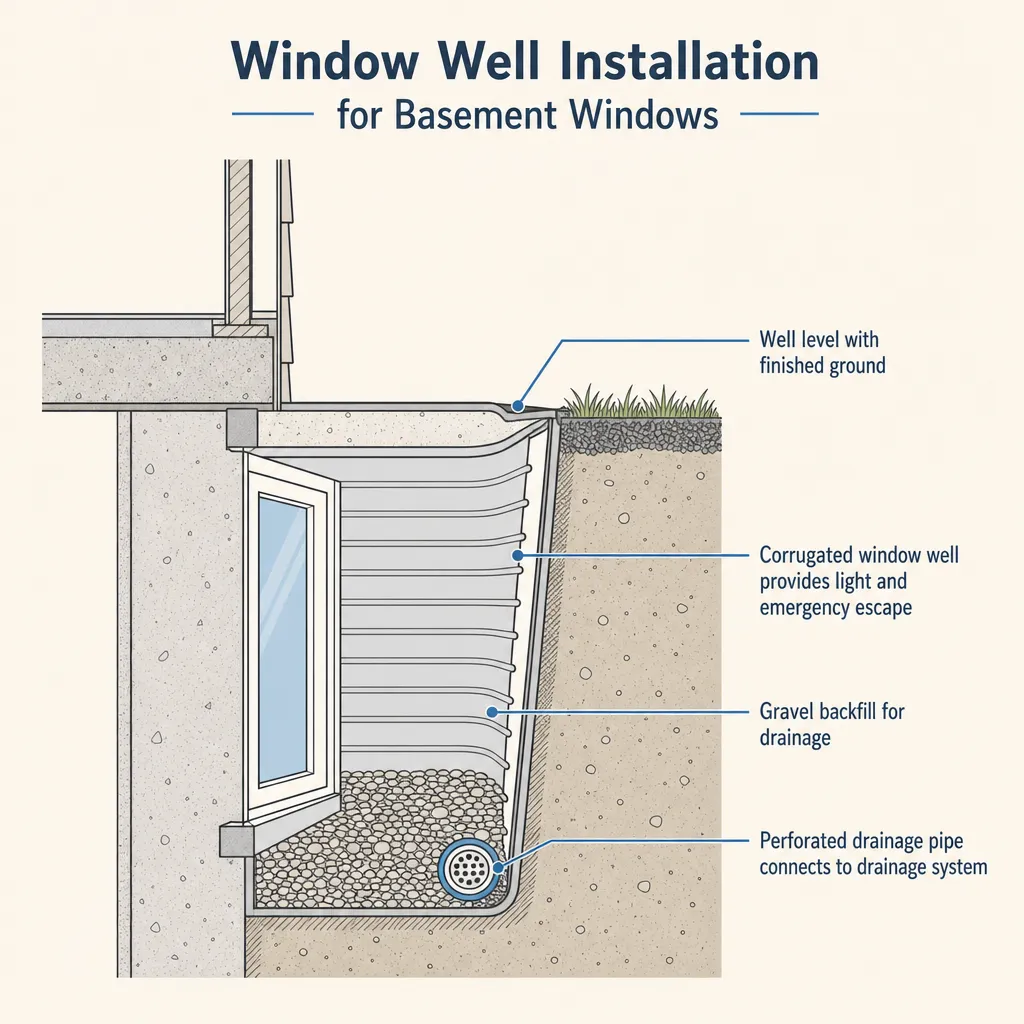
Window Well Installation for Basement Windows
Window wells (areaways) are excavated structures outside basement walls that allow natural light and ventilation into below-ground rooms.
 Improvement & Build
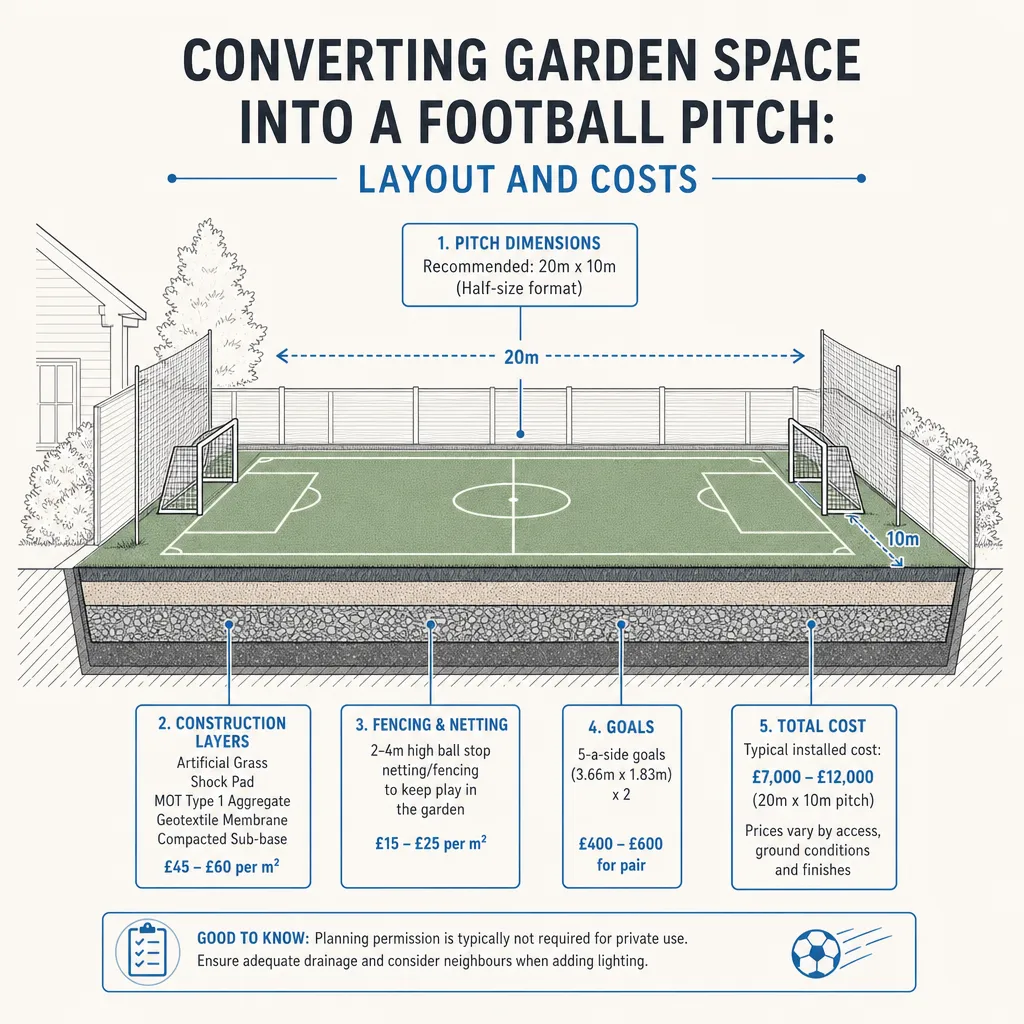
Converting Garden Space into a Football Pitch: Layout and Costs
Converting a garden into a football pitch is feasible for many UK homeowners with enough space.
 Improvement & Build
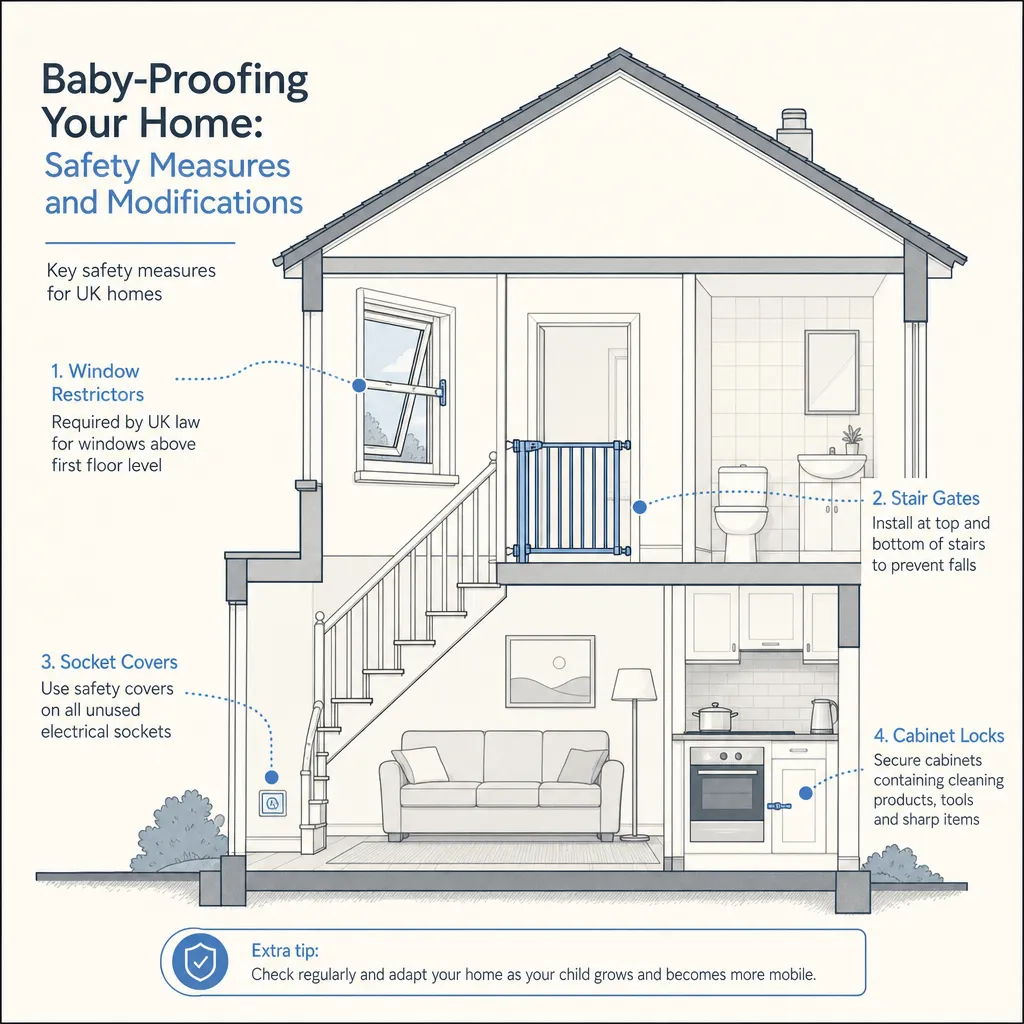
Baby-Proofing Your Home: Safety Measures and Modifications
Baby-proofing a UK home typically involves fitting stair gates conforming to BS EN 1930, window restrictors on upper floors, shuttered socket covers, cupboard locks, and securing heavy furniture to walls.