Boiler not working after a power cut: troubleshooting steps
By Housey · Last reviewed 11th of May 2026
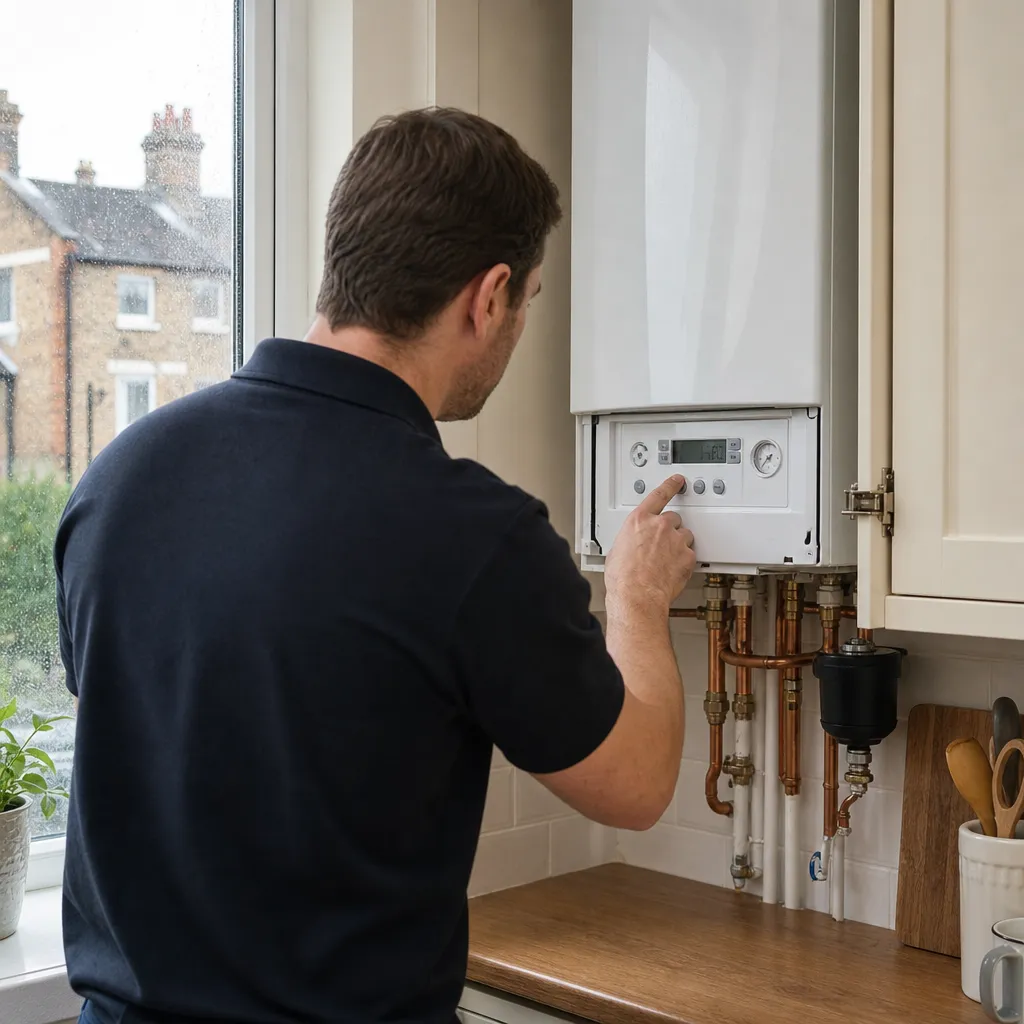
Boiler not working after a power cut: troubleshooting steps
When the power comes back on after an outage, most appliances restart automatically — but many modern gas boilers do not. A mains power interruption can cause a boiler's electronic controls to reset, trigger a protective lockout, or wipe the heating programme, leaving you without heating or hot water even though your gas supply is completely unaffected. Knowing which checks to carry out — and in what order — can restore your heating within minutes and help you decide whether a Gas Safe engineer needs to be involved.
Key points
- Modern combi and system boilers rely on electronic control boards that can enter a fault lockout when power is interrupted unexpectedly.
- The gas supply to your boiler is not affected by a household power cut; the issue is always with the electronic ignition and controls.
- The correct cold operating pressure for most boilers is 1–1.5 bar; a power cut does not change pressure, but a pre-existing low-pressure fault may prevent the boiler from restarting.
- Pressing the boiler reset button (usually held for 3–5 seconds) clears most power-cut lockout codes — the exact location and method vary by make and model.
- Many boilers and programmers lose their clock setting during a power cut; resetting the time and heating schedule is usually necessary before the heating will run to the correct timetable.
Why a power cut causes a boiler lockout
Gas boilers manufactured since the 1990s are controlled by printed circuit boards (PCBs) and monitored by multiple sensors — flame detection, flue temperature, pressure, and flow. When mains power is cut suddenly — particularly if the boiler was mid-firing — the control board detects an abnormal shutdown and enters a lockout state as a built-in safety precaution.
This is normal behaviour, not a sign that anything is broken. The boiler is designed to wait for a manual reset before it fires again, preventing any risk from an uncontrolled restart.
When power is restored, you may see:
- A blank or flashing display with no response to controls
- An error or fault code on the display (examples: F22 on Vaillant, EA on Worcester Bosch, E1 on Ideal, 110 on Baxi — codes vary by manufacturer)
- The boiler in standby mode with the burner failing to fire
Step-by-step checks after a power cut
Step 1 — Confirm mains power has fully restored
Check that lights and other appliances are working normally. Open your consumer unit (fuse box) and confirm that no circuit breakers have tripped. A tripped breaker will be in a mid-position or clearly switched to off. Push any tripped breaker firmly to the on position. If it immediately trips again, there may be a wiring fault unrelated to the power cut — call a registered electrician.
Step 2 — Check the boiler pressure gauge
The pressure gauge is usually a dial or small digital readout on the front of the boiler, calibrated in bar. For most combi boilers and sealed system boilers, 1–1.5 bar is the correct cold-system operating range. A power cut does not itself change the pressure, but if the system was already low, the boiler will refuse to restart and show a low-pressure fault code. If the pressure is below 1 bar, repressurise the system using the filling loop following your boiler manufacturer's instructions. Do not overfill beyond 2 bar.
Step 3 — Press the boiler reset button
The reset button is usually located on the boiler's control panel, often marked with a flame symbol, the word Reset, or a circular arrow. Hold the button for the time specified in your manual (typically 3–5 seconds). The boiler will attempt to ignite. If it lights successfully, the fault code will clear.
Step 4 — Reset the timer and heating programme
Most programmers and boiler display clocks revert to a default time after a power interruption. Update the clock and re-enter your heating schedule. If you use a smart thermostat (Hive, Nest, Tado), check the app — these usually reconnect automatically and re-sync the time, but heating schedules should be confirmed.
Step 5 — Monitor the boiler for one full heating cycle
Run the boiler through a full heating cycle to confirm it is operating normally. If it fires, heats, and shuts off cleanly, no further action is needed.
Decision tree: diagnosing your boiler after a power cut
Use this to identify your situation and the appropriate next step:
- Display blank, no response to controls → Check your consumer unit for tripped breakers; restore power to the boiler circuit, then press reset.
- Display shows a fault code → Look up the code in your manufacturer's manual; most power-cut codes clear with a standard reset.
- Boiler resets but won't fire → Check the pressure gauge; repressurise if below 1 bar, then reset again.
- Boiler fires briefly then shuts off → This may indicate a sensor or component issue unrelated to the power cut; call a Gas Safe registered engineer.
- Boiler resets correctly but heating won't come on → Reset the timer and heating programme or check your thermostat settings.
- Smart thermostat unresponsive → Restore your Wi-Fi connection; most smart thermostats reconnect and re-sync automatically within a few minutes.
- Reset attempted multiple times without success → Stop attempting and call a Gas Safe registered engineer.
Red flags: stop and call a professional
Do not continue with any checks and seek professional help immediately if:
- You smell gas at any point — leave the property immediately without operating any electrical switches, and call the National Gas Emergency Service on 0800 111 999 (free, 24 hours).
- The boiler sparks repeatedly but fails to ignite, accompanied by a gas odour.
- You hear unusual banging, gurgling, or popping from the boiler or pipework.
- The boiler pressure gauge reads above 3 bar — this indicates a separate fault (usually a faulty pressure relief valve or expansion vessel) that requires a Gas Safe engineer to diagnose.
- Water is leaking from the boiler casing or nearby pipework.
- The boiler locks out more than twice in quick succession despite a successful reset each time.
When to get professional help
If the boiler continues to lock out after two or three reset attempts, or a fault code does not clear, it is likely that the power cut has exposed or triggered a pre-existing component issue — commonly a faulty PCB, failed ignition electrode, or sensor fault. At this point, a Gas Safe registered engineer should inspect the appliance. This is particularly relevant for boilers more than 10 years old or those that have not been serviced within the last 12 months. The Health and Safety Executive (HSE) recommends an annual boiler service by a Gas Safe registered engineer to maintain safe, efficient operation.
How Housey can help
Housey connects UK homeowners with qualified local tradespeople, including Gas Safe registered engineers for boiler servicing, diagnostic inspections, and repairs. If your boiler has not responded to a reset and you need a verified professional in your area, Housey can help you find and compare engineers quickly.
Frequently asked questions
Why does my boiler show a fault code after a power cut?
Modern boilers detect abnormal shutdowns — such as sudden power loss mid-cycle — and display a fault code as a safety measure before they will restart. Most codes caused by a power interruption clear when you press the reset button following your manufacturer's instructions. If the code persists after two or three resets, the fault may be a separate component issue; consult a Gas Safe registered engineer.
Does a power cut affect boiler pressure?
No — a power cut does not change your boiler's system pressure. However, if the pressure was already below the operating range (typically 1–1.5 bar) before the cut, the boiler will display a low-pressure fault and refuse to restart. Check the pressure gauge and repressurise if needed, following your boiler manufacturer's manual.
My boiler is working but the heating isn't coming on at the right times — what happened?
Most boilers and programmers lose their internal clock setting when mains power is interrupted. Reset the clock and re-enter your heating schedule manually. If you use a smart thermostat such as Hive, Nest, or Tado, check the app — these normally reconnect and re-sync automatically, but it is worth confirming your heating schedule is active.
Sources and further reading
- Gas Safe Register: gas safety in your home — Gas Safe Register
- HSE: gas safety in domestic premises — Health and Safety Executive
- National Gas Emergency Service: what to do if you smell gas — National Gas
Useful next reads
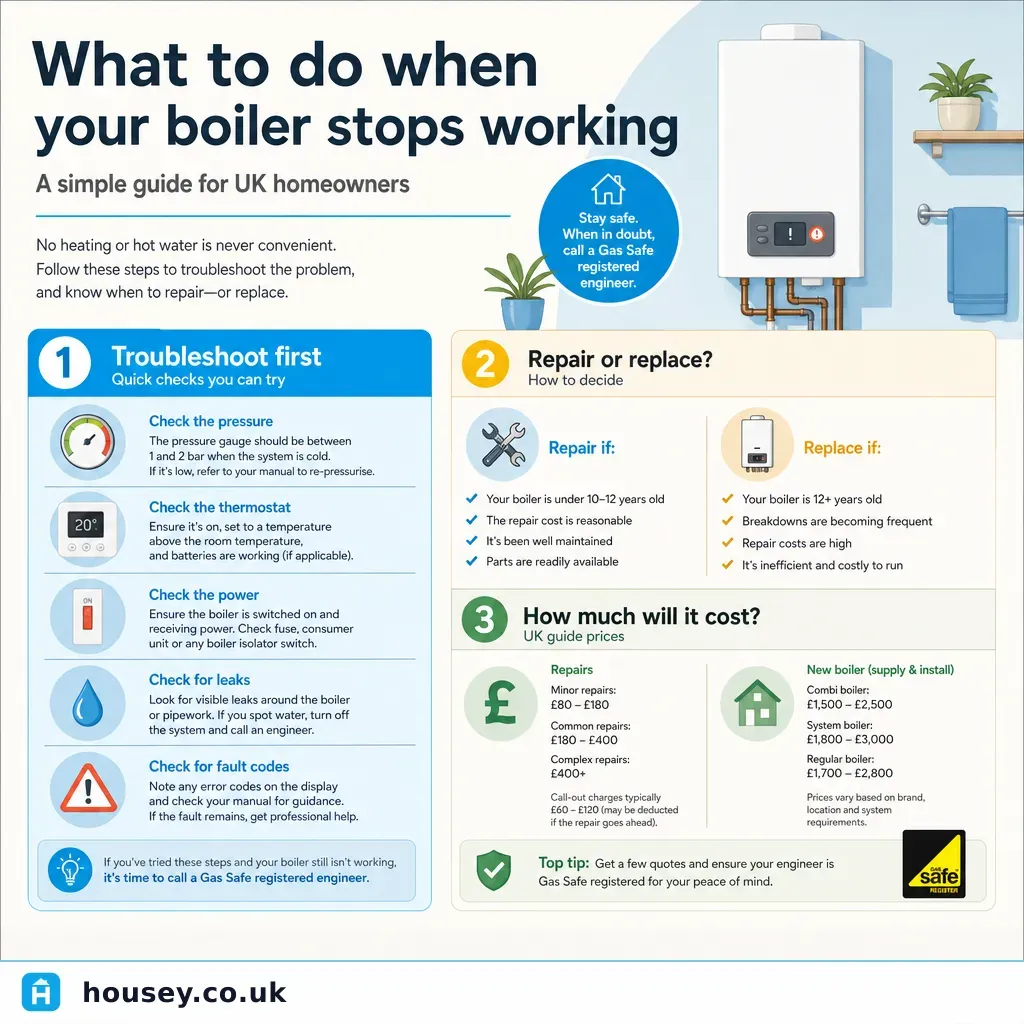 General property advice
What to do when your boiler stops working
When your boiler stops working, check the pressure gauge (should read 1–1.
 General property advice
Why is your boiler leaking water and how to fix it?
A boiler leak is most often caused by excessive system pressure activating the pressure relief valve, a failing pump seal, or a corroded heat exchanger.
 General property advice
Troubleshooting common problems with Glow-worm boilers
Glow-worm boiler faults are usually displayed as F or E codes.
 General property advice
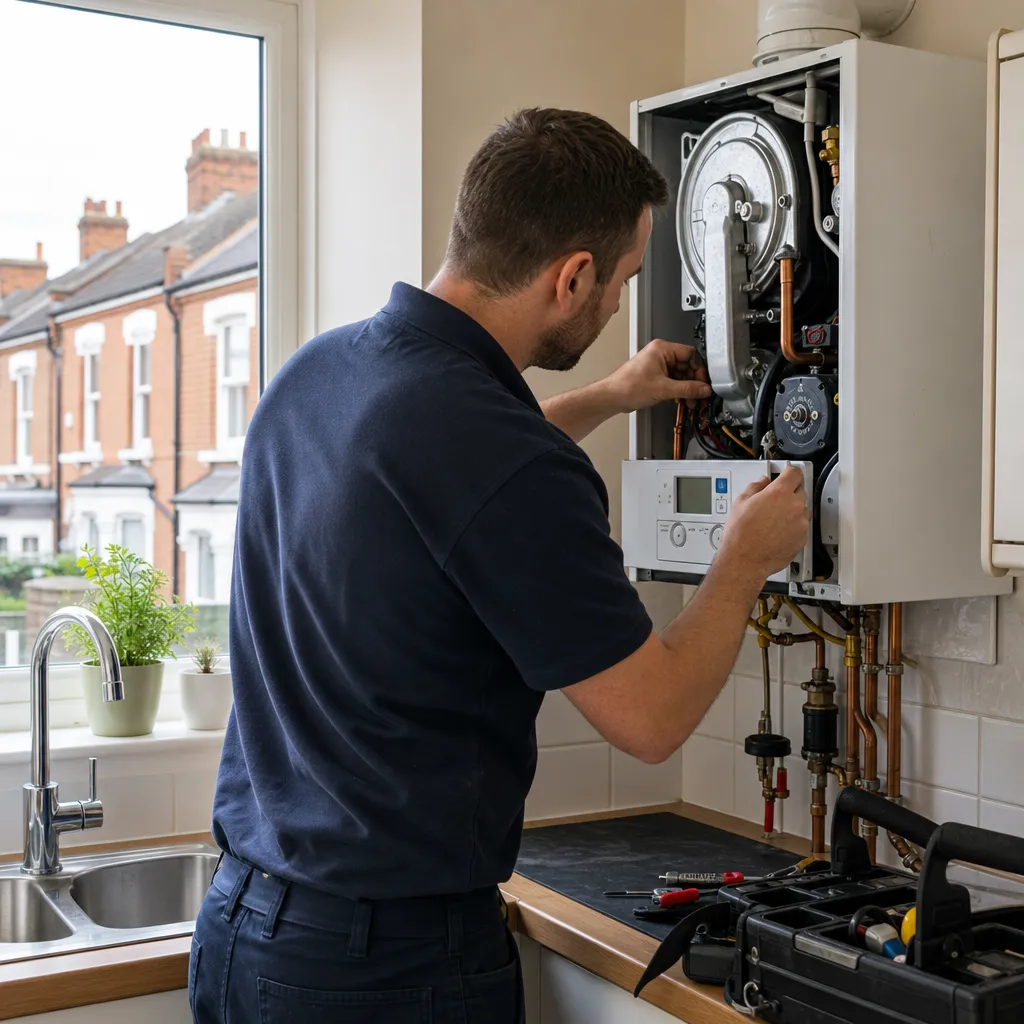
Combi boiler not producing hot water: troubleshooting guide
The most common causes of a combi boiler not producing hot water are low system pressure (below 1 bar), a stuck diverter valve, or a frozen condensate pipe.
 General property advice
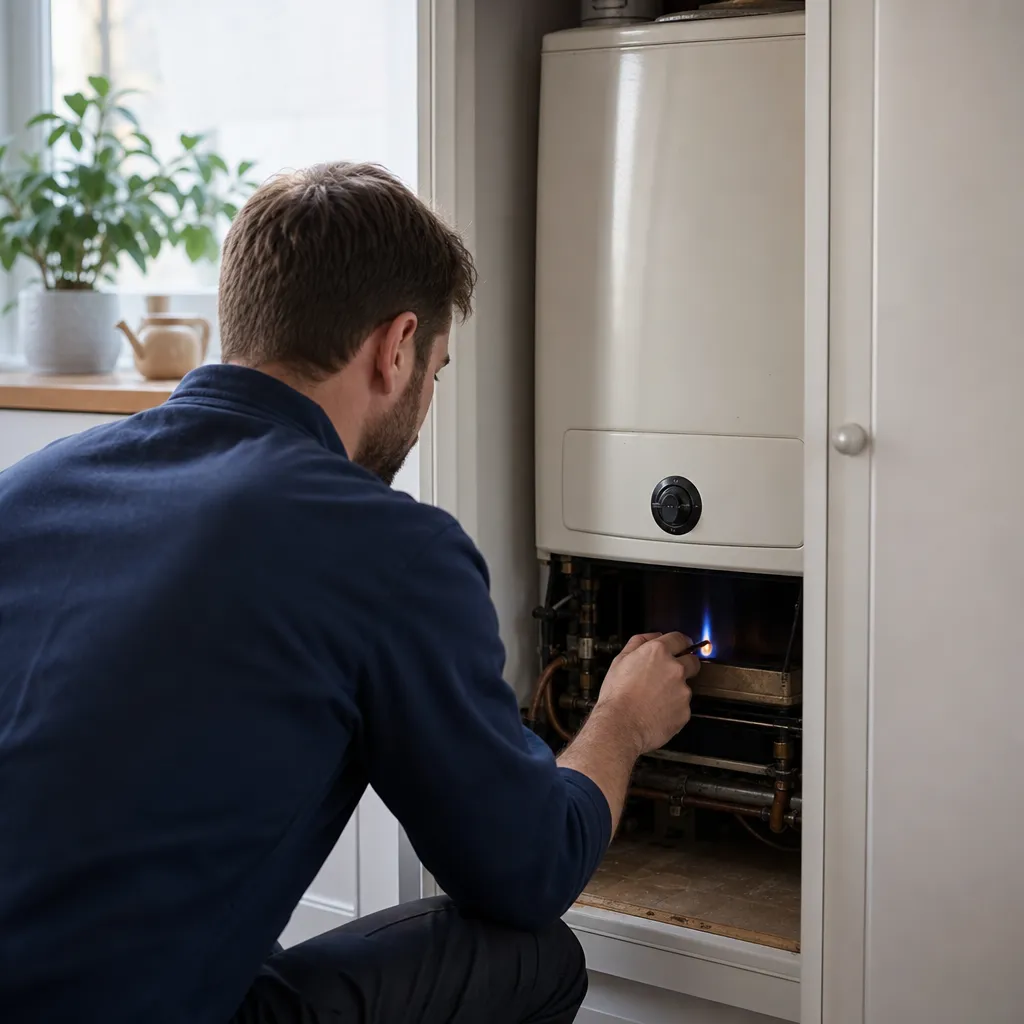
How to relight a boiler pilot light
Most modern boilers use electronic ignition and do not have a standing pilot light — only older appliances, typically installed before the mid-1990s, have one.