Knowledge Base
Property advice that actually helps
Researched, UK-specific guides for every stage of homeownership — from buying and surveys to retrofit, planning and major works.
 General property advice
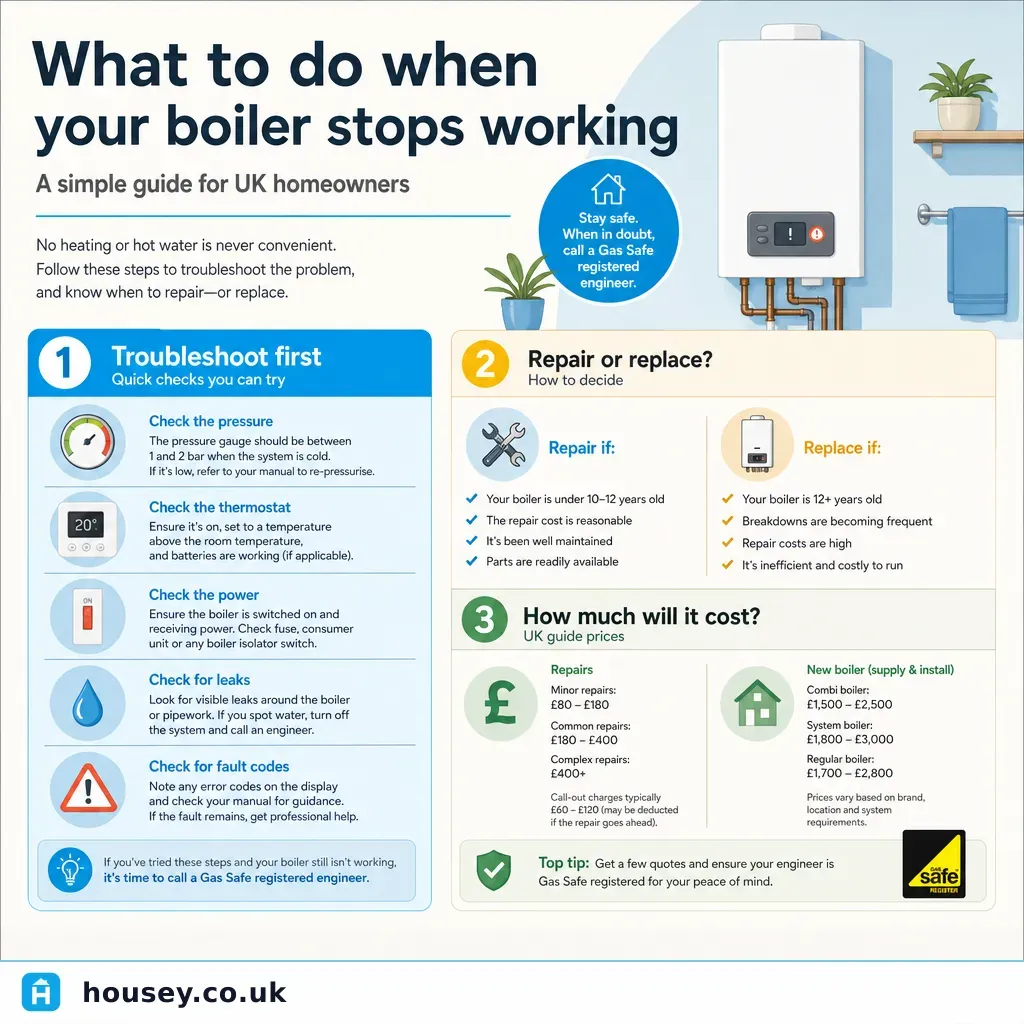
What to do when your boiler stops working
When your boiler stops working, check the pressure gauge (should read 1–1.5 bar cold), press the reset button, and note any fault code on the display. Also verify thermostat and timer settings, and check whether a frozen condensate pipe is causing lockout. If these steps fail to restore heating, call a Gas Safe registered engineer — all gas repair work is legally restricted to Gas Safe registered professionals.
 General property advice
Property Market Trends: Activity Growth and Price Movements
UK property market activity is measured through completed sale registrations (HM Land Registry), lender mortgage data, and transaction volumes from HMRC. Prices and transactions together give a more accurate picture than either alone. Regional variation is significant — national averages can mask dramatically different local conditions across England, Wales, Scotland, and Northern Ireland.
 General property advice
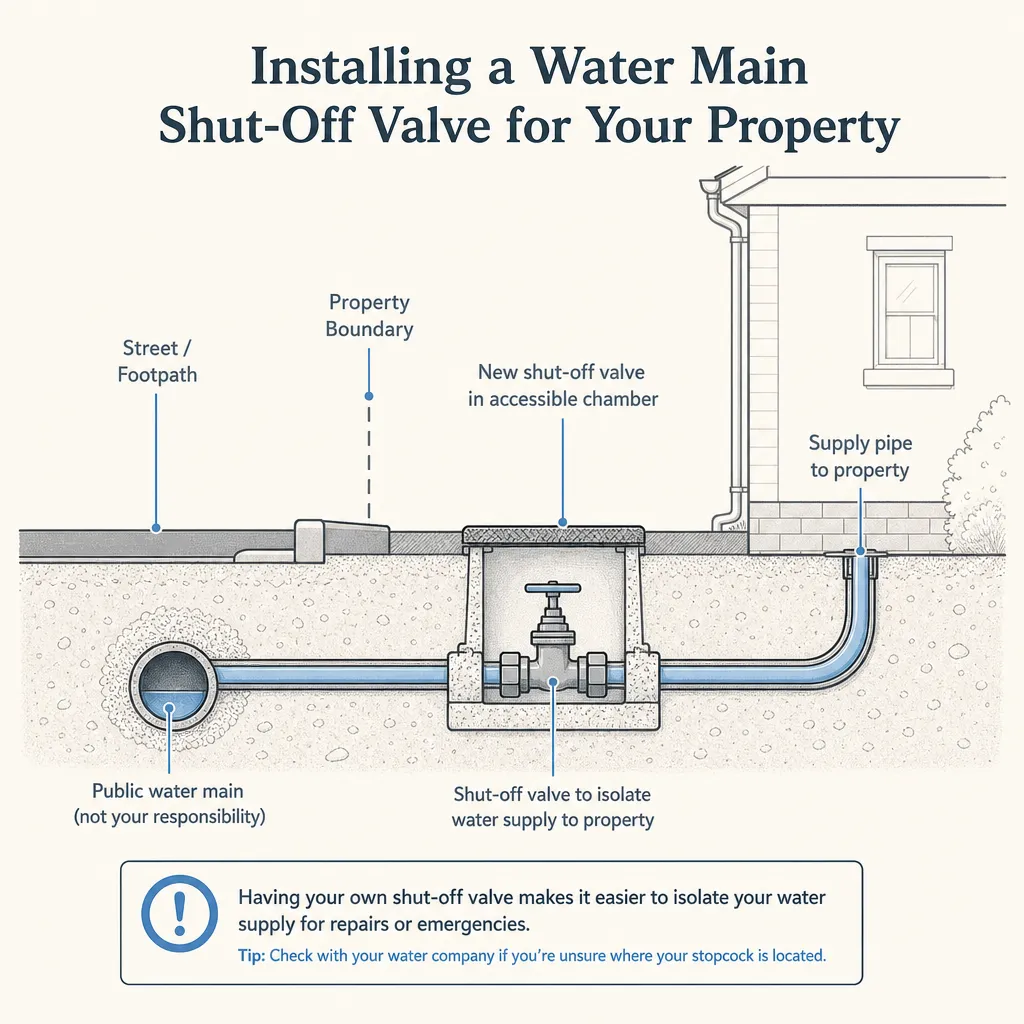
Installing a water main shut-off valve for your property
A water main shut-off valve — commonly called a stopcock — controls all water entering your home from the mains. The internal stopcock is most commonly found under the kitchen sink or where the supply pipe enters the building. Replacing or installing one usually requires a WaterSafe-approved plumber and must comply with the Water Supply (Water Fittings) Regulations 1999.
 General property advice
Monthly House Price Index: August Market Report and Analysis
The UK House Price Index is published monthly using completed Land Registry transaction data, meaning August figures typically reflect sales agreed months earlier. Several indices exist — ONS, Halifax, and Nationwide — each using different methodologies. August usually shows lower transaction volumes, and prices and activity often pick up again in September and October as the autumn market begins.
 General property advice
Scottish Property Market: Activity and Regional Trends
Scotland's property market operates under distinct legal rules: sellers must provide a Home Report before marketing, transactions become legally binding at conclusion of missives rather than exchange of contracts, and Land and Buildings Transaction Tax replaces Stamp Duty. Regional markets differ sharply — Edinburgh and Glasgow are significantly more competitive than Aberdeen or rural areas.
 General property advice
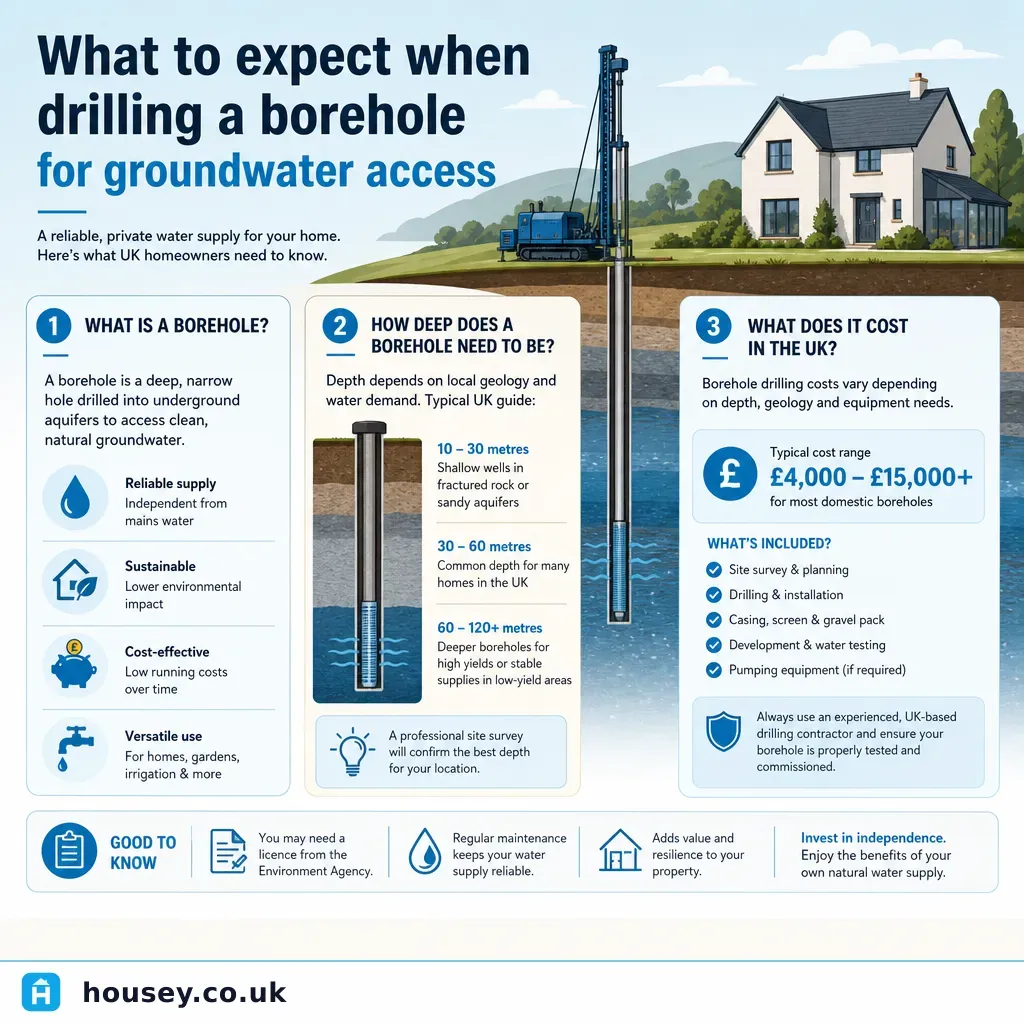
What to expect when drilling a borehole for groundwater access
Drilling a borehole for groundwater access typically involves a hydrogeological assessment, a driller installing steel casing to the required depth (often 30–150 m), water quality testing under the Private Water Supplies Regulations 2016, and in many cases an Environment Agency abstraction licence if you draw more than 20 m³ per day.
 General property advice
Mortgage Advice After Rate Changes: Financial Planning for Homeowners
When mortgage rates change, homeowners on tracker or standard variable rate mortgages feel the impact immediately, while those on a fixed deal are protected until the term ends. Review your options around six months before your current deal expires, compare fixed and tracker products, and speak to a regulated whole-of-market broker. Acting early can protect you from reverting to a costly standard variable rate.
 General property advice
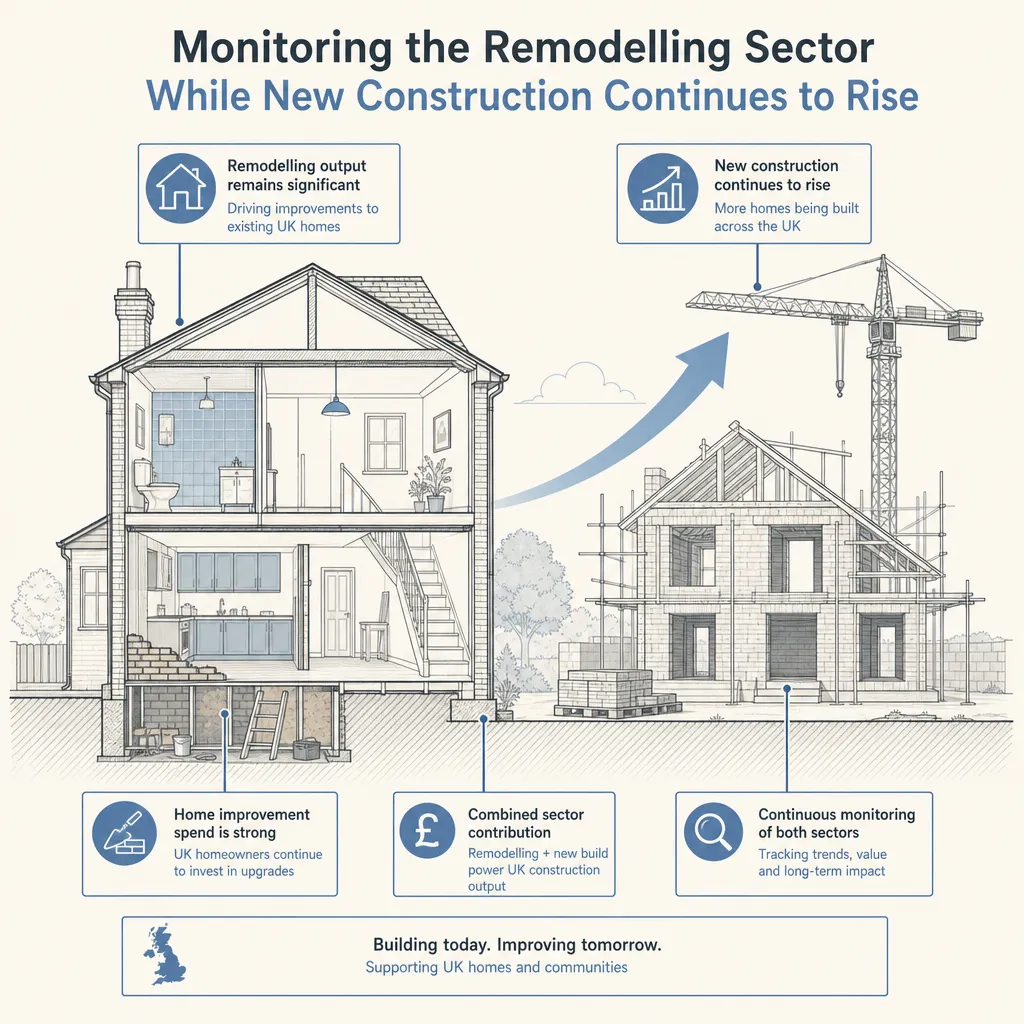
Monitoring the Remodelling Sector While New Construction Continues to Rise
The UK renovation sector runs alongside new-build activity, not in opposition to it — both draw on the same pool of skilled labour and materials. Renovation demand is structurally sustained by ageing housing stock, energy efficiency regulations, and stamp duty friction on moving. Understanding both markets helps homeowners plan projects and anticipate contractor availability and pricing.
 General property advice
Costs for removing and replacing ceramic floor tiles
Removing and replacing ceramic floor tiles in the UK typically costs £35–£85 per m² for labour and materials combined, though subfloor preparation, tile specification, waste disposal, and floor area all affect the total. A 20 m² kitchen floor usually costs between £700 and £1,800 depending on tile choice and the condition of the existing surface.
 General property advice
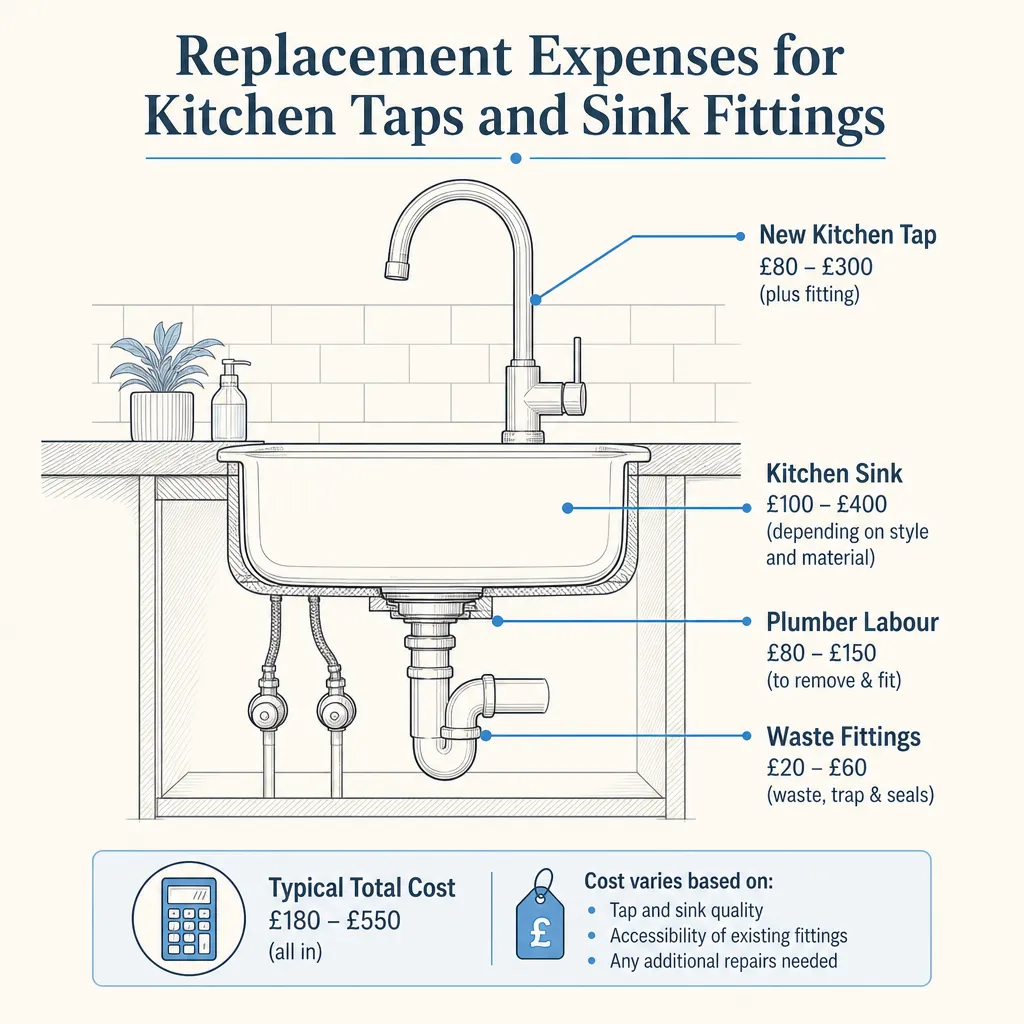
Replacement Expenses for Kitchen Taps and Sink Fittings
Replacing a standard kitchen mixer tap in the UK typically costs £150–£350 all-in, covering a mid-range tap and one to two hours of plumber labour. More complex jobs — boiling water taps, sink replacement, or difficult under-sink access — cost considerably more. VAT at 20% applies to most quotes from VAT-registered plumbers.
 General property advice
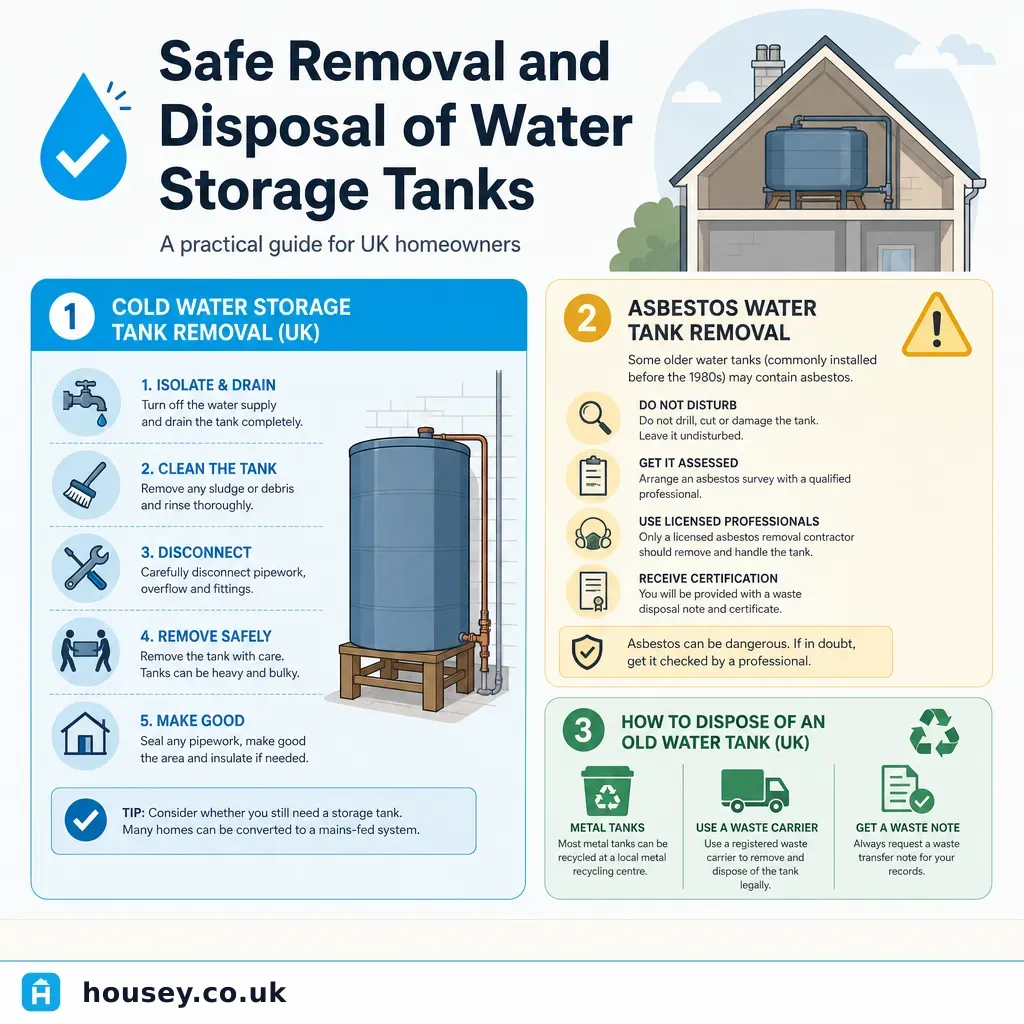
Safe Removal and Disposal of Water Storage Tanks
Removing a water storage tank safely means draining the system, disconnecting all pipework, and arranging correct disposal. Tanks installed before around 1985 may contain asbestos cement and must be tested or treated as suspect before any work begins. Old metal and asbestos cement tanks require a licensed contractor; modern plastic tanks can be cut down and taken to a recycling centre.
 General property advice
Shared Ownership Property Valuations and Market Changes
Shared ownership valuations are carried out by RICS-registered valuers to establish the open market value of the whole property; your share price is your ownership percentage of that figure. Valuations are required for staircasing, selling, and remortgaging. Market rises increase equity but raise staircasing costs, while a market fall can reduce your share value and risk negative equity.