Building and Installing a Firebox: Hearth Construction Guide
By Housey · Last reviewed 25th of May 2026
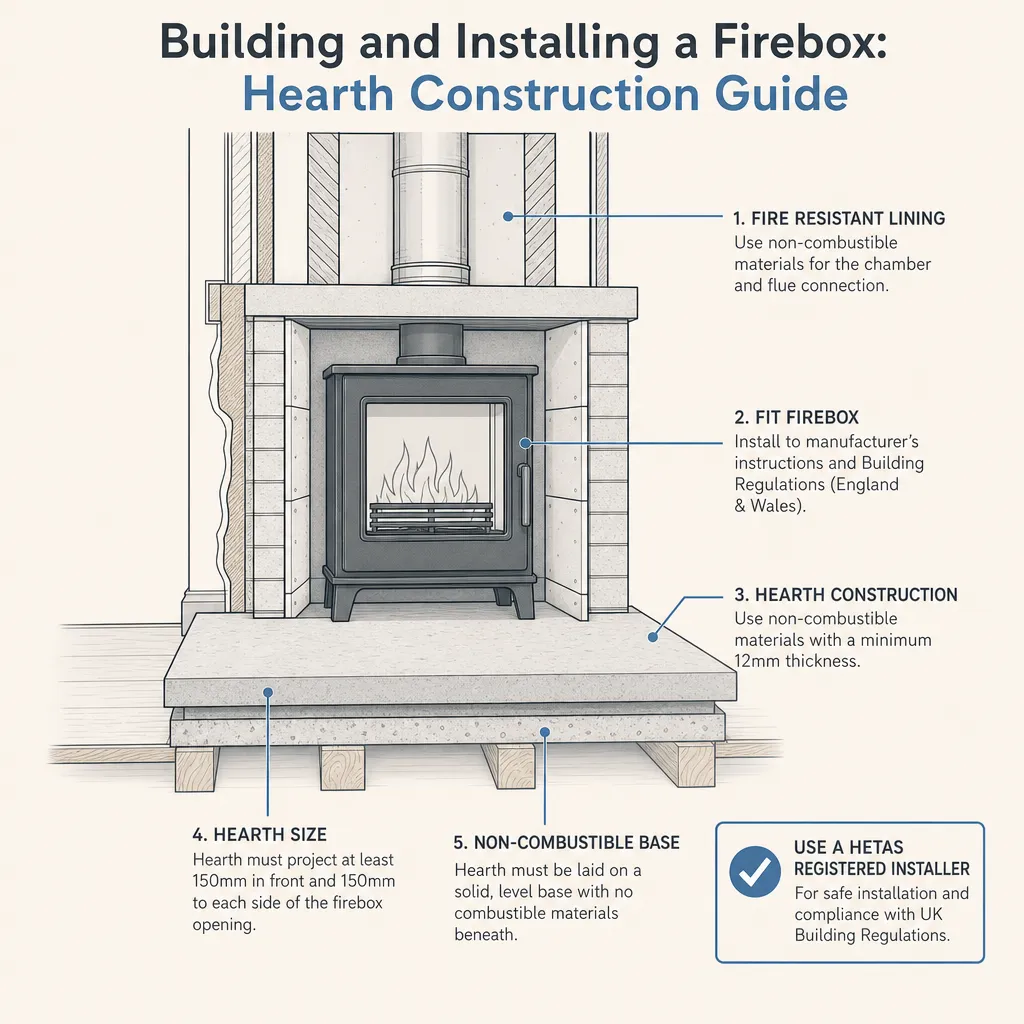
Building and Installing a Firebox: Hearth Construction Guide
Installing a new fireplace in a UK home is one of the few improvement tasks where the invisible structure — the hearth thickness, firebox clearances, and flue lining — carries direct fire-safety and legal obligations. Whether you are opening up a Victorian chimney breast, fitting a wood-burning stove in a 1930s semi, or building a bespoke masonry firebox as part of an extension, Building Regulations set precise requirements that apply regardless of property age or fuel type. Getting this wrong can invalidate your home insurance, create a conveyancing problem when you sell, and — more seriously — pose a fire or carbon monoxide risk.
Key points
- Approved Document J (England and Wales) governs all constructional requirements for fireboxes, hearths, and flues; Scottish Building Standards Technical Handbook Section 3 applies in Scotland.
- Constructional hearths must be at least 125mm thick of non-combustible material, projecting a minimum 500mm in front of the appliance opening and 150mm to each side.
- All combustible materials in the firebox surround, jamb, or mantelpiece must be kept at least 200mm clear of the firebox opening face.
- Building control notification is required for new fireplace installations — via your local authority or through a HETAS-registered installer using the competent person self-certification scheme.
- Properties in designated Smoke Control Areas must use an Exempt Appliance listed by DEFRA, or burning is restricted under the Clean Air Act 1993.
What Approved Document J requires
Approved Document J (2010, amended 2013) is the primary technical reference for all combustion appliance installations in England and Wales. It addresses solid fuel, oil, and gas — though gas installations also require a Gas Safe registered engineer under the Gas Safety (Installation and Use) Regulations 1998.
For solid-fuel and wood-burning installations, Part J covers:
- Firebox construction: the chamber must be built or lined with refractory materials (firebrick or refractory concrete) able to withstand sustained radiant heat.
- Hearth size and thickness: minimum 125mm non-combustible constructional hearth projecting 500mm forward and 150mm laterally from the appliance opening.
- Flue sizing and terminal height: minimum internal flue dimensions and discharge heights above roof level — typically at least 600mm above the ridge or 1m above the penetration point, depending on roof configuration.
- Separation from combustibles: 200mm clearance between the firebox opening and any combustible material; mantelpiece shelves closer than 200mm vertically must be set back at least 300mm horizontally from the opening face.
Scotland follows Technical Handbook Section 3 (Environment), which contains comparable but not identical requirements. Northern Ireland uses Technical Booklets. Always confirm which regime applies to your property.
Firebox construction: materials and dimensions
A firebox must contain and direct combustion safely. For open fires and solid-fuel stoves set into a masonry chamber, the typical build specification is:
Element | Minimum requirement (Approved Document J, England & Wales) |
|---|---|
Constructional hearth thickness | 125mm non-combustible (concrete, engineering brick) |
Hearth projection in front of appliance | 500mm |
Hearth projection to sides of appliance | 150mm each side |
Clearance: firebox opening to combustibles | 200mm |
Flue lining (masonry chimney) | Approved clay or concrete liner, typically 200mm internal diameter for open fires |
Refractory fireback | Firebrick or refractory concrete, minimum 100mm thick |
For inset stoves or room-sealed appliances, the appliance manufacturer's installation instructions govern additional clearances — these must be followed alongside, not instead of, Part J.
Planning permission and building control
Most firebox and hearth installations do not require planning permission unless:
- The property is listed — any internal alteration to a chimney breast or fireplace opening may require Listed Building Consent from your local planning authority.
- A new external flue or stack is being added to a flat in a converted building — permitted development rights may not apply.
- External changes to the chimney breast affect the visual character of a conservation area.
Building control notification is required for virtually all firebox and hearth work. You have two routes:
- Full plans or building notice submitted to your local authority building control before work begins.
- Competent person scheme: a HETAS-registered installer can self-certify solid-fuel and biomass installations, including hearth and firebox work, without a separate building control application. Their HETAS certificate is your compliance record.
Retain the HETAS certificate or building control completion certificate — mortgage lenders, conveyancers, and insurers routinely request evidence of compliance when a property is sold.
Smoke control areas
If your home is in a designated Smoke Control Area — most urban areas in England qualify — burning wood or house coal on an open fire is restricted under the Clean Air Act 1993. You may still install a fireplace, but the appliance must be an Exempt Appliance listed by DEFRA, burning approved fuels or dry seasoned wood where the listing permits. Check your local authority's smoke control map before specifying the appliance.
Which professional do you need?
Scenario | Professional required |
|---|---|
New solid-fuel or biomass stove | HETAS-registered installer (can self-certify) |
Gas fire or inset gas fire | Gas Safe registered engineer (required by law) |
Structural alteration to chimney breast | Structural engineer assessment plus builder with building control oversight |
Opening a blocked or sealed flue | HETAS or Gas Safe engineer (depending on fuel) plus chimney sweep |
Listed building or conservation area works | Contact local planning authority before any work begins |
Masonry firebox in a new extension | Builder coordinating with HETAS installer for appliance fit-off |
Important limitations
This guide provides general information about UK Building Regulations and construction standards as they apply to firebox and hearth installations. It is not a substitute for professional assessment of your specific property, existing chimney condition, flue arrangement, or appliance specification. Requirements vary depending on property age, fuel type, smoke control designation, listed or conservation area status, and the specific appliance chosen. Always confirm requirements with your local building control department or a HETAS-registered professional before beginning work.
When this becomes urgent
Stop work and seek professional advice immediately if:
- You smell smoke in rooms other than where the appliance is situated — this may indicate a leaking flue or dangerous draught reversal.
- Soot or staining appears at ceiling level, above the firebox opening, or on adjacent walls.
- The chimney breast shows cracks, signs of leaning, or separation from a party wall.
- A chimney sweep finds a blocked, collapsed, or unlined flue that cannot be safely cleared.
What to ask a qualified professional
Before appointing a HETAS installer or building contractor for firebox work, ask:
- Are you HETAS registered, and will you issue the self-certification certificate on completion?
- Will you inspect the existing flue condition (CCTV survey or smoke test) before specifying the firebox design?
- Is the property in a smoke control area, and which appliances and fuels will be permitted?
- What hearth material and thickness are you specifying, and does it meet Approved Document J for the chosen appliance?
- Will self-certification cover the full scope of work, including the hearth construction?
- Who will carry out the final flue gas test and draught check?
When to get professional help
Any firebox, hearth, or flue installation involves fire-safety obligations under Building Regulations — this is not a suitable DIY project for inexperienced builders. Engage a qualified professional for:
- Any gas-fired appliance (Gas Safe engineer — legally required)
- Any solid-fuel or biomass appliance (HETAS installer — required for self-certification)
- Any structural work to a chimney breast (structural engineer assessment first)
- Any installation in a listed building (Listed Building Consent required)
- Any signs of existing flue damage, blockage, or staining in the chimney breast
How Housey can help
If your firebox project forms part of a wider build or extension, Housey can connect you with vetted extension builders experienced in coordinating masonry fireplace construction with building control compliance. Compare quotes and credentials before committing to a contractor.
Frequently asked questions
Do I need building control approval to install a wood-burning stove into an existing fireplace?
Yes. Inserting a stove into an existing open fireplace is a notifiable alteration under Building Regulations Approved Document J. You can use a HETAS-registered installer who self-certifies the work, removing the need for a separate building control application. Keep the HETAS certificate — it will be requested by conveyancers when you sell.
Can I build a firebox without a professional?
The masonry structure of a firebox can be built by a competent builder, but the appliance installation and flue connection must be completed or certified by a competent person — HETAS for solid fuel, Gas Safe for gas. DIY installation of a gas fire is illegal. DIY solid-fuel work without HETAS certification requires a separate building control application.
How thick does a hearth need to be under UK building regulations?
Approved Document J requires a constructional hearth of at least 125mm of non-combustible material. It must project at least 500mm in front of the appliance opening and 150mm to each side. A decorative stone or tile surface laid on top does not count towards this 125mm structural minimum.
What clearance is required between a firebox and a wooden mantelpiece?
Approved Document J requires at least 200mm clearance between the firebox opening and any combustible material. If a mantelpiece shelf is closer than 200mm vertically above the opening, it must be set back at least 300mm horizontally. Exact dimensions depend on the appliance — always cross-reference the appliance installation manual alongside Part J.
Sources and further reading
- Approved Document J — Combustion Appliances and Fuel Storage Systems — GOV.UK
- HETAS: official body for solid fuel and biomass heating — HETAS
- Smoke Control Areas — check your address — DEFRA
- Gas Safe Register — find a registered engineer — Gas Safe Register
- Guidance on works to listed buildings — Historic England
Useful next reads
 Improvement & Build
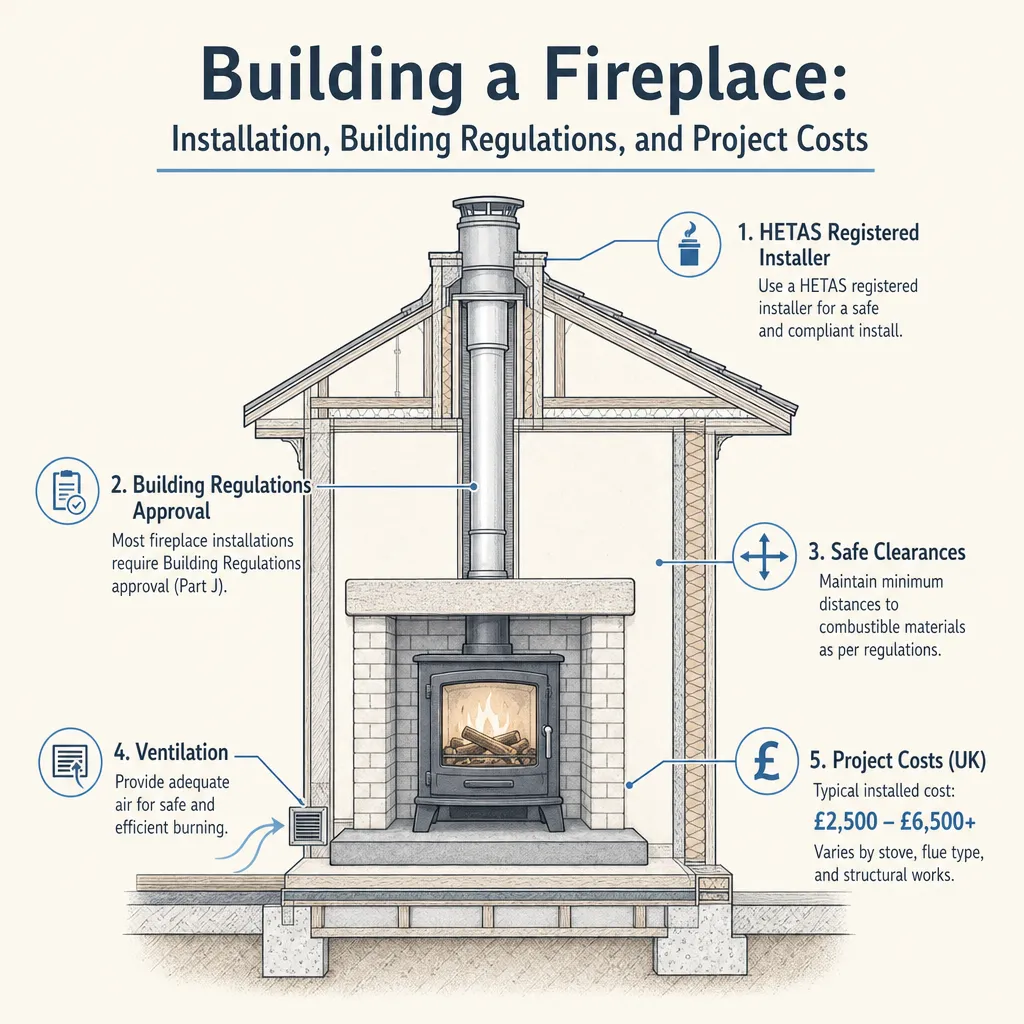
Building a Fireplace: Installation, Building Regulations, and Project Costs
Installing a fireplace or wood-burning stove in a UK home is notifiable work under Building Regulations Part J.
 Improvement & Build
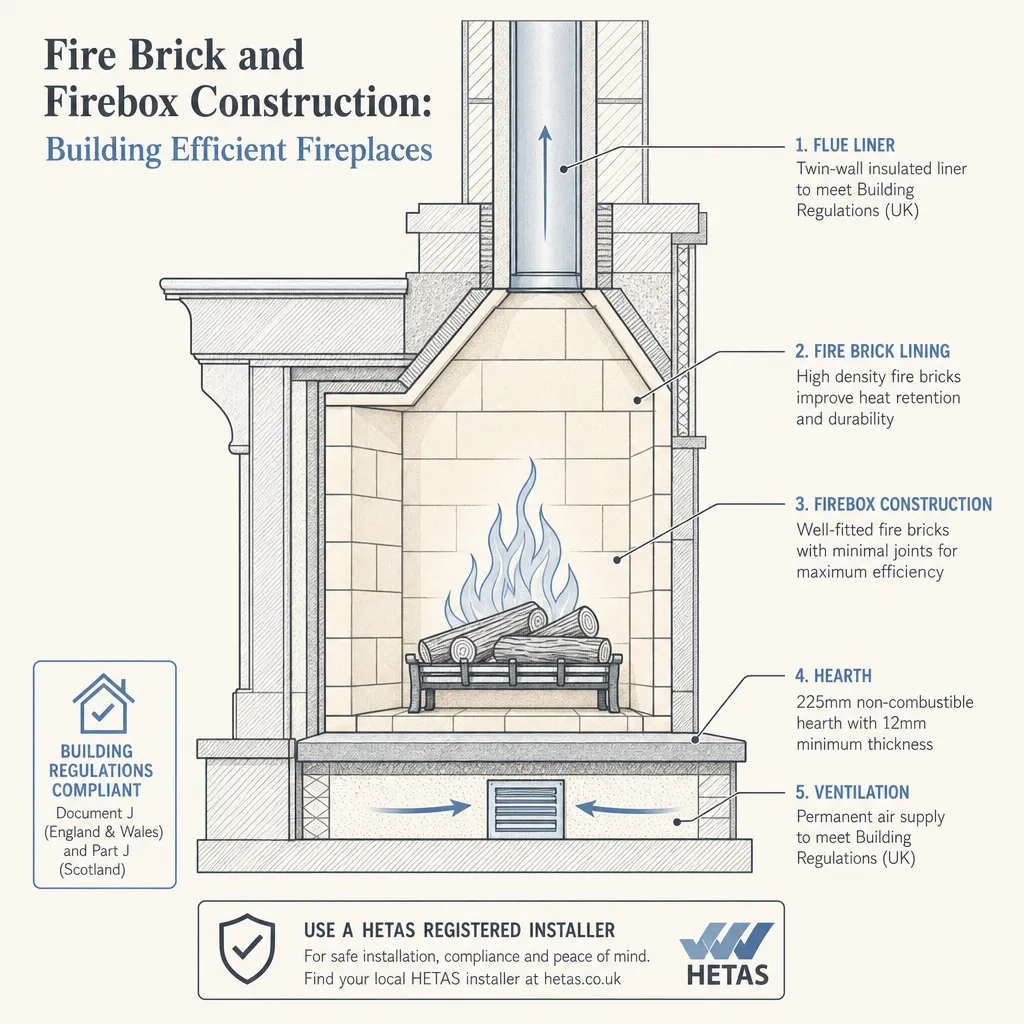
Fire Brick and Firebox Construction: Building Efficient Fireplaces
Building a firebox in the UK requires fire bricks rated for temperatures above 1,000°C and refractory mortar — not standard house bricks.
 Improvement & Build
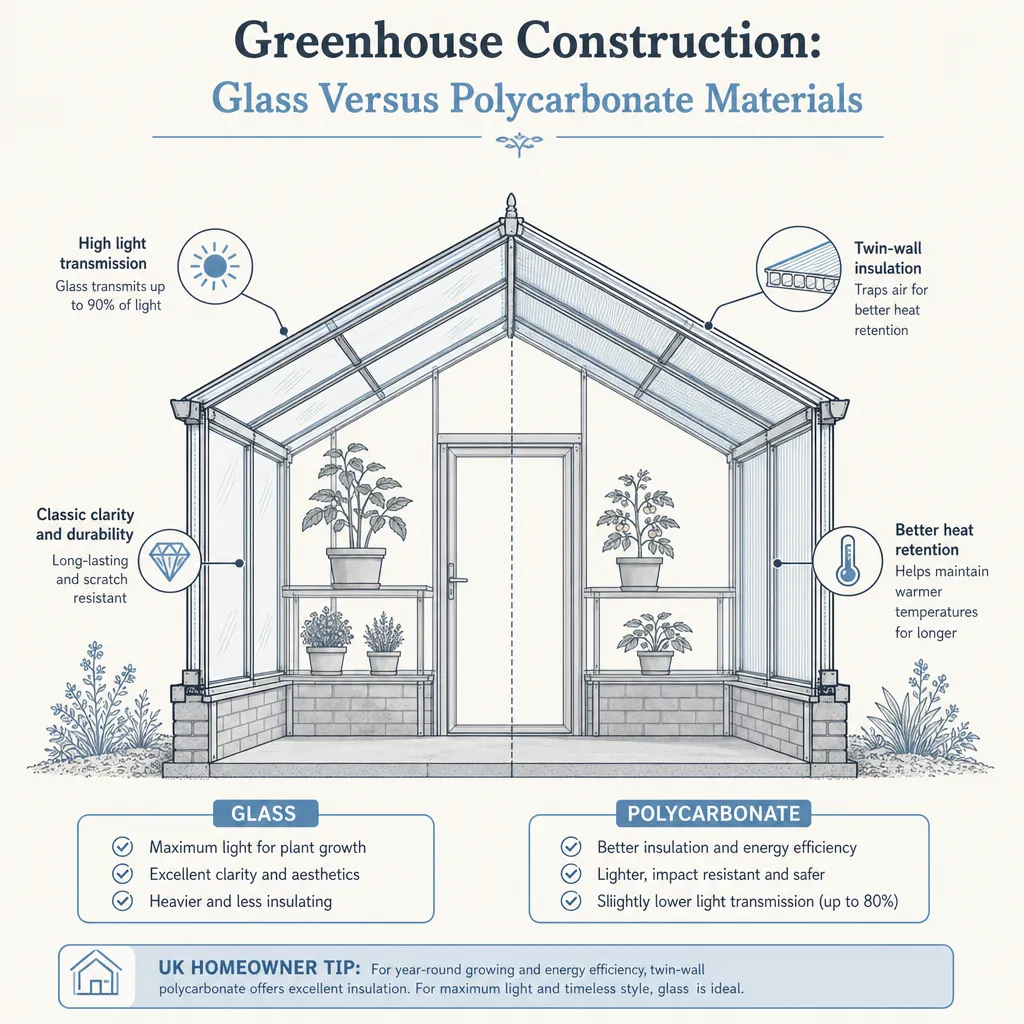
Greenhouse Construction: Glass Versus Polycarbonate Materials
Glass transmits around 90% of available light and lasts indefinitely if unbroken, but insulates poorly and shatters into sharp fragments.
 Improvement & Build
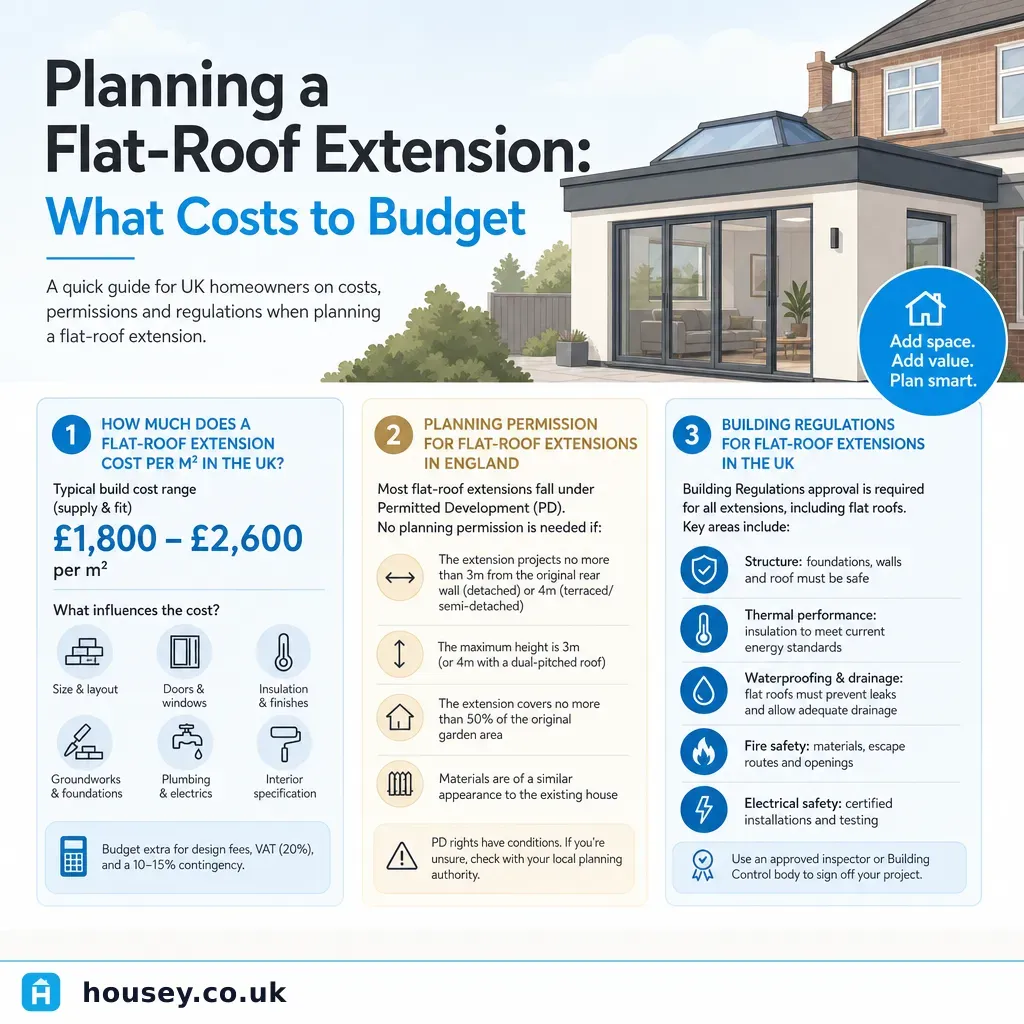
Planning a Flat-Roof Extension: What Costs to Budget
A flat-roof single-storey extension typically costs £1,500–£3,000 per m² in the UK, depending on size, specification, location, and roof membrane choice.
 Improvement & Build
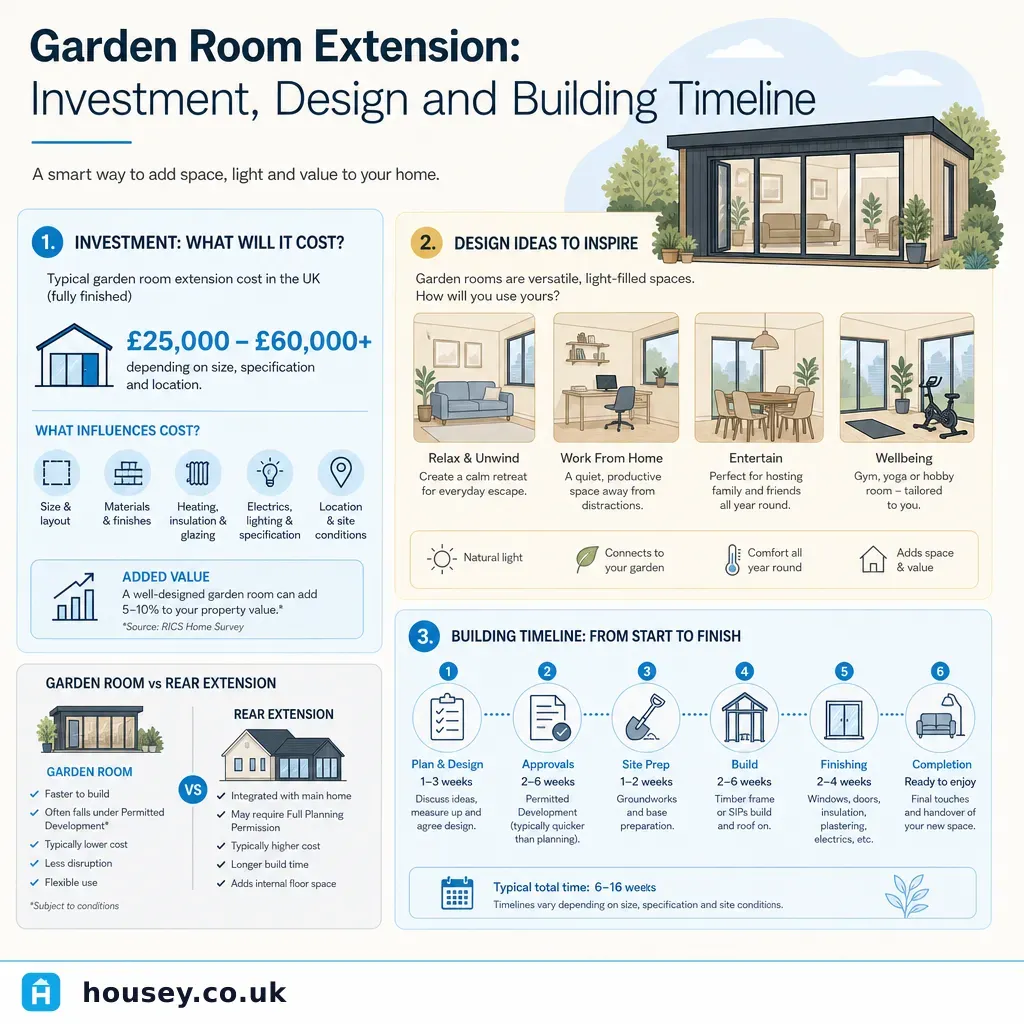
Garden Room Extension: Investment, Design and Building Timeline
A garden room or garden extension can add usable year-round space without always requiring planning permission.