Building an Outdoor Riding Arena: Design, Materials, and Costs
By Housey · Last reviewed 6th of May 2026
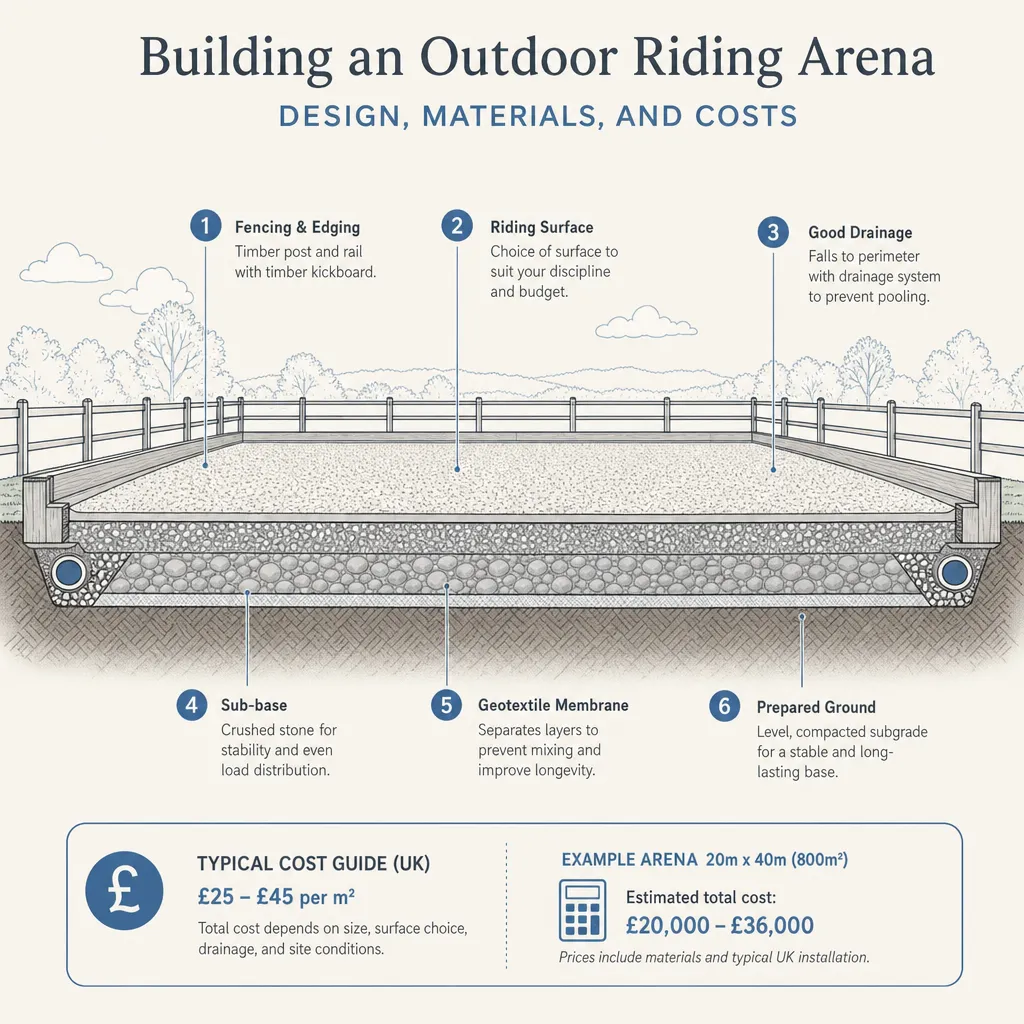
Building an Outdoor Riding Arena: Design, Materials, and Costs
Constructing a riding arena is one of the most significant investments a horse owner or equestrian property developer can make in the UK. Whether you are planning a basic schooling area for a private yard or a full-specification arena for livery clients, the decisions you make about ground preparation, surface choice, and drainage will determine whether the arena performs well for decades or becomes a costly maintenance problem within a few seasons. The range of surface materials, drainage systems, and structural specifications available means that two arenas of identical dimensions can differ by £20,000 or more in total cost.
Key points
- Standard competition arenas measure 20m × 40m; British Dressage requires 20m × 60m for affiliated competitions.
- Planning permission may be required for permanent outdoor arenas, particularly on agricultural land or in protected areas such as Green Belt, AONBs, or conservation areas.
- Sub-base depth should typically be 300–450mm of compacted type 1 MOT aggregate to ensure structural stability and drainage.
- Wax-coated sand and fibre blends reduce dust and frost sensitivity compared with plain sand; rubber crumb is commonly added to improve cushioning.
- Indicative costs for a fully installed 20m × 40m arena with drainage, post-and-rail fencing, and basic LED lighting: £25,000–£55,000 (Indicative UK costs, last reviewed 2026-05-06).
Do you need planning permission?
Whether an outdoor riding arena requires planning permission depends on several factors: the permanence of the construction, the size and nature of any structures, the land classification, and any local or national planning designations.
On agricultural land, a temporary arena with a removable surface and no permanent structures may fall within permitted development for agricultural use. However, a permanent arena — particularly one with floodlighting, perimeter fencing, hard standing, or a concrete-edged sub-base — is more likely to require a formal planning application. Floodlights are almost always subject to permission regardless of the arena itself.
In residential curtilage, hard surfaces and lighting associated with equestrian use will generally trigger the need for a planning application. The use of a residential garden for horse riding is also less clearly "residential" in planning terms, and local authorities interpret this differently.
If the site is in a Green Belt, Area of Outstanding Natural Beauty (AONB), National Park, or conservation area, stricter policies apply and planning permission is very likely required.
Contact your local planning authority (LPA) before beginning any groundworks. A pre-application enquiry is often worth the modest fee to receive informal guidance before committing to a design.
Choosing the right arena size
Use | Recommended size | Notes |
|---|---|---|
Private schooling (flatwork and jumping) | 20m × 40m | Most common size; suitable for most disciplines |
Affiliated dressage | 20m × 60m | Required for affiliated British Dressage tests |
Show jumping training | 40m × 60m or larger | More space needed for course setting |
Lunging only | 20m × 20m | Minimum practical size for most horses |
For most private equestrian properties in the UK, a 20m × 40m arena is the standard choice. It balances cost, land footprint, and practical usability across disciplines.
Comparing riding arena surfaces
Surface choice affects cushioning, dust levels, drainage, freeze performance, and maintenance demands. The right surface depends on your primary discipline, exposure to the elements, and budget.
Surface type | Best for | Disadvantages | Approx. cost per m² (supply only) |
|---|---|---|---|
Silica sand (angular) | General schooling, jumping | Compacts and migrates; dusty when dry | £5–£10 |
Rubber crumb | Jump arenas, general use | Can migrate without adequate containment | £8–£15 |
Waxed sand and fibre blend | Dressage, high-use yards | Higher upfront cost; needs professional installation | £12–£25 |
Sand and rubber mix | General purpose | Requires regular harrowing to prevent compaction | £8–£16 |
Artificial turf | Low-use yards, lunging | Less suitable for intensive flatwork or jumping | £15–£30 |
Indicative UK costs, last reviewed 2026-05-06. Prices vary by supplier and region.
Surface depth is typically 50–75mm installed on top of the prepared sub-base. Waxed blends are often installed at 40–60mm.
Drainage — the most important factor
Poor drainage is the single most common cause of riding arena failure in the UK. The British climate means arenas need to handle heavy and sustained rainfall, and a waterlogged surface is both unusable and potentially harmful to horses' tendons and joints.
A typical construction sequence:
- Strip and excavate to the required depth (usually 400–600mm total from existing ground level).
- Install a perimeter drainage channel or herringbone French drain system, connected to a suitable soakaway or approved watercourse outfall.
- Lay sub-base — typically 200–300mm of compacted type 1 MOT aggregate.
- Add a geotextile membrane to separate the sub-base from the surface material and prevent migration.
- Install the surface material at the correct depth for the chosen product.
On sloping ground or clay-heavy soils, additional drainage measures — deeper excavation, land drains, increased soakaway capacity — may be necessary. Always obtain a professional drainage assessment before agreeing on specification and price.
Fencing, lighting, and access
Post-and-rail fencing in white-painted or natural timber is the standard perimeter treatment for UK riding arenas. For a 20m × 40m arena, the perimeter is 120m, requiring 120–150 fence posts and several hundred metres of rail.
Floodlighting almost always requires planning permission. LED systems are now standard, offering significant energy savings over older metal halide fittings. A typical four-post LED installation for a 20m × 40m arena costs approximately £3,000–£8,000 supply and install, depending on lux levels required.
Access from the stable yard to the arena — a firm track, a gated entrance, and a hard-standing mounting area — is frequently underestimated in initial budgets. Allow for this when reviewing contractor quotes.
What to ask before accepting a quote
- What total construction depth is included (excavation depth, sub-base thickness, surface depth at installation)?
- What drainage specification is proposed, and what capacity does the soakaway or outfall have?
- What surface material is supplied, and what is the guaranteed depth at installation?
- Is planning permission advice included, or is that a separate service?
- Does the quote cover fencing, lighting, access tracks, and a gated entrance?
- What warranty is offered on the surface and drainage system?
- Is VAT included?
- What ongoing maintenance is recommended, and what harrowing equipment will be needed?
Red flags when reviewing arena quotes
- No mention of drainage specification or depth in the quotation.
- Sub-base depth quoted at less than 200mm for a UK site.
- Surface depth below 50mm quoted to reduce material costs.
- No reference to a geotextile separation membrane.
- No discussion of planning permission considerations for the specific site.
- Vague descriptions such as "quality equestrian surface" without naming a specific product.
- A single lump-sum figure with no itemised breakdown of materials and labour.
When to get professional help
Commissioning an outdoor riding arena is a specialist civil engineering and landscaping project. The drainage design and sub-base specification should be handled by a contractor with specific equestrian construction experience. Seek at least three competitive quotes, ask for references from comparable completed arenas you can visit, and require a detailed, itemised specification in writing before signing any contract.
If your land is in a protected area, close to a watercourse, or involves significant cut-and-fill earthworks, speak with a planning consultant before finalising a design.
How Housey can help
Housey connects UK equestrian property owners with experienced ground-preparation and landscaping specialists. You can request quotes from arena groundworks and landscaping professionals or work with garden and equestrian facility designers who can help with layout planning and specification before construction begins.
Frequently asked questions
Do I always need planning permission for an outdoor riding arena?
Not always, but in many cases yes. Whether permission is needed depends on land classification, the permanence of construction, lighting, and local planning designations. Agricultural land may benefit from permitted development rights for temporary equestrian use, but permanent surfaces, fencing, and floodlights typically require a formal planning application. Check with your local planning authority before starting any groundworks.
How long does it take to build a 20m × 40m riding arena?
Construction of a standard arena with drainage and surface typically takes two to four weeks once materials are on site. This can extend if groundworks are complex, the ground is very wet, or access is difficult. Planning permission, if required, adds several months before construction can start.
What maintenance does a riding arena surface need?
Most surfaces require regular harrowing — at least weekly for busy yards — to prevent compaction, redistribute material, and maintain even depth. Waxed surfaces need less frequent watering but should still be harrowed regularly. Annual professional inspection of drainage outfalls and surface depth is recommended to catch problems early.
Can I build a riding arena on agricultural land without planning permission?
Temporary equestrian uses can sometimes fall within agricultural permitted development, but interpretation varies by local authority and what is genuinely considered temporary. Permanent structures, floodlights, and significant earthworks are likely to need permission regardless. Seek written confirmation from your LPA before relying on permitted development rights.
How much does a 20m × 60m dressage arena cost?
A full-specification 20m × 60m arena — including sub-base, drainage, waxed surface, and perimeter fencing — typically costs £40,000–£90,000 or more depending on surface type, lighting, soil conditions, and regional labour rates. Indicative UK costs, last reviewed 2026-05-06. Always obtain at least three detailed, itemised quotes.
Sources and further reading
- Planning Portal: Agricultural and householder development guidance — Planning Portal
- British Horse Society: Arena and menage guidance — British Horse Society
- GOV.UK: Agricultural land and farm buildings — GOV.UK
- British Dressage: Affiliated competition arena requirements — British Dressage
Useful next reads
 Improvement & Build
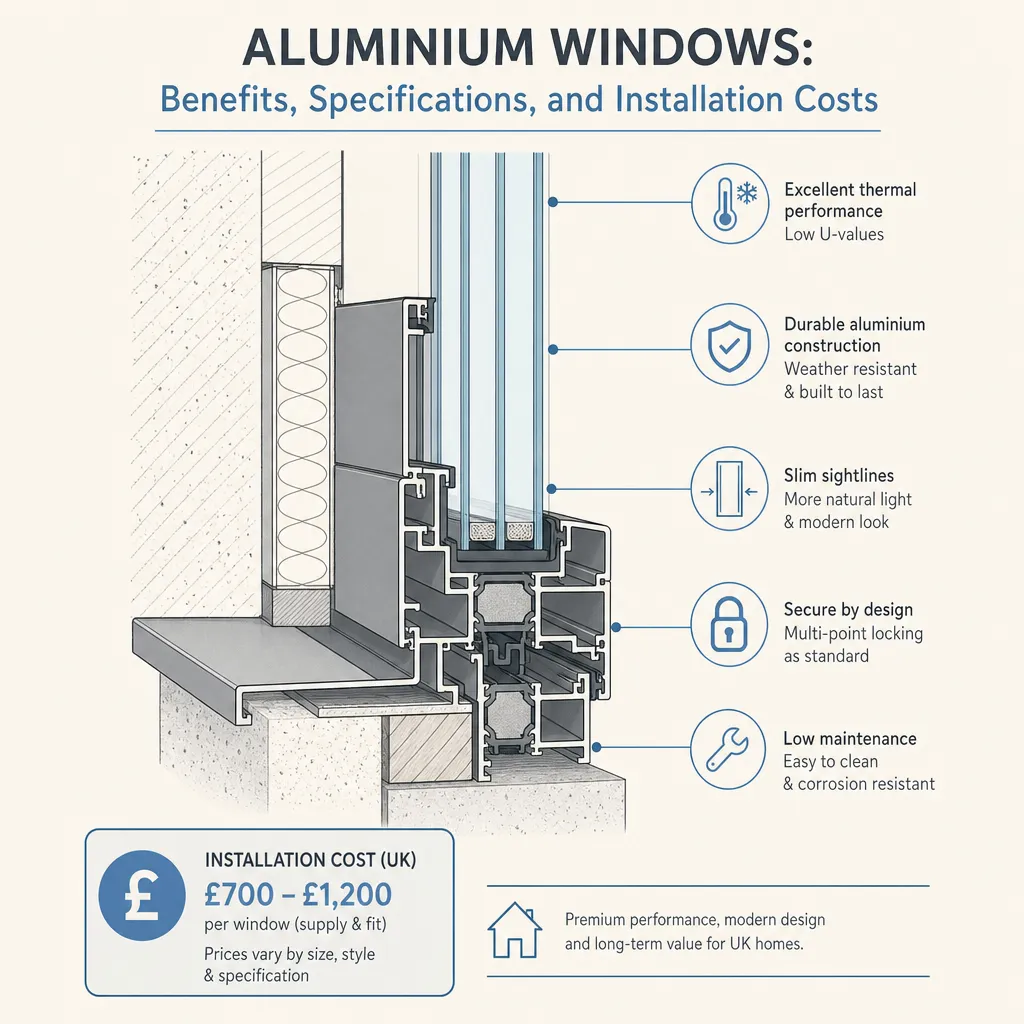
Aluminium Windows: Benefits, Specifications, and Installation Costs
Aluminium windows typically cost £600–£1,800 per window installed in the UK, depending on size and specification.
 Improvement & Build
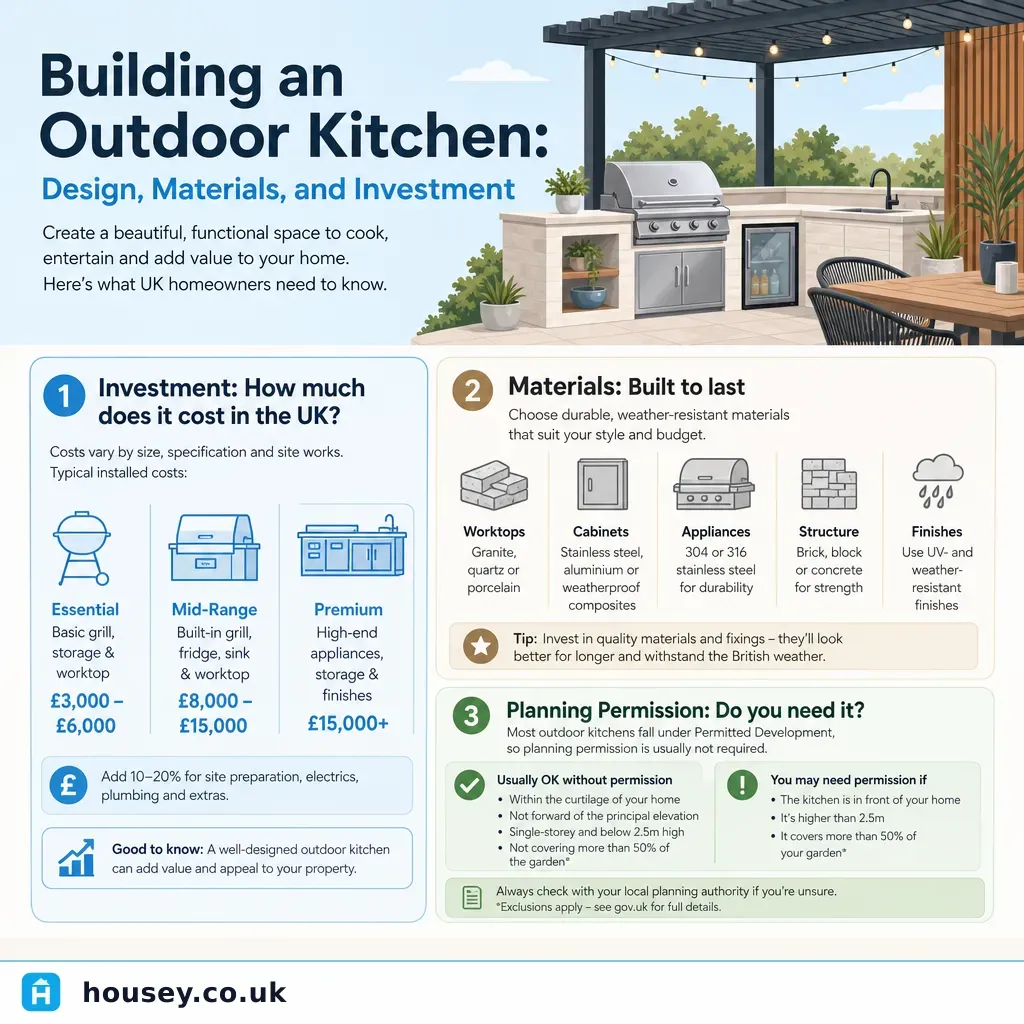
Building an Outdoor Kitchen: Design, Materials, and Investment
Building an outdoor kitchen in the UK costs roughly £3,000–£25,000 depending on size and materials.
 Improvement & Build
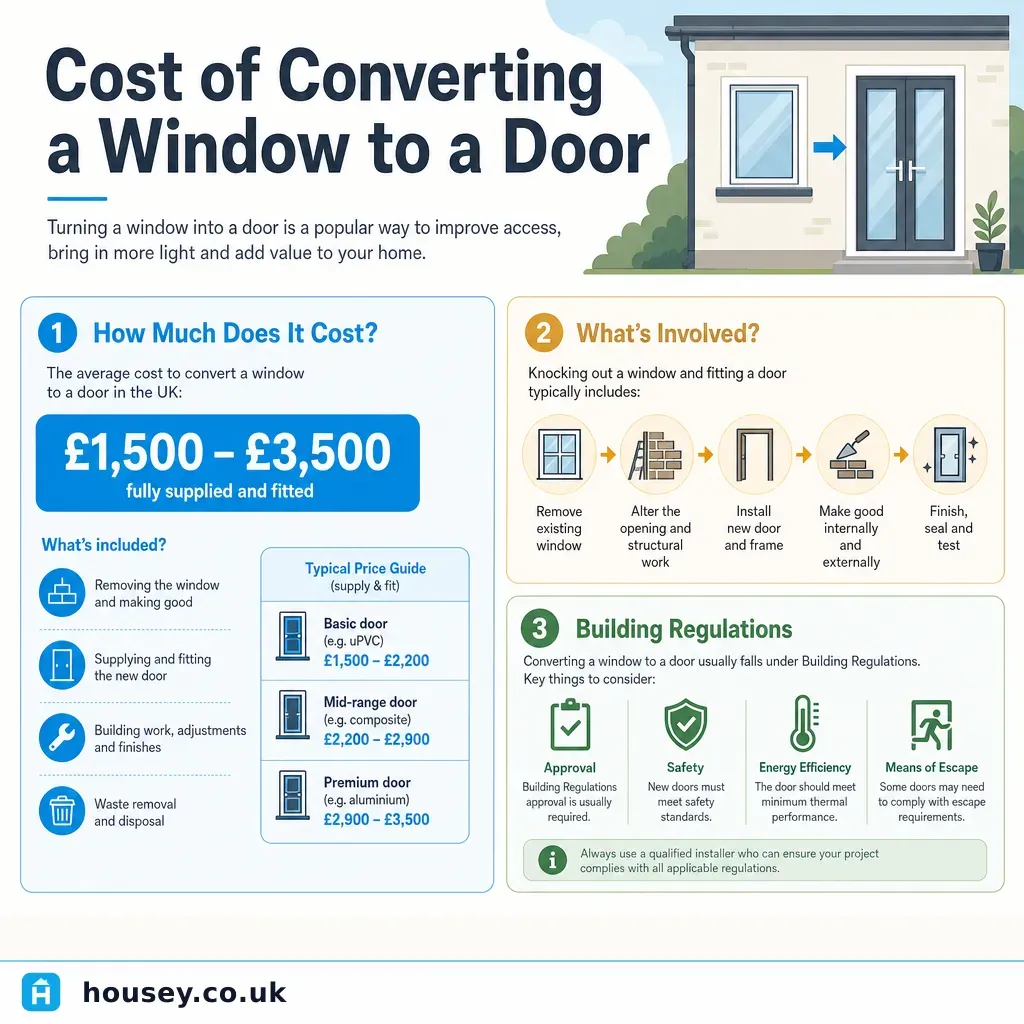
Cost of converting a window to a door
Converting a window to a door in the UK typically costs £1,500–£5,000 or more, depending on wall construction (cavity, solid, or timber frame), the type of door fitted, and whether a new or enlarged lintel is required.
 Improvement & Build
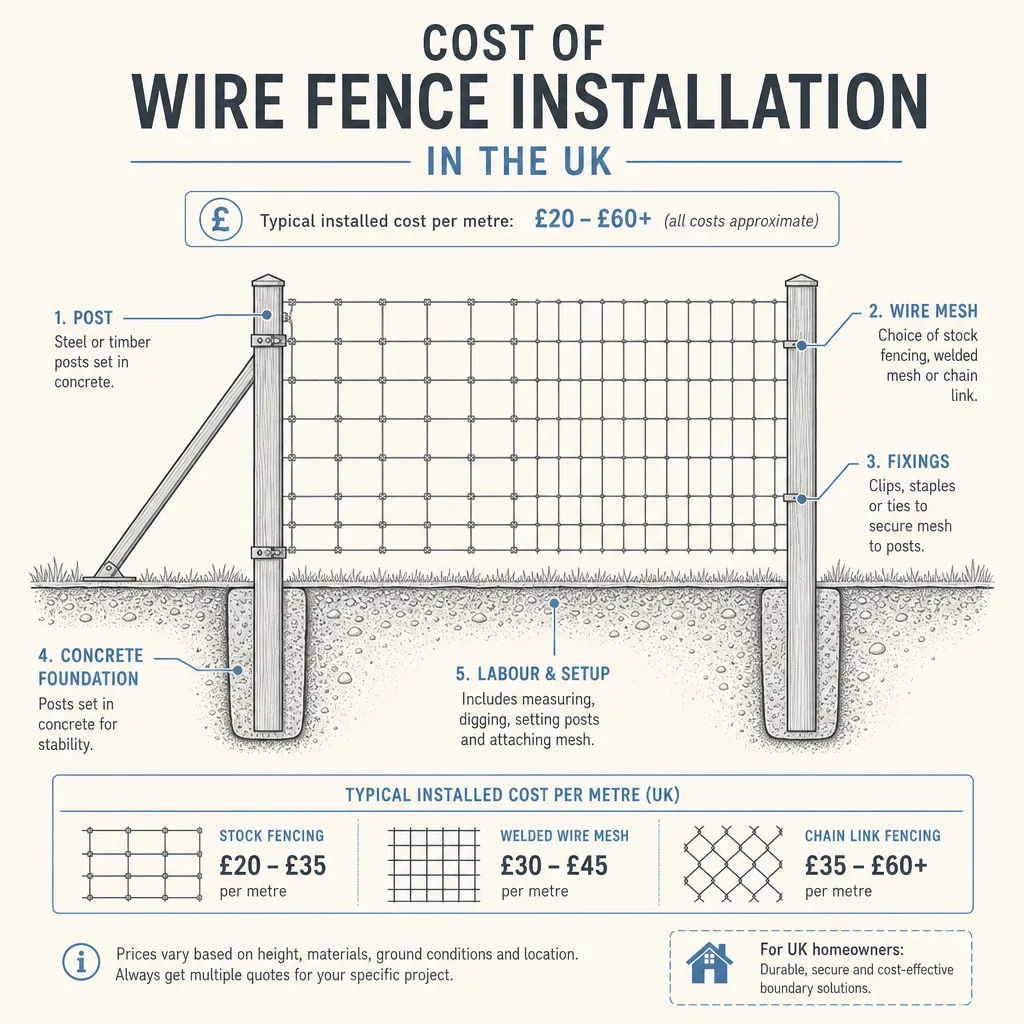
Cost of Wire Fence Installation in the UK
Wire fence installation in the UK typically costs £8–18 per metre for stock fencing, £15–35 per metre for chain-link, and £20–45 per metre for welded wire mesh panels, all installed.
 Improvement & Build
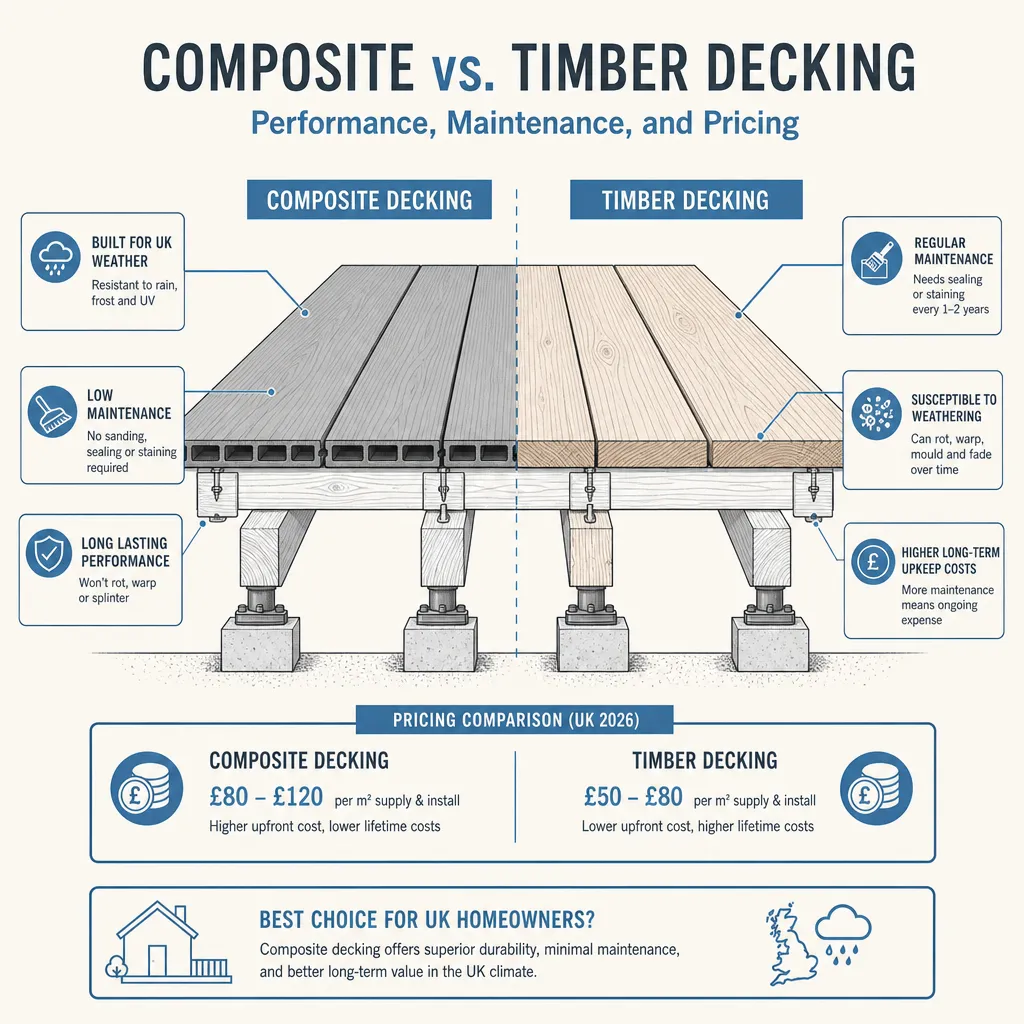
Composite vs. Timber Decking: Performance, Maintenance, and Pricing
Composite decking costs more upfront — typically £120–£220 per m² installed versus £80–£150 for treated softwood — but requires far less maintenance and carries a 25-year warranty.