Cost of Wire Fence Installation in the UK
By Housey · Last reviewed 19th of May 2026
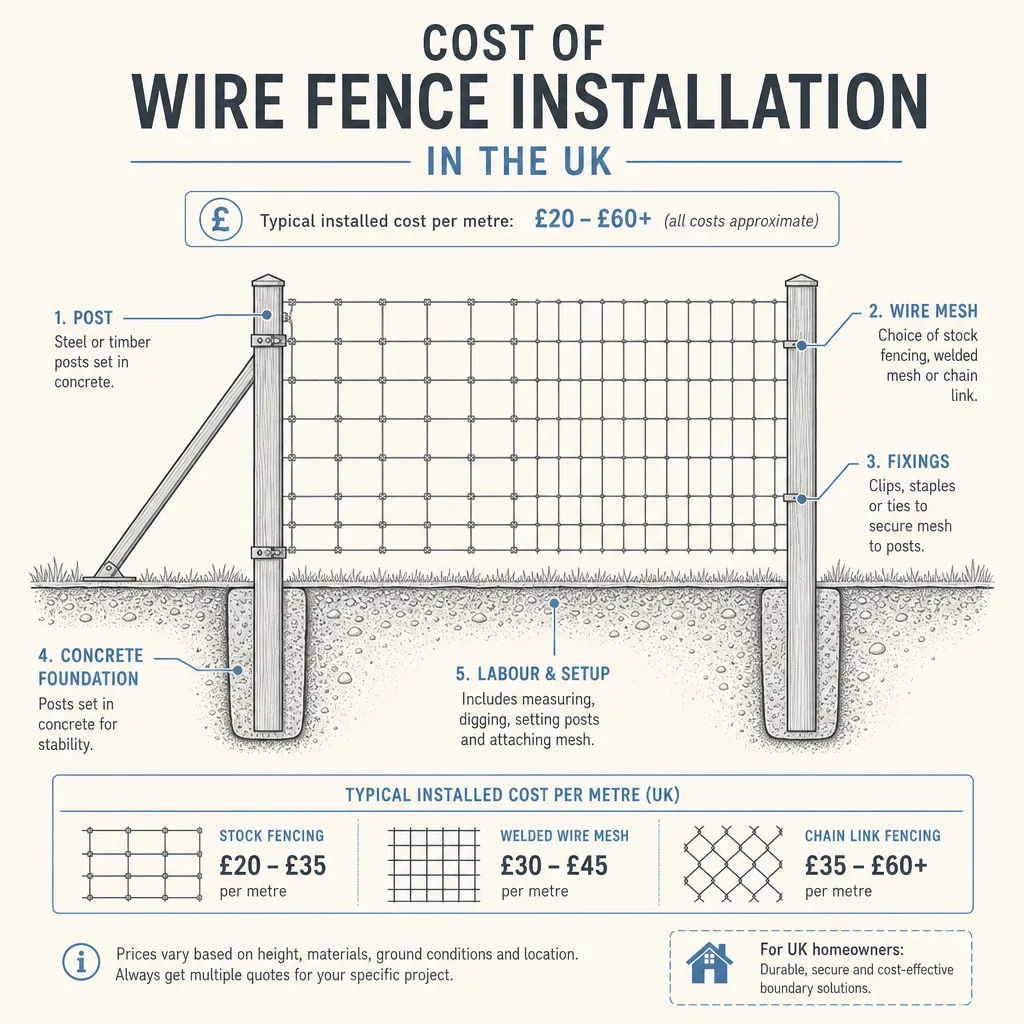
Cost of Wire Fence Installation in the UK
Wire fencing covers a wide range of products — from lightweight chicken wire for a kitchen garden to heavy-gauge welded mesh panels and galvanised stock fencing for paddocks and rural perimeters. The type of wire fence you choose, the condition of the ground on site, and the total run length all significantly affect what you pay. Understanding the main cost variables before approaching contractors makes it easier to compare quotes on like-for-like terms and identify bids that look attractive but omit key elements of scope.
Key points
- Chain-link fencing typically costs £15–35 per linear metre installed; welded wire mesh panels cost £20–45 per metre; stock and field fencing runs approximately £8–18 per metre (indicative UK costs, last reviewed 2026-05-19; quotes vary by region and specification).
- Under Schedule 2, Part 2 of the Town and Country Planning Act 1990, a fence up to 1m high on a highway boundary, or up to 2m elsewhere, generally does not require planning permission — this exemption does not apply to listed buildings, conservation areas, or properties subject to an Article 4 Direction.
- Post spacing is typically 2–3m for wire fencing; compressed clay, waterlogged, or rocky ground can require driven or concrete-set posts, adding £5–15 per post to the installation cost.
- Galvanised steel posts and wire have a typical service life of 20–30 years in UK conditions; PVC-coated (plastisol) variants offer better corrosion resistance and can last 40 or more years on coastal or high-humidity sites.
- Wire fencing over 2m in height, or installed adjacent to a highway, is more likely to require planning permission — always check with your local planning authority before work begins.
Types of wire fence used in UK properties
Chain-link fencing
The most widely used wire fence for residential boundaries, commercial perimeters, and sports facilities. Available zinc-galvanised or PVC-coated in standard heights of 0.9m, 1.2m, 1.5m, and 1.8m. Posts are typically steel angle, set in concrete.
Welded wire mesh (rigid mesh panels)
More rigid and visually structured than chain-link, making it popular for garden boundaries where appearance matters. Panels are fixed to concrete or timber posts. Heavier gauge mesh (3mm–5mm wire diameter) is used for security applications.
Stock and field fencing (post-and-wire)
Plain or high-tensile wire strands attached to wooden or steel posts at 2–3m centres. Used for paddock enclosures, large rural gardens, and livestock boundaries. Barbed wire is sometimes added at the top for livestock containment; under section 164 of the Highways Act 1980, barbed wire adjacent to a public highway must not pose a danger to people using the road.
Hexagonal wire netting (chicken wire)
Lightweight, low-cost, and simple to install; used for vegetable gardens, poultry enclosures, and low-traffic boundary protection. Not suitable for high-security or long-term perimeter use.
Comparison table: wire fence types, costs, and best uses
Fence type | Indicative installed cost per linear metre | Best for | Not ideal for | Typical lifespan |
|---|---|---|---|---|
Chain-link (galvanised) | £15–30 | Boundary security, sports courts, commercial | High-aesthetic settings | 20–30 years |
Chain-link (PVC-coated) | £20–35 | Residential gardens, coastal sites | Budget-sensitive projects | 30–40 years |
Welded wire mesh panels | £20–45 | Garden boundaries, decorative enclosures | Agricultural and rural use | 20–35 years |
Stock and field fencing | £8–18 | Paddocks, rural boundaries, large gardens | Urban settings | 15–25 years (timber posts) |
Hexagonal chicken wire | £5–15 | Vegetable gardens, poultry runs | Security or permanent use | 5–10 years |
Indicative UK costs, last reviewed 2026-05-19. Quotes vary by region, ground conditions, post specification, and site access.
What affects the total cost of wire fence installation
Run length and layout
Most installers price wire fencing per linear metre, making total length the primary cost driver. Corners, gates, and return ends all add material and labour. Budget approximately £150–400 per gate depending on size and specification, on top of the per-metre fence rate (indicative UK costs, last reviewed 2026-05-19).
Ground conditions
Firm, free-draining soil is the cheapest to work with. Heavy clay, waterlogged ground, or made-up ground (filled ground or rubble bases) may require longer posts, concrete haunching, or driven steel posts instead of dug-and-set timber. This can add £5–15 per post, or more where specialist equipment is needed.
Post material and specification
Timber posts treated to UC4 standard (ground contact) are common for stock and chicken-wire fencing. Concrete posts are standard for chain-link. Steel angle posts or tubular steel are used for security-grade installations. Concrete posts cost more upfront but typically outperform treated timber in the UK's damp climate over the full fence lifetime.
Access and terrain
Sloped ground, tight access in a terraced urban garden, or a long walk from a vehicle drop-off all increase labour time and cost. Work on a significant gradient can add 10–25% to standard per-metre rates.
Gates and apertures
A standard 1m pedestrian gate in galvanised mild steel typically costs £150–250 supplied and fitted. A 3m–4m double gate for vehicle access costs £400–800 or more depending on weight and lock specification (indicative UK costs, last reviewed 2026-05-19).
What to ask before accepting a quote
- Is the price per linear metre or a fixed total for the full run?
- What post specification, material, and spacing are included?
- Will posts be concrete-set? If so, what mix ratio and depth?
- What is the wire specification — gauge, coating type, and mesh aperture?
- Does the quote include removal of any existing fencing?
- Is ground clearance — levelling of vegetation, roots, or obstacles — included in the price?
- What guarantee or warranty is offered on materials and workmanship?
- Are you a member of a recognised trade body, such as the Fencing Contractors Association (FCA)?
- Is VAT included in the quoted price?
- What could change the price or timeline once work begins?
Planning permission and boundary rules
Wire fencing in residential England generally falls under permitted development rights in Schedule 2, Part 2 of the Town and Country Planning Act 1990. The key thresholds are:
- Up to 1m height: permitted development where the fence adjoins a public highway.
- Up to 2m height: permitted development for fences not adjacent to a highway.
- Over 2m, or adjacent to a listed building, or within a conservation area fronting a highway: planning permission is likely required.
For agricultural land, wire fencing is generally permitted under agricultural permitted development rights, but commercial and industrial sites have different rules. Confirming the planning position before installation avoids the risk of an enforcement notice requiring removal at the owner's expense.
Boundary ownership: Before installing any fence on or near a boundary, confirm ownership from the title deeds, which are available from HM Land Registry. You cannot install a fence on a neighbour's land without their agreement, even along the apparent boundary line.
When to get professional help
Wire fencing is one of the more DIY-friendly property improvements for competent groundworkers. Instruct a professional contractor when:
- The total run exceeds approximately 50m — consistent post alignment, wire tensioning, and concrete haunching become difficult without the right equipment.
- The ground is rocky, heavily rooted, or classified as contaminated land.
- The fence must meet a security specification — for example, LPS 1175-rated or above 2.4m height — which has specific design and installation requirements.
- The boundary is disputed or involves any legal complexity.
- The fence will border a highway, where the Highways Act 1980 imposes specific obligations on the landowner.
How Housey can help
Wire fencing projects often accompany wider boundary and landscaping improvements. Housey's driveway installers and groundwork contractors include professionals experienced in boundary treatments who can coordinate fencing work alongside surfacing and access projects. Always compare at least three quotes on full specification, not just the headline per-metre rate.
Frequently asked questions
How long does wire fence installation take?
A straightforward domestic run of 30–50 metres typically takes a two-person team one to two days. Longer runs, complex ground conditions, or multiple gates will extend this. Confirm access requirements and any preparatory groundwork at the quote stage to avoid unexpected delays on site.
Do I need to notify my neighbour before installing a boundary fence?
You do not legally need consent from a neighbour to fence your own land up to your boundary, but notifying them is good practice and avoids disputes. Check your title deeds at HM Land Registry to confirm the exact boundary position before installing posts.
Is wire fencing cheaper than close-board timber fencing?
Usually yes for long runs. Chain-link at £15–30 per metre installed is typically cheaper than close-board timber at £25–55 per metre, and requires less maintenance over its lifespan. The trade-off is aesthetics and privacy: chain-link is transparent, while close-board is solid and opaque.
Does wire fencing need maintenance?
Galvanised wire fencing requires minimal maintenance beyond checking post integrity and wire tension annually. PVC-coated mesh should be inspected for coating damage at cut edges, which can lead to corrosion. Timber posts should be checked for ground-level rot every two to three years.
Sources and further reading
- Town and Country Planning Act 1990 Schedule 2 Part 2 — legislation.gov.uk
- Planning Portal: Fences, Gates and Garden Walls — Planning Portal
- HM Land Registry: Search for Property Information — GOV.UK / HM Land Registry
- Highways Act 1980 section 164 — legislation.gov.uk
Useful next reads
 Improvement & Build
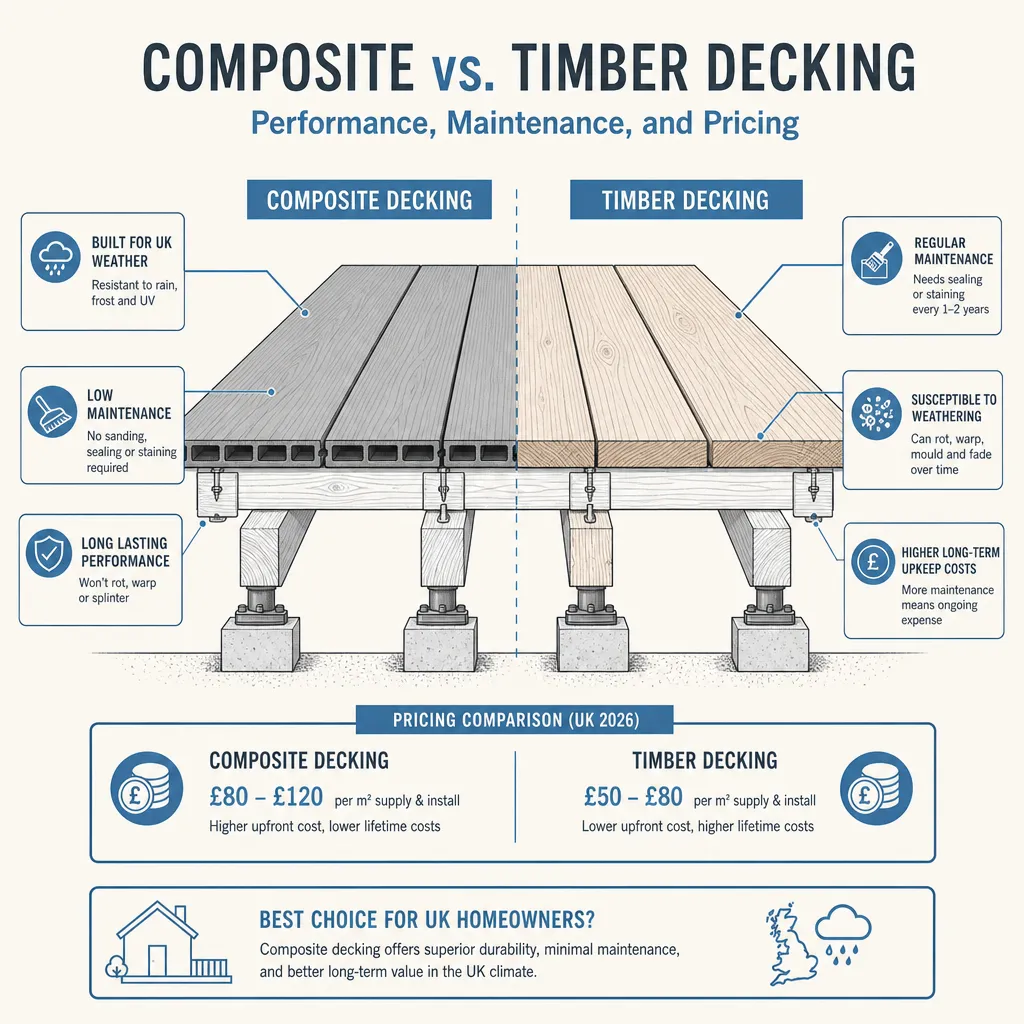
Composite vs. Timber Decking: Performance, Maintenance, and Pricing
Composite decking costs more upfront — typically £120–£220 per m² installed versus £80–£150 for treated softwood — but requires far less maintenance and carries a 25-year warranty.
 Improvement & Build
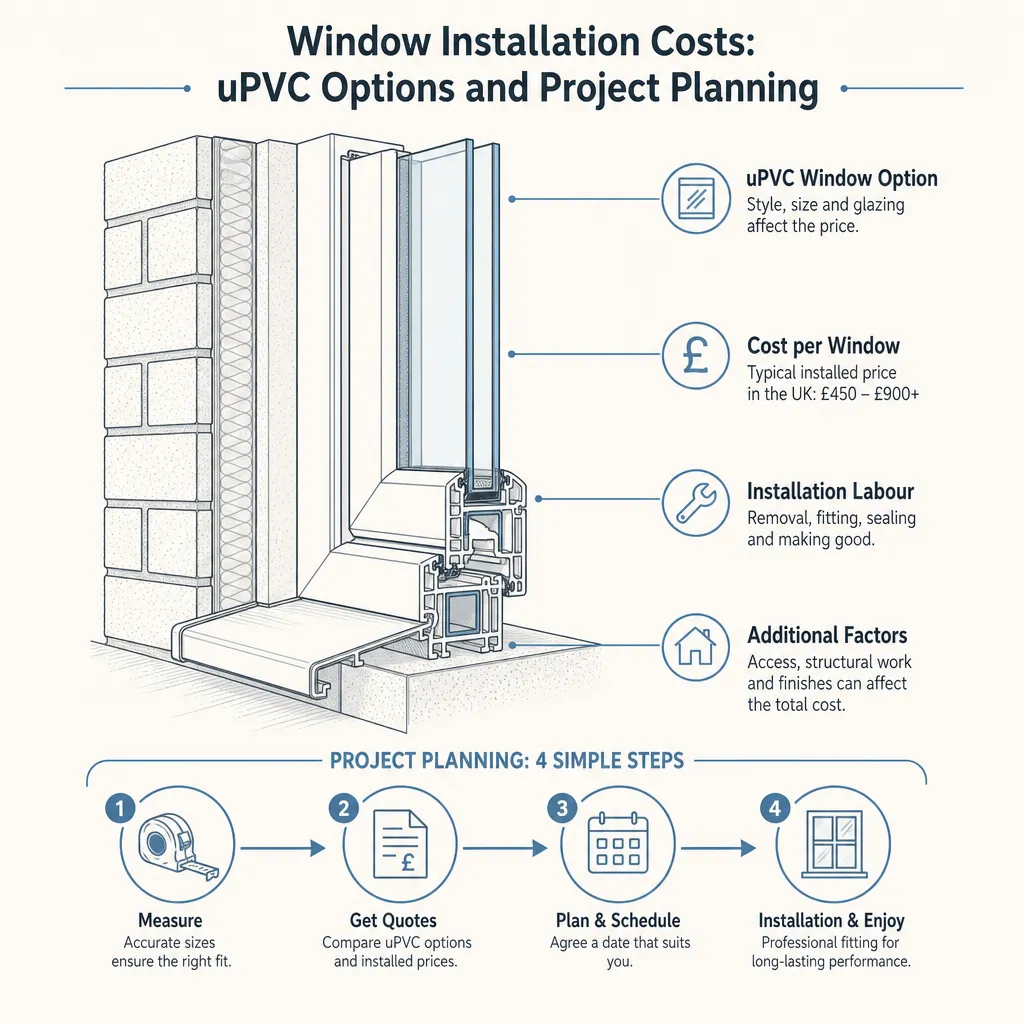
Window Installation Costs: uPVC Options and Project Planning
Replacing uPVC (vinyl) windows in the UK typically costs £400–£900 per casement window installed.
 Improvement & Build
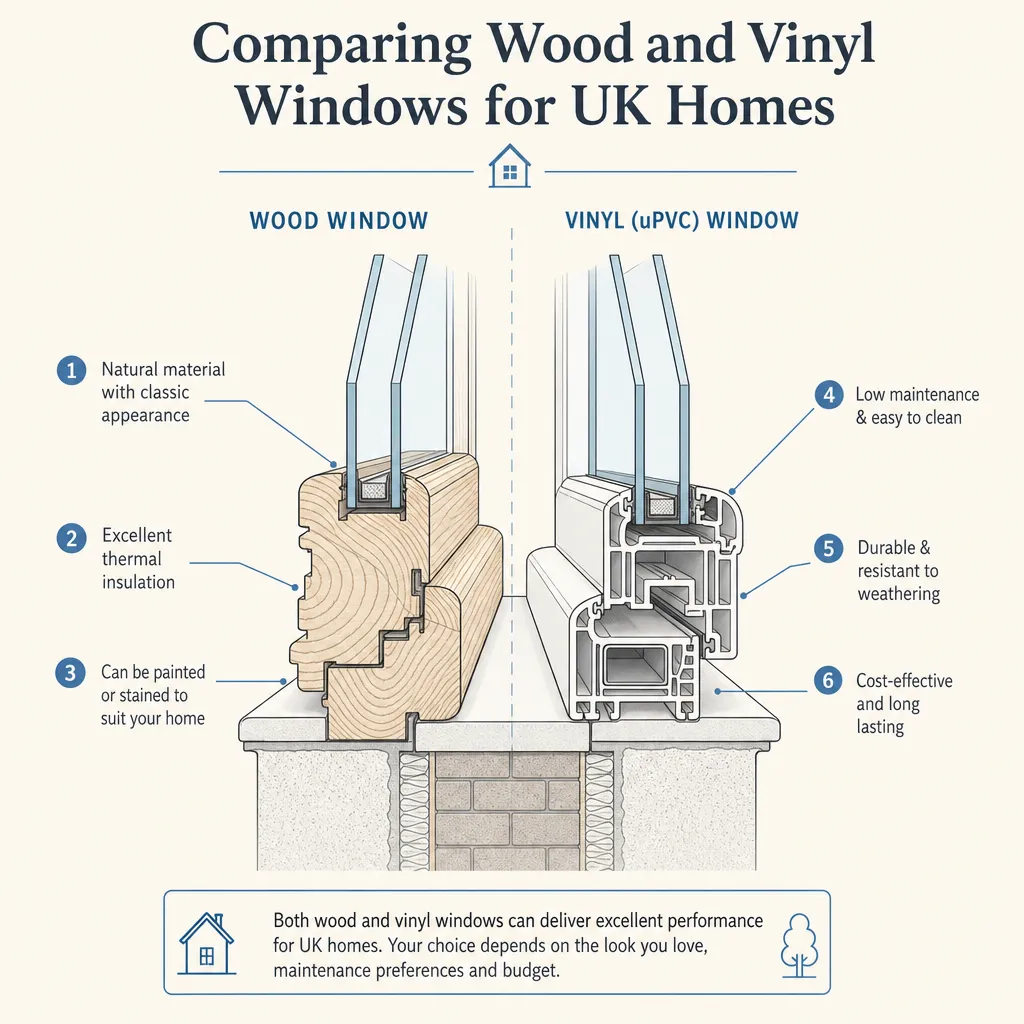
Comparing Wood and Vinyl Windows for UK Homes
Timber windows typically cost more upfront than uPVC but can last twice as long with regular maintenance.
 Improvement & Build
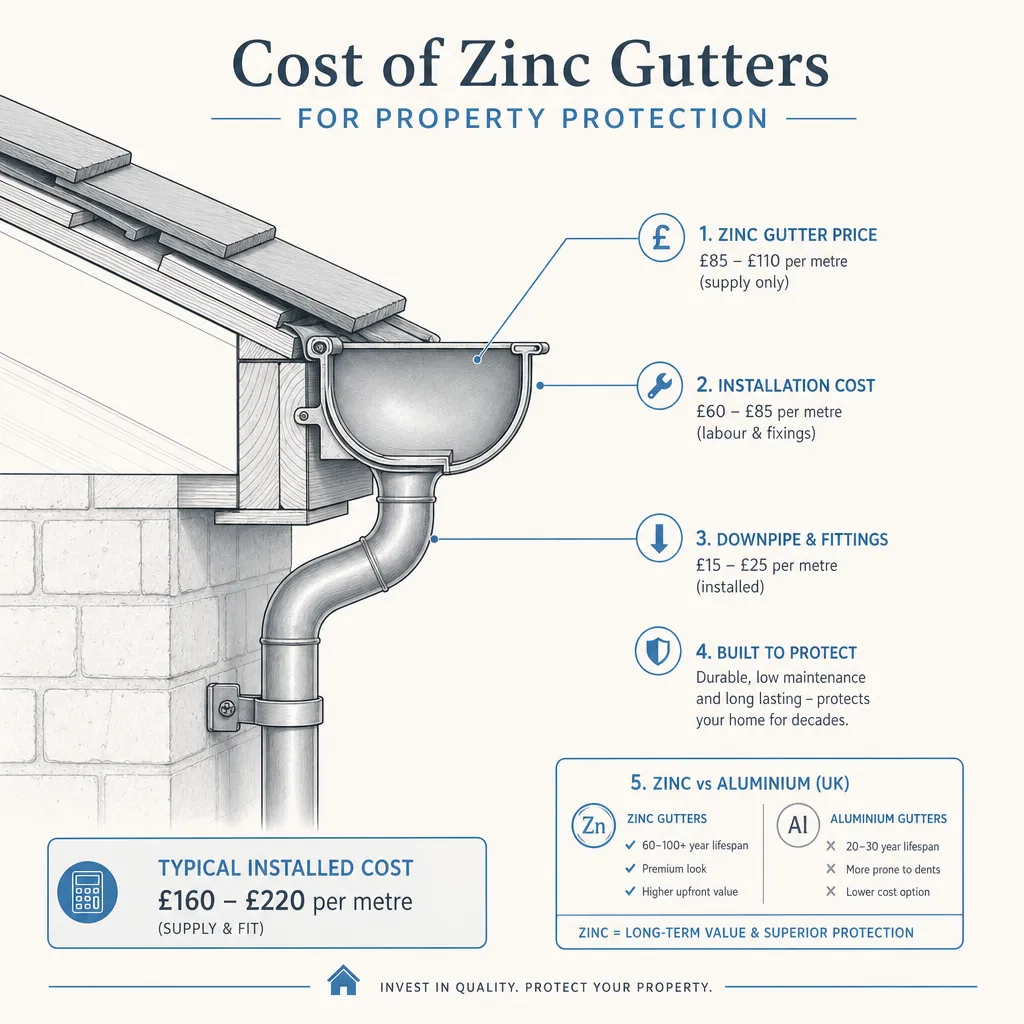
Cost of Zinc Gutters for Property Protection
Zinc gutters cost around £60–£120 per metre installed in the UK, depending on profile complexity, property type, and scaffolding requirements.
 Improvement & Build
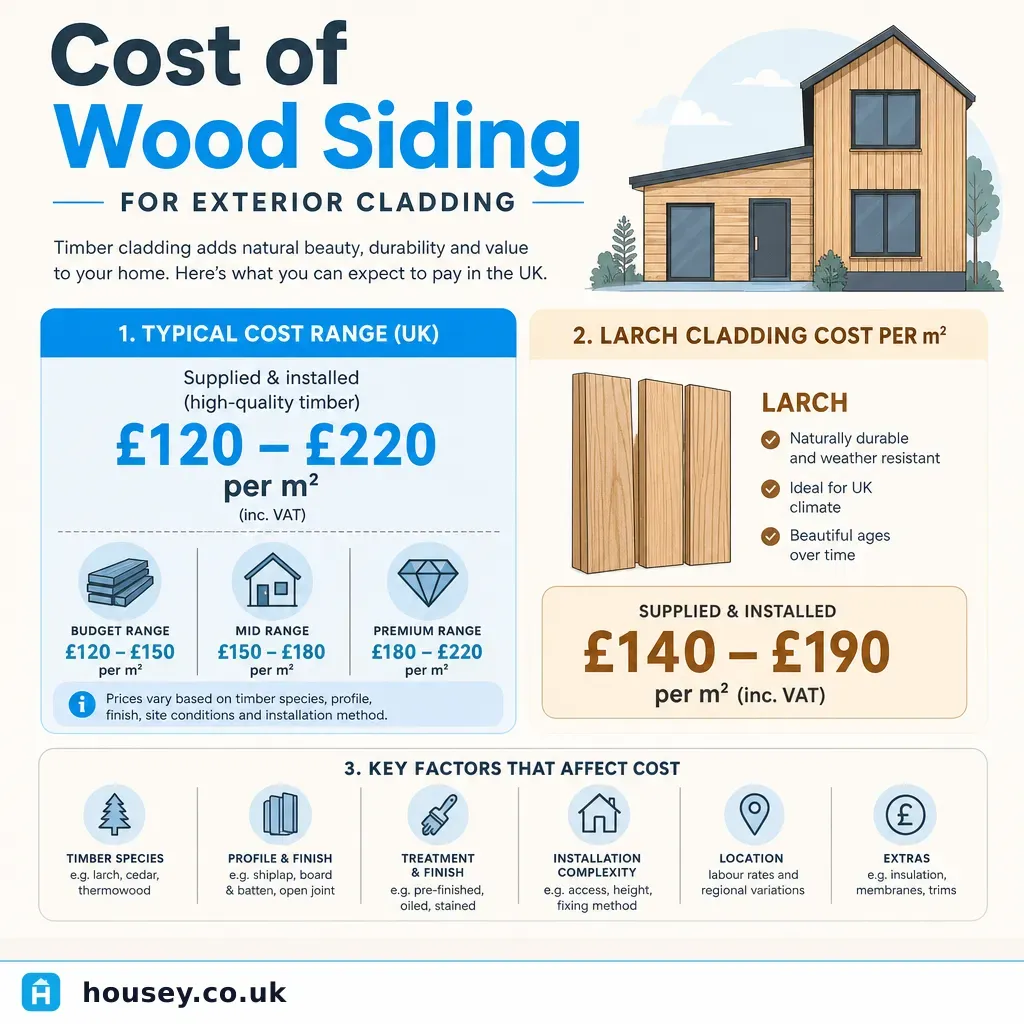
Cost of wood siding for exterior cladding
External timber cladding in the UK typically costs £80–£200 per m² installed, depending on species, profile, and access.