Building With Sustainable Repurposed Materials
By Housey · Last reviewed 1st of June 2026
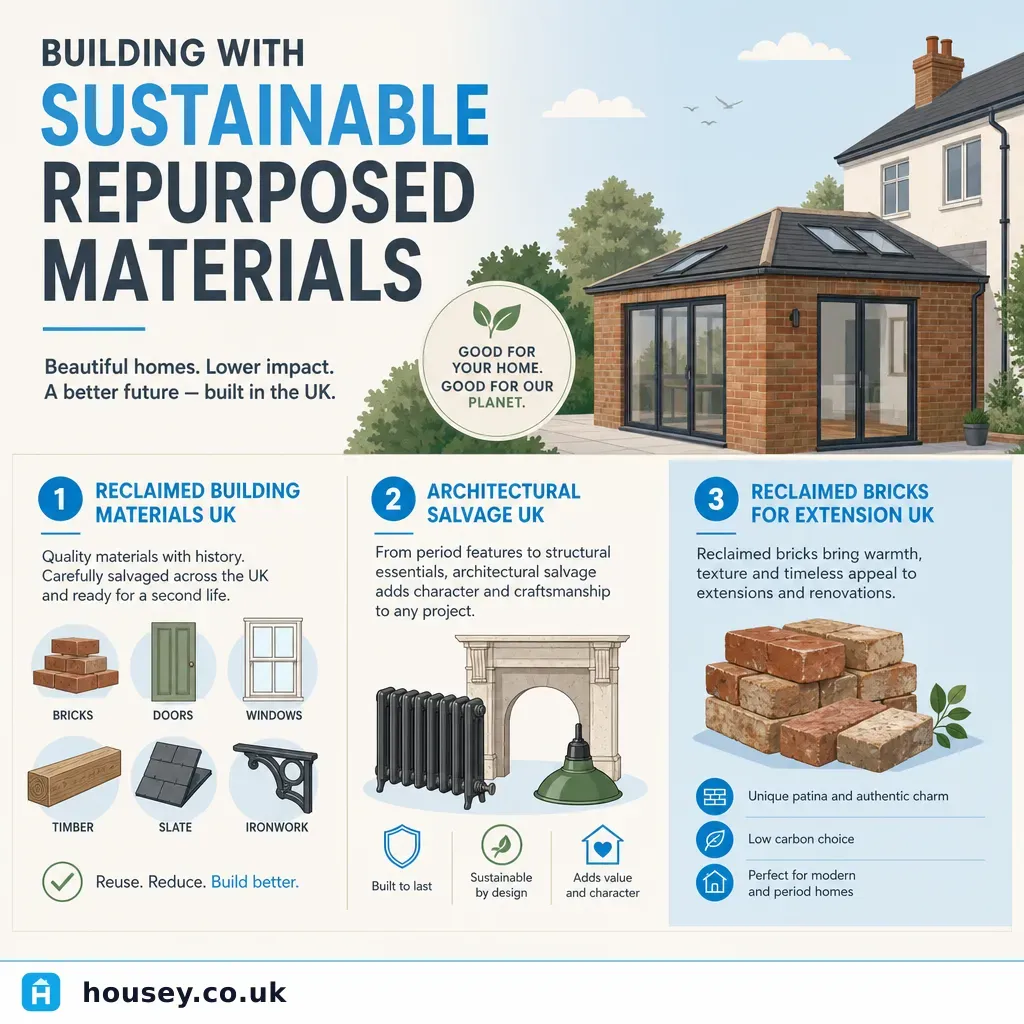
Building With Sustainable Repurposed Materials
Choosing where your building materials come from has become a meaningful part of project planning for UK homeowners, not just a lifestyle preference. The availability of architectural salvage — driven partly by demolition stock and partly by growing demand — means reclaimed bricks, slates, structural timber, and period ironmongery are now realistic specification choices rather than niche ones. Getting the sourcing, quality checks, and regulatory compliance right from the outset saves costly replacements and programme delays later.
Key points
- Reclaimed bricks from pre-1930s UK demolition stock are widely stocked by architectural salvage yards and often match period properties more convincingly than new equivalents.
- Building Regulations Approved Documents A (Structure), B (Fire Safety), and C (Site Preparation and Resistance to Contaminants and Moisture) all apply to reclaimed materials used in regulated building work.
- Reclaimed structural timber must be graded under BS EN 338 or assessed by a structural engineer before use in load-bearing applications.
- Reclaimed clay and natural slate roof tiles require individual inspection for delamination, thickness loss, and nail-hole enlargement before reuse.
- HMRC zero-rating provisions for construction services may apply in qualifying renovation and conversion projects — check current GOV.UK guidance when budget planning includes reclaimed materials.
What reclaimed materials are available in the UK
The UK has a substantial and well-established reclamation trade. Common materials available from architectural salvage yards and specialist dealers include:
Masonry and stone
Reclaimed facing bricks, engineering bricks, and stock bricks are available in large quantities. Handmade and wirecut bricks from pre-1950 demolitions are particularly useful for period-sensitive extensions. Natural stone flags, lintels, and copings are widely available, particularly in regions with a strong quarrying heritage such as Yorkshire, the Cotswolds, and the Lake District.
Roofing
Natural Welsh slate, Westmorland green slate, and clay plain tiles are among the most traded reclaimed roofing materials. York stone and reclaimed concrete tiles are also available but require careful grading before reuse.
Structural and joinery timber
Reclaimed hardwood flooring (oak, pine, elm), structural oak beams, and pitch pine joists from Victorian industrial buildings are common salvage items. Seasoned reclaimed timber can be more dimensionally stable than fresh-sawn stock and — where it comes from large-section beams — may contain slow-grown heartwood not available in modern new-cut timber.
Ironmongery and fittings
Original cast-iron radiators, fireplaces, doors, and windows frequently appear in salvage stock and can add significant character to period restorations. Lead paint and asbestos rope seals (found in older cast-iron boilers and some pipe lagging) require professional assessment before reuse — do not disturb these materials without specialist advice.
Where to source repurposed building materials
The main sourcing routes in the UK are:
- Architectural salvage yards: SALVO maintains the UK's largest directory of architectural salvage dealers. Members trade reclaimed materials with varying degrees of condition grading.
- Online marketplaces: Salvoweb, eBay, and Gumtree list individual items; quality and provenance vary substantially, and on-site inspection before purchase is strongly advisable.
- Demolition contractors: Direct purchase from a demolition site offers the freshest and often least expensive reclaimed stock, though you will need to arrange haulage and conduct your own quality assessment.
- Specialist timber merchants: Some merchants stock certified reclaimed structural and flooring timber with provenance documentation and grading information.
- The Building Materials Reuse Association (BMRA): Promotes responsible material reuse and lists accredited member organisations across the UK.
Whenever possible, visit salvage yards in person before purchasing. Photographs rarely convey surface weathering, hidden fractures, or contamination reliably.
Building Regulations and structural reuse
Repurposed materials used in building work subject to Building Regulations must still comply with the relevant technical standards — reclaimed origin does not grant an exemption.
Key considerations by material type:
- Structural timber: Must be graded before use in load-bearing applications. Where grade marks have been lost (common in reclaimed timber), a structural engineer can assess the material or specify a conservative grade assumption.
- Brickwork and masonry: Reclaimed bricks used in structural walls should meet the compressive strength requirements of BS EN 771. Most pre-1950 UK stock bricks comfortably exceed the minimum threshold, but frost-resistance designation matters for exposed locations.
- Roofing materials: Must meet the performance requirements of BS 5534 (slating and tiling). Reclaimed slates with significant thickness loss or enlarged nail holes may not comply with modern fixing requirements.
- Fire separation: Reclaimed materials used in separating floors or party walls must meet the fire resistance periods in Approved Document B. Third-party fire-test evidence is rarely available for reclaimed materials, so consult your building control body or a fire engineer early in design.
Your building control body — either a local authority building control (LABC) officer or a Registered Building Control Approver (RBCA) — should be involved early whenever reclaimed structural or fire-resistant materials are proposed.
How to assess quality and spot problems
Thorough inspection before purchase prevents costly project delays. The following are red flags to watch for in common reclaimed materials.
Red flags when assessing reclaimed materials
- Bricks with spalled faces, persistent efflorescence staining, or soft cores (tap with a metal object — a dull thud rather than a ring suggests low density or water damage).
- Slate tiles thinner than 4 mm, showing delamination (layers peeling apart), or with visible hairline cracks.
- Timber with active woodworm flight holes and fresh bore dust, wet rot (soft, discoloured fibres), or dry rot indicators (white mycelium, cuboidal cracking).
- Ironmongery with heavily flaking paint that may contain lead — treat as hazardous until tested with a lead-detection kit.
- Any material from a building constructed pre-1985 that includes fibrous insulation, rope seals, or spray-applied textured coatings — potential asbestos. Do not disturb; arrange a professional asbestos survey.
- Cast-iron components with visible hairline cracks that could propagate under thermal stress or structural load.
Choosing between new and reclaimed
Not every project is equally suited to reclaimed materials. The table below summarises the main considerations.
Scenario | Reclaimed more suitable | New more suitable |
|---|---|---|
Period-sensitive extension matching existing brickwork or roof | Better visual match to existing fabric | — |
Structural beams or joists requiring certified grade | Possible with structural engineer assessment | Easier grading documentation |
Internal non-structural timber flooring | Characterful; stable if well seasoned | — |
Thermal envelope (insulation, airtight layer) | — | Certified performance data available |
Fire-separating construction | Requires specialist building control sign-off | Tested product data available |
Fast programme with tight tolerances | — | Consistent supply and uniform sizing |
Low-embodied-carbon or BREEAM-rated project | Significant embodied carbon benefit | — |
New build to current Building Regs | Possible with careful documentation | Certified products simplify compliance |
What to ask before buying or specifying reclaimed materials
Before committing to a purchase or including reclaimed items in a specification, raise the following with your supplier or contractor:
- What is the provenance of this material — which building, approximate construction date, and region?
- Has the material been cleaned, graded, or tested, and is there any documentation?
- For timber: what is the species, and is there any indication of structural grade or prior structural use?
- For roofing materials: how many usable units per square metre, accounting for anticipated breakage and wastage?
- For any pre-1985 material: has it been assessed for asbestos, lead paint, or other hazardous content?
- Is there a returns policy or quality guarantee if significant hidden defects emerge on full delivery?
- Will the material require any treatment (cleaning, re-sealing, anti-fungal application) before installation?
- Are there documentation or certification requirements for building control that this material can or cannot satisfy?
When to get professional help
Most reclaimed material decisions benefit from professional input at the specification stage — before purchase, not after.
Seek professional involvement when:
- You intend to use reclaimed timber, masonry, or steel in a structural application — a structural engineer should verify capacity and grading assumptions.
- Reclaimed materials will form part of a fire-separating floor, party wall, or compartment wall — consult your building control body early in design.
- Any material appears to contain fibrous insulation, rope seals, or textured coatings from a pre-1985 building — arrange an asbestos survey before disturbing or reusing.
- You are working in a conservation area or on a listed building — your local planning authority will have expectations about acceptable materials and finishes.
- The project involves complex supply coordination across multiple material types — professional project management can prevent specification conflicts and compliance gaps.
How Housey can help
Connecting with the right professional early makes the difference between a smooth project and a costly specification problem. Architecture services can assist with material specification, construction detailing, and building control liaison, ensuring reclaimed items are properly incorporated into project drawings. Experienced extension builders will understand reclaimed stock tolerances, supplier lead times, and the practical requirements of working with non-uniform material. For larger projects involving design and procurement coordination, design-and-build firms can manage sustainable sourcing, compliance, and construction as an integrated package.
Frequently asked questions
Can I use reclaimed materials without involving building control?
Only if the work itself does not require Building Regulations approval — for example, minor like-for-like repairs. Most structural, thermal, or fire-related work triggers a Building Regulations application regardless of whether materials are new or reclaimed. Check with your local authority building control or a Registered Building Control Approver before starting.
Are reclaimed bricks cheaper than new ones?
Not always. Common stock bricks can be less expensive than new equivalents, but rare handmade or engineering bricks may command a premium. Factor in cleaning, wastage allowance — typically 10 to 20 per cent — and delivery costs when comparing with new material. Visiting the salvage yard in person usually gives a better assessment than buying unseen online.
Do reclaimed materials affect buildings insurance?
It is worth declaring the use of reclaimed structural or roofing materials to your insurer at the design stage. Most insurers will want confirmation that the materials meet current Building Regulations standards. Failure to disclose material changes to a building's construction could affect any future claim.
What is embodied carbon and why does it matter for reclaimed materials?
Embodied carbon refers to greenhouse gas emissions generated in producing, transporting, and installing building materials. Reusing existing materials avoids the manufacturing emissions of new production, which can represent a significant share of a project's total carbon footprint. Some sustainability assessments and planning applications now require an embodied carbon calculation.
Sources and further reading
- Building Regulations Approved Document A: Structure — GOV.UK
- Building Regulations Approved Document B: Fire Safety — GOV.UK
- SALVO UK Architectural Salvage Directory — SALVO
- Building Materials Reuse Association — BMRA
- HSE: Asbestos surveys — guidance for dutyholders and surveyors — Health and Safety Executive
Useful next reads
 Improvement & Build
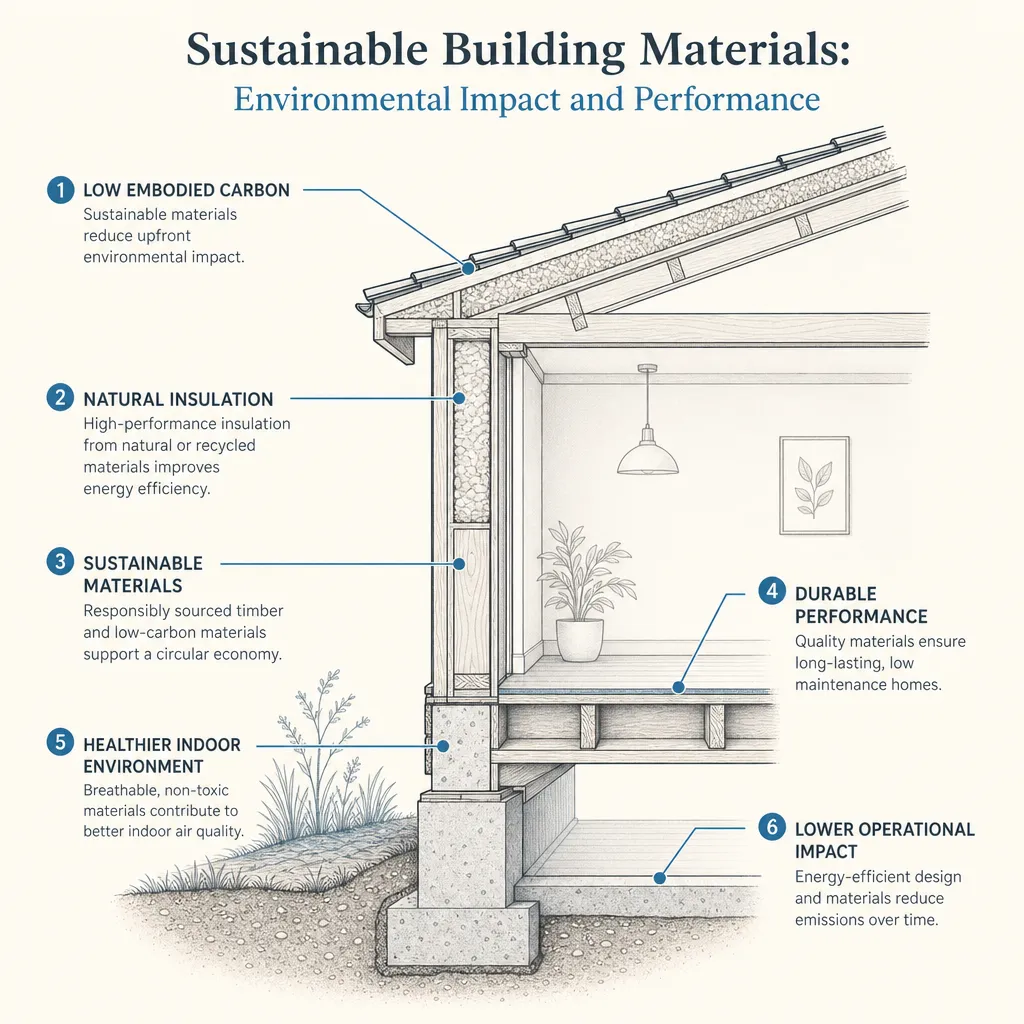
Sustainable Building Materials: Environmental Impact and Performance
Sustainable building materials are assessed on embodied carbon, thermal performance, durability, and end-of-life recovery.
 Improvement & Build
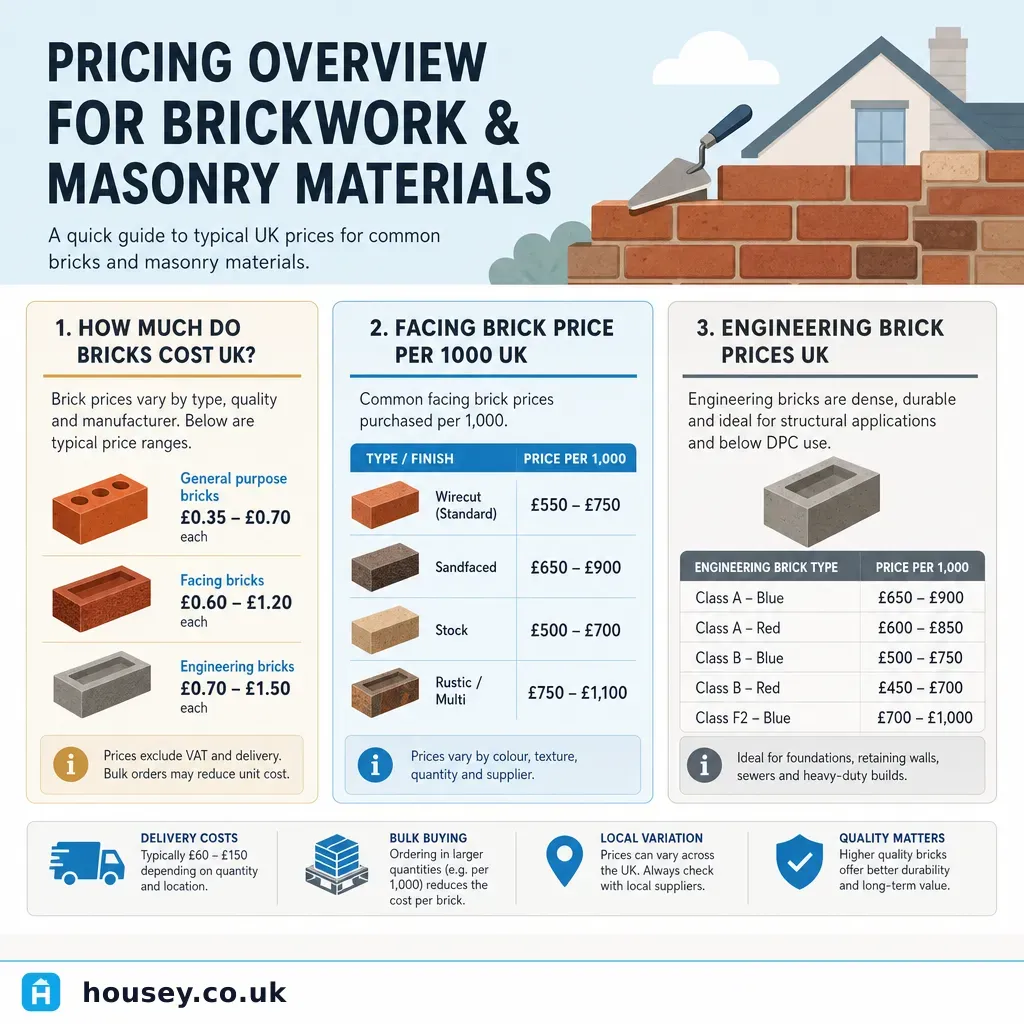
Pricing overview for brickwork and masonry materials
Facing bricks in the UK typically cost £400–£800 per 1,000, engineering bricks £500–£700, and reclaimed bricks £600–£900 or more.
 Improvement & Build
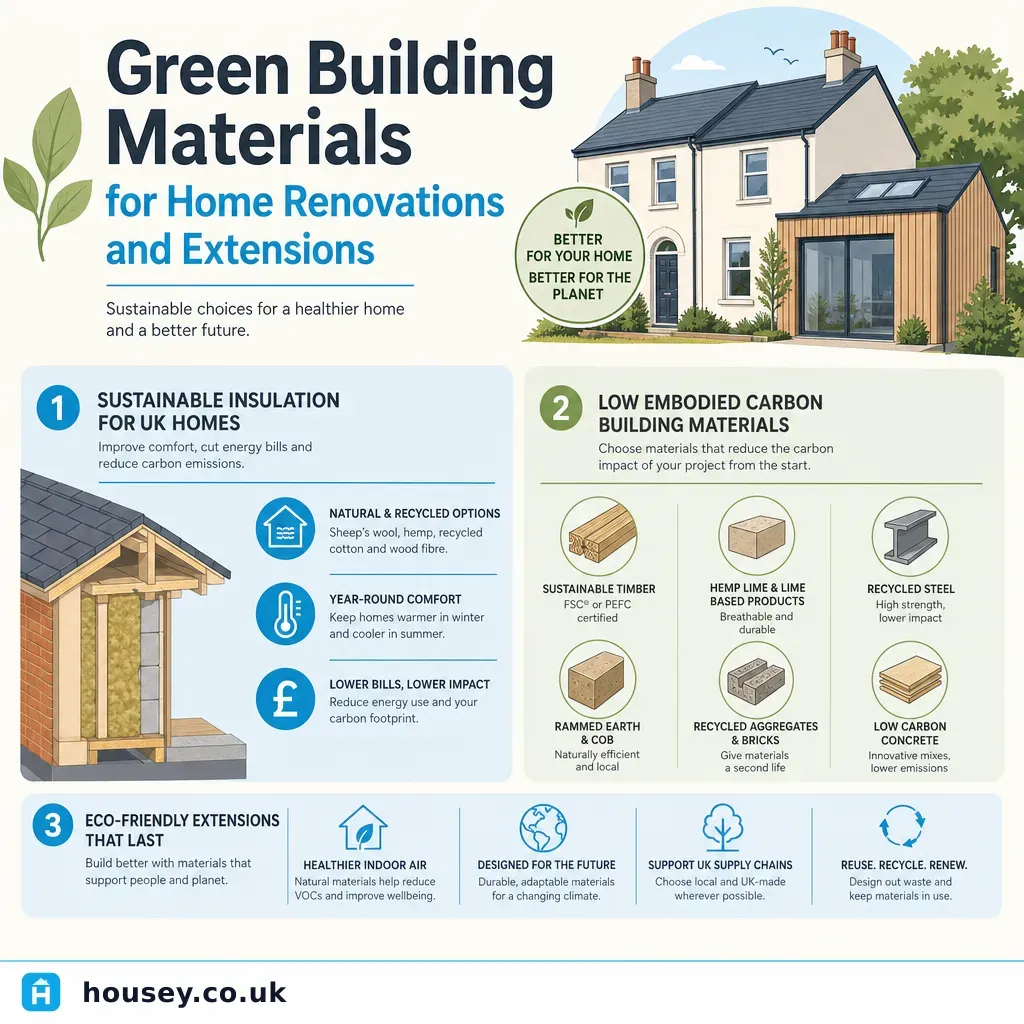
Green Building Materials for Home Renovations and Extensions
Green building materials are those with lower embodied carbon, better whole-life environmental performance, or improved breathability compared to conventional alternatives.
 Improvement & Build
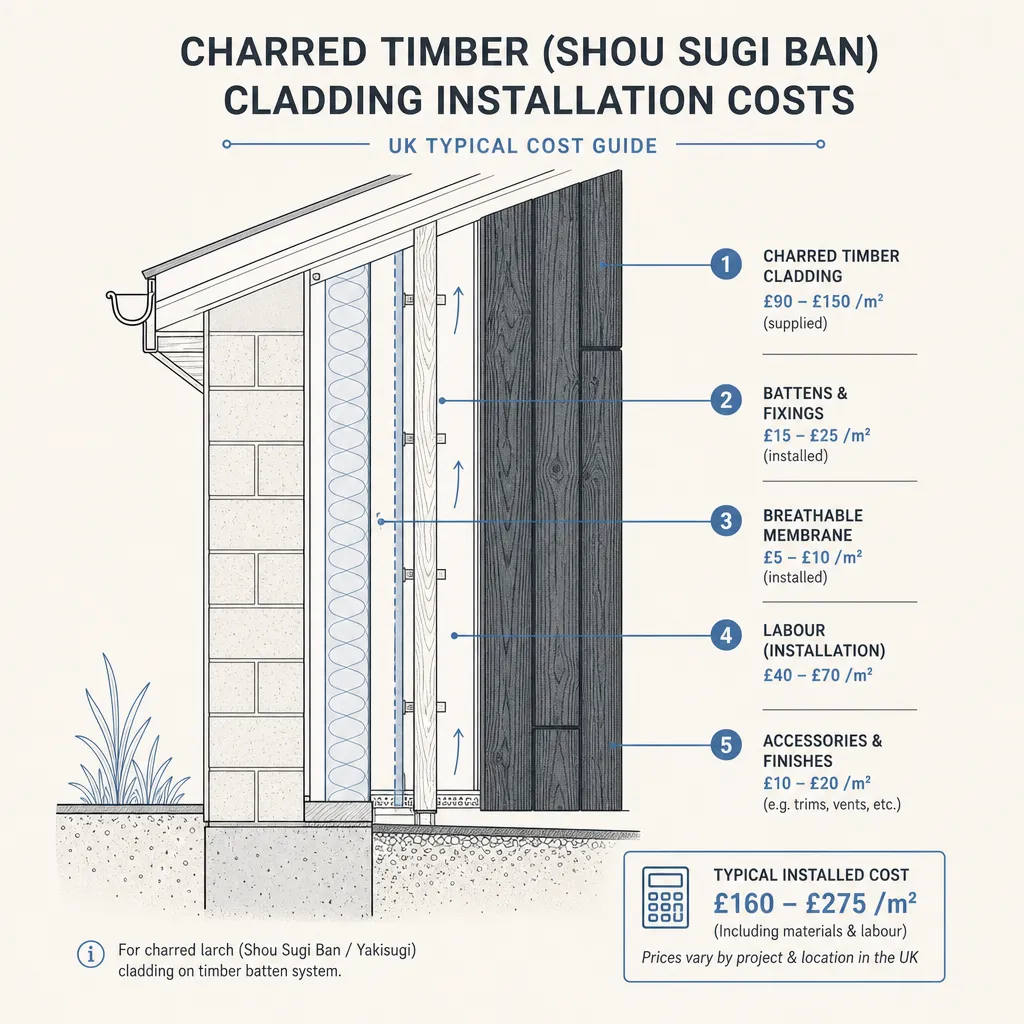
Charred Timber (Shou Sugi Ban) Cladding Installation Costs
Charred timber cladding (shou sugi ban or yakisugi) typically costs £70–£200 per m² supply and fit in the UK, depending on timber species, charring depth, profile, and installation complexity.
 Improvement & Build
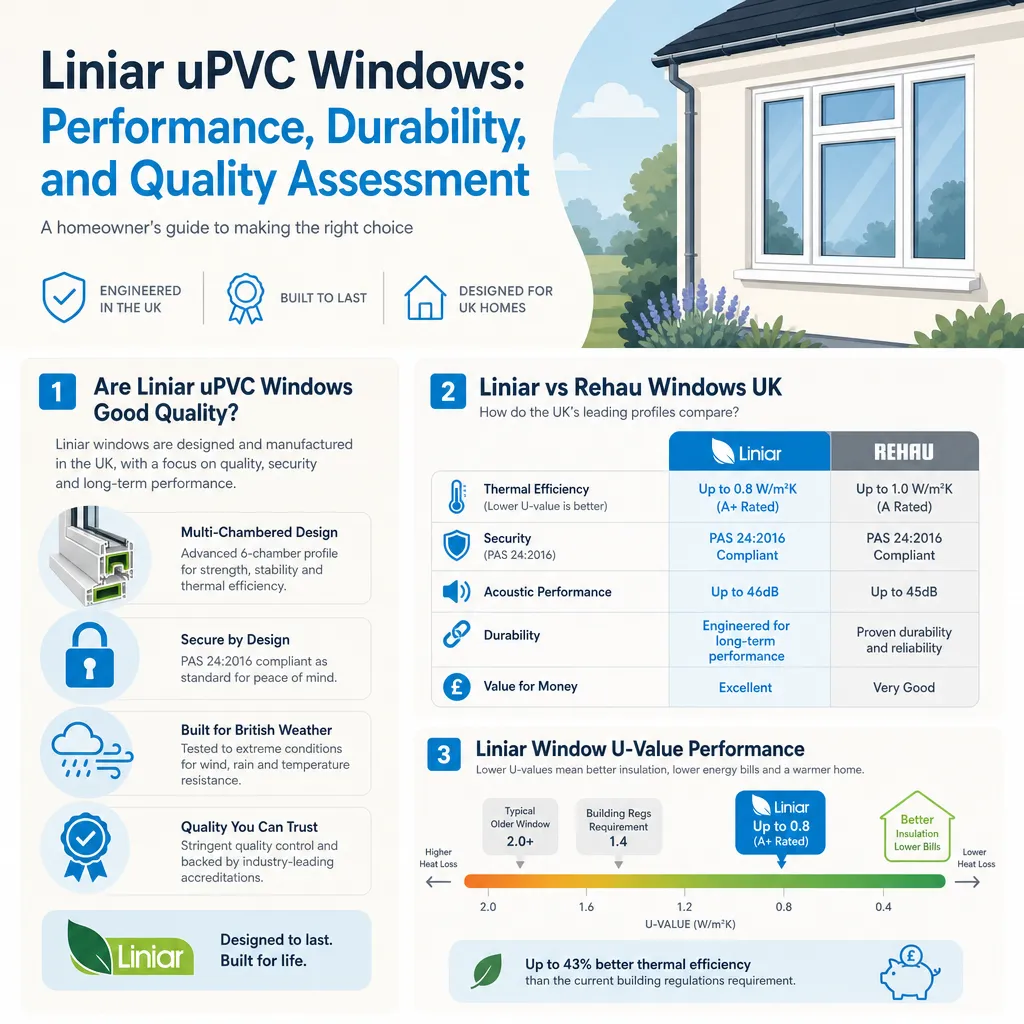
Liniar uPVC Windows: Performance, Durability, and Quality Assessment
Liniar uPVC window profiles are manufactured in the UK using multi-chambered, foamed frames.