What buyers need to know about single-storey homes
By Housey · Last reviewed 7th of May 2026
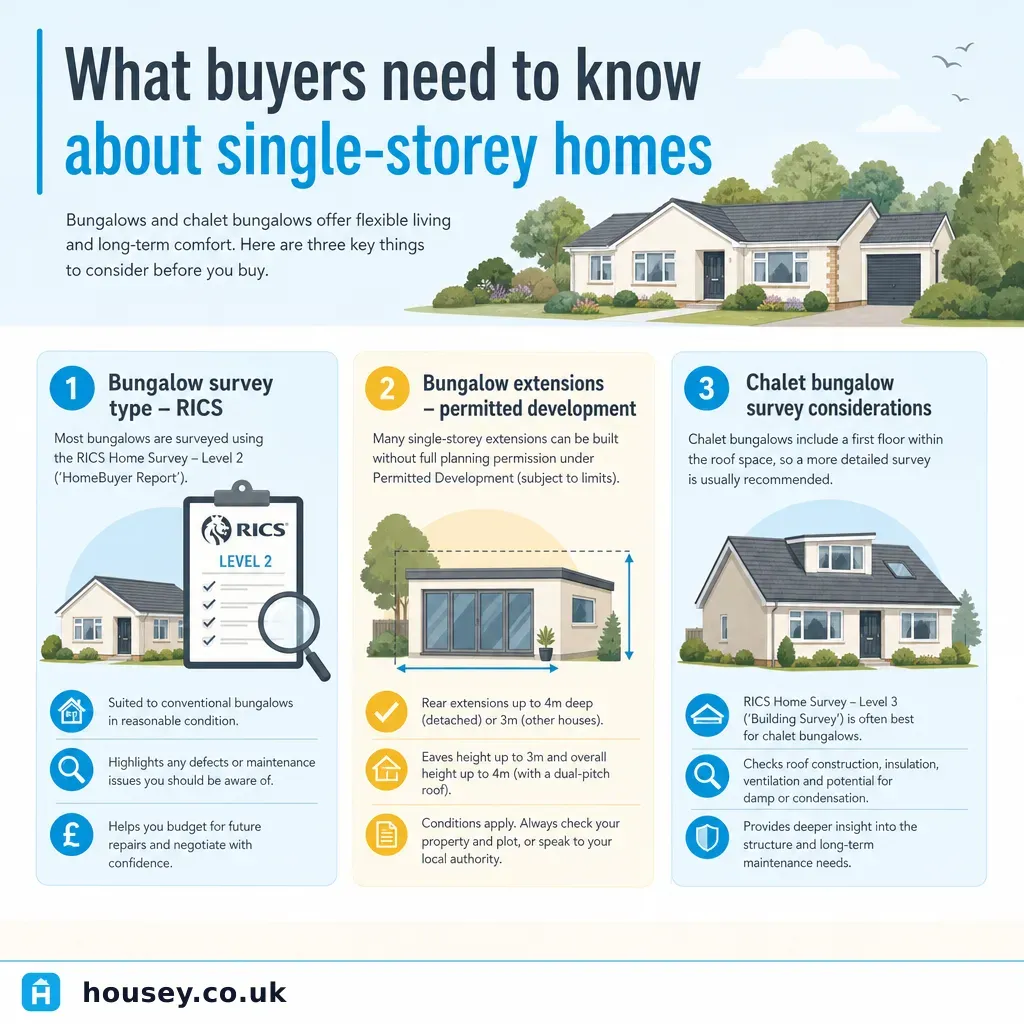
What buyers need to know about single-storey homes
Bungalows account for only around 8% of English housing stock, yet demand for them consistently outstrips supply in most UK localities. If you are considering buying a single-storey home, the combination of specific structural characteristics, planning opportunities, and accessibility advantages means the standard buying checklist does not quite cover everything. Understanding what makes bungalows different from the outset will help you avoid costly surprises after exchange.
Key points
- Bungalows account for approximately 8% of English housing stock (English Housing Survey), making them relatively scarce in most areas and often commanding a price premium over comparable two-storey houses.
- The roof covers the full footprint of a bungalow rather than just an upper storey, so roof maintenance and re-roofing costs per square metre of living space are typically higher than for an equivalent two-storey property.
- A RICS Level 3 Building Survey is generally recommended for older, extended, or non-standard bungalows and for any property where roof access, damp, or past alterations need thorough investigation.
- Permitted development under Schedule 2, Part 1 of the GPDO 2015 may allow a single-storey rear extension without a planning application, subject to size limits — but rights do not apply in conservation areas or to listed buildings.
- EPC ratings on bungalows are often lower than average because the large roof area creates significant heat loss if loft insulation is inadequate; the recommended minimum is 270mm of glass wool (Energy Saving Trust).
What counts as a bungalow?
In UK property terms, a bungalow is a single-storey dwelling where all principal living accommodation is at ground-floor level. Several distinct types exist:
Type | Description | Key survey focus |
|---|---|---|
Detached bungalow | Standalone on its own plot | Roof condition, drainage, boundary maintenance |
Semi-detached bungalow | Shares one party wall | Party wall condition, noise transmission |
Terraced bungalow | Shares two party walls; common in retirement schemes | Service charge structure, shared areas |
Chalet bungalow | Ground floor plus habitable rooms in the roof space | Roof structure, dormers, Velux condition, stair access |
Link-detached bungalow | Joined to a neighbour by garage or outhouse | Connection condition, shared drainage possibilities |
A chalet bungalow is not technically single-storey — upper roofspace rooms are habitable — and some lenders and surveyors treat it differently for valuation and survey purposes.
Why bungalows attract a price premium
Demand for bungalows consistently outstrips supply across much of the UK. The main drivers are:
- Accessibility: No stairs makes bungalows suitable for older buyers, those with mobility conditions, and multi-generational households. This demographic pressure is likely to grow as the UK population ages.
- Extension potential: A bungalow plot typically has significant airspace above it, allowing upward or outward extension that can materially increase floor area, subject to planning.
- Single-level living: Practical for families with young children and older occupants alike.
- Garden access: Ground-floor rooms can open directly onto a garden without steps.
The premium means you should appraise both current condition and realistic extension potential carefully. A high asking price for a bungalow with significant roof or structural defects is a known risk in this segment.
Survey considerations specific to bungalows
Roof
The roof of a bungalow covers its entire floor footprint. This creates a larger area of tiles, flashings, and guttering to maintain, and a higher relative cost of re-roofing compared with a two-storey property of similar floor area. Flat roof sections — common on some bungalows and rear extensions — typically last 15–25 years depending on material and require specific inspection. A surveyor should access the roof void to inspect structural timbers, insulation depth, and any signs of moisture ingress.
Damp and ground-level moisture
With all rooms at ground level, bungalows face specific damp risks: rising damp where the damp-proof course has been bridged or failed; penetrating damp through render or at window sills; and condensation from poor insulation or ventilation. Your surveyor should probe floor levels, inspect skirting boards and internal walls, and comment on the damp-proof course condition.
Previous extensions and alterations
Many bungalows have been extended over the decades, sometimes without building regulations compliance or adequate foundations. Ask for any available building regulations completion certificates and check the local authority's building control records. A surveyor should comment on the structural integrity at the junction between original and extended elements.
Which survey type should you choose?
- Choose a RICS Level 2 survey if the bungalow is conventionally built (post-1950), in apparent good condition, with no obvious signs of movement, damp, or significant extensions or alterations.
- Choose a RICS Level 3 Building Survey if the bungalow is pre-war, has been extended or significantly altered, shows any signs of cracking or damp, uses non-standard construction (timber frame, concrete panel, prefabricated), or is a chalet bungalow with habitable loft rooms.
- Instruct a structural engineer in addition to a surveyor if there are visible cracks in external walls, signs of subsidence or heave, or foundation concerns — particularly on clay soils in parts of south-east England.
When in doubt, a Level 3 Building Survey is the more comprehensive option. The additional cost is modest relative to the purchase price and the potential cost of undiscovered defects.
Planning and extension potential
Bungalows often have planning potential that justifies a higher purchase price — but buyers should verify this independently before committing.
Single-storey rear extensions under Class A, Schedule 2, Part 1 of the GPDO 2015 may be permitted without a planning application, up to 4 metres depth for a detached bungalow (8 metres under the prior approval neighbour consultation scheme), subject to height limits and side-boundary setbacks. Permitted development rights do not apply if the property is in a conservation area, Area of Outstanding Natural Beauty, or World Heritage Site, is listed, or is subject to an Article 4 Direction removing those rights.
Upward extensions — adding a first floor or converting the roofspace to habitable use — generally require full planning permission and building regulations approval. Always check with the local planning authority before making purchasing decisions based on extension potential.
EPC ratings and energy efficiency
Bungalows lose heat more rapidly through the ceiling than two-storey houses of comparable floor area, and EPC band D or E is common for older examples with inadequate loft insulation. Before exchange, check:
- Current loft insulation depth (270mm of glass wool is the recommended minimum).
- Whether cavity walls are filled, where construction type permits.
- Heating system age and efficiency.
Loft insulation upgrades are often straightforward and cost-effective. Solid-wall insulation on properties without a cavity is a more substantial undertaking that affects both cost and disruption.
Homeowner checklist: buying a bungalow
Before making an offer or instructing a solicitor:
When to get professional help
Most bungalow purchases benefit from a professional survey given the roof, damp, and extension-related considerations specific to single-storey properties. Seek specialist input if:
- The roof appears aged, sagging, or shows displaced tiles, moss growth, or failing flashings.
- Any internal walls show cracks, staining, or damp patches.
- The vendor cannot supply building regulations certificates for extensions or alterations.
- You are considering paying a significant premium based on extension or conversion potential.
- The bungalow is of non-standard construction such as prefabricated, timber frame, or concrete panel.
How Housey can help
If you are buying a bungalow and want to understand its condition before exchange, Housey can help you find a qualified surveyor for a RICS Level 2 survey on a post-war conventional bungalow, or a more detailed Level 3 Building Survey for an older or more complex property. To assess whether the asking price reflects local bungalow supply, a valuation survey can provide useful context before you make an offer.
Frequently asked questions
Are bungalows harder to get a mortgage on?
Most high-street lenders are comfortable with standard bungalows. However, non-standard construction types — such as concrete panel or timber-frame properties built under post-war prefabrication programmes — can be harder to mortgage, and some lenders may require specialist reports or apply additional conditions. Check your lender's acceptable construction types before exchange.
Do bungalows require a specialist survey?
Not a specialist survey as such, but a thorough one. A RICS Level 3 Building Survey is strongly recommended for older bungalows due to roof access requirements, ground-level damp risks, and the potential for undiscovered alterations. A RICS Level 2 may be sufficient for a post-war bungalow in good condition — discuss the property's specifics with your surveyor before confirming the level.
Is it cheaper to insure a bungalow?
Buildings insurance premiums for bungalows vary by insurer and location. The larger roof area can increase rebuild costs relative to floor area, and single-storey properties may be assessed as more accessible by some insurers. Obtain quotes from multiple providers and ensure the sum insured reflects the actual rebuild cost rather than the market value.
Can I convert a bungalow loft into a bedroom?
A loft conversion on a bungalow usually requires full planning permission, unlike some two-storey house conversions that qualify under permitted development. Building regulations approval is also required, and the existing roof structure may need significant reinforcement to carry the new floor load. Instruct an architect and structural engineer to assess feasibility before purchase if this is a key factor in your decision.
What is the difference between a bungalow and a chalet bungalow for survey purposes?
A chalet bungalow has habitable rooms within the roofspace accessed by a staircase. A surveyor will need to assess those upper rooms and the roof structure from inside. This often warrants a RICS Level 3 Building Survey regardless of age, as roof-to-floor junctions and the stair access introduce additional complexity compared with a standard single-storey dwelling.
Sources and further reading
- English Housing Survey — Ministry of Housing, Communities and Local Government
- RICS Home Surveys — RICS
- Permitted development rights for householders: technical guidance — GOV.UK
- Loft insulation guidance — Energy Saving Trust
- Building regulations: what happens at the end — GOV.UK
Useful next reads
 Buying & Moving
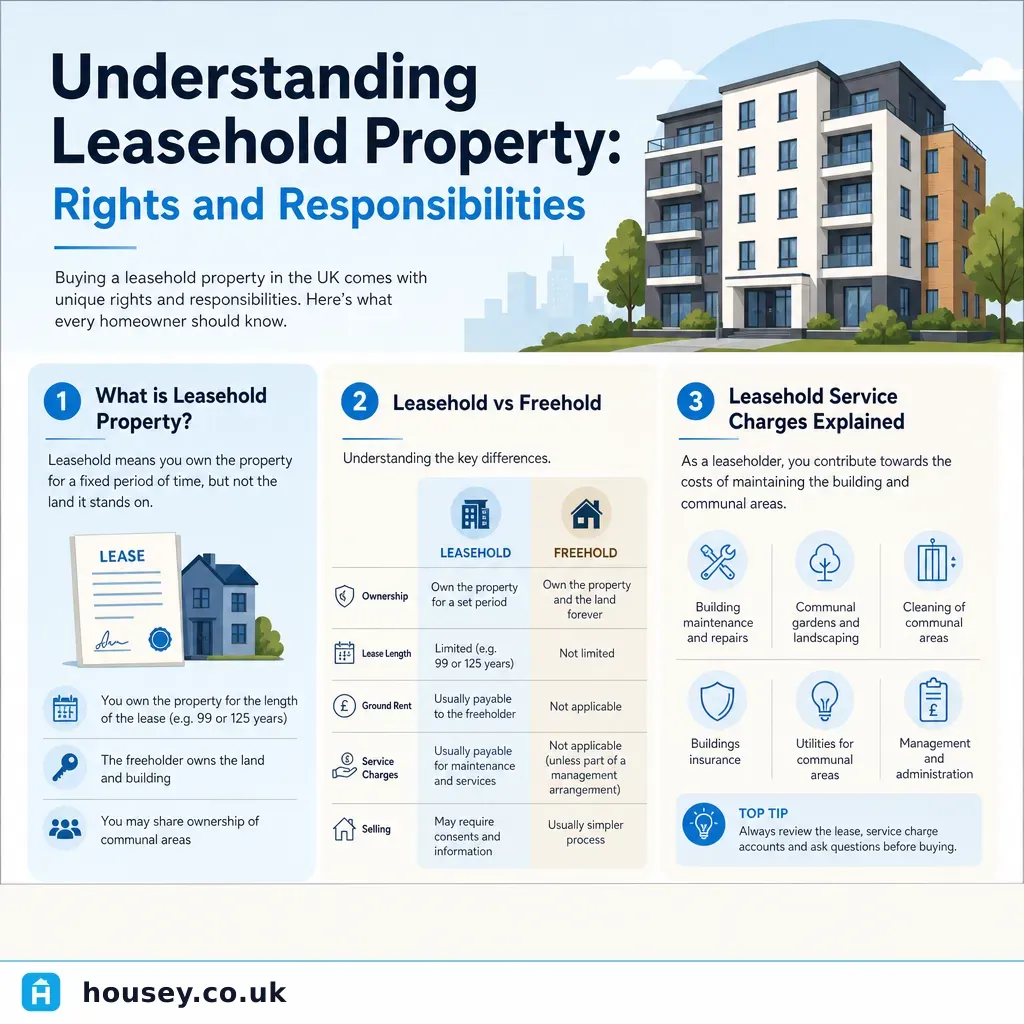
Understanding Leasehold Property: Rights and Responsibilities
Leasehold means you own a time-limited interest in a property while the freeholder owns the land and building.
 Buying & Moving
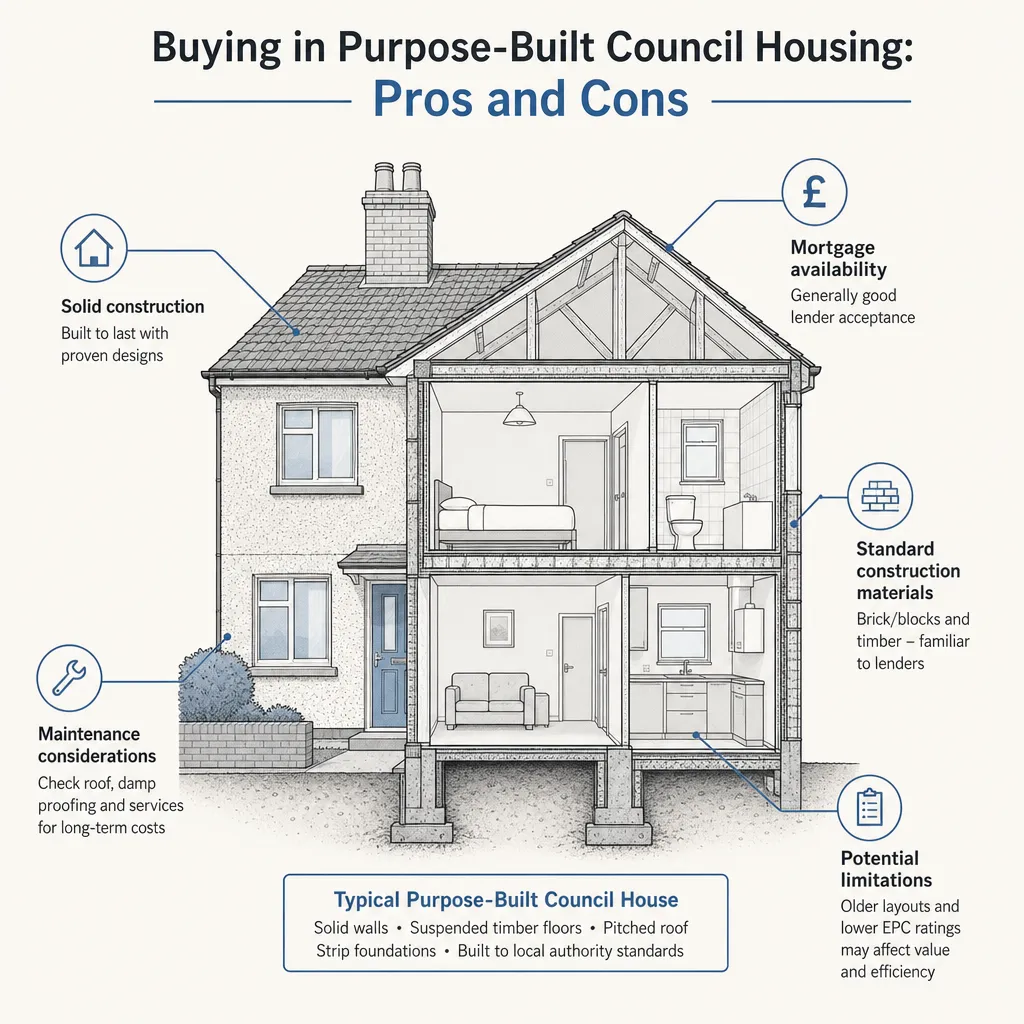
Buying in Purpose-Built Council Housing: Pros and Cons
Purpose-built council housing — typically 1950s–1980s blocks, maisonettes, or estate houses — can offer good value and generous room sizes, but buyers should check construction type before applying for a mortgage.
 Buying & Moving
Golfing communities and properties near St Andrews
St Andrews and the surrounding villages in north-east Fife attract golf-motivated buyers from the UK and overseas.
 Buying & Moving
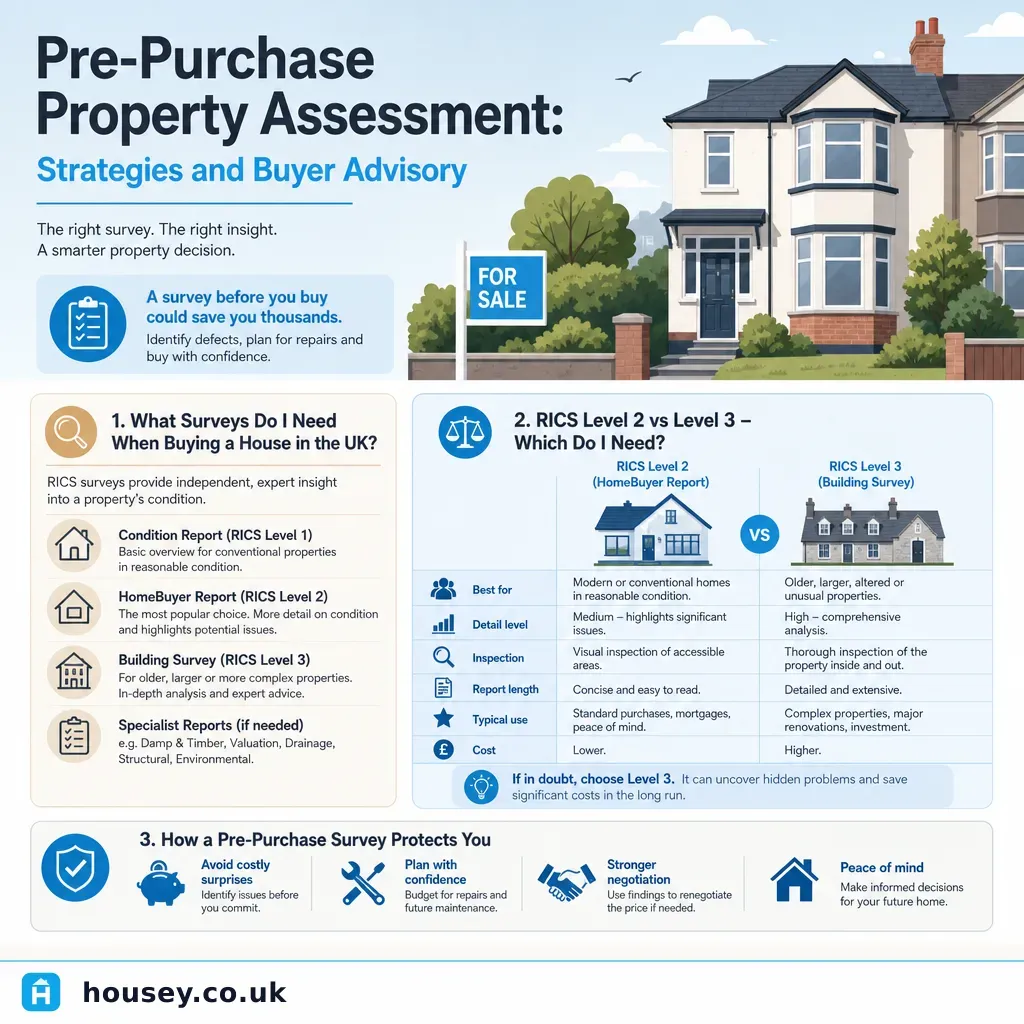
Pre-Purchase Property Assessment: Strategies and Buyer Advisory
A pre-purchase property assessment in the UK typically combines an independent RICS Home Survey, conveyancing searches, and specialist inspections for damp or electrical condition where needed.
 Buying & Moving
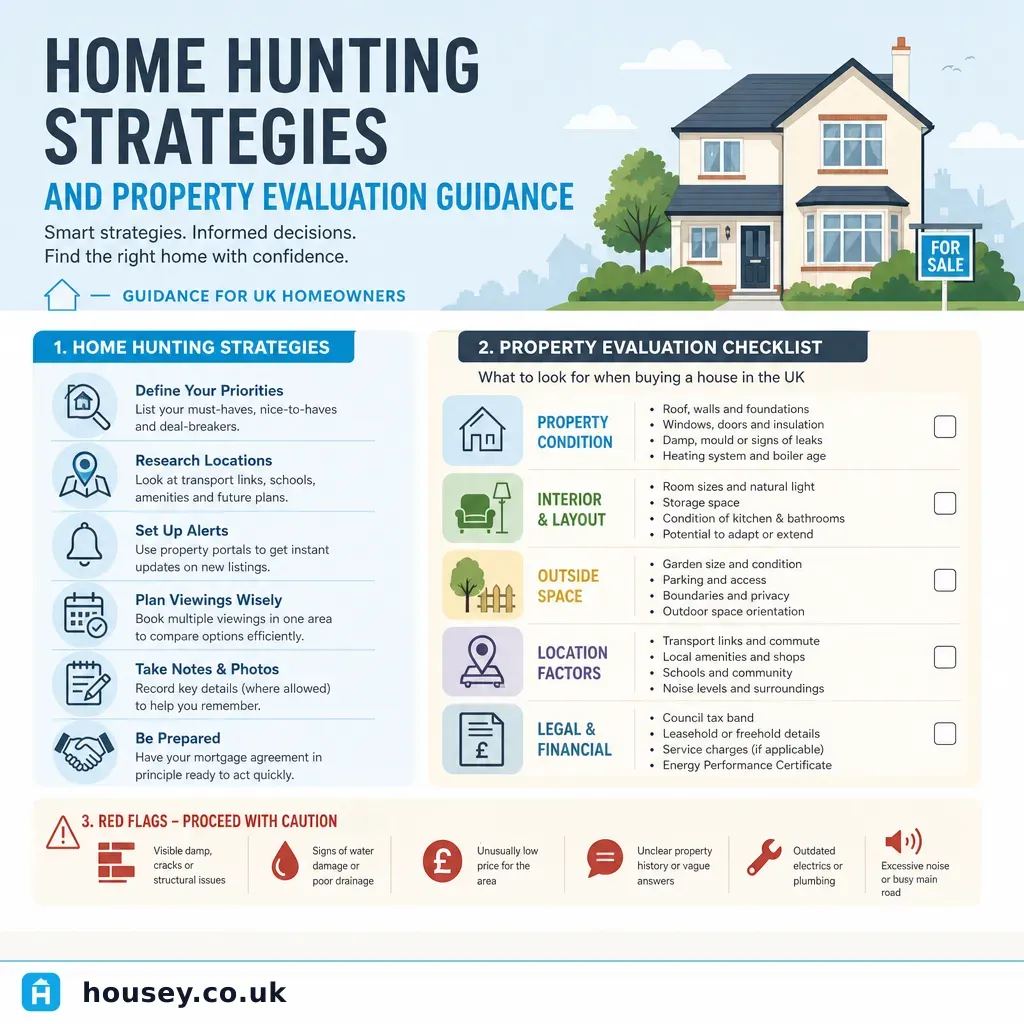
Home Hunting Strategies and Property Evaluation Guidance
To find and evaluate the right home, define your non-negotiable criteria before browsing, use HM Land Registry sold prices to check comparables, and inspect properties systematically for structural, damp, and electrical issues.