Chimney Dampers: Function, Inspection, and Maintenance
By Housey · Last reviewed 1st of June 2026
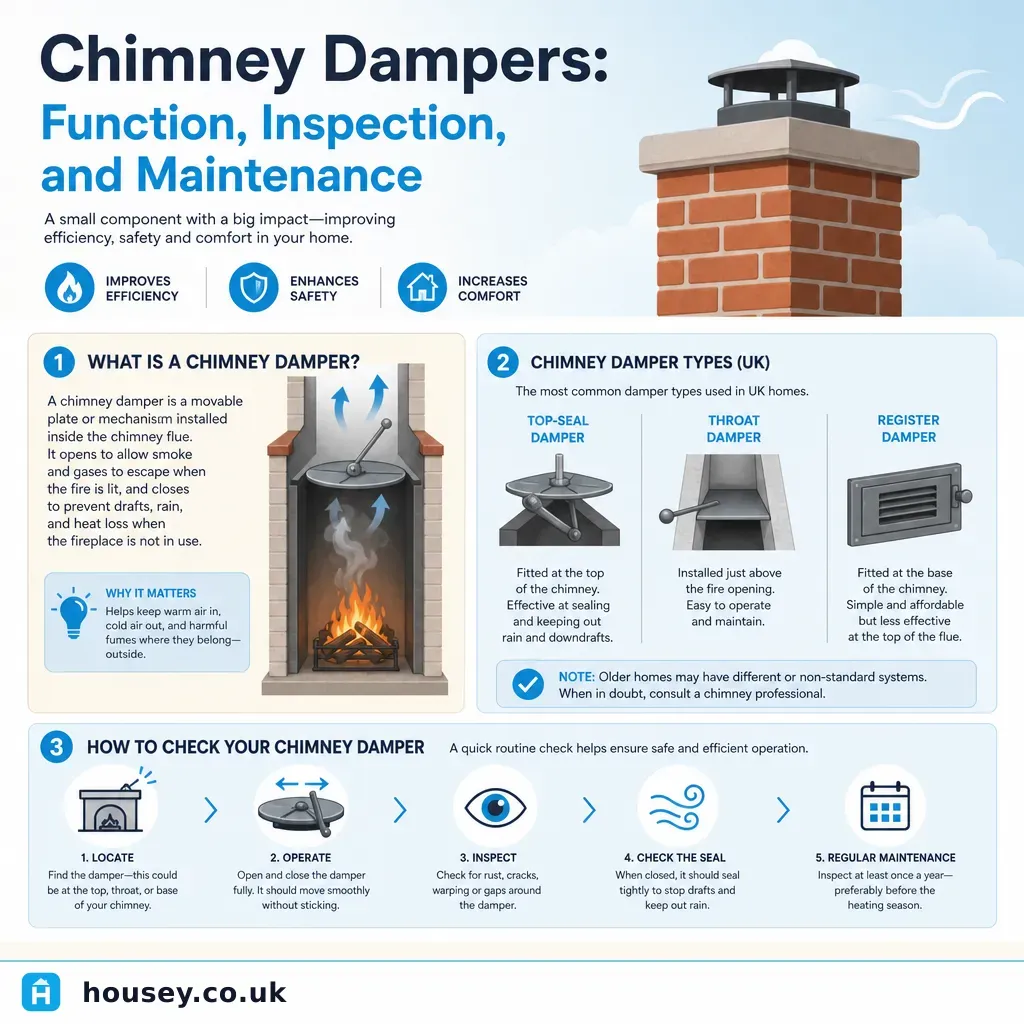
Chimney Dampers: Function, Inspection, and Maintenance
When a property has an open fireplace, the chimney damper is one of those components that goes unnoticed until something goes wrong — a cold draught through the hearth, a smoky room, or a noticeable rise in heating bills. Whether you are buying a Victorian terrace, assessing a period property before works, or simply trying to understand an existing feature, knowing how a damper functions and what good condition looks like helps you make better decisions about maintenance, repair, and energy efficiency.
Key points
- A throat damper — the most common type in UK properties — is positioned just above the firebox opening at the base of the flue; a top-mounted damper seals at the chimney stack instead.
- An unsealed or faulty damper can act like a permanently open window, allowing warm air to escape and cold air to enter year-round; the Energy Saving Trust identifies unsealed chimneys as a significant source of heat loss in older UK homes.
- Building Regulations Approved Document J requires that combustion appliance installations include means of controlling air supply; fitting or altering a damper in conjunction with a new stove or solid-fuel appliance requires building control notification.
- HETAS-registered engineers are the recognised competent persons for solid-fuel and biomass appliance installation and associated flue work in England, Wales, and Scotland.
- HETAS and the National Association of Chimney Sweeps (NACS) recommend annual sweeping and inspection for wood-burning stoves and solid-fuel fires, with damper condition checked as part of each visit.
What a chimney damper does and why it matters
A chimney damper is a movable plate or valve fitted in the flue that gives the homeowner control over airflow. When the fire is burning, an open damper allows combustion gases and smoke to rise and escape safely. When the fire is out, a closed damper prevents the flue from acting as a permanent ventilation shaft, keeping warm air in and cold draughts, rain, and debris out.
In UK properties — particularly those built between 1870 and 1970 — the most commonly found type is the throat damper, positioned directly above the firebox. Traditional cast-iron or steel throat dampers are operated by a lever, rotary handle, or push-pull bar from the hearth. Over time they can corrode, warp from heat exposure, or accumulate soot deposits that prevent a full seal.
Top-mounted dampers seal the flue at the top of the chimney stack using a rubber or silicone gasket, controlled by a pull-chain hanging inside the firebox. These are increasingly used as retrofit solutions for disused fireplaces because they also exclude rain, birds, and nesting material. A rubber gasket seal typically lasts 5–10 years before it may need replacing.
Where no damper exists — common in pre-1950s properties and in fireplaces originally fitted with gas fires that have since been removed — a chimney balloon or proprietary draught excluder provides a temporary seal. This is not a substitute for a properly fitted damper if the fireplace is to be put back into active use.
Types of chimney damper compared
Damper type | Typical location | How it operates | Best for | Main limitations |
|---|---|---|---|---|
Cast-iron throat damper | Above firebox, inside flue | Lever or rotary handle at hearth | Traditional open fires, period properties | Can corrode; may not seal fully once worn |
Steel plate throat damper | Above firebox | Pivoting plate, lever or slide control | Modern open fireplace installations | Less robust in very high-heat conditions |
Top-mounted (cap) damper | Top of chimney stack | Pull-chain from inside firebox | Disused or intermittently used fireplaces | Requires external access to fit; gasket wears over time |
Poker-style damper | Various positions in flue | Steel rod operated from firebox | Older or non-standard flues | Limited seal capability; can jam with soot buildup |
How to inspect a chimney damper
A basic check can be carried out by the homeowner; a thorough assessment requires a HETAS-registered sweep or qualified surveyor.
Homeowner checks (fire cold and unlit only):
- Crouch at the hearth and look up into the flue using a torch. You should be able to see the damper plate and identify whether it is open or closed.
- Operate the lever, handle, or pull-chain. The damper should move smoothly and hold position at both extremes.
- Close the damper fully and hold a piece of tissue or thin paper near the firebox opening. If it moves noticeably, significant air is bypassing the damper.
- Inspect visible metalwork for heavy rust, cracking, or distortion. Surface oxidisation is normal; deep pitting or structural warping is not.
What a professional inspection adds:
A HETAS-registered sweep will check damper seal integrity, assess the flue liner condition, look for blockages or nesting material above the damper, and advise on compatibility with any appliance planned or installed. A RICS surveyor inspecting the property may flag a missing or defective damper as a maintenance item, especially where there is evidence of damp staining or efflorescence at the firebox.
Homeowner maintenance checklist
Use this checklist to stay on top of damper and chimney maintenance year to year.
Red flags that need professional attention
The following signs go beyond routine maintenance and require a qualified sweep, engineer, or surveyor to assess:
- Smoke entering the room when the fire is lit with the damper open — may indicate a draught reversal, flue blockage, or appliance/damper mismatch
- Visible gaps or daylight around a closed throat damper when viewed from the hearth
- Damper mechanism jammed and unable to move to the open or closed position
- Rust staining on the hearth or fireback beneath the damper, indicating prolonged water ingress rather than soot alone
- Any lighting of a fire without a recent sweep's clearance, particularly after a long period of inactivity
If the chimney structure itself is a concern — cracked pots, a leaning or spalling stack, or failed lead flashings — a roof survey will assess the external chimney as part of the wider roof inspection. For a targeted investigation of flue condition, damper integrity, and potential damp pathways, a specific defect survey provides a focused professional report.
When to get professional help
Do not light a fire if you cannot confirm the damper opens fully and the flue is unobstructed. A blocked or poorly draughting flue is a serious safety risk. Contact a HETAS-registered engineer or NACS-member sweep if:
- Smoke backs up into the room on lighting
- There is evidence of water ingress — brown staining, a damp smell at the hearth, or efflorescence on the chimney breast
- The damper mechanism has corroded, seized, or detached from its mounting
- You are installing or changing an appliance — building control notification via a HETAS-registered competent person is required under Approved Document J
- A surveyor, valuer, or mortgage lender has flagged the chimney or flue as needing further investigation
How Housey can help
Housey connects UK homeowners with qualified professionals who can assess chimney systems, identify defects, and advise on appropriate repairs. If a damper inspection has raised concerns, a specific defect survey can produce a focused report on flue and chimney condition. Where the external stack, flashings, or chimney pot are also in question, a roof survey covers the whole structure in a single visit.
Frequently asked questions
Do I need a chimney damper if I am not using the fireplace?
Sealing a disused chimney is recommended for energy efficiency and to prevent damp, debris, and pest ingress. A top-mounted cap damper, chimney balloon, or purpose-made flue seal are the main options. Even a sealed flue typically needs some ventilation to prevent condensation within the stack — check with a chimney professional before completely sealing both throat and top.
Can I fit a chimney damper myself?
Replacing a like-for-like throat damper on an existing open fire is generally treated as maintenance and does not in itself require building control approval. However, if any solid-fuel or wood-burning appliance is being installed or modified at the same time, a HETAS-registered installer or local authority building control notification is required under Building Regulations Approved Document J. When in doubt, consult a HETAS-registered engineer.
How often should a chimney damper be inspected?
HETAS recommends annual sweeping and inspection for wood-burning stoves and solid-fuel open fires. Damper condition should be assessed as part of each sweep visit. For disused fireplaces fitted with a cap damper or balloon, inspect the seal and gasket condition every two to three years to ensure continued effectiveness.
What does replacing a chimney damper cost in the UK?
Indicative UK costs, last reviewed 2026-06-01. A replacement throat damper, supplied and fitted, typically costs £150–£400 depending on type, access, and whether a sweep visit is included. Top-mounted cap dampers are generally £100–£250 for the unit, with separate fitting costs. Obtain at least two itemised quotes from HETAS-registered or equivalently qualified professionals, as costs vary by region and property type.
Sources and further reading
Useful next reads
 Surveys & Inspections
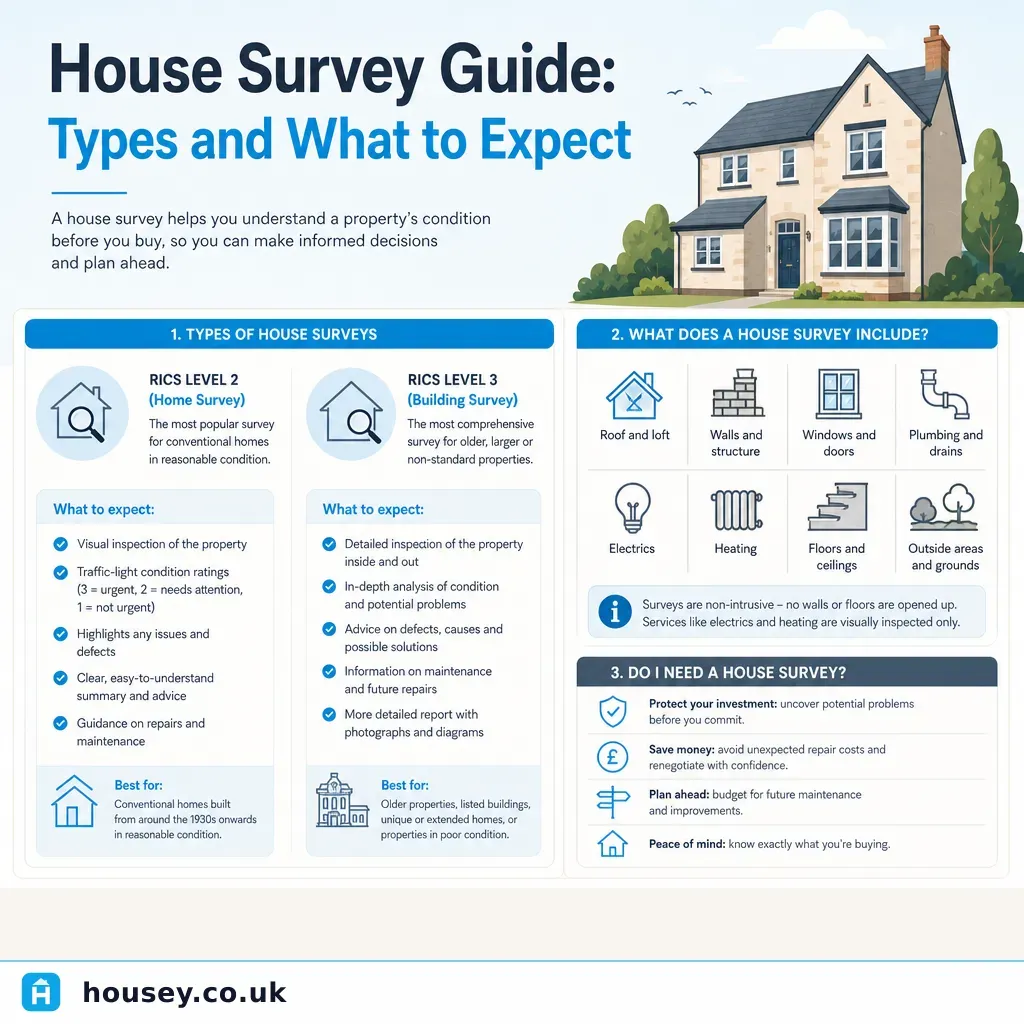
House Survey Guide: Types and What to Expect
UK house surveys come in three RICS-standardised levels: Level 1 (Condition Report) for new or near-new homes, Level 2 (Home Survey) for conventional post-war properties, and Level 3 (Building Survey) for older, altered, or defective properties.
 Surveys & Inspections
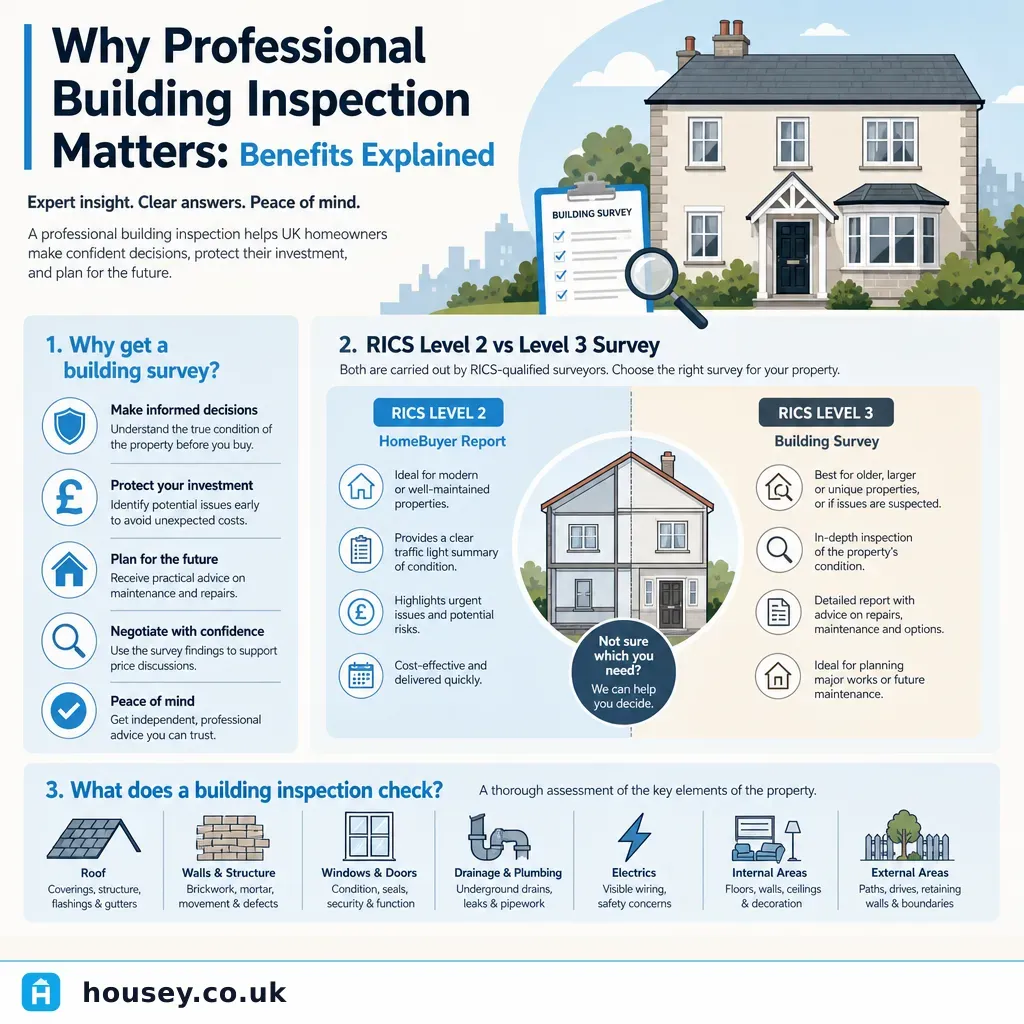
Why Professional Building Inspection Matters: Benefits Explained
Professional building inspection gives UK homeowners an independent, expert view of a property's condition and regulatory compliance.
 Surveys & Inspections
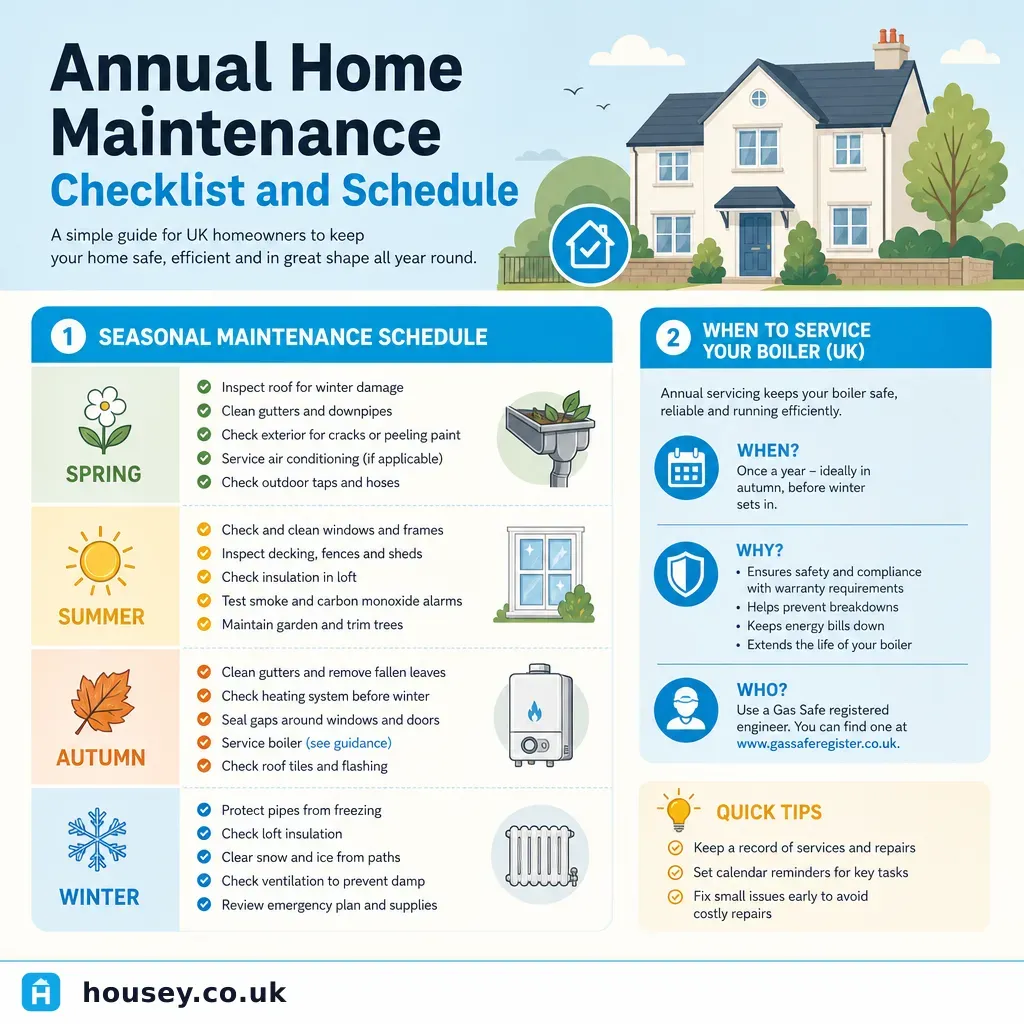
Annual Home Maintenance Checklist and Schedule
A structured annual maintenance schedule helps UK homeowners catch small problems before they become costly repairs.
 Surveys & Inspections
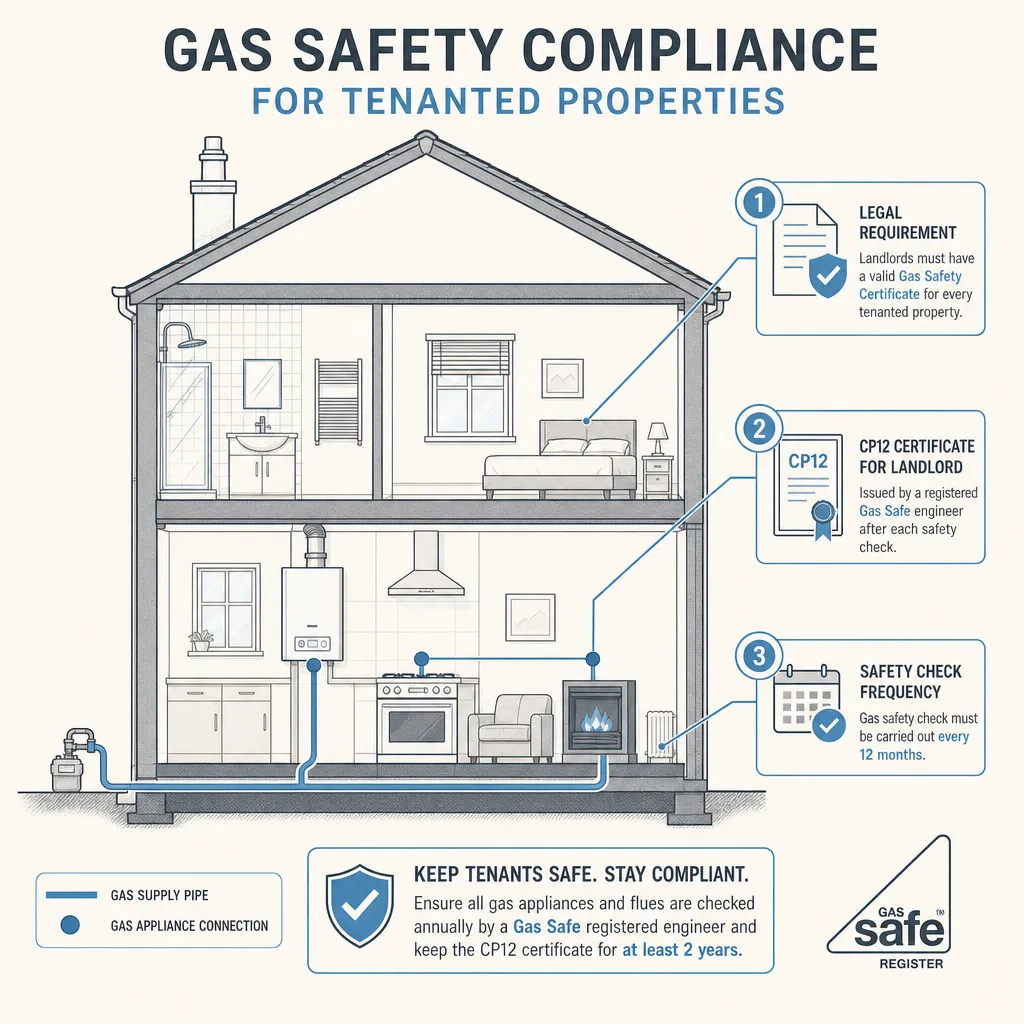
Gas Safety Compliance for Tenanted Properties
UK landlords are legally required to arrange an annual gas safety check by a Gas Safe registered engineer for every tenanted property with a gas appliance.
 Surveys & Inspections
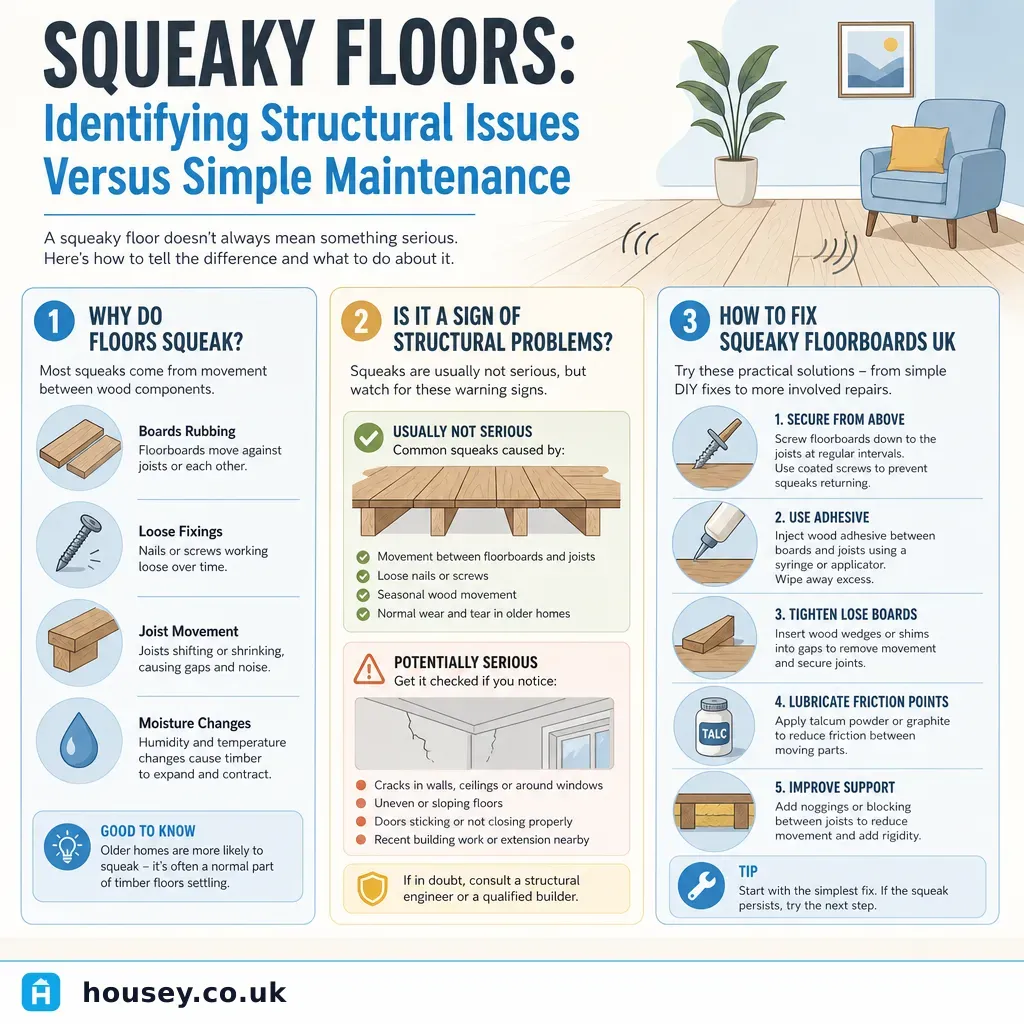
Squeaky Floors: Identifying Structural Issues Versus Simple Maintenance
Most squeaky floors in UK homes are caused by floorboards rubbing against each other or against fixings as they expand and contract — a maintenance issue rather than a structural one.